Tiroler Stuben Berlin occupies a quiet stretch of Heerstraße in the Westend district, bringing the Alpine Stuben format to a city more associated with avant-garde dining than hearty Central European tradition. The address sits well outside Berlin's restaurant-media circuit, which means it draws a neighbourhood crowd rather than a destination diner seeking Michelin validation. That separation from the city's high-profile dining tier is, for many regulars, precisely the point.
Pearl is the En Primeur Club membership app — saves, bookings, and concierge access live there. Same editors, same standards.
- Address
- Heerstraße 137, 14055 Berlin, Germany
- Phone
- +493030099466
- Website
- tiroler-stuben.com
- Directions
- Get directions
 Saves & bookings on Pearl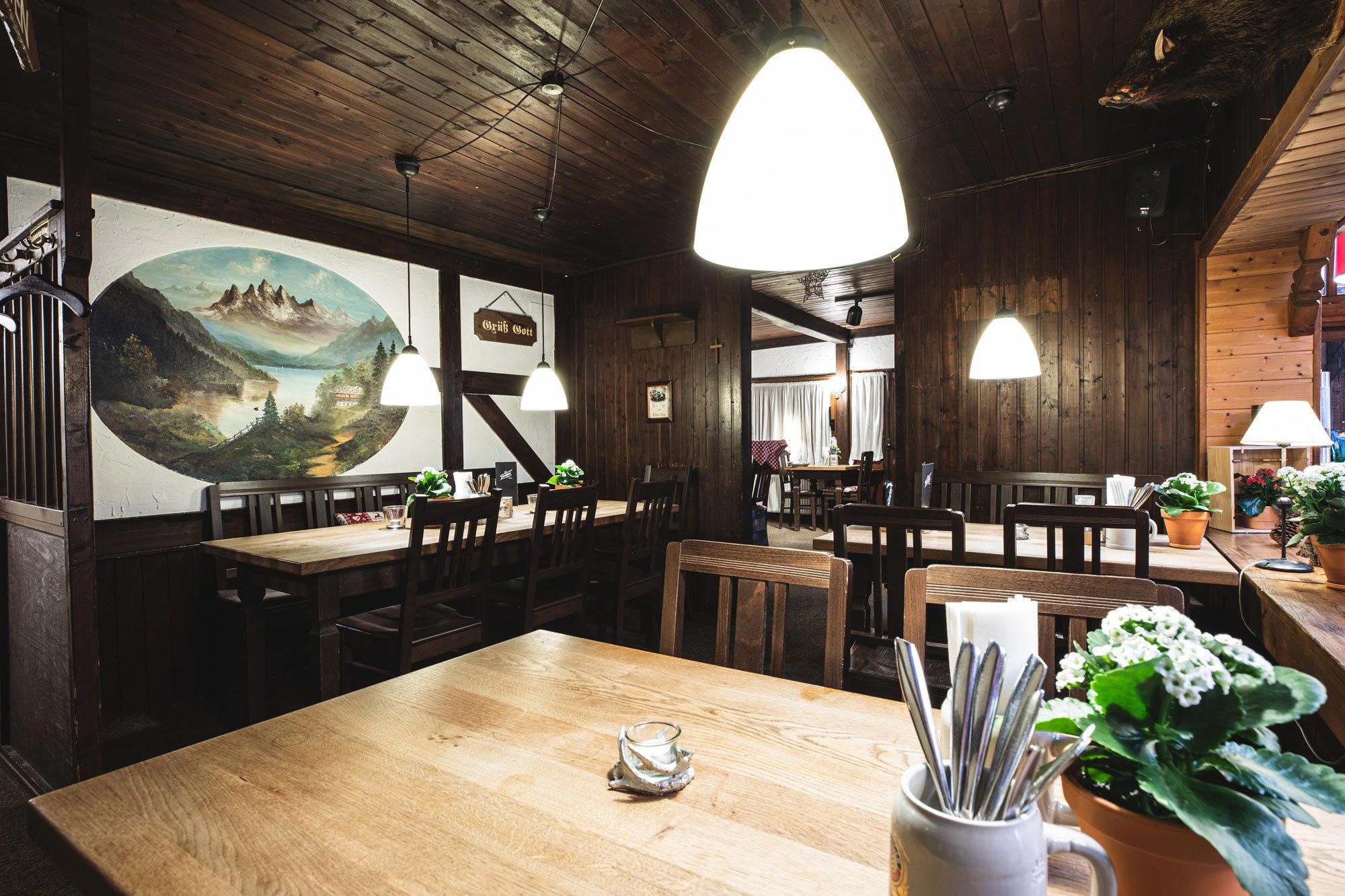
An Alpine Dining Room in Berlin's Western Fringe
Tiroler Stuben Berlin is a traditional Austrian Tyrolean restaurant at Heerstraße 137 in Charlottenburg-Wilmersdorf, Berlin. Heerstraße 137, in the Westend quarter of Charlottenburg-Wilmersdorf, is a long way from that circuit, geographically and atmospherically. Tiroler Stuben Berlin operates in a register the city's food press rarely covers: the neighbourhood Stuben, a Central European dining format with deep roots in Austrian and Bavarian Alpine culture, transplanted to a corner of western Berlin that still retains something of its pre-reunification bourgeois calm.
The Stuben format itself is worth understanding. In Tyrol and across the Alpine arc, a Stube is a wood-panelled, low-ceilinged dining room, warm, deliberately unhurried, organised around the rhythms of a local clientele rather than the logistics of tourist throughput. It is a format defined by permanence rather than novelty. Berlin has versions of this tradition scattered through its older western districts, most of them operating below the threshold of food media attention. Tiroler Stuben sits in that category: a room shaped by convention rather than concept, where the context is Central European hospitality tradition rather than the city's more visible experimental dining scene.
Lunch and Dinner: Two Different Propositions
The Stuben format has always maintained a clear distinction between its daytime and evening registers, and understanding that divide is especially practical thing a visitor can know before booking. Across Alpine-influenced restaurants in German-speaking cities, from Munich's neighbourhood Wirtshäuser to Vienna's established Gasthäuser, the lunch service tends to operate as a working meal: shorter in duration, tighter in format, often built around a small daily menu that rotates with the kitchen's supply logic. Evening service opens into a slower, more deliberate pace, with the room filling later and tables turning less frequently.
At Tiroler Stuben, this pattern holds to the extent that the Westend's residential character reinforces it. The lunchtime crowd here skews local and purposeful, people with an hour and a known preference rather than out-of-town visitors with an open afternoon. That makes the midday service a more efficient entry point if your priority is the food rather than the full duration of an Alpine evening. Evening service, by contrast, is where the Stuben format delivers its full proposition: a room that slows down by design, where the atmosphere is generated by regular diners who have been coming for years rather than by a bookings algorithm.
For visitors comparing value across Berlin's dining tiers, the Stuben occupies a fundamentally different position. It is not competing with Berlin's €€€€ tier. Its competitive set is the city's stock of traditional German and Central European neighbourhood restaurants.
The Westend Address and What It Signals
Charlottenburg-Wilmersdorf is not where food tourists go. Its restaurant stock is shaped by a residential population with conservative tastes and the disposable income to support long-running operations. That dynamic has preserved a small number of traditional dining rooms, Austrian, German, occasionally Eastern European, that would not survive in higher-footfall, higher-rent districts. The Heerstraße address places Tiroler Stuben in that protected niche.
The neighbourhood comparison calibrates expectations. Germany's most celebrated regional-traditional restaurants, Schwarzwaldstube in Baiersbronn, Waldhotel Sonnora in Dreis, Schanz in Piesport, operate as destination addresses in rural or semi-rural settings where the journey itself is part of the proposition. Berlin's equivalent traditional rooms occupy a different position: they are accessible by U-Bahn or bus, embedded in residential fabric, and serve a function closer to the French neighbourhood bistro than to the grand regional restaurant. Tiroler Stuben operates in that urban-traditional register.
For a broader picture of where this fits in Berlin's wider dining map, Berlin's restaurant landscape ranges from the neighbourhood tier to the multi-starred kitchens. The contrast with venues like Aqua in Wolfsburg, JAN in Munich, or Victor's Fine Dining by Christian Bau in Perl, Germany's high-formal tier, illustrates how much range exists within German dining as a category. Tiroler Stuben is emphatically not in that tier, and that is not a criticism. The Stuben format serves a different function in the dining ecosystem.
Planning Your Visit
Heerstraße 137 is accessible by public transport from central Berlin, with the Westend U-Bahn station providing a direct connection from the city centre. The neighbourhood is residential and quiet, which means the street-level approach is calm rather than animated. The Stuben format traditionally does not require formal dress, and the room's register is informal by design. For visitors arriving from further afield and comparing their Berlin programme against other German destinations, the contrast with Restaurant Haerlin in Hamburg, Vendôme in Bergisch Gladbach, ES:SENZ in Grassau, or Bagatelle in Trier illustrates the breadth of Germany's regional dining offer. Internationally, the formal dinner comparison points toward restaurants like Le Bernardin in New York City or Atomix in New York City, venues that operate in an entirely different register and at a different price point, but which help map the full spectrum of dining options for a well-travelled reader planning across multiple cities.
Quick reference: Tiroler Stuben Berlin, Heerstraße 137, 14055 Berlin.
Cuisine and Credentials
Comparable venues nearby, for context on price, style, and recognition.
| Venue | Cuisine | Price | Notes |
|---|---|---|---|
| Tiroler Stuben BerlinThis venue — the venue you are viewing | Traditional Austrian Tyrolean | $$ | Not listed |
| Julchen Hoppe | Traditional Berlin German | $$ | Mitte |
| Café Liebig | Classic German Bistro | $$ | Grünau |
| Gaumenfreund | International with German influences | $$ | Mitte |
| Witty's | Organic Berlin Currywurst | $ | Schoneberg |
| Fischer & Lustig | Traditional German Fish & Meat | $$ | Mitte |
Continue exploring
More in Berlin
Restaurants in Berlin
Browse all →
Bars in Berlin
Browse all →
Hotels in Berlin
Browse all →

At a Glance
- Rustic
- Cozy
- Classic
- Group Dining
- Family
- Casual Hangout
- Historic Building
- Extensive Wine List
- Local Sourcing
Current opening hours
- Monday
- 12–9 PM
- Tuesday
- 12–9 PM
- Wednesday
- 12–9 PM
- Thursday
- 12–9 PM
- Friday
- 12–9 PM
- Saturday
- 12–9 PM
- Sunday
- 12–9 PM
Hours can change for holidays and private events. Last verified .
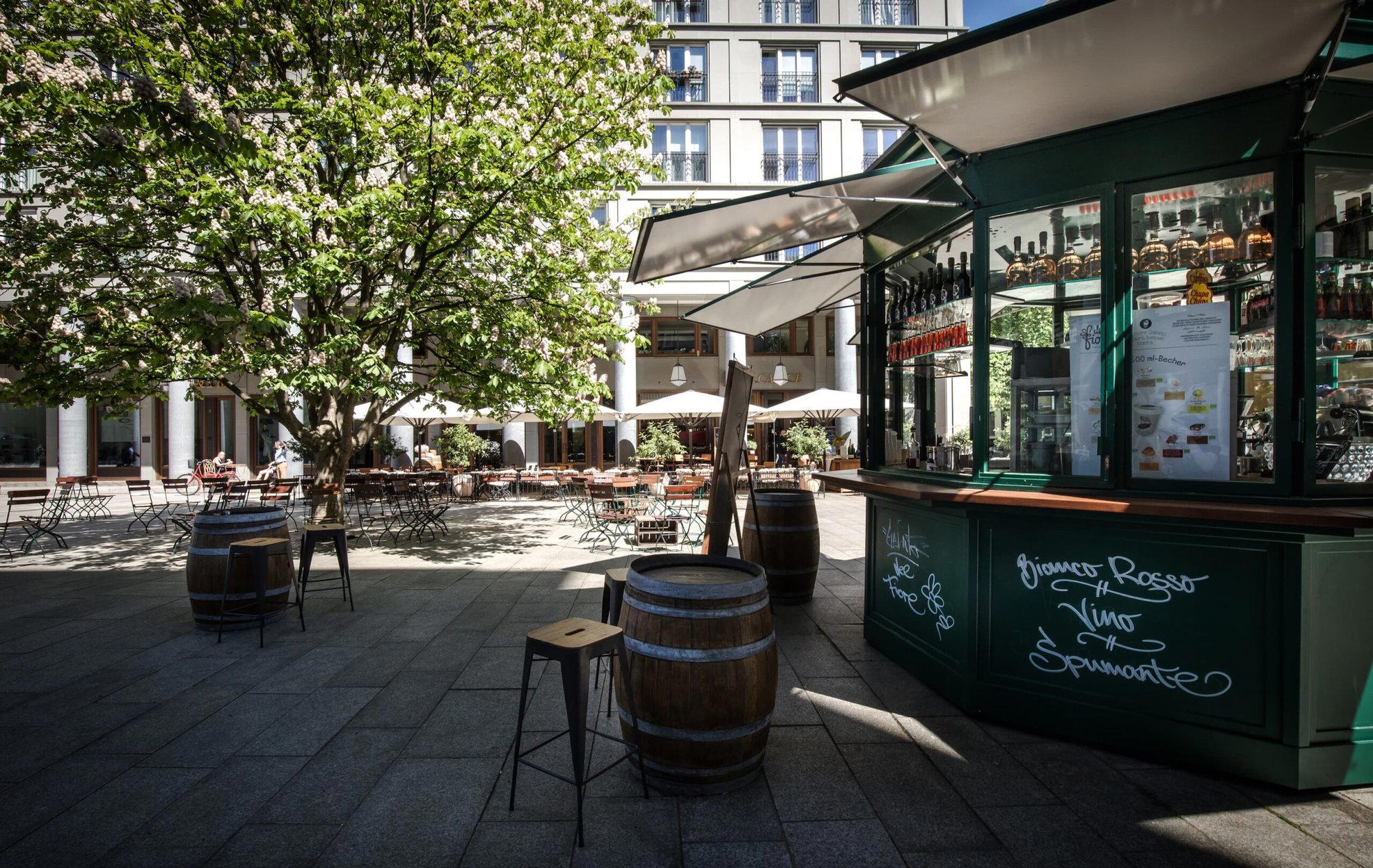
rustic wooden tables in a cozy chalet atmosphere with wide open windows