Brass118
Brass118 occupies a quiet address on Kerkstraat in Bodegraven, a town better known for its craft beer heritage than its dining scene. The restaurant sits within the broader Dutch fine dining circuit, where ingredient provenance and regional sourcing have become the defining markers of serious kitchens. For those making the journey from Rotterdam or Amsterdam, it represents a considered detour into the country's less-charted culinary geography.
Pearl is the En Primeur Club membership app — saves, bookings, and concierge access live there. Same editors, same standards.
- Address
- Kerkstraat 118, 2411 AG Bodegraven, Netherlands
- Phone
- +31172769093
- Website
- brass118.nl
- Directions
- Get directions
 Saves & bookings on Pearl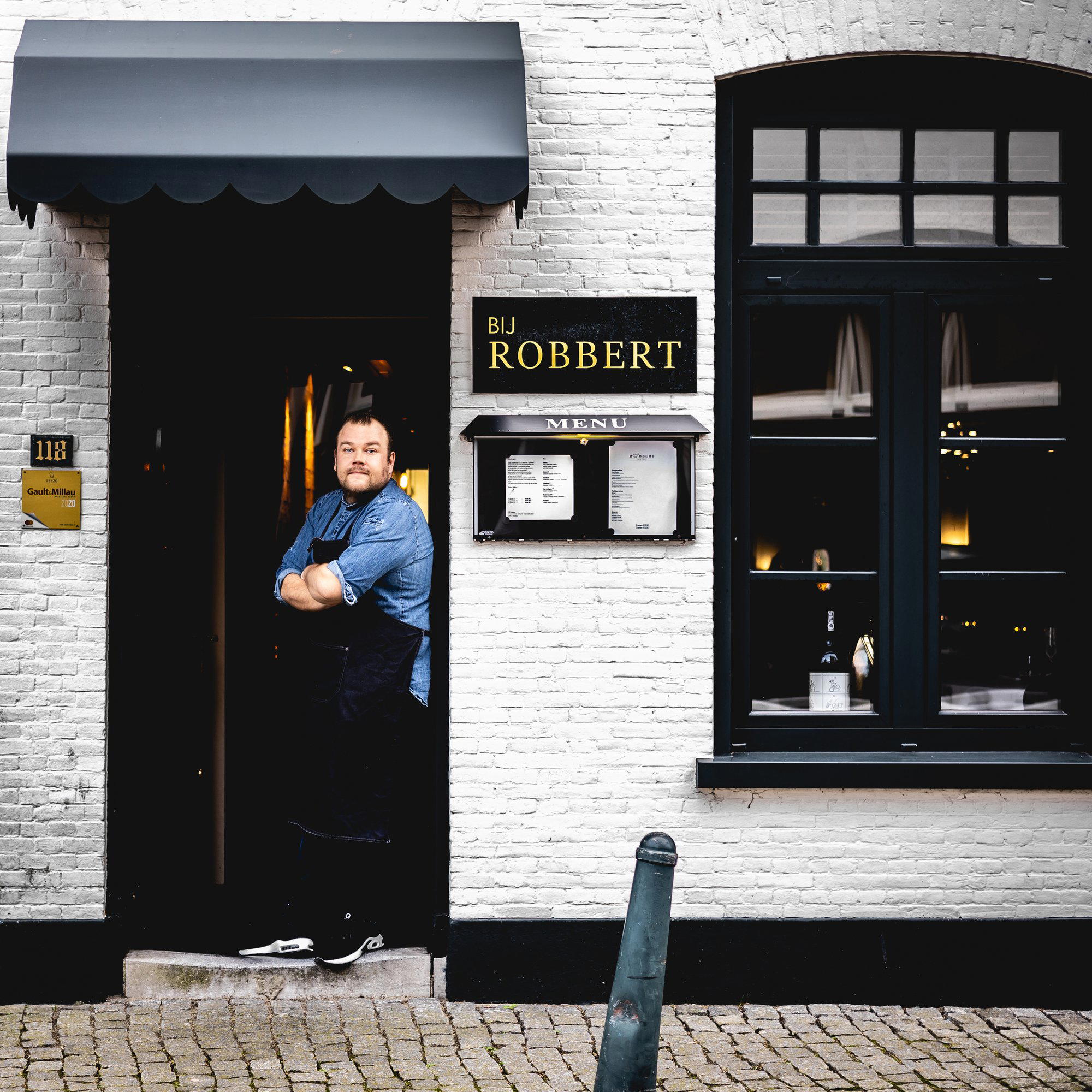
Bodegraven and the Case for Cooking Outside the Cities
Dutch fine dining has long concentrated in Amsterdam and Rotterdam, where the critical infrastructure of Michelin inspectors, food press, and international visitors creates a self-reinforcing ecosystem. Yet some of the country's most purposeful cooking has migrated to smaller addresses, towns where rents are lower, sourcing relationships with nearby farms and waterways are more direct, and the dining room is freed from the pressure of tourist-facing menus. Bodegraven, a small town in the Green Heart of the Netherlands, sits in that category. Brass118, at Kerkstraat 118, extends that argument into the dining room.
Across the Netherlands, Michelin-recognised restaurants in towns like Staphorst, Giethoorn, and Reijmerstok have demonstrated that distance from a major city is no longer a disqualifier for ambitious cooking. De Groene Lantaarn in Staphorst and Brut172 in Reijmerstok both operate at high levels from addresses that would not appear on any conventional restaurant geography. De Lindenhof in Giethoorn has built a destination reputation in a village most visitors associate with canal boats. Brass118 belongs to this same dispersed geography of Dutch ambition.
The Green Heart and What It Means for a Plate
Bodegraven sits at the edge of the Groene Hart, the agricultural and polder landscape that fills the space between the Randstad cities. This positioning is not incidental to what ends up on a plate in the better kitchens here. The Netherlands has a particular geography for sourcing: greenhouse production, dairy from Frisian and South Holland farms, North Sea fish, and river-fed market gardens all sit within viable supply distance of any kitchen in this region. The leading Dutch restaurants have increasingly built their identity around making those connections explicit, whether through seasonal menus that shift with polder harvests or through cheese and dairy programs that trace back to named producers.
This is the editorial context in which Brass118 should be placed. The restaurant's address in a town that is itself embedded in productive agricultural land creates the conditions for sourcing that urban restaurants in Amsterdam or Rotterdam have to work considerably harder to replicate. Where a kitchen on the Herengracht must negotiate supply chains and distribution logistics, a kitchen in Bodegraven can, in principle, shorten that chain substantially. Whether Brass118 exploits that advantage fully is something a visit would clarify, but the structural conditions are there.
For comparison, De Nieuwe Winkel in Nijmegen has built among the more discussed plant-forward menus in the country precisely because its location enabled direct relationships with growers. De Lindehof in Nuenen and Tribeca in Heeze similarly operate from provincial addresses where sourcing proximity is a structural feature of the kitchen's identity. The pattern across these restaurants suggests that the Dutch fine dining scene's most interesting ingredient-sourcing stories are being written outside the Randstad.
Where Brass118 Sits in the Dutch Dining Tier
The Dutch restaurant scene has a relatively legible tier structure. At the apex sit the three-star addresses, among them De Librije in Zwolle and Inter Scaldes in Kruiningen, both of which operate as destination restaurants drawing guests from across Europe. Below that, a second tier of one- and two-star addresses provides serious cooking at more accessible price points, and it is within or adjacent to this tier that a restaurant at Brass118's address in Bodegraven would most naturally sit.
These are restaurants where the dining proposition is built on technique and sourcing rather than on room design or celebrity-chef use.
For those approaching from the direction of Rotterdam, the comparison with FG in Rotterdam or Ciel Bleu in Amsterdam is instructive: both of those operate at the formal, hotel-adjacent end of the Dutch market. A restaurant on Kerkstraat in Bodegraven is structurally different, closer to the intimate, independent format that has produced particularly interesting dining in smaller Dutch towns.
Lazy Bear in San Francisco built its reputation on format discipline and ingredient focus rather than address prestige. Le Bernardin in New York City demonstrates how a focused culinary identity, built around a single sourcing priority, can define a restaurant's position for decades. The Dutch equivalents tend to operate with smaller teams and tighter menus, but the underlying logic is the same.
Planning a Visit
Bodegraven is accessible by train from both Utrecht and The Hague, with the town centre a short walk from the station. Kerkstraat 118 is a central address, which means arriving on foot from the station is direct. Given the town's relatively small dining ecosystem, Brass118 would be worth contacting in advance, particularly for weekend evenings when any restaurant of this type in a town this size will fill quickly. Visitors combining the meal with Bodegraven's craft beer scene, notably the internationally recognised Brouwerij De Molen, can structure an afternoon-into-evening itinerary without needing to travel further afield.
Brass118 is recommended for reservations. Hours: Mon: Closed; Tue: 6–10 PM; Wed: 6–10 PM; Thu: 6–10 PM; Fri: 6–11 PM; Sat: 6–11 PM; Sun: Closed.
Comparison Snapshot
Comparable venues nearby, for context on price, style, and recognition.
| Venue | Cuisine | Price | Notes |
|---|---|---|---|
| Brass118This venue — the venue you are viewing | Modern Dutch Shared Dining | $$$ | Not listed |
| GOUD | Modern Dutch Fusion | $$$ | Schiemond |
| Dinner at Six | Modern Dutch Fine Dining | $$$ | Houten |
| Botanica | Modern Vegetable-Focused Dutch | $$$ | The Hague Center |
| Canvas | Dutch & International Rooftop | $$ | Weesperzijde Midden/Zuid |
| Olofspoort | Dutch Tasting Room | $$ | Stationsplein e.o. |
Continue exploring
More in Bodegraven
Restaurants in Bodegraven
Browse all →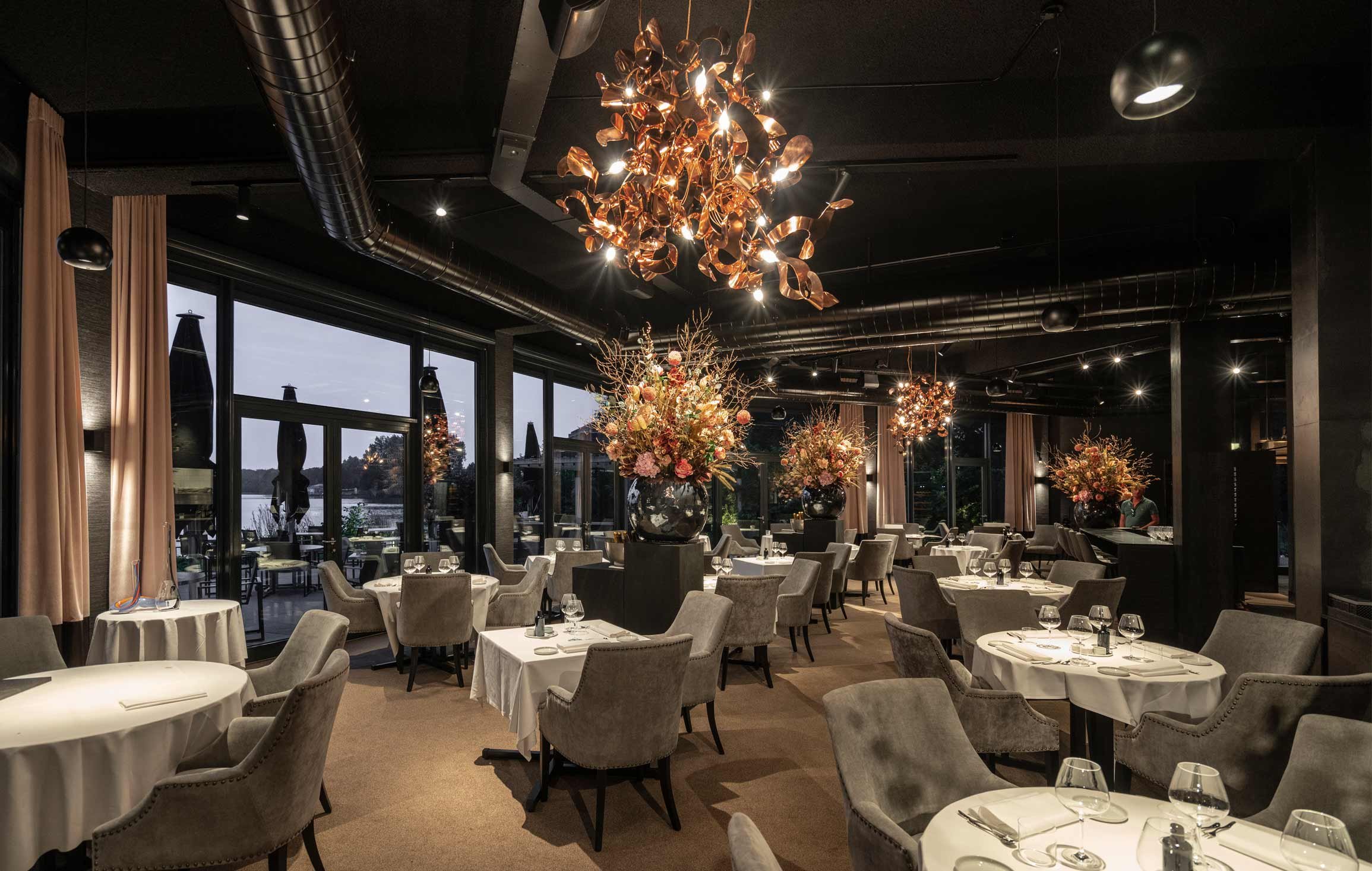
Bars in Bodegraven
Browse all →
Hotels in Bodegraven
Browse all →
Wineries in Bodegraven
Browse all →
At a Glance
- Cozy
- Modern
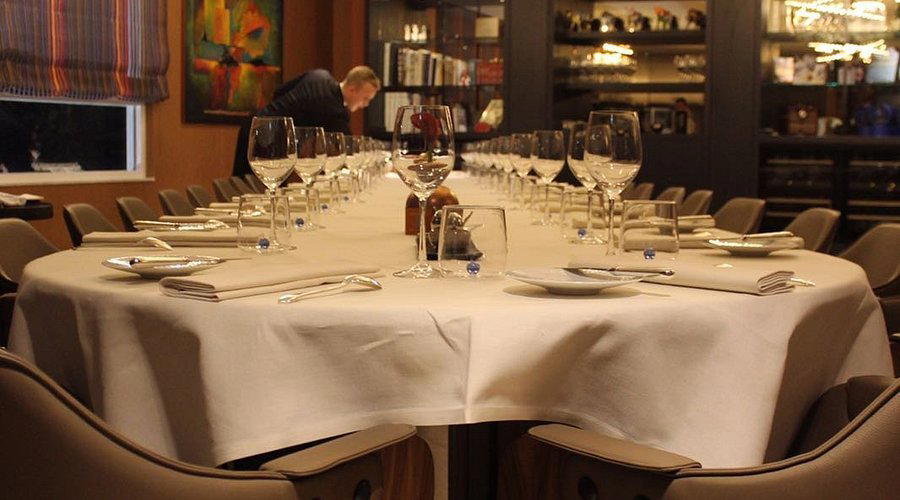
- Group Dining
- Special Occasion
Current opening hours
- Monday
- Closed
- Tuesday
- 6–10 PM
- Wednesday
- 6–10 PM
- Thursday
- 6–10 PM
- Friday
- 6–11 PM
- Saturday
- 6–11 PM
- Sunday
- Closed
Hours can change for holidays and private events. Last verified .
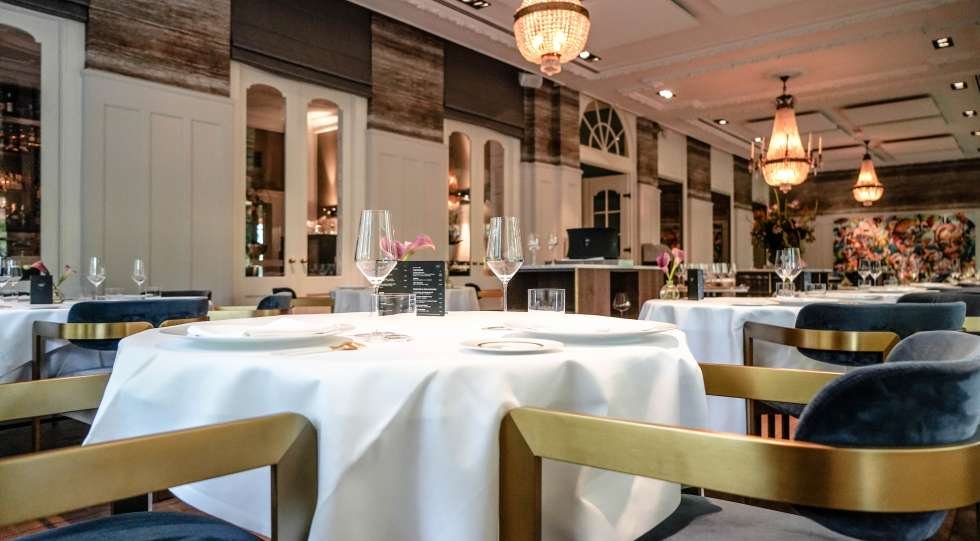
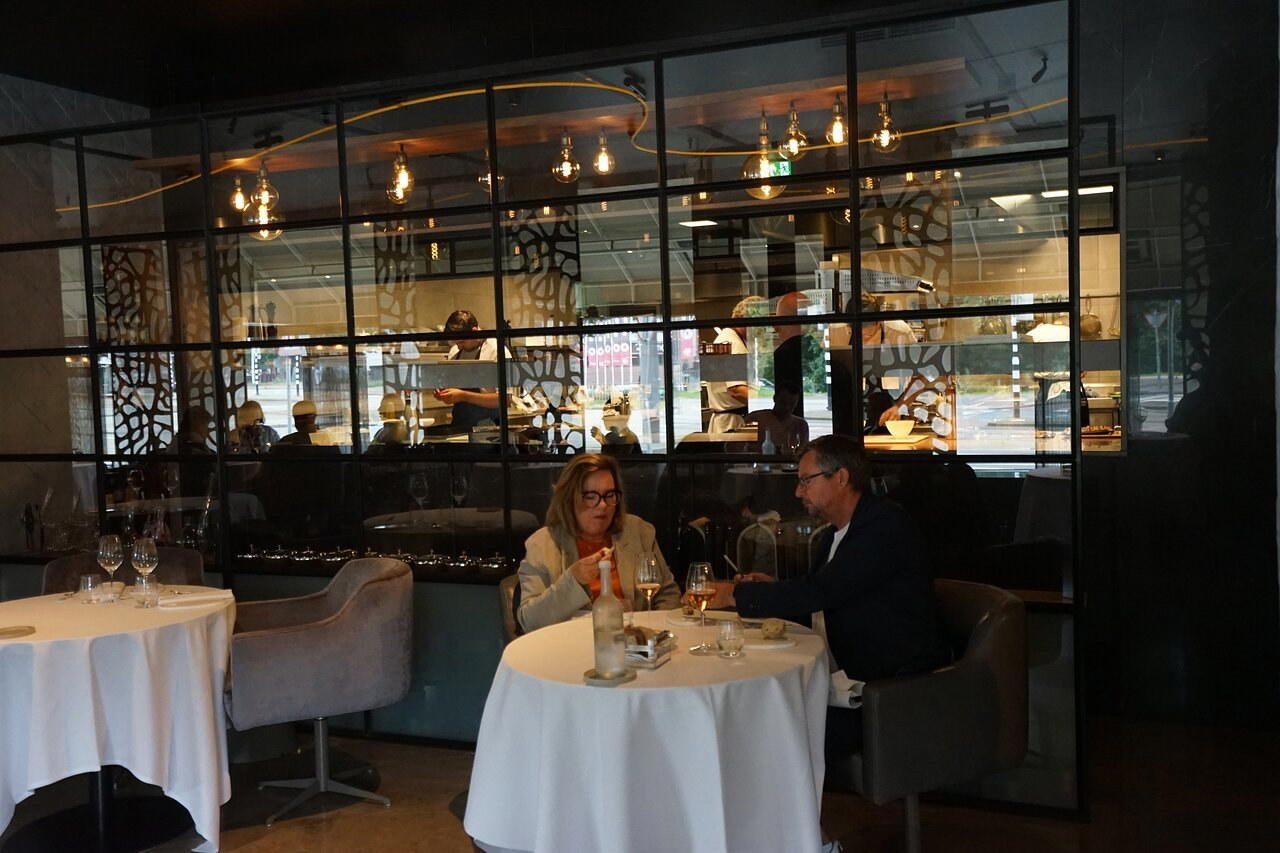
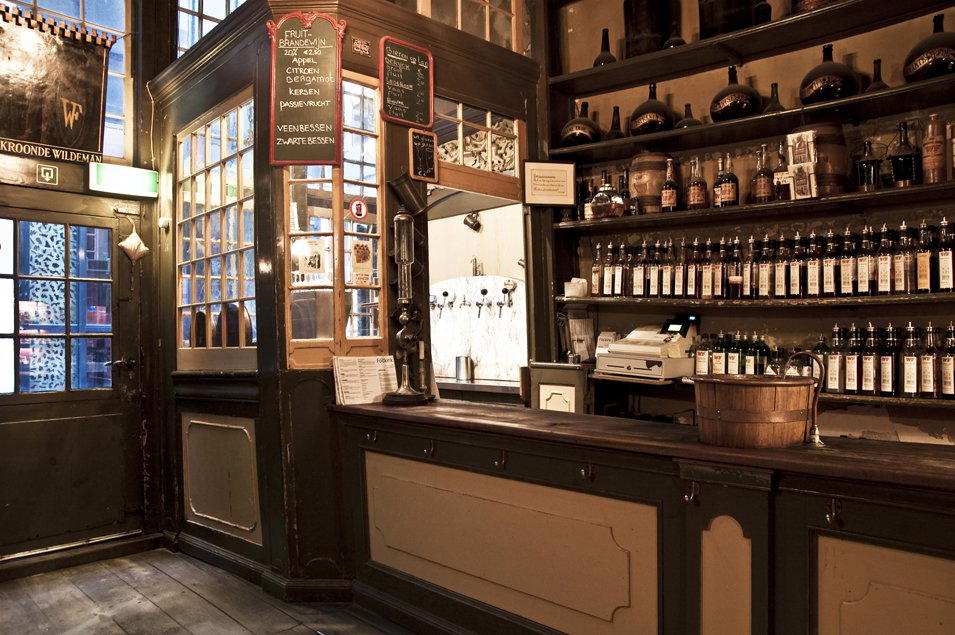
Cozy atmosphere focused on shared enjoyment and discovery.