Google: 4.1 · 34 reviews
Born and Bred
.png)




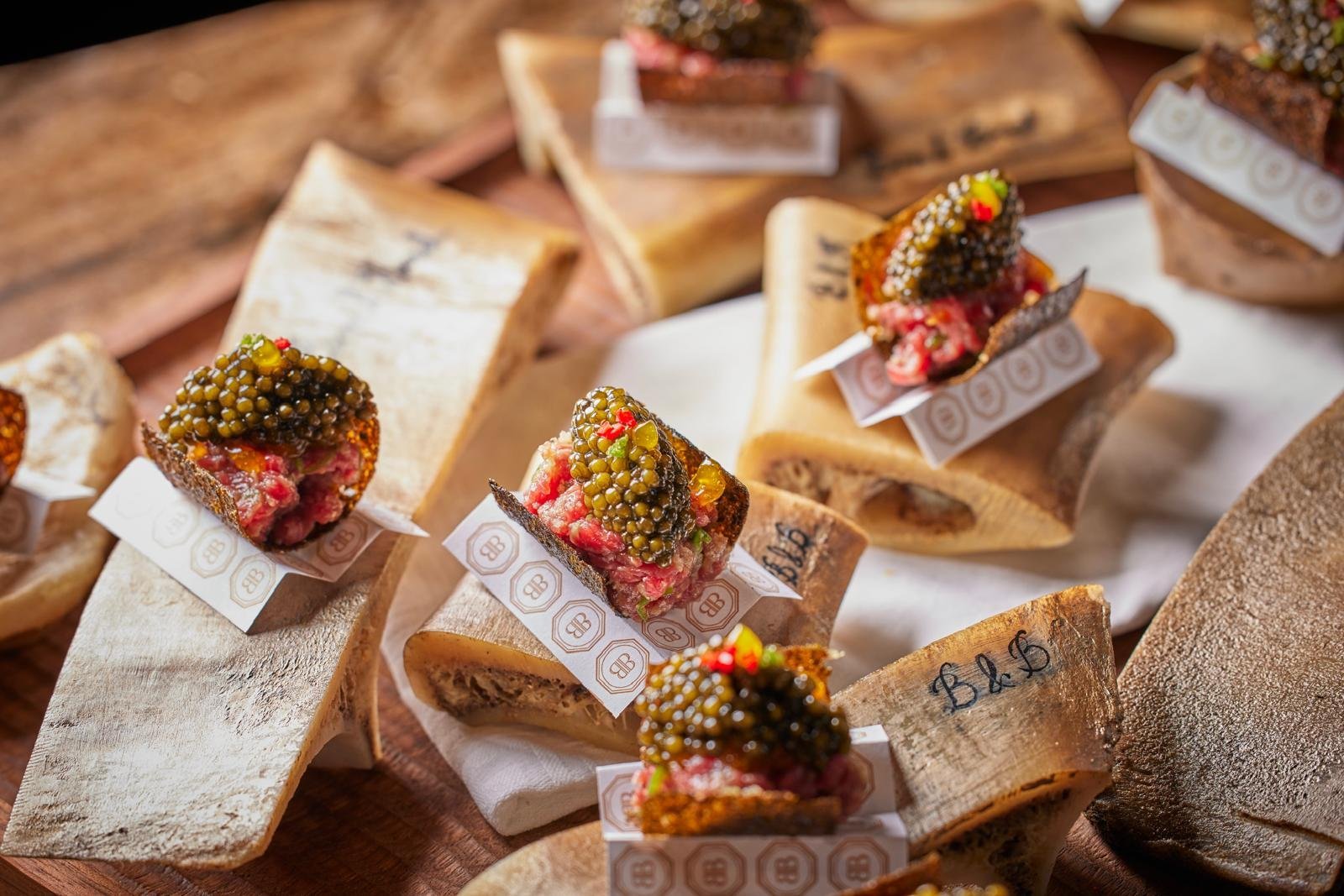
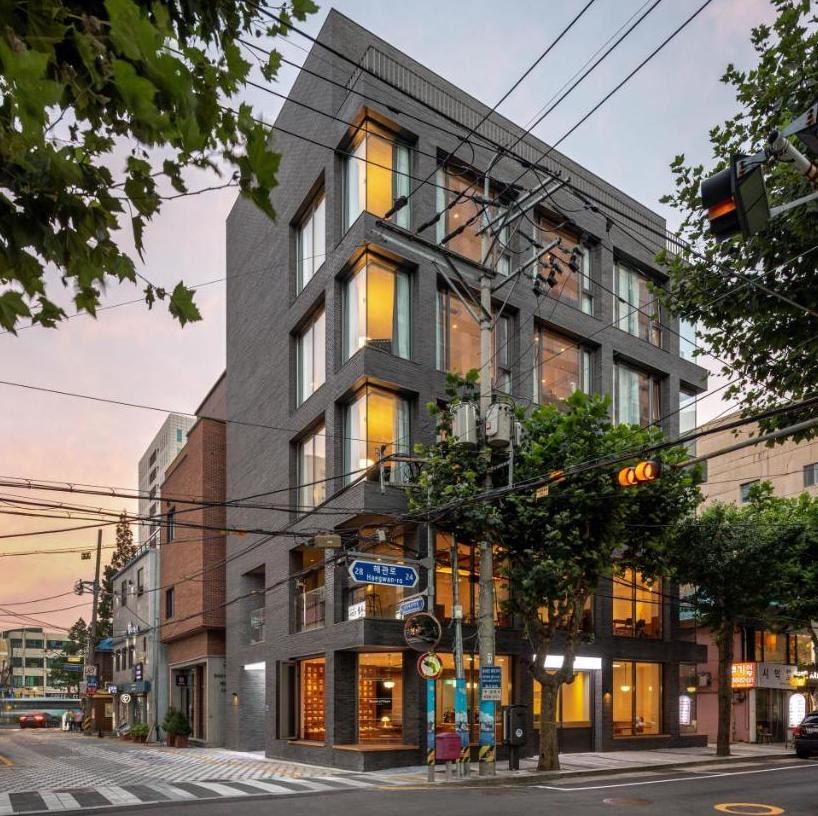
Born and Bred, located inside the Paradise Hotel in Haeundae, brings the Hanwoo beef tradition of Seoul's Majang Meat Market to Busan's coast. The multi-floor concept spans a casual butcher eatery, a dedicated butcher lounge, and a basement omakase course led by third-generation butcher Chef Jung Sang-won. Ranked #51 in Asia's 50 Best Restaurants (2025) and #12 on Opinionated About Dining's Asia list, it sits at the sharper end of the city's fine-dining tier.
 Discover on Pearl
Pearl is the En Primeur Club membership app — saves, bookings, and concierge access live there. Same editors, same standards.
A Beef Counter Beneath Haeundae
The lower level of the Paradise Hotel in Haeundae is not the obvious address for one of Asia's more closely watched beef programs, but that displacement is part of what makes Born and Bred worth the attention. Korea's most serious Hanwoo dining has historically anchored itself around Seoul's Majang Meat Market, where decades of relationships between farmers, butchers, and chefs have produced a rigorous, lineage-driven approach to the country's premium cattle. Born and Bred carries that lineage to Busan's coast, operating a basement omakase counter that sits in a different competitive register from the city's broader restaurant scene.
The format is deliberately tiered. A second-floor space offers a more casual, butcher-inspired format for guests who want proximity to the concept without committing to a full course. The first floor operates as a butcher lounge. The basement is where the concentrated version of the program lives: a focused beef course built around Hanwoo cuts, traditional preparation methods, and the kind of sequencing that asks the kitchen to demonstrate range rather than simply volume. For context on where this sits in the broader Busan dining picture, our full Busan restaurants guide maps the city's fine-dining tier against its more casual, neighbourhood-led options.
Hanwoo, Wet-Aged, and the Argument for Female Cattle
Provenance logic at Born and Bred is worth understanding before the meal begins. Chef Jung Sang-won is a third-generation butcher whose connection to the Majang Meat Market is direct: his father operates a butcher shop there. The restaurant's selection philosophy centres on female cattle aged between six and seven years, a specification that reflects a particular position in the ongoing Korean debate about what Hanwoo at its ceiling actually tastes like. Younger animals produce leaner, cleaner flavour profiles; older females, especially those that have cycled through breeding years, tend to develop deeper intramuscular fat and a more pronounced mineral complexity.
Aging method is primarily wet-aging, which preserves the beef's moisture and keeps the natural flavour profile intact rather than developing the more assertive, funky notes associated with extended dry-aging. This is a deliberate choice within the Korean beef tradition, where the quality of the raw material is allowed to carry the dish rather than being supplemented by transformation during aging. Tableside grills handle the cooking for select cuts, and traditional Korean charcoal grilling methods using binchotan provide the heat source for others, offering precise temperature control and a restrained smokiness that doesn't compete with the beef itself.
The Drink Program in a Beef-Centric Setting
Korea's fine-dining beef scene has historically underinvested in its drink program relative to comparable formats in Japan, France, or the United States. The steakhouse model, as practised at venues like Keens in New York City or Capa in Orlando, treats the wine list as a structural element of the experience, with bold reds functioning as a counterweight to the fat and char of the beef. At A Cut in Taipei, the Western steakhouse idiom is filtered through an Asian hospitality lens, producing a list that leans toward Napa and Bordeaux.
Born and Bred operates within a different tradition: the Korean beef course has more in common with omakase sequencing than with the Western steakhouse format, and the drink pairings reflect that. The progression through cuts of varying richness and texture creates natural pairing opportunities across the meal rather than one dominant register. Full pairing details are not publicly disclosed, but the structural logic of the format suggests that the drink program, wherever it sits, must contend with the same range that the kitchen does. For guests arriving with a strong preference for a particular wine region or style, it is worth confirming the current list in advance rather than assuming standard steakhouse conventions apply.
Where Born and Bred Sits in the Busan Scene
Busan's fine-dining restaurants have developed more slowly than Seoul's, but the gap has narrowed over the past several years, and the city now hosts a small cluster of restaurants that can be assessed against national rather than just local benchmarks. Born and Bred's recognition in that context is specific: ranked #51 among Asia's 50 Best Restaurants (2025), ranked #12 on Opinionated About Dining's Asia list for the same year, and holding a Michelin Plate for 2025. These are not equivalent signals. The 50 Best list weights reputation and travel-driven dining heavily; the OAD ranking is generated from surveys of frequent diners and professionals and tends to reward consistency over spectacle. Holding a strong position on both lists simultaneously indicates a program that performs across different assessment frameworks, not just one.
At the ₩₩₩₩ price tier, Born and Bred occupies the upper bracket of Busan's restaurant spectrum. The city also offers compelling dining at lower price points: Anmok represents Busan's dwaeji-gukbap tradition, and 100.1.Pyeongnaeng anchors the naengmyeon category that the city does particularly well. For guests seeking contemporary fine dining at a lower price commitment, Palate at ₩₩ and Mori at ₩₩₩ sit within the same neighbourhood orbit. For those committed to the full beef course, the pricing at Born and Bred is in line with Seoul comparisons: the capital's equivalent Hanwoo omakase counters at this recognition level operate in the same tier.
The Korean fine-dining scene more broadly, as represented by restaurants like Mingles in Seoul, Gaon, and Kwon Sook Soo in Gangnam, has moved toward menus that frame Korean ingredients within a modern tasting format. Born and Bred's approach, which concentrates entirely on Hanwoo rather than building a broader Korean ingredient narrative, is a more focused version of that instinct. It is a single-subject restaurant, and its credibility rests on the depth of that subject rather than its breadth. For contrast, Baegyangsa Temple in Jangseong-gun represents the opposite pole of Korean food culture: temple cuisine built entirely around the absence of meat. ARP, Busan's vegan entry point, occupies a similar philosophical position within the city itself.
The La Liste Score and What It Signals
Born and Bred's entry on La Liste's 2026 Leading Restaurants list with 77 points is a useful data point for international visitors calibrating the restaurant against global benchmarks. La Liste aggregates scores from Michelin, Gault&Millau, and a range of regional guides, which means a 77-point score reflects consistent recognition across multiple assessors rather than a single strong showing. For a beef-specialist restaurant operating outside of a major capital, that level of cross-platform recognition is meaningful. It places Born and Bred in a peer set that extends beyond Korea and makes the Busan location feel less like a regional outpost of a Seoul concept and more like a destination in its own right.
Planning a Visit
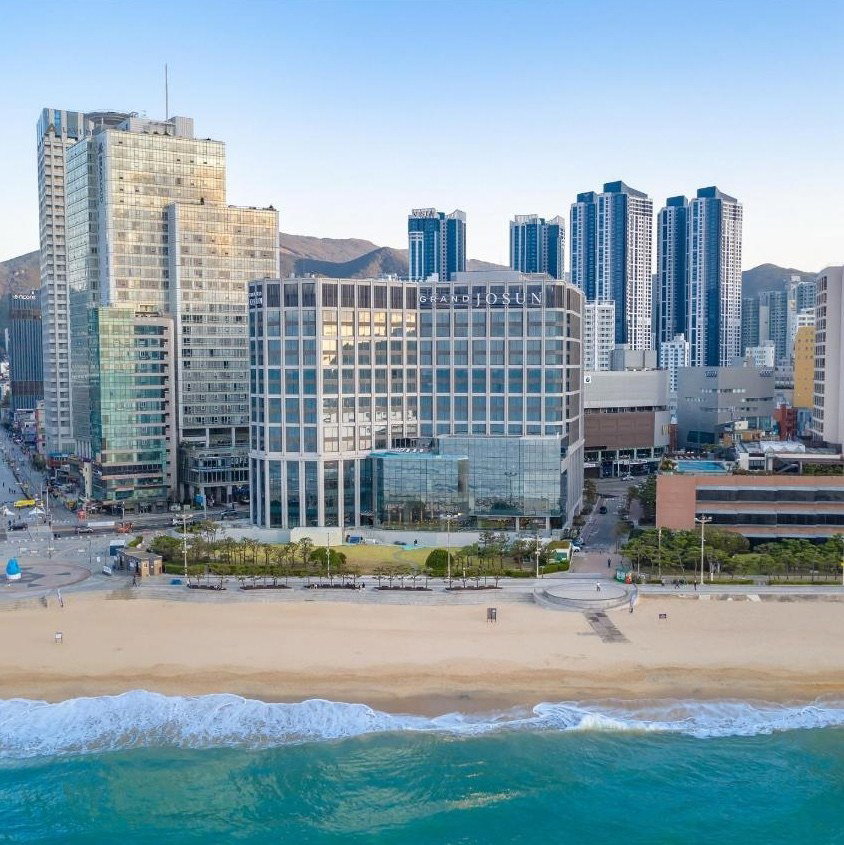
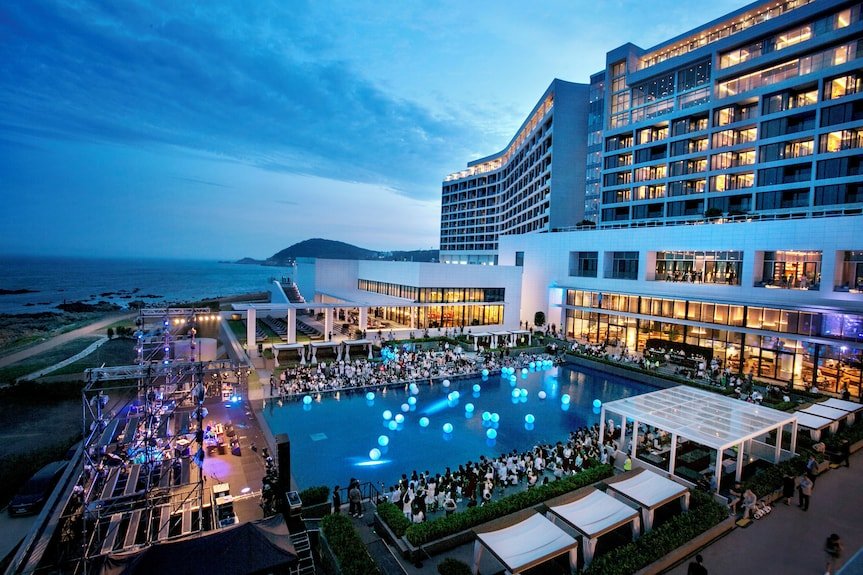
Born and Bred is located on the basement level of the Paradise Hotel in Haeundae-gu, at 296 Haeundaehaebyeon-ro. Haeundae is Busan's primary beach district and the city's most hotel-dense neighbourhood, which makes the Paradise Hotel a convenient anchor for visitors combining dining with accommodation. Our full Busan hotels guide covers the full range of accommodation options across the city's districts. For guests planning evenings beyond dinner, our Busan bars guide, wineries guide, and experiences guide map what the city offers across those categories.
Booking specifics, hours, and current pricing are not publicly listed. Given the basement counter's limited capacity and the restaurant's OAD and 50 Best positioning, advance reservation through the hotel is the recommended approach. Google reviews sit at 4.8 from 21 ratings, a small sample that nonetheless suggests consistent satisfaction at the format's upper end. Guests with specific dietary requirements or preferences around beef cut and cooking temperature should communicate these at the point of booking rather than on arrival.
City Peers
A quick look at comparable venues, using the data we have on file.
| Venue | Cuisine | Price | Notes |
|---|---|---|---|
| Born and Bred | Steakhouse | ₩₩₩₩ | This venue |
| Palate | Contemporary | ₩₩ | Contemporary, ₩₩ |
| Mori | Japanese | ₩₩₩ | Japanese, ₩₩₩ |
| 100.1.Pyeongnaeng | Naengmyeon | ₩ | Naengmyeon, ₩ |
| Anmok | Dwaeji-gukbap | ₩ | Dwaeji-gukbap, ₩ |
| Bao Haus | Taiwanese | ₩ | Taiwanese, ₩ |
At a Glance
- Modern
- Sophisticated
- Special Occasion
- Date Night
- Open Kitchen
- Local Sourcing
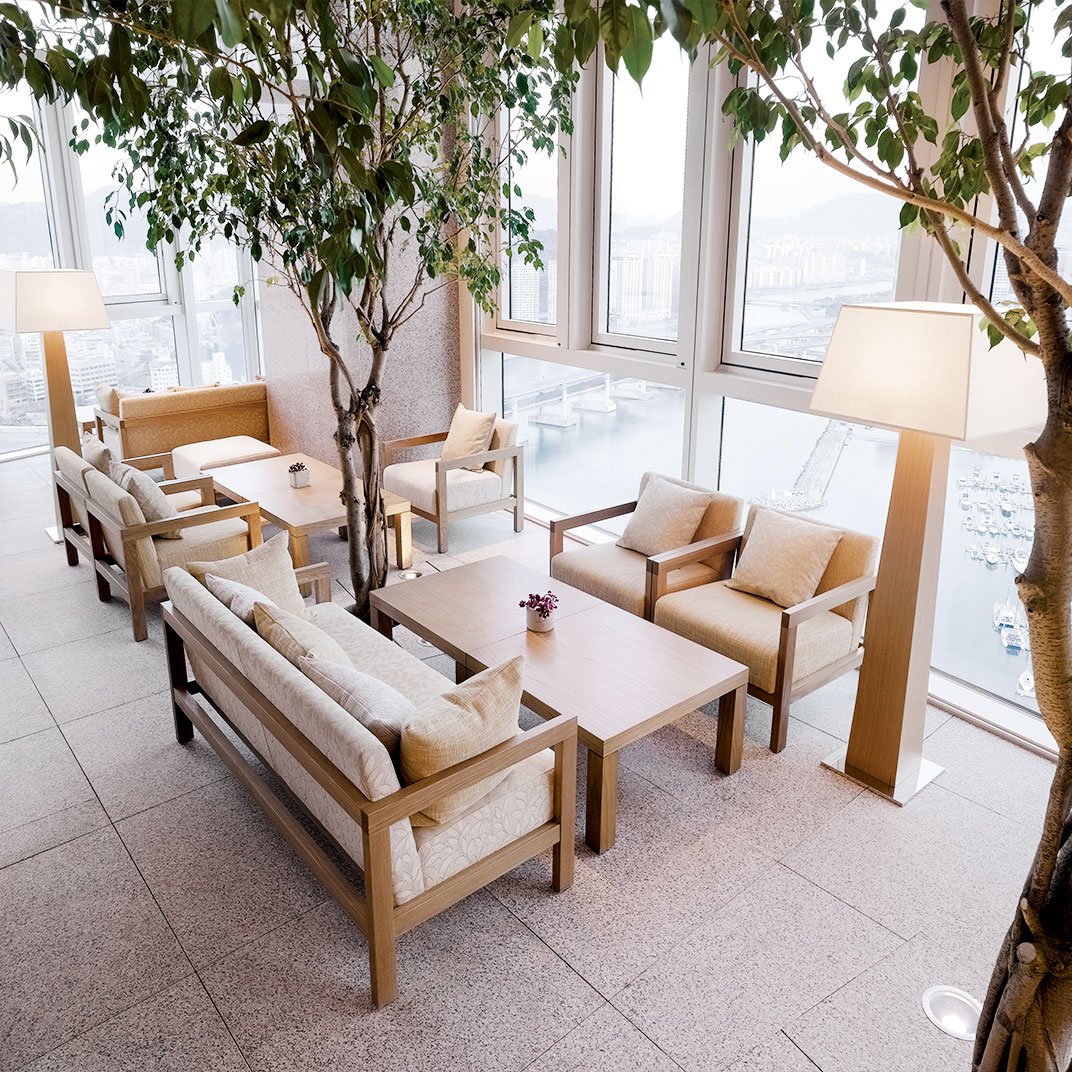
Modern and refined atmosphere in a hotel basement setting with a focus on high-quality beef grilling.