Haemok

Michelin Bib Gourmand
Our verdict
Haemok holds consecutive Michelin Bib Gourmand recognition for 2024 and 2025, placing it among the more consistent Japanese restaurants in Haeundae at the ₩₩ price tier. Sitting on Gunam-ro 24beon-gil, it draws a local and visiting crowd that prioritises value and quality in equal measure. For Busan, it represents the accessible end of the city's recognised Japanese dining scene.

Pearl is the En Primeur Club membership app, where members save venues, book tables and use the concierge.
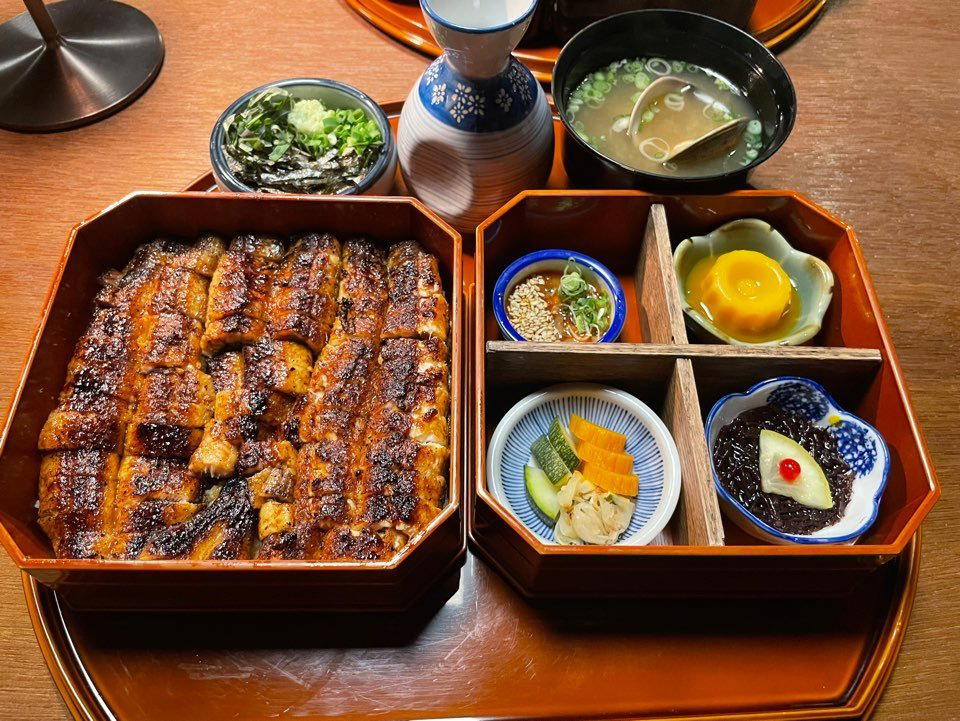
Japanese Dining in Busan's Haeundae: Where the Value Case Is Made
Haeundae is better known for its beach and its towers than for any particular culinary tradition, but the neighbourhood has quietly accumulated a credible restaurant tier over the past decade. Along the side streets running back from the main drag, smaller Japanese-format restaurants have taken root, drawing residents who would rather eat well on a Tuesday than wait for a weekend reservation at something grander. Haemok sits inside this pattern, on Gunam-ro 24beon-gil, a side address that demands a little navigational intent. You don't arrive here by accident.
The address places it in a part of Haeundae that rewards the effort. The approach is residential enough that the restaurant feels embedded rather than performative, the kind of placement that tends to signal a local following rather than one built on tourist proximity.
The Bib Gourmand Bracket in Busan
Michelin's Bib Gourmand designation is not a consolation prize for restaurants that missed a star. It marks a specific and arguably more demanding judgment: quality above what the price warrants. Haemok has held that designation in both 2024 and 2025, which removes the possibility that the first recognition was a one-time snapshot. Consecutive recognition at this level means the kitchen has demonstrated that its value-to-quality ratio is not an accident of a good season but a structural feature of how the place operates.
Within Busan's Michelin-tracked Japanese category, that matters. Mori operates at the ₩₩₩ tier with a full Michelin star, and Iwa occupies its own position in the city's Japanese scene. Haemok's ₩₩ pricing sets it apart from those, functioning at a different price point while still carrying formal Michelin recognition. For context, Palate (Contemporary) and Zero Base occupy the city's Michelin-tracked contemporary tier, while Eutteum Iroribata represents a different tradition altogether.
That kind of tiering is worth understanding before you arrive. Japan-trained or Japanese-format restaurants in Korea's second city have historically skewed either toward high-end omakase counters serving the Gangnam-adjacent crowd or toward casual chains. The middle ground, where a serious kitchen operates at accessible prices, is smaller than it should be. Haemok occupies that space with documented consistency.
Planning a Visit: What to Know Before You Go
The editorial angle that matters most for Haemok is not what it is, but how you get to it, logistically and practically.
This means the safest approach is to arrive at the address on Gunam-ro 24beon-gil with a reservation secured through a Korean-language platform or via the restaurant's own channels once confirmed. If you're travelling from abroad, coordinating through a hotel concierge at one of the nearby Haeundae properties is a practical workaround: any concierge operating in that part of the city should be familiar with the name given its Michelin profile. For broader trip planning in the city, our full Busan restaurants guide covers the wider scene, and our full Busan hotels guide maps the neighbourhood accommodation options.
Timing matters here. Haeundae in summer, particularly around the beach festival season, draws domestic and international tourism that puts pressure on every recognised table in the district. The smarter window for a visit is outside peak beach season, when the neighbourhood returns to something closer to its residential character and the competition for tables at this price point is less acute.
Japanese Dining in Korea: The Broader Context
Japanese cuisine in South Korea occupies a complex cultural and commercial position. Proximity and historical entanglement mean that Japanese-format restaurants range from deeply serious to perfunctory, often at similar prices. The restaurants that earn external validation, whether from Michelin or sustained local reputation, have typically done so by applying the discipline of Japanese technique to Korean supply chains and local seasonal rhythms rather than simply importing a format wholesale.
Busan's geography reinforces this. The city sits closer to Japan than Seoul does, and that proximity has historically produced a more fluid cross-pollination of food culture. Fukuoka is a short ferry ride away, and the corridor of influence runs both ways. Within Korea's broader Michelin map, the starred Japanese and Japanese-format restaurants in Seoul, including venues like Mingles or Korean fine dining at Gaon and Kwon Sook Soo, operate at price points and formality levels well above Haemok. The Bib Gourmand category is where that tier finds its accessible expression. For comparison points within Japan's own Michelin-tracked scene, Myojaku in Tokyo, Azabu Kadowaki, and Isshisoden Nakamura in Kyoto show what the tradition looks like at its uppermost tier.
Haemok is not in dialogue with those rooms, but it is operating within a tradition that those rooms also claim. At ₩₩ with consecutive formal recognition, it is one of the more direct answers to the question of where to eat Japanese food in Busan without committing to a long-form tasting format or a significantly larger spend.
For travellers filling out a broader Busan itinerary, our full Busan bars guide, wineries guide, and experiences guide cover the rest of the city's recognised options. For regional Korean dining outside Busan, Baegyangsa Temple in Jangseong-gun and The Flying Hog in Seogwipo represent the range of what the peninsula offers beyond the major cities.
Frequently asked questions
What's the address for Haemok?
Haemok is located at 8 Gunam-ro 24beon-gil, Haeundae-gu, Busan, South Korea, Busan.
What awards or recognition does Haemok have?
Haemok has received recognition including: Michelin Bib Gourmand (2025); Michelin Bib Gourmand (2024).
What do people recommend at Haemok?
Haemok is a Japanese restaurant operating at ₩₩ pricing in Haeundae, and Michelin's Bib Gourmand panel has flagged it twice in succession, 2024 and 2025, as a kitchen delivering quality above its price bracket.
Is Haemok expensive?
Pricing at Haemok is listed as ₩₩.
Do I need a reservation for Haemok?
Two consecutive Michelin Bib Gourmand awards generate sustained attention, and Haeundae is one of Busan's highest-footfall districts. Booking ahead is the practical move, particularly for weekend visits or prime evening slots. At ₩₩ pricing, the accessible cost of entry means demand runs higher than at starred venues where price itself filters the crowd.
What do critics highlight about Haemok?
The Michelin Bib Gourmand is the critical record on file, awarded in both 2024 and 2025. That designation specifically rewards restaurants where the kitchen's output exceeds what the price point would suggest, it is a judgment on value-to-quality ratio, not a stepping stone toward star consideration. Consecutive recognition signals that the kitchen has held its standard rather than peaking for a single cycle.
A Quick Peer Check
A quick peer list to put this venue’s basics in context.
| Venue | Cuisine | Price | Awards | Notes |
|---|---|---|---|---|
| HaemokThis venue (the venue you are viewing) | Modern Japanese Rice Bowls & Grilled Eel | $30–50 | Michelin Bib Gourmand | Not listed |
| Palate | Contemporary French with Korean Fusion | $150–200 | 1 Michelin Star · La Liste Top Restaurants | Contemporary |
| Mori | Japanese Kaiseki | $200–300 | 1 Michelin Star | Japanese |
| Born and Bred | Modern Hanwoo Beef Omakase Steakhouse | $100–150 | Michelin Plate · World's 50 Best #51 | Steakhouse |
| 100.1. Pyeongnaeng | Pyongyang-style Naengmyeon | $10–20 | Michelin Bib Gourmand | Naengmyeon |
| Anmok | Modern Korean Dwaeji-Gukbap | $10–20 | Michelin Bib Gourmand | Dwaeji-gukbap |
Recognition history
Dated appearances from independent guides and award organizations, with the underlying list record or original source where available.
Michelin Bib Gourmand
Michelin
Full recognition history (2 entries)
Michelin Bib Gourmand
Michelin
Continue exploring
More in Busan
Restaurants in Busan
All restaurants in Busan →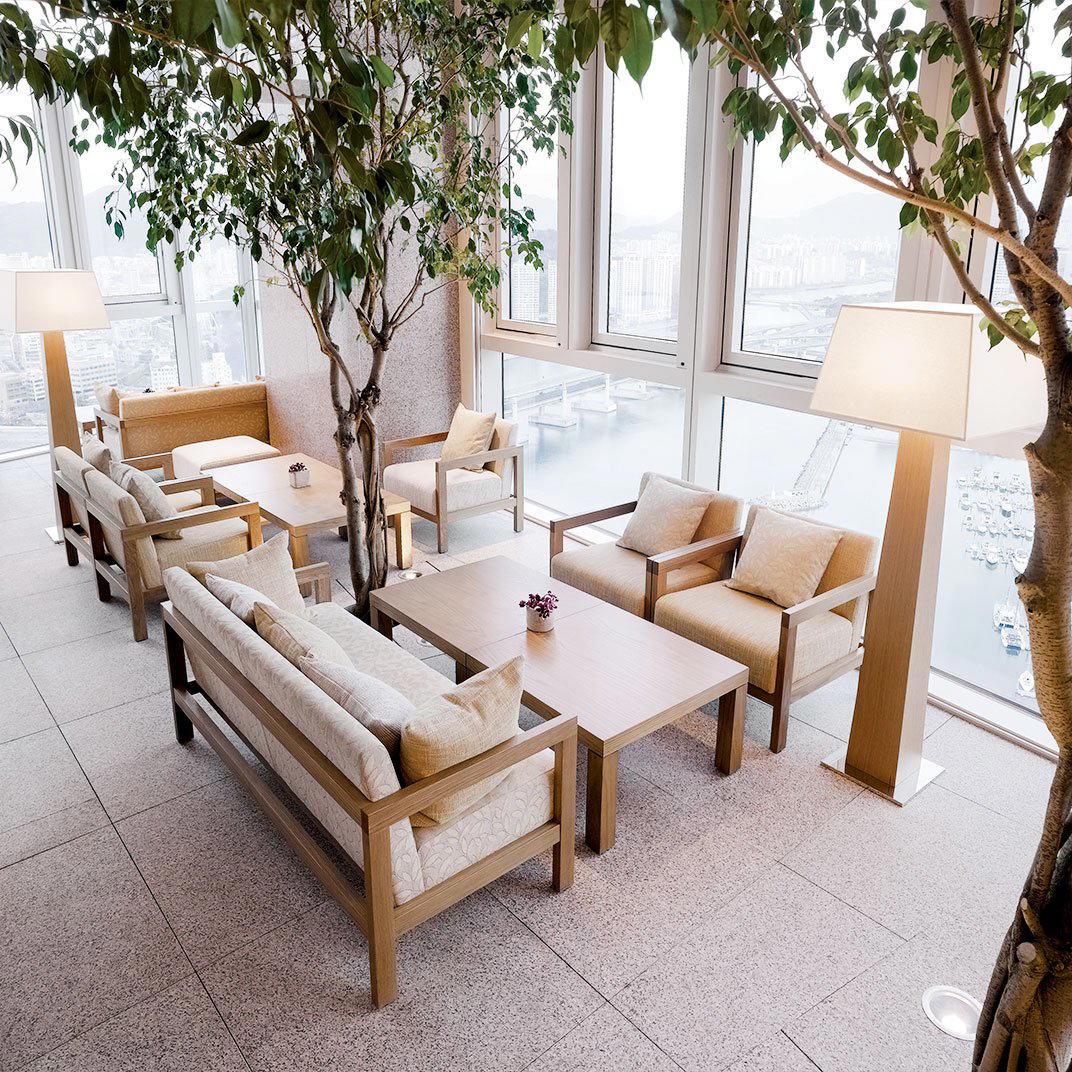
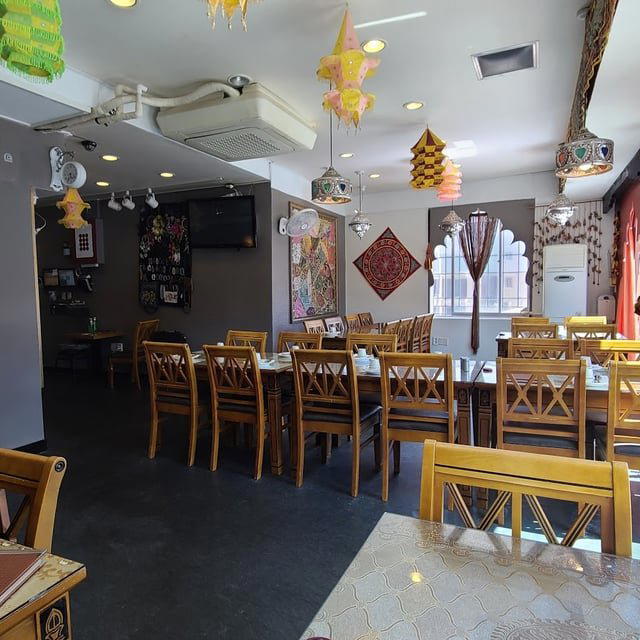
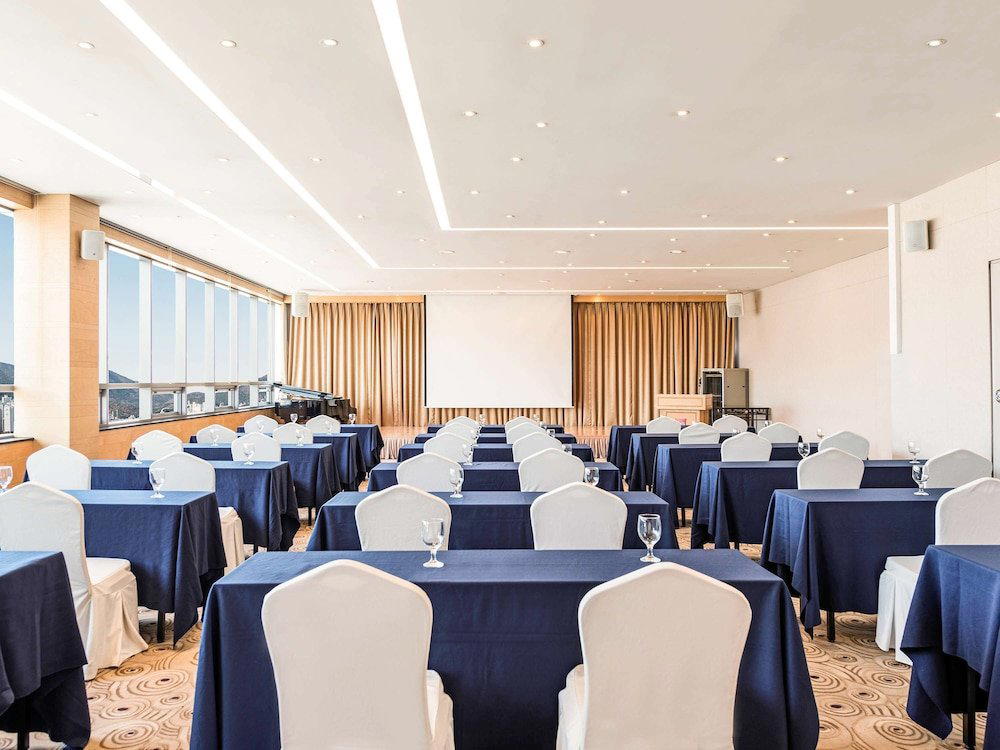
Bars in Busan
All bars in Busan →
Details
- Cozy
- Modern
- Date Night
- Casual Hangout
- Special Occasion
- Open Kitchen
- Sake Program
- A La Carte
Current opening hours
- Monday
- 11 AM–3 PM, 5–10 PM
- Tuesday
- 11 AM–3 PM, 5–10 PM
- Wednesday
- 11 AM–3 PM, 5–10 PM
- Thursday
- 11 AM–3 PM, 5–10 PM
- Friday
- 11 AM–10 PM
- Saturday
- 11 AM–10 PM
- Sunday
- 11 AM–10 PM
Hours can change for holidays and private events. Hours as of .
Warm lighting with wood-based décor, tatami flooring, and Japanese motifs creating an inviting, exotic, and authentic atmosphere.