ARP

ARP has earned back-to-back Michelin Bib Gourmand recognition in 2024 and 2025, making it one of the few vegan restaurants in Busan to break into that tier. Located in Yeongdo-gu, the restaurant works at the lower end of the price range, demonstrating that plant-based cooking in Korea can operate at high quality without a high price point.3 from 78 reviews supports its quiet consistency.
Pearl is the En Primeur Club membership app — saves, bookings, and concierge access live there. Same editors, same standards.
- Address
- 35 Taejong-ro 99beon-gil, Yeongdo-gu, Busan, South Korea
- Phone
- +82 10-5588-1368
- Website
- instagram.com
- Directions
- Get directions
 Saves & bookings on Pearl
Where Yeongdo Meets the Plate: Vegan Cooking in an Unlikely Port District
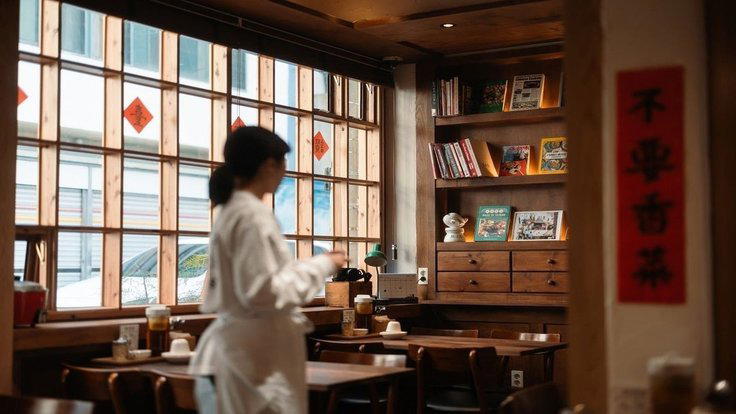
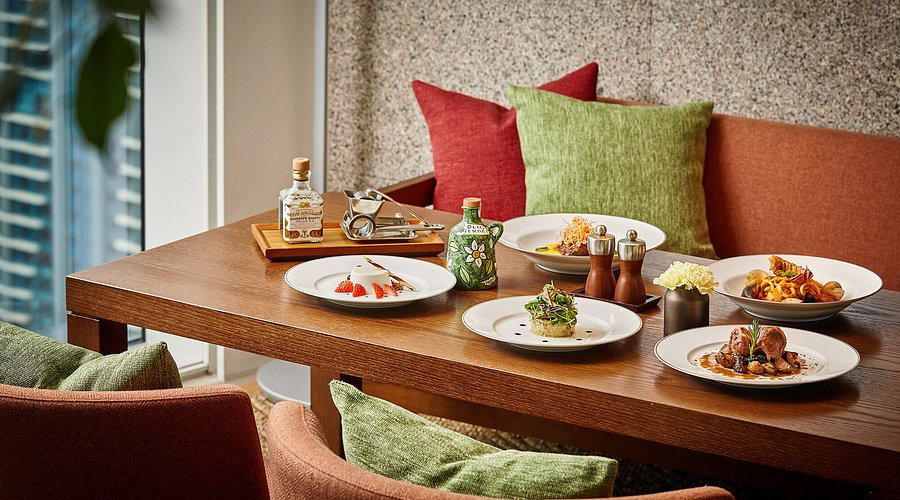
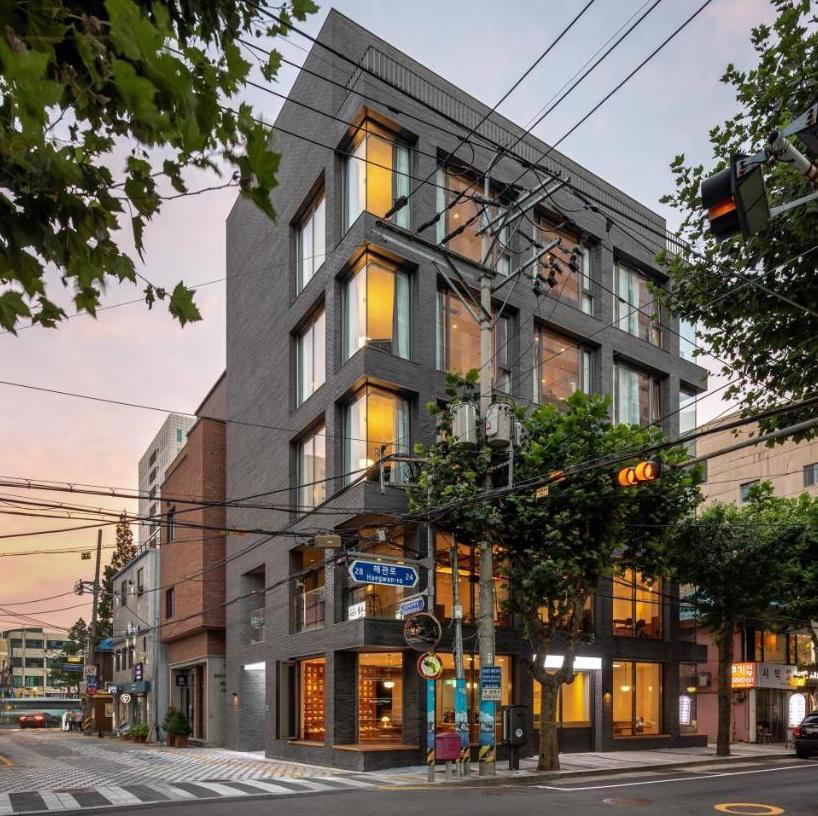
Yeongdo-gu sits apart from the tourist circuits that run between Haeundae and Gwangalli. It is a working district, historically tied to Busan's shipbuilding past, and the streets around Taejong-ro carry the practical, unadorned quality of a neighbourhood that never recalibrated itself for visitors. ARP is a restaurant in Yeongdo-gu, Busan, serving Modern Vegan Korean Fusion and recognized with two Michelin Bib Gourmand awards in 2024 and 2025. Arriving on a side street off the main coastal road, there is no theatrical entrance, no branded façade asking to be photographed. The building presents itself on its own terms, and that restraint carries through to the cooking.
Vegan restaurants in South Korea occupy an interesting structural position. Korean cuisine is deeply, almost architecturally, reliant on fermented animal products, ganjang, myeolchi-aekjeot, saeujeot, and the task of building complexity without them is foundational. The kitchens that have solved this problem convincingly tend to do so not by substituting ingredients, but by rethinking method: longer fermentation cycles, deeper smoking, more patient roasting. ARP sits inside this strand of Korean plant-based cooking, in a price tier (₩) that keeps it accessible while producing food recognized by the Michelin Guide in consecutive years.
Two Bib Gourmand Awards and What They Signal
The Michelin Bib Gourmand, awarded for notable quality at moderate prices, is a more demanding signal than it sometimes appears. A starred restaurant can price its way into a different conversation; the Bib Gourmand specifically rewards value, which means the kitchen must consistently deliver at a cost constraint. ARP has held that recognition in both 2024 and 2025, placing it in a small cohort of Busan restaurants recognized for quality across consecutive guides. For context, Busan's Michelin-recognized scene includes heavier-investment formats like Palate (Contemporary) at ₩₩ with a full Michelin star, and Mori (Japanese) at ₩₩₩ with its own star. ARP, operating at ₩, earns its place in that editorial by a different route: repeatability and accessibility rather than scale or occasion dining.
2 from 90 ratings. The low volume reflects the restaurant's scale and neighbourhood position rather than obscurity, this is not the kind of operation chasing social media traffic.
Technique as the Argument: Fermentation, Roasting, and the Long Method
The broader arc of serious plant-based cooking has moved away from the protein-substitution logic of earlier vegan menus and toward technique-first reasoning. The question is no longer what replaces meat, but what transformation, fermentation, char, reduction, drying, produces the depth that animal proteins once provided by default.
Korean cuisine already has a vocabulary for this. Doenjang, kimchi, ganjang aged in onggi jars: these are technologies of transformation that predate any contemporary plant-based movement by centuries. A kitchen working inside that tradition has access to methods that Western vegan formats have had to construct from scratch. Fermentation provides acidity and umami in registers that fresh vegetables alone cannot reach. Smoking over wood or charcoal adds a dimension that mimics, without replicating, the fat-carried flavour of meat-based stocks. Roasting at high heat, particularly of root vegetables, alliums, and brassicas, creates Maillard compounds that give a menu structural weight.
ARP operates at the intersection of Korean fermentation tradition and a cooking philosophy that treats technique as the primary ingredient. The Bib Gourmand recognition, rather than being a consolation tier below the stars, functions here as confirmation that the method works within a value constraint, a harder proof of concept than delivering the same result at double the price.
ARP in the Context of Busan's Dining Scene
Busan's restaurant culture has historically indexed toward seafood and pork. The city's dwaeji-gukbap tradition, its raw fish markets, its street-level gamjatang operations, these are the formats the city has exported culturally. Vegan dining in this context is not counterculture exactly, but it does occupy a distinct niche, and that niche has been growing. The rise of temple food as fine-dining reference, visible at venues like Baegyangsa Temple in Jangseong-gun and at Seoul's Gaon, has given Korean plant-based cooking a prestige framework to reference.
Seoul leads in vegan restaurant density and critical attention, with operations like Mingles and Kwon Sook Soo pushing contemporary Korean tasting menus toward a broader international conversation. Busan has its own developing fine-dining tier, with Palate and Mori anchoring the starred end, and Born and Bred covering premium meat. ARP covers neither of those quadrants. It demonstrates that a category often treated as premium elsewhere, vegan tasting or set menus, can operate at one accessible price point in the city while still earning critical recognition.
The Yeongdo location is not incidental. The neighbourhood has been absorbing a modest wave of independently minded food and creative businesses over recent years. That structural condition supports the ₩ pricing: a kitchen serious about produce and technique can absorb those costs more comfortably away from the tourist-facing districts. For Loveurth and other plant-forward operations developing in the city, ARP represents a proof point that Bib Gourmand-level recognition is achievable outside the premium neighbourhoods and without a premium price tag.
Diners looking at the full Busan picture should treat ARP as a reference point in the city's affordable category alongside single-discipline specialists like 100.1. Pyeongnaeng, which earns its own ₩ credentials through naengmyeon specifically. See our full Busan restaurants guide for the broader map.
Planning a Visit
ARP is at 35 Taejong-ro 99beon-gil in Yeongdo-gu, the island district accessible by bridge from central Busan. The address puts it on the western edge of Yeongdo, a short taxi or bus ride from Yeongdo Bridge. At ₩ pricing, it fits easily into a day that takes in the surrounding port views and coastal walking paths before or after eating. Reservations are essential, and current hours are Mon to Wed and Fri to Sun from 11:30 AM to 4 PM, with Friday to Sunday also open 11:30 AM to 8 PM and Thursday closed.
Cuisine Lens
Comparable venues nearby, for context on price, style, and recognition.
| Venue | Cuisine | Price | Awards | Notes |
|---|---|---|---|---|
| ARPThis venue — the venue you are viewing | Modern Vegan Korean Fusion | $$ | Bib Gourmand | Not listed |
| Cor Pasta bar | Modern Italian Pasta Bar | $$ | Bib Gourmand | Jeonpo 1(il)-dong |
| Shunsai Kubo | Japanese Unagi Hitsumabushi | $$ | Bib Gourmand | Hwamyeong2-dong |
| Bibijae | Creative Bibimbap | $$ | Bib Gourmand | Namcheon 1(il)-dong |
| IAán | Contemporary French-Korean Fusion | $$ | Michelin Plate | Jung 2(i)-dong |
| Anmok | Modern Korean Dwaeji-Gukbap | $ | Bib Gourmand | Namcheon 1(il)-dong |
Recognition history
Dated appearances from independent guides and award organizations, with the underlying list record or original source where available.
Michelin Bib Gourmand
Michelin
Michelin Bib Gourmand
Michelin
Continue exploring
More in Busan
Restaurants in Busan
Browse all →
At a Glance
- Minimalist
- Modern
- Elegant
- Cozy
- Date Night
- Solo
- Casual Hangout
- Open Kitchen
- Sake Program
- Local Sourcing
Current opening hours
- Monday
- 11:30 AM–4 PM
- Tuesday
- 11:30 AM–4 PM
- Wednesday
- 11:30 AM–4 PM
- Thursday
- Closed
- Friday
- 11:30 AM–8 PM
- Saturday
- 11:30 AM–8 PM
- Sunday
- 11:30 AM–8 PM
Hours can change for holidays and private events. Last verified .
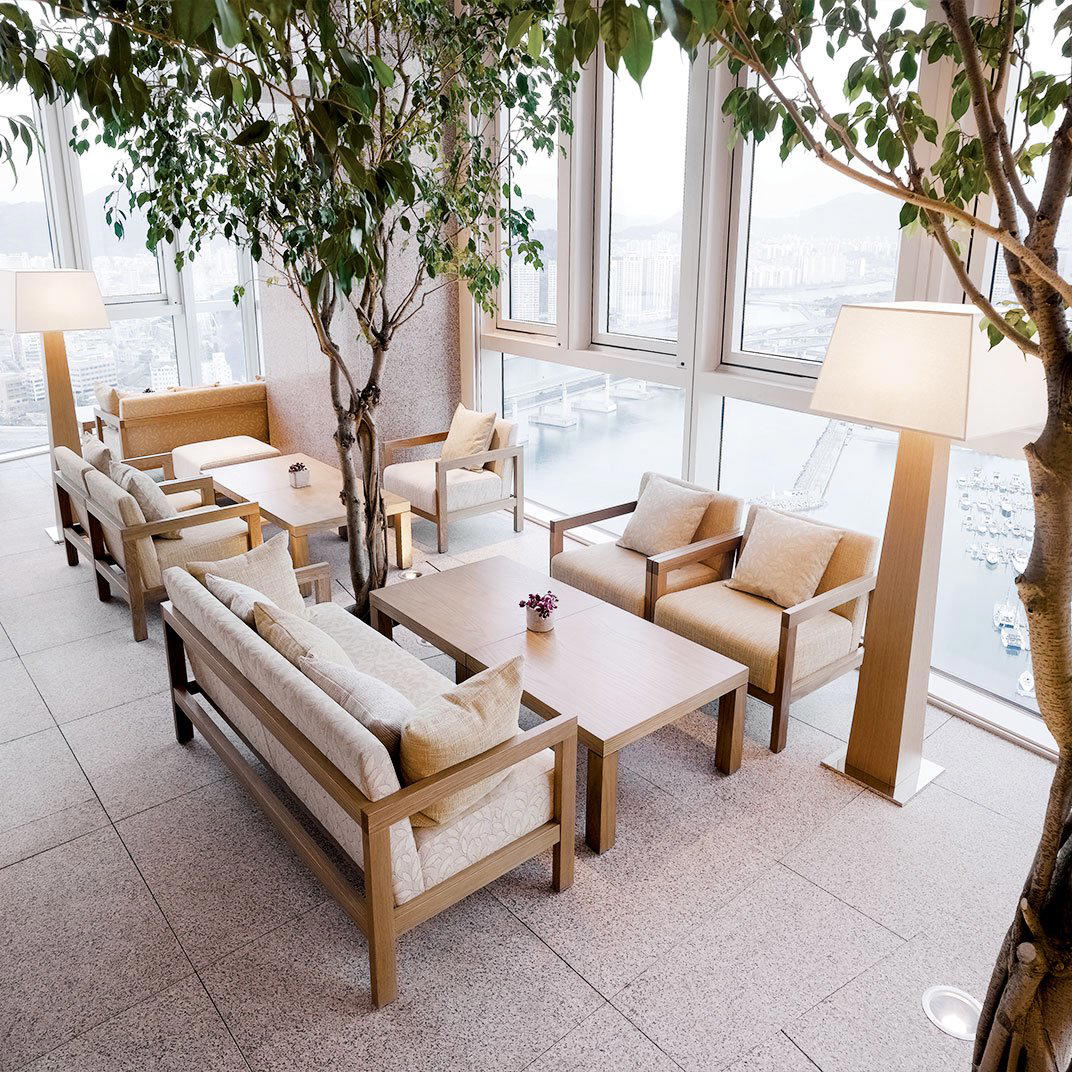
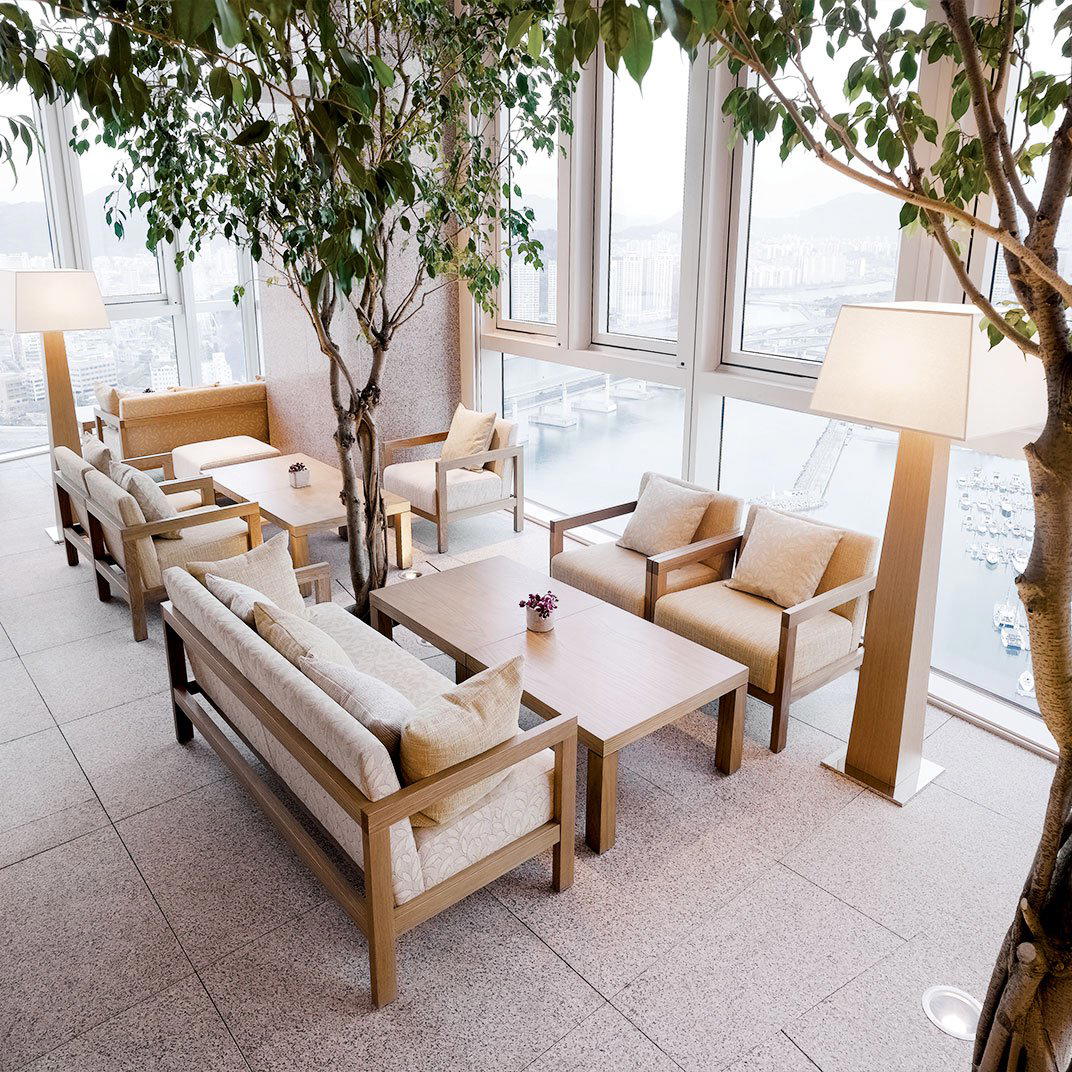
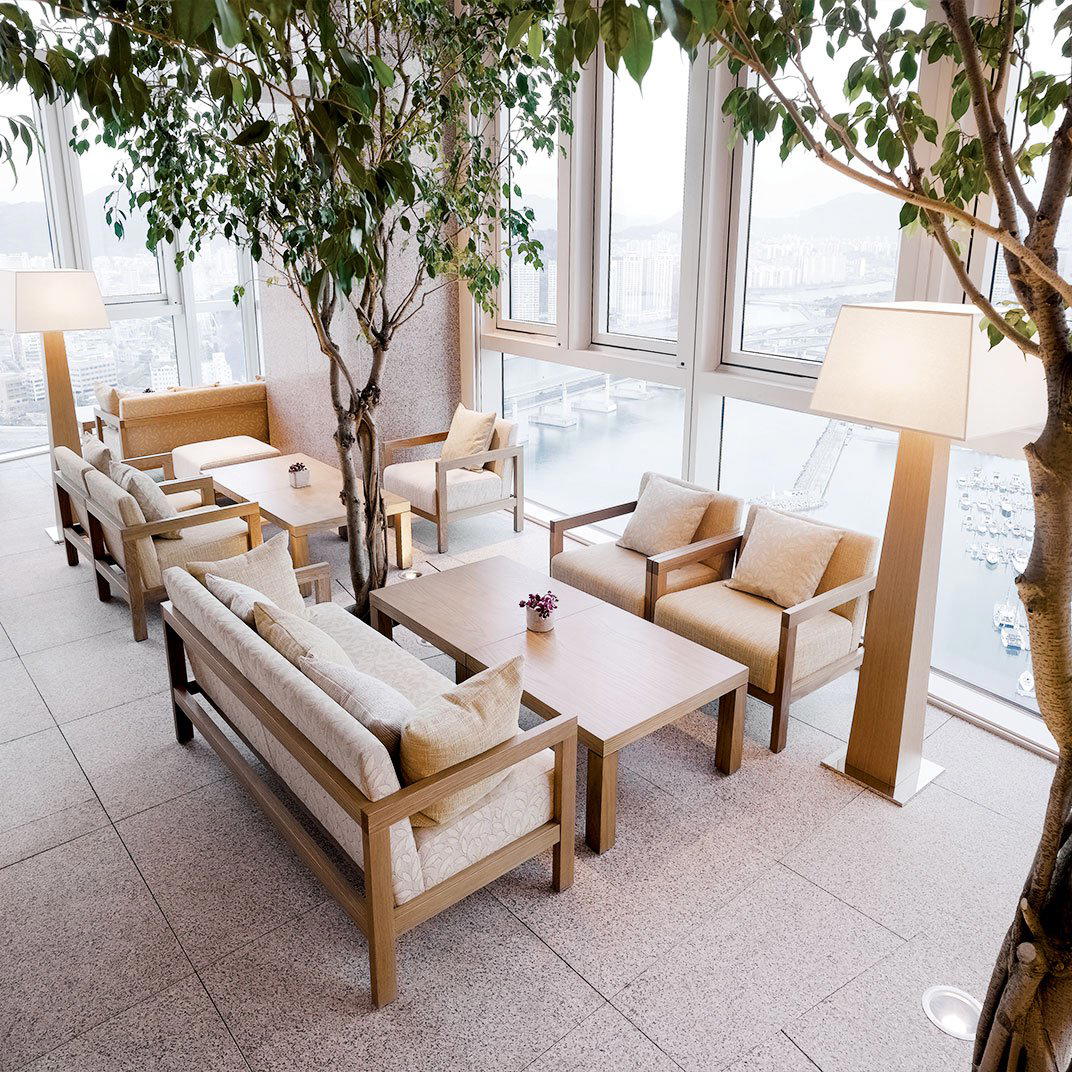
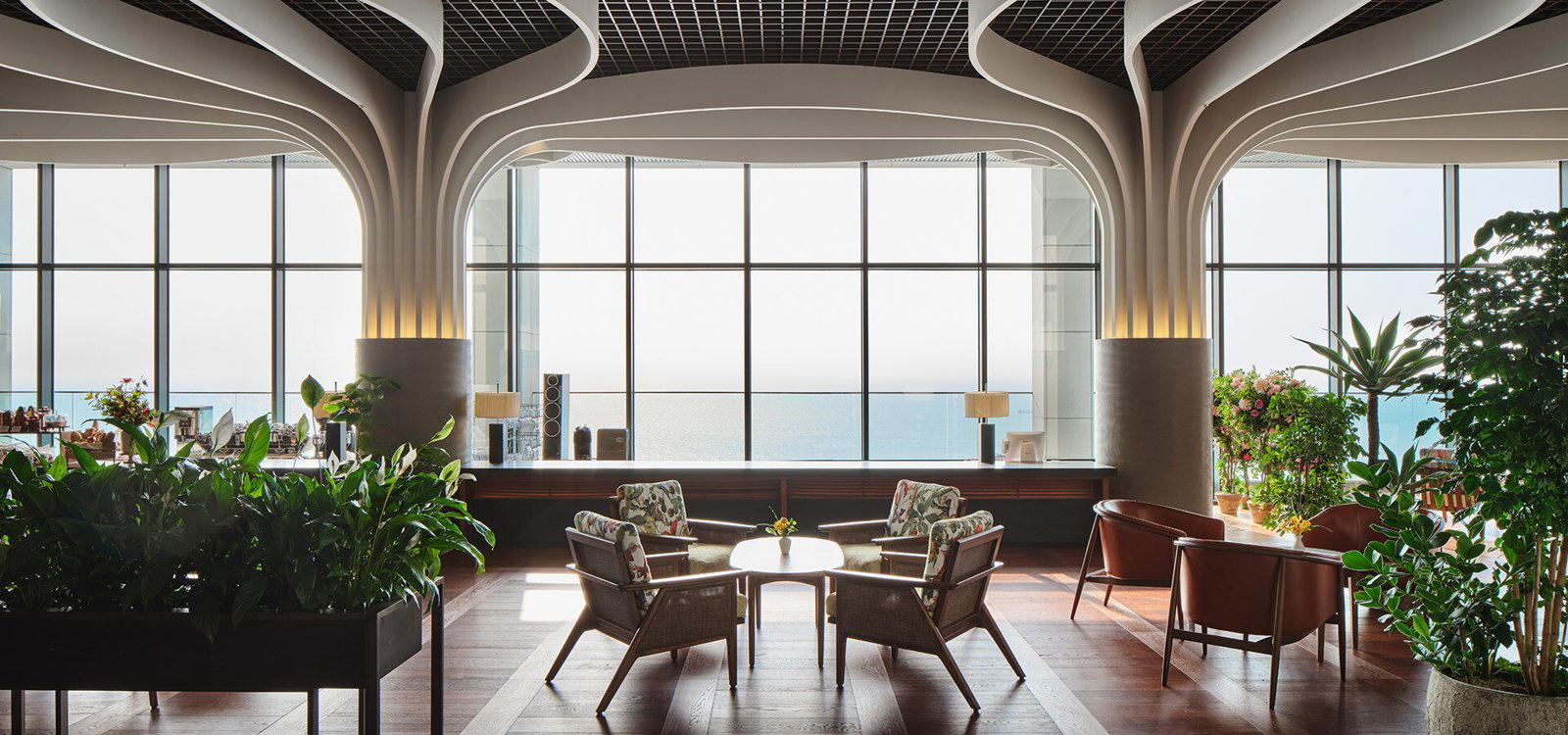
Minimalist interior with clean lines, neutral tones, soft lighting, and a calm, stylish atmosphere.