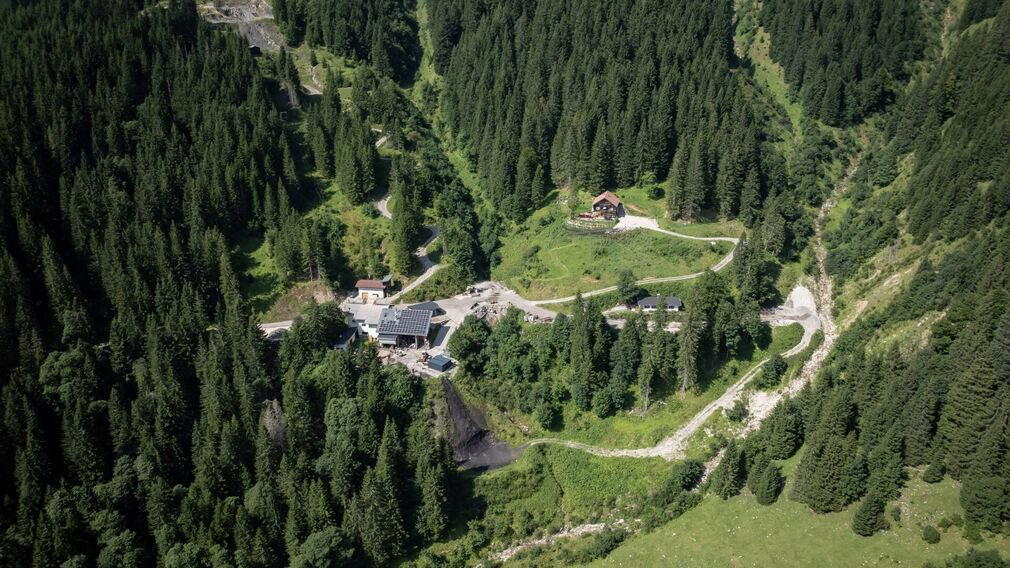
Umbrüggler Alm sits above Innsbruck on the forested slopes of the Nordkette range, operating in the tradition of the Alpine mountain hut that doubles as a serious dining destination. The address places it squarely within Tyrol's culture of elevation dining, where the journey up is part of the proposition and the food reflects the seasonal rhythms of the surrounding landscape. For those assembling an Innsbruck itinerary around food, it belongs on the shortlist alongside the city's more centrally located options.
Pearl is the En Primeur Club membership app — saves, bookings, and concierge access live there. Same editors, same standards.
- Address
- Umbrückleralmweg 36, 6020 Innsbruck, Austria
- Phone
- +436643244543
- Website
- umbrueggleralm.at
- Directions
- Get directions
 Saves & bookings on Pearl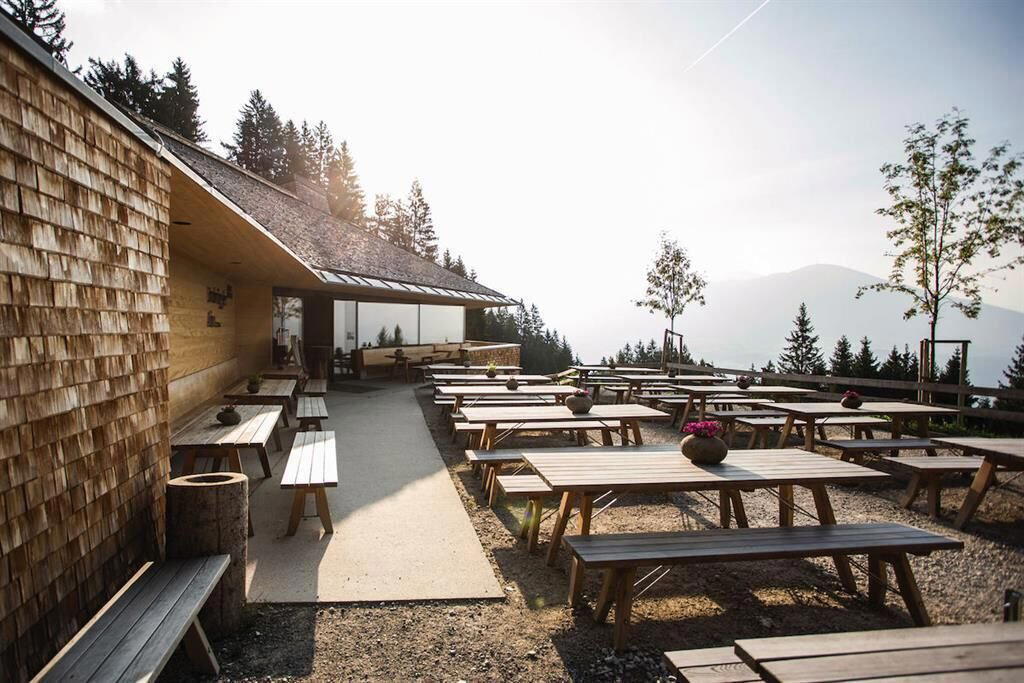
Mountain Dining in Tyrol: Where Altitude Meets the Table
The Alpine mountain hut, or Alm, is one of the more durable dining formats in central Europe. At elevations where the air thins and the Karwendel or Nordkette ridgelines come into sharp relief, these establishments have long operated at the intersection of necessity and hospitality: originally rest stops for herders and hikers, many have evolved over generations into kitchens that take the surrounding landscape seriously as a pantry and as a context. Umbrüggler Alm, reached via Umbrückleralmweg 36 above Innsbruck, sits inside this tradition. The address tells you something important before you arrive: this is a restaurant shaped by its position in the mountains above the Inn valley.
Innsbruck's dining scene divides fairly cleanly between the urban options concentrated in the Altstadt and Maria-Theresien-Strasse corridor and the elevation dining that requires leaving the city floor. The latter category carries its own logic. Venues like Arzler Alm occupy a similar position in that tradition, drawing visitors and locals alike who understand that the walk or drive up is not an inconvenience but a precondition of the experience. Umbrüggler Alm belongs to this cohort.
The Cultural Architecture of the Alm
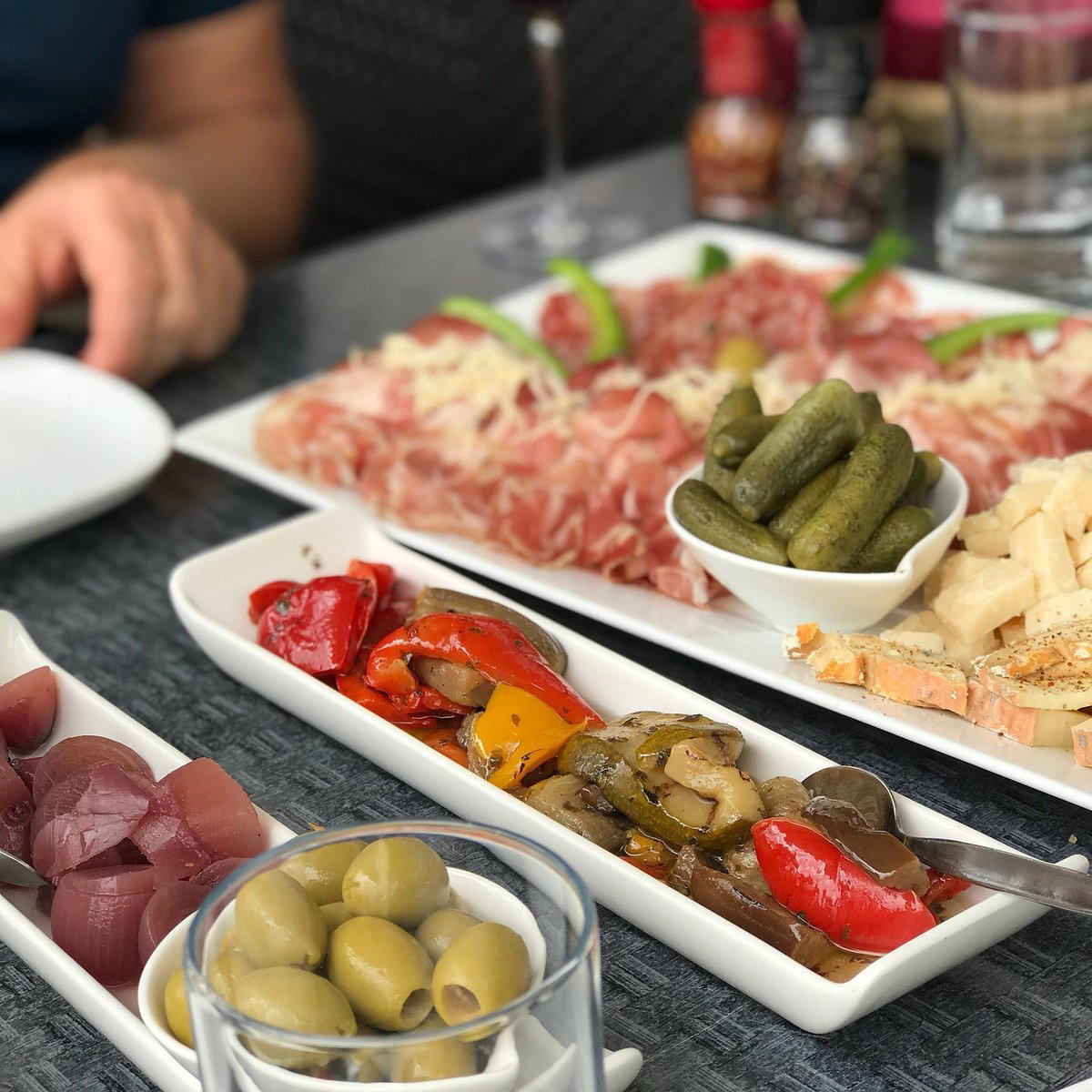
To understand what an Austrian mountain hut restaurant represents, it helps to place it in the longer arc of Tyrolean food culture. The cuisine of this region developed under conditions of altitude, short growing seasons, and the practical demands of Alpine farming. Cured meats, aged cheeses, dark breads, and preparations built around preservation rather than immediacy became the defining vocabulary. That vocabulary has not disappeared; it has been refined and, in better establishments, recontextualised. The leading Alm kitchens in Tyrol do not serve theme-park peasant food. They use the traditional register as a starting point and apply technique and sourcing discipline that connects them to a broader conversation about Austrian regional cooking.
That broader conversation is serious. Austria's restaurant culture at its upper end, represented by places like Steirereck im Stadtpark in Vienna or Landhaus Bacher in Mautern an der Donau, has long engaged with regional identity as a creative framework rather than a constraint. In the Alpine west, that same instinct surfaces in venues like Gourmetrestaurant Tannenhof in Sankt Anton am Arlberg and Griggeler Stuba in Lech, both of which have built reputations on the idea that mountain proximity and culinary ambition are compatible. Umbrüggler Alm operates in this broader regional context, however distinct its own format and scale may be.
What the Setting Demands of Its Kitchen
Mountain restaurants at altitude face constraints that urban kitchens do not. Supply logistics, seasonal closures, and a guest base that arrives having expended physical effort all shape the menu's logic. Particularly coherent Alm kitchens in Austria respond to these conditions honestly rather than apologetically. Hearty preparations are not a concession to altitude; they are a rational response to it. Game from surrounding forests, dairy from nearby farms, and root vegetables with genuine shelf lives tend to dominate menus that work with the calendar rather than against it. This is the culinary tradition that restaurant's position places it within, and it is a tradition with real depth when executed with care.
For context on what serious engagement with Alpine ingredients looks like at the highest level, Döllerer in Golling an der Salzach and Obauer in Werfen have spent decades demonstrating that Austrian mountain produce can anchor cooking of real precision. Closer to Innsbruck, Restaurant 141 by Joachim Jaud in Mieming takes a comparable approach to regional sourcing within a more formal dining format. These venues collectively define the upper register of the Alpine Austria dining conversation.
Innsbruck's Wider Dining Context
Within Innsbruck itself, the options across price tiers and formats have expanded meaningfully in recent years. At the more formal end of the city's restaurant spectrum, Oniriq operates in the creative fine dining register at the €€€€ price point. Das Schindler and Sitzwohl both work in seasonal and classic cuisine respectively, positioned at €€€. For those looking for something less formal, B-West, Bistro Gourmand, and Al Fred each represent different points on the city's more accessible dining spectrum. Bonsai covers a different cuisine register entirely. The breadth of Innsbruck's current offering means that visitors assembling a multi-day food itinerary have genuine range across styles and price levels.
The restaurant's position in that ecosystem is defined by geography as much as cuisine. It answers a different question than the city-floor restaurants: not where to eat in Innsbruck, but where to eat above it. That distinction is meaningful for visitors who want the mountain experience to include a table rather than just a summit selfie.
Planning a Visit
Given the mountain location and the seasonal patterns common to Alm restaurants in the Austrian Alps, advance planning is advisable. Visitors can expect concentrated weekend demand, especially in the warmer months. The address at Umbrückleralmweg 36 indicates a location above the city that requires its own logistical approach, whether on foot via hiking trail or by vehicle on the access road. Advance reservations are recommended. Ikarus in Salzburg and Kräuterreich by Vitus Winkler in Sankt Veit im Pongau both demonstrate how seriously the Alpine Austria dining circuit takes the integration of travel effort and table experience; the restaurant is approached in the same spirit.
For visitors whose frame of reference is primarily the high-end urban restaurant circuit, Le Bernardin in New York City or Atomix in New York City represent a useful counterpoint. Both approaches are serious. They are simply answering different questions about what a meal is for. Ois in Neufelden similarly offers a regionally rooted Austrian alternative for those building a broader country itinerary.
Budget Reality Check
Comparable venues nearby, for context on price, style, and recognition.
| Venue | Cuisine | Price | Notes |
|---|---|---|---|
| Umbrüggler AlmThis venue — the venue you are viewing | Hungerburg, Modern Tyrolean | $$ | Not listed |
| Ottoburg | Not listed | $$ | Old Town, Traditional Tyrolean & Austrian |
| Sporthotel IGLS | Igls, Traditional Tyrolean & Austrian | $$ | Not listed |
| Arzler Alm | Arzl, Traditional Tyrolean Alpine Hut | $$ | Not listed |
| Restaurant 1809 | Wilten, Modern Tyrolean Austrian | $$$ | Not listed |
| Jedermann's | Innsbruck city center, Austrian | $$ | Not listed |
Continue exploring
More in Innsbruck
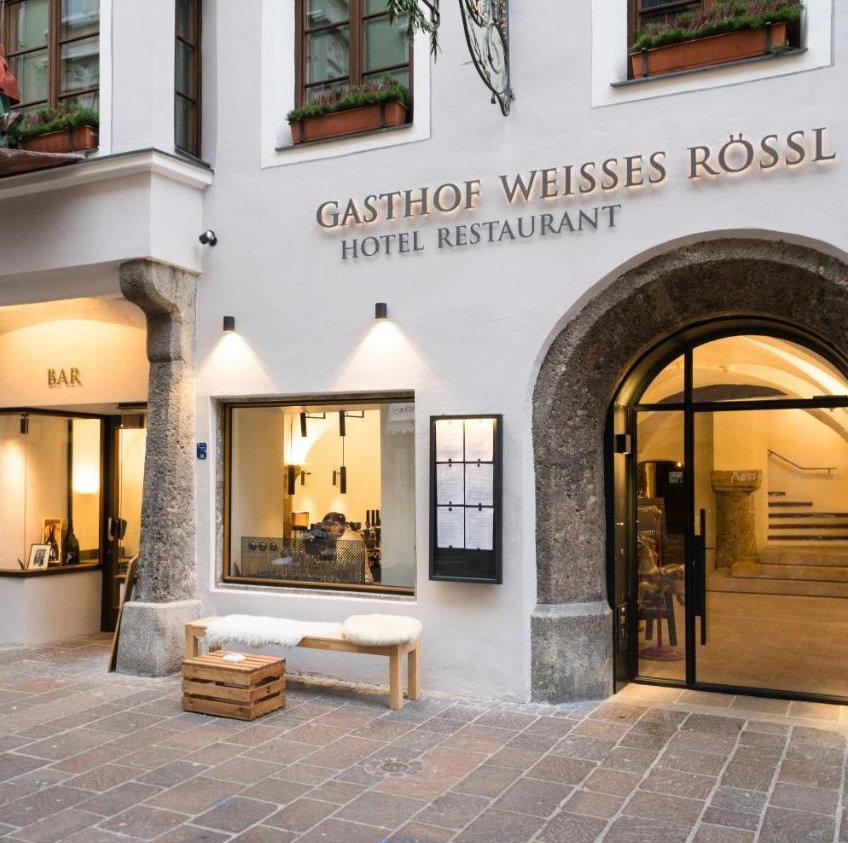
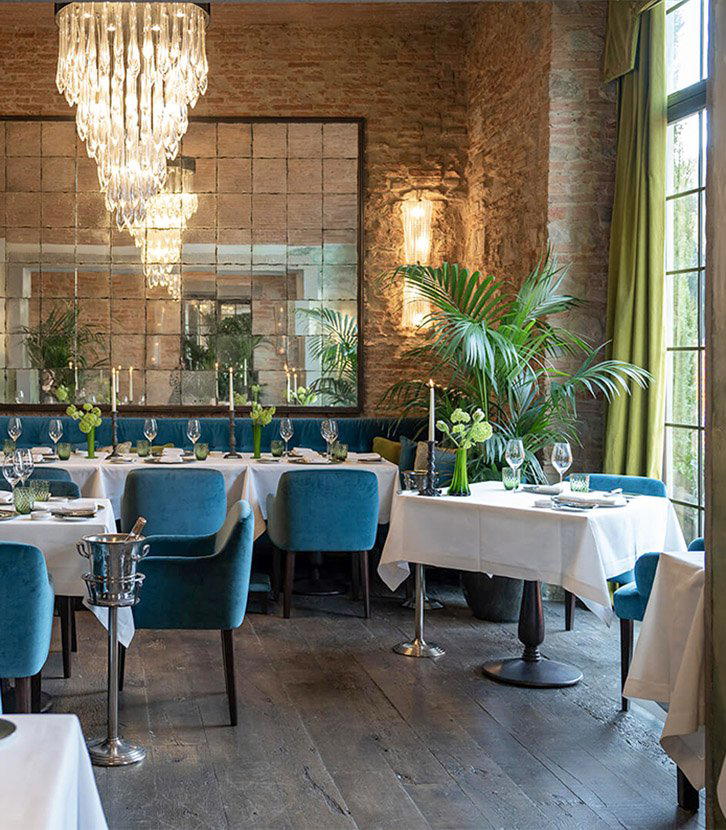
Restaurants in Innsbruck
Browse all →
Bars in Innsbruck
Browse all →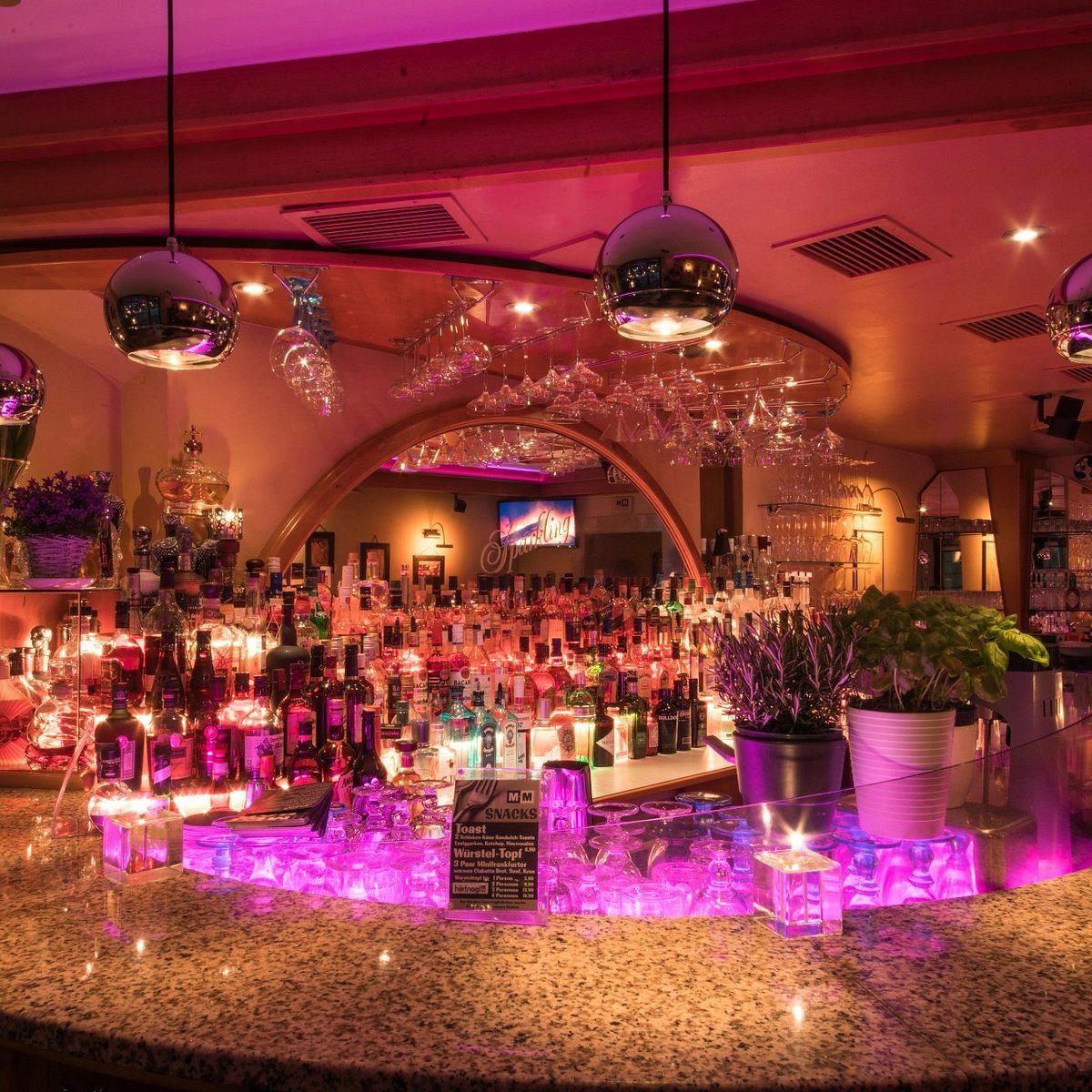
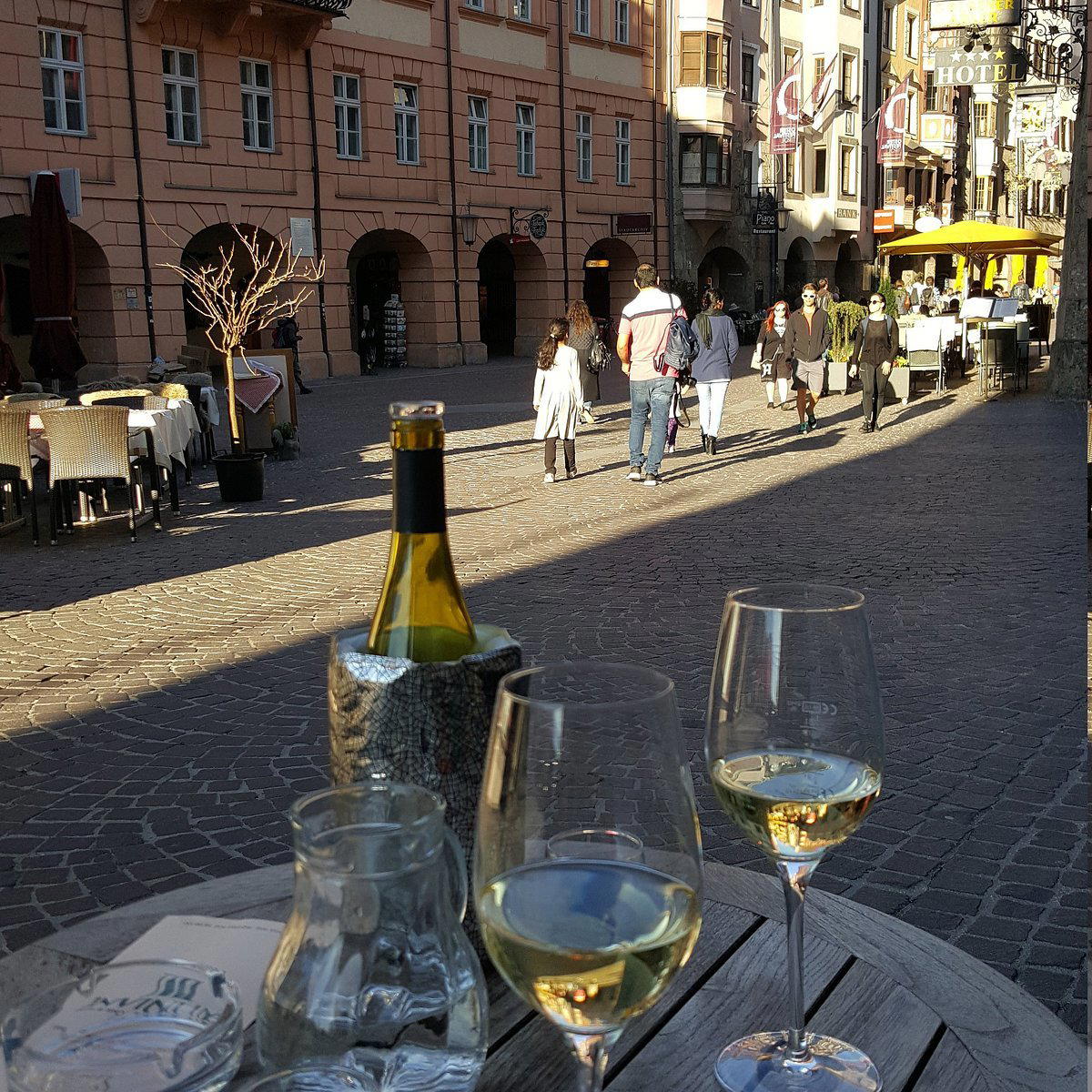
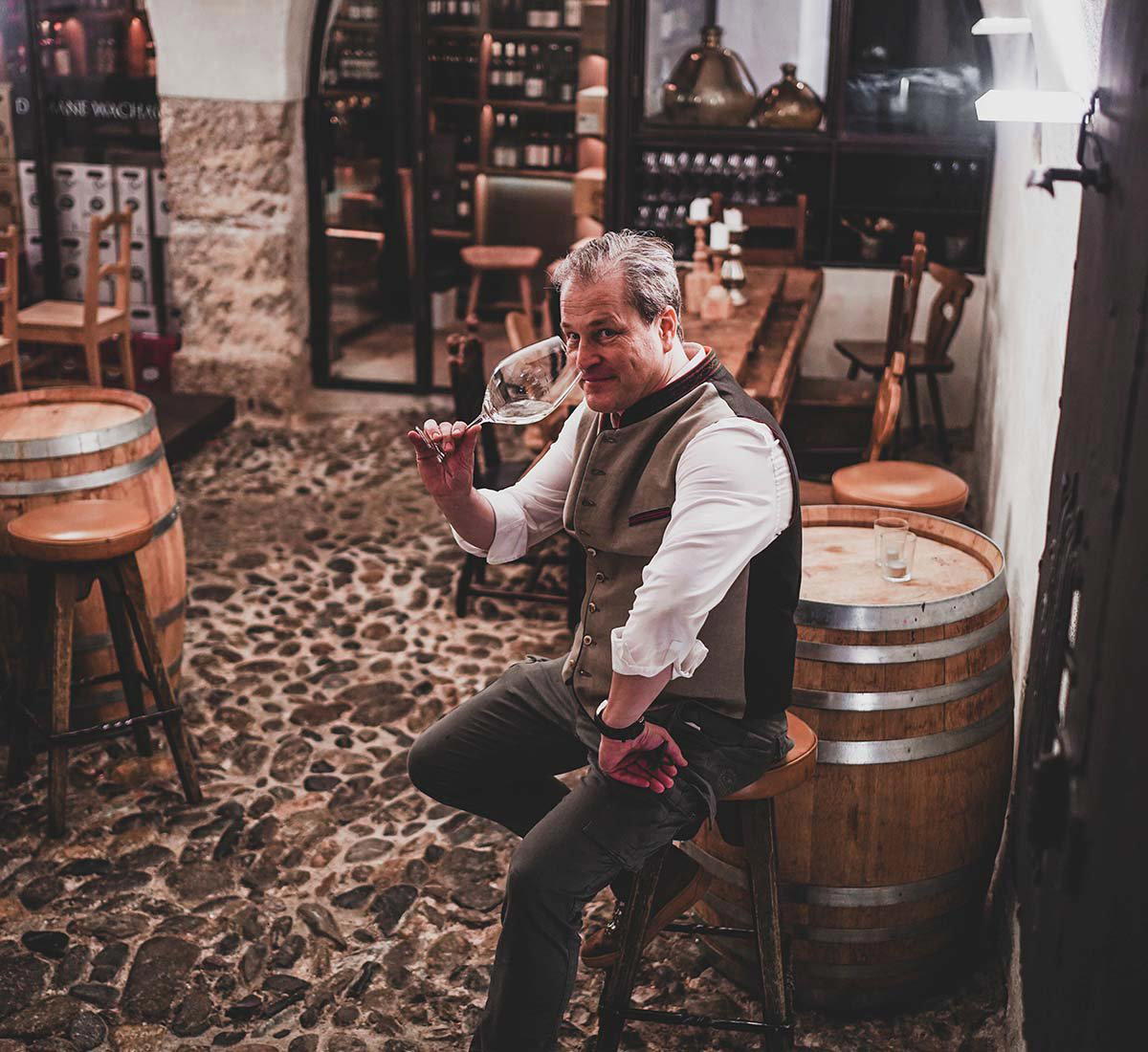
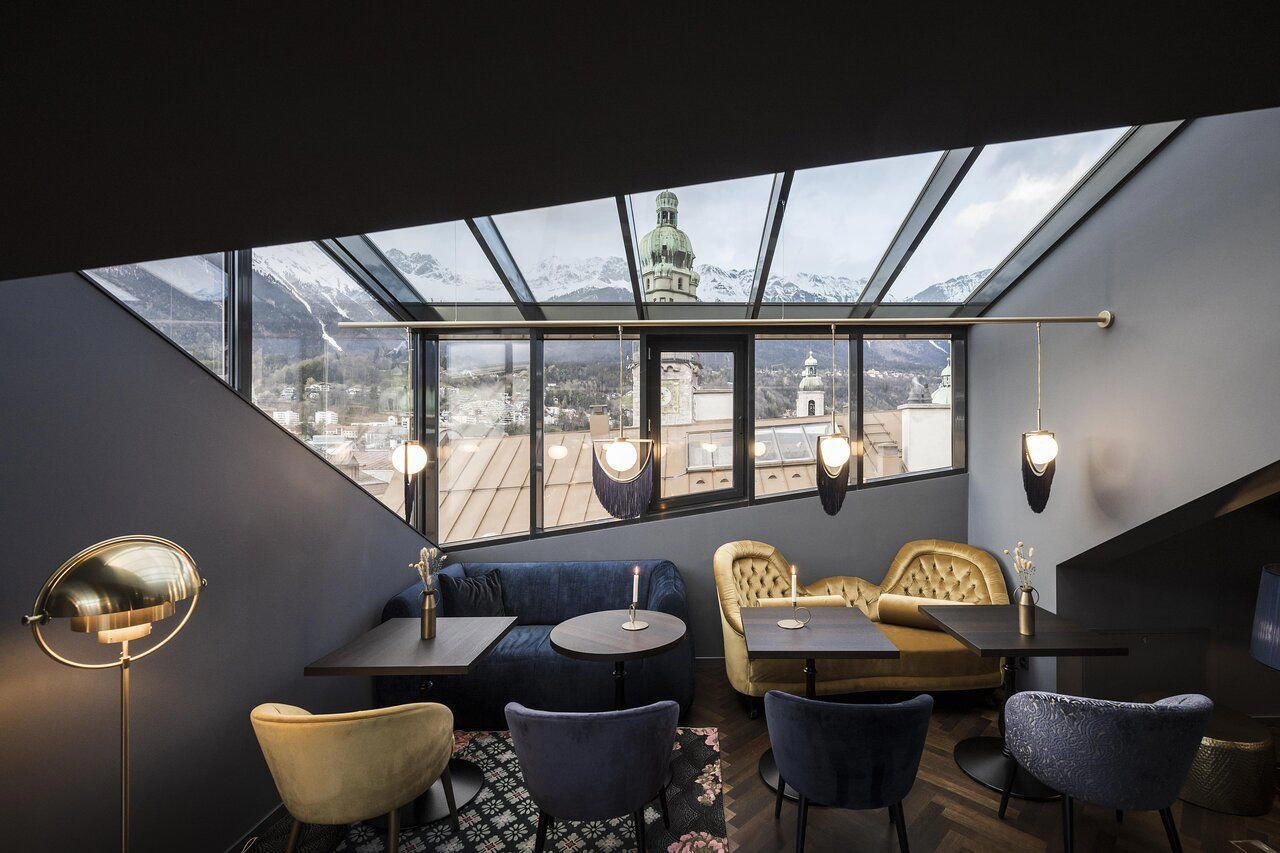
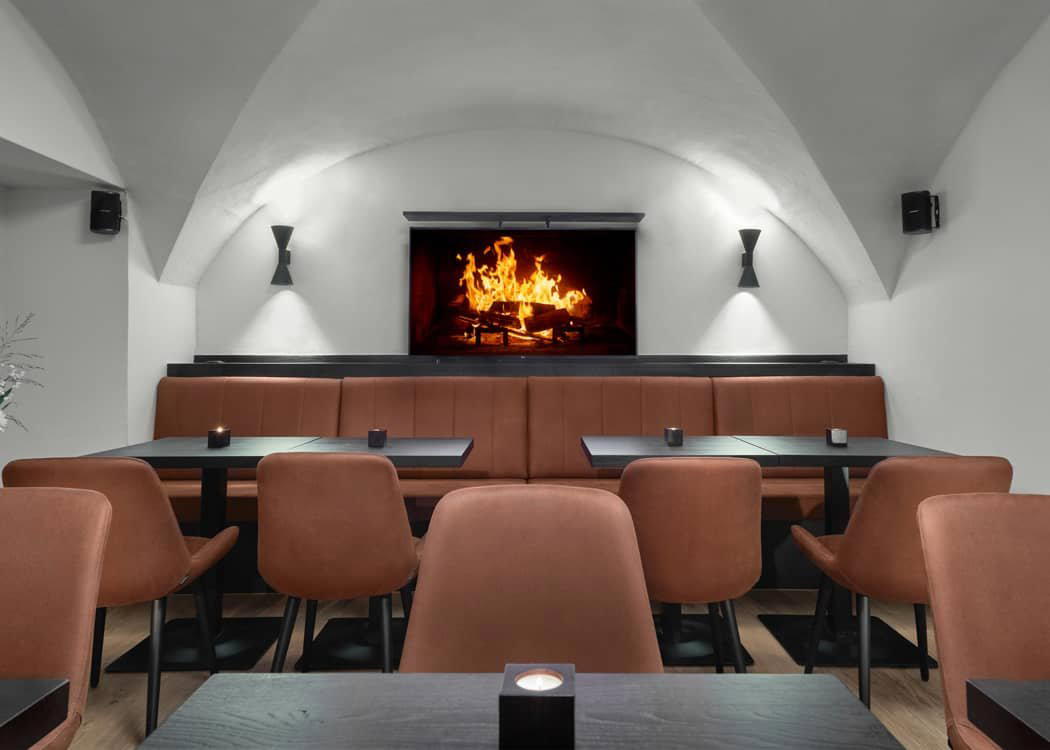
Hotels in Innsbruck
Browse all →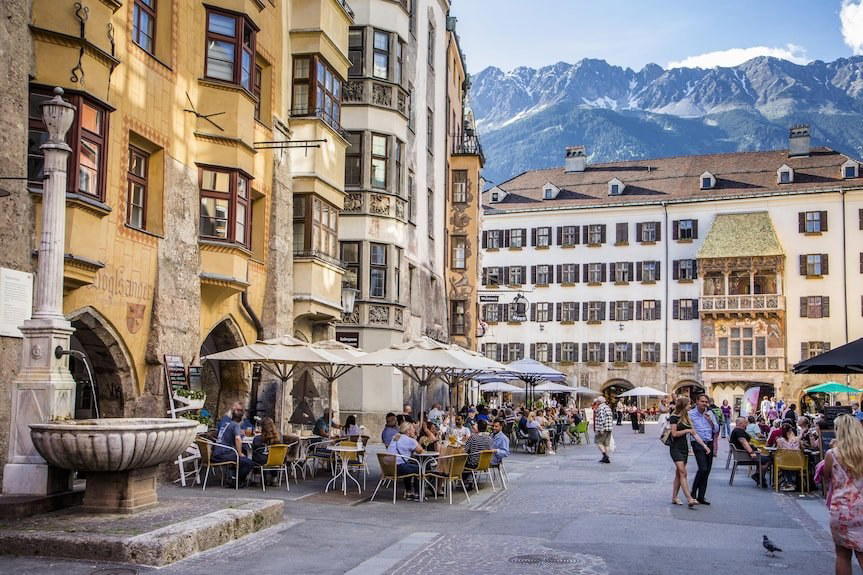

At a Glance
- Modern
- Scenic
- Cozy
- Rustic
- Brunch
- Special Occasion
- Terrace
- Panoramic View
- Extensive Wine List
- Local Sourcing
- Mountain
- Skyline
Current opening hours
- Monday
- Closed
- Tuesday
- Closed
- Wednesday
- Closed
- Thursday
- 9 AM–11 PM
- Friday
- 9 AM–11 PM
- Saturday
- 9 AM–11 PM
- Sunday
- 9 AM–6:30 PM
Hours can change for holidays and private events. Last verified .
Modern wooden interior with light wood fittings, open fireplace, cozy seating, large panoramic windows, and a spacious rooftop terrace.