Our verdict
On Innrain, steps from the Inn River, Glorious Butcher occupies a corner of Innsbruck's dining scene where the name alone signals a deliberate relationship with meat-forward cooking. The address places it among the city's more accessible restaurants, making it a practical choice for visitors exploring Tyrolean cuisine without the formality of the mountain fine-dining tier. Advance checking of current hours and availability is advisable before visiting.

Pearl is the En Primeur Club membership app, where members save venues, book tables and use the concierge.

The menu
What to order
- Smashed Satisfaction
- Bäääm Bastard Burger
Where the Name Sets the Agenda
In Austrian cities of Innsbruck's scale, a restaurant that leads with its identity this directly is making a structural argument about what to expect at the table. The name Glorious Butcher announces a point of view: meat as subject, not backdrop. That framing sits within a broader shift happening across alpine Central Europe, where a generation of restaurants has moved away from the anonymous Gasthaus model toward kitchens that stake a claim on a single discipline. In the Tyrolean context, that discipline almost always connects to the region's livestock traditions, beef from high-altitude summer pastures, cured pork from valley farms, game from surrounding ranges, and a name like this signals intent to make those connections explicit rather than decorative.
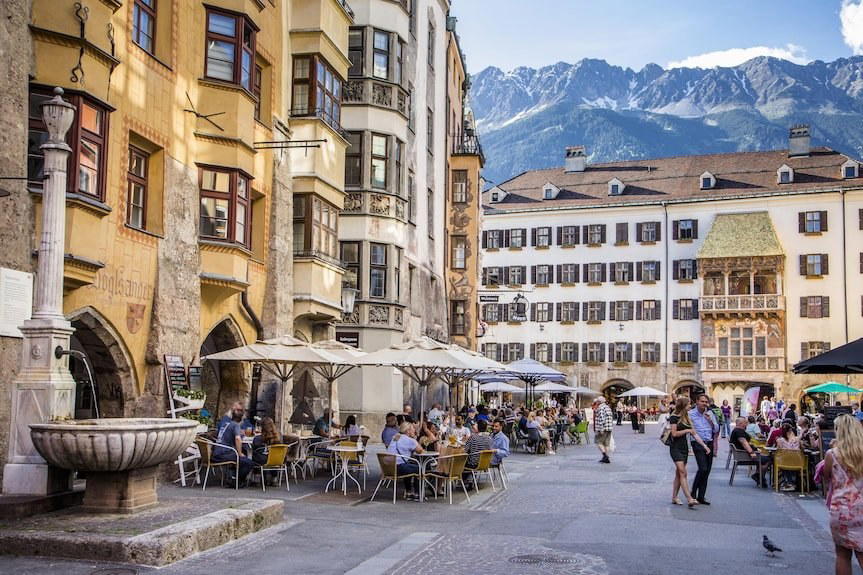
The address at Innrain 2 places Glorious Butcher at the edge of Innsbruck's old-town core, along the river embankment that separates the medieval fabric from the Inn itself. This part of the city draws a mix of university students, professionals commuting between the centre and the western districts, and visitors who have already done the Goldenes Dachl circuit and are looking for somewhere with less tourist-facing framing. Restaurants in this zone tend to operate with a certain groundedness, they survive on repeat custom, not just passing traffic, which shapes both their menus and their atmosphere in ways that purely destination-facing venues often lack.
The Alpine Butchery Tradition as Context
Understanding what a butcher-concept restaurant means in this part of Austria requires a step back into regional food history. Tyrol's relationship with meat preservation developed out of necessity long before it became culinary identity. Autumn slaughter cycles, the need to provision farms through winter, and the altitude-driven absence of year-round fresh supply all pushed local food culture toward cured, smoked, and aged techniques that are now the defining markers of Tyrolean gastronomy. Speck, the cold-smoked, air-dried ham particular to the region, is the most exported expression of this, but the full tradition extends to lard preparations, blood sausages, and whole-animal butchery practices that larger restaurant formats tend to edit out.
The restaurants that have most successfully connected this tradition to a contemporary dining format tend to do so through selective elevation, applying precision sourcing and technical awareness to cuts and preparations that are culturally rooted but rarely given serious kitchen attention. This is the same logic that has made nose-to-tail approaches in cities like London and Copenhagen both critically recognised and commercially durable. The alpine version has its own texture: it is less ideological, more pragmatic, rooted in the fact that these preparations have existed for centuries and do not need reinvention so much as honest execution.
For comparison points, the approach at Döllerer in Golling an der Salzach shows how far this tradition can be taken within a fine-dining frame, Michelin-starred, deeply focused on alpine product, it represents one end of the spectrum. At the other end, places like Arzler Alm within Innsbruck itself maintain the Gasthaus register with honest traditional cooking. A butcher-concept in the mid-range occupies the interesting middle ground: more deliberate than a Gasthaus, more approachable than a tasting-menu house.
Local Product, Imported Method
The editorial angle that makes butcher-concept restaurants worth watching in alpine cities is the collision between indigenous product and technique that arrived from outside. The same dynamic plays out at restaurants across Austria and beyond. Steirereck im Stadtpark in Vienna has made the intersection of regional Austrian produce and international technical precision into its defining characteristic over decades. Further afield, kitchens like Le Bernardin in New York City and Lazy Bear in San Francisco demonstrate how a singular product focus combined with disciplined technique creates the kind of identity that sustains long-term recognition.
In Innsbruck, that intersection is still being mapped. The city's fine-dining tier, represented at the higher end by venues like Oniriq in the creative bracket and Bistro Gourmand in the more classic register, has increasingly drawn on international technique while keeping Tyrolean product at the centre. A concept like Glorious Butcher, if it operates on the premise its name implies, sits in that current: using the region's meat traditions as raw material and applying kitchen rigour that goes beyond standard Gasthaus execution.
The broader Austrian mountain restaurant scene reflects this in venues like Gourmetrestaurant Tannenhof in Sankt Anton am Arlberg, Stüva in Ischgl, and Kräuterreich by Vitus Winkler in Sankt Veit im Pongau, each finding its own balance between alpine specificity and contemporary cooking intelligence. Obauer in Werfen and Landhaus Bacher in Mautern an der Donau represent how that balance, sustained over many years, builds into genuine institutional authority.
Innsbruck's Mid-Range Dining Reality
Innsbruck is a city where the fine-dining tier is relatively thin but the mid-range has genuine character. The presence of the university, the year-round tourism from both the ski season (peaking December through March) and summer hiking traffic, and a sizeable professional residential population have together created demand for restaurants that are serious without being formal. This is the tier where concepts tend to be most interesting, less constrained by the conventions of white-tablecloth service, more able to focus on a single product or technique without needing to build a complete tasting-menu architecture around it.
Other restaurants in this register include Al Fred, B-West, and Bonsai, each occupying a distinct lane in the city's mid-range. Schwarzer Adler in Hall in Tirol and Restaurant 141 by Joachim Jaud in Mieming show how the surrounding Tyrolean region builds out from Innsbruck's core, with venues in smaller towns often matching or exceeding the city's own dining options. The full picture is available in our full Innsbruck restaurants guide.
For Glorious Butcher specifically, the river-side Innrain location is most easily reached on foot from the Marktgraben and Maria-Theresien-Strasse area in under ten minutes. The address is at the western entry point to the old town river frontage, making it a natural end point for anyone walking from the centre toward the Inn bridges.
Planning a Visit
The name and address are the most reliable anchors currently available for Glorious Butcher. For a city where alpine meat traditions run deep and a butcher-concept has clear cultural logic, the premise is well-suited to Innsbruck's dining identity. Visitors whose primary interest is Tyrolean product executed with kitchen ambition should consider it alongside the broader Innrain-area restaurant cluster, and verify current opening times and booking requirements directly. The Ois in Neufelden reference point, further afield in Upper Austria, illustrates how single-concept precision dining has taken root across the Austrian regions, Innsbruck, with its density of food-serious visitors, is a natural home for the same approach.
Frequently asked questions
What part of town is Glorious Butcher in?
Glorious Butcher is located at Innrain 2, 6020 Innsbruck, Austria, Innsbruck.
Is Glorious Butcher suitable for visitors unfamiliar with Tyrolean food traditions?
The Innsbruck address at Innrain 2 makes it straightforward to reach for first-time visitors, and a butcher-concept format in Austria generally signals accessible, produce-driven cooking rather than technical tasting-menu formality. Tyrolean meat traditions, built around high-altitude farming in the Inn Valley, tend to produce cooking that is direct and regional rather than abstract, which means the food communicates its own context without requiring prior knowledge.
What should I order at Glorious Butcher?
The name positions this as a meat-forward kitchen rooted in Tyrolean butchery tradition, so the most direct strategy is to follow whatever cut or preparation the kitchen leads with that day. In Innsbruck's alpine context, that typically means beef and pork from high-altitude regional farms, prepared with the directness that defines Tyrolean cooking. Ask the floor staff what arrived that week rather than defaulting to a fixed menu item.
Should I book Glorious Butcher in advance?
For a restaurant on Innrain, Innsbruck's river-edge strip, which draws both locals and visitors year-round, advance booking is a sensible precaution during ski season (December through March) and the summer tourism window (July to August). Outside those periods, walk-ins are more likely to succeed, but confirming via the venue's current contact channel before arrival saves a wasted trip.
What makes Glorious Butcher worth seeking out?
The concept plants itself explicitly in Tyrol's meat and butchery lineage, a tradition built on high-altitude pasture farming in the Inn Valley and centuries of alpine preservation techniques. In Innsbruck, where the fine-dining tier is relatively thin, a restaurant that commits this directly to a single culinary argument offers more clarity of identity than most mid-range competitors. The address at Innrain 2 puts it in one of the city's more accessible dining zones.
Can Glorious Butcher handle vegetarian requests?
Given that the restaurant's identity is explicitly meat-forward, vegetarian options are likely limited in scope. Austrian butcher-concept kitchens in this region tend to build their menus around the product rather than offering parallel tracks, so guests with strict vegetarian requirements should confirm the current menu directly with the venue before booking.
Nearby-ish Comparables
Comparable venues nearby, for context on price, style, and recognition.
| Venue | Cuisine | Price | Notes |
|---|---|---|---|
| Glorious ButcherThis venue (the venue you are viewing) | American Burger Joint | $20–30 | Not listed |
| Le Burger | Premium American Burgers | $20–30 | DEZ |
| the naked indigo | Modern Vegetarian Bowls | $10–20 | Innrain |
| Fischiff | Fresh Seafood & Shellfish | $50–100 | Wilten |
| Umbrüggler Alm | Modern Tyrolean | $30–50 | Hungerburg |
| B-West | Bosnian Grill & Burgers | $10–20 | Westbahnhof |
Continue exploring
More in Innsbruck
Restaurants in Innsbruck
All restaurants in Innsbruck →
Bars in Innsbruck
All bars in Innsbruck →

Details
- Trendy
- Lively
- Modern
- Casual Hangout
- Terrace
- Open Kitchen
- Beer Program
- Street Scene
- A La Carte
- Craft Beer
- Vegetarian Friendly
- Gluten Free Options
- Vegan Options
Current opening hours
- Monday
- 11:30 AM–10 PM
- Tuesday
- 11:30 AM–10 PM
- Wednesday
- 11:30 AM–10 PM
- Thursday
- 11:30 AM–10 PM
- Friday
- 11:30 AM–10 PM
- Saturday
- 11:30 AM–10 PM
- Sunday
- 11:30 AM–10 PM
Hours can change for holidays and private events. Hours as of .
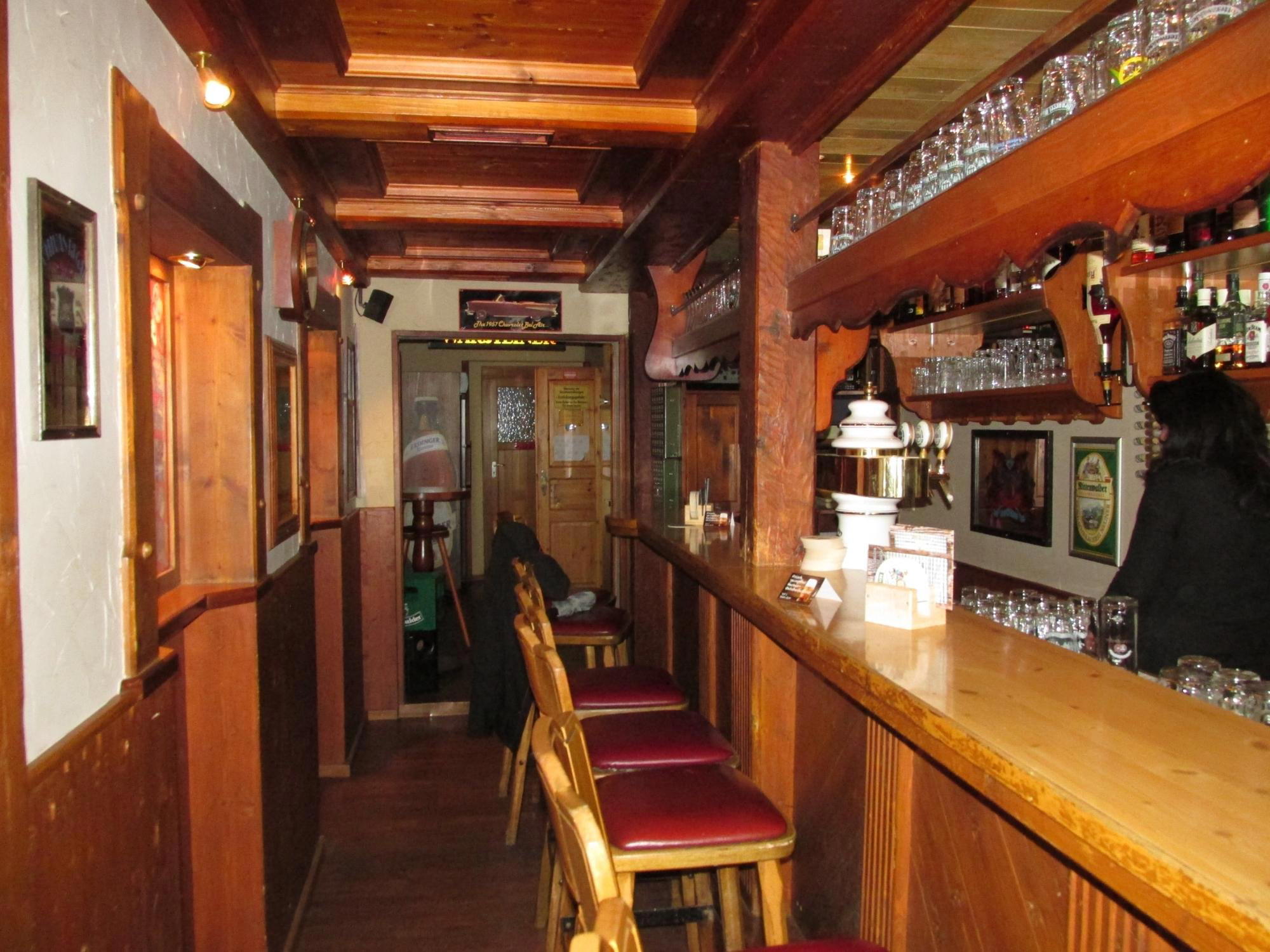
Casual and cool atmosphere with indoor and terrace seating for quick, flavorful junk food.