Positioned on Sparkassenplatz in central Innsbruck, Kostbar occupies a corner of the city where Alpine tradition and contemporary dining sensibilities meet. Against a local scene that runs from rustic Tyrolean Stuben to creative tasting menus at Oniriq, Kostbar holds its own as a considered address worth tracking for anyone spending serious time in the Inn Valley.
Pearl is the En Primeur Club membership app — saves, bookings, and concierge access live there. Same editors, same standards.
- Address
- Sparkassenpl. 3, 6020 Innsbruck, Austria
- Phone
- +436643503500
- Website
- kostbar.co.at
- Directions
- Get directions
 Saves & bookings on Pearl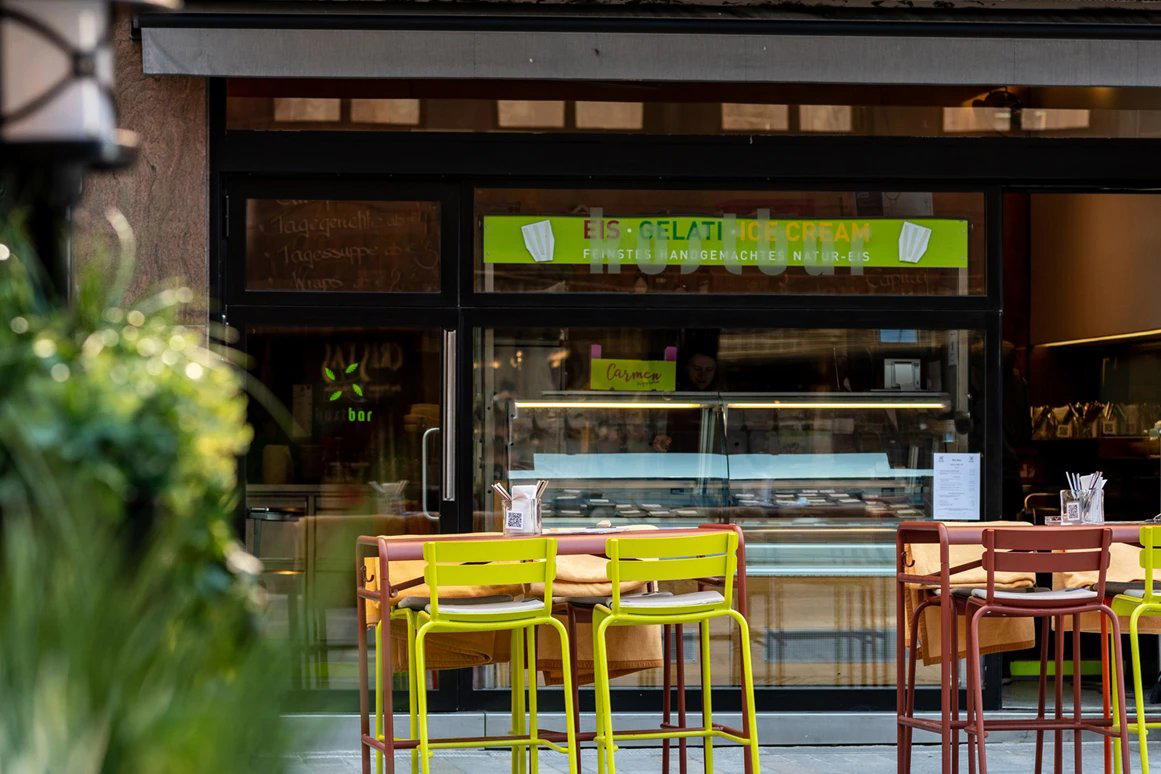
Innsbruck's Dining Scene and Where Kostbar Sits Within It
Innsbruck operates as a smaller node in Austria's broader fine-dining network, a city where the restaurant culture tilts toward mountain-hearty tradition but has, over the past decade, developed a credible layer of more contemporary addresses. The comparison set here is telling: Oniriq anchors the creative end at the leading price tier, Das Schindler works the seasonal middle ground, and lichtblick handles international cooking at a more accessible price point. Kostbar, at Sparkassenpl. 3 in the city center, enters this conversation as an address that Innsbruck regulars treat as a reliable reference point rather than an occasion-only destination.
Innsbruck does not compete on that level, but Kostbar represents the city's ability to sustain quality dining without relying on the kind of Alpine kitsch that still dominates parts of Tyrol's restaurant offer.
The Sparkassenplatz Setting
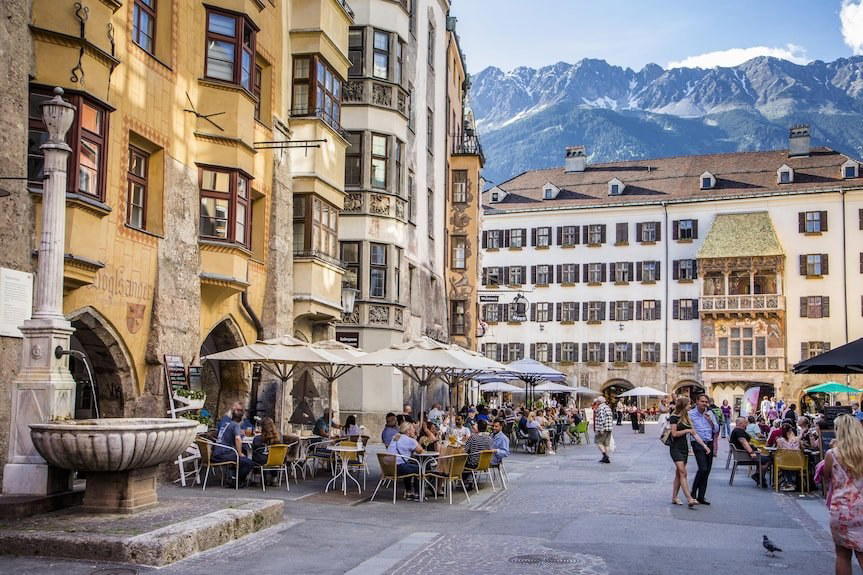
Sparkassenplatz is one of those central European squares that accumulates quiet significance without announcing it loudly. The address places Kostbar within walking distance of Innsbruck's main pedestrian zone and the old town, but the square itself sits slightly removed from the highest tourist traffic, giving it a degree of local character that more prominent addresses lack. Arriving on foot from the Altstadt, you pass through a transition from the dense heritage core into something that feels more like a neighborhood, the kind of urban pocket where a wine bar or serious café earns a regular following rather than a tourist one. For visitors staying in the center, the location is an easy walk; for those using Innsbruck as a base for Alpine activity, it functions as a natural refueling point before or after time on the surrounding terrain.
A Frame for What Kostbar Represents: Sustainability in the Alpine Dining Context
Across Austria's mountain restaurant culture, the conversation around sourcing has shifted substantially. The generation of restaurants that helped define serious Alpine cooking, addresses like Gourmetrestaurant Tannenhof in Sankt Anton am Arlberg and Griggeler Stuba in Lech, built their identities in part around proximity to local producers and the seasonal logic that the Alps impose naturally. That model has since expanded into a broader principle: that sustainability in this region is less a marketing position than a structural reality, because the supply chains are short and the alternatives are expensive to import.
In smaller cities like Innsbruck, this plays out differently than in Vienna or Salzburg. Particularly thoughtful Innsbruck addresses tend to work with Tyrolean producers, use seasonal menus as a matter of operational necessity as much as principle, and manage waste more carefully simply because margins in a mid-scale mountain city don't accommodate the excess that larger urban markets can absorb. Kräuterreich by Vitus Winkler in Sankt Veit im Pongau has made herb-forward, hyper-regional sourcing its central identity; Ois in Neufelden has taken a similarly rooted approach in Upper Austria. Kostbar operates in this broader current, at a city-center scale that makes it more accessible than destination restaurants but no less connected to the sourcing logic that defines contemporary Austrian cooking at its most coherent.
The broader pattern across the Austrian Alpine dining scene suggests that restaurants working in this register, locally sourced, seasonally driven, waste-conscious, tend to produce menus that change more frequently and require more from the kitchen in terms of improvisation and ingredient knowledge.
Peer Context: Other Innsbruck Addresses to Know
Understanding Kostbar requires placing it against the full Innsbruck offer. Al Fred and B-West represent the city's more casual end, while Bistro Gourmand works the French-influenced bistro register that persists in Austrian cities with a history of cross-border culinary exchange. Bonsai adds an Asian-influenced option to a scene that is otherwise heavily Central European in orientation. Arzler Alm sits at the traditional Tyrolean end, the kind of address that connects the city to its mountain hinterland in one direct way.
Kostbar occupies a different register from all of these: it reads as a considered, quality-focused address rather than a genre exercise, which is exactly the type of venue that earns a regular local following in a city this size.
Beyond the Tyrolean context, the international comparison points are instructive. Restaurants like Le Bernardin in New York City and Atomix in New York City demonstrate what happens when sourcing rigor and kitchen discipline operate at the highest level of resourcing; closer to home, Ikarus in Salzburg and Landhaus Bacher in Mautern an der Donau show Austrian versions of that same seriousness. Restaurant 141 by Joachim Jaud in Mieming, just west of Innsbruck, demonstrates that the Tyrolean region can produce destination-level cooking at a small scale. Kostbar does not compete in that tier, but it benefits from being in the same regional conversation.
Planning Your Visit
Sparkassenpl. 3 is accessible on foot from Innsbruck's central train station in under ten minutes, and the square is well-served by the city's tram network. Kostbar is open Monday through Friday from 9 AM to 6 PM and closed on Saturday and Sunday, and reservations are recommended.
Frequently Asked Questions
What's the leading thing to order at Kostbar?
A seasonal or locally sourced choice is especially fitting order at Kostbar. What the venue's position within Innsbruck's more considered dining tier suggests is that ordering around seasonal or locally sourced elements is likely to reflect the kitchen at its most focused, a pattern common across quality-oriented Austrian addresses in this region, from Steirereck im Stadtpark down to smaller city addresses. Asking the team on arrival about what has arrived recently from regional producers is a reasonable approach.
Do they take walk-ins at Kostbar?
Walk-ins are possible, though reservations are recommended. In Innsbruck's mid-tier dining scene, walk-in capacity varies considerably by day and season: during ski season and summer hiking periods, the city's better addresses tend to fill earlier in the evening. Given Kostbar's location on Sparkassenplatz in the city center, arriving before peak dinner service (typically before 7pm in Austrian cities) improves your chances if you have not booked ahead.
How does Kostbar fit into Innsbruck's approach to regional and sustainable dining?
Innsbruck sits within a dense network of Tyrolean producers, and the city's more serious restaurant addresses have historically benefited from short supply chains that larger Austrian cities cannot replicate. Kostbar's central position in the city places it within easy reach of that regional sourcing logic, which is a structural feature of quality dining in this part of Austria rather than a differentiating claim for any single venue.
Compact Comparison
Comparable venues nearby, for context on price, style, and recognition.
| Venue | Cuisine | Price | Notes |
|---|---|---|---|
| KostbarThis venue — the venue you are viewing | Mutters, Regional Austrian Cafe | $$ | Not listed |
| Burkia Innsbruck | Westpark, Traditional Austrian | $$ | Not listed |
| Pippilotta | Not listed | $$ | Wilten, Modern Austrian Cafe with Regional Influences |
| D-Werk | Innrain, Modern Street Food Döner | $$ | Not listed |
| Café Naiv. | Saggen, Vegan Breakfast Café | $$ | Not listed |
| Ottoburg | Not listed | $$ | Old Town, Traditional Tyrolean & Austrian |
Continue exploring
More in Innsbruck
Restaurants in Innsbruck
Browse all →
At a Glance
- Cozy
- Casual Hangout
- Standalone
- Local Sourcing
Current opening hours
- Monday
- 9 AM–6 PM
- Tuesday
- 9 AM–6 PM
- Wednesday
- 9 AM–6 PM
- Thursday
- 9 AM–6 PM
- Friday
- 9 AM–6 PM
- Saturday
- Closed
- Sunday
- Closed
Hours can change for holidays and private events. Last verified .
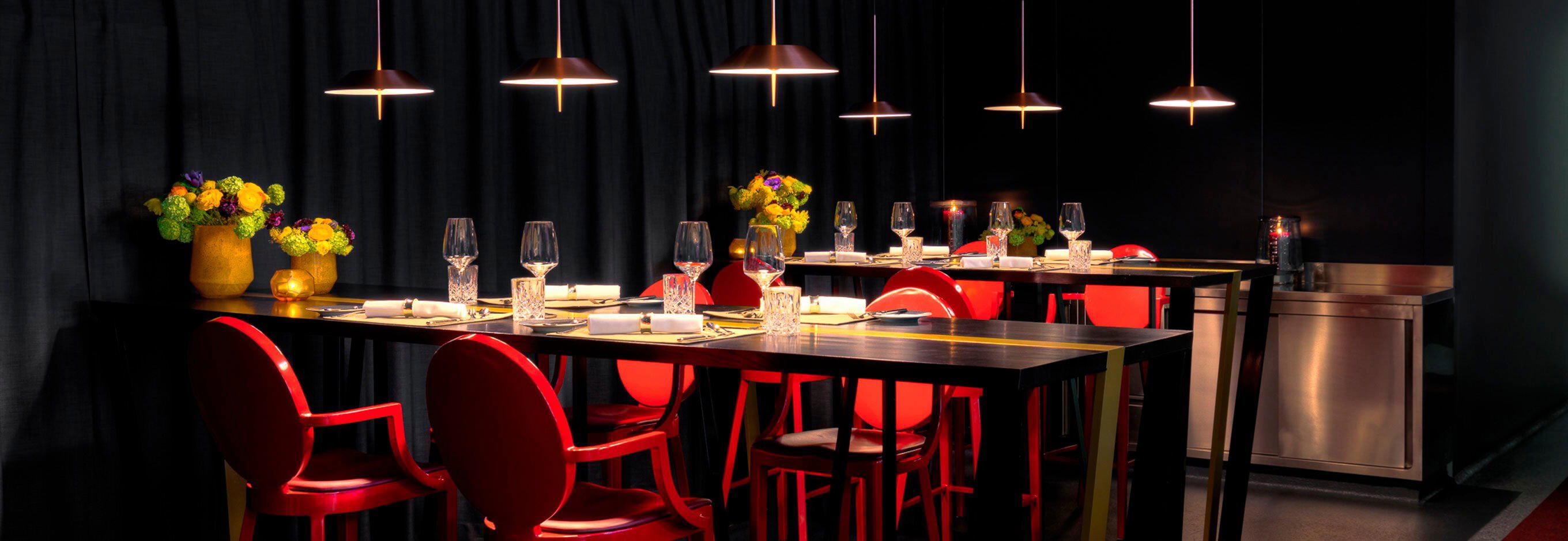
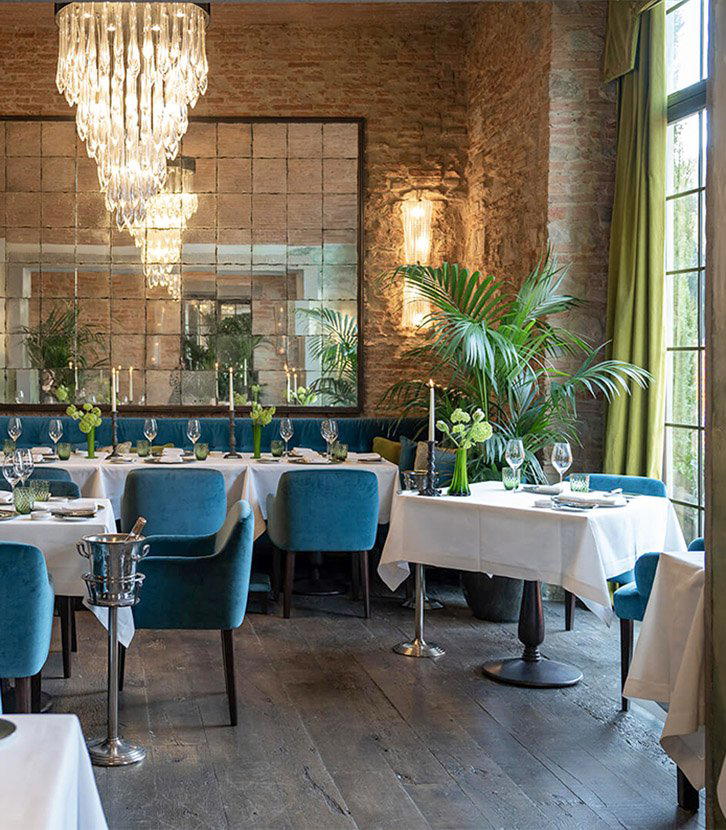
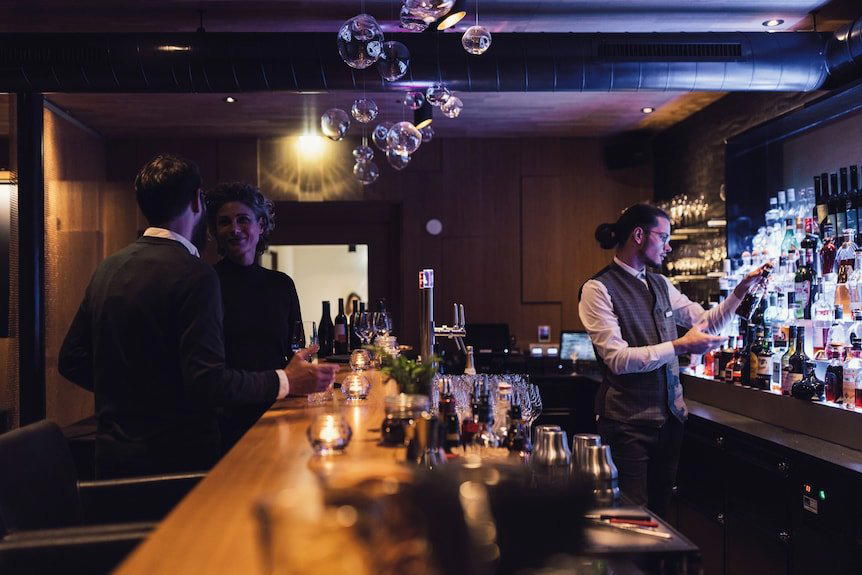
Cozy and appealing atmosphere ideal for enjoying coffee, lunch, cakes, or drinks away from the daily hustle.