
A Fuzhou restaurant run by Fu'an natives, 167 Shan Hai Li takes its name from the 167-kilometre coastline of Fu'an city, signalling exactly where its kitchen looks for ingredients. The display fridge stocked with yellow croakers and sea bass tells the sourcing story immediately. Home-style dishes including drunken pork ribs, fried rice vermicelli with wok hei, and slow-cooked herbal soups round out a menu anchored in the Minbei coastal tradition.
Pearl is the En Primeur Club membership app — saves, bookings, and concierge access live there. Same editors, same standards.
- Address
- China, Fujian, Fuzhou, Gulou District, Fuzhou, 北环中路 邮政编码: 350013
- Phone
- +86 591 8773 1031
- Directions
- Get directions
 Saves & bookings on Pearl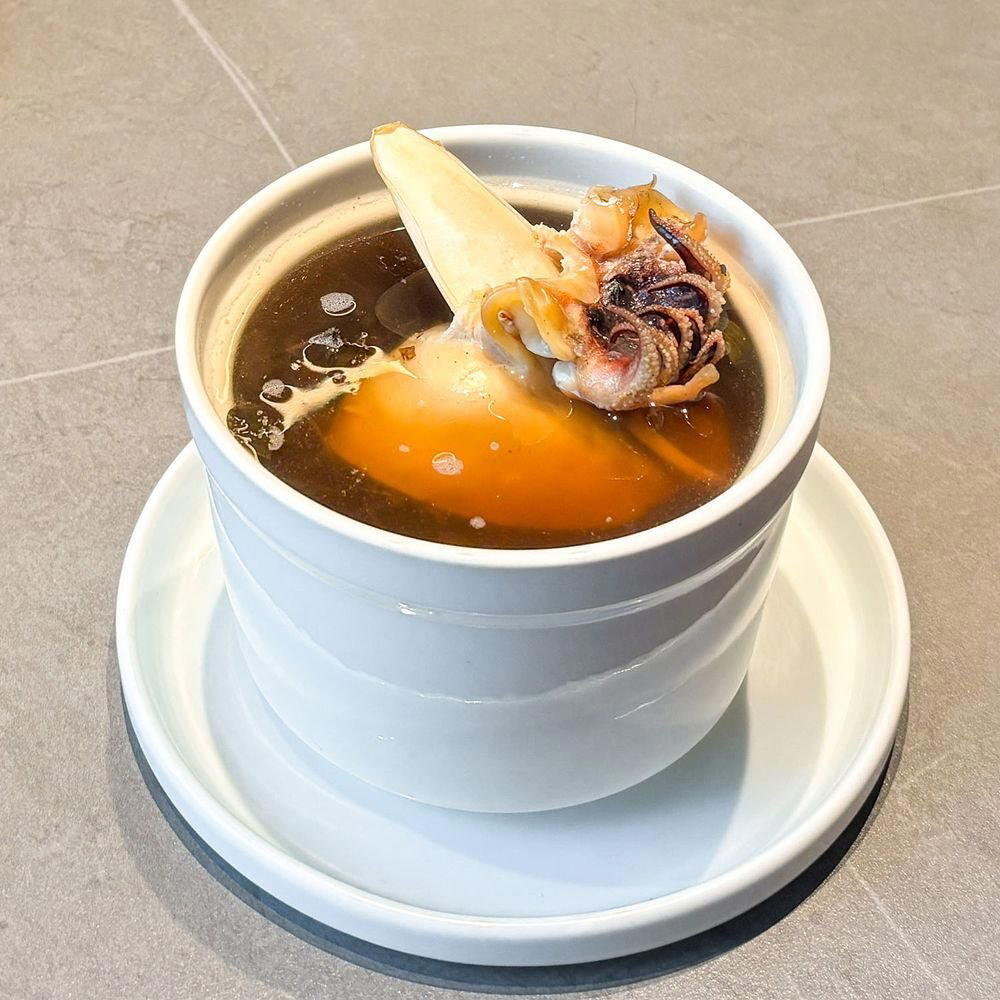
Where Fu'an's Coast Meets Fuzhou's Table
In Fuzhou's Gulou District, a certain category of restaurant has long operated on a direct proposition: cook the food of a specific hometown, source from that place as directly as possible, and let the ingredients make the argument. 167 Shan Hai Li is that kind of restaurant, run by Fu'an natives and named after the 167 kilometres of coastline their home city traces along the East China Sea. The name is not decorative. It is a sourcing declaration, telling anyone who walks in exactly where the kitchen's priorities lie before a single dish arrives at the table.
Fu'an sits in northeastern Fujian, a prefecture-level city whose fishing culture has shaped its cooking in ways that distinguish it from the more widely exported Fujianese dishes most diners in mainland China associate with the province. While Fuzhou's own culinary reputation rests on light broths, red fermented rice, and the delicate fish-paste preparations that define Minnan cuisine more broadly, Fu'an cooking skews saltier and more direct, with seafood treated as the centrepiece rather than the seasoning. Restaurants that transplant this tradition into Fuzhou occupy a niche between direct home cooking and regional-specialist dining, and 167 Shan Hai Li sits squarely in that tier.
The Display Fridge as Menu
In China's coastal regional restaurants, the display fridge near the entrance functions as both larder and communication tool. At 167 Shan Hai Li, that fridge is where the sourcing story becomes tangible. Yellow croakers and sea bass are the anchors, species closely associated with the Fu'an coastline and with the broader East China Sea catch that has defined Fujian's protein culture for centuries. Yellow croaker in particular carries significant cultural weight in this part of China: overfished to near-scarcity in the wild during the latter half of the twentieth century, the species has made a partial recovery through aquaculture and selective sourcing, and its presence on a regional menu still carries connotations of occasion and care.
Choosing from a display of fresh fish rather than ordering from a static menu places the diner in a different relationship with the kitchen. What is available depends on what arrived that day, which means the menu shifts with the season and the catch rather than being fixed by committee. This model is common in coastal China but less reliably executed in inland cities, making its presence in Fuzhou notable for anyone tracking how faithfully a restaurant maintains its regional sourcing commitments over time.
Beyond Seafood: The Home-Style Register
The kitchen does not limit itself to fish. Fu'an home cooking encompasses a wider register of dishes that reflect the flavour logic of the region, and the restaurant uses these to balance a menu that might otherwise read as single-note. Drunken pork ribs in a sweet, tangy sauce represent the kind of dish that defines a cuisine more reliably than its showpiece proteins: it is the food people grew up eating, the benchmark dish that Fu'an diners use to judge whether a Fuzhou restaurant is actually cooking their food or approximating it. The sauce profile, sweet and sour with the particular edge that comes from Fu'an's local fermentation traditions, is the detail that separates an authentic version from a generic one.
Fried rice vermicelli is another marker dish, one that appears across Fujian but varies significantly by sub-region. The version here, noted for its wok hei, signals a kitchen with sufficient heat and technique to cook at high temperature without steaming the noodles into softness. Wok hei is a quality that cannot be faked or approximated with lower equipment; its presence in a mid-range regional restaurant speaks to a kitchen that takes the execution of everyday dishes seriously. Herbal soups double-boiled in ceramic urns occupy the slower end of the menu, requiring hours of preparation and representing the kind of cooking that can only be done in a restaurant that plans its service with some discipline.
Fuzhou's Regional Dining Context
Fuzhou has a layered restaurant economy. At the lower end, noodle specialists like A Xin Xian Lao on Gongnong Road draw crowds on volume and price. At the other end, recognised kitchens and imported cuisines from places like Chosop, which brings Sichuan cooking to the city, show how diners here now move across regional registers with some fluency. Between these poles sits a tier of hometown-specialist restaurants that serve a particular diaspora function: they are where people from specific Fujian sub-regions eat when they want to eat their own food rather than the city's more dominant culinary identity. The restaurant operates in this tier, and its longevity depends on whether Fu'an natives and curious Fuzhou diners continue to find its version of the cuisine persuasive enough to return.
For those building a wider picture of how seafood-led Chinese regional cooking scales internationally, Chef Tam's Seasons in Macau and Imperial Treasure Fine Chinese Cuisine in Guangzhou offer useful reference points, as does the different approach taken at Le Bernardin in New York City, where seafood sourcing operates at the opposite end of the formality spectrum. Closer to home, 102 House in Shanghai and Xin Rong Ji in Chengdu show how regional Chinese cooking traditions travel and adapt in major city contexts.
Planning Your Visit
The restaurant is located in the Gulou District at 北环中路, postal code 350013, placing it in one of Fuzhou's more established central neighbourhoods. Walk-in or local-platform booking through Dianping or similar Chinese dining apps is one reliable approach. Given the restaurant's hometown-specialist positioning and the display-fridge model of ordering, arriving with some flexibility on what you order, rather than a fixed dish in mind, will serve you better. Fish availability shifts with the season and supply, and deference to what is fresh that day typically produces a better meal than insisting on a specific preparation.
In Context: Similar Options
Comparable venues nearby, for context on price, style, and recognition.
| Venue | Cuisine | Price | Awards | Notes |
|---|---|---|---|---|
| 167 Shan Hai LiThis venue — the venue you are viewing | Dining | Not listed | Bib Gourmand | Not listed |
| Xuanhe Cuisine | Dining | Not listed | Michelin Plate | Fuzhou |
| Yi Qiang (Dadao Road) | Dining | Not listed | Bib Gourmand | Fuzhou |
| Chosop | Authentic Sichuan | $$ | Michelin Plate | Taijiang |
| Shan Hai Nan Yan | Fujianese with Cantonese influences | $$ | Bib Gourmand | Taijiang |
| Yong Zhou Ji Bian Rou (Jinrong South Road) | Dining | Not listed | Bib Gourmand | Fuzhou |
Recognition history
Dated appearances from independent guides and award organizations, with the underlying list record or original source where available.
Michelin Bib Gourmand
Michelin
At a Glance
- Intimate
- Cozy
- Rustic
- Family
- Solo
- Casual Hangout
- Business Dinner
- Standalone
- Open Kitchen
- Local Sourcing
- Sustainable Seafood
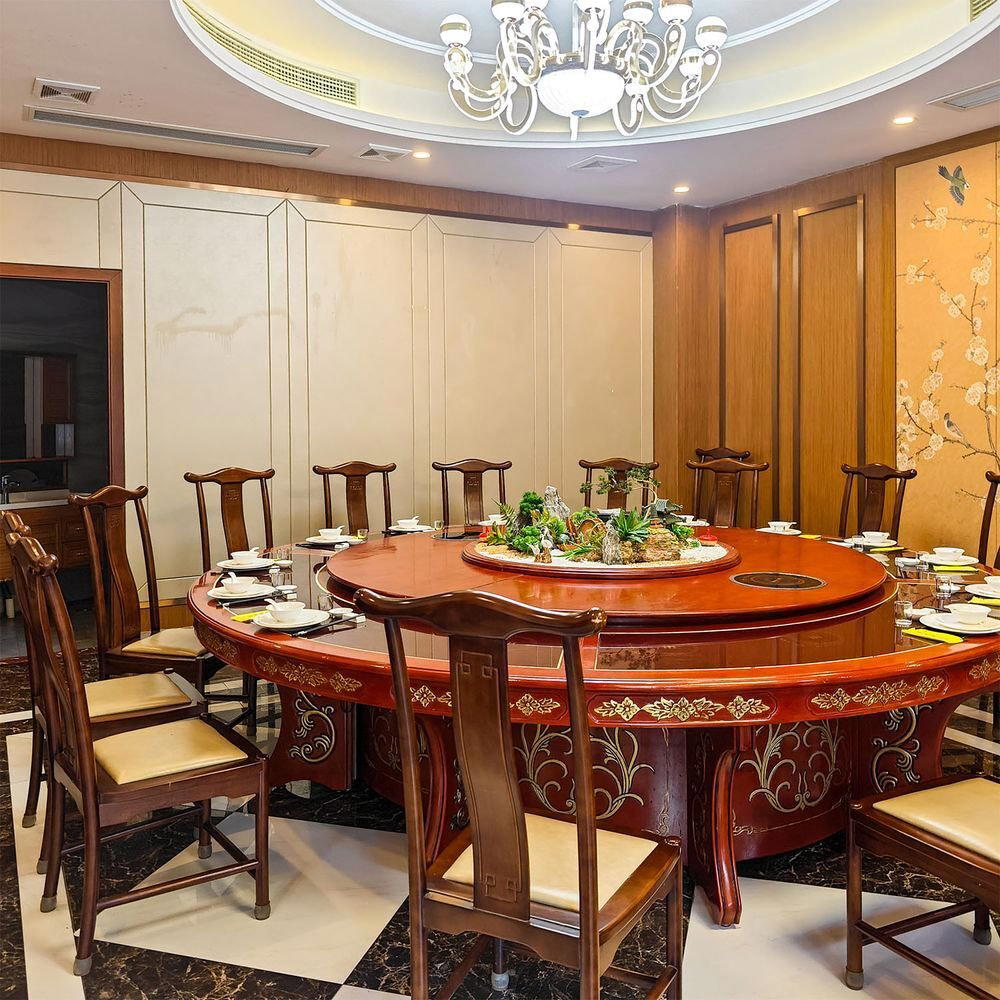
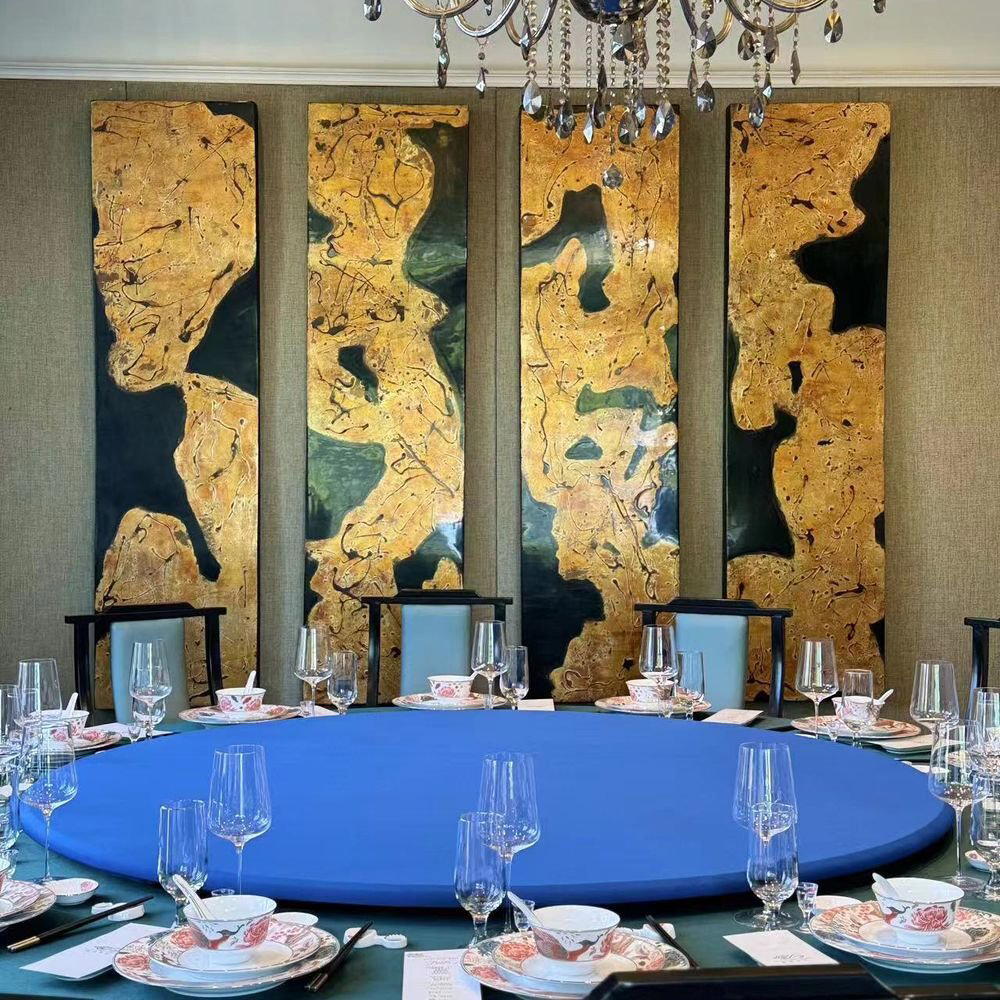
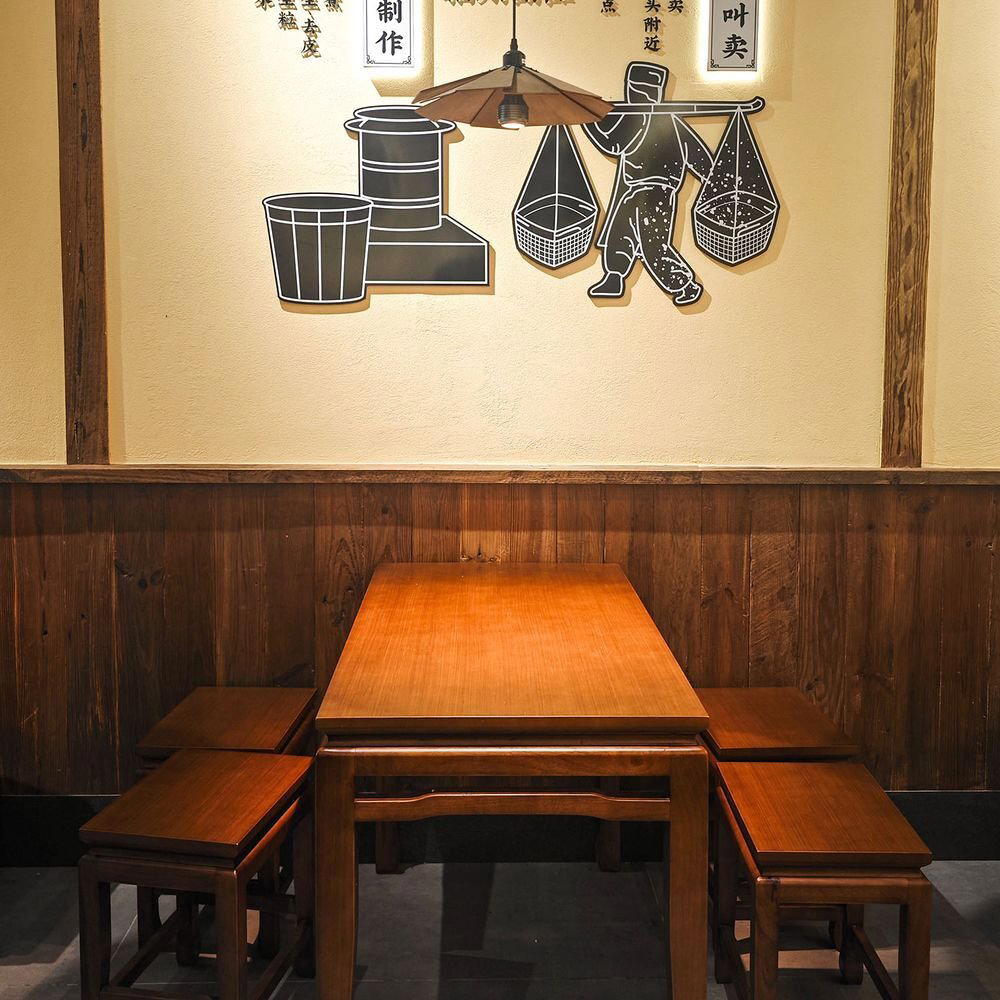
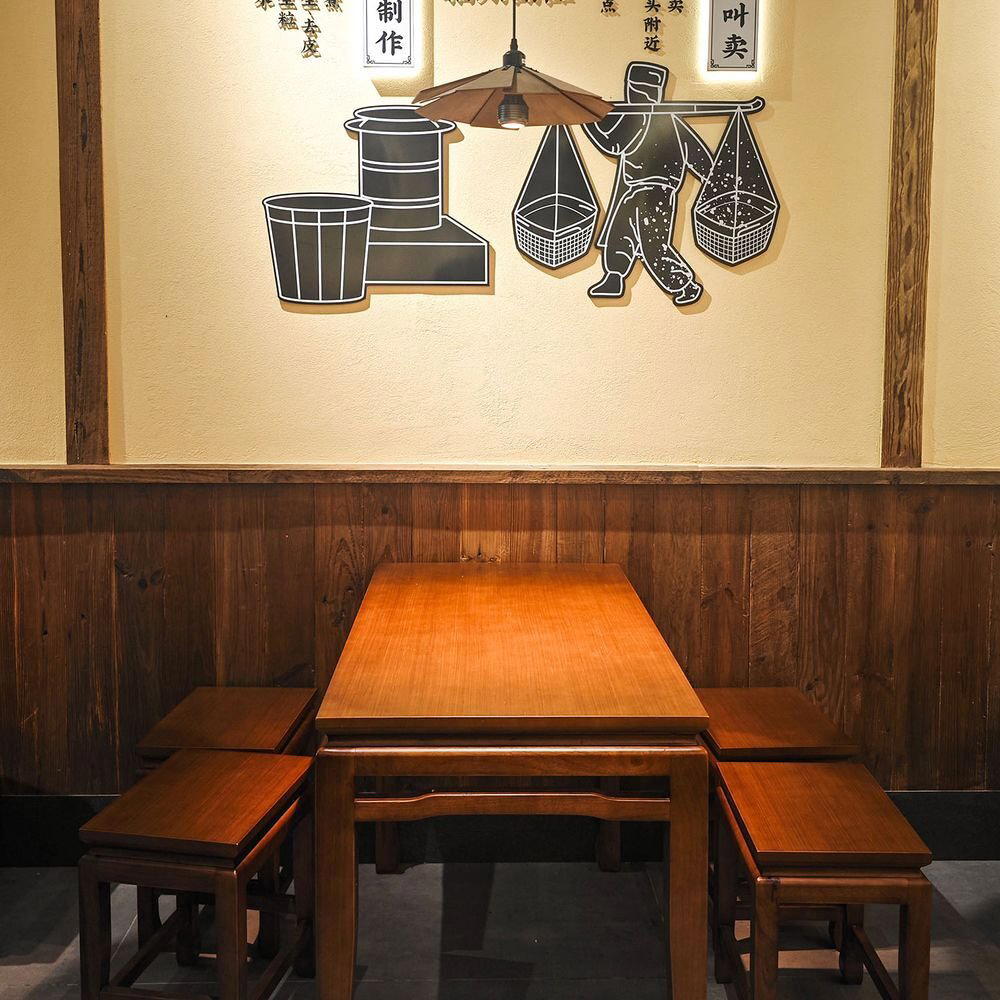
Intimate, unadorned, and ingredient-led, with a display fridge at the entrance functioning as both larder and a statement of intent.