Among Split's increasingly sustainability-conscious dining scene, Pandora Greenbox occupies a distinct position at Obrov ul. 4, inside the old city walls, where the focus falls on plant-forward cooking and ethical sourcing rather than the Adriatic-seafood formula that defines most of its neighbours. It sits closer to the emerging eco-casual tier than to Split's €€€ Mediterranean fine-dining bracket, making it a meaningful reference point for the city's evolving restaurant conversation.
Pearl is the En Primeur Club membership app — saves, bookings, and concierge access live there. Same editors, same standards.
- Address
- Obrov ul. 4, 21000, Split, Croatia
- Phone
- +38521236120
- Website
- pandoragreenbox.com
- Directions
- Get directions
 Saves & bookings on Pearl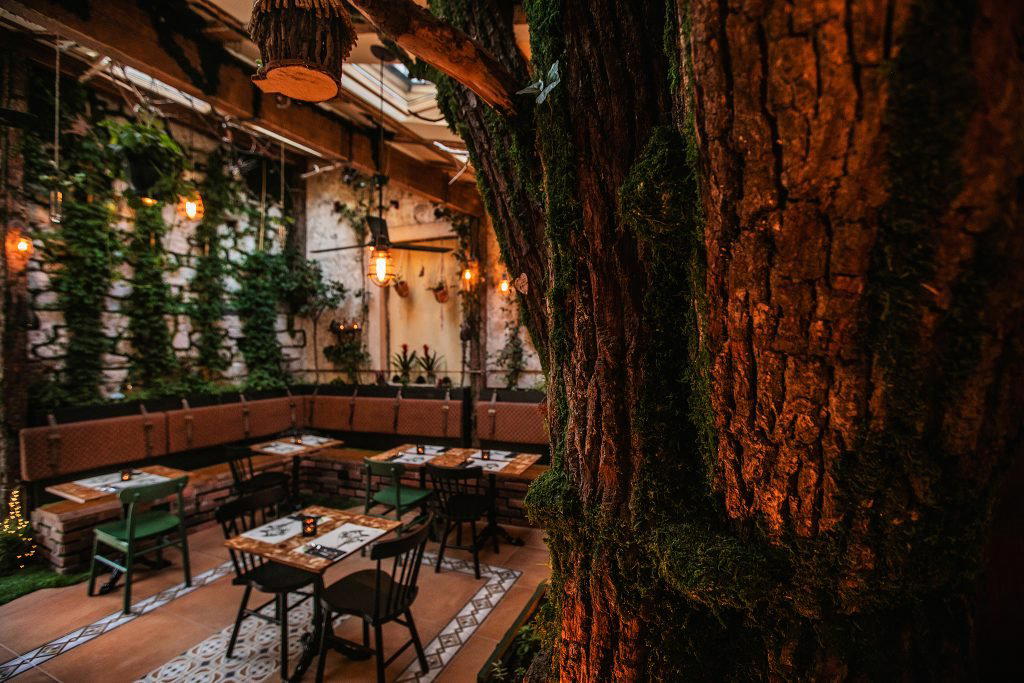
Split's Sustainability Shift: Where Pandora Greenbox Fits In
Croatia's dining conversation has, for most of the past two decades, been anchored to two things: fresh Adriatic catch and the sun-bleached terraces on which to eat it. That framing still holds at the summit of the market, where restaurants like Krug and Adriatic trade in premium Mediterranean seafood, and it underwrites the majority of what gets written about eating in Split. But a smaller counter-current has been building, particularly inside Diocletian's Palace and the immediately surrounding streets, where younger operators are asking different questions: about sourcing, about waste, about what a menu looks like when the sea is not the automatic answer to every course. Pandora Greenbox, on Obrov ul. 4, in Split, sits at the productive edge of that counter-current.
The address matters in a city where position inside the palace walls carries a particular weight. Obrov ul. runs along the northern side of the old city, a few steps from the medieval street grid but without the tourist-facing glare of the Peristyle or the Riva. Arriving here, you are already in a quieter register than the city's main dining drag. That physical context is not incidental to what Pandora Greenbox is doing: the sustainability-oriented kitchen format tends to thrive in neighbourhoods where the audience is not purely transient, where there is enough local and return custom to sustain a menu philosophy that requires more explanation than "fresh fish, grilled."
A Plant-Forward Kitchen in a Seafood City
The structural challenge for any plant-forward or eco-conscious restaurant in Split is the same one faced by counterparts in Dubrovnik, Hvar, and the wider Dalmatian coast: the local culinary identity is built around the sea and the grill, and that identity is commercially dominant. Venues that orient themselves differently, prioritising vegetables, legumes, fermented products, and reduced-waste kitchen practice, are working against the grain of what most visitors are arriving to eat. That tension is not a weakness; it is precisely the editorial story. The restaurants that hold their position in this space, rather than drifting back toward seafood menus when the summer crowds arrive, tend to develop a more loyal, less seasonal customer base.
Across Croatia, a handful of kitchens have demonstrated that this approach can sustain serious culinary ambition. Boskinac in Novalja has long framed its menu around Pag island's agricultural produce alongside its seafood. Dubravkin Put in Zagreb built its reputation on seasonal Croatian produce well before that framing became a marketing default. More recently, BioMania Bistro Bol in Bol has made organic and bio-certified ingredients a structuring principle rather than a sideline claim. The restaurant belongs to that broader Croatian cohort of restaurants where the supply chain is part of the offering.
Ethical Sourcing as Kitchen Architecture
The sustainability-story format in restaurants tends to split into two distinct approaches. The first is ethical sourcing as a branding layer: the menu lists the farms, the copy mentions the philosophy, but the kitchen operates conventionally. The second is sourcing as architecture, where the menu is genuinely constrained and shaped by what can be obtained sustainably, which means the list of available dishes shifts with the season, the supplier, and the harvest rather than being fixed for ease of service. The more rigorous version of this approach produces kitchens that are harder to describe from the outside but more interesting to return to, because the menu is genuinely alive in a way that a fixed-form restaurant is not.
In Split's immediate dining comparable set, this kind of kitchen practice sits in contrast to the more format-consistent operations at Bajamonti POP and Bistro Noir, both of which offer more predictable menus with broader commercial reach. The restaurant's positioning is narrower, which makes it more legible to a specific kind of diner and less legible to everyone else. That is a deliberate trade-off rather than a limitation.
Where Pandora Greenbox Sits in Croatia's Broader Eco-Dining Picture
Croatia's fine-dining tier has been earning international attention with increasing consistency. Pelegrini in Sibenik holds Michelin recognition and has set a benchmark for how Dalmatian ingredients can be handled at high technical levels. Agli Amici Rovinj operates in the same formal register. Restaurant 360 in Dubrovnik represents the premium coastal fine-dining format at its most commercially polished. These are reference points for ambition and technical execution, but they are not direct comparators for what the restaurant is attempting. The eco-casual or sustainability-led format in Split is more analogous to the direction being taken by Nebo by Deni Srdoč in Rijeka, where modernist technique is applied to locally and ethically sourced ingredients in a format that does not require the full ceremony of fine dining.
Internationally, particularly instructive comparisons come from cities where plant-forward and waste-reduction kitchens have moved from niche to competitive mainstream. At Le Bernardin in New York City, the sourcing rigor is applied within a seafood format; at Atomix in New York City, Korean ingredients are handled with a supply-chain discipline that treats provenance as a form of culinary argument. The restaurant is working at a different price point and with a different culinary heritage, but the underlying logic, that sourcing decisions are creative decisions, connects these kitchens across their differences.
Practical Notes for Planning a Visit
The restaurant is at Obrov ul. 4 in Split's old town, reachable on foot from any point inside the palace walls in under ten minutes, and from the Riva waterfront in roughly the same time. Restaurants of this type, operating on seasonal and supplier-led menus with limited covers, tend to move quickly on availability during summer, particularly July and August when demand across the city is at its peak. Reservations are recommended.
For a different point of comparison within Split itself, Bokamorra represents a casual, socially oriented format that draws a similar younger, locally engaged crowd without the sustainability-specific framing.
The Short List
Comparable venues nearby, for context on price, style, and recognition.
| Venue | Cuisine | Price | Notes |
|---|---|---|---|
| Pandora GreenboxThis venue — the venue you are viewing | Old Town, Plant-Based Mediterranean | $$ | Not listed |
| Konoba Fratelli | Not listed | $$ | Siriščevića, Italian-Croatian Mediterranean |
| Zora Bila | Bačvice, Modern Dalmatian Mediterranean | $$$ | Not listed |
| Villa Spiza | Old Town, Dalmatian Home Cooking | $$ | Not listed |
| Konoba Korta | Not listed | $$ | Diocletian's Palace, Traditional Dalmatian Seafood |
| OliveTree by boiler™ | Riva, Mediterranean Pizza & Croatian | $$ | Not listed |
Continue exploring
More in Split
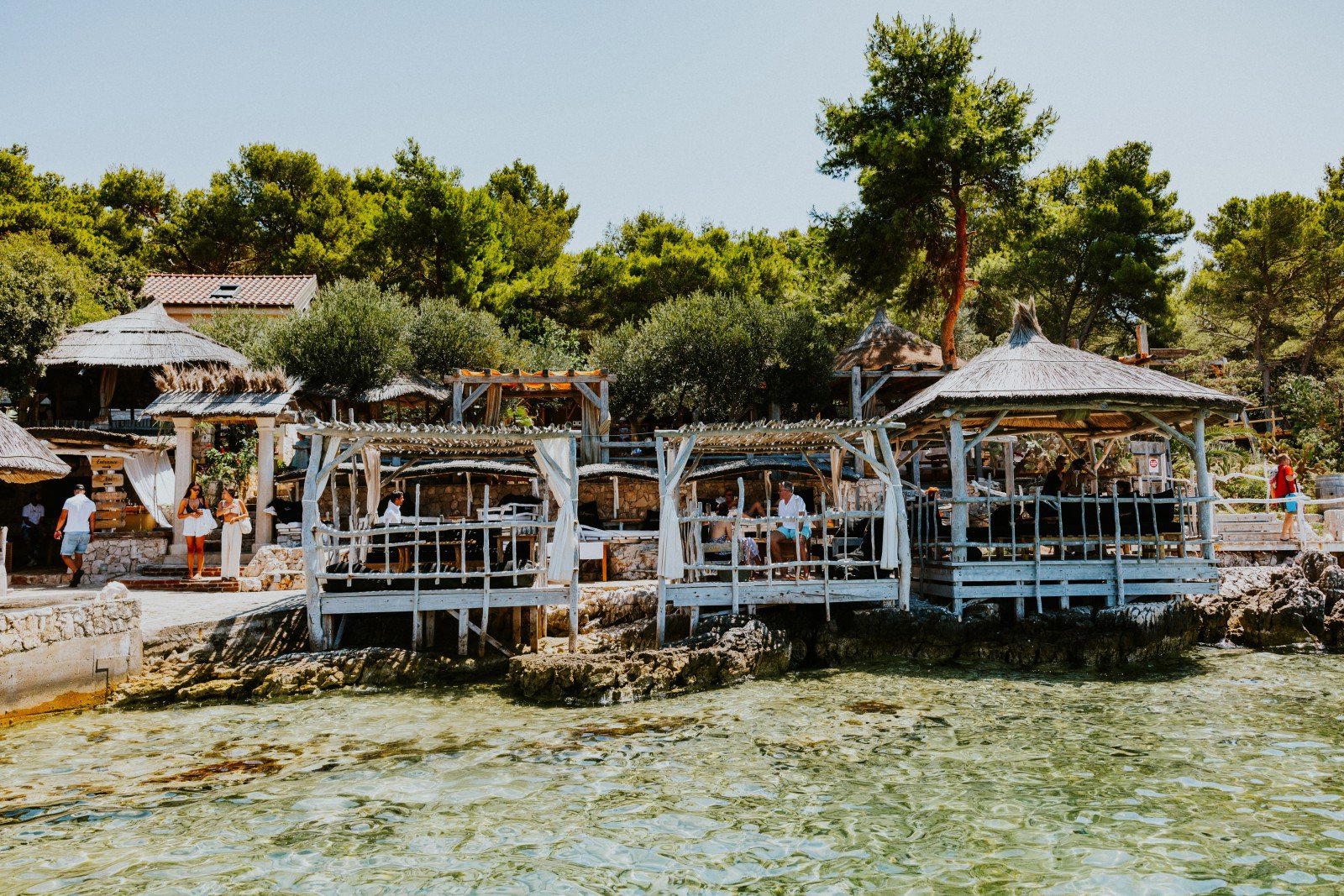
Restaurants in Split
Browse all →
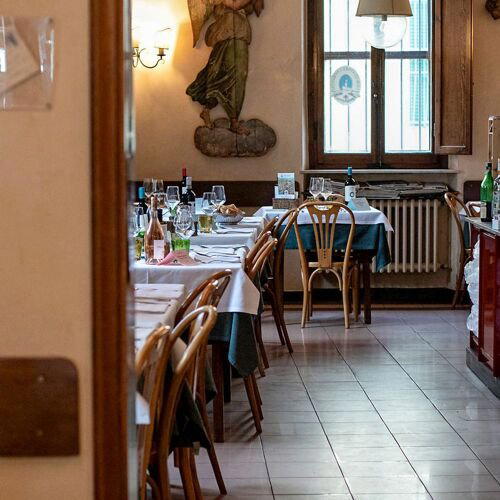
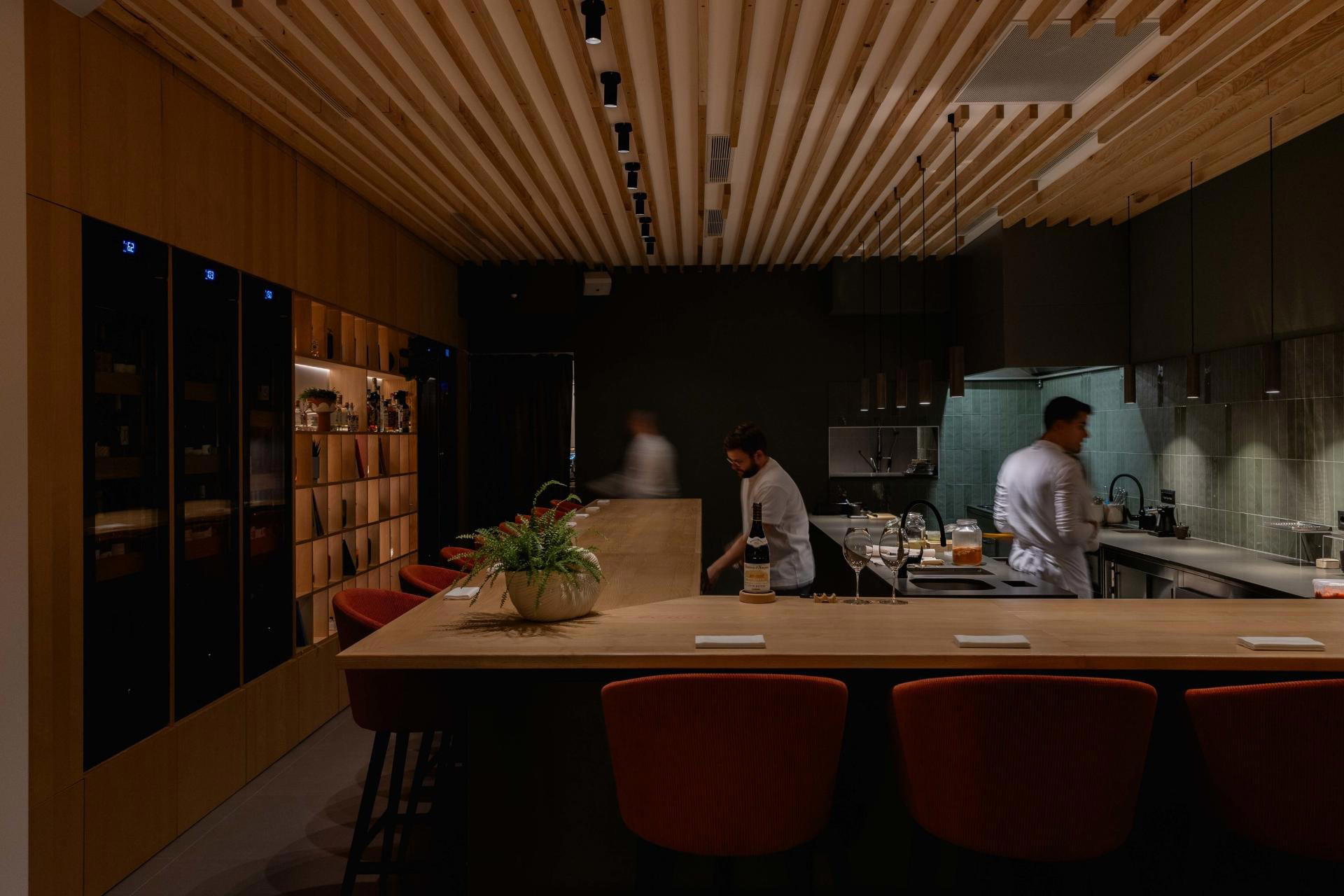
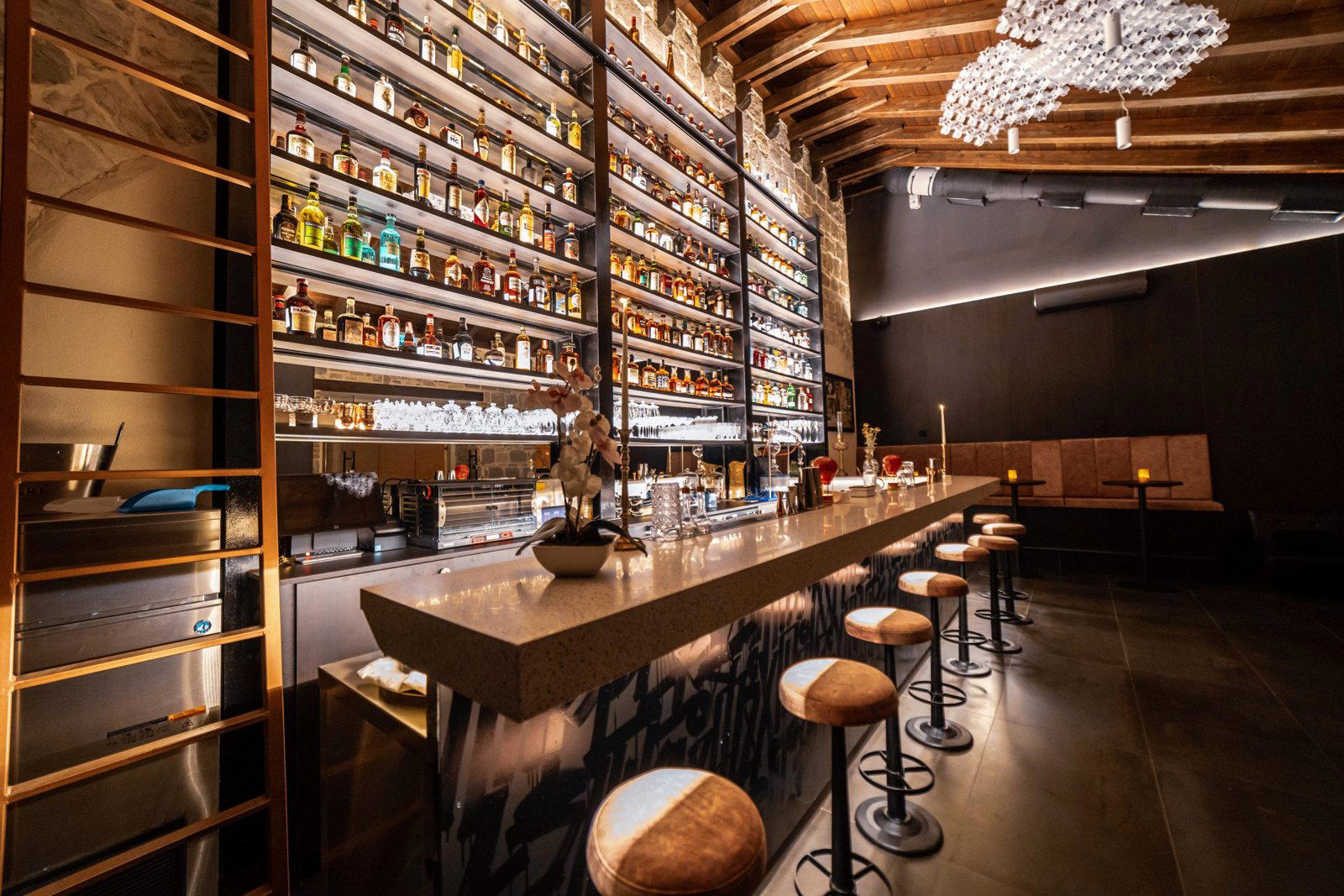
Bars in Split
Browse all →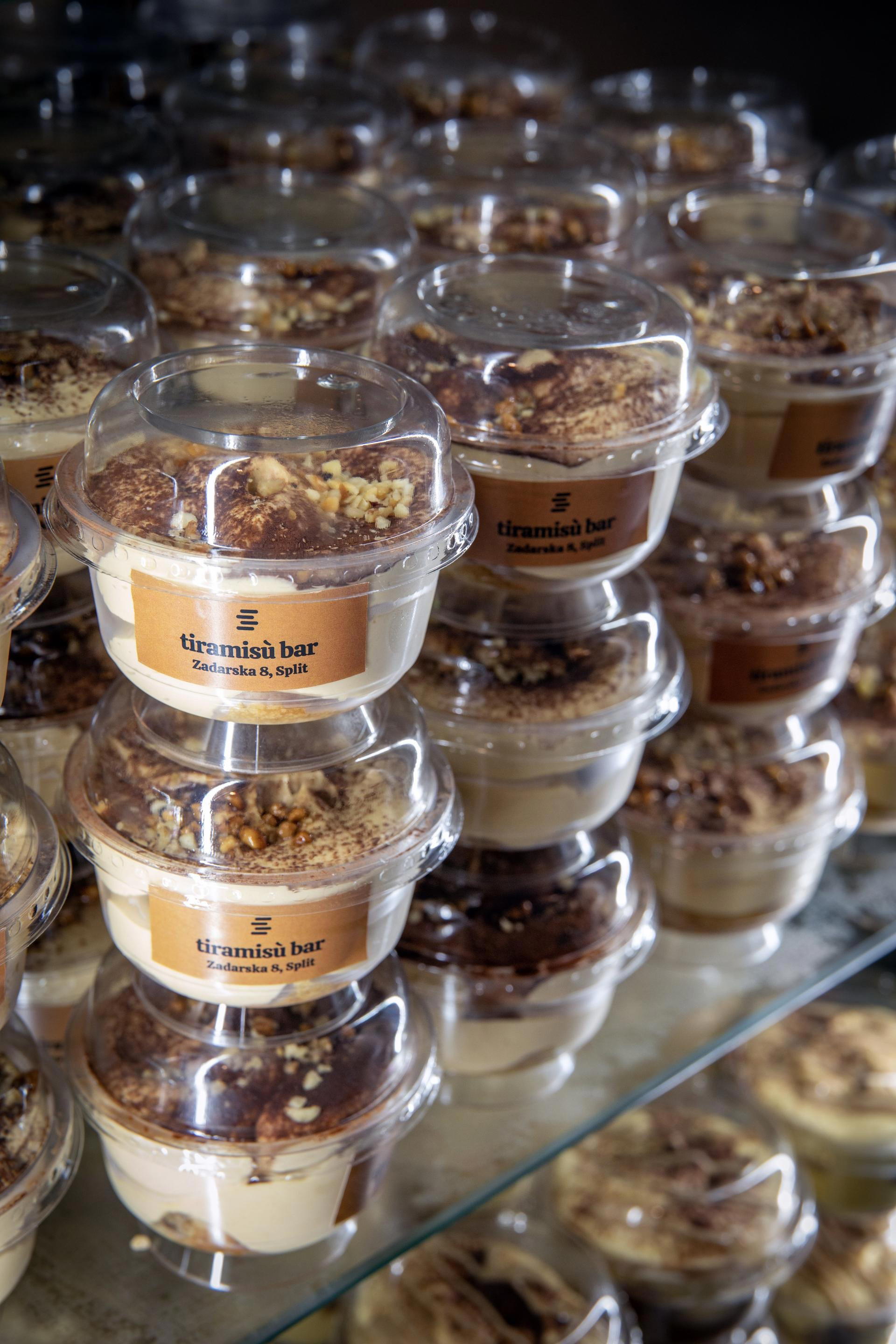
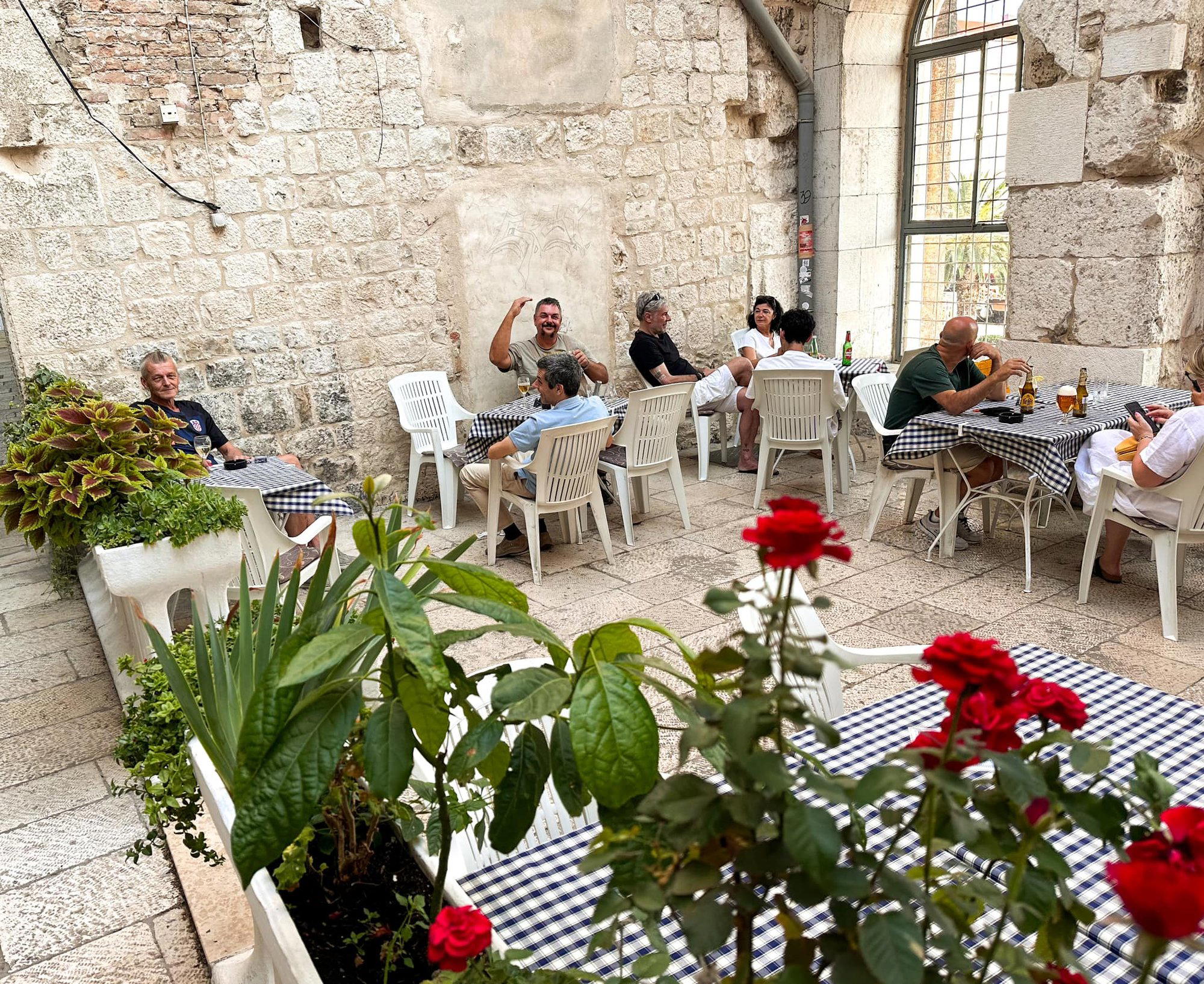
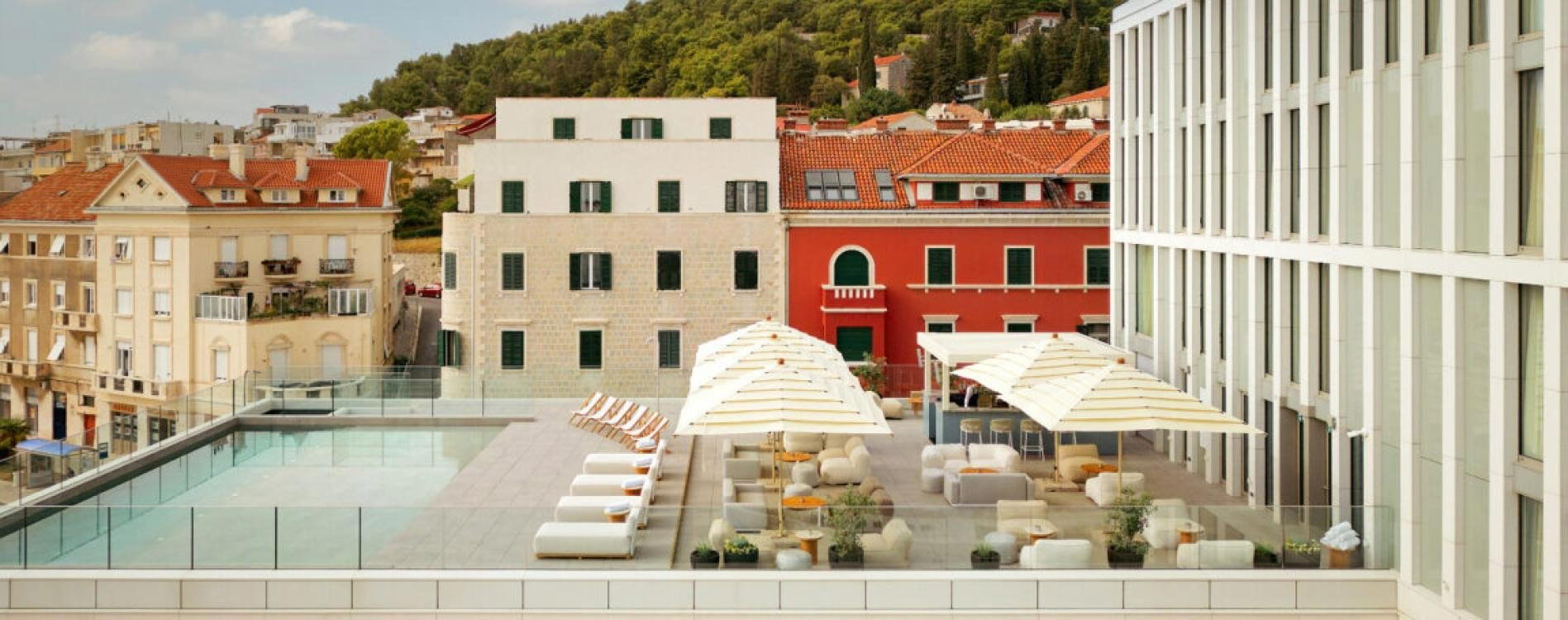
Hotels in Split
Browse all →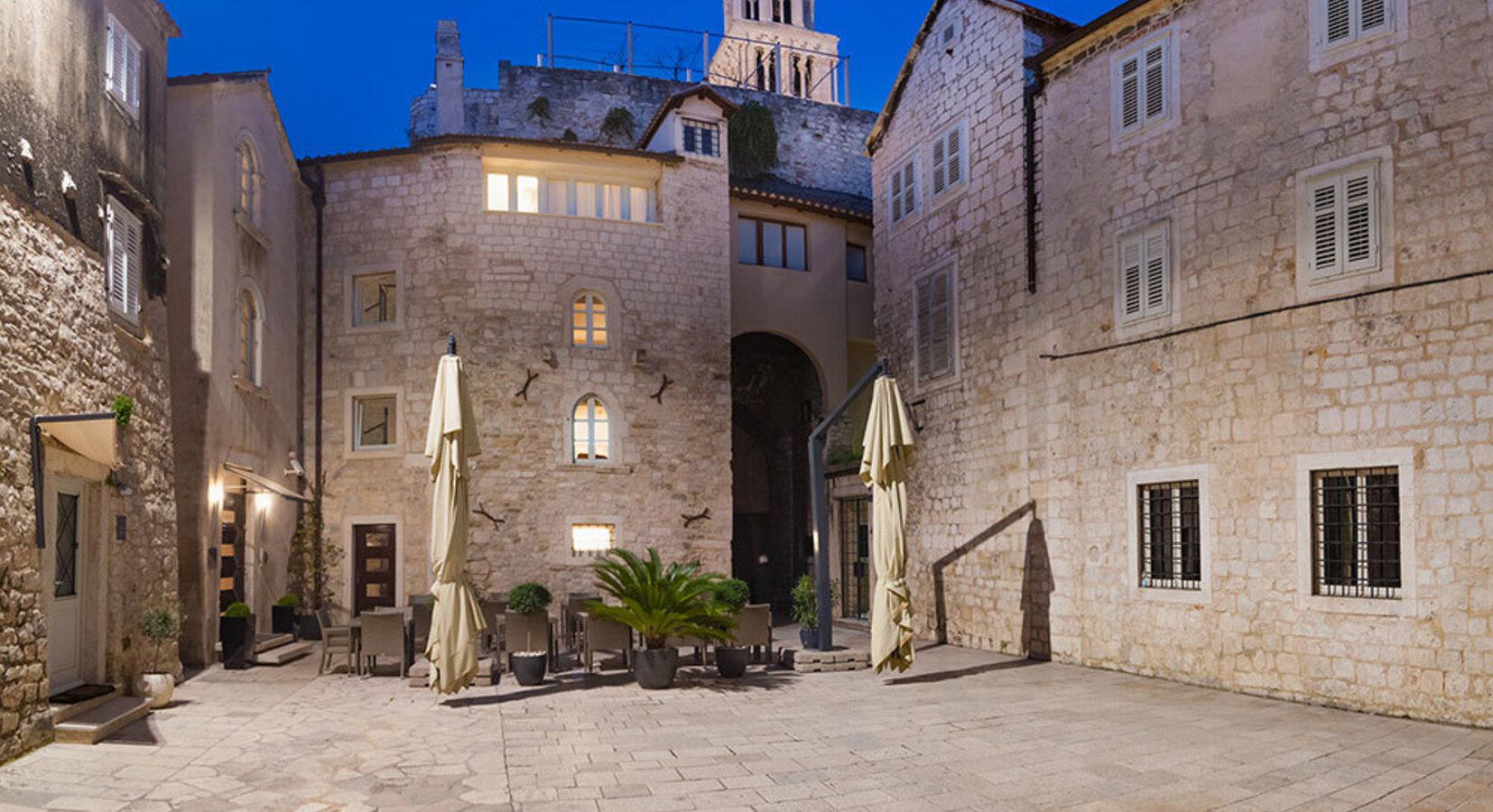

At a Glance
- Romantic
- Modern
- Cozy
- Elegant
- Brunch
- Date Night
- Family
- Casual Hangout
- Garden
- Terrace
- Open Kitchen
- Craft Cocktails
- Beer Program
- Local Sourcing
- Organic
- Garden
Current opening hours
- Monday
- 9 AM–11 PM
- Tuesday
- 9 AM–11 PM
- Wednesday
- 9 AM–11 PM
- Thursday
- 9 AM–11 PM
- Friday
- 9 AM–11 PM
- Saturday
- 9 AM–11 PM
- Sunday
- 9 AM–11 PM
Hours can change for holidays and private events. Last verified .
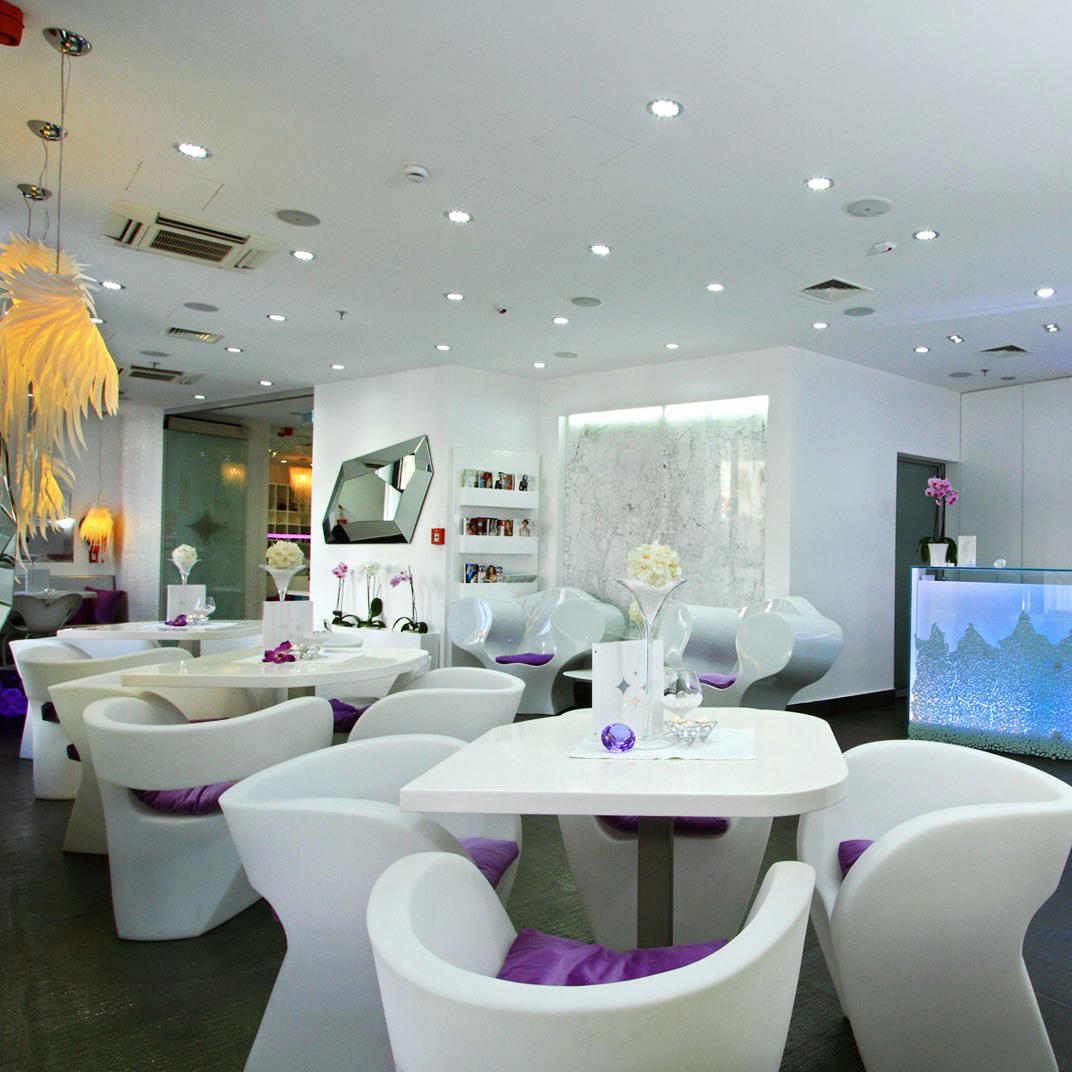
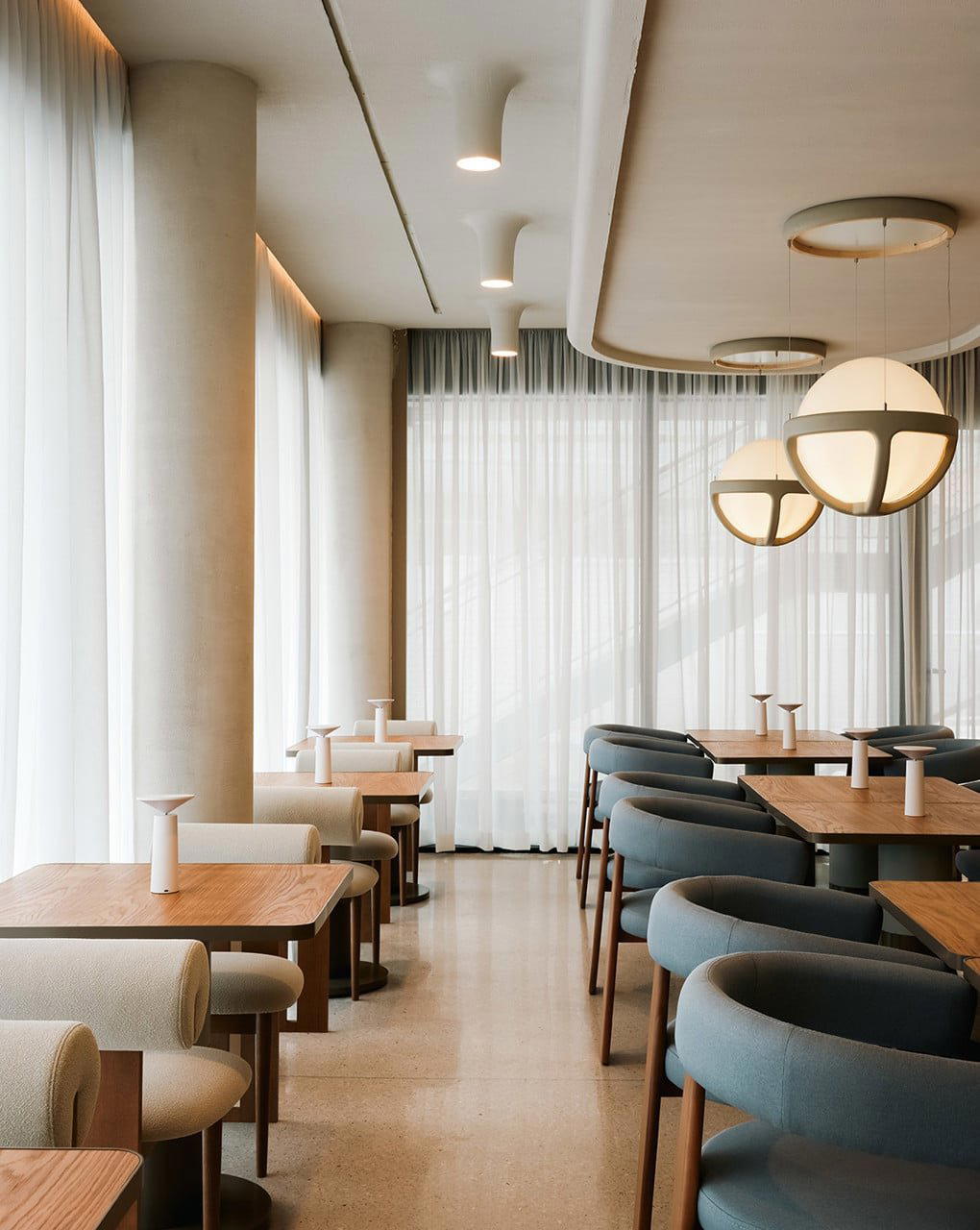
Bright, welcoming space with natural materials (stone, wood, metal), real plants, and a custom-built tree installation; offers both air-conditioned indoor seating and shaded outdoor terrace areas.