Bokeria Kitchen & Wine: Modern Mediterranean Dalmatian cooking in Split, with an extensive wine list and signatures like black risotto, black polenta with cuttlefish, and eggplant parmesan.
Pearl is the En Primeur Club membership app — saves, bookings, and concierge access live there. Same editors, same standards.
- Address
- Domaldova ul. 8, 21000, Split, Croatia
- Phone
- +385992260000
- Website
- book.seatlio.com
- Directions
- Get directions
 Saves & bookings on Pearl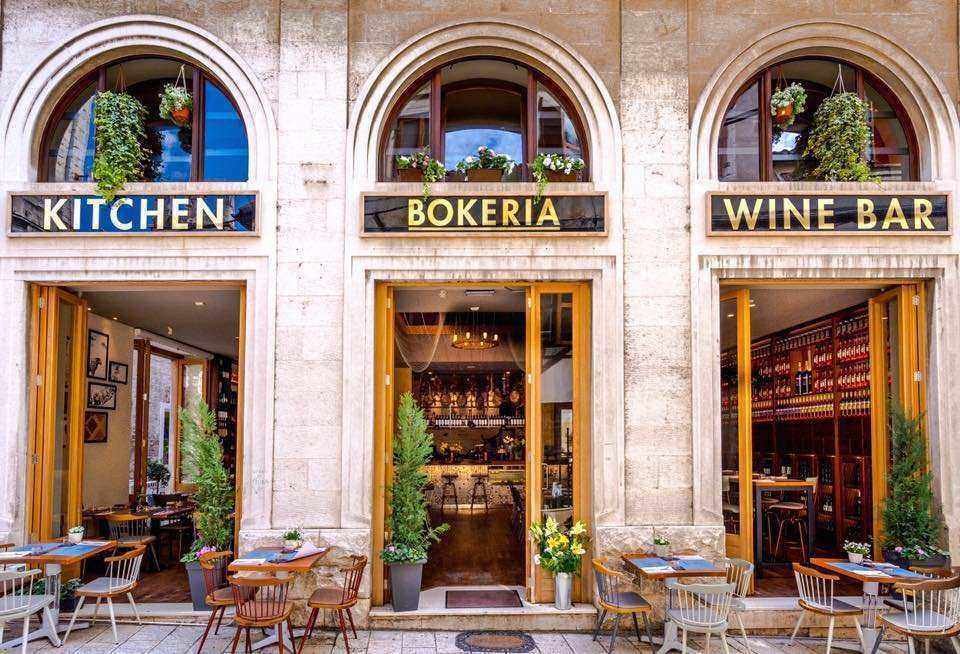
Where the Old Town Meets the Wine List
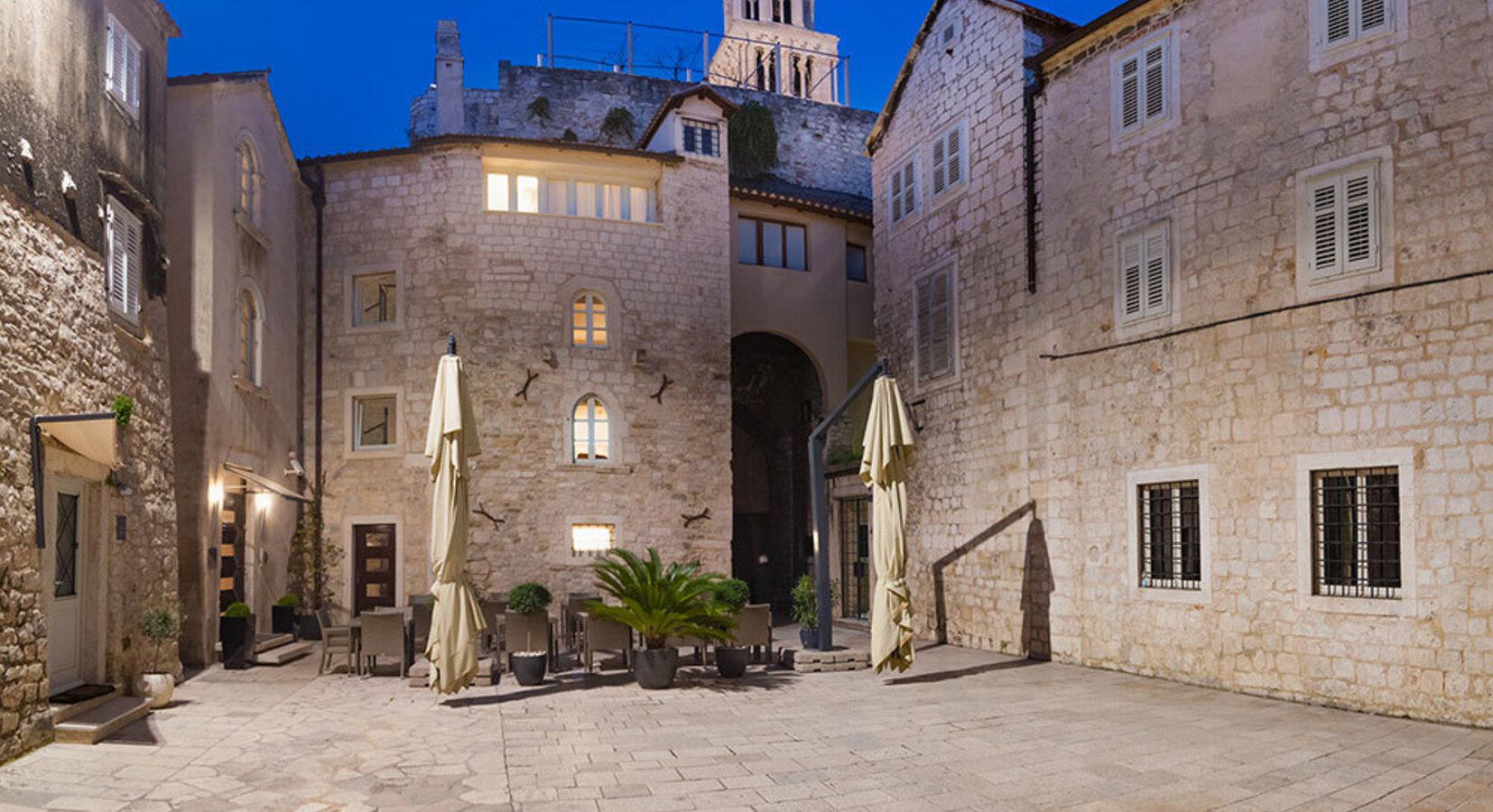
Split's dining scene has spent the better part of a decade sorting itself into two distinct camps: the tourist-facing konoba circuit that runs on grilled fish and Dalmatian cliché, and a tighter tier of kitchen-and-wine operations that take the region's produce seriously enough to think about what's in the glass alongside what's on the plate. Bokeria Kitchen & Wine, on Domaldova Street in the heart of the old city, sits firmly in the second group. The address alone places it near Diocletian's Palace, yet away from the loudest corners of the tourist corridor.
The name is a deliberate nod to Barcelona's Boqueria market, which frames the philosophy before a single plate arrives. Markets as culinary orientation points have become shorthand across European restaurant culture for sourcing-first thinking, and in Dalmatia that posture carries particular weight. The Adriatic coast produces particularly interesting indigenous ingredients in the Mediterranean, from the cured meats of the Dalmatian hinterland to the wines of the Pelješac peninsula, and a restaurant that frames itself around market sourcing is making a claim about how seriously it intends to engage with them.
A Program Built on Collaboration
One consistent differentiator among Split's better dining addresses is not the chef's CV but the degree of coordination between kitchen, floor, and cellar. At the tier where Bokeria operates, the wine program is not an afterthought appended to a menu, it is a parallel editorial voice. Dalmatia has enough indigenous grape variety to build a genuinely ambitious list: Pošip from Korčula, Grk, Plavac Mali from the Pelješac slopes, and a growing number of producers experimenting with extended skin contact and amphora ageing. A front-of-house team that understands this material can shift the register of a meal considerably.
This collaborative structure is what distinguishes the kitchen-and-wine format from the conventional restaurant model. The sommelier role in these operations is not simply to recommend bottles at the right price point; it is to build a through-line from the first pour to the last, one that responds to what the kitchen is doing with the same sensitivity a chef brings to seasoning. When that alignment functions, the dining room becomes its own kind of argument, a case made course by course for why regional produce and regional wine belong in the same conversation. Across Croatia's more serious dining establishments, from Agli Amici Rovinj in Rovinj to Pelegrini in Sibenik, this integration has become the operating standard rather than the exception.
Split's Broader Dining Context
Split does not have the Michelin-dense profile of Zagreb or Dubrovnik's trophy-restaurant circuit, but it has developed a coherent mid-to-upper tier over recent years that rewards attention. The city's position as the main hub for Dalmatian coastal travel means it captures a more experienced international diner than many Croatian cities, and that audience has driven demand for more considered cooking. Krug (Mediterranean Cuisine) anchors the Mediterranean fine-dining end at €€€, while options like Bistro Noir and Bokamorra serve different registers of the same appetite for quality. Bajamonti POP and Adriatic extend the range further. Bokeria sits within this comparable set as a wine-forward address, which in Split carries editorial weight: the city's tourist volume makes it easy for restaurants to coast, and the ones that don't are worth noting.
Croatia's serious dining scene is also not confined to the coast. Korak in Jastrebarsko, Dubravkin Put in Zagreb, and Nebo by Deni Srdoč in Rijeka represent the inland and northern axis of Croatian cooking. Island addresses like Alfred Keller in Mali Lošinj, LD Restaurant in Korčula, and Boskinac in Novalja complete a picture of a national scene with genuine geographic breadth. San Rocco in Brtonigla in Istria and Restaurant 360 in Dubrovnik bookend the coastal fine-dining spectrum. Bokeria's place in Split puts it in the middle of this national conversation, serving a city that functions as the region's main throughfare.
Internationally, the kitchen-and-wine format Bokeria represents has precedents at considerably higher price points. Operations like Le Bernardin in New York City and Lazy Bear in San Francisco demonstrate what deep front-of-house and kitchen integration looks like at the summit of the format's range. Bokeria operates in a different market, but the underlying logic of the format, that service, wine, and cooking should function as a coherent whole rather than separate departments, is the same regardless of price tier.
Planning Your Visit
Bokeria sits on Domaldova Street in central Split, walkable from the Diocletian's Palace complex and the main waterfront promenade. The old city's density means most accommodation within the historic core is within reasonable walking distance. The restaurant is recommended for reservations and opens daily from 8 AM to 11:30 PM. Shoulder season, meaning May to June and September to October, tends to offer more flexibility and a dining room that skews toward repeat visitors rather than first-timers.
Budget Reality Check
Comparable venues nearby, for context on price, style, and recognition.
| Venue | Cuisine | Price | Notes |
|---|---|---|---|
| Bokeria Kitchen & WineThis venue — the venue you are viewing | Old Town, Modern Mediterranean Dalmatian | $$$ | Not listed |
| FANTAŽIJA kitchen and wine | Old Town, Modern Dalmatian Mediterranean | $$$ | Not listed |
| Portofino | Not listed | $$$ | Diocletian's Palace, Modern Mediterranean Seafood & Grill |
| Bajamonti POP | Trg Republike, Dalmatian Coastal | $$$ | Not listed |
| Konoba Matejuska | Varoš, Authentic Dalmatian Seafood | $$ | Not listed |
| Restaurant Méditerranée | Not listed | $$$$ | Waterfront (Trumbićeva obala), Contemporary Mediterranean with Dalmatian Heritage |
Continue exploring
More in Split
Restaurants in Split
Browse all →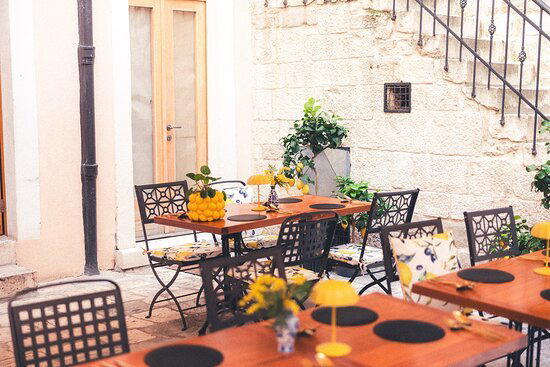
At a Glance
- Lively
- Trendy
- Cozy
- Modern
- Date Night
- Casual Hangout
- Group Dining
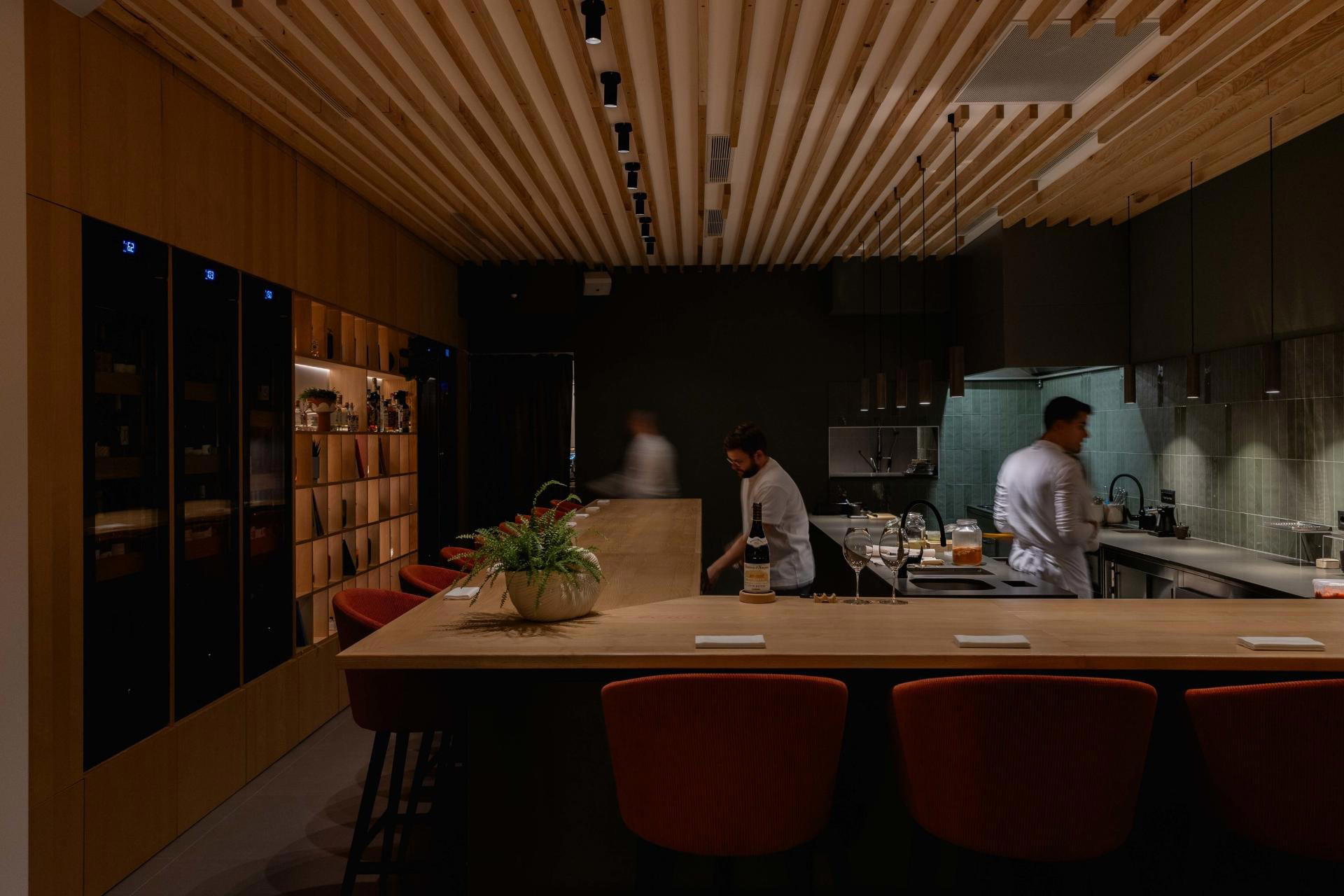
- Open Kitchen
- Extensive Wine List
- Local Sourcing
Current opening hours
- Monday
- 8 AM–11:30 PM
- Tuesday
- 8 AM–11:30 PM
- Wednesday
- 8 AM–11:30 PM
- Thursday
- 8 AM–11:30 PM
- Friday
- 8 AM–11:30 PM
- Saturday
- 8 AM–11:30 PM
- Sunday
- 8 AM–11:30 PM
Hours can change for holidays and private events. Last verified .
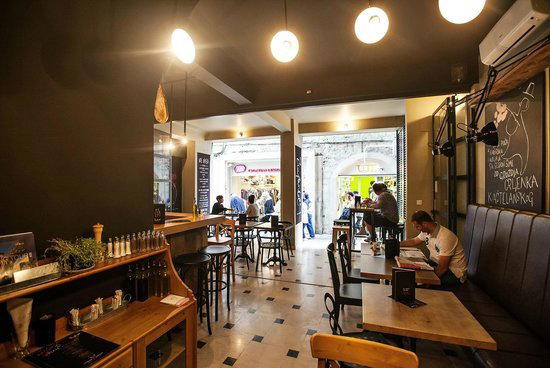
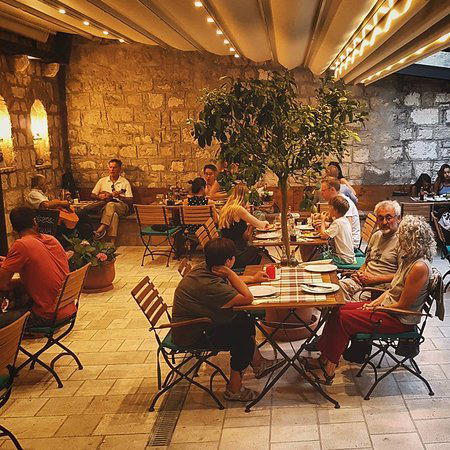
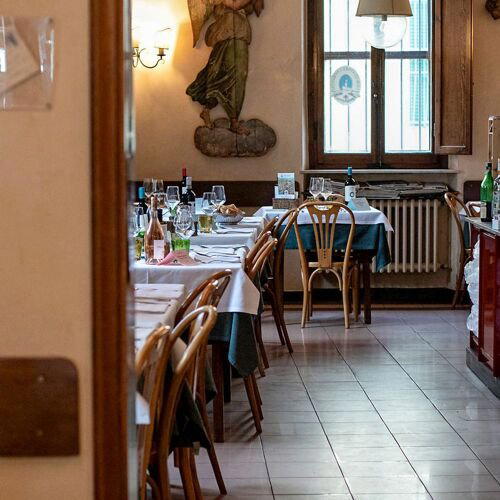
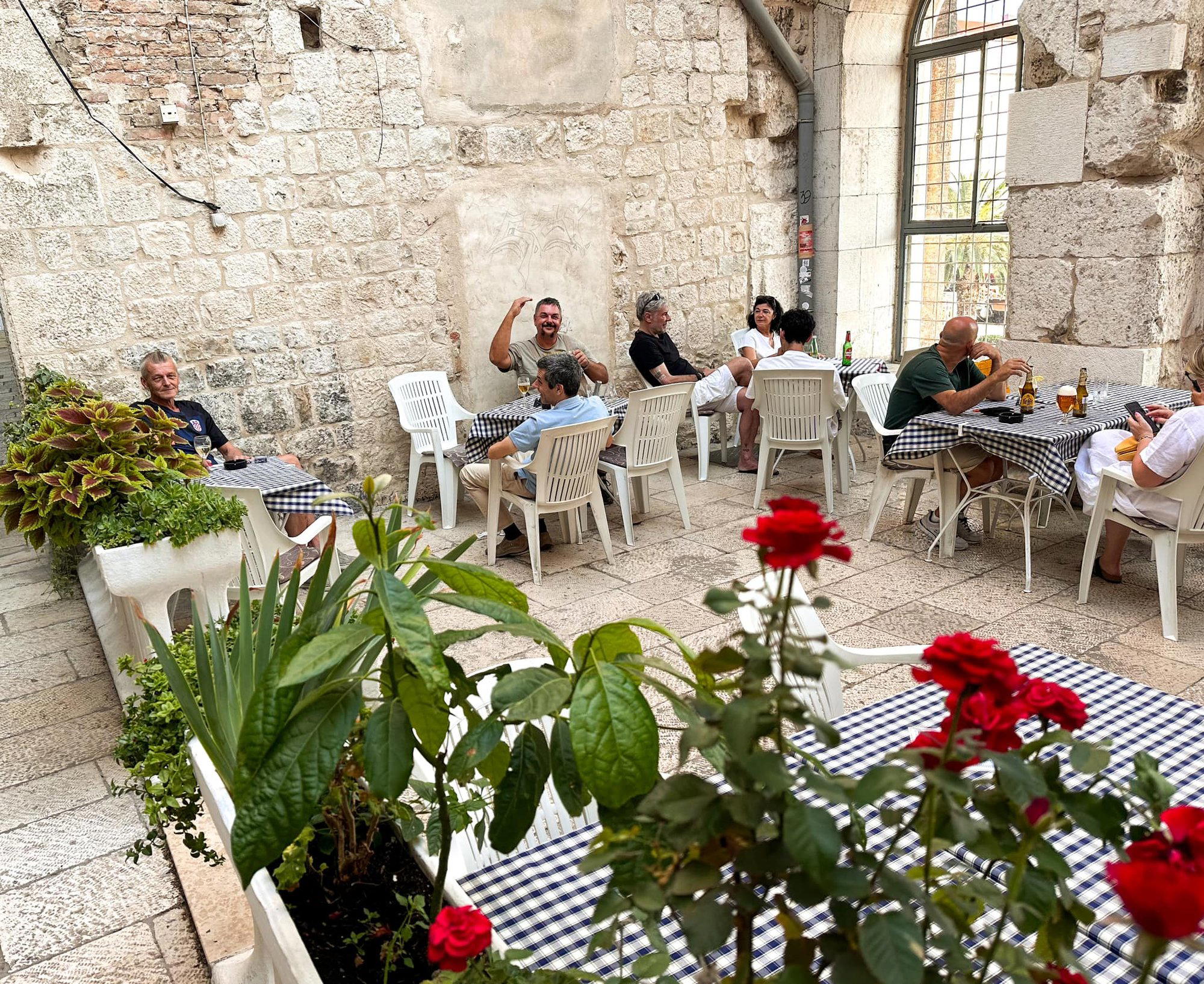
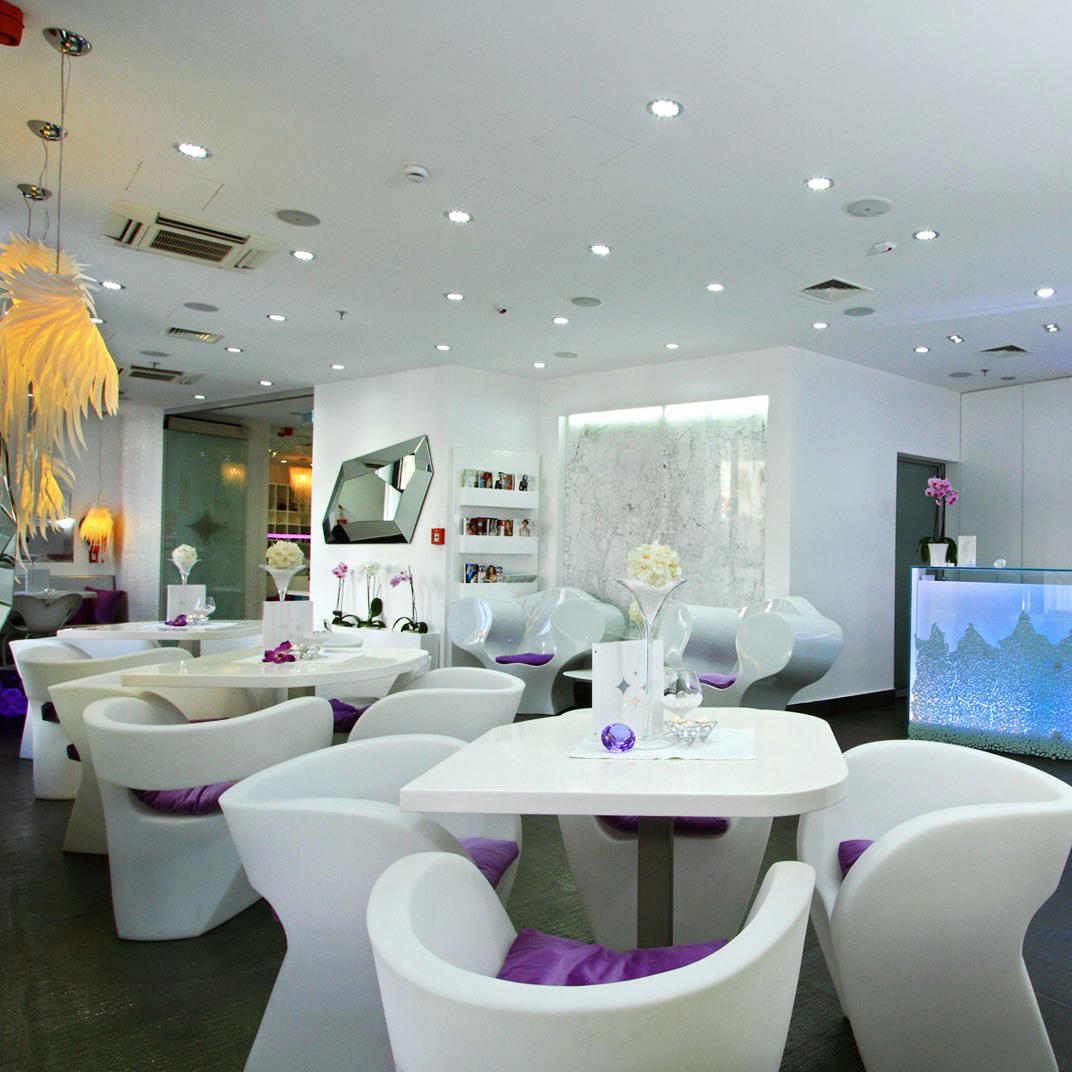
Lively and lively with colorful decorations, high ceilings, and a cozy Spanish flair from mosaic-tiled bar, filled with chatting diners.