
Bistro Loora sits on Ul. Ivana Pavla II in Đakovo, a town in Slavonia where agricultural tradition and table culture have long overlapped. The restaurant operates within a regional dining scene shaped by proximity to some of Croatia's most productive farming land, placing ingredient provenance at the center of what ends up on the plate. For travelers moving through inland Croatia, it represents a grounded alternative to the coast's more prominent restaurant circuit.
Pearl is the En Primeur Club membership app — saves, bookings, and concierge access live there. Same editors, same standards.
- Address
- Ul. Ivana Pavla II 5, 31400, Đakovo, Croatia
- Phone
- +38531780510
- Website
- loora.hr
- Directions
- Get directions
 Saves & bookings on Pearl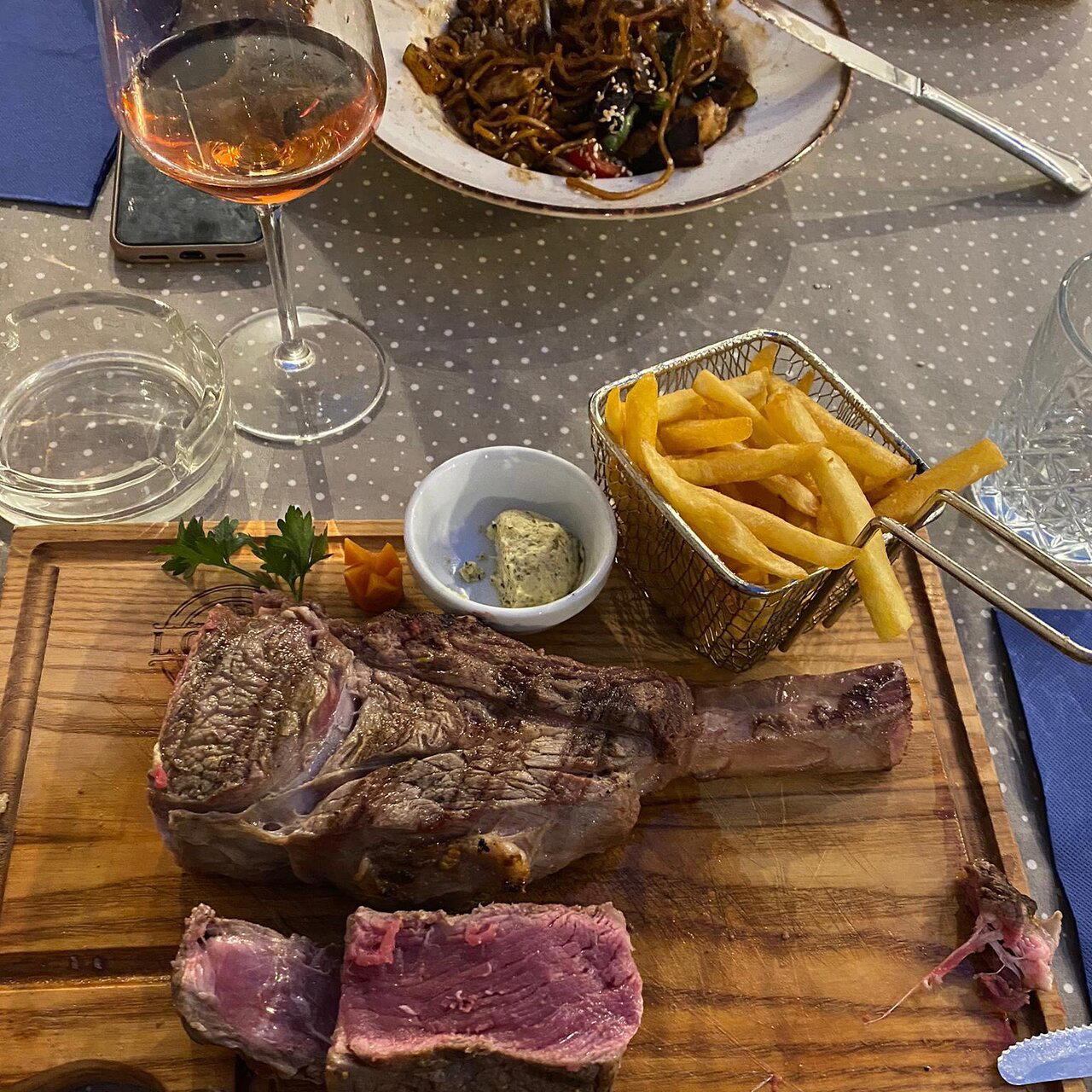
Slavonia at the Table: What Inland Croatia Looks Like When It Eats Well
The restaurants that tend to matter in Slavonia are not the ones chasing coastal recognition. They are the ones that understand the land around them: the flat, fertile plains that make this corner of Croatia one of the country’s most agriculturally productive regions. Đakovo, a town of cathedral spires and unhurried pace in the eastern Croatian interior, sits inside that productive belt. Bistro Loora, addressed at Ul. Ivana Pavla II 5, operates within that context, a setting where the distance between field and kitchen is shorter than almost anywhere else in the country, and where that proximity shapes the character of a meal more reliably than any tasting menu format or imported technique.
Slavonian cuisine is not widely covered in the international food press, which tends to cluster its Croatian attention around Dalmatian coastline restaurants such as Pelegrini in Sibenik or Restaurant 360 in Dubrovnik. That coastal bias has left a genuine gap in editorial coverage of inland Croatian cooking, where the pantry reads entirely differently: cured pork products, freshwater fish from rivers like the Drava, paprika-forward spice traditions, and dairy from small-scale producers whose output rarely travels far. For a restaurant like Bistro Loora, that gap is both a challenge and a structural advantage, it serves a local food culture that has not been reinterpreted for outside audiences, which tends to keep sourcing honest.
Why Provenance Matters More in Landlocked Croatia
Coastal Croatian restaurants have learned to articulate their sourcing narratives partly because international guests expect it. The Adriatic supplier story, the fisherman, the olive grove, the island salt, translates easily. Inland Slavonia operates on different terms. The supply chains here are agricultural rather than maritime, and the producers tend to be generational farming operations rather than artisanal boutique suppliers. That does not make the ingredients less serious; Slavonian kulen, the region's paprika-cured sausage, carries a protected designation of origin under European law, placing it in the same regulatory tier as Parma ham or Comté. The broader Slavonian pantry works the same way: ingredients defined by geography, climate, and accumulated technique rather than marketing.
This matters for understanding what a bistro format in Đakovo can credibly offer. Unlike the high-concept restaurants of Zagreb, see Dubravkin Put for an example of that register, or the destination dining that draws visitors to Istrian addresses like Agli Amici Rovinj or EatIstria in Pluj, a Slavonian bistro draws its authority from access rather than ambition. The produce is local because local is what is available, abundant, and what the customer base has grown up eating. That is a different foundation than sourcing as a chef philosophy, and it tends to produce a more consistent, less performative plate.
The Setting and What It Signals
Đakovo's town center, anchored by the 19th-century cathedral of St. Peter that dominates the skyline for kilometers in every direction, is compact and walkable. A restaurant at Ul. Ivana Pavla II sits within that center, which means foot traffic from local residents rather than tourist circuits, a reliable indicator of a restaurant calibrated to regional tastes and repeat custom rather than one-time visitors. Bistro formats in Croatian market towns of this size typically pitch somewhere between casual lunch venue and dinner destination, serving both functions without the formal separation that a larger city operation would maintain.
That positioning places Bistro Loora in a different competitive set than the island or coastal restaurants that dominate Croatian dining coverage. The relevant peer comparison is not LD Restaurant in Korčula or Boskinac in Novalja, both operating in tourism-heavy environments with pricing structures to match, but rather the network of inland Croatian restaurants that serve regional cooking to regional audiences. Korak in Jastrebarsko offers one point of comparison for how inland Croatian kitchens have built reputations without coastal advantage. The shared thread is cooking grounded in local agricultural output rather than imported luxury product.
Inland Croatia on a Wider Itinerary
For travelers constructing a Croatia itinerary that moves beyond the Dalmatian coast and Istrian peninsula, Đakovo functions as a logical stop on a route that might include Nebo by Deni Srdoč in Rijeka on the Kvarner end or Alfred Keller in Mali Lošinj for island contrast. The town is accessible from Osijek, Slavonia's regional capital, in under an hour by road, and sits on a route connecting Zagreb to the eastern border. Logistics aside, the case for including an inland Slavonian stop is editorial: it adds a food culture to a Croatian trip that is genuinely distinct from what the coast offers, rather than a geographic variation on the same Adriatic product story.
Travelers who have eaten along the Croatian coast, at San Rocco in Brtonigla, at Humska Konoba in Hum, or at Krug in Split, and want to understand Croatian food as a national rather than exclusively maritime tradition will find Slavonia's table culture genuinely instructive. It is a different grammar: heavier, land-oriented, structured around preservation techniques and slow-cooked preparations that reflect winters rather than summers. Restaurant Filippi in Curzola and Trg Sv. Stjepana 3 in Lesina represent the Dalmatian island register; the restaurant sits at the opposite end of Croatia's culinary geography.
For readers with reference points in international fine dining, the sourcing discipline here is comparable in spirit, if different in format, to what drives kitchen decisions at Le Bernardin in New York City or the producer-first ethos at Lazy Bear in San Francisco, the commitment to ingredient origin as the primary editorial statement of a kitchen, expressed here through the Slavonian agricultural belt rather than the American West Coast or the North Atlantic.
Planning a Visit
The restaurant is located at Ul. Ivana Pavla II 5 in Đakovo, a town in the Osijek-Baranja County of eastern Croatia. Đakovo is reachable by car from Zagreb in approximately two hours and from Osijek in under an hour. Specific hours are Mon to Sun, 9 AM to 11 PM. Reservations are recommended, and the price tier is moderate.
Fast Comparison
Comparable venues nearby, for context on price, style, and recognition.
| Venue | Cuisine | Price | Notes |
|---|---|---|---|
| Bistro LooraThis venue — the venue you are viewing | Modern Croatian Bistro | $$ | Not listed |
| Merlon | Modern European Pub with Burgers | $$ | Tvrđa |
| Restoran Terasa | Traditional Croatian & Czech | $$ | Julijev park |
| Kod Javora | Traditional Croatian & European | $$ | Donji Grad |
| Konoba Barba | Traditional Dalmatian Seafood & Grill | $$ | Komiza |
| Domestic House Lola | Modern Croatian European | $$ | Baroque Center |
Recognition history
Dated appearances from independent guides and award organizations, with the underlying list record or original source where available.
Michelin Bib Gourmand
Michelin

At a Glance
- Cozy
- Modern
- Intimate
- Date Night
- Family
- Casual Hangout
- Open Kitchen
- Extensive Wine List
- Local Sourcing
Current opening hours
- Monday
- 9 AM–11 PM
- Tuesday
- 9 AM–11 PM
- Wednesday
- 9 AM–11 PM
- Thursday
- 9 AM–11 PM
- Friday
- 9 AM–11 PM
- Saturday
- 9 AM–11 PM
- Sunday
- 9 AM–11 PM
Hours can change for holidays and private events. Last verified .
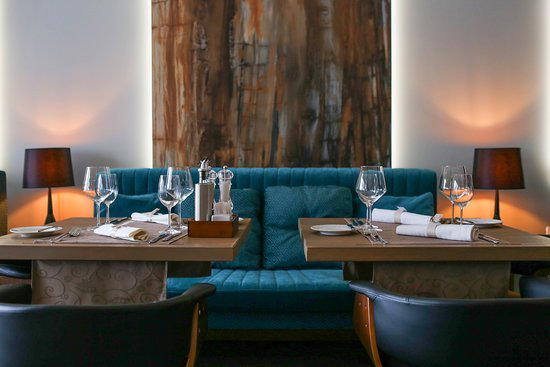
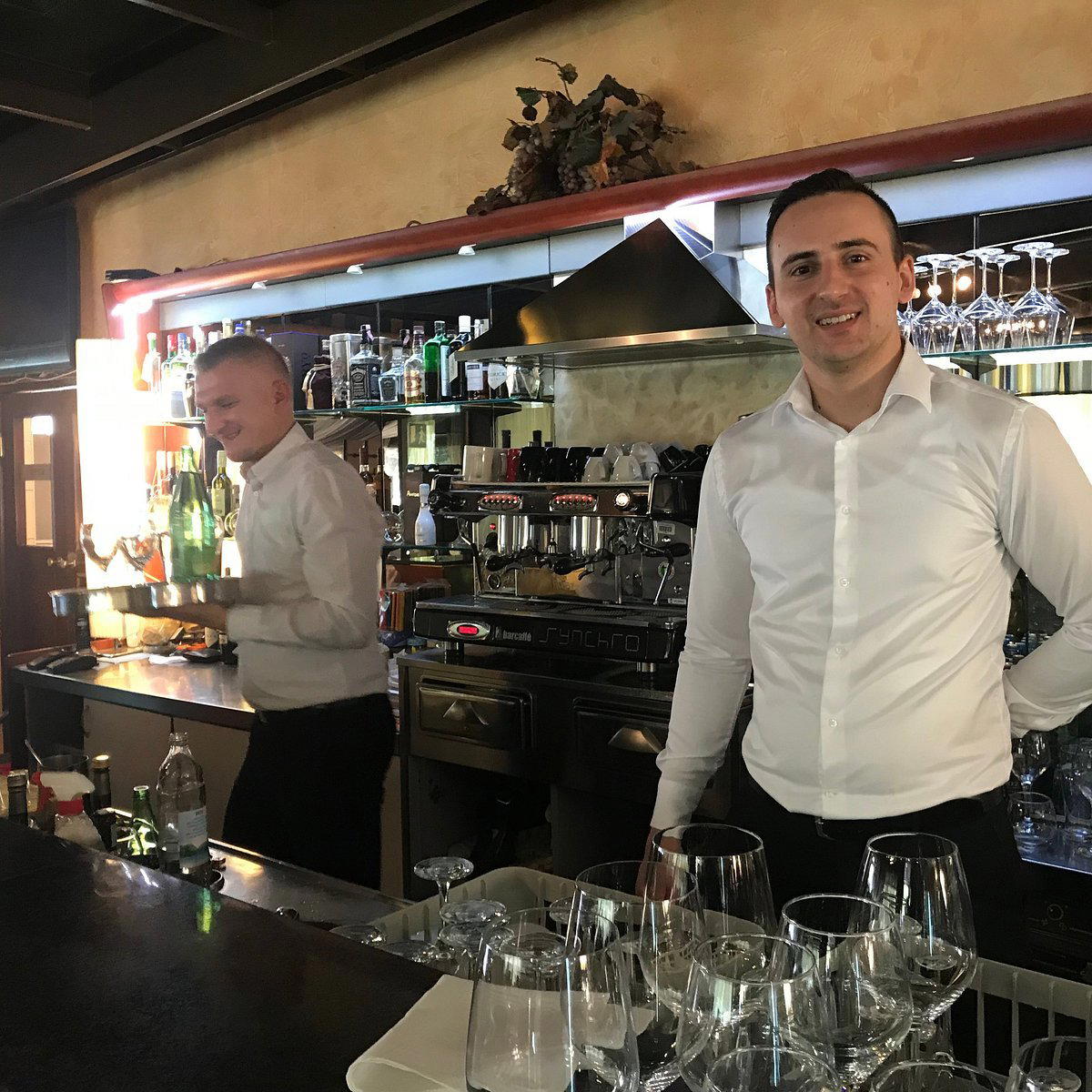
Modern design with pleasant atmosphere, nice music not too loud, cozy and welcoming with great decor.