Domestic House Lola sits on Ul. dr. Franje Tuđmana in Vukovar, a city whose dining scene is defined less by international recognition than by the Danube basin's agricultural depth. The address places it within walking distance of the waterfront that has shaped Slavonian cooking for generations. For travellers arriving from Croatia's coastal circuit, it represents a different register entirely.
Pearl is the En Primeur Club membership app — saves, bookings, and concierge access live there. Same editors, same standards.
- Address
- Ul. dr. Franje Tuđmana 7, 32000, Vukovar, Croatia
- Phone
- +385989341312
- Website
- lola.traveleto.com
- Directions
- Get directions
 Saves & bookings on Pearl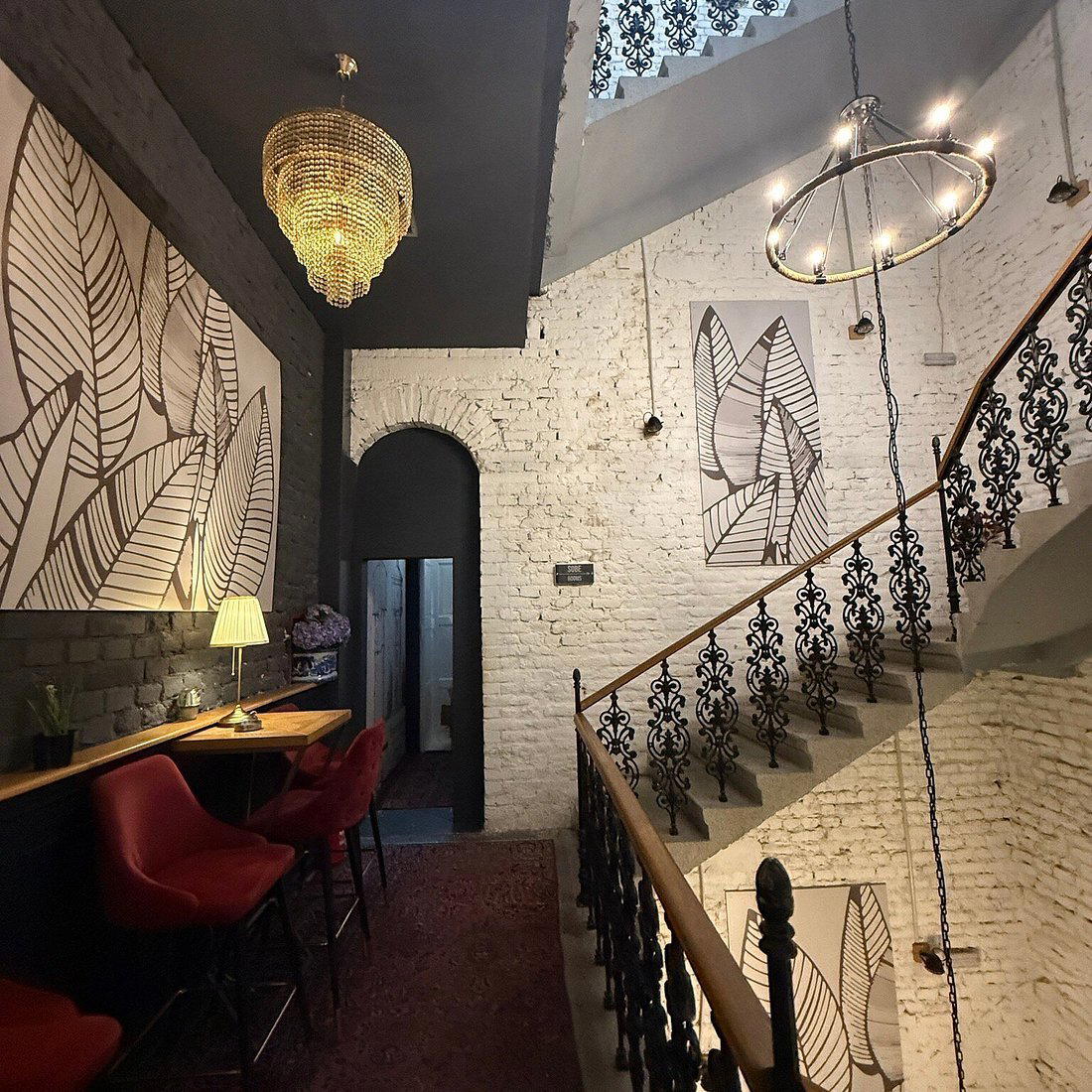
Where the Slavonian Interior Meets the Table
Vukovar's position on the Danube, at the eastern edge of Slavonia, has always made it a place where Central European and Balkan culinary traditions converge rather than compete. The fertile plains stretching inland from the river have historically supplied the region with a surplus of produce, livestock, and freshwater fish that coastal Croatia simply cannot match in the same way. Walking along Ul. dr. Franje Tuđmana, a street that bears the weight of the city's modern history in its name, you are already inside that agricultural logic before you reach the door of Domestic House Lola. The physical setting is quiet, deliberate, and measured.
Slavonian Sourcing and What It Means for the Plate
The case for paying attention to Slavonian restaurants here is an argument about provenance. Slavonia produces some of Croatia's most serious ingredients: Baranja Black pig, freshwater carp and catfish from the Drava and Danube, kulen sausage with a PGI designation that anchors it to specific production traditions, and wines from the Kutjevo and Đakovo subregions that are finally receiving the scrutiny they deserve from the domestic market. A domestic house format in this context is not a retreat from ambition, it is a direct expression of ingredient availability. The kitchen's decisions about what to put on the table are shaped by geography in a way that resort and coastal restaurants rarely are, because the supply chain here is short and the seasonal rhythm is sharper.
This sourcing logic connects Domestic House Lola to a broader pattern visible across Croatia's interior. Restaurants such as Korak in Jastrebarsko have demonstrated that continental Croatian cooking, when grounded in specific regional supply, can hold its own against the coastal formats that dominate international coverage. The difference is that Slavonian cuisine carries a heavier paprika and lard tradition than the olive oil and Adriatic-fish axis that defines places like Pelegrini in Sibenik or LD Restaurant in Korčula. Neither tradition is subordinate to the other; they are simply answering different geographical questions.
The Domestic House Format in Context
Across Central and Eastern Europe, the konoba-adjacent domestic house restaurant occupies a specific niche: it reads as familial without being casual, and it sources locally without making sourcing the theatrical centerpiece of the experience. The format tends toward set menus or a short, rotating card rather than an expansive à la carte list, which keeps kitchen waste low and seasonal fidelity high. In Vukovar's dining scene, which is smaller and less internationally visible than Zagreb's or Split's, this format carries particular weight because it serves a local clientele that already knows what good Slavonian ingredients taste like.
That local anchoring distinguishes Vukovar's better restaurants from the tourist-facing formats further south. Compare the positioning here with Restaurant 360 in Dubrovnik or Agli Amici Rovinj in Rovinj, where the audience is largely international and menus are calibrated accordingly. In Vukovar, a restaurant that survives on a domestic clientele is answering a more demanding question about authenticity, because the people eating there know the reference point.
Restoran Stari Toranj represents the more formal end of Vukovar's dining spectrum and offers a useful comparison point for understanding where the domestic house format sits in the local hierarchy.
Planning a Visit
The city sees a fraction of the tourist volume that reaches Split or Dubrovnik, which means that table availability at most restaurants, including this address, is generally less pressured than at Croatia's coastal counterparts. The address on Ul. dr. Franje Tuđmana is walkable from the Vukovar waterfront and the Vukovar Memorial Cemetery, which anchors most visitor itineraries to the city.
Dubravkin Put holds a stronger position in the capital's fine dining conversation. Those approaching from the coast will find that the shift from Adriatic seafood-forward cooking to Slavonian meat and freshwater fish traditions requires a recalibration of expectations, and that the recalibration is worth making.
Croatia's Interior Dining in Broader Perspective
Croatia's international dining reputation has long centered on coastal addresses. The recognition that reaches Nebo by Deni Srdoč in Rijeka, Alfred Keller in Mali Lošinj, or Boskinac in Novalja reflects the guide's historic bias toward tourist-accessible locations and established wine regions. Slavonia sits outside that coverage almost entirely, which means that restaurants here are operating without the credentialing infrastructure that shapes bookings and pricing in more visible markets. The upside is a set of dining options that are priced for a local economy and calibrated to local tastes rather than international expectations.
That is not a consolation prize. Restaurants that answer to a local audience over time tend to develop a specificity that internationally-facing venues rarely achieve. The comparison holds across other off-circuit European destinations: the interior Istrian konobas clustered around places like Humska Konoba in Hum or EatIstria in Pluj have developed distinct identities precisely because they were not competing for the same audience as Rovinj or Poreč. Slavonia is in an earlier stage of that process, and Vukovar is its most historically freighted city.
The broader international benchmark for what ingredient-led sourcing can achieve at the highest level is set by restaurants like Le Bernardin in New York City or community-table formats such as Lazy Bear in San Francisco, both operating at price points and in markets that Vukovar's domestic house restaurants are not attempting to match. But the underlying principle, that place-specific ingredients justify a place-specific menu, travels across every price tier. In Slavonia, it simply arrives without the celebrity apparatus.
Comparable Spots, Quickly
Comparable venues nearby, for context on price, style, and recognition.
| Venue | Cuisine | Price | Notes |
|---|---|---|---|
| Domestic House LolaThis venue — the venue you are viewing | Modern Croatian European | $$ | Not listed |
| Restoran Stari Toranj | Traditional Croatian | $$ | city center |
| Merlon | Modern European Pub with Burgers | $$ | Tvrđa |
| Restoran Terasa | Traditional Croatian & Czech | $$ | Julijev park |
| Don Dino Restaurant | Modern Dalmatian Seafood | $$ | Trogir Old Town |
| Hotel & Restoran Degenija | Traditional Croatian Regional Grill | $$ | Selište Drežničko, Rakovica |
Continue exploring
More in Vukovar
Restaurants in Vukovar
Browse all →

At a Glance
- Cozy
- Modern
- Elegant
- Historic
- Family
- Group Dining
- Business Dinner
- Date Night
- Terrace
- Historic Building
- Extensive Wine List
- Street Scene
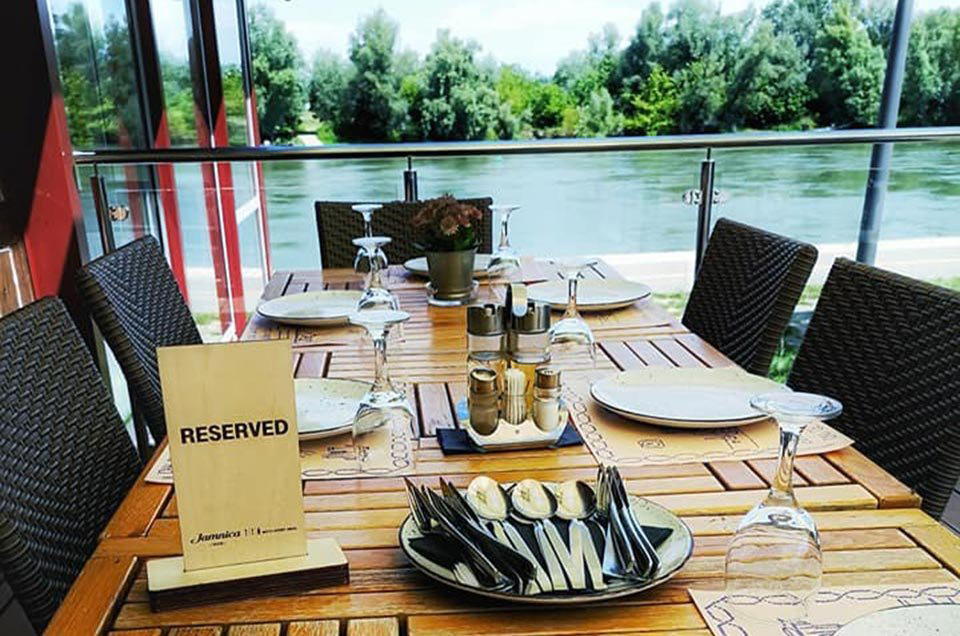
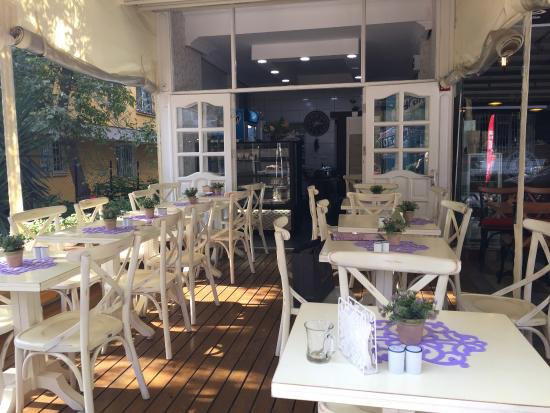
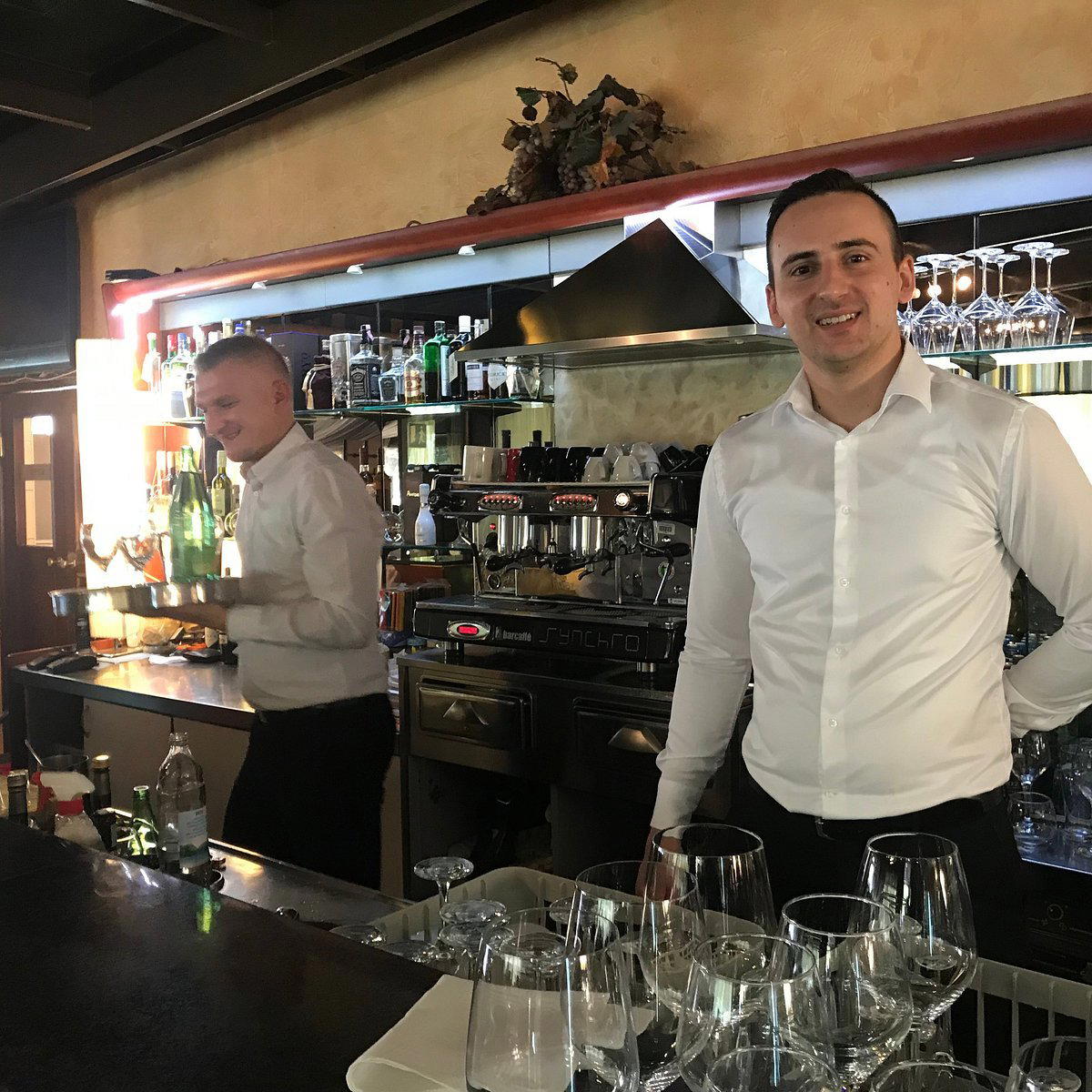
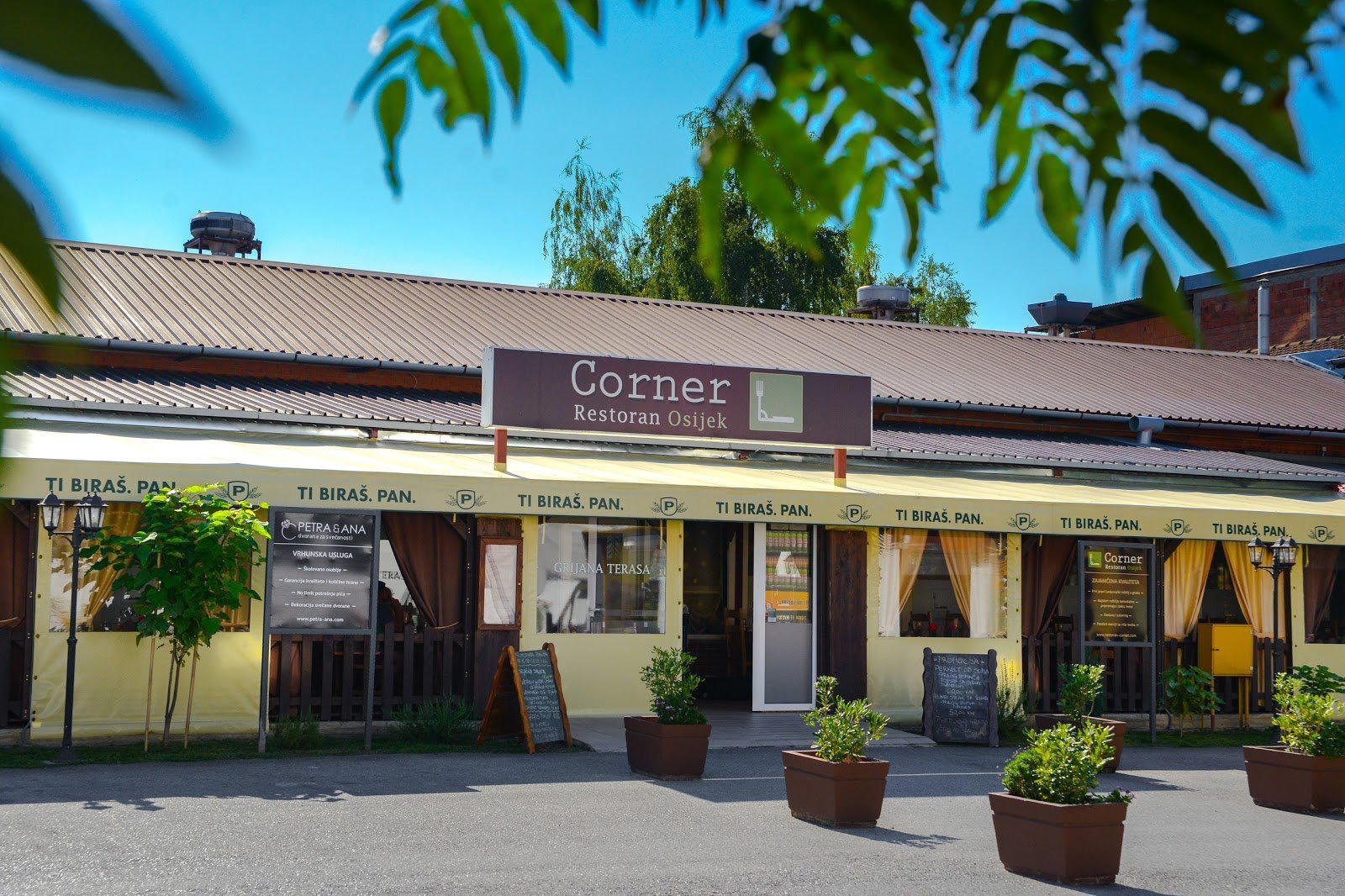
Beautifully decorated historic interior with a modern, relaxing atmosphere and terrace seating.