On the western edge of Vis island, Konoba Barba occupies a quiet address in Komiža where the fishing tradition still shapes what reaches the table. The cooking leans on proximity, to the Adriatic, to the fishing harbour a short walk away, to the island's garden plots. For visitors working through the Dalmatian coast, this is where the sourcing argument becomes tangible.
Pearl is the En Primeur Club membership app — saves, bookings, and concierge access live there. Same editors, same standards.
- Address
- Gundulićeva 4, Komiža
- Directions
- Get directions
 Saves & bookings on Pearl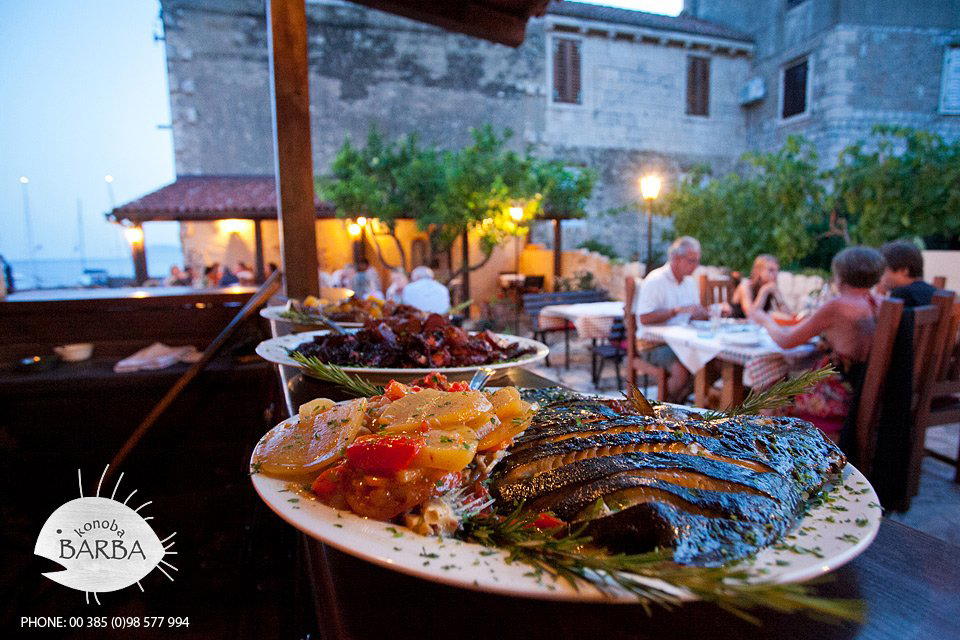
Where the Catch Determines the Menu
Komiža sits at the far western tip of Vis island, a forty-minute ferry connection removed from the mainland tourism circuit. The town is compact and harbour-facing, with stone buildings that climb the hillside above a working port where smaller vessels still bring in daily catches. It is this physical proximity, harbour to kitchen, that defines how Dalmatian konobas in towns like this operate, and why Konoba Barba at Gundulićeva 4 functions as a useful lens for understanding the ingredient logic of island cooking on Croatia's outer archipelago.
The konoba format itself deserves some context. Across Dalmatia, the word describes a category somewhere between tavern and family restaurant: informal in service, direct in cooking, and historically dependent on what the surrounding land and sea produce. In tourist-heavy ports, the format has stretched to accommodate volume, often at the expense of sourcing discipline. In smaller settlements like Komiža, that pressure is lower, and the connection between local fishermen, smallholders, and kitchen remains more intact. For a comparative sense of how that same format scales up with more formal technique, Pelegrini in Sibenik and LD Restaurant in Korčula both demonstrate what happens when Adriatic sourcing meets structured tasting menus, but Konoba Barba operates in a different register entirely.
The Sourcing Logic of Vis Island
Vis has a specific position in the Croatian island hierarchy. For decades after World War II it was closed to foreign visitors as a Yugoslav military zone, which left its infrastructure underdeveloped relative to Hvar or Brač but also preserved its fishing industry and agricultural land in ways that more tourism-dependent islands could not. That history matters for what ends up on plates. The island still supports active fishing out of Komiža, and its interior produces wine grapes, capers, figs, and vegetables that rarely need to travel far. The sourcing story at a konoba like this is less about artisanal curation and more about geography making long supply chains impractical.
The Adriatic anchovy catch around Vis has particular standing in Croatian culinary culture, Komiža was historically one of the main centres of the anchovy fishing industry, with salting and processing operations that supplied much of the Dalmatian coast. That legacy gives the town a specific culinary identity that extends beyond generic seafood, and it surfaces in preparations that treat small, oily fish as primary ingredients rather than supporting garnish. Comparable sourcing arguments appear elsewhere along the Dalmatian coast: BioMania Bistro Bol in Bol works a similar island-produce logic on Brač, while Bodulo in Pag anchors its menu to Pag's distinct lamb and cheese traditions.
Reading the Room in Komiža
The physical approach to Konoba Barba signals what to expect. Komiža's old town moves at a pace that reflects its size, a settlement of under two thousand permanent residents, with the summer population rising sharply but rarely reaching the density of Hvar Town or Dubrovnik's old city. Stone underfoot, a few fishing boats visible at the pier, the smell of the harbour present in the background: these are conditions that tend to sharpen appetite and lower expectations for ceremony. The setting makes elaborate plating feel out of register; what works here is food that reads as consequential without being theatrical.
Konoba's neighbours on the Komiža dining scene include Konoba Bako and Konoba Pol Murvu, both working the same informal Dalmatian format. The competitive set here is a cluster of small, seasonally operating places where execution consistency and ingredient honesty are the main differentiators. For visitors building a broader Croatian restaurant itinerary, it helps to understand that venues like Restaurant 360 in Dubrovnik, Agli Amici Rovinj in Rovinj, or Nebo by Deni Srdoč in Rijeka occupy a structurally different tier, higher price points, longer wine programs, formal technique, than anything operating in Komiža. That is not a criticism in either direction; it is a calibration.
Planning a Visit
Komiža is accessible by ferry from Split to Vis Town, with the onward connection to Komiža by road taking roughly twenty minutes. The island operates on a pronounced seasonal rhythm: the summer months from June through September see the highest volume of visitors and the broadest opening of restaurants and services, while the shoulder seasons in May and October offer quieter conditions and more predictable availability at smaller establishments.
Reservations are recommended. Given Komiža's size, arriving with some flexibility in timing is advisable. The address at Gundulićeva 4 places the restaurant within the town's compact old quarter, walkable from the harbour waterfront.
Comparison Snapshot
Comparable venues nearby, for context on price, style, and recognition.
| Venue | Cuisine | Price | Notes |
|---|---|---|---|
| Konoba BarbaThis venue — the venue you are viewing | Traditional Dalmatian Seafood & Grill | $$ | Not listed |
| Konoba Pol Murvu | Traditional Croatian | $$ | Komiza |
| Konoba Bako | Traditional Dalmatian Seafood | $$ | Komiza |
| Konoba Galija | Mediterranean Seafood & Pizza | $$ | Krk town |
| Konoba Tereza | Traditional Dalmatian Seafood & Meat | $$ | Primosten |
| BioMania Bistro Bol | Organic Vegan Mediterranean Bistro | $$ | Town centre |
Continue exploring
More in Komiza
Restaurants in Komiza
Browse all →
Bars in Komiza
Browse all →
Hotels in Komiza
Browse all →

At a Glance
- Rustic
- Cozy
- Scenic
- Intimate
- Date Night
- Special Occasion
- Casual Hangout
- Terrace
- Waterfront
- Extensive Wine List
- Local Sourcing
- Waterfront
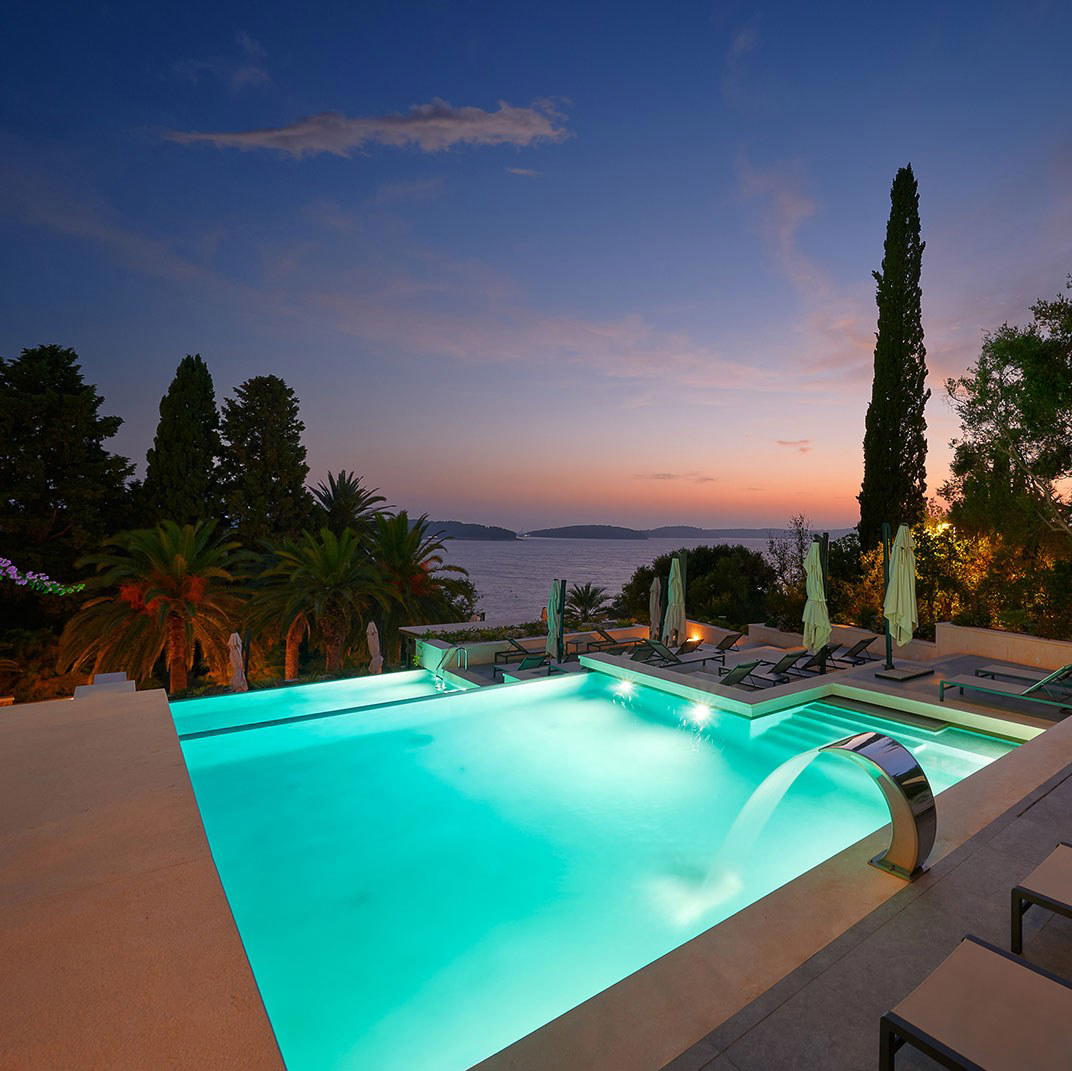
Idyllic and dreamy terrace surrounded by traditional island architecture with panoramic sea views and a charming, relaxed atmosphere.