Restoran Terasa occupies Julijev park in Daruvar, a spa town in the Bjelovar-Bilogora county whose thermal springs and agricultural surrounds define what ends up on the plate. The setting puts park greenery at the edge of the dining room, grounding the experience in a part of continental Croatia that rarely appears on the coastal dining circuit.
Pearl is the En Primeur Club membership app — saves, bookings, and concierge access live there. Same editors, same standards.
- Address
- Julijev park 8, 43500, Daruvar, Croatia
- Phone
- +38543331705
- Website
- daruvarske-toplice.hr
- Directions
- Get directions
 Saves & bookings on Pearl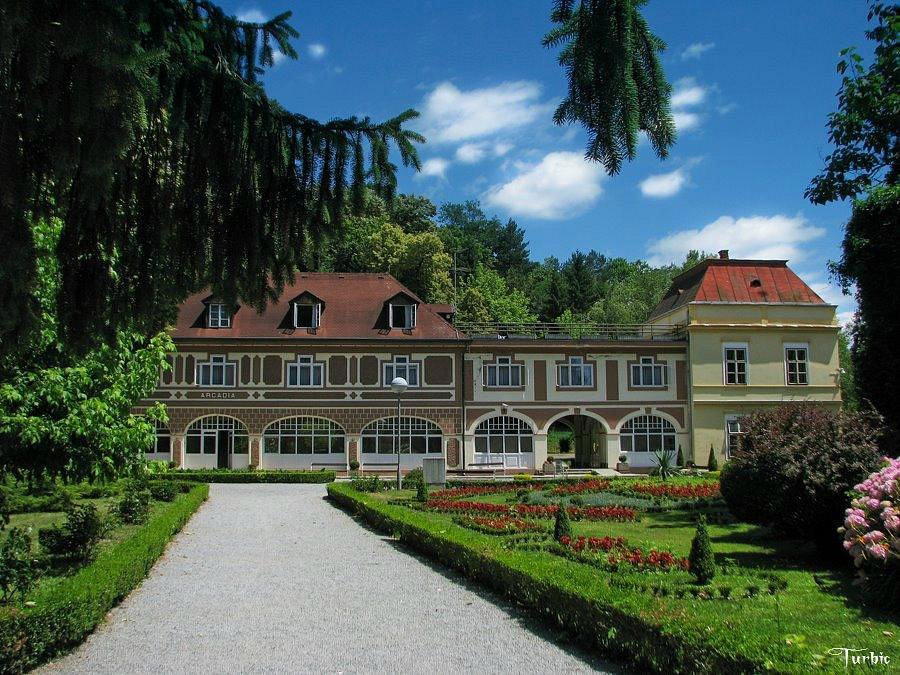
Daruvar's Park Table: Why Continental Croatia Belongs in the Conversation
Croatia's restaurant coverage clusters so heavily around the Adriatic that a place like Daruvar barely registers in most editorial plans. That's a structural problem with how the country gets written about, not a reflection of what's on offer inland. Daruvar is a Roman-era spa town in the Bjelovar-Bilogora county, sustained by thermal springs and surrounded by among the more productive agricultural belts in continental Croatia. The farms here grow grain, raise pigs and game, and press oil from sunflower and pumpkin in ways that have little in common with the olive oil and salt-cod traditions of the coast. When you sit down at Restoran Terasa, at Julijev park 8, those regional supply lines are the silent context for everything that arrives at the table.
The Setting: Parkside, Not Seaside
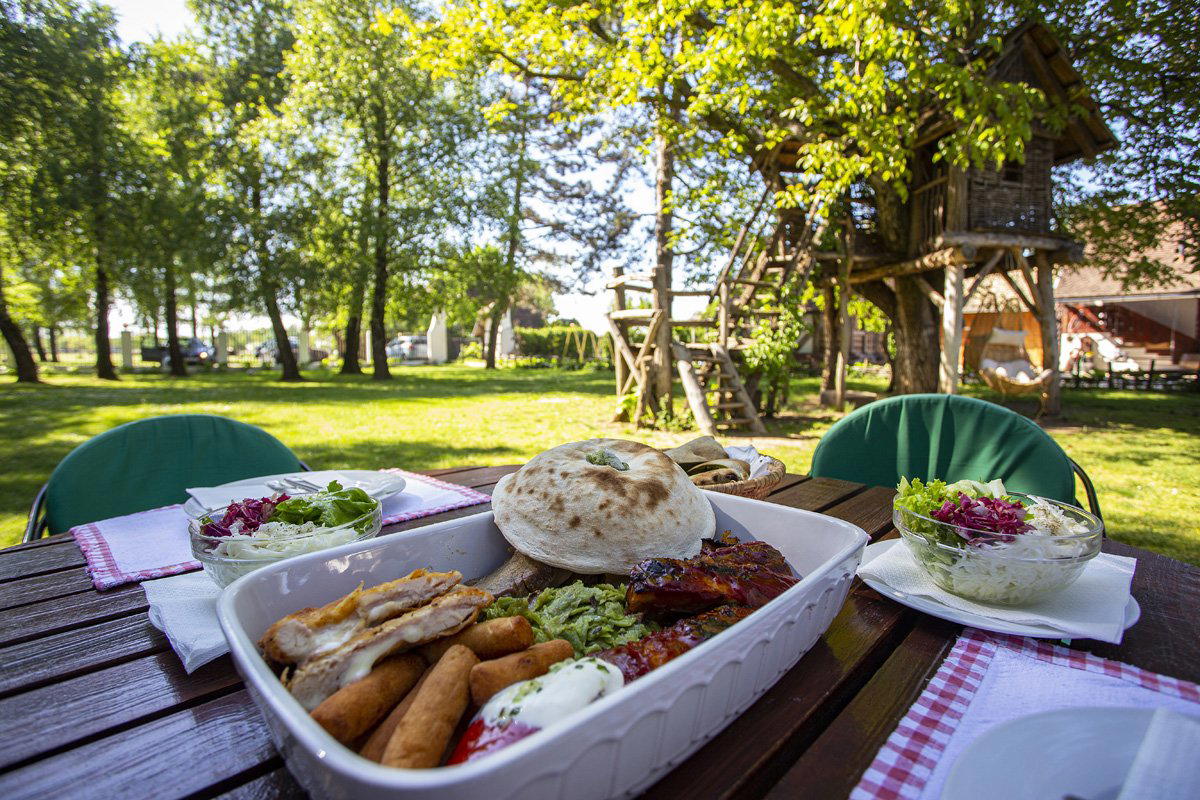
The physical approach to Restoran Terasa establishes the register immediately. Julijev park is a formal, tree-lined stretch that carries the unhurried character of a Central European spa resort town: wide paths, mature canopy, the faint suggestion of a place that has been tended for a long time. The terrace that gives the restaurant its name sits within this frame, which means the dining environment is defined by shade, open air, and proximity to green rather than the harbour light and salt breeze that set the mood at coastal addresses like Pelegrini in Sibenik or Restaurant 360 in Dubrovnik. The seasonal reality of alfresco dining in inland Croatia applies here: spring and summer months take full advantage of the park setting, while cooler months shift the balance toward interior seating. Timing a visit between May and September captures the terrace at its most functional.
What the Region Puts on the Plate
Continental Croatian cooking operates from a different larder than its coastal counterpart. The Adriatic tradition draws on seafood, capers, citrus, and Dalmatian olive oil. Inland Slavonia and the Bilogora region work instead with freshwater fish from rivers like the Drava and Sava, cured and smoked pork products, game from forests that stretch toward the Hungarian border, and seasonal fungi and foraged produce that follow a Central European rhythm of dill, caraway, and fermented dairy rather than Mediterranean herb notes. Daruvar sits close enough to the Slavonian corridor that its kitchen culture reflects these patterns directly. The pork traditions of this part of Croatia, built around kulen (paprika-cured sausage) and various smoked preparations, represent a foodway that has no equivalent on the coast, and that broader tradition is the editorial context any visitor needs before reading any Daruvar menu.
That sourcing logic also explains why inland restaurants tend to track seasonal calendars more literally than coastal venues, which can rely on a relatively consistent fish supply year-round. Autumn in Daruvar's orbit means game, wild mushroom, and harvest-table preparation; spring brings asparagus from the Slavonian flatlands and fresh dairy. Restaurants in this part of Croatia that pay attention to their immediate geography tend to cook differently in October than they do in April. This is not a philosophical stance distinctive to any one kitchen, it is the practical outcome of working with what the land around you actually produces at a given moment.
For contrast, consider how other Croatian restaurants build their sourcing identity from geography: Boskinac in Novalja works with Pag island's lamb and endemic herbs, while BioMania Bistro Bol in Bol centres local organic produce in a coastal Dalmatian frame. The inland equivalent substitutes the sea with forest and field, and the resulting cuisine reads as entirely distinct.
Placing Terasa in Croatia's Wider Restaurant Range
The restaurants that tend to attract sustained critical attention in Croatia operate at the formal end of the spectrum. Agli Amici Rovinj in Rovinj and Nebo by Deni Srdoč in Rijeka occupy that tier, as does Dubravkin Put in Zagreb. Restoran Terasa operates in a different register: a park-side restaurant in a mid-sized inland town, functioning as a neighbourhood anchor for Daruvar's residents and as a useful stop for visitors using the town as a base for the thermal spa facilities or exploring the Bilogora wine and agricultural corridor.
The comparison set here is less the coastal fine-dining circuit and more the cluster of regionally grounded restaurants that have built a reputation in their own cities: Korak in Jastrebarsko, Cantilly Garden Restaurant in Samobor, or Burin in Crikvenica. These are restaurants that anchor a local food culture rather than pulling a national or international audience. Their value proposition depends on authenticity of place rather than formal credentialing.
Planning a Visit
Daruvar is reachable by road from Zagreb in approximately two hours, making it viable as a day trip or short-stay destination built around the thermal spa complex, which has been in operation since the nineteenth century and remains the town's primary draw for visitors from Zagreb and the wider region. The restaurant's address at Julijev park 8 places it at the heart of the spa park district, meaning a meal can sit naturally alongside a visit to the thermal facilities. The restaurant is open daily from 8 AM to 10 PM, and reservations are recommended. Visitors who have explored the broader constellation of coastal addresses such as LD Restaurant in Korčula, Krug in Split, Cubo in Opatija, or Bodulo in Pag will find that a meal in Daruvar reads as a counterpoint to the whole coastal narrative, not an inferior version of it. The food comes from a different country, climatically and culturally, than the Dalmatian coast. That difference is the point. The kitchen's attentiveness to local sourcing and seasonal rhythm keeps the food grounded in place.
In Context: Similar Options
Comparable venues nearby, for context on price, style, and recognition.
| Venue | Cuisine | Price | Notes |
|---|---|---|---|
| Restoran TerasaThis venue — the venue you are viewing | Traditional Croatian & Czech | $$ | Not listed |
| Bistro Loora | Modern Croatian Bistro | $$ | City Center |
| Konoba Barba | Traditional Dalmatian Seafood & Grill | $$ | Komiza |
| V Starem Melinu | Traditional Croatian | $$ | Gornji Stenjevec |
| Pansion Ribnjak | Traditional Croatian River Fish | $$ | Ribnjak |
| Ribice i tri točkice | Traditional Croatian Seafood | $$ | Lower Town |

At a Glance
- Classic
- Scenic
- Cozy
- Family
- Celebration
- Casual Hangout
- Terrace
- Garden
- Historic Building
- Garden
Current opening hours
- Monday
- 8 AM–10 PM
- Tuesday
- 8 AM–10 PM
- Wednesday
- 8 AM–10 PM
- Thursday
- 8 AM–10 PM
- Friday
- 8 AM–10 PM
- Saturday
- 8 AM–10 PM
- Sunday
- 8 AM–10 PM
Hours can change for holidays and private events. Last verified .
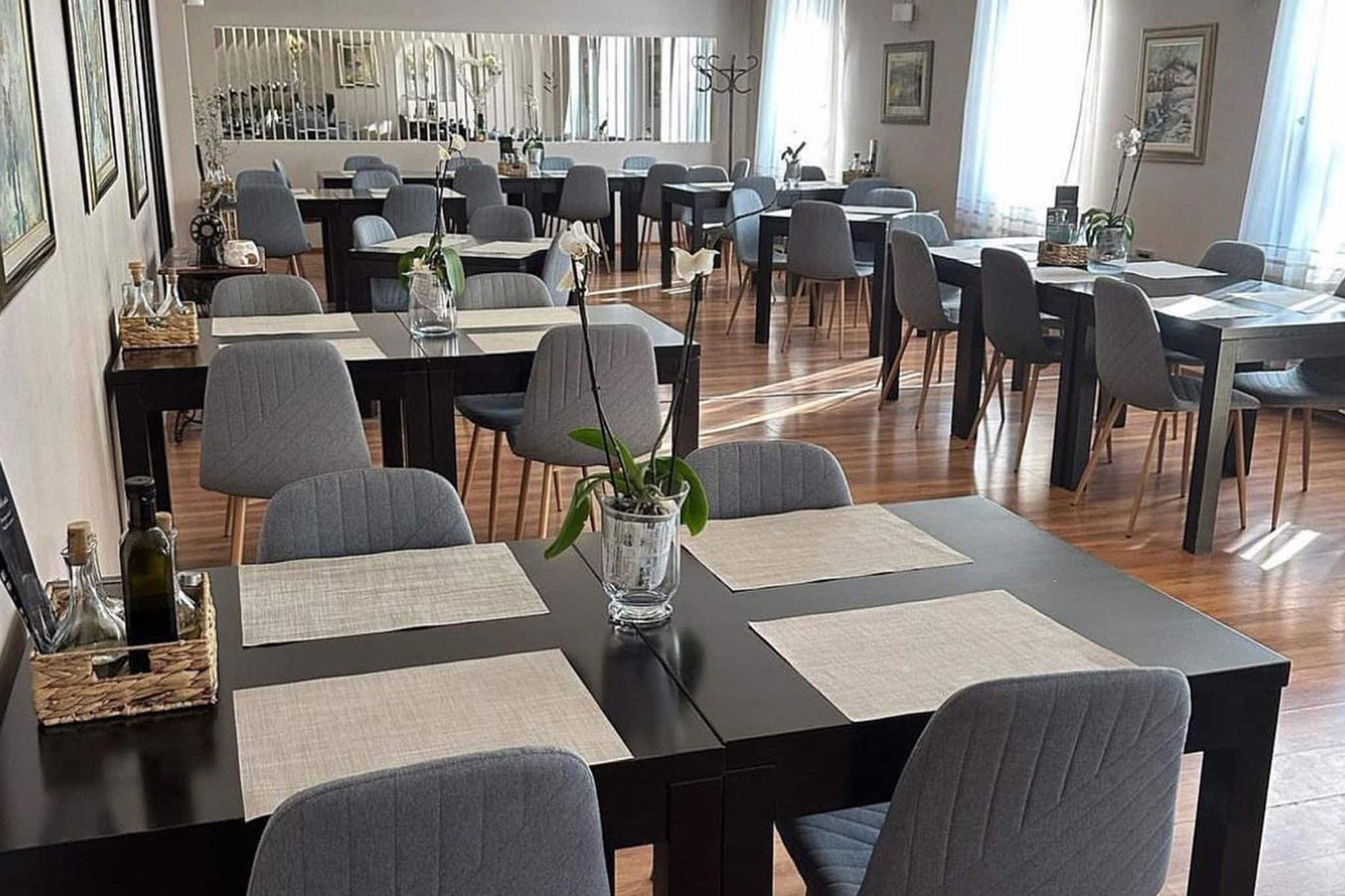
Spacious interior with tasteful decor, gilded lamps, comfortable wooden chairs with blue upholstery, and peaceful atmosphere.