Kod Javora occupies a address on Donjodravska street in Osijek, placing it within the city's riverside dining corridor. The kitchen draws on the culinary traditions of Slavonia, a region where pork, freshwater fish, and paprika-forward seasoning define the table. For visitors tracing Croatia's inland food culture rather than its coastal circuit, this is a practical and grounded entry point.
Pearl is the En Primeur Club membership app — saves, bookings, and concierge access live there. Same editors, same standards.
- Address
- Donjodravska ul. 14, 31000, Osijek, Croatia
- Phone
- +38531506950
- Website
- kod-javora.com
- Directions
- Get directions
 Saves & bookings on Pearl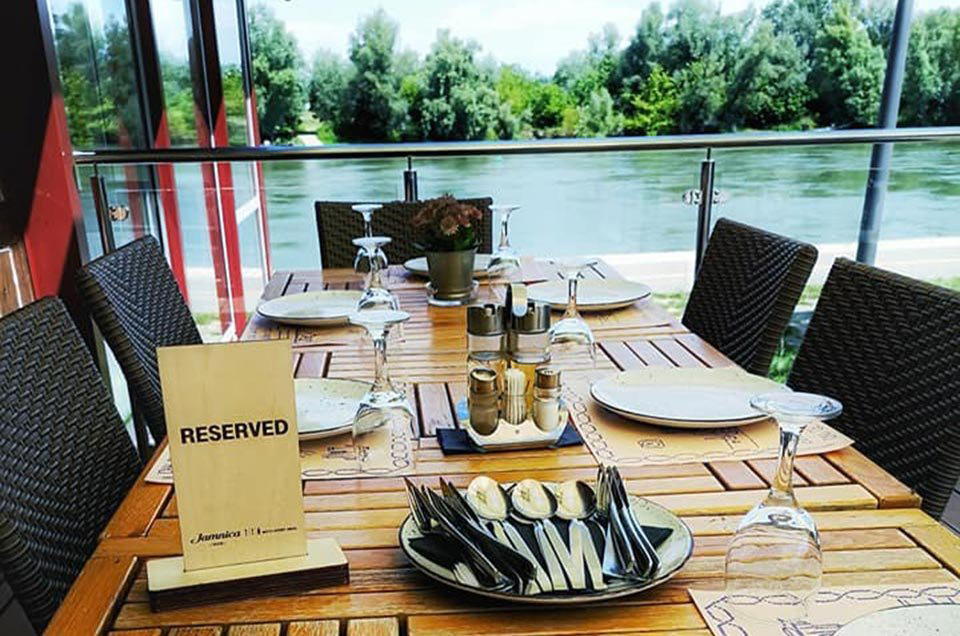
Slavonian Cooking and the Logic of a Regional Menu
Croatia's dining conversation defaults to the coast. Michelin recognition has clustered around Istrian and Dalmatian kitchens, places like Pelegrini in Sibenik, Agli Amici Rovinj in Rovinj, and Restaurant 360 in Dubrovnik, while the interior, particularly Slavonia, has remained a different kind of eating country: heavier, more pastoral, built around the land rather than the Adriatic. Osijek, the administrative and cultural centre of Slavonia, runs on those inland traditions, and the restaurants that last here tend to do so by committing to them rather than diluting them for tourist convenience.
Kod Javora sits on Donjodravska ul. 14 in Osijek. That riverside orientation matters less as a scenic amenity and more as a geographic signal: this is a part of the city where restaurants answer to a local clientele, not a seasonal visitor surge. The menu at a place like this is shaped by what Slavonian households eat, not by what coastal guests expect when they arrive from Split or Dubrovnik.
What the Menu Architecture Reveals
Slavonian cooking is not subtle about its influences. The region sits at a historical crossroads of Austro-Hungarian, Ottoman, and central European food cultures, and the table reflects all of them without apology. Pork, roasted, cured, and rendered, appears across the menu in forms that trace back to rural pig-slaughter traditions still practiced in Slavonian villages. Freshwater fish from the Drava and Danube rivers are a fixture that coastal Croatian kitchens rarely replicate well: šaran (carp), som (catfish), and smuđ (pike-perch) prepared in ways that are specific to this river basin. Paprika, grown locally in the Slavonian plains, colours both the seasoning and the visual presentation of many dishes in a way that signals regional specificity rather than generic Central European borrowing.
At a restaurant operating at Kod Javora's address and positioning in the Osijek market, the menu is most usefully read as a structure that prioritises depth within a narrow culinary band rather than breadth across multiple cuisines. That approach places it in a different category from the fusion-oriented options elsewhere in the city, venues like LULU FUSION BISTRO operate on a different register entirely, and aligns it instead with the tradition-forward restaurants that give Slavonian food its coherence as a regional cuisine rather than a collection of dishes.
Comparative context helps here. Restaurants committed to a single culinary tradition, whether that is Slavonian inland cooking in Osijek or the Adriatic fish-and-olive-oil approach of Dalmatian kitchens, tend to show their quality most clearly in the secondary and tertiary items on the menu, not the headline dishes. At the level of inland Croatian cooking, that means paying attention to the soups, the sides, and the preparation methods rather than fixating on a signature main. The-known Slavonian dishes (kulen sausage, čobanac stew, fiš paprikaš) are benchmarks, but how a kitchen handles them relative to the simpler items around them reveals whether it is operating with genuine regional literacy or simply trading on familiar names.
Osijek's Dining Tier and Where Kod Javora Fits
Osijek's restaurant market has a smaller upper tier than Zagreb or Split, but it is not without range. The city has formally recognised venues in the regional-cuisine bracket, Waldinger operates nearby in that space at the €€ price tier, alongside more casual neighbourhood operations.
What the Donjodravska address suggests is a venue positioned for regulars rather than occasion dining. That is not a criticism, restaurants that build their business on return local customers tend to maintain more consistent kitchen standards than those dependent on first-time visitors who will not return regardless of quality. In Slavonia's food culture, this kind of local restaurant functions as a keeper of regional culinary knowledge: the recipes are not invented fresh each season but maintained across years, adjusted incrementally, and judged by people who ate the same dishes at their grandmother's table.
For visitors approaching from Croatia's more internationally discussed restaurant circuit, the kitchens around Nebo by Deni Srdoč in Rijeka, Dubravkin Put in Zagreb, or Boskinac in Novalja, a place like Kod Javora reads as a different kind of argument. It is not competing on ambition or technique in the way that Korak in Jastrebarsko does at the continental Croatian fine dining level, and it is certainly not in the same conversation as internationally benchmarked rooms like Le Bernardin in New York City or Atomix in New York City. Its argument is for specificity and regionality, the case that Slavonian cooking, taken seriously on its own terms, is interesting enough to merit a dedicated kitchen.
Planning Your Visit
The restaurant is located at Donjodravska ul. 14 in Osijek, within reasonable walking distance of the city's older riverside neighbourhoods. Dress expectations at riverside neighbourhood restaurants in Croatian provincial cities run informal to smart-casual. LD Restaurant in Korčula and Krug in Split
Credentials Lens
Comparable venues nearby, for context on price, style, and recognition.
| Venue | Cuisine | Price | Notes |
|---|---|---|---|
| Kod JavoraThis venue — the venue you are viewing | Traditional Croatian & European | $$ | Not listed |
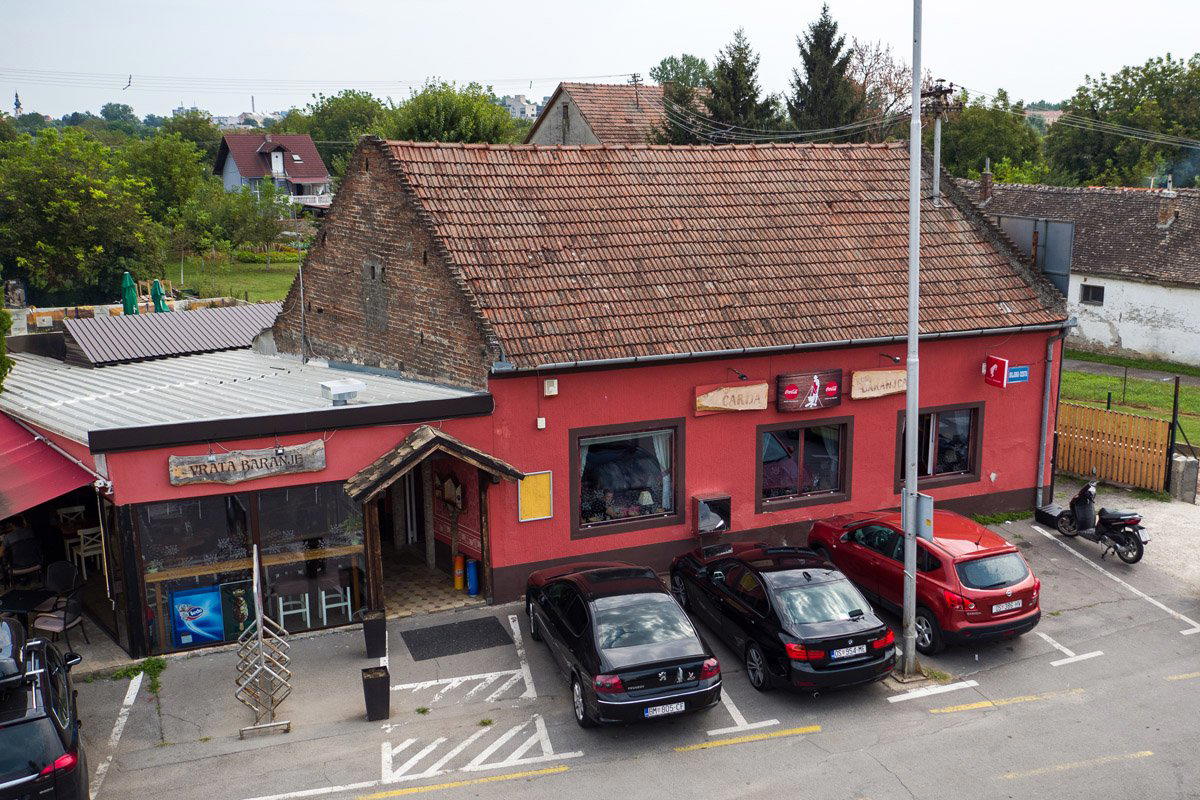
| Čarda kod Baranjca | Traditional Croatian Fish & Meat | $$ | Osijek |
| Ventidue | Authentic Neapolitan Pizza | $$ | Osijek center |
| Projekt 9 | Modern European with Local Croatian Influences | $$ | Gornjodravska Obala |
| Karaka | Croatian Grill & Pizza | $$ | Osijek |
| Lumiere | Modern European & Croatian | $$ | City Center |

At a Glance
- Cozy
- Scenic
- Family
- Casual Hangout
- Waterfront
- Terrace
- Local Sourcing
- Waterfront
Current opening hours
- Monday
- Closed
- Tuesday
- 9 AM–5 PM
- Wednesday
- 9 AM–5 PM
- Thursday
- 9 AM–5 PM
- Friday
- 9 AM–10 PM
- Saturday
- 9 AM–10 PM
- Sunday
- 9 AM–5 PM
Hours can change for holidays and private events. Last verified .
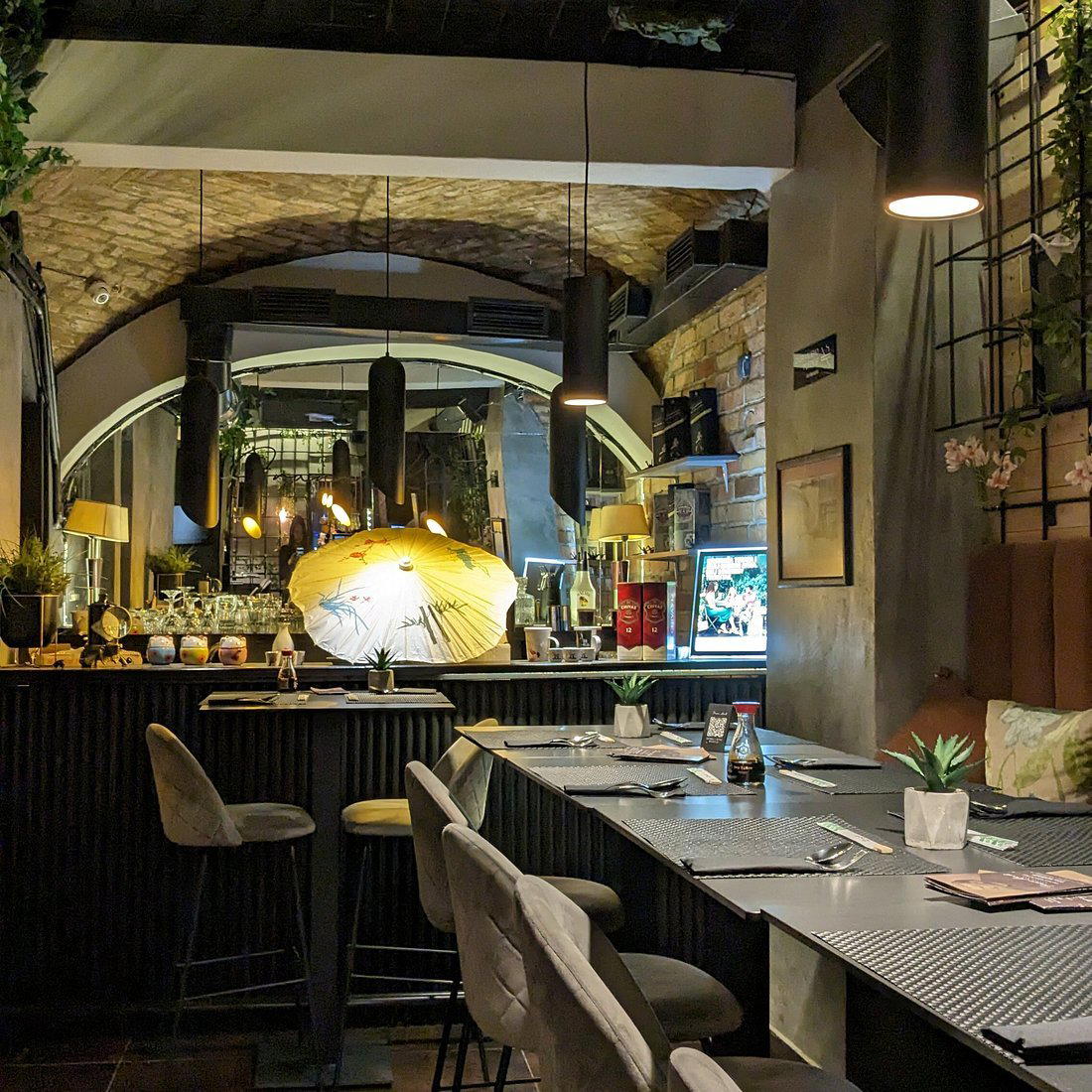
Nice ambience with rough stone walls, open fireplace, and river views.