Merlon occupies a quiet address on Ulica Franje Markovića in Osijek, operating within a city whose restaurant scene has grown more considered over the past decade. As one of the names that appears in local dining conversations alongside peers like Franz Koch and Karaka, it represents the mid-to-upper tier of a regional food culture that rarely makes national headlines but rewards the traveller who looks past the Dalmatian coast.
Pearl is the En Primeur Club membership app — saves, bookings, and concierge access live there. Same editors, same standards.
- Address
- Ul. Franje Markovića 3, 31000, Osijek, Croatia
- Phone
- +38531283240
- Website
- merlon.hr
- Directions
- Get directions
 Saves & bookings on Pearl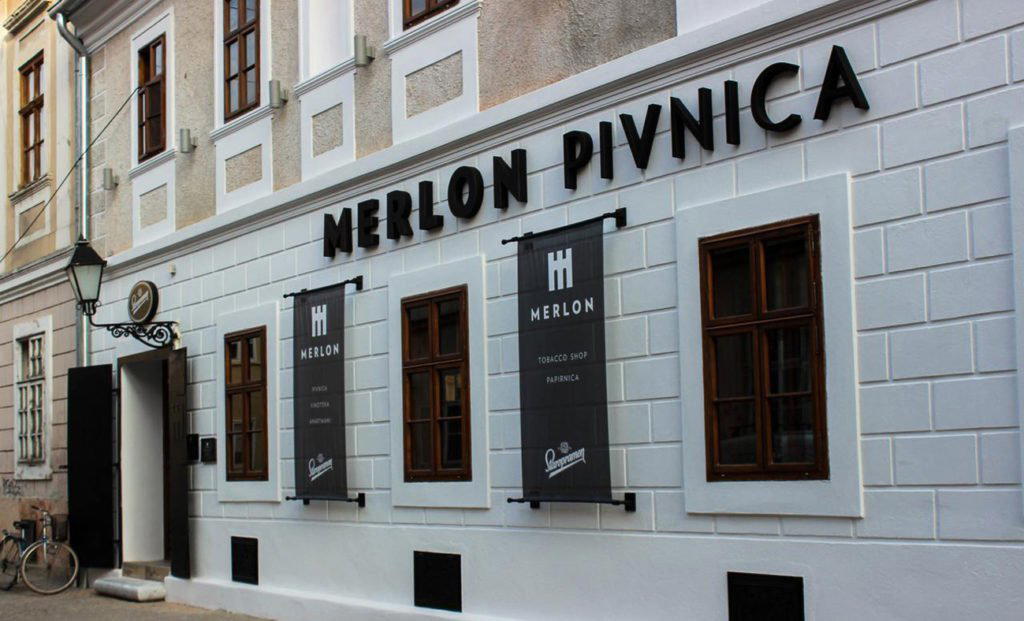
Osijek at the Table: What the City's Dining Scene Actually Looks Like
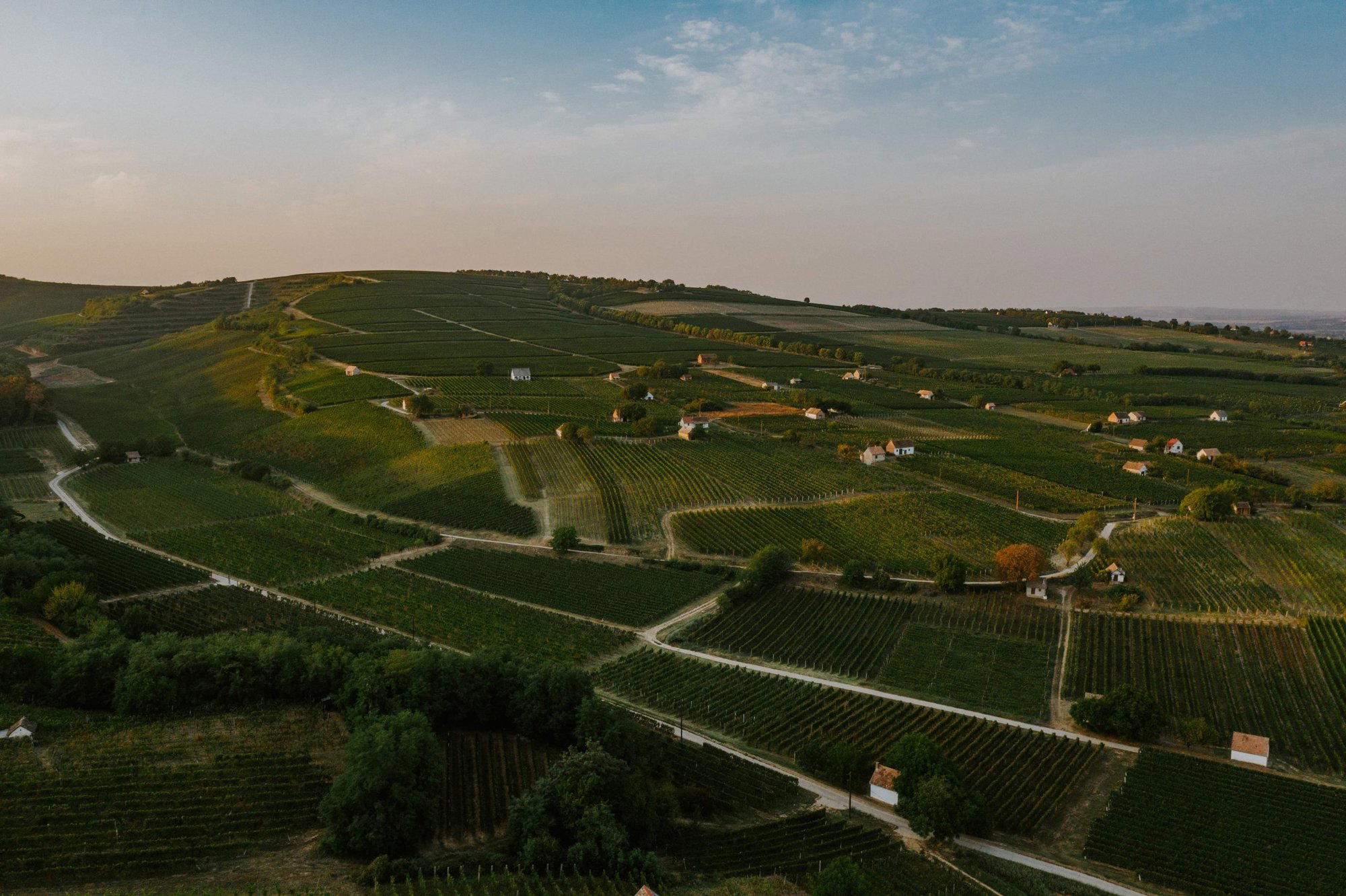
Croatia's dining attention flows almost entirely toward the Adriatic. The restaurants collecting awards and editorial coverage, Restaurant 360 in Dubrovnik, Pelegrini in Sibenik, Agli Amici Rovinj in Rovinj, sit on or near the coast, which means the continental interior, Slavonia in particular, operates largely off the radar for international visitors. That obscurity is not a reflection of quality so much as geography and habit. Osijek, the largest city in eastern Croatia and the cultural centre of the Slavonian region, has developed a restaurant tier that functions on its own terms, drawing from a culinary tradition built around river fish, paprika-heavy stews, and locally produced wines rather than the seafood-forward menus that dominate coastal menus.
Within that context, Merlon, on Ulica Franje Markovića 3, is part of a cluster of addresses that give Osijek its current dining credibility. The street-level setting places it in the urban fabric of a mid-sized central European city rather than on a terrace overlooking the Adriatic, which is exactly the point. The experience on offer here is continental in character, shaped by Slavonian pantry logic rather than tourist-facing assumptions.
Planning Around Osijek: The Booking Question
For travellers accustomed to the reservation friction of restaurants like Atomix in New York City or Le Bernardin in New York City, the booking environment in Osijek operates at a different register entirely. The city does not draw high volumes of international visitors, which means that the restaurants here, including Merlon, are not running the kind of demand that forces months-ahead planning. Osijek's better tables serve a loyal local clientele, and evenings on weekends or around local events fill more quickly than the city's international profile might suggest.
Merlon's address on Ul. Franje Markovića 3 is in the city proper, accessible from the main pedestrian zones and the riverfront without requiring navigation beyond central Osijek. No phone number or website is listed in publicly available records, which is worth flagging for travellers who prefer to confirm in advance: arriving in person during lunch hours to arrange an evening table is a reliable fallback strategy that works well in cities of Osijek's scale. The lack of a digital booking presence is characteristic of a certain tier of regional Croatian dining, where relationships with regulars take precedence over online visibility.
For international visitors building an Osijek itinerary, the city is most practically approached as a destination within a broader eastern Croatia circuit rather than a single-night detour. The Slavonian region rewards slower travel. Spending two to three nights in Osijek allows meaningful engagement with multiple restaurants across the spectrum, from the regional cooking at Kod Javora to the different registers offered by Bijelo-plavi and Lipov hlad.
Where Merlon Sits in Osijek's Competitive Set
Osijek's restaurant tier is not large enough to produce distinct micro-categories the way Zagreb or Split does, but there is meaningful differentiation among its better addresses. The comparison venues that operate in the same conversation as Merlon include Franz Koch, which skews toward Central European influences, and Karaka, which leans into traditional Slavonian formats. Waldinger, another name in the local mid-to-upper tier, operates at a roughly comparable price point with regional cuisine as its anchor.
The broader Croatian dining scene that Merlon participates in, at several removes from the coastal concentration, includes properties like Dubravkin Put in Zagreb and Korak in Jastrebarsko, both of which represent the continental tradition in different ways. The inland Croatian restaurant, working without the marketing advantage of Adriatic scenery, tends to lean harder on produce sourcing and regional cooking logic to justify its position. That pressure is, in many cases, productive. Slavonian cooking has a specificity, the use of kulen, the freshwater fish preparations, the paprika-inflected sauces, that does not require coastal framing to be compelling.
For context on what the higher end of Croatian restaurant ambition looks like, the gap between Osijek and the country's most decorated addresses is substantial. Nebo by Deni Srdoč in Rijeka, Boskinac in Novalja, Alfred Keller in Mali Losinj, and LD Restaurant in Korčula operate with higher price points, broader wine programs, and in some cases international recognition. Merlon does not compete in that tier. It competes within Osijek, against a smaller comparable set, in a city where the dining economy and the expectations of a typical evening out are calibrated differently. Understanding that distinction is part of planning well. Arriving at a Slavonian regional restaurant with the frame of reference of a Dubrovnik fine dining terrace produces a category error. Arriving with curiosity about what eastern Croatia actually cooks and drinks produces a more productive meal.
What to Know Before You Go
The practical profile of Merlon is direct: casual dress, reservations are recommended, and the meal is priced at about $15 per person. This places it in a category of regional Croatian addresses that operate largely through local word of mouth and repeat custom, which is a meaningful signal in itself. Restaurants that sustain themselves on that basis in a city without significant tourist infrastructure are, by definition, doing something right for their local audience.
For visitors, the approach is direct: plan to visit Merlon as part of a multi-meal Osijek stay, and account for the possibility that advance confirmation may help. Osijek rewards the traveller willing to operate on slightly less pre-planned terms than the Adriatic coast allows, which is, in many ways, the point of going there at all. Slavonian hospitality has always operated at a pace and register distinct from the tourist-season rhythms of the coast, and the restaurant culture reflects that.
A Quick Peer Check
Comparable venues nearby, for context on price, style, and recognition.
| Venue | Cuisine | Price | Notes |
|---|---|---|---|
| MerlonThis venue — the venue you are viewing | Modern European Pub with Burgers | $$ | Not listed |
| Projekt 9 | Modern European with Local Croatian Influences | $$ | Gornjodravska Obala |
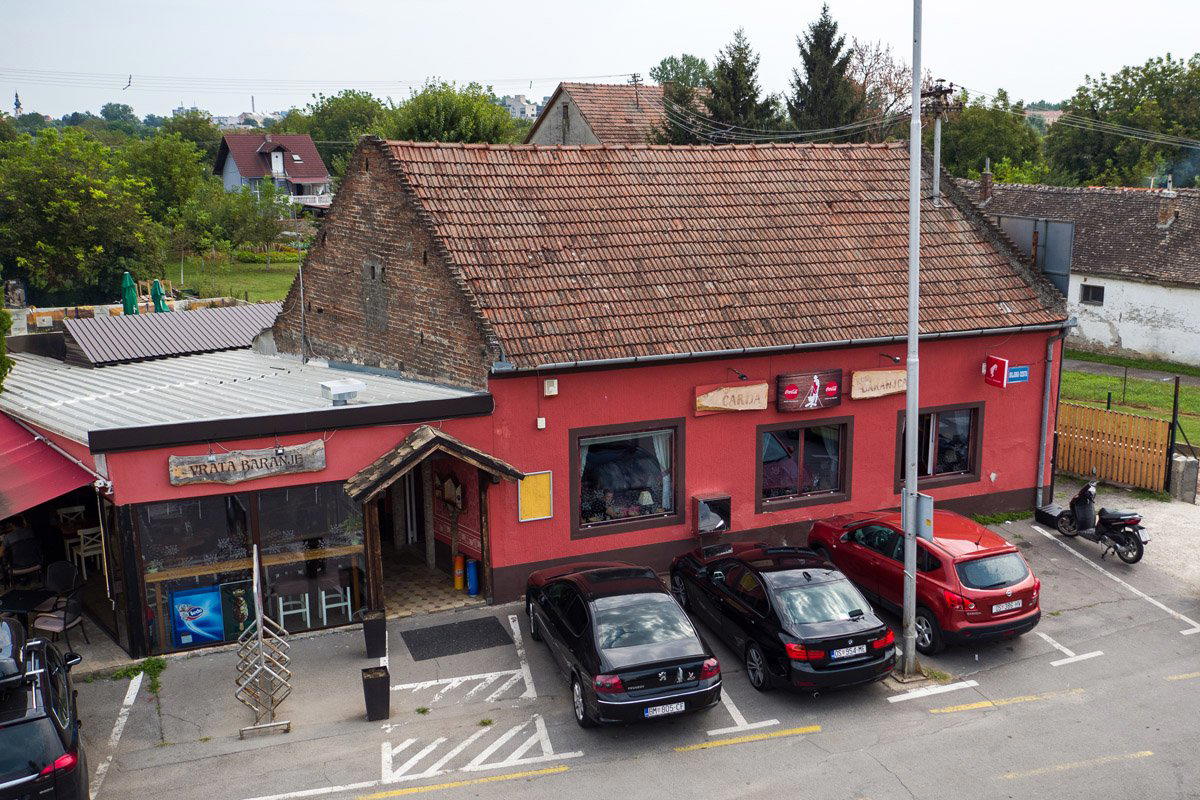
| Čarda kod Baranjca | Traditional Croatian Fish & Meat | $$ | Osijek |
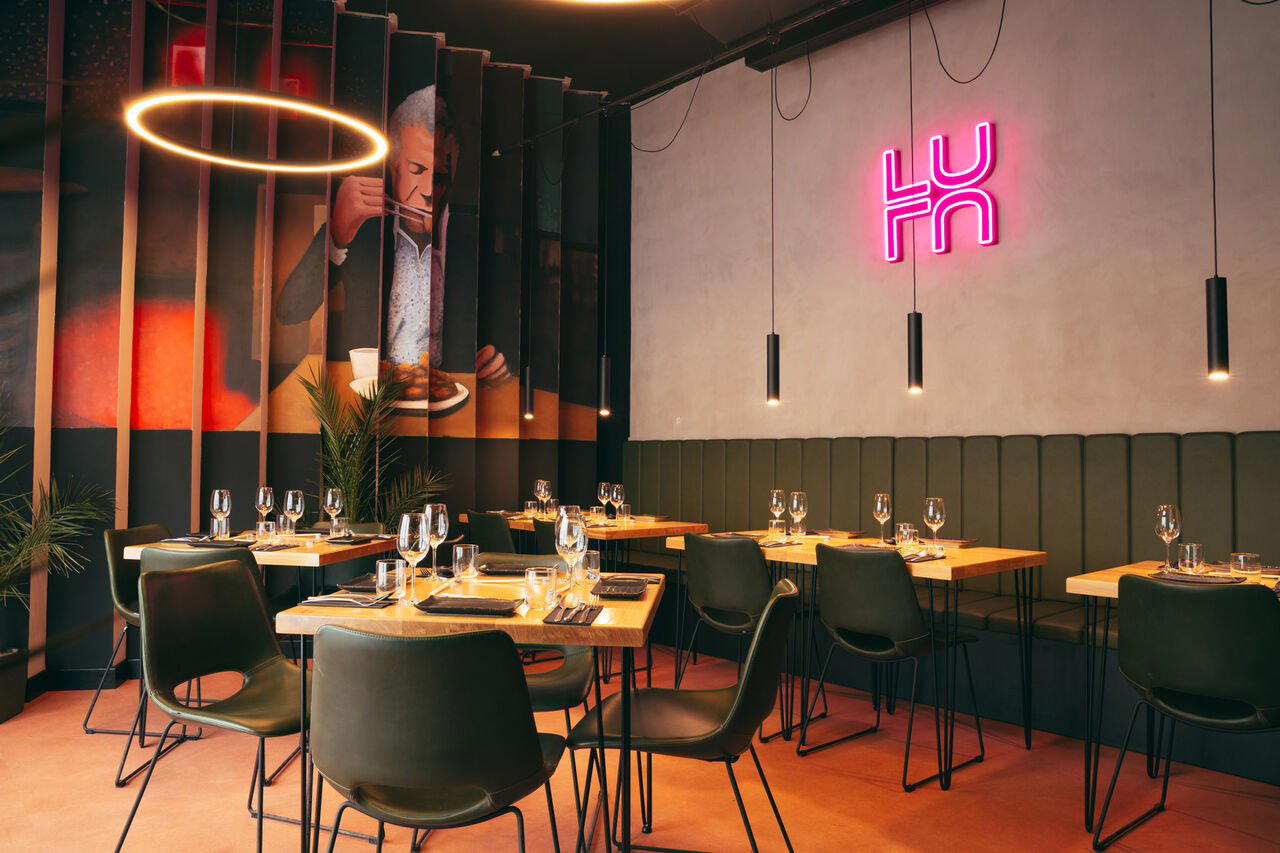
| Lumiere | Modern European & Croatian | $$ | City Center |
| Pépé pizza place | Neapolitan Pizza | $$ | Osijek center |
| Kod Javora | Traditional Croatian & European | $$ | Donji Grad |

At a Glance
- Lively
- Modern
- Trendy
- Casual Hangout
- Brunch
- Late Night
- Live Music
- Terrace
- Historic Building
- Craft Cocktails
- Beer Program
- Street Scene
Current opening hours
- Monday
- 7 AM–11 PM
- Tuesday
- 7 AM–11 PM
- Wednesday
- 7 AM–11 PM
- Thursday
- 7 AM–12 AM
- Friday
- 7 AM–2 AM
- Saturday
- 8 AM–2 AM
- Sunday
- 8 AM–11 PM
Hours can change for holidays and private events. Last verified .
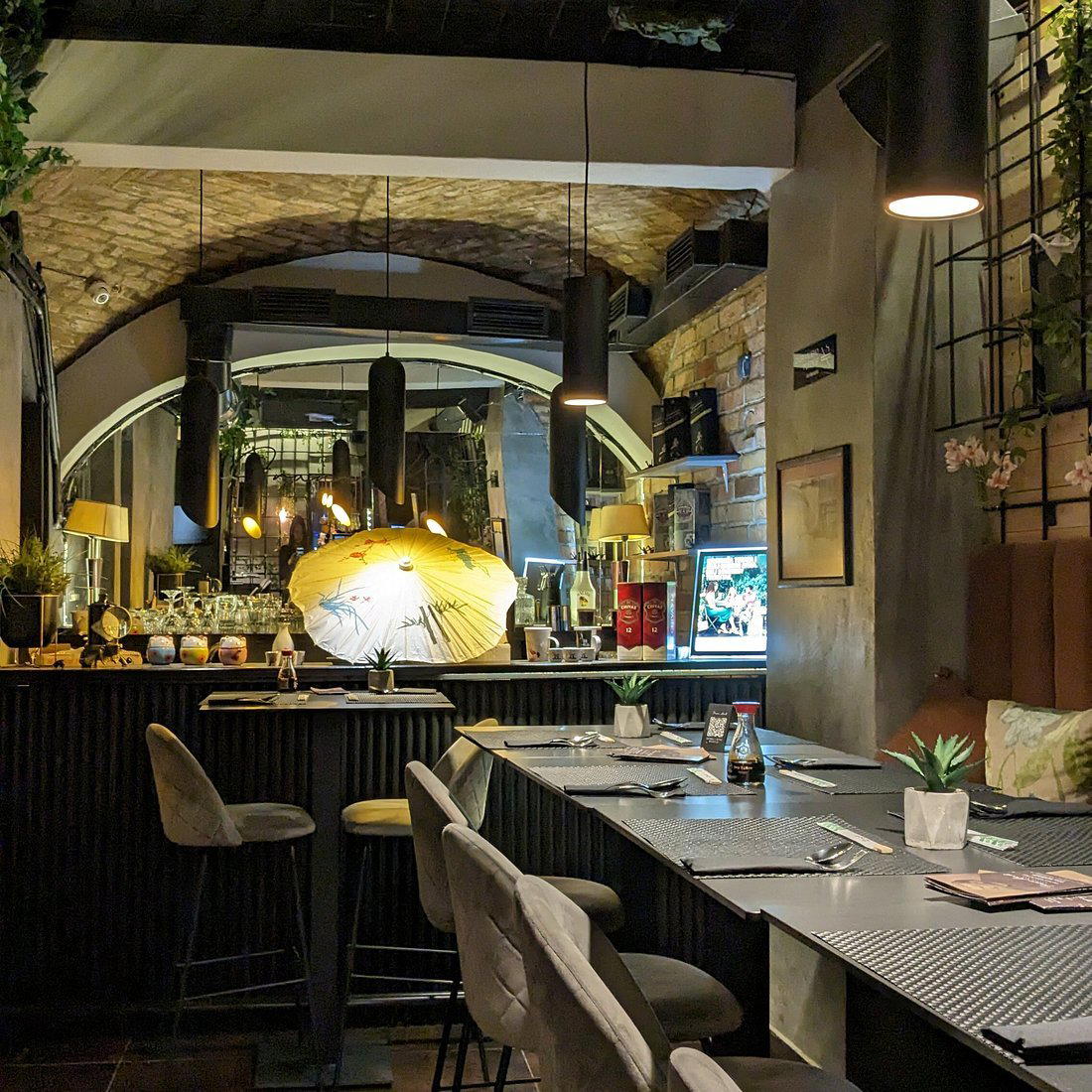
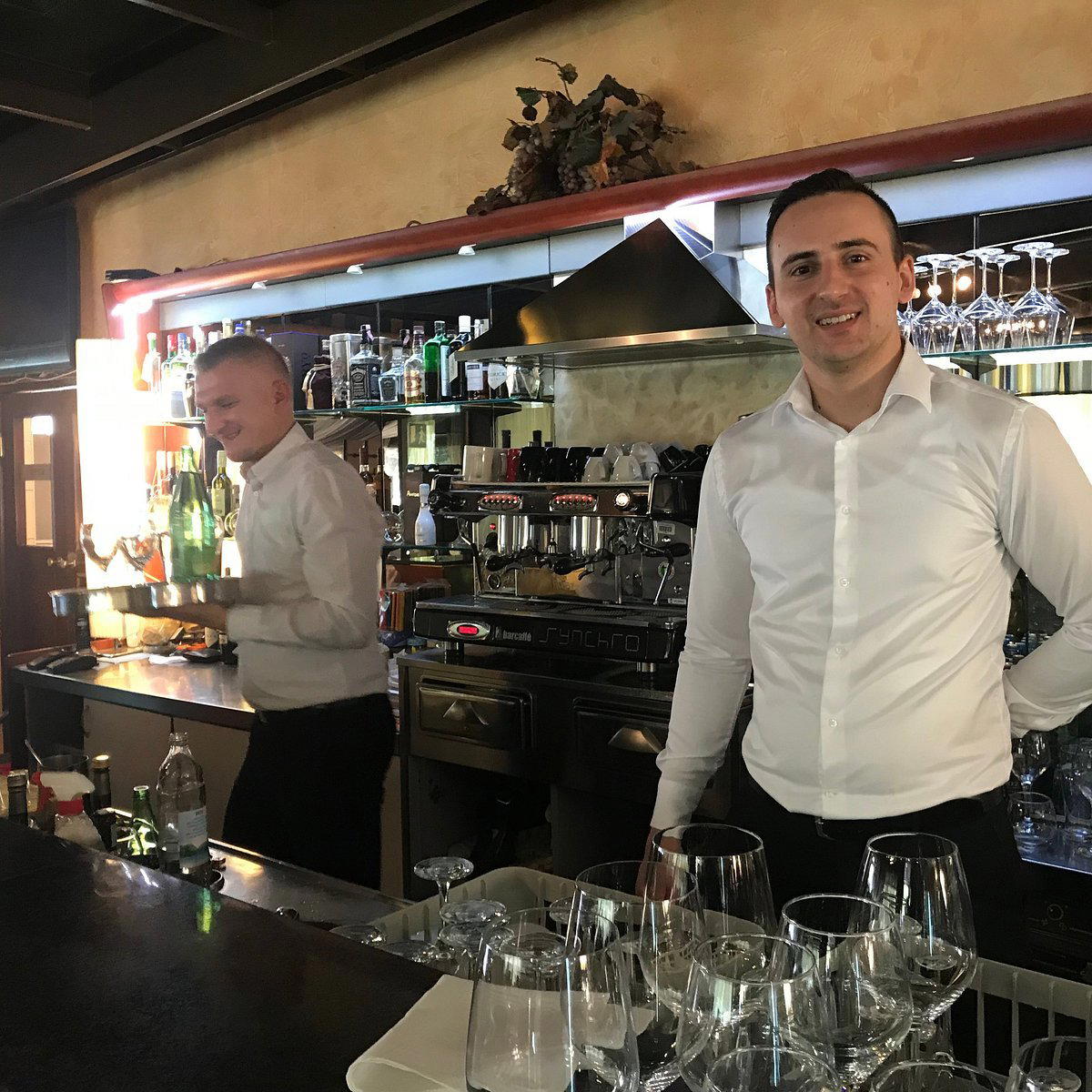
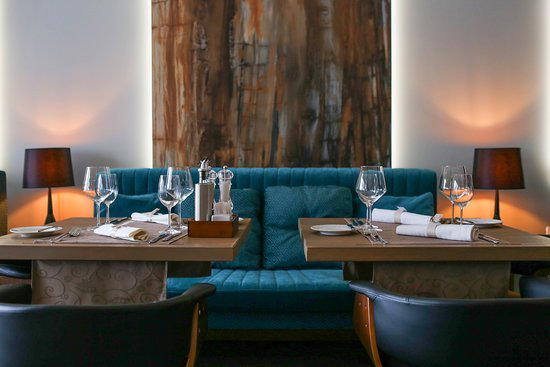
Modern industrial interior featuring wood, copper, brick, concrete, and leather, creating a comfortable and warm pub vibe with live music and party energy.