Michelin Plate
Our verdict
Toritama brings the disciplined pacing of Japanese yakitori tradition to Central Hong Kong, earning consecutive Opinionated About Dining Asia rankings and a Michelin Plate across three consecutive years. Located on Glenealy at the edge of the CBD, this evening-only counter format rewards those who understand that yakitori is as much about sequence and smoke as it is about the skewer. A focused, mid-price entry into Hong Kong's most serious Japanese grill scene.

Pearl is the En Primeur Club membership app, where members save venues, book tables and use the concierge.
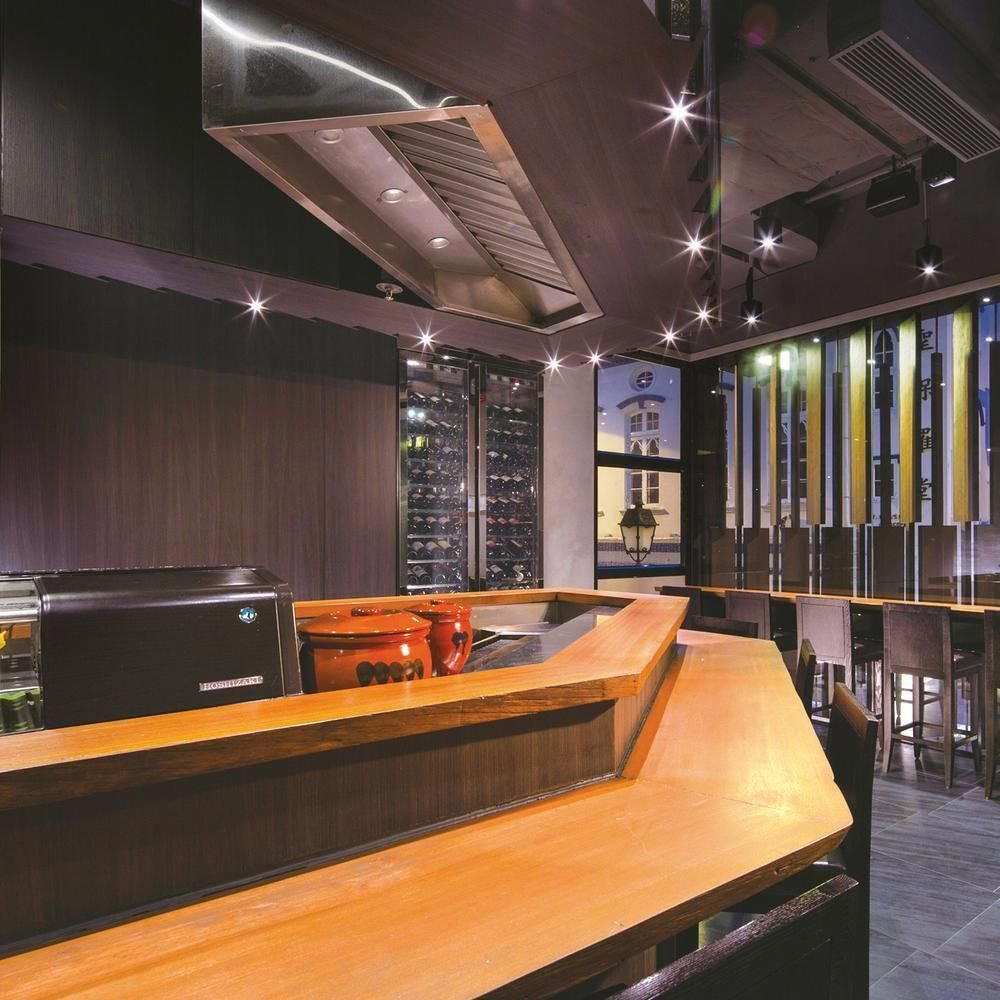
Smoke, Sequence, and the Architecture of a Yakitori Meal
Glenealy is one of those narrow Central streets that tourists walk past without registering, a short connector between the bustle of Hollywood Road below and the quieter residential lanes climbing toward the Mid-Levels. The address suits Toritama well. Yakitori, at its most considered, has never been a cuisine that announces itself loudly. It asks for proximity, patience, and a willingness to surrender the meal's pacing to the person behind the grill. The format is built around sequence, not spectacle: skewer by skewer, cut by cut, with intervals calibrated to hold attention without exhausting it.
In Japan, that format carries centuries of working-class pragmatism that gradually acquired the attention of serious cooks. The leading yakitori counters in Tokyo and Osaka treat the chicken as a whole-animal exercise, moving through every cut in a deliberate order that traces anatomy from mild to rich, from collagen to fat. Places like Yakitori Omino in Tokyo and Aramaki sit at the top of that tradition. The question for any yakitori house outside Japan is whether it can carry that structural discipline across the translation.
How Toritama Sits Within Hong Kong's Japanese Grill Tier
Hong Kong's Japanese restaurant scene is unusually deep for a city outside Japan, shaped by decades of close trade, travel, and culinary exchange between the two places. Within that scene, yakitori occupies a specific niche: it sits below the price point of omakase sushi or kaiseki but above the izakaya-style grills where yakitori is incidental rather than central. Toritama belongs to a small cluster of Hong Kong addresses where yakitori is the primary discipline rather than one item among many. Yakitori Torisho occupies similar territory, and Birdie approaches the format from a slightly different angle.
That award record is specific and consistent. Toritama has appeared on the Opinionated About Dining Leading Restaurants in Asia list in each of the last three years: ranked 128th in 2023, 115th in 2024, and 133rd in 2025. OAD rankings aggregate ratings from a global pool of experienced diners rather than a single inspector, which makes consistent multi-year placement a meaningful signal about sustained quality rather than a single strong season. Alongside those rankings, the restaurant has held a Michelin Plate in both 2024 and 2025. Within Central's dining tier, which includes addresses like Amber at the high end of French contemporary and 8½ Otto e Mezzo Bombana anchoring the Italian fine-dining bracket, Toritama occupies a different price and format category entirely. It is not competing with those rooms. It is competing with the leading specialist yakitori in Asia, and its rankings place it comfortably within that peer group.
For context on how the broader yakitori tradition operates at the highest level across Japan, Ichimatsu and Torisho Ishii in Osaka, Torisaki in Kyoto, and Tokyo's 124. Kagurazaka and Aria di Takubo represent the range of approaches within the form. Yakitori Torisen in Osaka adds another reference point in the Kansai tradition. Toritama sits alongside that conversation rather than outside it.
The Ritual of the Evening
The evening-only format is not a scheduling detail. It is a structural choice that shapes the entire experience. Toritama opens at 5:45 pm and runs through 10:30 pm, six nights a week, with Sunday closed. That window is long enough to accommodate the pace that yakitori demands without feeling compressed, and the closure on Sundays follows the rhythm of many serious specialist restaurants in Japan, where the quality of supply and the stamina of the kitchen team set the schedule.
In the leading yakitori settings, the meal unfolds in a specific order that the kitchen controls rather than the diner. Early skewers tend toward cleaner, leaner cuts; the meal moves through increasing richness and fat before arriving at a few closing items that reset the palate. Chicken skin, liver, heart, thigh, and tsukune each have their place in that sequence, and a kitchen that understands the grammar of the progression delivers something closer to a composed meal than a selection of grilled items. That intentionality, the sense that each course belongs where it is placed, is what separates a focused yakitori counter from a grill menu where the order is arbitrary.
At that volume, a 4.5 average typically reflects genuine satisfaction across a cross-section of diners rather than a handful of enthusiastic regulars. It also suggests that the experience holds for guests who are encountering the format for the first time, not only for those who arrive with deep familiarity with Japanese grill traditions.
Where Toritama Fits in Central's Evening Offer
Central after dark runs across a wide spectrum. The neighbourhood contains some of Hong Kong's most formal dining rooms, including the kaiseki counter at Kicho, alongside mid-price specialists and late-night bars. The full range is mapped in our Hong Kong restaurants guide. Toritama sits in the mid-price, high-focus tier: not a casual drop-in but not a destination that requires a three-month lead time or a special occasion to justify.
If the meal runs long and the evening warrants extension, Central and SoHo together offer some of the city's most concentrated bar programming. Details are in our Hong Kong bars guide. For those building a longer stay around the city's restaurant offer, our Hong Kong hotels guide, wineries guide, and experiences guide cover the broader picture.
Planning Your Visit
Address: G/F, 2 Glenealy, Central, Hong Kong. Hours: Monday to Saturday, 5:45 pm to 10:30 pm; closed Sunday. Price range: Mid-range ($$). Awards: Opinionated About Dining Leading Restaurants in Asia 2023 (#128), 2024 (#115), 2025 (#133); Michelin Plate 2024 and 2025. Reservations: Dress: No confirmed dress code; smart casual is appropriate for the Central context.
Frequently asked questions
Is Toritama suitable for children?
The counter-style format and evening-only hours (5:45–10:30 pm, Monday to Saturday) are oriented toward adult dining rather than family groups, and the yakitori sequence is designed for focused, seated participation. Families with younger children would find the format a poor fit in practical terms.
What is the atmosphere like at Toritama?
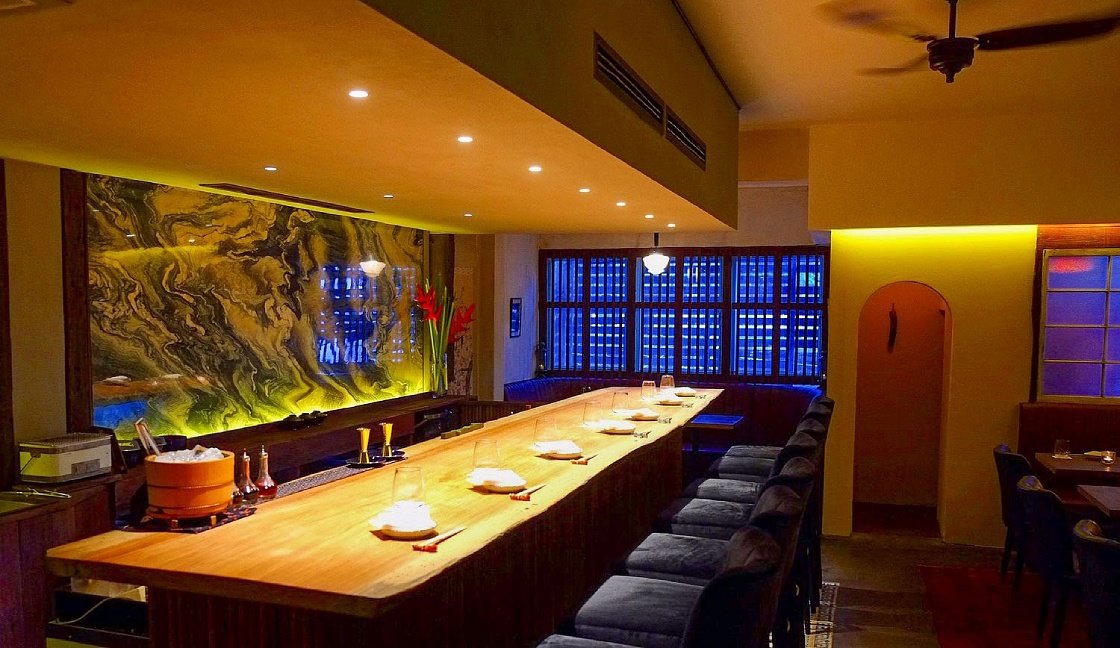
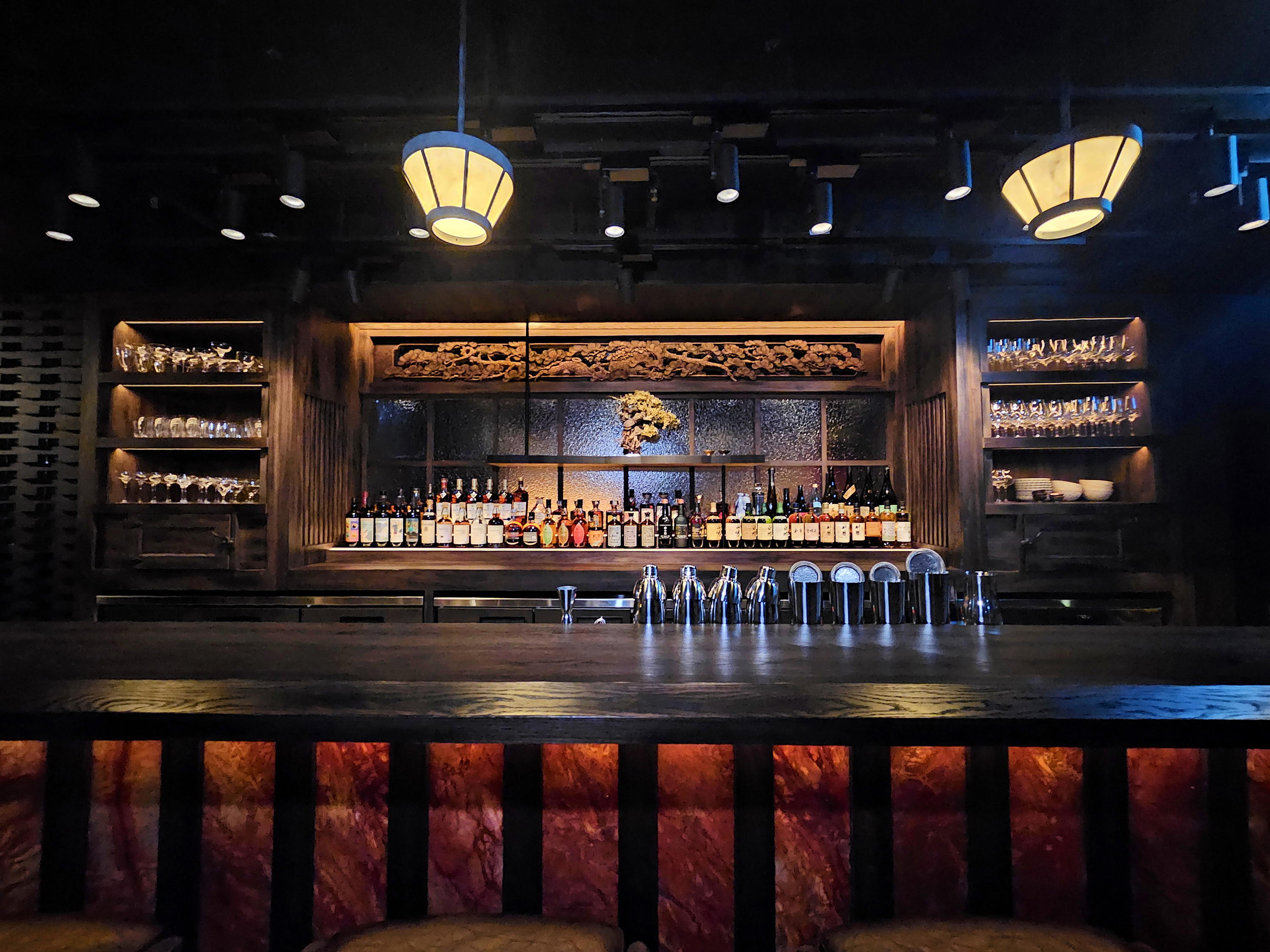
Toritama operates on a focused, evening-only counter format from 5:45 pm at a deliberately low-key Glenealy address in Central, the kind of narrow street that registers more to regulars than to passing foot traffic. The mid-range ($$) price point and the yakitori structure create a concentrated, smoke-forward environment rather than a social dining room. OAD's consistent Top 133 Asia ranking through 2023–2025 reflects a following built on precision rather than spectacle.
What kind of recognition has Toritama received?
Toritama has received recognition including: Opinionated About Dining Top Restaurants in Asia Ranked #133 (2025); Michelin Plate (2025); Opinionated About Dining Top Restaurants in Asia Ranked #115 (2024); Michelin Plate (2024); Opinionated About Dining Top Restaurants in Asia Ranked ….
What dish is Toritama famous for?
No specific signature items are confirmed in the public record for Toritama. Within the yakitori tradition the restaurant represents, the cuisine's identity is built around the sequencing and technique applied to chicken across every cut rather than a single headline dish. The OAD Top 133 Asia (2025) and Michelin Plate recognition suggest the kitchen's consistency is the point, not any one item.
What should I expect cuisine-wise at Toritama?
Is Toritama more mid-range or high-end?
Pricing at Toritama is listed as $$.
What are the operating hours at Toritama?
Hours at Toritama: Hours: Monday 5:45–10:30 pm Tuesday 5:45–10:30 pm Wednesday 5:45–10:30 pm Thursday 5:45–10:30 pm Friday 5:45–10:30 pm Saturday 5:45–10:30 pm Sunday Closed.
Awards and Standing
A short peer table to compare basics side-by-side.
| Venue | Cuisine | Price | Awards | Notes |
|---|---|---|---|---|
| ToritamaThis venue (the venue you are viewing) | Authentic Yakitori | $50–100 | Michelin Plate | Not listed |
| 8 1/2 Otto e Mezzo Bombana (Hong Kong) | 3 Michelin-Star Italian Fine Dining | $200–300 | 3 Michelin Stars · World's 50 Best #94 | Italian |
| Ta Vie | Modern French-Japanese Fine Dining | $300–500 | 3 Michelin Stars · World's 50 Best #68 | Japanese - French, Innovative |
| Caprice | Contemporary French Fine Dining | $200–300 | 3 Michelin Stars · World's 50 Best #35 | French, French Contemporary |
| Feuille | Modern Vegetable-Forward French | $200–300 | 1 Michelin Star · World's 50 Best #93 | French Contemporary |
| Neighborhood | Modern French with Asian Influences | $50–100 | 1 Michelin Star · World's 50 Best #24 | International, European Contemporary |
Recognition history
Dated appearances from independent guides and award organizations, with the underlying list record or original source where available.
Michelin Plate
Michelin
Opinionated About Dining Top Restaurants in Japan Recommended
Opinionated About Dining
Full recognition history (8 entries)
Opinionated About Dining Top Restaurants in Asia Highly Recommended
Opinionated About Dining
Michelin Plate
Michelin
Opinionated About Dining Top Restaurants in Asia Ranked #133
Opinionated About Dining
Michelin Plate
Michelin
Opinionated About Dining Top Restaurants in Asia Ranked #115
Opinionated About Dining
Opinionated About Dining Top Restaurants in Asia Ranked #128
Opinionated About Dining