Biblenhof
Biblenhof sits on a quiet street in Soultz-les-Bains, a village in the Alsatian wine corridor south of Strasbourg where agricultural tradition and table culture have remained closely connected for generations. The address places it within one of France's most ingredient-rich rural corridors, where the Rhine plain and Vosges foothills converge. Visitors travelling from Strasbourg or Colmar reach it in under an hour.
Pearl is the En Primeur Club membership app — saves, bookings, and concierge access live there. Same editors, same standards.
- Address
- 6 Rue de Biblenheim, 67120 Soultz-les-Bains, France
- Phone
- +33388382109
- Website
- lebiblenhof.fr
- Directions
- Get directions
 Saves & bookings on Pearl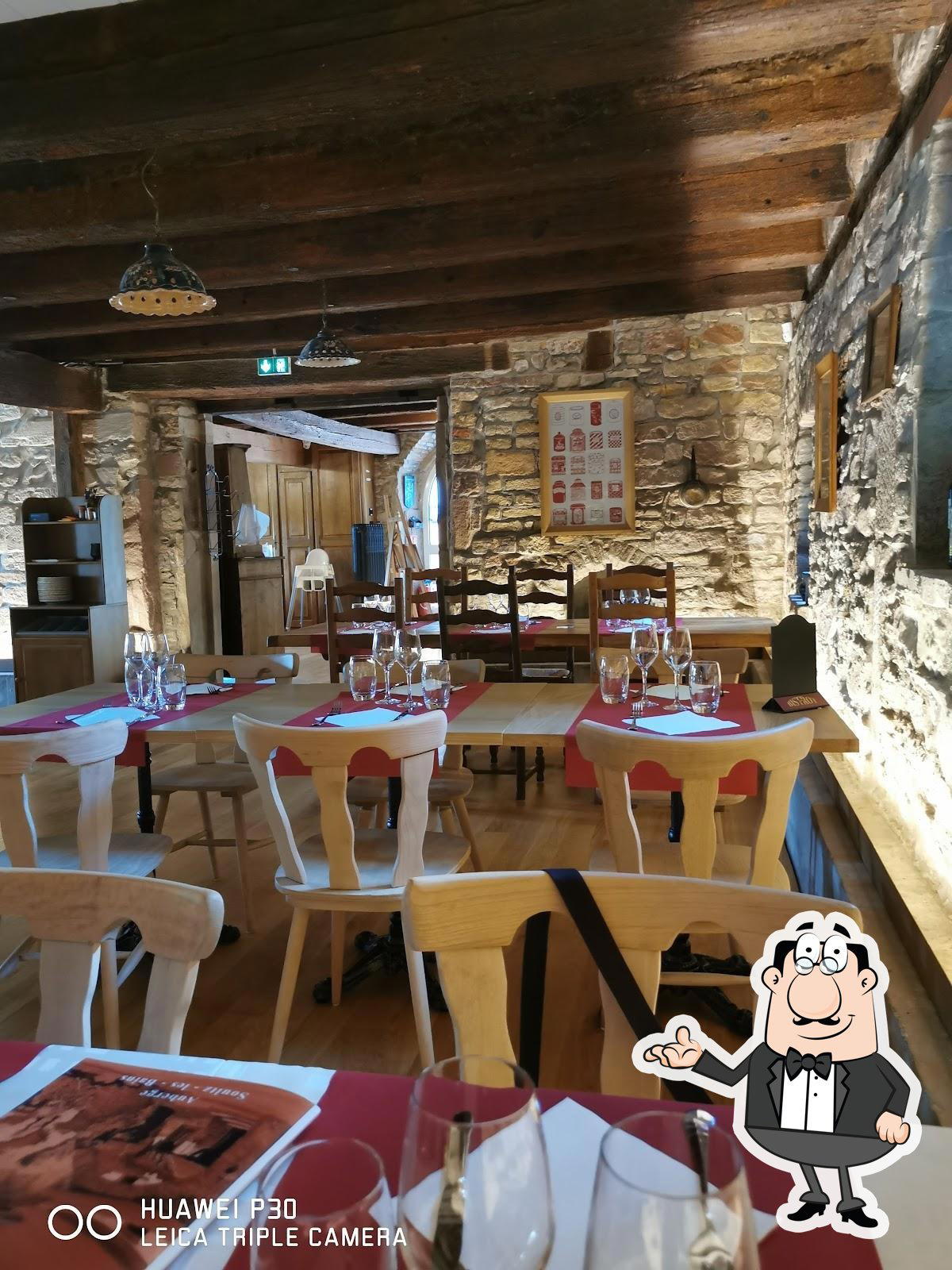
A Village Address in One of France's Most Productive Agricultural Corridors
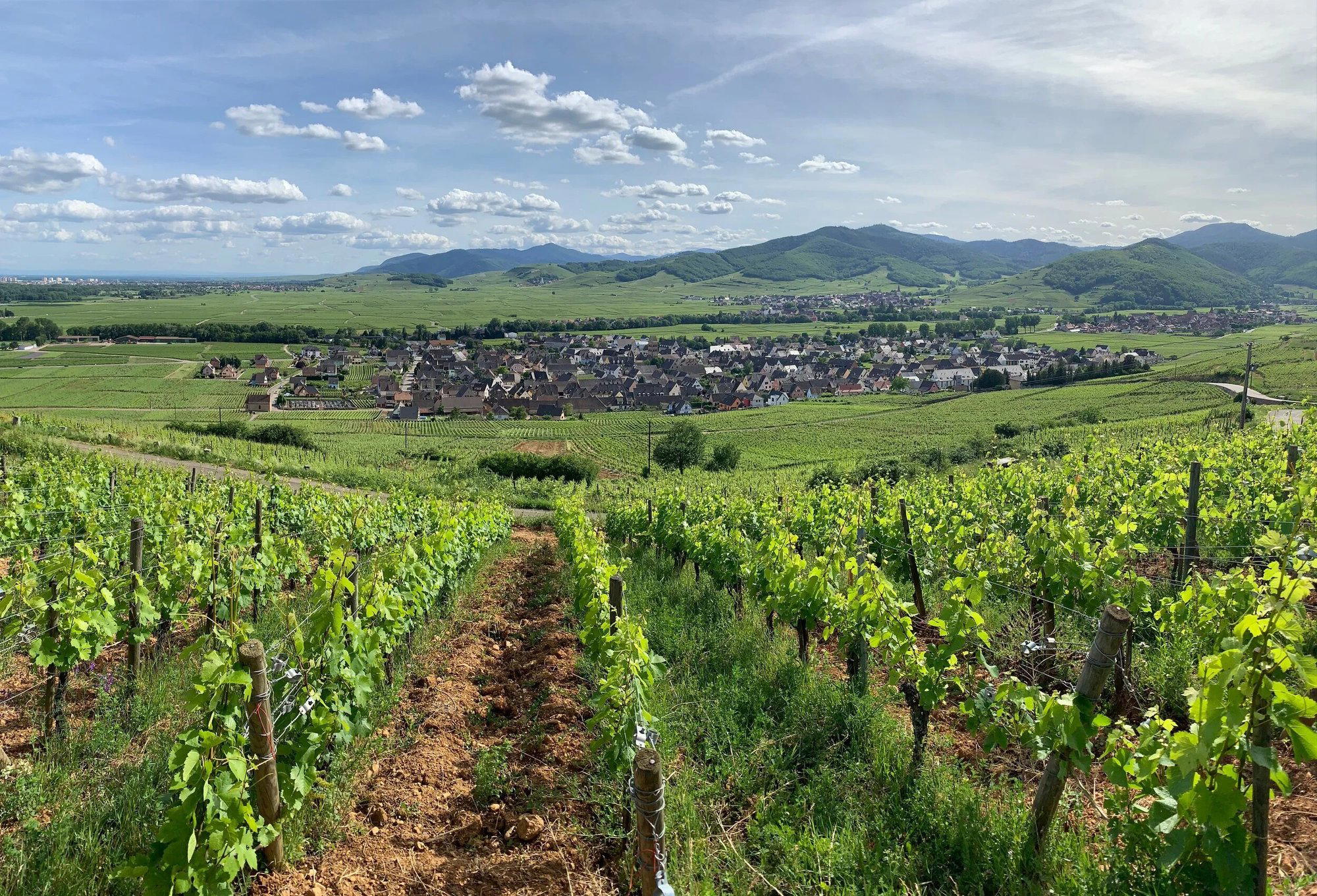
Soultz-les-Bains sits in the Bas-Rhin department of Alsace, in the broad agricultural plain that runs between the Vosges foothills to the west and the Rhine to the east. This particular strip of northeastern France has been producing food seriously for centuries: white wines from Riesling, Pinot Gris, and Gewurztraminer; pork in almost every processed form; river fish; orchard fruit; wild mushrooms from the forest edge. The ingredients are not a backdrop here; they are the reason the table culture exists at all. Biblenhof, on the Rue de Biblenheim in this small Alsatian commune, occupies a position inside that tradition rather than apart from it.
What the Alsatian Sourcing Tradition Means at the Table
One consequential thing about dining in rural Alsace is the proximity between producer and plate. Unlike urban restaurant environments, where supply chains extend across regions and countries, the village auberge tradition in Alsace developed around whatever could be grown, raised, or foraged within a short radius. That proximity still shapes how the leading addresses in the area approach their menus. Pork products, from the charcuterie course through to the main, tend to reflect local breeding and curing practices. Freshwater fish from the Rhine system appear in preparations that owe more to the Germanic culinary inheritance than to French classical technique. Seasonal vegetables follow the Alsatian agricultural calendar closely, meaning the menu in early autumn reads differently from one in late spring.
This sourcing-first orientation is what separates the Alsatian village dining tradition from the more cosmopolitan approaches found at addresses like Mirazur in Menton or Alléno Paris au Pavillon Ledoyen, where creative technique and global ingredient access define the offer. In Alsace, the constraint of geography is also a point of pride.
The Physical Setting and What to Expect
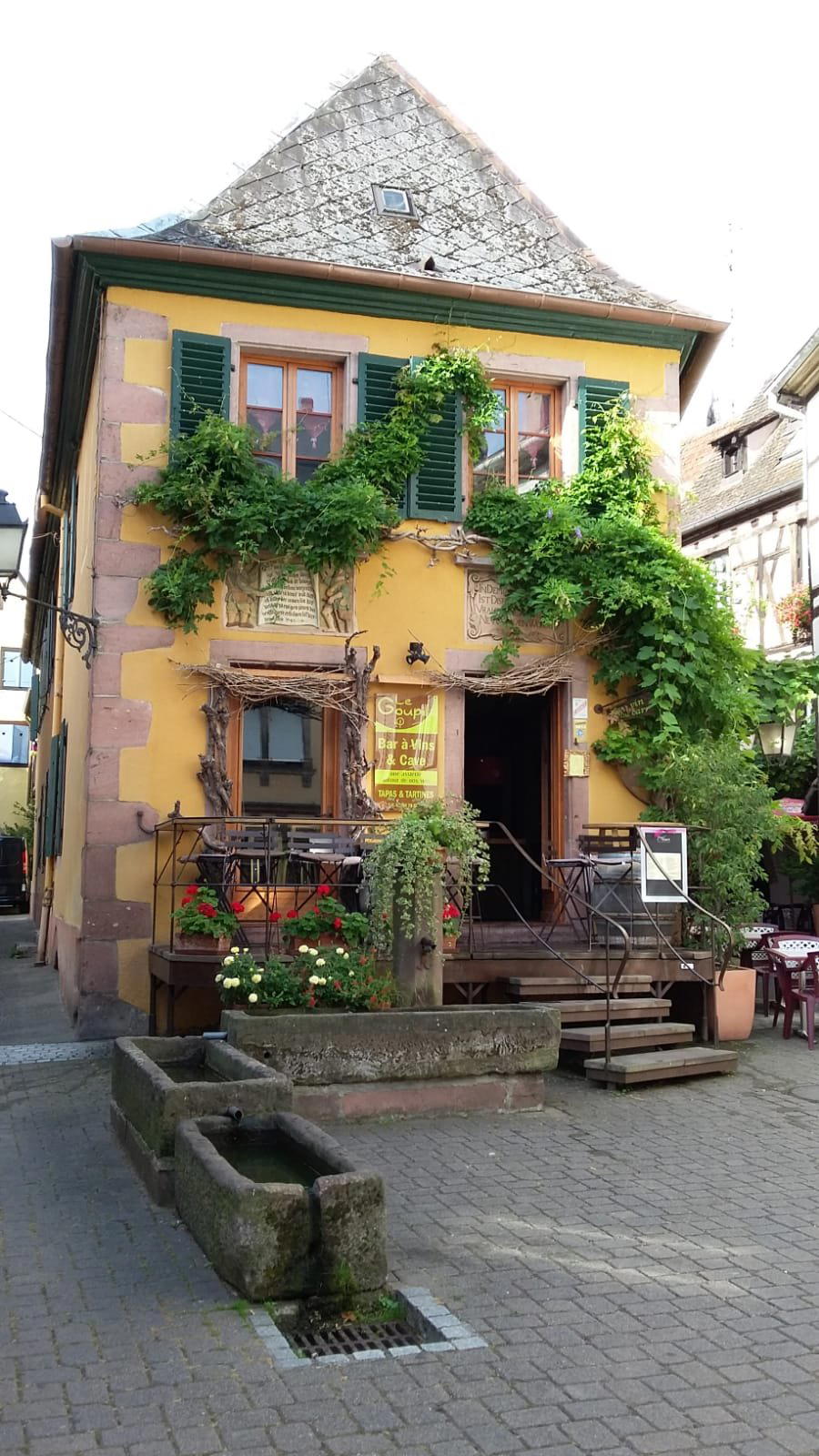
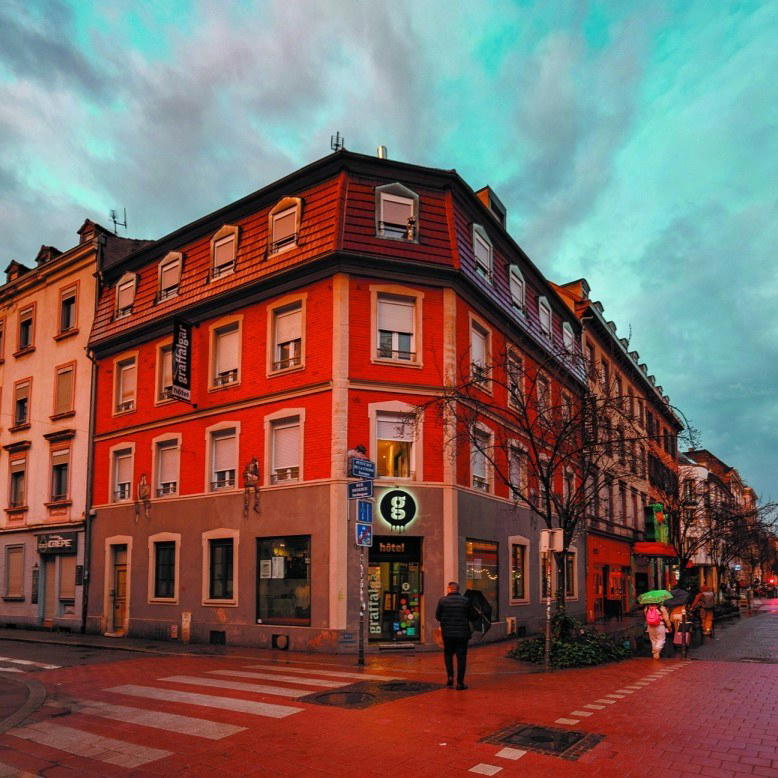
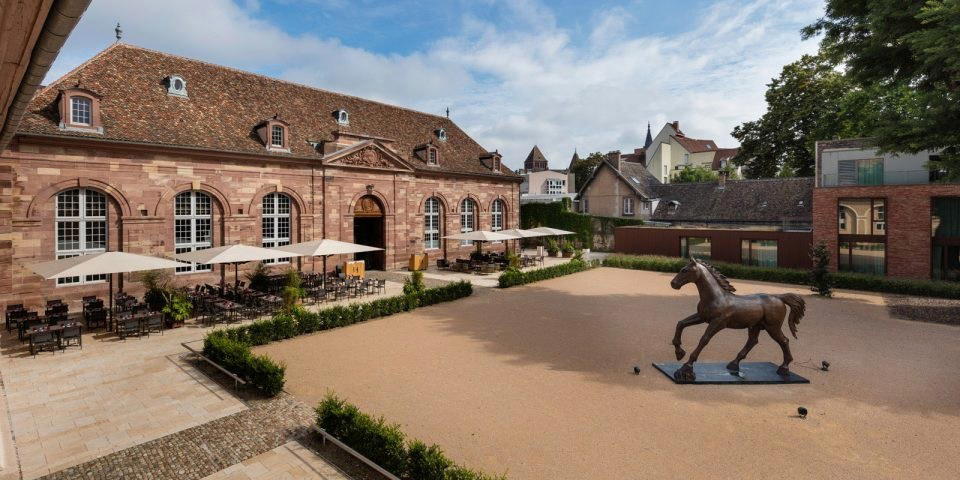
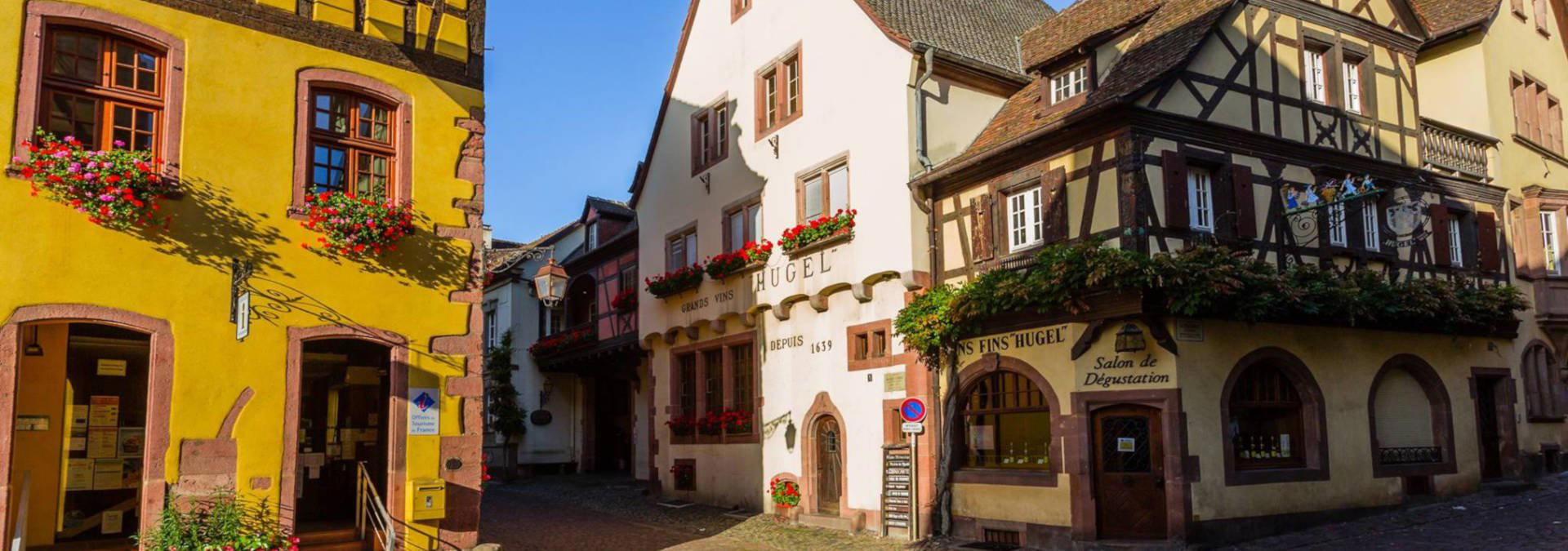
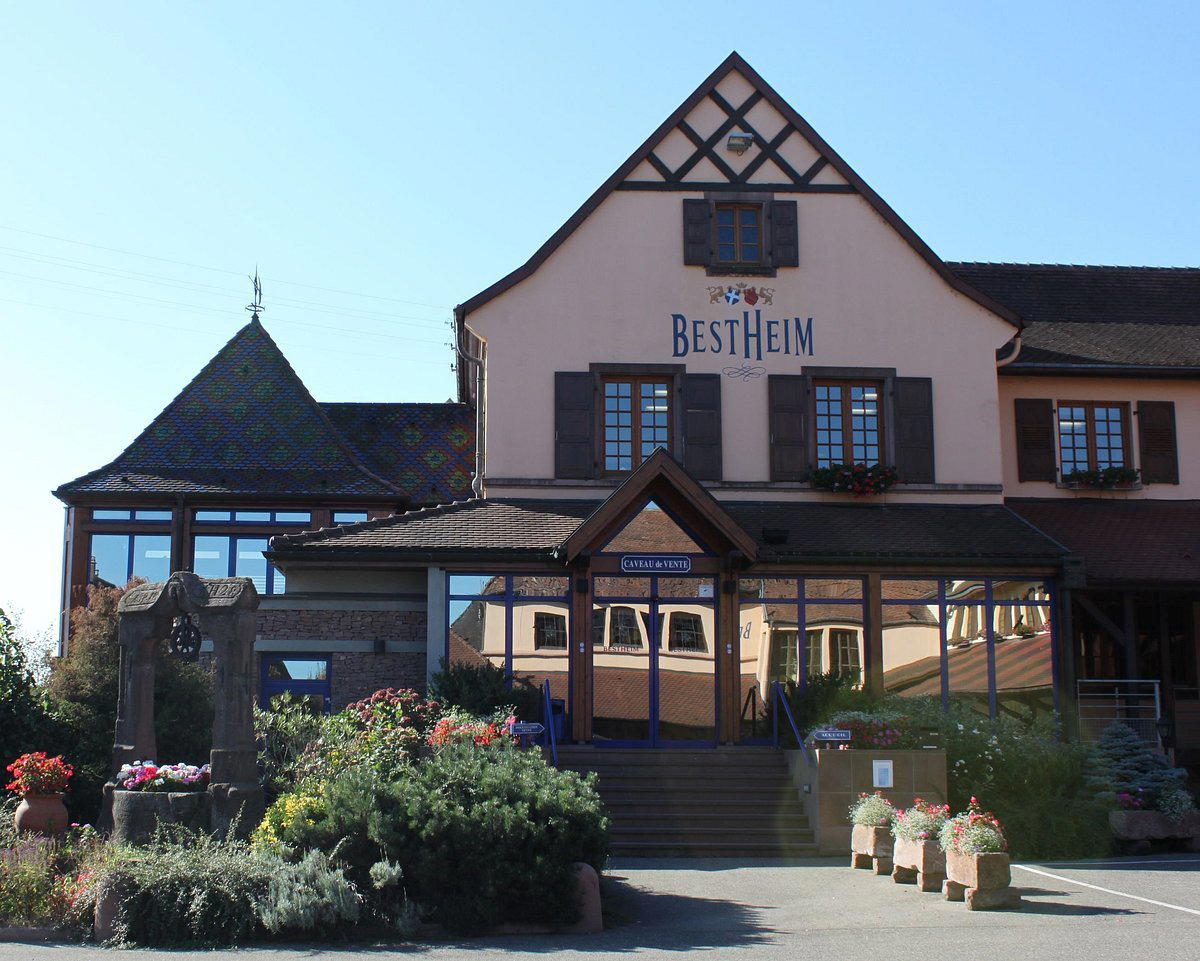
The Rue de Biblenheim is a quiet residential address in a commune that does not attract tourist foot traffic in the way that Colmar or Strasbourg do. Approaching the property, the visual register is distinctly Alsatian: the half-timbered architectural vocabulary, the sense of a building that has been used for hospitality across multiple generations, the absence of the urban noise and signage that marks a city dining destination. This is a setting where the experience is expected to be self-contained, where the journey to get there is part of the occasion.
For comparison, the broader French auberge-in-landscape tradition includes addresses like Auberge de l'Ill in Illhaeusern, one of Alsace's most decorated addresses, and Bras in Laguiole, where the landscape is inseparable from the dining philosophy. Biblenhof occupies a more modest and local register than either of those, but the structural logic is the same: the setting is not incidental.
Alsace in Context: A Region That Has Always Cooked from the Land
Understanding Alsatian dining requires some engagement with the region's dual cultural inheritance. Alternating between French and German governance across the nineteenth and twentieth centuries, Alsace developed a kitchen that blends French technique with Germanic produce-led directness. The result is a cuisine less interested in transformation for its own sake and more interested in the quality of the raw material: a well-aged Munster, a properly fermented choucroute, a pike-perch from the Rhine that needs nothing beyond butter and a precise cooking time.
That produce-first instinct is what gives village addresses in this corridor their specific character. It is a different register from the produce-driven creativity at places like Flocons de Sel in Megève or the classical grandeur of Paul Bocuse in Collonges-au-Mont-d'Or, but it shares with both a fundamental respect for what the surrounding region produces. Further reference points across France's regional fine dining tradition include Troisgros in Ouches, Maison Lameloise in Chagny, Georges Blanc in Vonnas, and Les Prés d'Eugénie in Eugénie-les-Bains, each of which has built a national reputation on a specific regional ingredient identity. Alsace's version of that argument runs through the wine corridor villages south of Strasbourg, of which Soultz-les-Bains is one.
The Wine Question
No meal in the Bas-Rhin takes place in isolation from the wine. The Alsatian wine route runs immediately to the west of Soultz-les-Bains, through villages that produce some of France's most food-compatible white wines. A Riesling from a nearby grand cru site, with its combination of acidity and aromatic precision, is structurally better suited to the local pork and fish preparations than almost any other wine in the French repertoire. The decision to drink locally here is not a concession to parochialism; it is an acknowledgment that the food and the wine evolved together over the same centuries in the same soils. Addresses like L'Oustau de Baumanière in Les Baux and La Table du Castellet make similar arguments for Provençal wine and food coherence; in Alsace, the case is stronger given the narrowness of the corridor and the specificity of the grape varieties.
Planning a Visit
Soultz-les-Bains is accessible from Strasbourg in approximately 30 minutes by car, and from Colmar in a similar timeframe heading north on the D83. The village is not served by regular tourist infrastructure, so arriving by private transport is the practical approach for most visitors. Reservations are recommended. The broader Alsatian route des vins offers meaningful context for a full day's itinerary, with Biblenhof as a lunch or dinner anchor. For readers interested in how Alsace's ingredient tradition compares to other regional French expressions at the premium end, Auberge du Vieux Puits in Fontjoncouse and Le 1947 à Cheval Blanc in Courchevel represent other points on the French regional luxury spectrum. For a transatlantic comparison in ingredient-led cooking, Le Bernardin in New York and Lazy Bear in San Francisco each demonstrate how the sourcing argument translates to different national contexts and La Vague d'Or in Saint-Tropez shows what coastal Provençal sourcing looks like at three-star level.
Comparison Snapshot
Comparable venues nearby, for context on price, style, and recognition.
| Venue | Cuisine | Price | Notes |
|---|---|---|---|
| BiblenhofThis venue — the venue you are viewing | Traditional Alsatian French | $$ | Not listed |
| Taverne Katz | Traditional Alsatian Winstub | $$ | historical centre |
| A la vignette | Traditional Alsatian French | $$ | Place du Marché |
| D'Brendelstub | Modern Alsatian Winstub | $$ | Riquewihr |
| Winstub Le Freiberg | Traditional Alsatian Winstub | $$ | town center |
| Caveau Heuhaus | Traditional Alsatian Winstub | $$ | Eguisheim |
Continue exploring
More in Soultz Les Bains
Restaurants in Soultz Les Bains
Browse all →
Bars in Soultz Les Bains
Browse all →
Hotels in Soultz Les Bains
Browse all →
At a Glance
- Rustic
- Cozy
- Classic
- Family
- Group Dining
- Celebration
- Terrace
- Historic Building
Current opening hours
- Monday
- 11:30 AM–2 PM, 6:30–10 PM
- Tuesday
- 11:30 AM–2 PM, 6:30–10 PM
- Wednesday
- 11:30 AM–2 PM, 6:30–10 PM
- Thursday
- 11:30 AM–2 PM, 6:30–10 PM
- Friday
- 11:30 AM–2 PM, 6:30–10 PM
- Saturday
- 11:30 AM–2 PM, 6:30–10 PM
- Sunday
- 11:30 AM–2 PM, 6:30–10 PM
Hours can change for holidays and private events. Last verified .
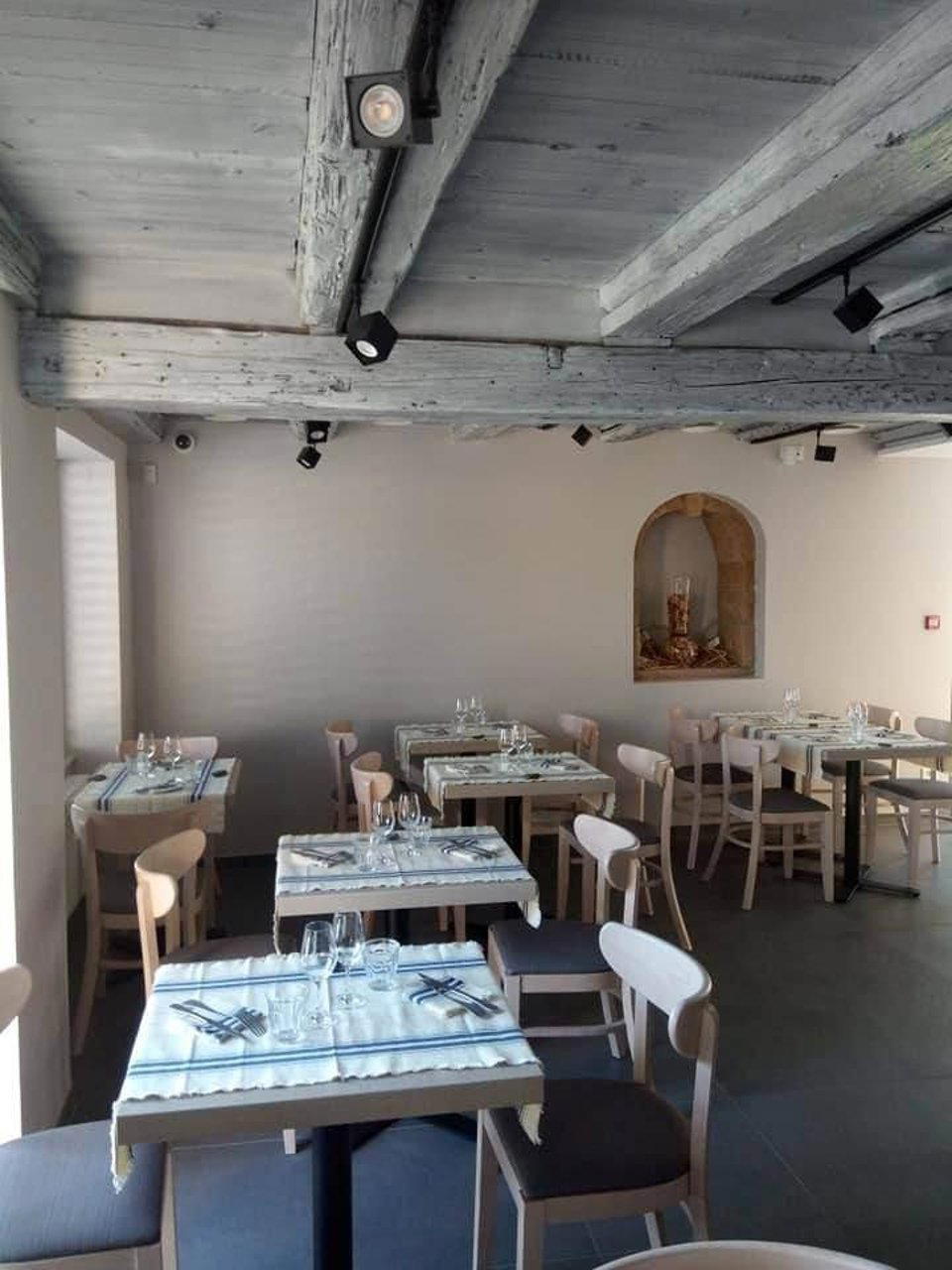
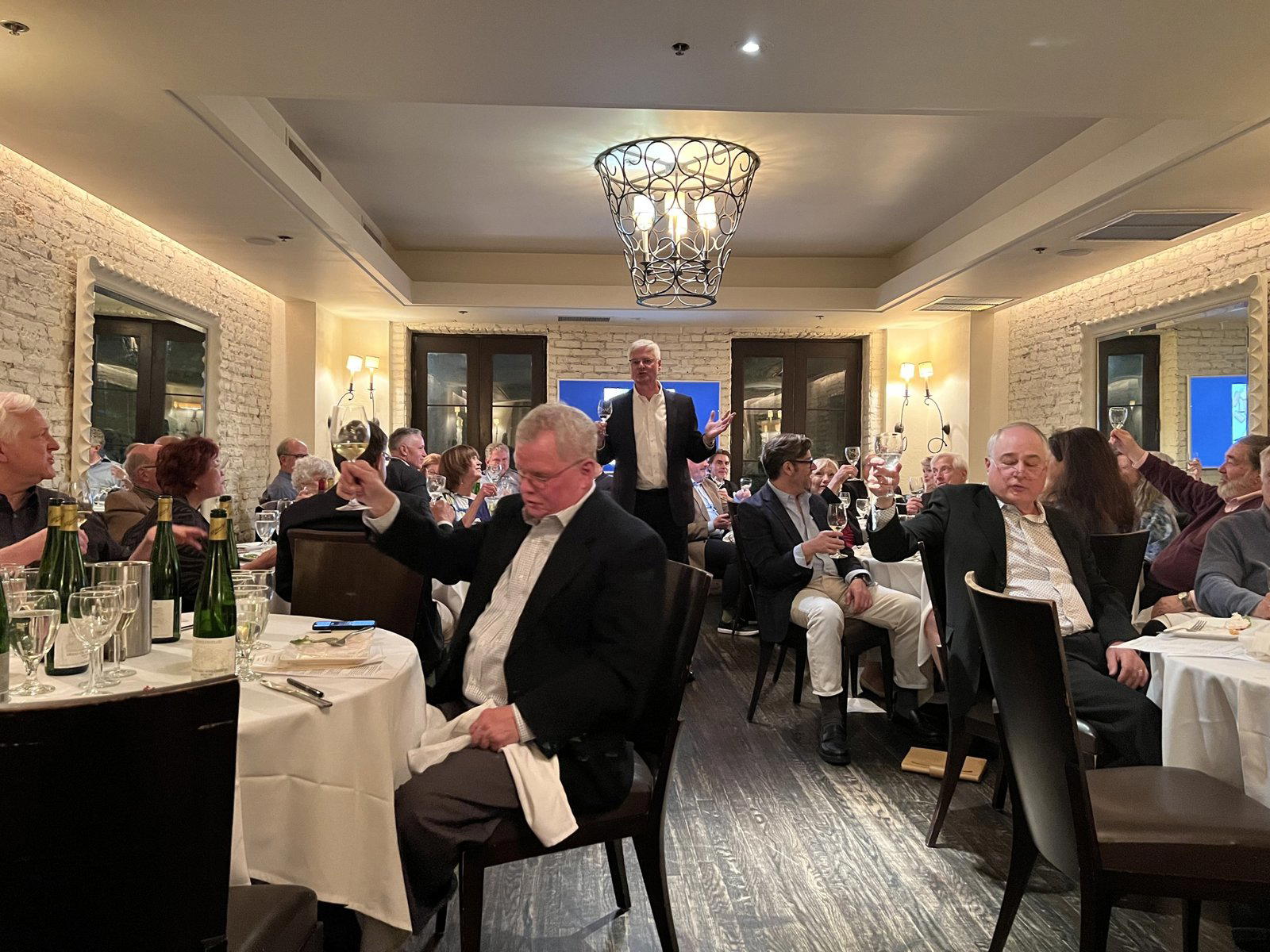
Chaleureux interior with wood and stone elements creating a rustic, welcoming atmosphere.