On Saverne's Grand Rue, Taverne Katz occupies one of the most photographed half-timbered facades in Alsace, a building whose bones date to 1605. The taverne format here follows the Alsatian tradition of long tables, generous pours, and meals that extend well past the point of satiety. It sits at the approachable end of the town's dining spectrum, where local custom and tourist traffic share the same bench.
 Discover on Pearl
Pearl is the En Primeur Club membership app — saves, bookings, and concierge access live there. Same editors, same standards.
- Address
- 80 Grand Rue, 67700 Saverne, France
- Phone
- +33388711656
- Website
- tavernekatz.com
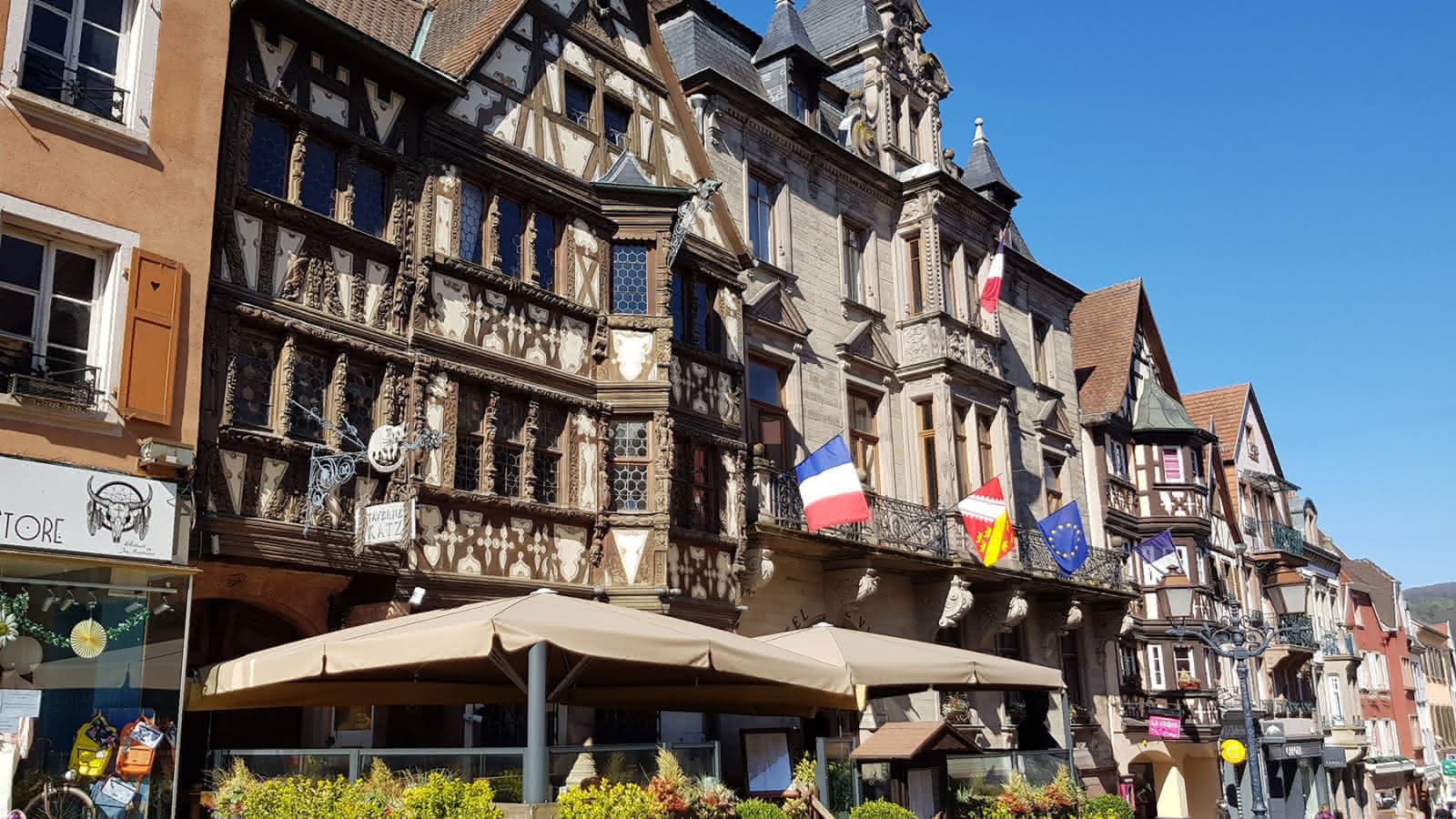
A Room That Sets the Pace Before the First Course Arrives
There is a particular grammar to eating inside a historic Alsatian taverne, and Taverne Katz at 80 Grand Rue, Saverne enforces it from the moment you step through the door. The building itself, one of the most recognisable half-timbered structures in a region that does not lack for them, dates to 1605, and the interior reads accordingly: dark wood panelling, low ceilings, and the kind of ambient warmth that slows conversation down into something more deliberate. The physical environment is not incidental to the meal; it is the meal's first course, setting an expectation of unhurried eating that the kitchen is expected to honour.
Saverne sits along the Route des Vins corridor in the Bas-Rhin, roughly equidistant between Strasbourg and the Vosges passes that once made it a transit town of commercial consequence. That geography shaped its food culture: Alsatian cooking here draws on the same larder as the rest of the region, choucroute, baeckeoffe, flammekueche, riesling-braised preparations. Taverne Katz sits comfortably in the tradition-keeper tier, the kind of address where the ritual of the meal matters as much as the execution of any individual dish.
The Alsatian Dining Ritual and Where Katz Fits Within It
Alsatian taverne culture has a specific pacing logic. You do not hurry. The table is your territory for the evening, and the food arrives in a cadence that reflects abundance rather than restraint: portions are generous, bread returns without being requested, and the wine list tilts heavily toward local production. The broader Alsatian dining tradition draws a clear line between the grande cuisine houses, Auberge de l'Ill in Illhaeusern being the region's most enduring exemplar, and the winstub and taverne format, which prizes conviviality and volume over refinement and precision.
Taverne Katz operates in the latter category. This is not a criticism. France's most decorated tables, from Mirazur in Menton to Flocons de Sel in Megève and Alléno Paris au Pavillon Ledoyen in Paris, represent one tradition of French eating. The taverne represents another, older one, and in Alsace that tradition carries genuine cultural weight. Eating at Katz is participation in a regional custom that predates modern restaurant culture by several centuries, which is precisely the point for many of the visitors who find their way to Saverne's Grand Rue.
Nearby, Morillon and S'Zawermer Stuebel represent adjacent positions in the same local dining ecology, each with a slightly different take on how Alsatian classics translate into a contemporary sit-down format.
What the Kitchen Sends Out
The Alsatian taverne repertoire is among the most codified in French regional cooking. Choucroute garnie, sauerkraut slow-cooked in local white wine and dressed with a selection of cured and smoked pork cuts, functions as the anchor dish across most establishments in this format, and Taverne Katz is no exception. Flammekueche (tarte flambée), the thin-based preparation of fromage blanc, lardons, and onion that has become the region's most exported dish, typically features as both a starter and a shared format. Baeckeoffe, the slow-braised meat and potato casserole traditionally sealed with a pastry band and requiring advance notice at most kitchens, rounds out the core repertoire.
These dishes are not innovations. They are the point. The Alsatian culinary canon is unusually consistent across addresses, which means that evaluation shifts from novelty to execution: the quality of the choucroute's sourness, the thinness of the flammekueche base, the ratio of meat cuts in the garnie. France's fine-dining houses, Troisgros - Le Bois sans Feuilles in Ouches, Bras in Laguiole, Paul Bocuse - L'Auberge du Pont de Collonges in Collonges-au-Mont-dOr, build their identities around authorship and invention. The taverne tradition is built around stewardship of a fixed repertoire, and that is a legitimate and demanding form of cooking in its own right.
The Building as Context
The Katz house, built in 1605, is a documented example of Alsatian Renaissance civic architecture. The elaborately carved facade along the Grand Rue has been a reference point in the town's urban fabric for over four centuries, making it one of the older continuously inhabited structures in a region where half-timbered construction is common but rarely this well-preserved at street level. Eating here carries a spatial weight that newer restaurants cannot manufacture: the building was already old when most of France's famous restaurants were founded.
This matters to the dining ritual because the architecture conditions behaviour. Low-ceilinged rooms with heavy wood panelling absorb sound differently than modern dining rooms; conversations stay at the table rather than bleeding across the space. The effect is a degree of enclosure that encourages the kind of long, slow meal the Alsatian kitchen is designed to support. Where addresses like AM par Alexandre Mazzia in Marseille or Assiette Champenoise in Reims use contemporary design to frame an experience of precision and theatre, Katz uses four centuries of accumulated atmosphere to frame one of comfort and duration.
Planning Your Visit
Saverne is accessible by train from Strasbourg in under 30 minutes, making it a workable day trip from the Alsatian capital or a logical stop along the Route des Vins. The Grand Rue address is central and walkable from the station. Because venue-specific booking data is not confirmed, contacting the taverne directly before arrival is advisable, particularly during peak summer and harvest-season periods when Alsace draws significant tourist volume and tables at established addresses fill quickly. Given the building's profile and the town's compact size, Taverne Katz is among the more recognisable dining addresses in Saverne.
Cuisine and Awards Snapshot
Comparable venues nearby, for context on price, style, and recognition.
| Venue | Cuisine | Price | Awards | Notes |
|---|---|---|---|---|
| Taverne KatzThis venue — the venue you are viewing | Traditional Alsatian Winstub | $$ | , | |
| S'Zawermer Stuebel | Traditional Alsatian | $$ | , | Saverne |
| Morillon | Modern French Fine Dining | $$$ | , | Saverne |
| La Table de Christophe | French Bistronomique | $$ | , | Centre |
| Bistrot des Rosiers | Seasonal French Neo-Bistro | $$ | , | Bourse-Esplanade-Krutenau |
| La Soï | Traditional Alsatian Tarte Flambée | $$ | , | centre-ville |
Continue exploring
More in Saverne
Restaurants in Saverne
Browse all →

Hotels in Saverne
Browse all →
Wineries in Saverne
Browse all →
At a Glance
- Cozy
- Rustic
- Classic
- Intimate
- Family
- Group Dining
- Casual Hangout
- Historic Building
- Terrace
- Street Scene
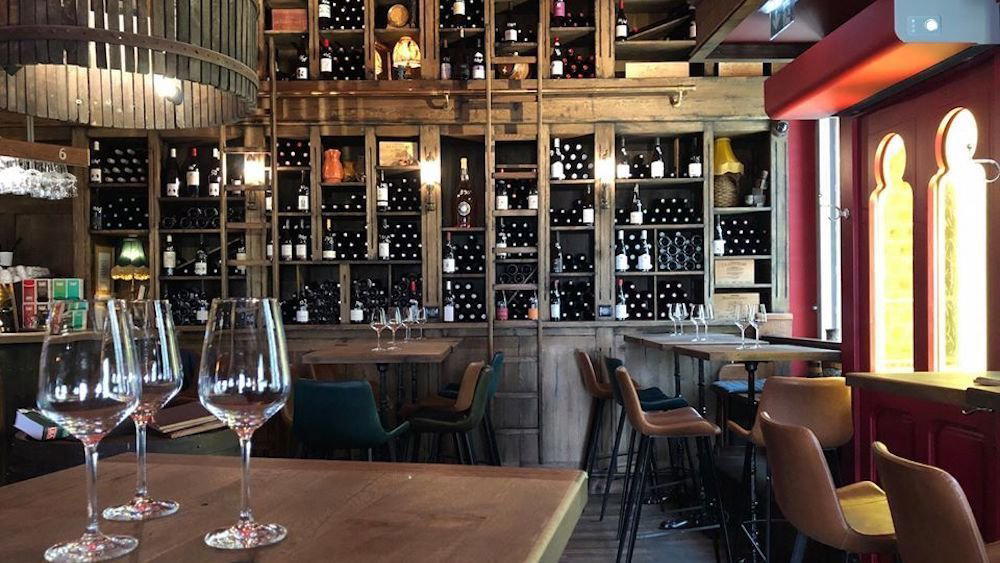
Warm, cozy setting with low wooden ceilings from the 16th century, regional decoration, and traditional Kelsch check tablecloths evoking yesteryear charm.