A la vignette
A la vignette occupies a spot on the market square in Dambach-la-Ville, among the more intact medieval wine villages on the Alsace Route des Vins. The setting, half-timbered facades, cobbled stones, and vineyards pressing in from every side, frames a dining experience that draws directly from the agricultural character of this corner of the Bas-Rhin. It belongs to a tradition of Alsatian market-town dining where the sourcing geography rarely extends beyond the surrounding hills.
Pearl is the En Primeur Club membership app — saves, bookings, and concierge access live there. Same editors, same standards.
- Address
- 8 Pl. du Marché, 67650 Dambach-la-Ville, France
- Phone
- +33388924609
- Website
- winstub-alavignette.com
- Directions
- Get directions
 Saves & bookings on Pearl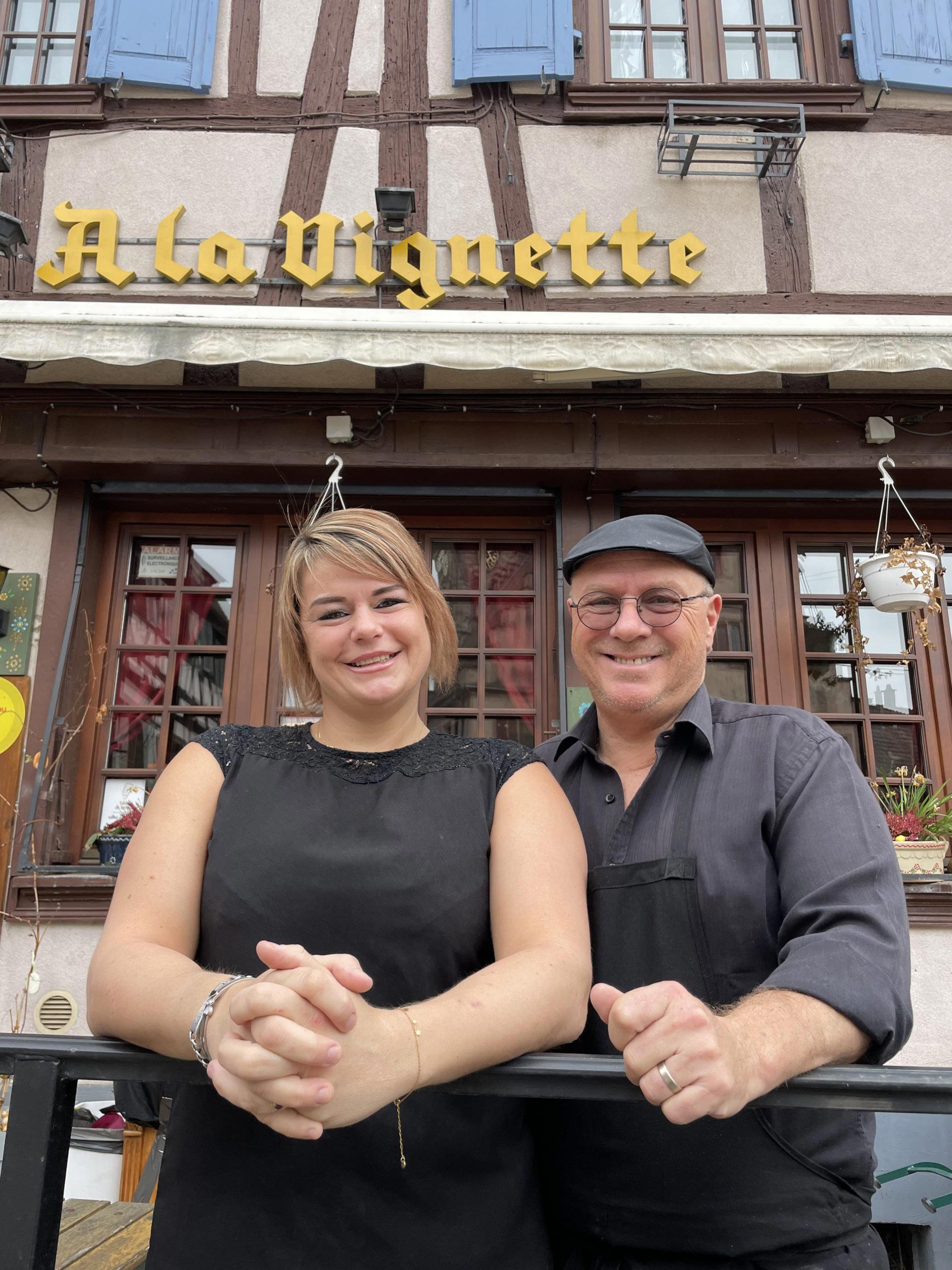
Where the Vines Begin
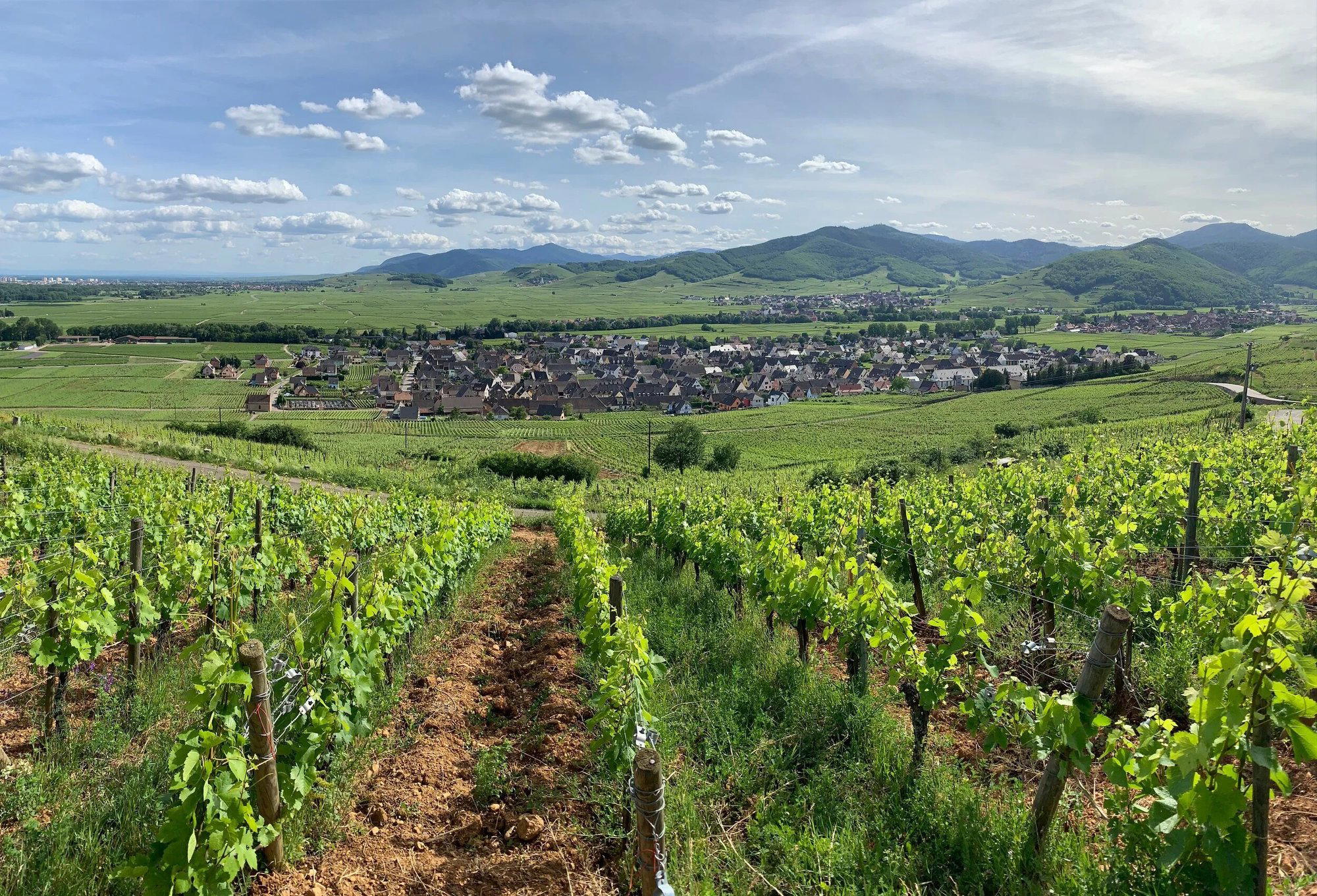
Dambach-la-Ville is not a stopping point on most itineraries. The village sits along the Alsace Route des Vins between Sélestat and Barr, its pink granite ramparts and three medieval towers still largely intact, its market square framed by half-timbered houses that have not changed in outline for centuries. The vines are not decorative here, Dambach is one of the few villages in Alsace with its own grand cru appellation, the Frankstein, and the agricultural rhythm of harvest and rest organizes the town's calendar as much as anything else. A la vignette, on the Place du Marché at number 8, is a restaurant serving traditional Alsatian French in Dambach-la-Ville, where the distance between field and plate is measured in walking minutes rather than supply-chain days.
That geography matters for how to read a place like this. The broader Alsatian dining tradition has always drawn its character from proximity to source, the choucroute comes from cabbages grown on the plain, the Munster from dairies in the Vosges foothills, the Riesling from slopes visible from the dining room window. In the larger cities, particularly Strasbourg where Au Crocodile represents the haute end of that tradition, the sourcing relationships are still present but mediated by scale and urban distance. In a village like Dambach, the sourcing is structural rather than aspirational, it is simply how things work when your suppliers are your neighbours.
The Market Square Setting
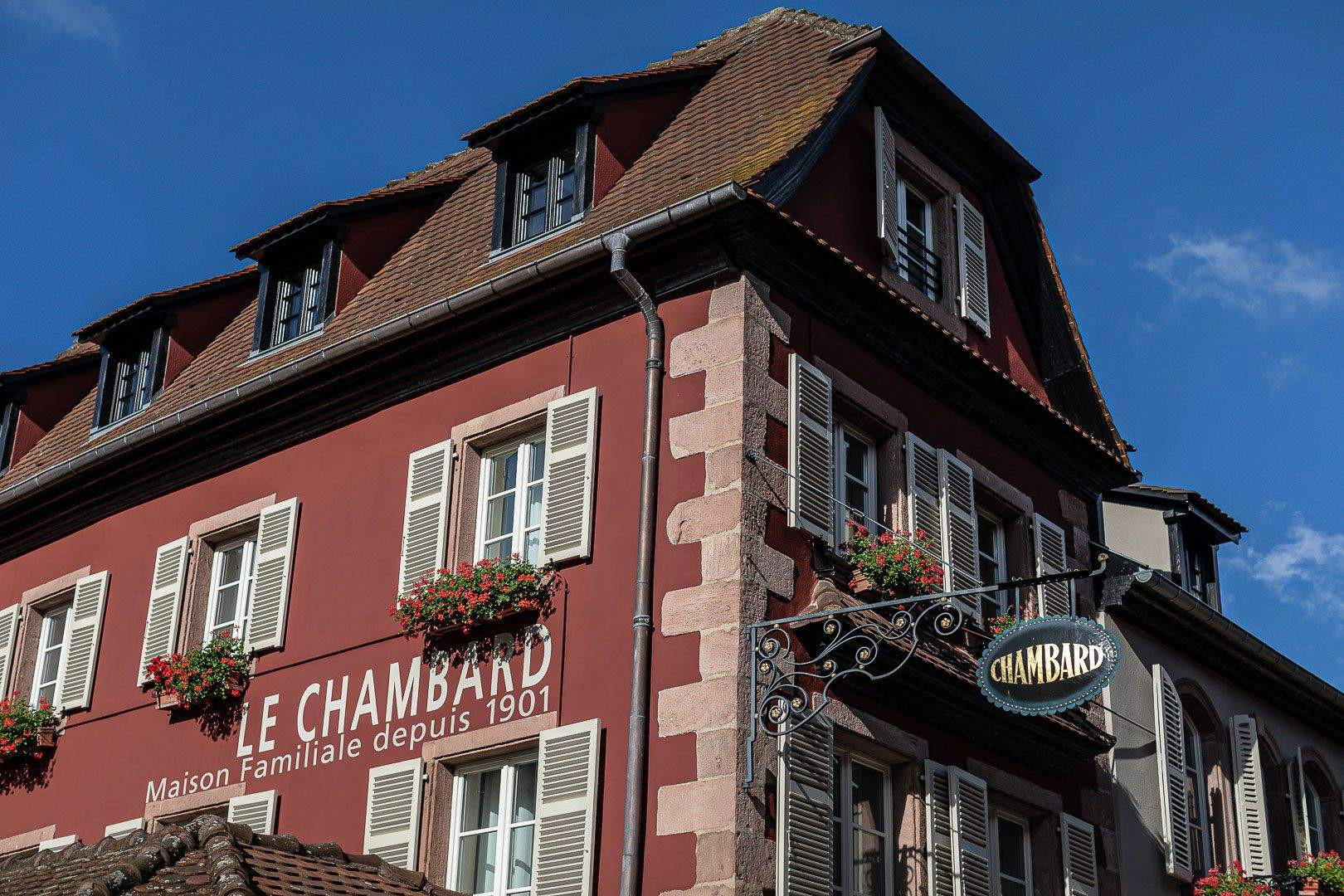
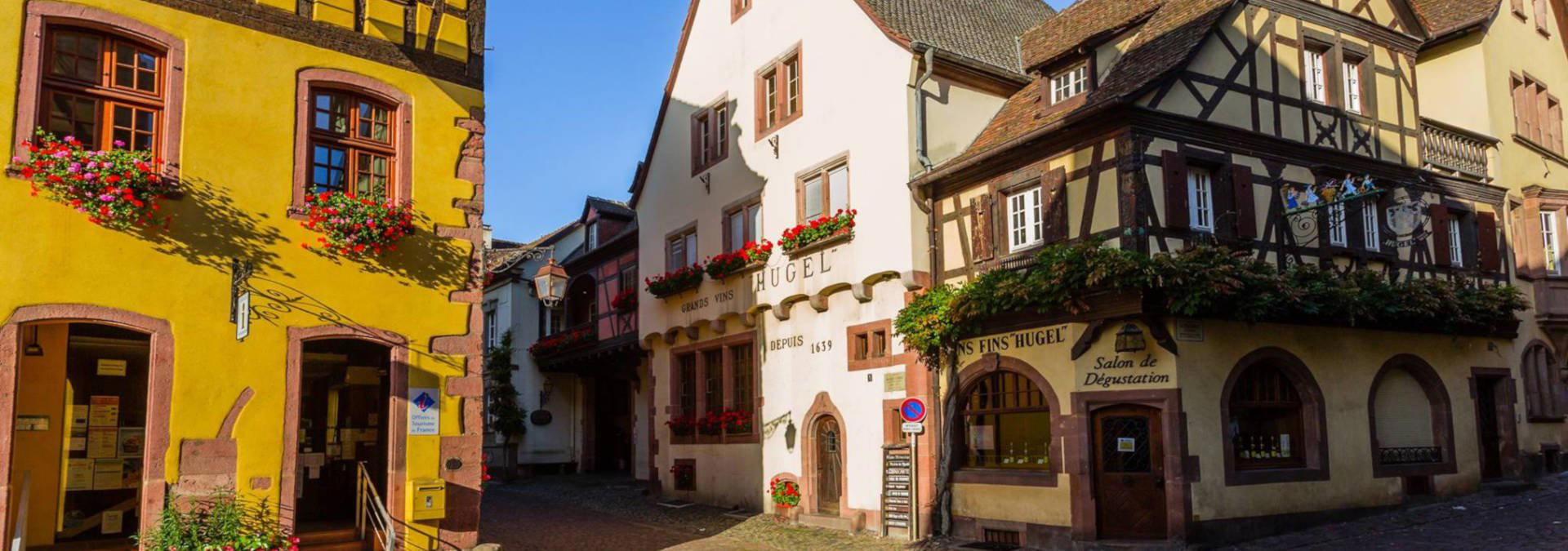
Approaching the Place du Marché in Dambach-la-Ville, the physical environment does most of the contextual work. The square is small enough that voices carry across it, and on market days the smell of local produce precedes any menu description. A la vignette's address at number 8 places it within this civic centre, which in Alsatian villages of this scale functions as the literal intersection of agricultural and social life. The half-timbered architecture typical of this stretch of the Route des Vins, deep timber frames, painted shutters, flower boxes that in warmer months overflow onto the cobblestones, creates a visual register that is distinctly regional rather than generically French.
This is relevant because it sets an expectation the kitchen either confirms or contradicts. In the better examples of Alsatian market-town dining, what arrives on the plate reflects what was available at the square that morning. The tradition runs counter to the highly engineered tasting menus of, say, Mirazur in Menton or Alléno Paris au Pavillon Ledoyen, where sourcing is curated and documented as part of the dining proposition. Here, the sourcing is assumed, embedded in the village's economic structure rather than performed as a premium signal.
Ingredient Sourcing and Alsatian Context
The Bas-Rhin department that surrounds Dambach-la-Ville is among the more agriculturally dense parts of eastern France. The Rhine plain to the east produces vegetables, cereals, and dairy; the Vosges foothills to the west bring wild mushrooms, game, and the soft-fruit crops that go into the eaux-de-vie Alsace is known for; and the intermediate zone, where Dambach sits, is almost entirely given over to viticulture. Frankstein grand cru wine, produced on the decomposed granite soils just above the village, means that serious local wine is not an import but a product of the immediate hillside.
For a restaurant on the market square, this density of local supply creates both opportunity and expectation. Alsatian cuisine at its most honest is a cuisine of preservation and transformation: the sauerkraut barrel, the baeckeoffe pot, the tarte flambée from the wood-fired oven. These are not dishes invented in restaurant kitchens but techniques that developed because the region produced specific things in surplus and needed to store them. A place like A la vignette, operating in this village in this square, sits within that tradition whether it chooses to foreground it or not. The comparison is instructive: at Bras in Laguiole or Auberge du Vieux Puits in Fontjoncouse, sourcing from the immediate territory is an explicit and documented creative commitment. In Dambach, the territory simply does not allow much distance between the two.
Alsace also sits at a culinary crossroads that has shaped its ingredient logic for centuries. The German influence brings pork, potato, and rye; the French influence brings cream, butter, and classical sauce technique; and the Jewish culinary heritage of the region, particularly strong in villages along the Route des Vins, contributes its own fermentation and preservation traditions. The result is a regional cuisine that is more layered than it first appears, and one that rewards a kitchen willing to treat local supply with genuine attention rather than nostalgic repetition. For further context on how Alsatian fine dining expresses itself at the highest register, Auberge de l'Ill in Illhaeusern, the region's most decorated table, provides the clearest reference point.
Planning Your Visit
Dambach-la-Ville is most accessible from Sélestat, which sits on the main rail line between Strasbourg and Colmar. The village is roughly 8 kilometres from Sélestat and can be reached by local bus or taxi; driving from Strasbourg takes approximately 45 minutes on the A35 motorway. The Route des Vins is at its most active between late spring and the October vendanges, when the villages along the route see their highest visitor traffic and many producers open their cellars. Visiting outside peak summer weekends generally means a quieter market square and more direct access to both the village and its restaurants.
The restaurant is recommended for reservations, and its price tier is moderate, at about $40 per person.
Fast Comparison
Comparable venues nearby, for context on price, style, and recognition.
| Venue | Cuisine | Price | Notes |
|---|---|---|---|
| A la vignetteThis venue — the venue you are viewing | Traditional Alsatian French | $$ | Not listed |
| La Cocotte de Grand-Mère | Homemade French Bistro | $$ | Place de l'École |
| Wistub de la Petite Venise | Traditional Alsatian | $$ | Petite Venise |
| Zuem Strissel | Traditional Alsatian Winstub | $$ | Centre |
| La Table de Christophe | French Bistronomique | $$ | Centre |
| L'Auberge | Traditional Alsatian Brasserie | $$ | Place de la Gare |
Continue exploring
More in Dambach La Ville
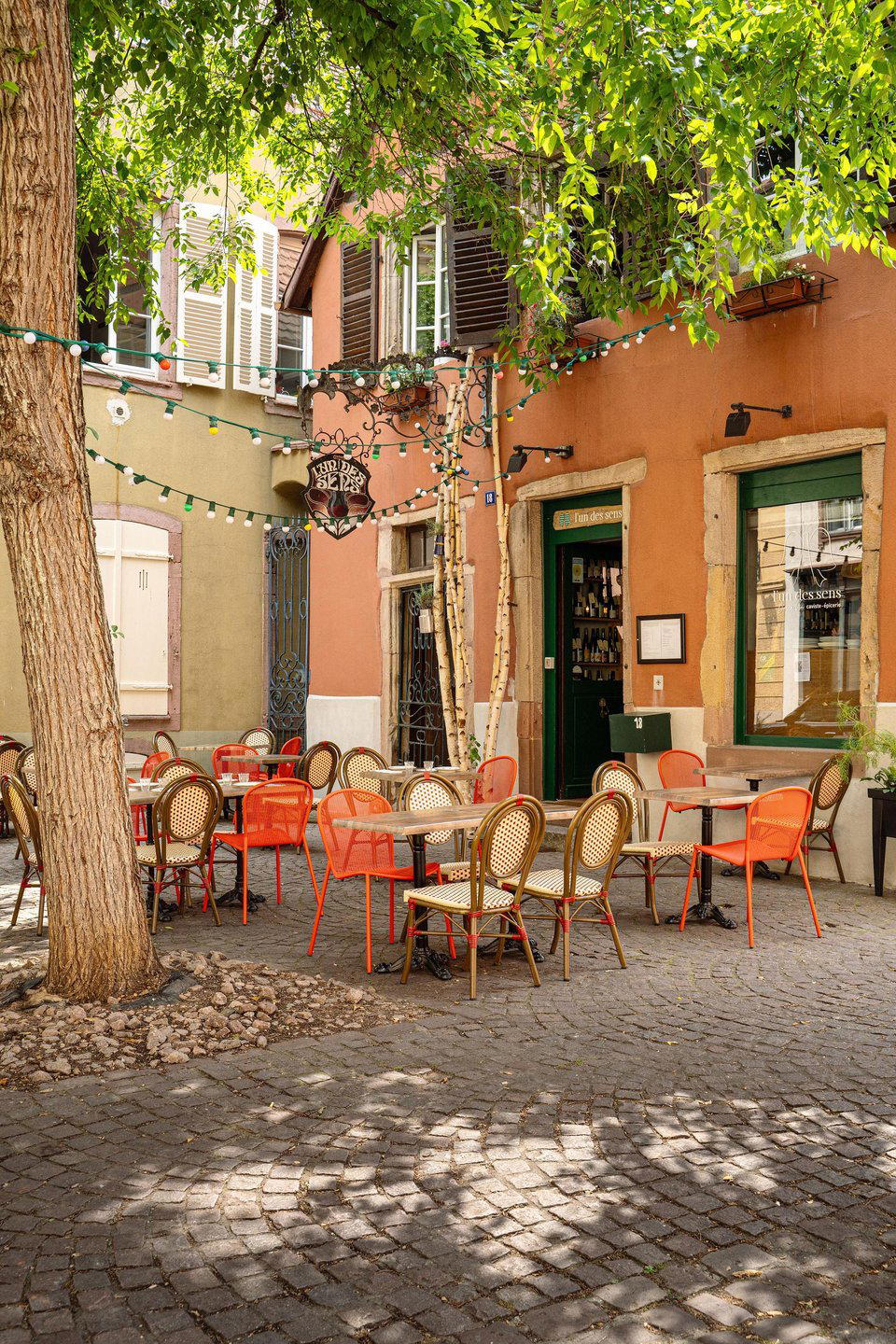
Restaurants in Dambach La Ville
Browse all →
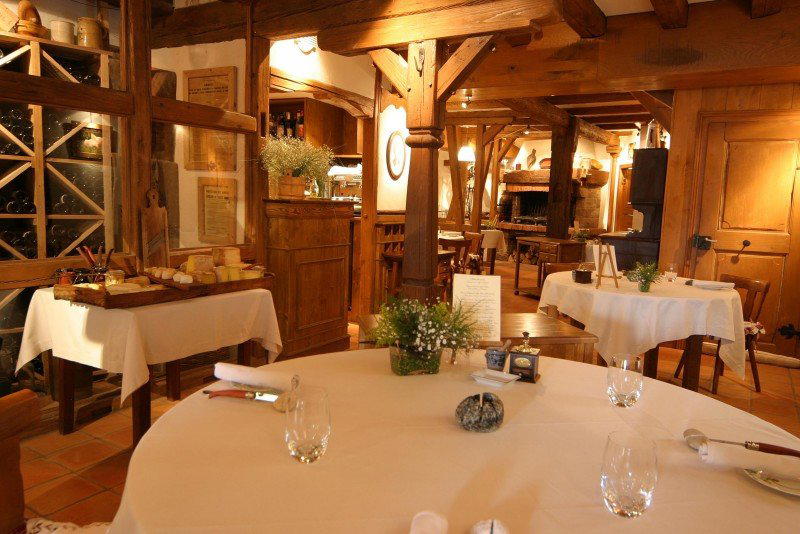

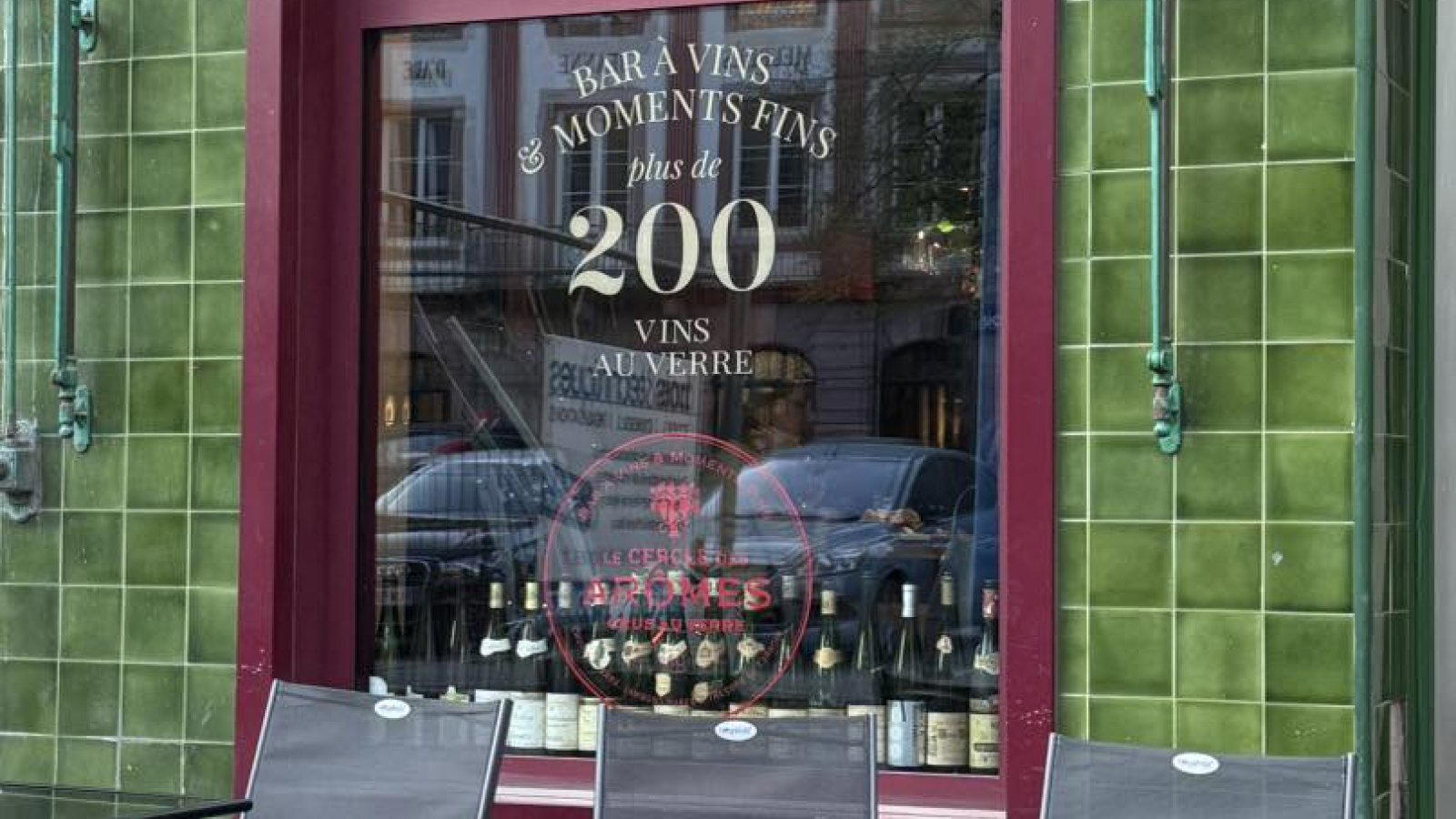
Bars in Dambach La Ville
Browse all →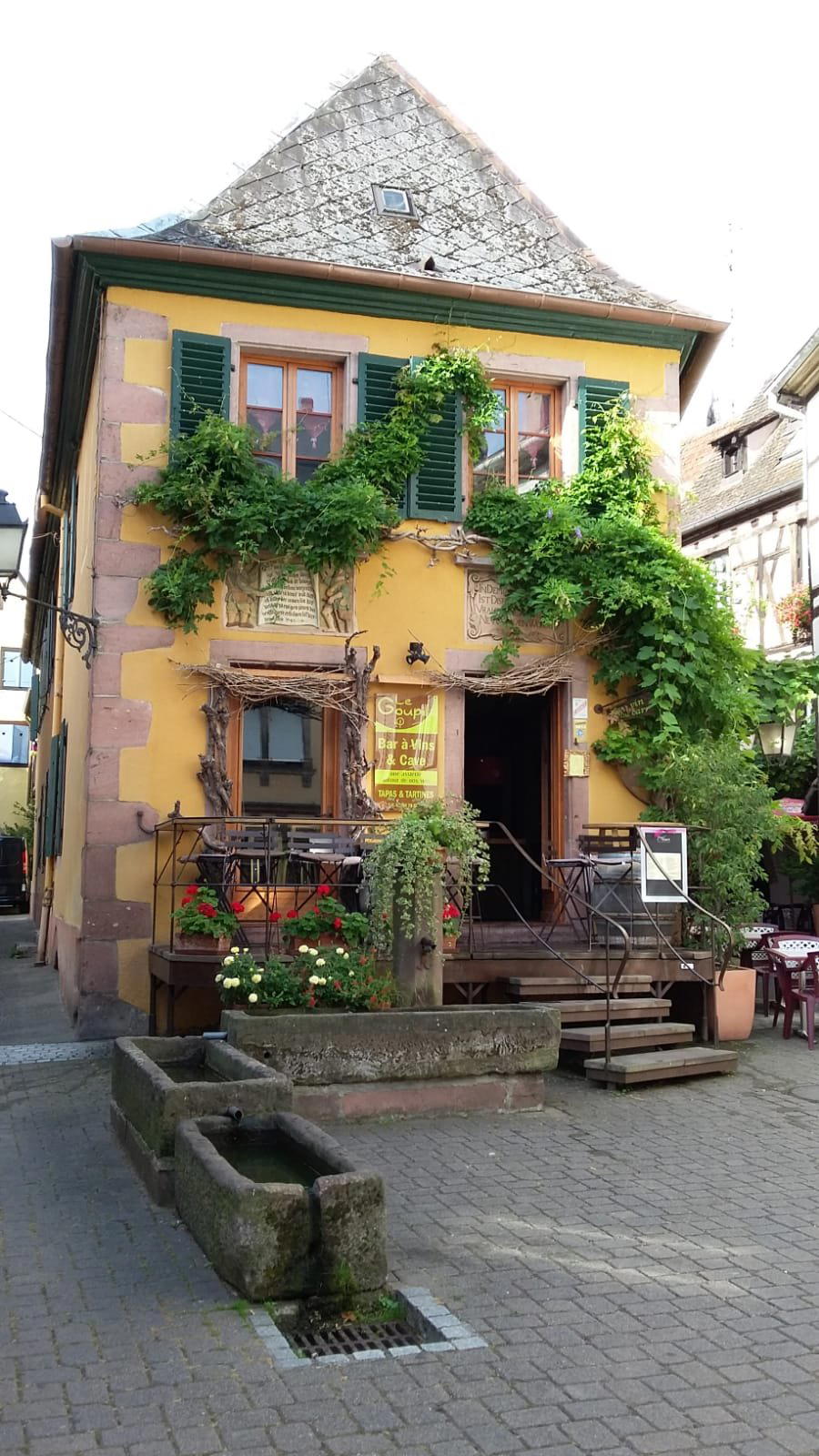
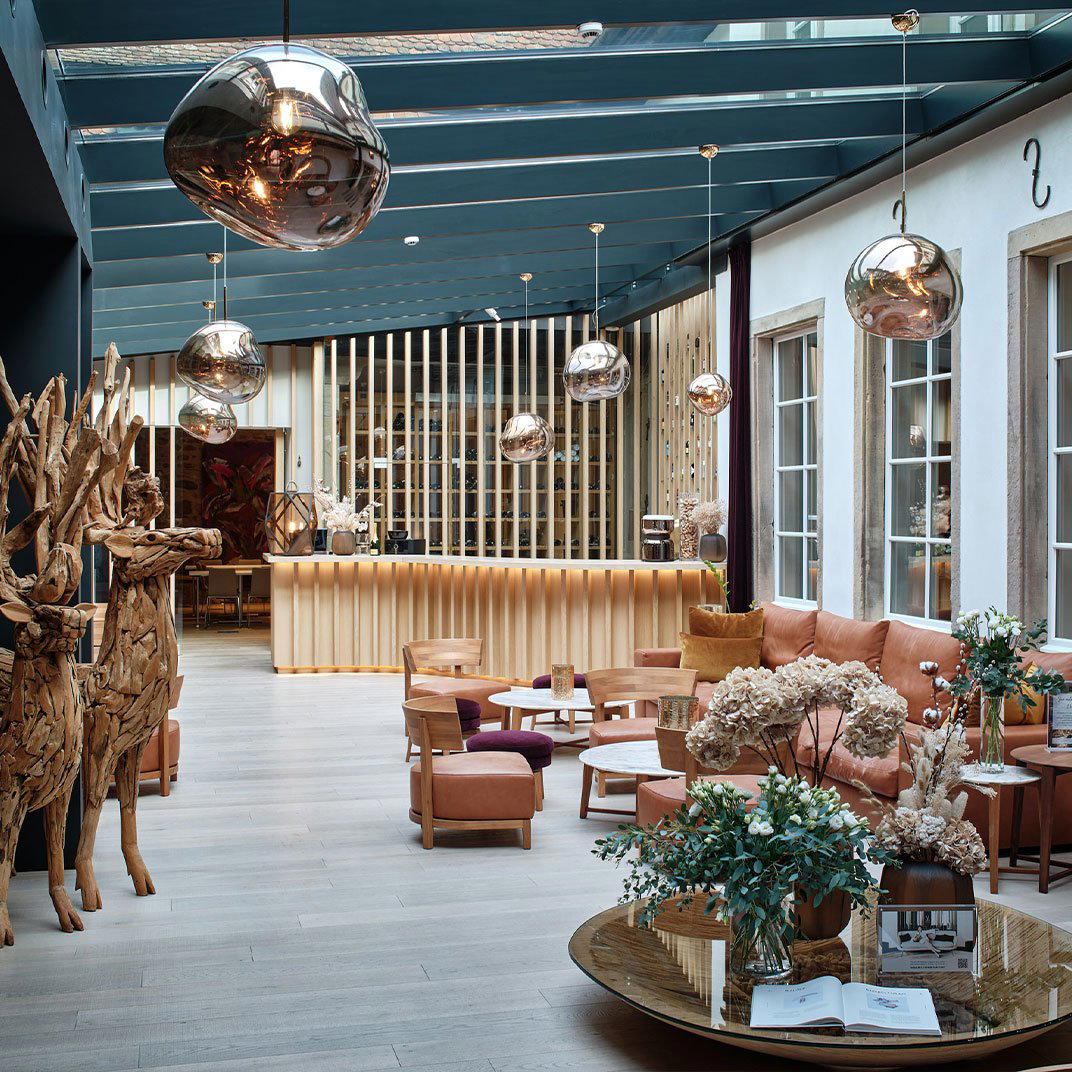
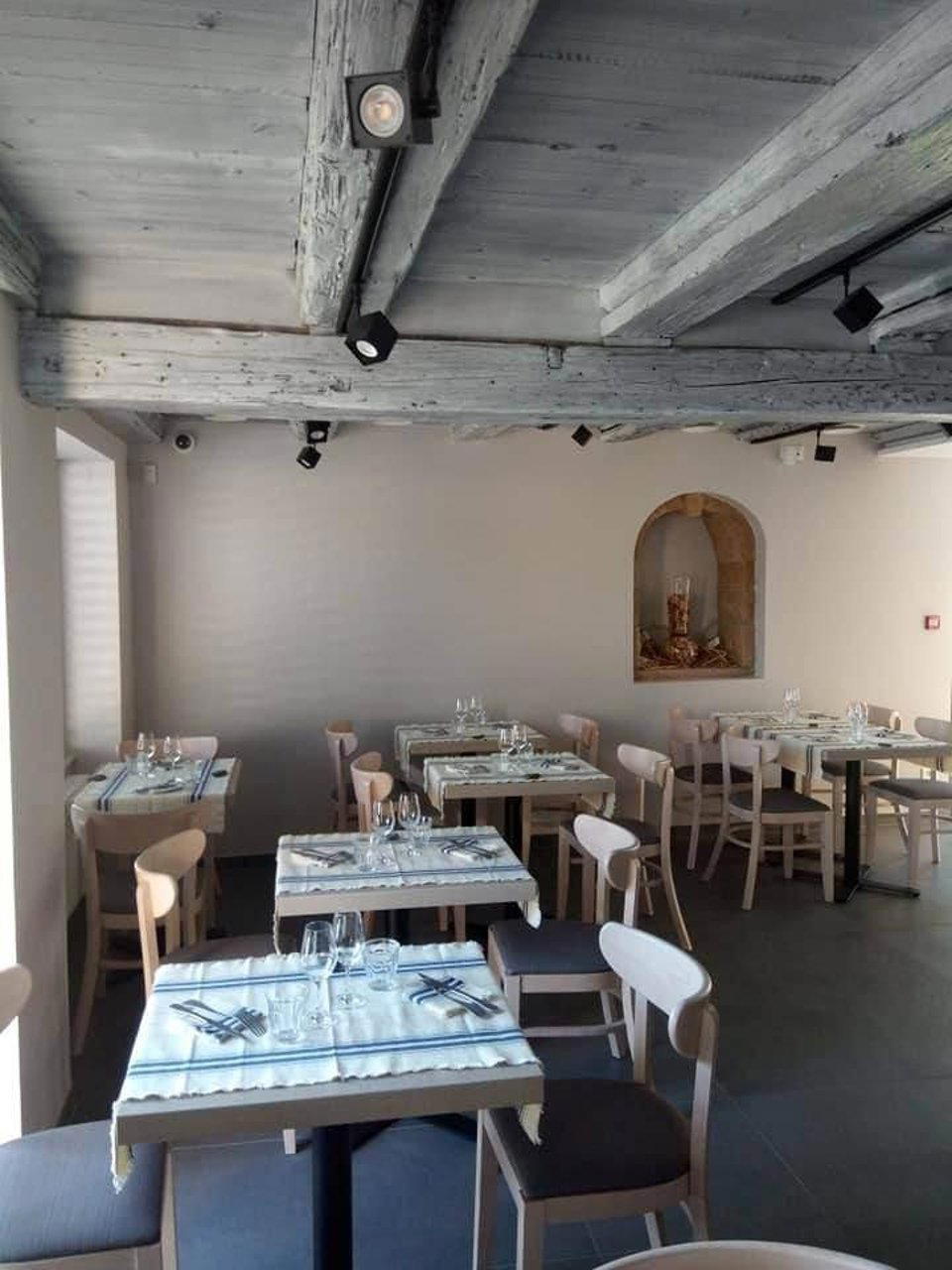
Hotels in Dambach La Ville
Browse all →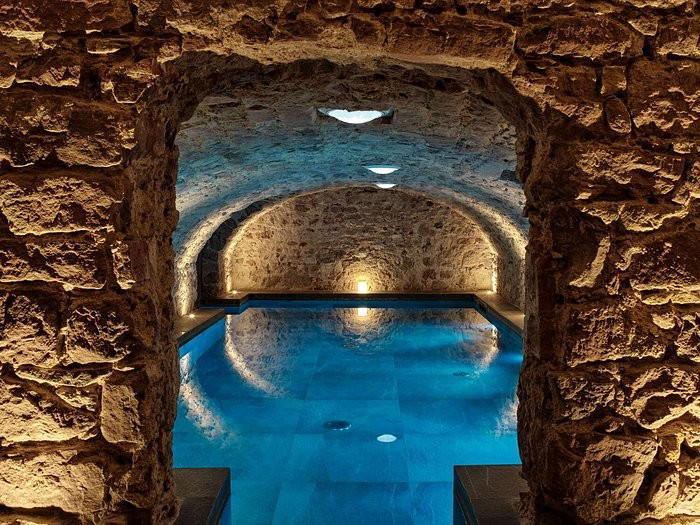
At a Glance
- Cozy
- Rustic
- Family
- Casual Hangout
- Terrace
- Extensive Wine List
- Local Sourcing
- Street Scene
Current opening hours
- Monday
- Closed
- Tuesday
- 12–2 PM, 7–8 PM
- Wednesday
- 12–2 PM, 7–8 PM
- Thursday
- Closed
- Friday
- 12–2 PM, 7–8 PM
- Saturday
- 12–2 PM, 7–8 PM
- Sunday
- 12–2 PM
Hours can change for holidays and private events. Last verified .
Warm and pleasant with a cozy terrace next to the town hall.