D'Brendelstub sits on Riquewihr's main thoroughfare, where Alsatian winstub tradition runs deep and the sourcing logic behind each plate reflects the agricultural richness of the Rhine plain and Vosges foothills. The address places it squarely within a village dining scene that ranges from traditional to creative, making it a reference point for understanding what rooted Alsatian cooking looks like in one of the region's most visited wine villages.
Pearl is the En Primeur Club membership app — saves, bookings, and concierge access live there. Same editors, same standards.
- Address
- 48 Rue du Général de Gaulle, 68340 Riquewihr, France
- Phone
- +33389865454
- Website
- jlbrendel.com
- Directions
- Get directions
 Saves & bookings on Pearl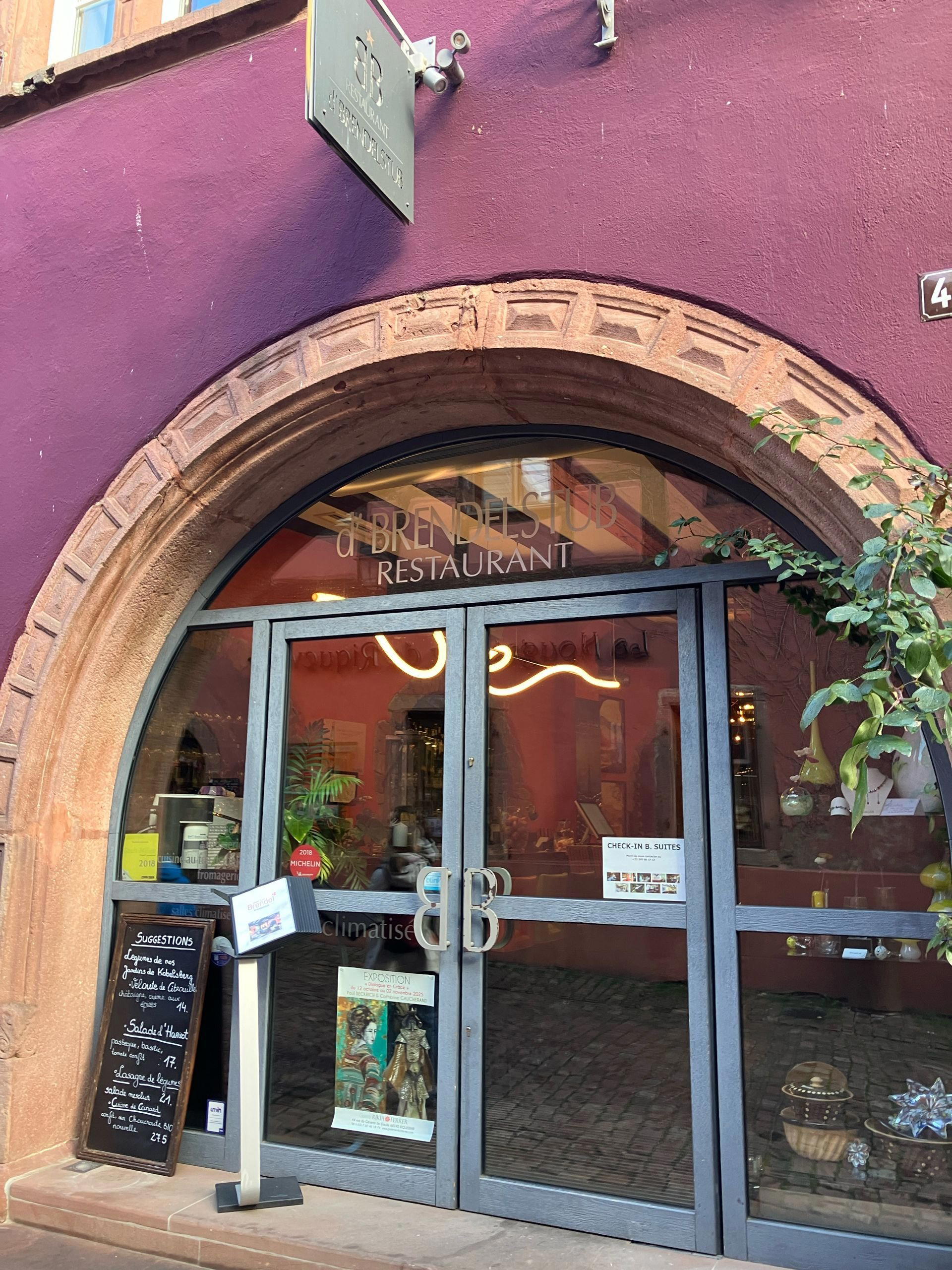
Where Winstub Tradition and Alsatian Terroir Converge
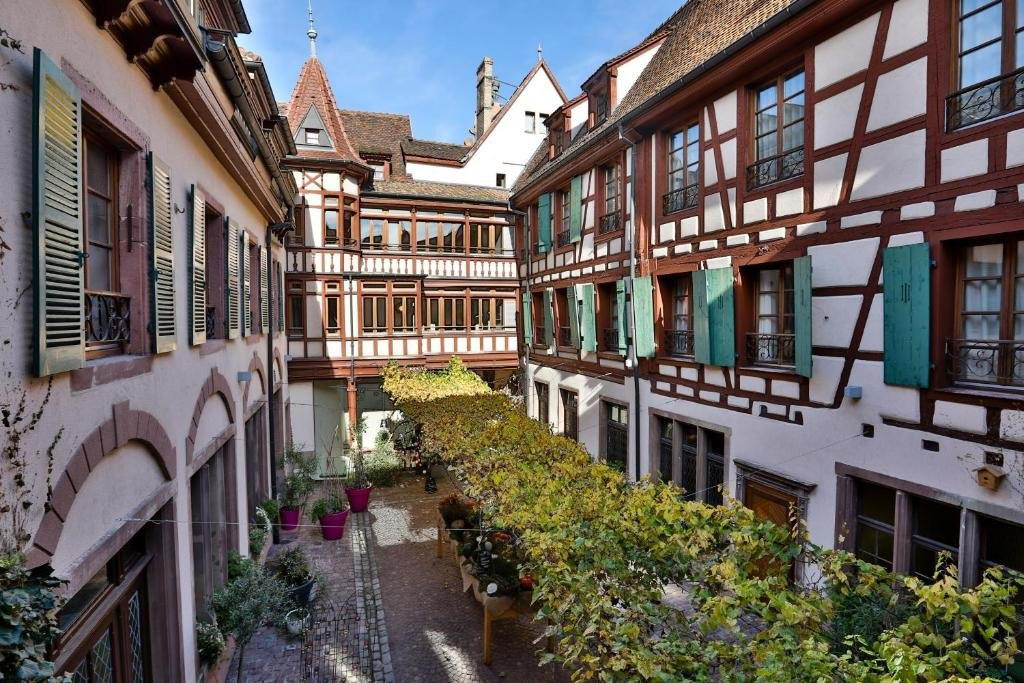
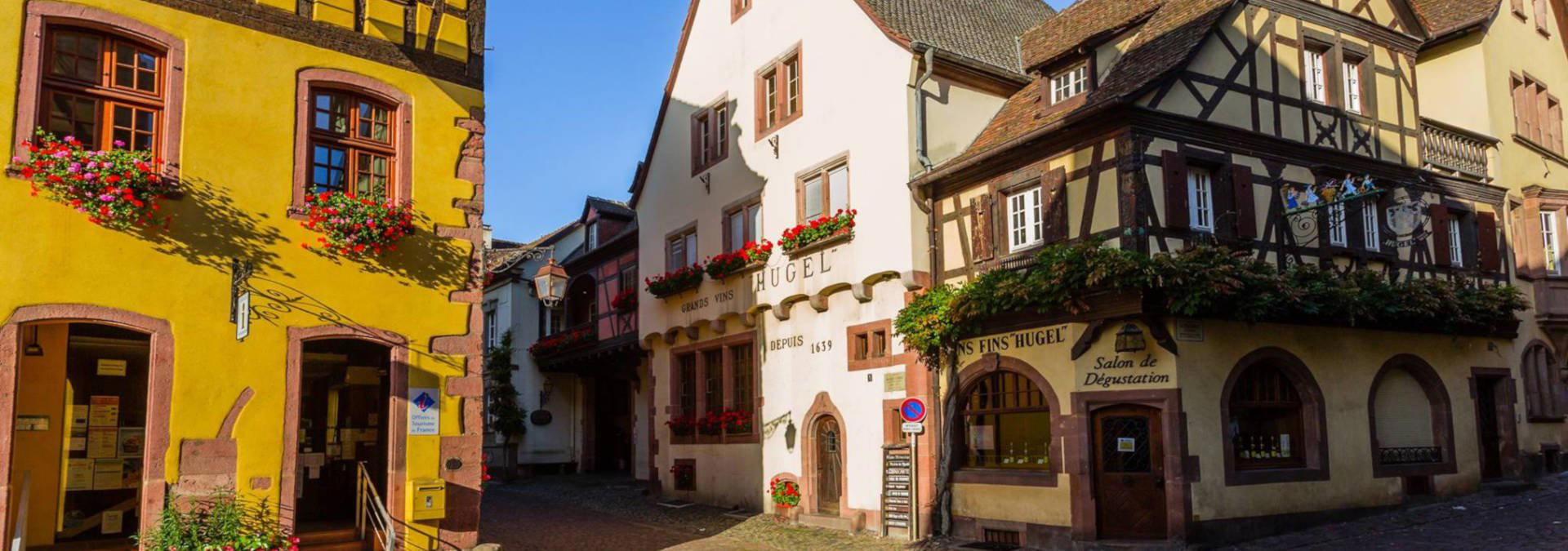
Riquewihr's Rue du Général de Gaulle functions as a living index of Alsatian hospitality. The half-timbered facades, the smell of wood smoke in cooler months, the clatter of ceramic from kitchens behind shuttered windows, these are not theatrical additions but the accumulated texture of a wine village that has been feeding travellers and vignerons alike for centuries. D'Brendelstub occupies a specific position within this scene: the winstub, a format that predates the modern restaurant concept in Alsace and remains one locally rooted way to eat in the region.
The winstub tradition is worth understanding on its own terms before considering any single address within it. Originally functioning as the wine-serving rooms attached to a vigneron's home, winstubs evolved into small, convivial dining rooms where the food was never the point in isolation, it existed to frame the wine, to anchor the evening, to give locals a reason to linger. The cuisine that emerged from this context is agricultural by instinct: choucroute built from fermented Alsatian cabbage, tarte flambée using the thin, blistered dough that bakers tested at the edge of a wood-fired oven, baeckeoffe assembled from whatever the household had preserved. These are dishes whose ingredients were always local not as a philosophy but as a practical necessity.
The Sourcing Logic Behind Alsatian Cooking
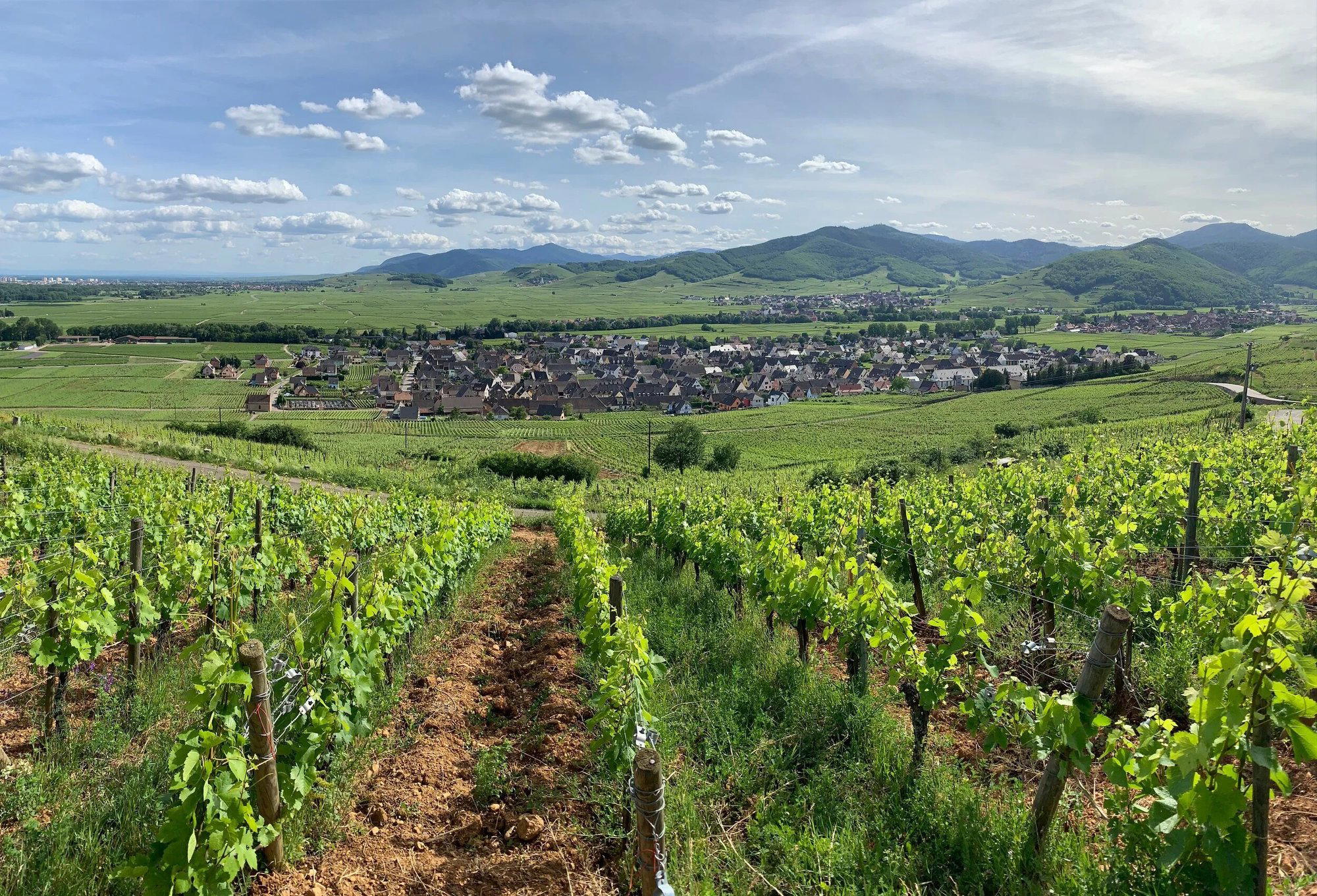
What gives Alsatian winstub cooking its coherence is the agricultural infrastructure that surrounds villages like Riquewihr. The Rhine plain to the east delivers some of France's most productive market garden land, supplying the root vegetables, cabbages, and pork that form the backbone of regional cooking. The Vosges foothills to the west provide wild mushrooms, game, and the microclimate that allows the grand cru vineyards, Schoenenbourg sits immediately above the village, to produce the Riesling and Gewurztraminer that have defined Alsatian winemaking for generations.
This geographic specificity matters because it determines what a kitchen in Riquewihr can do with genuine credibility. Sourcing from within this corridor is not a marketing decision, it is the path of least resistance for any cook who understands the region. The fermented products, the cured meats, the dairy from foothills farms: these are the raw materials that have shaped the flavour vocabulary of Alsatian cooking. A winstub that draws from this supply chain honestly is not making a statement about local provenance; it is simply cooking the way this corner of France has always cooked.
Within Riquewihr's dining scene, this sourcing logic plays out across different registers. La Grappe d'Or operates at the more accessible end of the traditional spectrum, while La Table du Gourmet and AOR La Table, le Goût et Nous apply creative technique to regional ingredients at higher price points. D'Brendelstub occupies the winstub tier, closer in spirit to La Grappe d'Or than to the creative end of the village's dining range, where the emphasis falls on recognisable Alsatian formats rather than reinterpretation. For the full picture of where each address sits, the EP Club Riquewihr restaurants guide maps the scene comprehensively.
The Village as Context for the Meal
Riquewihr's draw is not incidental to the dining experience, the village itself functions as a kind of appetite-builder. The medieval perimeter walls, the Schoenenbourg vineyard climbing the slope above the rooftops, the procession of wine cellars along the main street: arriving here on foot from a morning walk through the vines creates the conditions under which a plate of choucroute garnie or a baeckeoffe terrine makes complete sense. The food is not decontextualised from its geography in the way that even the leading Alsatian cooking in Strasbourg can sometimes feel.
This contextual coherence is something that larger, more celebrated French addresses cannot always replicate. Kitchens such as Mirazur in Menton, Flocons de Sel in Megève, and Bras in Laguiole have built their reputations partly on the tight relationship between their terroir and their plates. The winstub tradition in Alsace operates on the same principle, at a less rarefied price point and without the formal dining architecture. The meal at D'Brendelstub is not competing with tables like Alléno Paris au Pavillon Ledoyen or Troisgros in Ouches, it belongs to a completely different register of French eating, one whose value lies in density of tradition rather than technical ambition.
How to Place D'Brendelstub in Your Alsace Itinerary
The winstub format rewards a particular kind of visit. These are not addresses designed for a quick lunch between wine tastings; they are built for the long midday meal or the unhurried evening that allows the local wine list to do what it was always intended to do. Riquewihr sits on the Route des Vins d'Alsace, accessible from Colmar in under fifteen minutes by car and reachable from Strasbourg in roughly an hour. The village is heavily visited during peak season, late spring through harvest in October, and the more rooted dining addresses fill accordingly. Arriving outside peak tourist flow, whether on a weekday in the shoulder months or during the quieter winter period when the Christmas market draws a different crowd, gives the winstub experience more of its original character.
For context on the wider register of French regional cooking, addresses such as Auberge de l'Ill in Illhaeusern, Alsace's most decorated table, or Paul Bocuse in Collonges-au-Mont-d'Or represent the haute cuisine end of French regional tradition. Internationally, the sourcing-rooted approach at Lazy Bear in San Francisco or the seafood focus at Le Bernardin in New York City share a philosophical commitment to ingredient integrity, even if the format and ambition differ entirely. Within France, Les Prés d'Eugénie in Eugénie-les-Bains, Georges Blanc in Vonnas, and Auberge du Vieux Puits in Fontjoncouse each demonstrate how deeply regional identity can anchor a kitchen's output over decades. The restaurant operates at a different scale, but the underlying logic is the same: the food makes most sense when you understand the land it comes from. Similarly, La Table du Castellet and Le 1947 à Cheval Blanc in Courchevel show how French regional particularity scales across different price and formality tiers.
At-a-Glance Comparison
Comparable venues nearby, for context on price, style, and recognition.
| Venue | Cuisine | Price | Awards | Notes |
|---|---|---|---|---|
| D'BrendelstubThis venue — the venue you are viewing | Modern Alsatian Winstub | $$ | Not listed | Not listed |
| La Grappe d'Or | Alsatian French Winstub | $$ | Michelin Plate | Riquewihr |
| AOR La Table, le Goût et Nous | Modern French Tasting Menu | $$$$ | Michelin Plate | Riquewihr |
| La Table du Gourmet | Modern French Fine Dining | $$$$ | Michelin 1 Star | Riquewihr |
| Le Tire-Bouchon | Traditional Alsatian Winstub | $$ | Not listed | Centre |
| L’aventure | French Mountain Grill | $$ | Not listed | Oz en Oisans |
Continue exploring
More in Riquewihr
Restaurants in Riquewihr
Browse all →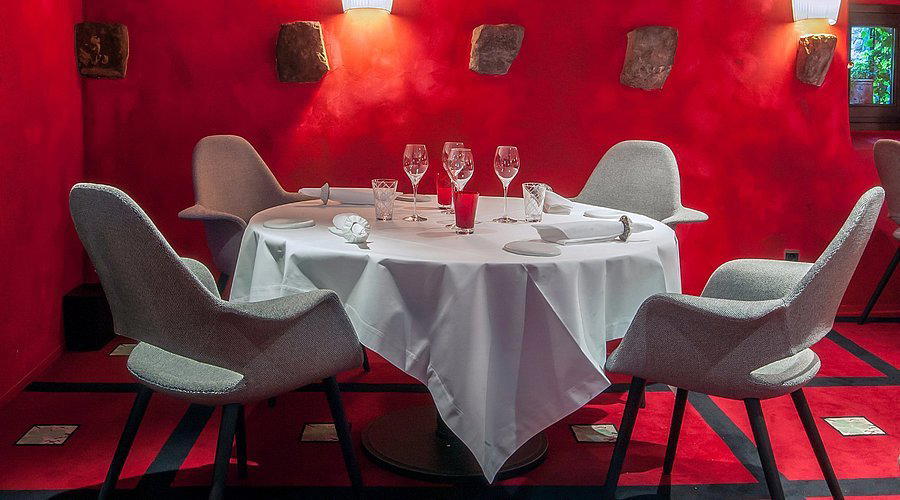
Bars in Riquewihr
Browse all →
Hotels in Riquewihr
Browse all →
At a Glance
- Cozy
- Rustic
- Classic
- Intimate
- Date Night
- Casual Hangout
- Family
- Open Kitchen
- Historic Building
- Extensive Wine List
- Local Sourcing
Current opening hours
- Monday
- 12–2 PM, 7–9:30 PM
- Tuesday
- Closed
- Wednesday
- Closed
- Thursday
- 12–2 PM, 7–9:30 PM
- Friday
- 12–2 PM, 7–9:30 PM
- Saturday
- 12–2 PM, 7–9:30 PM
- Sunday
- 12–2 PM, 7–9:30 PM
Hours can change for holidays and private events. Last verified .
Warm and convivial atmosphere with discreet changing lighting, rotisserie flames, and aromas from the open kitchen.