Caveau Heuhaus sits on Rue Mgr Stumpf in Eguisheim, one of Alsace's most preserved medieval villages and a reference point for the region's winstub dining tradition. The address places it squarely within a village where local wine culture and traditional Alsatian cooking have coexisted for centuries, making it a natural stop for visitors tracing the Route des Vins d'Alsace.
Pearl is the En Primeur Club membership app — saves, bookings, and concierge access live there. Same editors, same standards.
- Address
- 7 Rue Mgr Stumpf, 68420 Eguisheim, France
- Phone
- +33977430995
- Website
- facebook.com
- Directions
- Get directions
 Saves & bookings on Pearl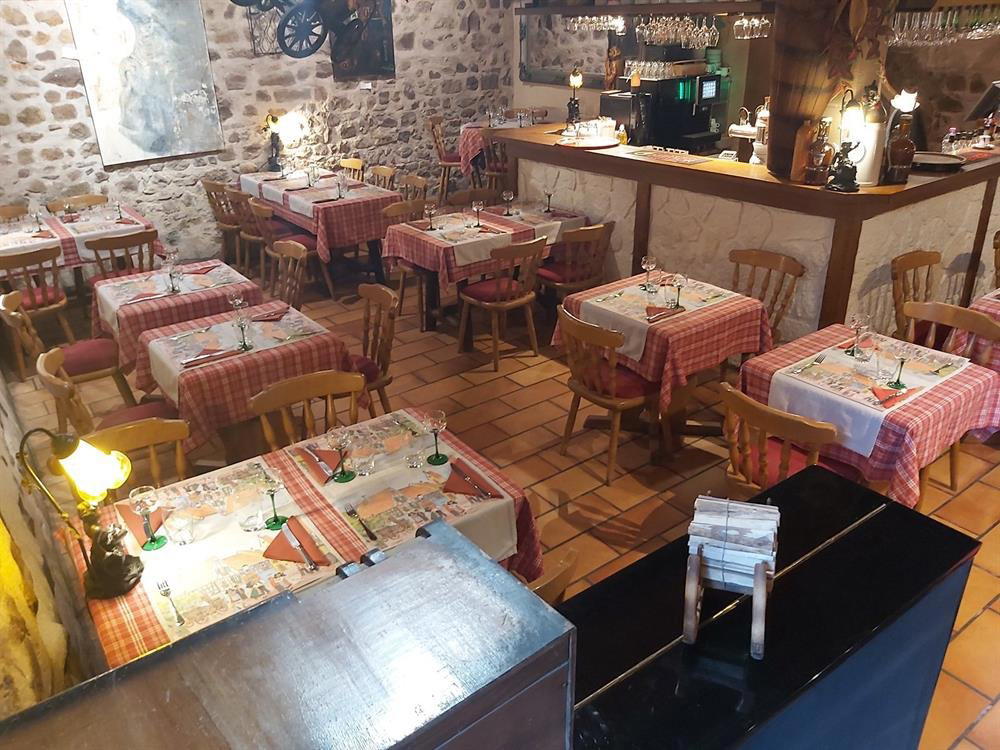
Where the Winstub Tradition Takes Its Purest Form
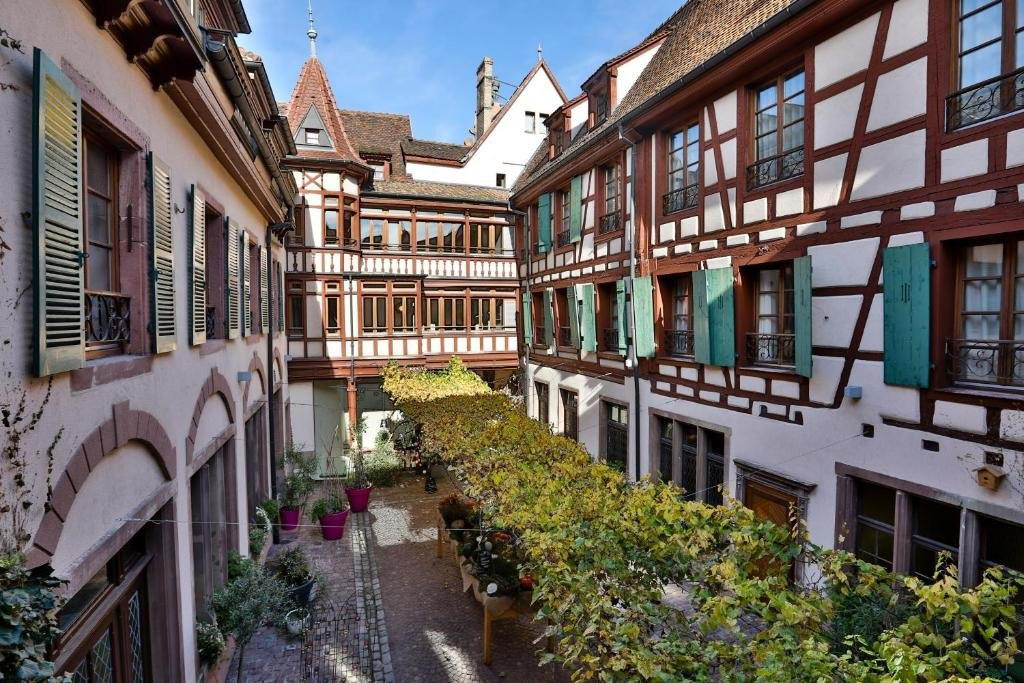
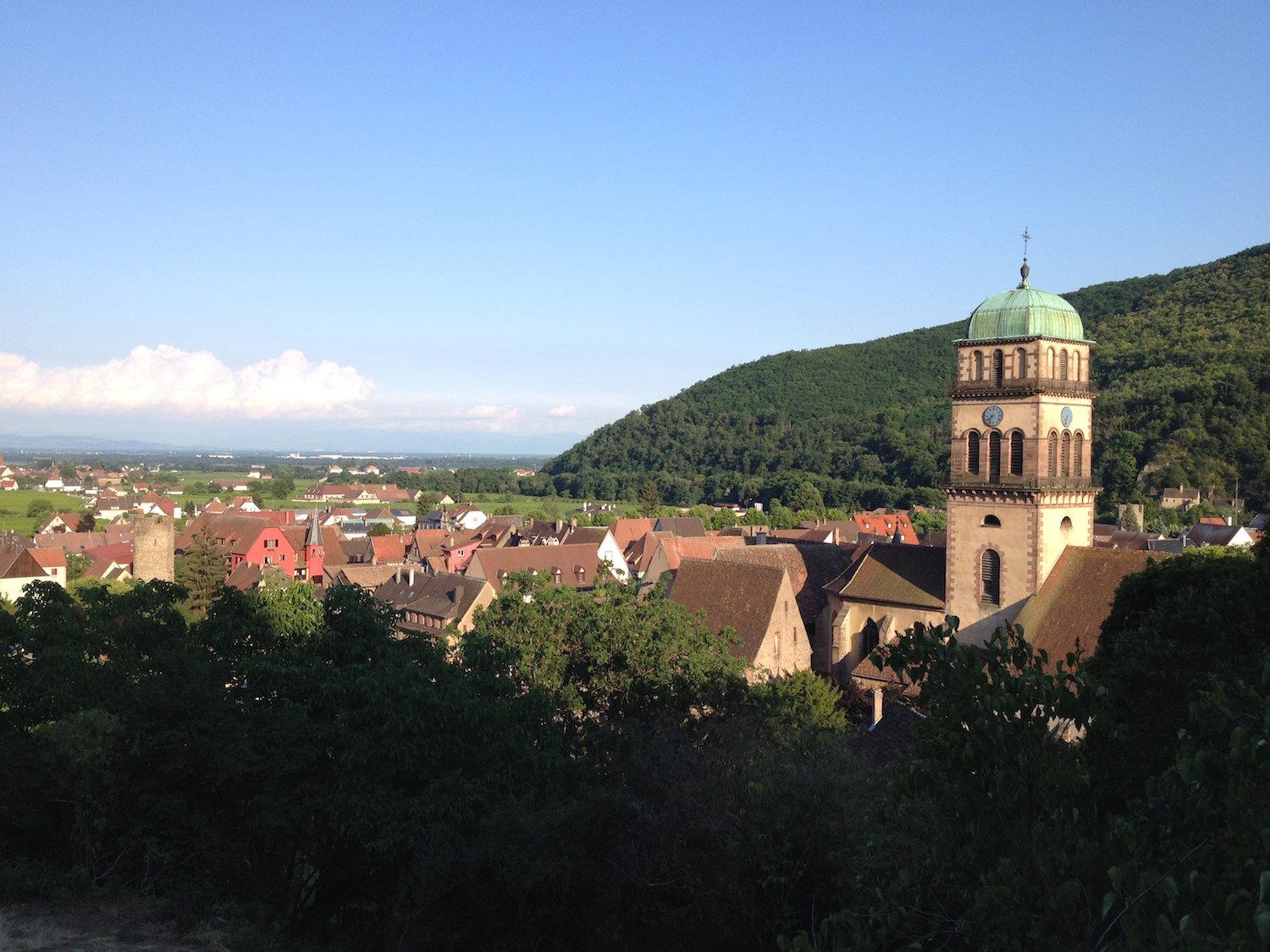
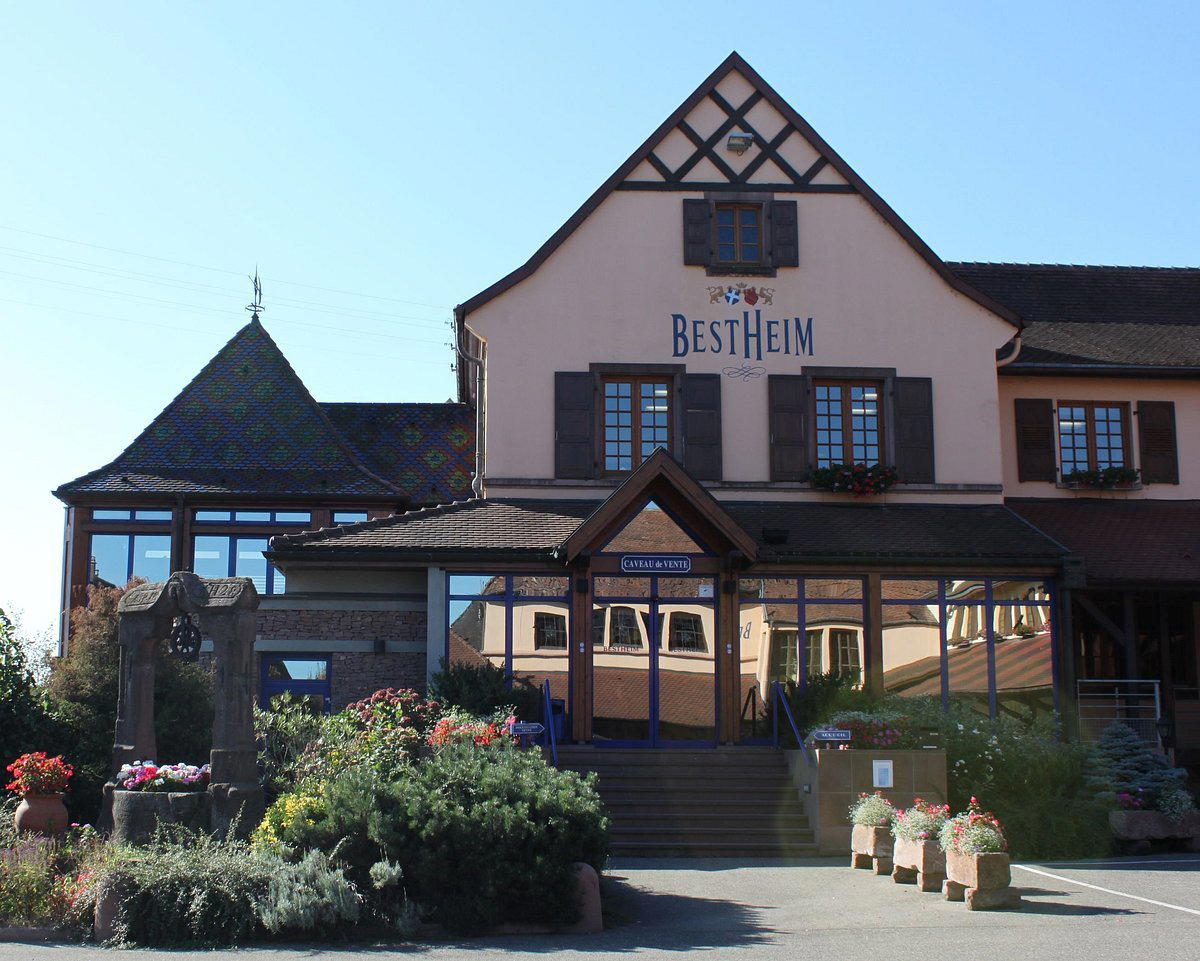
Eguisheim does not announce itself gradually. The village arrives all at once: concentric medieval lanes, half-timbered facades in terracotta and ochre, and wine cellars that have operated under some form of continuous use since the Holy Roman Empire claimed this corridor of the Vosges foothills. It is among the more coherent architectural ensembles in Alsace, and that coherence extends to the dining room. The winstub format that defines Eguisheim's restaurant scene is not a nostalgic recreation; it is a functional tradition that predates most of what contemporary dining culture considers innovation. Caveau Heuhaus, a Traditional Alsatian Winstub in Eguisheim at 7 Rue Mgr Stumpf, occupies that tradition directly.
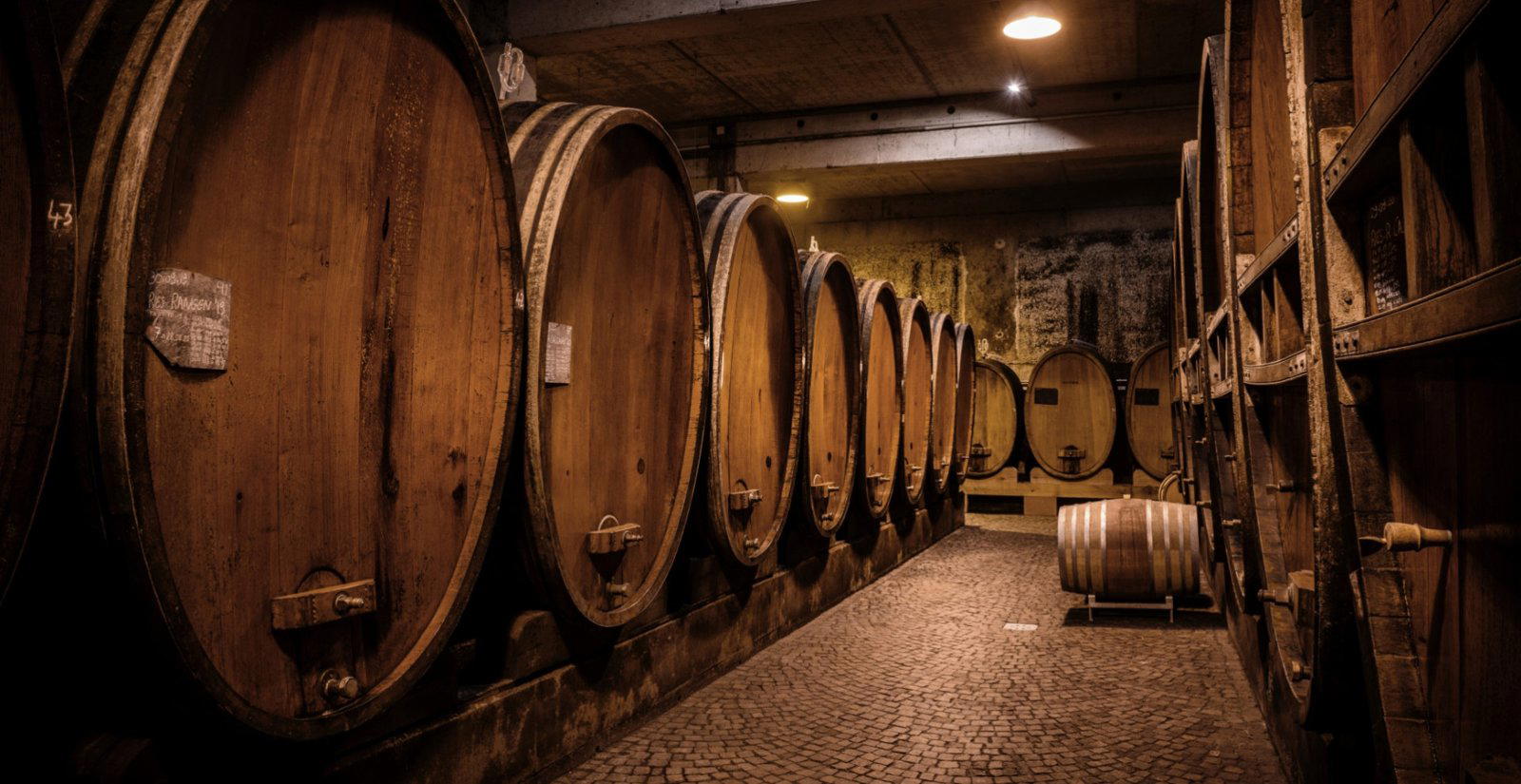
The winstub as a category sits between a wine tavern and a regional dining room. It emerged in Alsace as a space where wine growers received customers for tastings alongside food, and the format never fully separated those two functions. In Eguisheim, where viticulture and village life remain tightly linked, that fusion is still the operating logic. Eating here means eating in proximity to the wine, not as a marketing concept, but as a structural fact of how these rooms were built and why they exist. For readers accustomed to restaurants in Paris or New York where cuisine and beverage programs are consciously curated and separated, the winstub dissolves that division entirely.
Alsatian Cooking and What It Actually Means on the Plate
Alsatian cuisine sits at a culinary crossroads that no other French region replicates at the same density. German influence runs deep in the charcuterie, the dumpling formats, the braised and slow-cooked preparations. French technique layers over that base with sauced dishes and composed presentations. The result is a regional table that is simultaneously heavier and more particular than most of what flies under the banner of French provincial cooking. Choucroute garnie, baeckeoffe, flammekueche, and tarte à l'oignon are not approximations of other traditions; they are Alsatian originals with documented histories stretching back several centuries.
This matters for understanding what a caveau in Eguisheim represents against the broader French dining spectrum. The haute cuisine tradition running from Paul Bocuse in Collonges-au-Mont-d'Or through Troisgros in Ouches and Bras in Laguiole operates on fundamentally different terms from the winstub tradition. Neither is subordinate to the other; they are distinct responses to different culinary philosophies. The winstub does not aspire to the tasting-menu format of Flocons de Sel in Megève or the gastronomic ambition of Mirazur in Menton. Its authority comes from fidelity to a specific place and a specific set of preparations rather than from technical escalation.
Even within Alsace, the winstub tradition has institutional weight. Auberge de l'Ill in Illhaeusern represents the Michelin-starred apex of Alsatian fine dining, a counterpoint that clarifies how much of the region's identity is carried not by its starred tables but by the village-level caveaux and winstubs that tourists and locals alike treat as the actual baseline of Alsatian hospitality.
Eguisheim's Position on the Route des Vins
The village sits at the southern end of the Route des Vins d'Alsace, roughly equidistant from Colmar to the north and the approach roads from the A35 autoroute. That geography concentrates a specific kind of visitor: wine-focused travellers moving through the grand cru vineyards of the Vosges foothills, often stopping across multiple villages in a single day. Eguisheim holds three grand cru appellations within its communal boundaries, Eichberg, Pfersigberg, and Ollwiller, which gives local caveaux a direct claim on wines of genuine appellation weight rather than regional blends.
For dining context, Eguisheim's restaurant scene clusters around a small number of established addresses. Au Vieux Porche operates in the traditional cuisine tier at a €€ price point, while Le Pavillon Gourmand offers modern cuisine at a comparable price level. Caveau d'Eguisheim rounds out the village's main dining options. Caveau Heuhaus fits within this concentrated comparable set, where the competition is not volume but coherence and where staying true to the winstub format is itself a positioning decision.
The comparison to mid-scale French regional dining elsewhere is instructive. Georges Blanc in Vonnas, Les Prés d'Eugénie in Eugénie-les-Bains, and Auberge du Vieux Puits in Fontjoncouse each anchor a particular regional tradition at a high formal register. Eguisheim's caveaux operate at a lower formal register but with the same geographic specificity. The food is tied to a place rather than to a chef's evolving vision, which is a structural difference with real implications for consistency and expectation management. Contrast that with the chef-driven format of La Table du Castellet or the experiential dining model at Lazy Bear in San Francisco, and the Alsatian caveau reads as its own distinct category entirely.
Planning a Visit to Caveau Heuhaus
Eguisheim is a compact village best reached by car from Colmar, approximately seven kilometres to the north, or as part of a Route des Vins itinerary moving south from Ribeauvillé or Riquewihr. Visiting outside that window, particularly in early spring or after the harvest in November, means a quieter village and often a more attentive dining experience at any of the local caveaux. Reservation details and current hours for the restaurant are best confirmed directly. The village's walkable scale means that the restaurant is easy to locate on foot from any of the main entry points.
Price Lens
Comparable venues nearby, for context on price, style, and recognition.
| Venue | Cuisine | Price | Awards | Notes |
|---|---|---|---|---|
| Caveau HeuhausThis venue — the venue you are viewing | Eguisheim, Traditional Alsatian Winstub | $$ | Not listed | Not listed |
| Caveau d'Eguisheim | Not listed | $$$ | Not listed | Eguisheim, Traditional Alsatian Brasserie |
| Le Pavillon Gourmand | Eguisheim, Traditional Alsatian French | $$$ | Michelin Plate | Not listed |
| Au Vieux Porche | Eguisheim, Traditional Alsatian French | $$ | Michelin Plate | Not listed |
| D'Brendelstub | Riquewihr, Modern Alsatian Winstub | $$ | Not listed | Not listed |
| Au Caveau Belfort | Not listed | $$ | Not listed | Grande Rue, Belfort, Traditional Alsatian Brasserie |
Continue exploring
More in Eguisheim
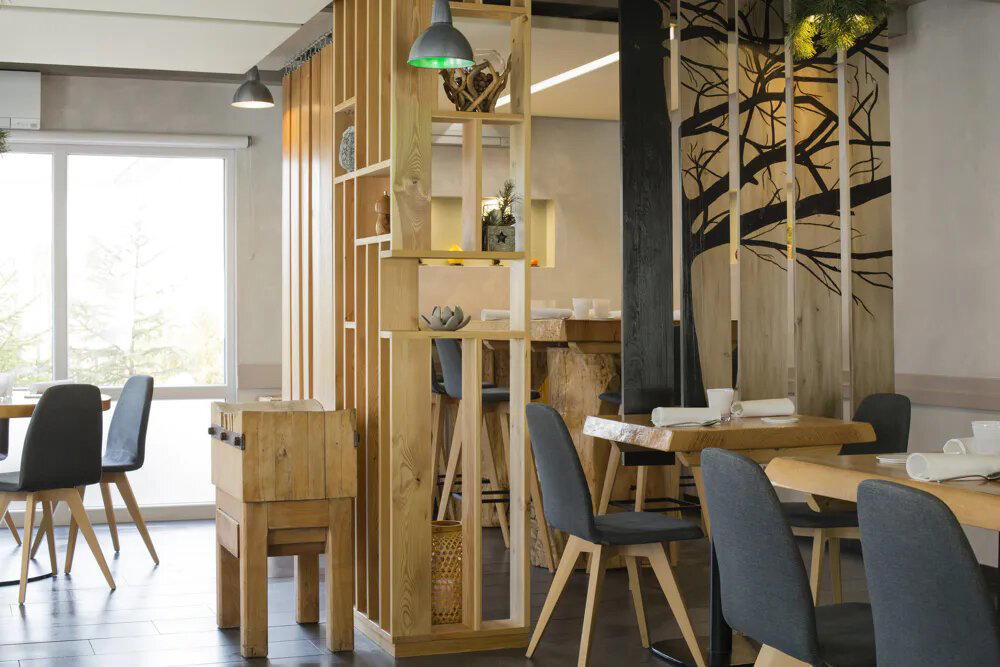
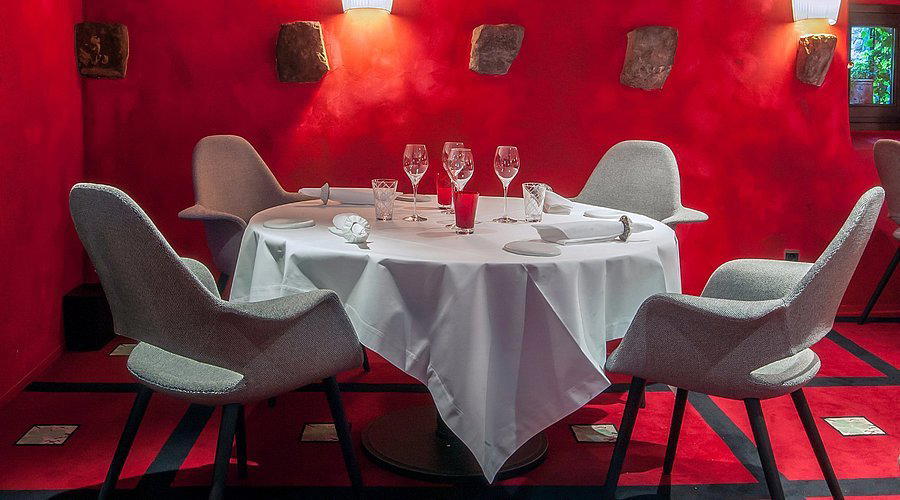
Restaurants in Eguisheim
Browse all →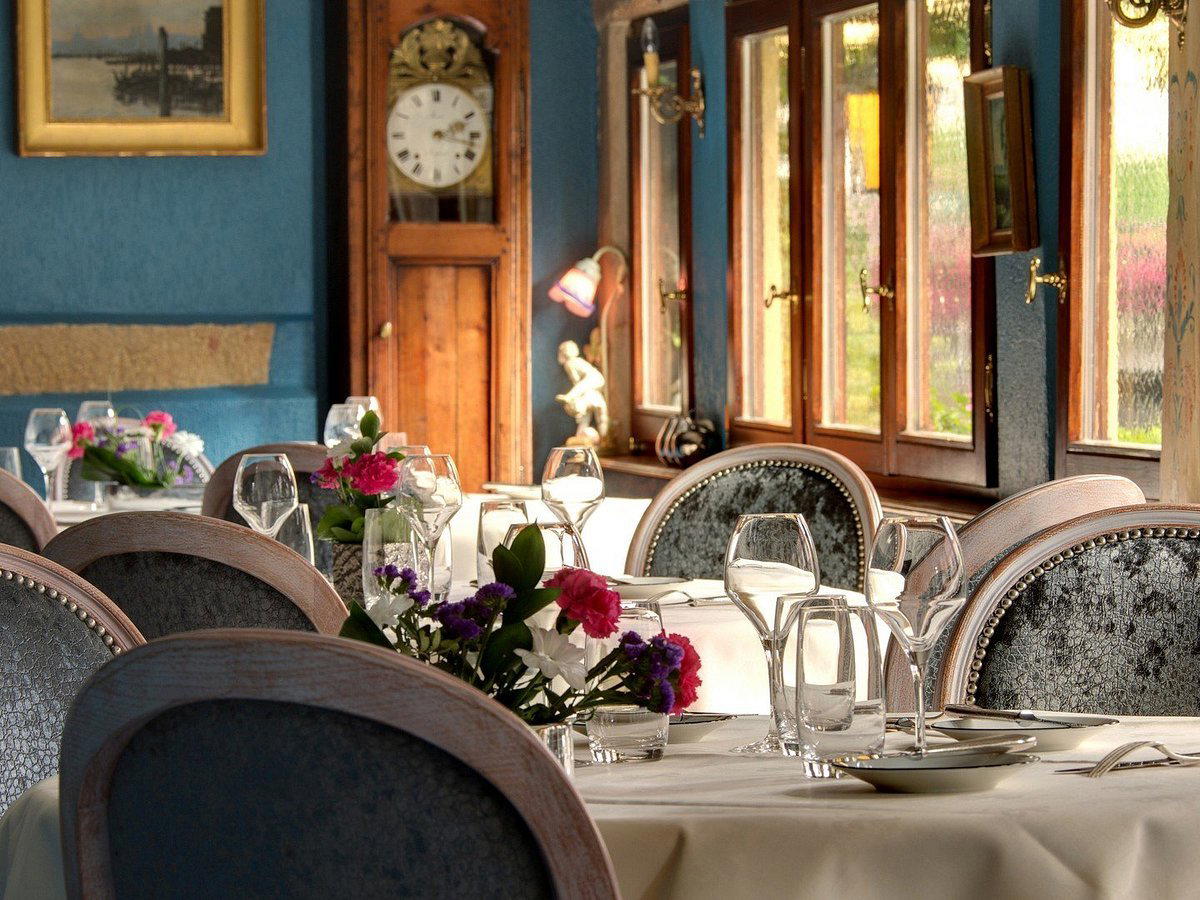
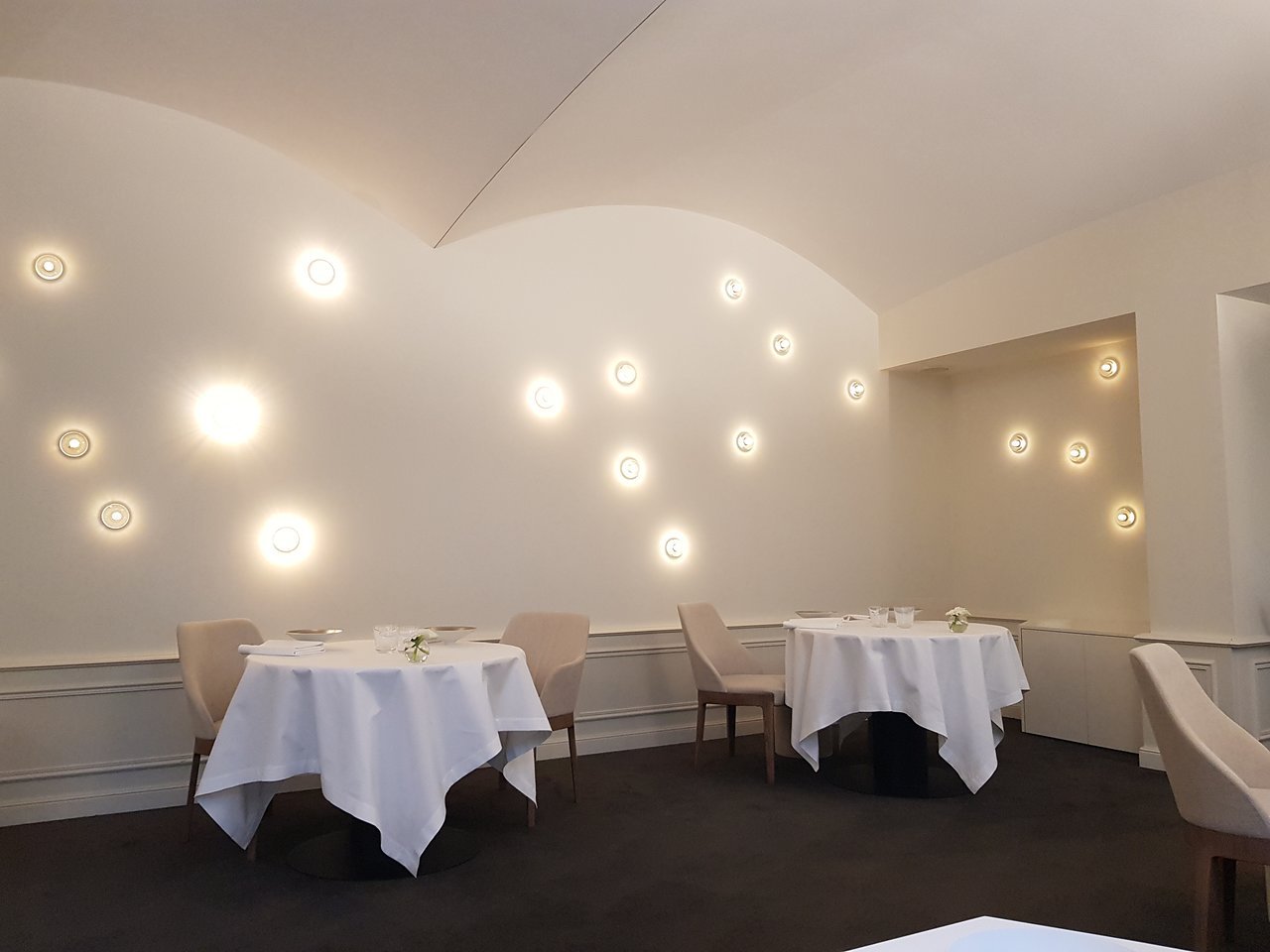
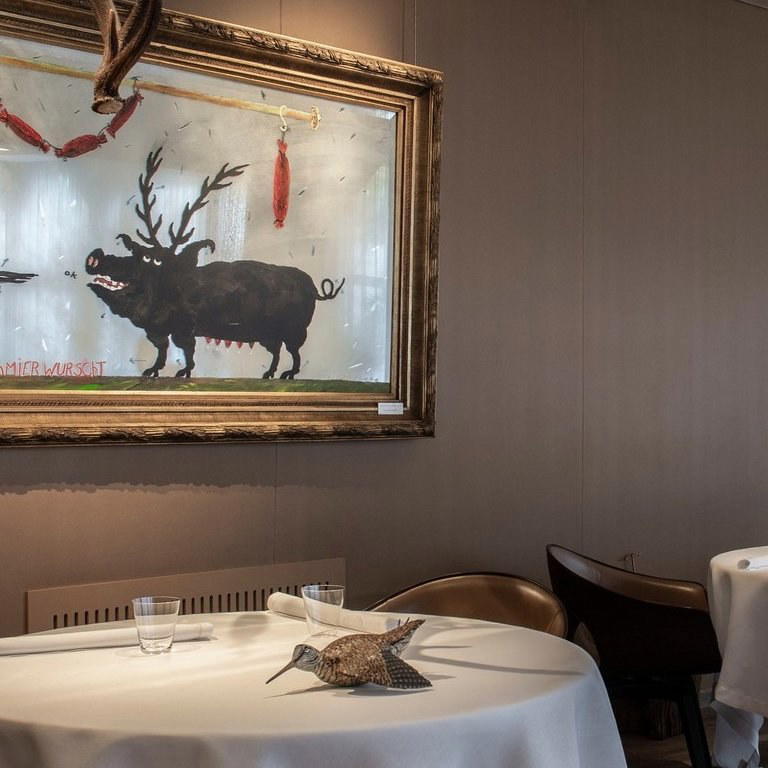
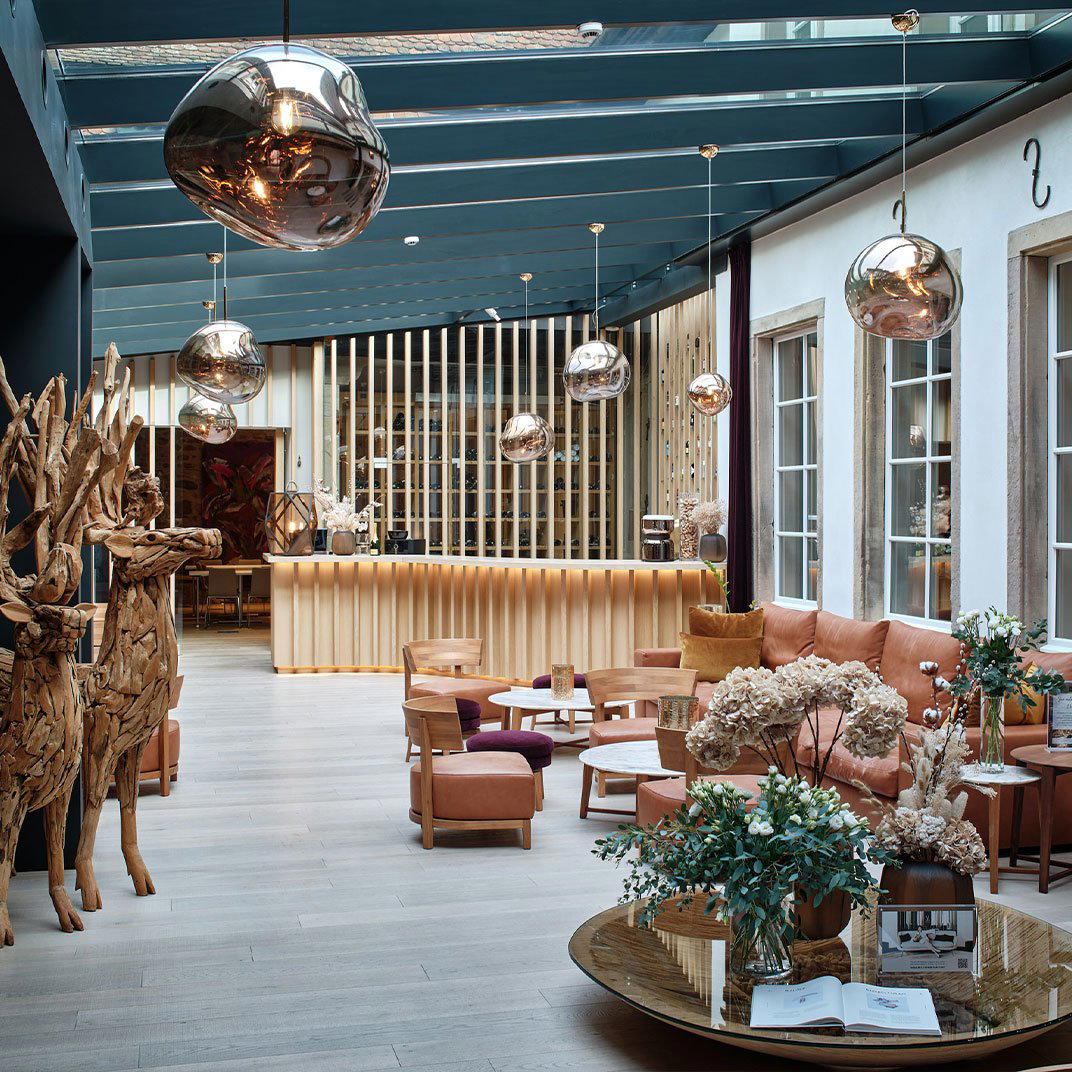
Bars in Eguisheim
Browse all →


Hotels in Eguisheim
Browse all →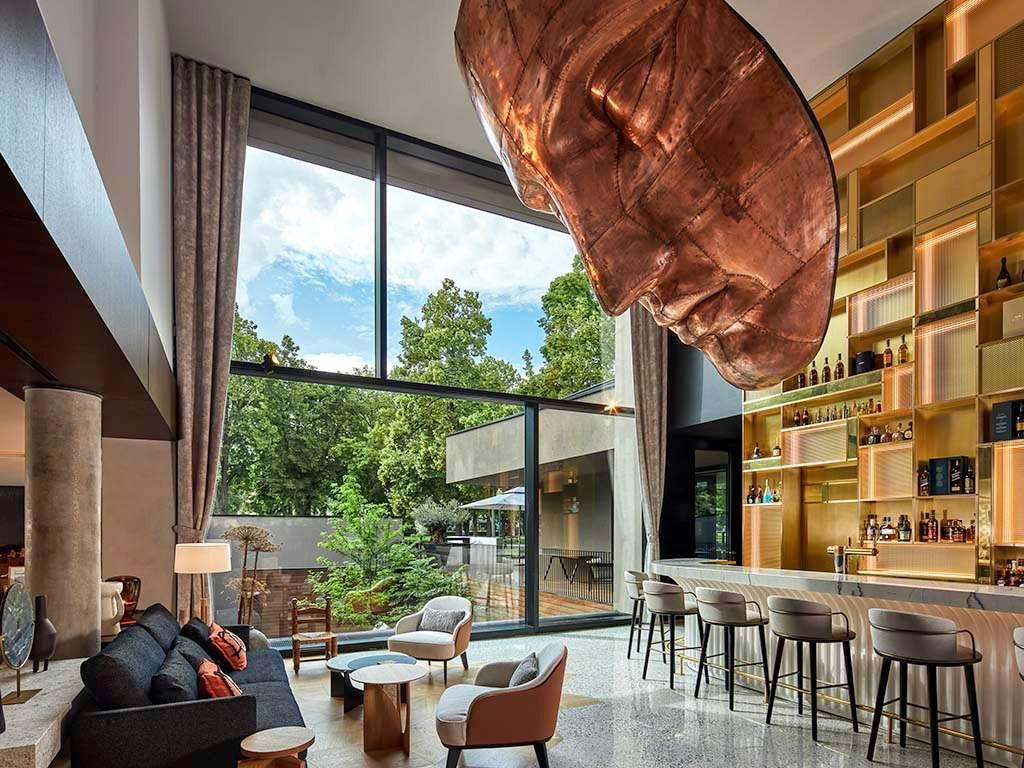
At a Glance
- Cozy
- Rustic
- Classic
- Intimate
- Family
- Casual Hangout
- Special Occasion
- Historic Building
- Extensive Wine List
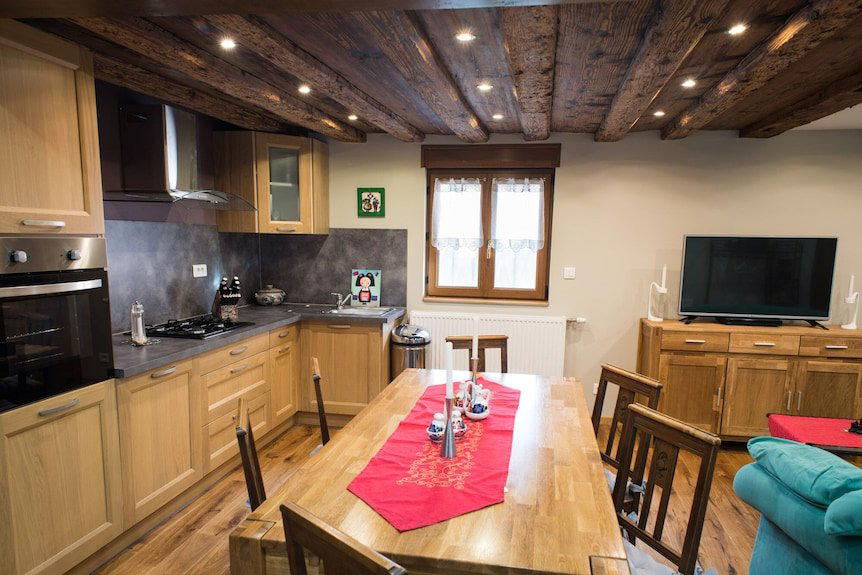
good winstub atmosphere in a superb, typically Alsatian setting with inviting and warm family-friendly vibe.