
Between serves modern Piedmontese cooking with Mediterranean influences at a leisurely dinner pace, and Michelin Plate recognition runs from 2024 through 2026.
Pearl is the En Primeur Club membership app — saves, bookings, and concierge access live there. Same editors, same standards.
- Address
- Viale Partigiani D'Italia, 98C, 10098 Rivoli TO, Italy
- Phone
- +39 328 642 5306
- Website
- betweenristorante.it
- Directions
- Get directions
 Saves & bookings on Pearl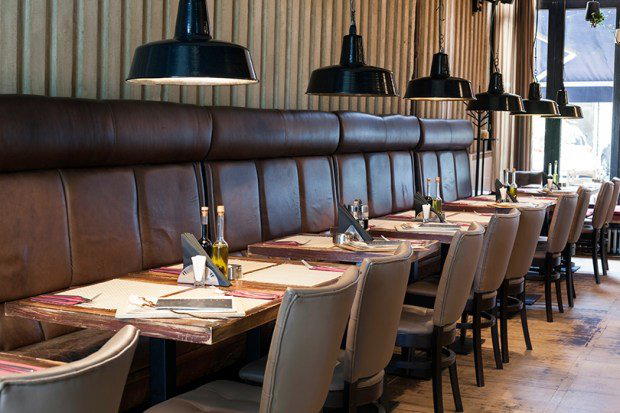
A Minimalist Room with a Regional Argument to Make
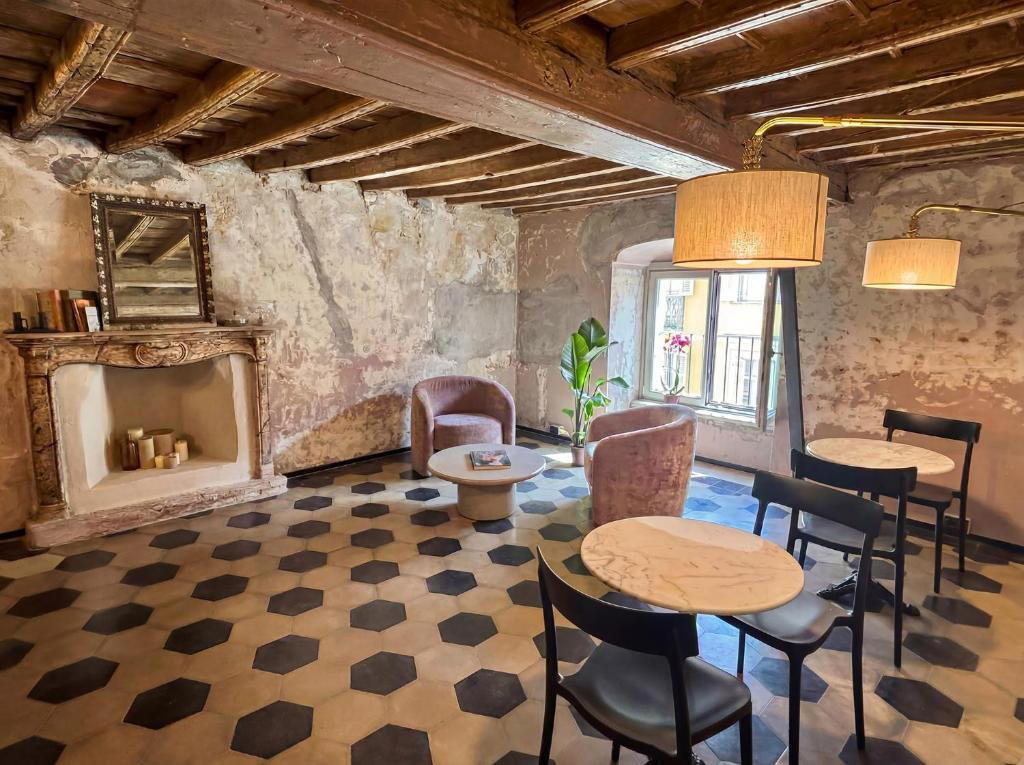
Viale Partigiani d'Italia is not the kind of address that announces itself. Rivoli sits at the western edge of Turin's metropolitan sprawl, better known for its castle-turned-contemporary-art-museum than for its restaurant scene. The dining room at Between reflects that low-key setting: a single space, stripped of ornament, where the visual restraint is clearly a position rather than a budget constraint. There is no theatrical entrance, no ambient soundtrack engineered for a certain kind of diner. What the room does instead is direct attention toward the plate.
That singleness of focus has earned Between a Michelin Plate in both 2024 and 2025, a recognition that sits below star level but signals consistent cooking quality that the Guide's inspectors consider worth noting. In the broader geography of Piedmontese fine dining, the restaurant occupies a specific niche: a mid-range price point (€€€) where creative contemporary cooking is rooted in the ingredient traditions of the region without being constrained by them. That is a harder balance to sustain than it sounds.
The Piedmont Larder and What It Demands of a Kitchen
Piedmont is one of Italy's most demanding culinary terroirs. The region's reputation for ingredient provenance runs deep: truffles from Alba and Asti, Fassona beef from the plains around Cuneo, Castelmagno and Raschera cheeses from the alpine valleys, hazelnuts from the Langhe that rival any in Europe. A kitchen working in this context inherits a set of standards that have been established over generations. The question every serious Piedmontese restaurant has to answer is not whether to use these ingredients, but what it has to say about them.
Between's answer involves a deliberate friction between local sourcing and international technique. The kitchen draws from Piedmontese producers for its core materials while applying methods and reference points gathered through time cooking abroad. This is not unusual at the high end of the Italian contemporary scene, the same tension animates cooking at Piazza Duomo in Alba, though there at a considerably higher price and ambition level, but at Between it operates within the constraints of a modest room and an accessible price bracket. The result is a restaurant where the sourcing decisions carry visible weight on the plate without the cooking becoming a lecture about provenance.
The approach also separates Between from the mainstream of the Rivoli restaurant scene, where traditional Piedmontese formats remain dominant. Proximity to Turin means competition is intense and comparison sets are demanding. Across town, Combal Zero operates at the far end of the progressive-Italian register, with a significantly higher price point and a longer track record of international recognition. Between sits in a different register entirely: smaller in scale, less theatrical in approach, and priced for a different kind of decision.
International Training and the Logic of a Hybrid Kitchen
The contemporary Italian restaurant that draws on both regional tradition and international experience is a well-established category. Chefs who have worked in kitchens outside Italy, whether in France, Scandinavia, the Americas, or across Asia, frequently return with a technical vocabulary that changes how they read local ingredients. The pattern is visible across multiple regions: Reale in Castel di Sangro, Uliassi in Senigallia, and, at the extreme end of international recognition, Osteria Francescana in Modena, all reflect, in different ways, the productive tension between a chef's formative Italian context and their acquired external reference points.
At Between, the chef's time working abroad functions as a counterweight to the Piedmontese ingredient base rather than a replacement for it. What this tends to produce, in kitchens structured this way, is cooking where the local material is recognizable but the treatment is not predictable. A Fassona cut handled with a technique absorbed in another country, or a locally foraged element introduced in a preparation that has no precedent in the regional canon: these are the kinds of moves that distinguish a kitchen with international experience from one that has stayed within the regional tradition. The minimalist room at Between signals that this kitchen is not interested in nostalgia as a selling point.
This dynamic is worth comparing against international contemporaries. Jungsik in Seoul built its reputation on a similar structure, Korean ingredients read through French technique, and César in New York City operates in a comparable register. The mechanism is consistent across contexts: the local and the acquired create a productive displacement that neither element would generate alone.
Where Between Sits in the Piedmont Conversation
Piedmont's fine-dining conversation is anchored at its upper end by a cluster of three-Michelin-star restaurants that have established the region's international reputation. Dal Pescatore in Runate, Le Calandre in Rubano, and Enrico Bartolini in Milan all operate at price points (€€€€) and recognition levels that place them in a different competitive set from Between. So does Enoteca Pinchiorri in Florence and Atelier Moessmer Norbert Niederkofler in Brunico. And Quattro Passi in Marina del Cantone reflects a southern Italian counterpoint to the northern register.
Between does not compete in that tier. What it represents instead is the category of serious, award-noted contemporary cooking that operates at accessible price points in second-tier Italian cities, where the cooking is driven by genuine kitchen conviction rather than by the economics of destination dining. a signal that matters more at this price point, where repeat local patronage is both more likely and more telling than a one-time visitor's assessment.
Visiting Between: What to Know Before You Go
Between is located at Viale Partigiani d'Italia 98C in Rivoli, a western suburb of Turin accessible by car or by the GTT urban rail network from the city centre. Rivoli is also worth considering as part of a broader visit that takes in the Castello di Rivoli, one of Italy's premier contemporary art institutions, which sits roughly two kilometres from the restaurant. The combination gives the trip a coherent cultural logic.
The €€ price range puts Between in the mid-market bracket for contemporary Italian dining, where a meal for two with wine typically falls well short of the three-figure-per-head territory that characterises the Michelin-starred tier. The minimalist room seats a limited number of covers. Given the 4.8 rating volume, booking ahead is advisable, particularly for weekend sittings.
Side-by-Side Snapshot
Comparable venues nearby, for context on price, style, and recognition.
| Venue | Cuisine | Price | Awards | Notes |
|---|---|---|---|---|
| BetweenThis venue — the venue you are viewing | Modern Piedmontese with Mediterranean Influences | $$$ | Michelin Plate | Not listed |
| Combal Zero | Avant-Garde Italian Fine Dining | $$$$ | World's 50 Best #28 | Rivoli |
| La Limonaia | Contemporary Italian | $$$ | Michelin Plate | San Paolo |
| L'Argaj | Creative Piedmontese | $$$ | Michelin Plate | Castiglione Falletto |
| Pierre Alexis 1877 | Modern Alpine Italian | $$$ | Michelin Plate | Historic heart of Courmayeur |
| Hostaria dai Musi | Modern Italian Seafood | $$$ | Michelin Plate | Central Alba |
Recognition history
Dated appearances from independent guides and award organizations, with the underlying list record or original source where available.
Michelin Plate
Michelin
Michelin Plate
Michelin
Michelin Plate
Michelin
Continue exploring
More in Rivoli
Restaurants in Rivoli
Browse all →
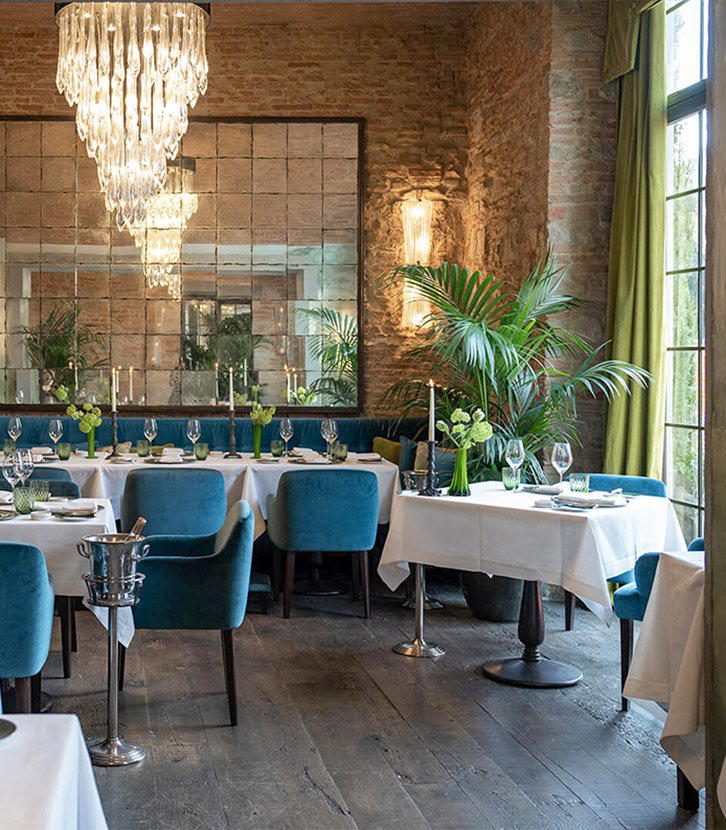
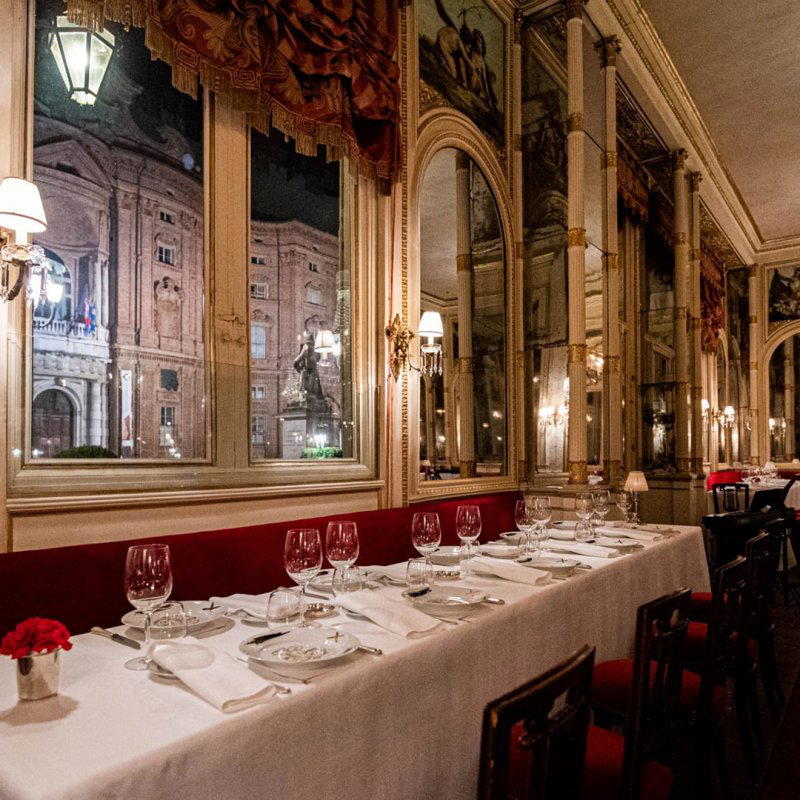
Bars in Rivoli
Browse all →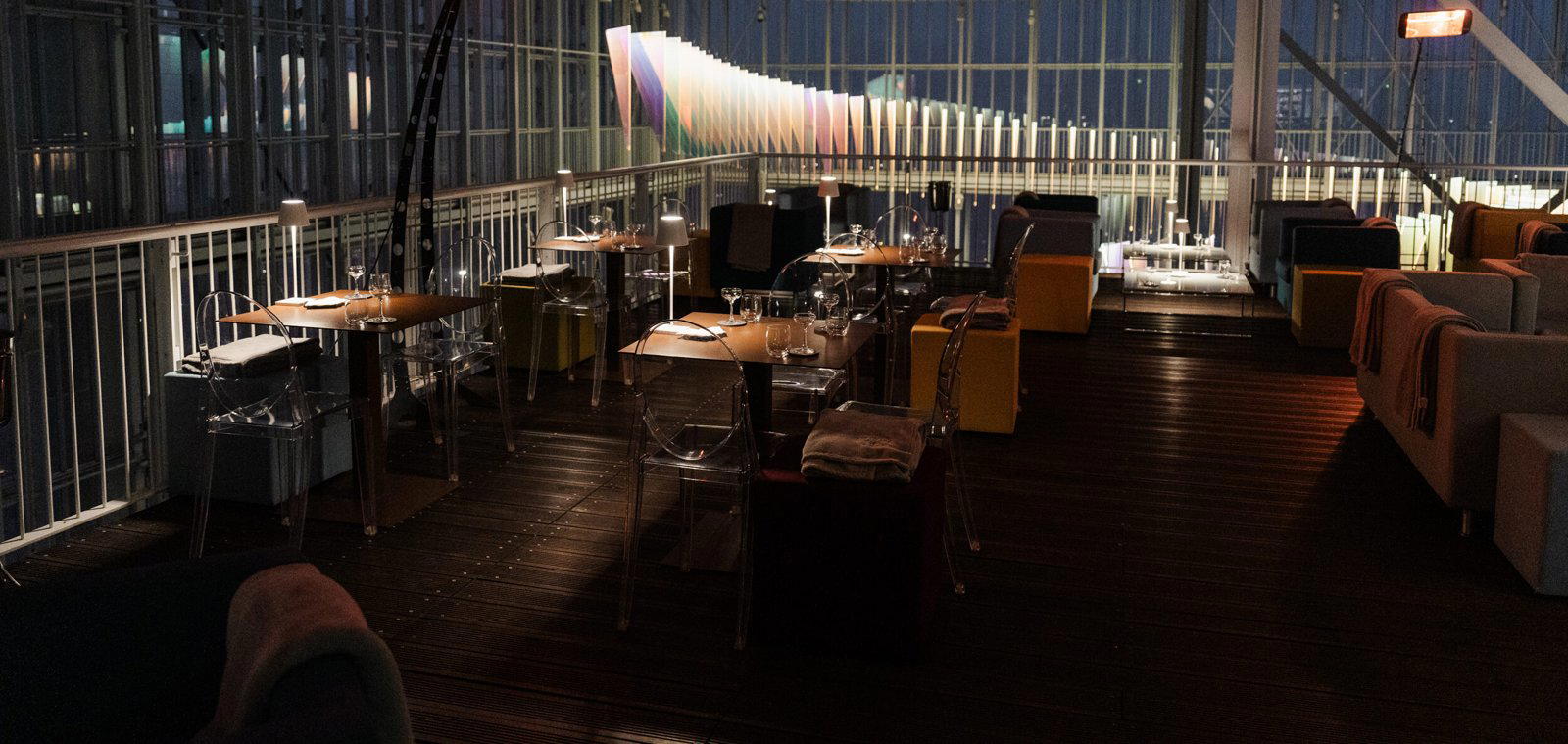
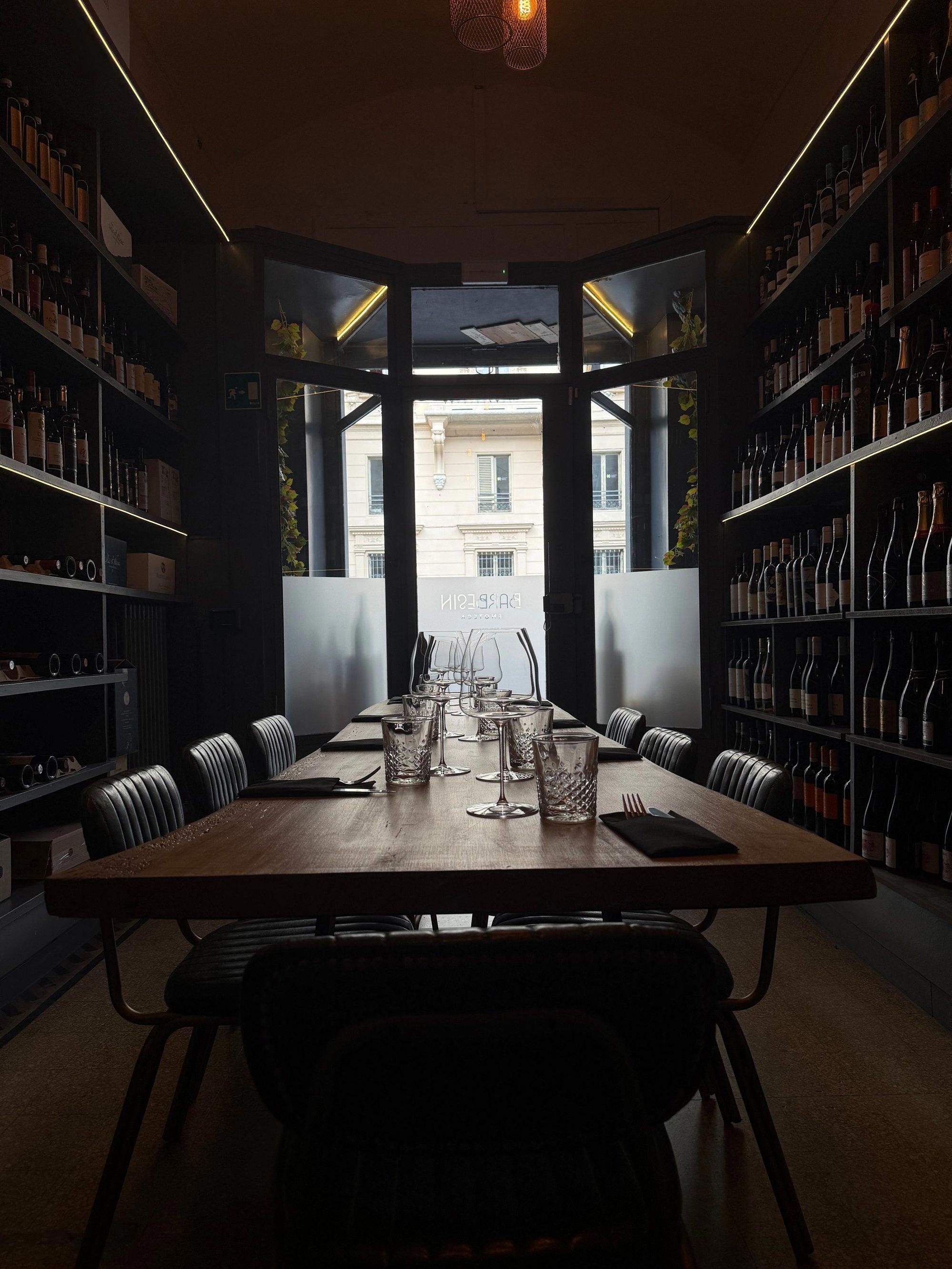
Hotels in Rivoli
Browse all →
At a Glance
- Elegant
- Modern
- Minimalist
- Intimate
- Sophisticated
- Date Night
- Special Occasion
- Celebration
- Open Kitchen
- Standalone
- Local Sourcing
- Farm To Table
Current opening hours
- Monday
- 12:30–2 PM, 7:30–10 PM
- Tuesday
- Closed
- Wednesday
- Closed
- Thursday
- 12:30–2 PM, 7:30–10 PM
- Friday
- 12:30–2 PM, 7:30–10 PM
- Saturday
- 12:30–2 PM, 7:30–10 PM
- Sunday
- 12:30–2:30 PM, 7:30–10 PM
Hours can change for holidays and private events. Last verified .
Warm, welcoming atmosphere with an open kitchen showcasing the chef's artistry; simple, minimalist-style dining room with careful attention to detail and refined, elegant presentation.