
Perched 150 metres above Turin inside Renzo Piano's Intesa Sanpaolo tower, Piano35 holds a Michelin star (2024) and structures its dinner menu around three distinct tasting paths: Piedmont, Italy at large, and the cooking legacy of Piccolo Lago. A panoramic terrace precedes the greenhouse-framed dining room, and a simpler bistro format runs at lunch. Among Turin's upper-tier contemporary tables, it occupies a position defined as much by its architecture as its kitchen.
Pearl is the En Primeur Club membership app — saves, bookings, and concierge access live there. Same editors, same standards.
- Address
- C.so Inghilterra, 3, 10138 Torino TO, Italy
- Phone
- +39 011 438 7800
- Website
- piano35.com
- Directions
- Get directions
 Saves & bookings on Pearl
Dining at altitude: the context of Piano35
Turin's fine-dining scene has never been purely about the plate. The city carries a particular self-consciousness about architecture, craft, and setting that shapes how its restaurants are received and remembered. Piano35 is a Michelin 1-star restaurant in Turin, serving modern Italian fine dining with Piedmontese influences at Corso Inghilterra 3. At 150 metres, the dining room operates in a register that no ground-floor contemporary Italian table in the city can claim. The comparison set here is not just other €€€€ kitchens like Opera, Andrea Larossa, or Cannavacciuolo Bistrot.
To understand Piano35, it helps to understand the building. The Intesa Sanpaolo tower incorporates public-facing levels, green terracing, and a bioclimatic glass skin that manages temperature and light. The restaurant sits inside that logic. The dining room is surrounded by a greenhouse structure, and natural light defines the room in a way that conventional interiors cannot replicate. The panoramic terrace, accessible before the meal, gives an unobstructed view across the city centre to the Alps. These are not incidental features; they are the frame within which the kitchen's work is received.
Three tasting paths and the editorial behind them
The structure of the dinner menu at Piano35 reflects a particular Italian contemporary trend: the attempt to define what a single kitchen owes to its immediate territory, to a broader national tradition, and to its own culinary lineage. Rather than presenting a single chef's tasting menu in the conventional sense, Piano35 offers three distinct tasting courses running in parallel. The first is dedicated to Piedmont, a region whose larder (truffles, tajarin, hazelnuts, Barolo, Barbaresco, bagna caôda) is among the more codified in Italy. The second broadens to Italian cuisine and its regional flavours. The third references Piccolo Lago, the restaurant on Lago di Mergozzo from which this kitchen derives its formal heritage.
That third path is one architecturally interesting choice. Piccolo Lago has held Michelin recognition for years and operates as a lakeside fine-dining address with an emphasis on Verbano-Cusio-Ossola produce, particularly freshwater fish and mountain ingredients. By making that lineage explicit as one of three menu options, Piano35 positions itself not as an autonomous project but as part of a longer conversation between a mother house and a satellite with its own metropolitan brief. The approach has parallels with how some Parisian chefs have extended their cooking through regional outposts, or how Enrico Bartolini has built a multi-site model across Italy. The comparison is instructive: multi-site Italian fine dining increasingly requires each address to earn its own identity rather than inherit the parent's. Piano35's Michelin star confirms it has done that.
Local ingredients, imported method: the EA-GN-15 axis
The intersection of Piedmontese produce and technique drawn from beyond the region is where Piano35 is most legible as a contemporary Italian kitchen. Piedmont already has one of Italy's strongest indigenous cuisines, and the creative challenge for any starred kitchen here is how to extend that tradition without domesticating it into a heritage exercise. The approach visible in the menu structure suggests an answer: use the Piccolo Lago lineage to import a sensibility shaped by Alpine and lacustrine ingredients, apply that to Piedmontese raw materials, and let the juxtapositions carry the interest.
The maltagliati course documented in the menu provides a specific example. Two large, irregularly cut pasta pieces are cooked in seafood sauce and dressed with borlotti, fish, squid jus, and squid ink. The form is classical Piedmontese pasta-making; the dressing borrows from coastal Italian cooking in a way that would be foreign to a traditional Piedmontese table. The result is a dish that requires knowledge of both registers to fully read. This is a pattern found at the sharper end of the Italian contemporary tier nationally: Osteria Francescana in Modena has long operated on similar logic, as has Enoteca Pinchiorri in Florence and, on a different coastline, Quattro Passi in Marina del Cantone. What distinguishes the Piedmontese version is the particular weight and seriousness of the regional food culture being reworked. Shortcuts are more visible here than elsewhere in Italy.
Among Turin's own contemporary tables, the contrast with Magazzino 52 or Scatto is worth considering. Those addresses work with a lighter, more casual editorial proposition. Piano35 operates in the register of formal contemporary Italian fine dining, where the cooking is expected to answer for itself under scrutiny, the same pressure felt at Italian addresses further afield like Atelier Moessmer Norbert Niederkofler in Brunico, Dal Pescatore in Runate, or the Adriatic coastal programme at Agli Amici Rovinj. Piano35 is firmly in that tier, but its setting and the three-menu structure give it a distinct operational identity within it.
Lunch, dinner, and the practical shape of a visit
Piano35 runs two formats depending on the day and the hour. The full tasting menu experience operates at dinner on Thursday, Friday, and Saturday, with service running from 7:30 PM to 11 PM. A lunch service on Friday and Saturday (12:30 PM to 2:30 PM) offers a simpler bistro version, a meaningful distinction for readers calibrating the investment. The bistro lunch is the more accessible entry point, both in terms of time and likely expenditure, and it provides access to the terrace and the building's geometry without requiring the full commitment of an evening tasting menu. The kitchen is closed Monday, Tuesday, Wednesday, and Sunday.
At the €€€€ price tier, Piano35 sits alongside the city's other formal contemporary tables. Booking should be treated as essential, particularly for weekend dinner seatings given the limited days of operation. The building's entrance on Corso Inghilterra 3 has a dedicated restaurant access point at ground level; guests are guided to a high-speed lift for the ascent to the 35th floor. The panoramic terrace visit before sitting down is not a formality, the view from that height, with the Alps as backdrop and the Po plain extending to the north, provides a spatial orientation that informs the meal's Piedmontese framework. It is worth arriving with enough time to spend a few minutes outside before the kitchen begins.
Turin has enough density at the formal end of the dining market to justify the dedicated planning. Piano35, with its architectural premise and Michelin recognition, sits at the point where that planning effort is most clearly rewarded.5 across more than 2,100 reviews further confirms a consistency that goes beyond the setting alone. The cooking, by the evidence available, holds its own at altitude. At L'Olivo in Anacapri or comparable Italian contemporary addresses where landscape and kitchen interact, the setting can either amplify or expose the food; at Piano35, the star suggests the kitchen is doing enough to deserve the view.
The Quick Read
Comparable venues nearby, for context on price, style, and recognition.
| Venue | Cuisine | Price | Notes |
|---|---|---|---|
| Piano35This venue — the venue you are viewing | Italian Contemporary | $$$$ | Not listed |
| Carignano | Centro, Modern Piedmontese Fine Dining | $$$$ | Not listed |
| Memorable | Centro, Modern Italian Tasting Menu | $$$$ | Not listed |
| Andrea Larossa | Not listed | $$$$ | Turin hills, Modern Piedmontese Fine Dining |
| Vintage 1997 | Not listed | $$$$ | Centro, Traditional Piedmontese Fine Dining |
| Del Cambio | Not listed | $$$$ | Piazza Carignano, Modern Piedmontese Fine Dining |
Recognition history
Dated appearances from independent guides and award organizations, with the underlying list record or original source where available.
Michelin 1 Star
Michelin
Michelin 1 Star
Michelin
Michelin 1 Star
Michelin
Continue exploring
More in Turin
Restaurants in Turin
Browse all →
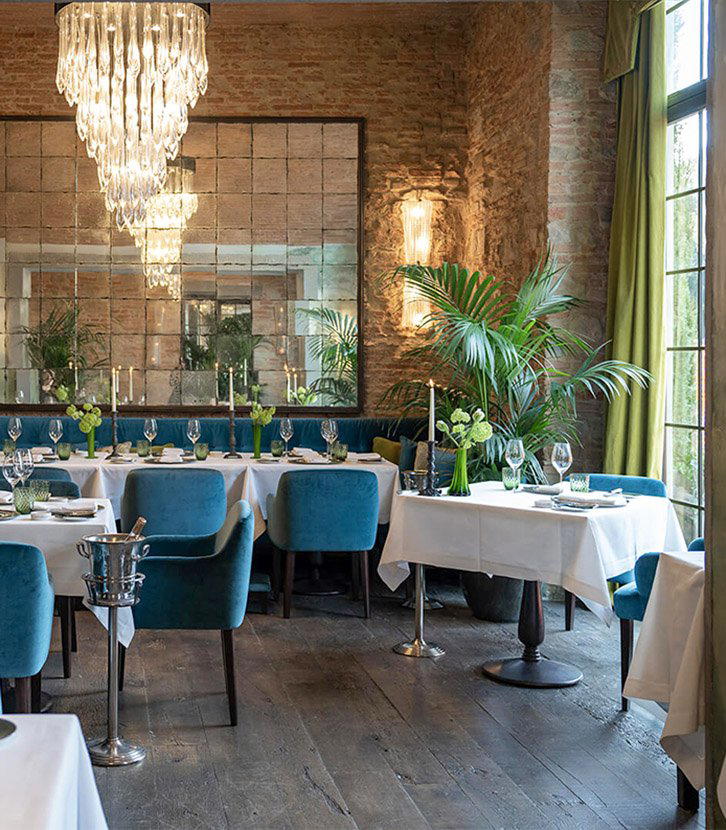
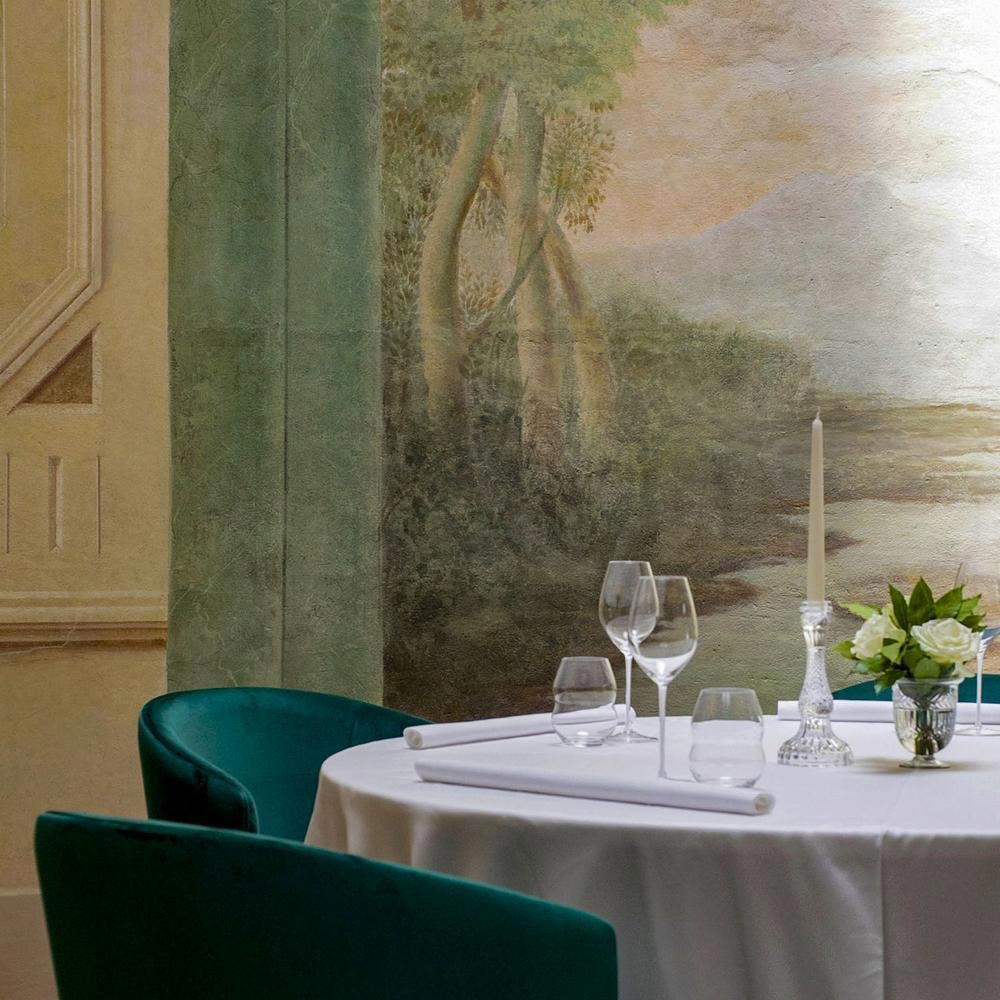
Bars in Turin
Browse all →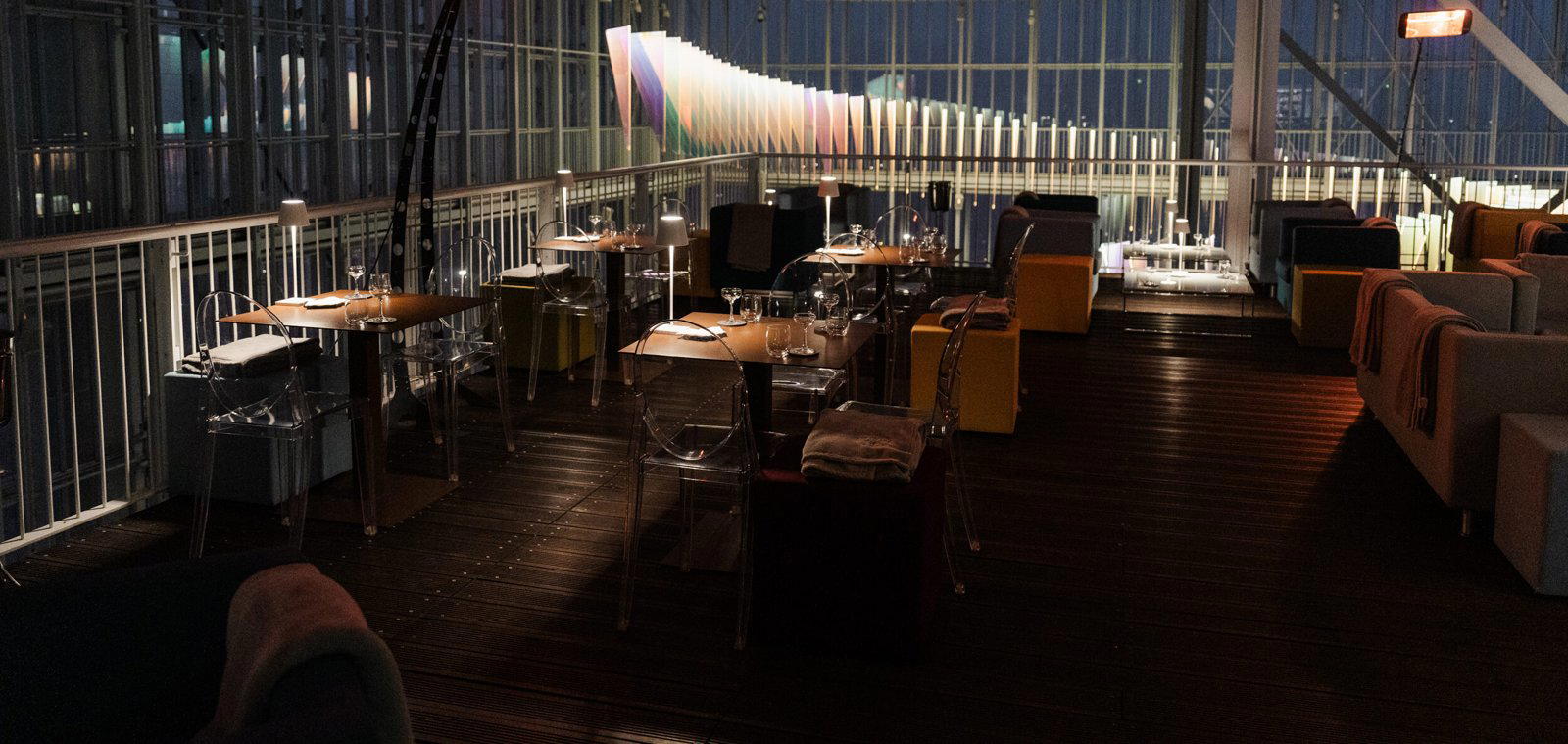
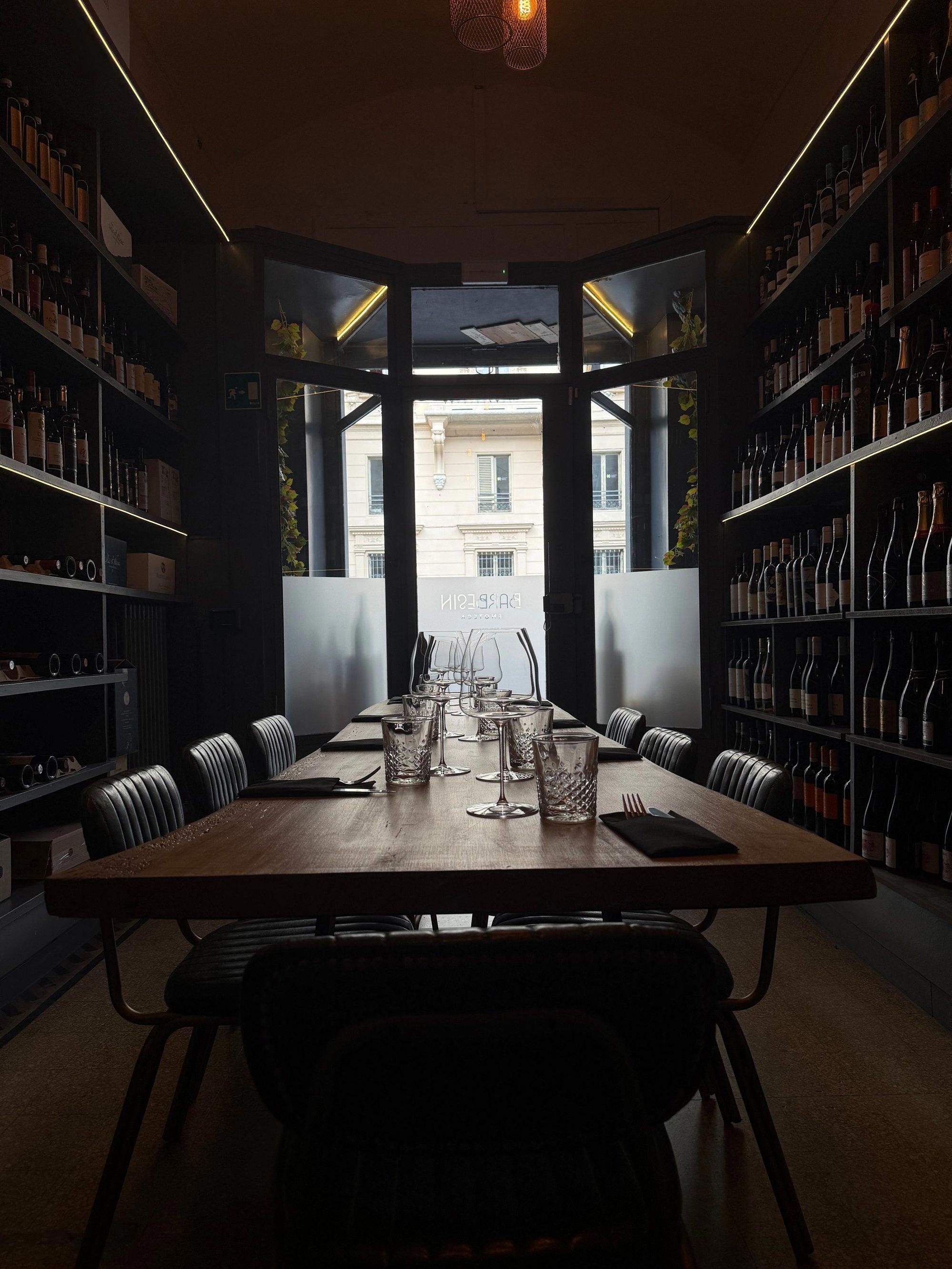
Hotels in Turin
Browse all →
At a Glance
- Elegant
- Sophisticated
- Scenic
- Intimate
- Date Night
- Special Occasion
- Celebration
- Rooftop
- Panoramic View
- Extensive Wine List
- Sommelier Led
- Local Sourcing
- Skyline
- Mountain
Current opening hours
- Monday
- Closed
- Tuesday
- Closed
- Wednesday
- 12:30–2:30 PM, 7:30–11 PM
- Thursday
- 12:30–2:30 PM, 7:30–11 PM
- Friday
- 12:30–2:30 PM, 7:30–11 PM
- Saturday
- 12:30–2:30 PM, 7:30–11 PM
- Sunday
- 12:30–2:30 PM, 7:30–11 PM
Hours can change for holidays and private events. Last verified .
Light-filled elegant dining room surrounded by a bioclimatic greenhouse and indoor botanical garden with warm, refined atmosphere.