

A Michelin-starred fixture on Piazza Solferino, Vintage 1997 has held its ground for nearly three decades by committing to Piedmontese ingredient purity over trend-chasing. Owner and maître d' Umberto Chiodi Latini oversees a room that prizes classical form, while the kitchen delivers regional canon, vitello tonnato, tajarin, Langhe-sourced fish, with a precision that has earned consistent critical recognition.
Pearl is the En Primeur Club membership app — saves, bookings, and concierge access live there. Same editors, same standards.
- Address
- Piazza Solferino, 16 H, 10121 Torino TO, Italy
- Phone
- +39 011 535948
- Website
- vintage1997.com
- Directions
- Get directions
 Saves & bookings on Pearl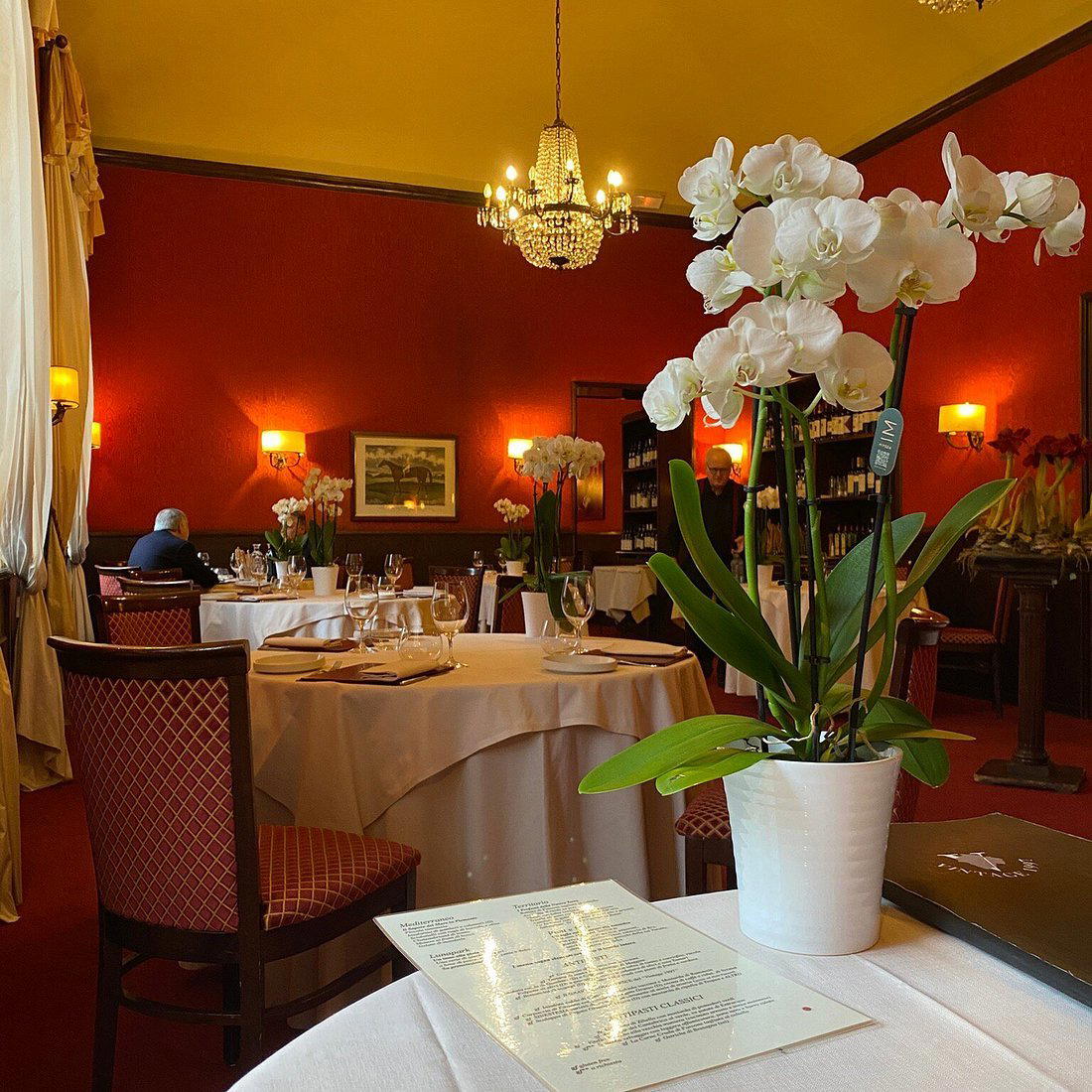
Piazza Solferino and the Case for Staying Still
Turin's dining scene has been reshaping itself for years. Del Cambio recast its centuries-old address into a laboratory for progressive Italian technique. Condividere imported a Mediterranean-sharing format into the city's fine dining tier. Cannavacciuolo Bistrot brought creative ambition from the lakes. Against that movement, Vintage 1997 on Piazza Solferino represents a different calculation: that fidelity to Piedmontese tradition, executed with ingredient-level rigour, is itself a position worth holding. The restaurant has held a Michelin star and has been open for nearly 30 years. That it still does both things simultaneously, maintain the aesthetic of a classical Torinese dining room and hold Michelin recognition, says something specific about how the guide reads this category of kitchen in this city.
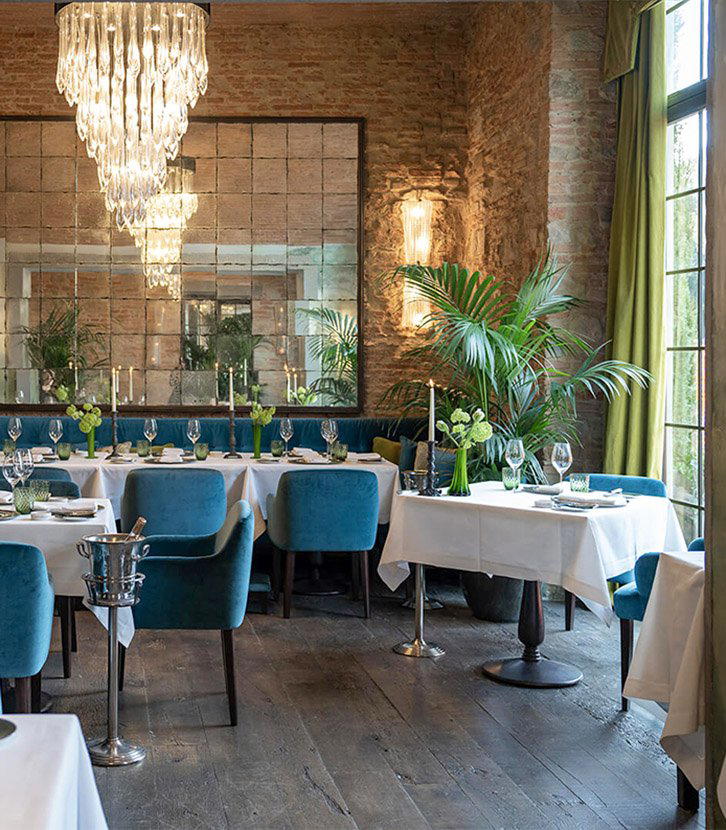
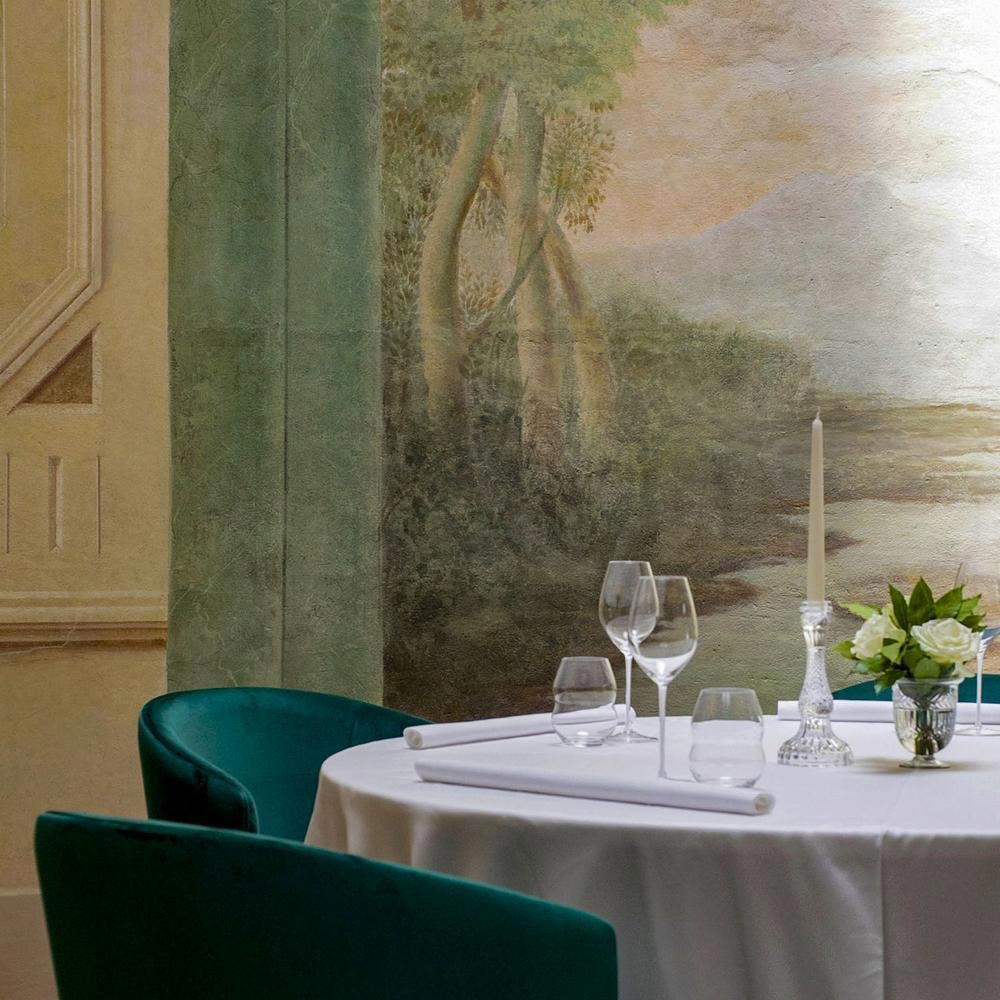
Approaching the address on Piazza Solferino, the framing is immediate. The square is one of central Turin's more composed public spaces, bookended by the Baroque symmetry of the surrounding architecture and the green of the central fountain garden. The room inside reinforces that period register: the décor has been left deliberately intact, a deliberate act of preservation that the name signals in advance. Walking in feels less like entering a restaurant in 2024 and more like re-entering a room that never agreed to leave the late twentieth century. Whether that reads as charm or anachronism depends largely on what you came looking for.
What Ingredient Purity Actually Means on a Piedmontese Menu
The Italian fine dining conversation has spent the last decade focused on transformation, fermentation, technique-driven reinvention, cross-cultural reference. Kitchens at venues like Osteria Francescana in Modena or Enrico Bartolini in Milan built their reputations on ideas as much as ingredients. Vintage 1997 operates from a different premise: that the quality of the base ingredient is the argument, and the kitchen's job is to present it without obscuring it. This is not a passive stance. In Piedmont, where DOP designations cover everything from Castelmagno and Bra cheeses to Cuneo-bred beef and Langhe hazelnuts, sourcing at the right level requires active relationships with producers, not merely a preference for quality.
The menu at Vintage 1997 anchors itself in exactly this regional canon. Vitello tonnato, the cold veal dish dressed with a tuna-anchovy emulsion that has been a Piedmontese fixture since the eighteenth century, appears as a reference point, alongside tajarin, the narrow-cut egg pasta whose yolk-to-flour ratio is one of the benchmarks by which Torinese home cooks and restaurant kitchens alike are judged. These are not dishes that benefit from reinvention for its own sake. Their value is in execution: the depth of the tuna sauce, the texture of the pasta, the provenance of the egg. The kitchen's focus on high-quality ingredients, cited consistently in the restaurant's recognition record, is what keeps these preparations relevant at starred level rather than merely nostalgic.
Fish features prominently in a menu that might otherwise read as landlocked by geography. Piedmont has no coastline, which means fish on a Torinese table arrives by choice and by supplier relationship rather than proximity. The zuppetta 5.0, a bouillabaisse-style preparation with raw fish arranged around a central soup, illustrates how the kitchen extends beyond the regional land-based canon without abandoning its ingredient-first logic. The raw fish element places direct emphasis on quality at source: there is nowhere for the ingredient to hide. For comparison, kitchens at Quattro Passi in Marina del Cantone or Dal Pescatore in Runate work with coastal or river proximity as their baseline. Vintage 1997 makes a different wager entirely.
Vegetables, too, hold more structural weight in the menu than the traditional Piedmontese format might suggest. Plant-based preparations appear not as accommodations but as full expressions of the kitchen's seasonal sourcing. The kitchen has built a reputation for using fresh herbs, edible flowers, and cresses as precision flavour instruments, not as plate decoration. That approach aligns with how the leading ingredient-led kitchens across northern Italy have absorbed contemporary vegetable cookery without abandoning their regional identity.
The Room, the Service, and the Maître d' as Institution
Front-of-house in Italian fine dining covers a wide range of philosophies. At one end, venues like Enoteca Pinchiorri in Florence built international reputations partly through the formality of their service architecture. At the other, a newer generation of trattorias, Turin's own Almondo Trattoria and Contesto Alimentare among them, operate with deliberate informality as a value signal. The restaurant sits in the former tradition. Umberto Chiodi Latini functions as owner and maître d' simultaneously, and his presence in the room is consistently described as a defining element of the experience rather than peripheral to it. The classical maître d' as institution, someone whose authority over the room is both practical and atmospheric, has become rare in contemporary Italian dining. Here, it remains the operating model.
The dining room itself holds that same register. The term vintage in the restaurant's name is not ironic. The décor has not been updated to signal cool restraint or to gesture toward minimalist hospitality trends. It reads as a room where the 1990s were good years and saw no reason to be revised. For a certain type of diner, this is exactly the point. For others, it will require some recalibration of expectation, which is why understanding what kind of room you are booking matters more here than at a venue whose aesthetic positions itself neutrally.
The Wine List and Langhe Vertical Logic
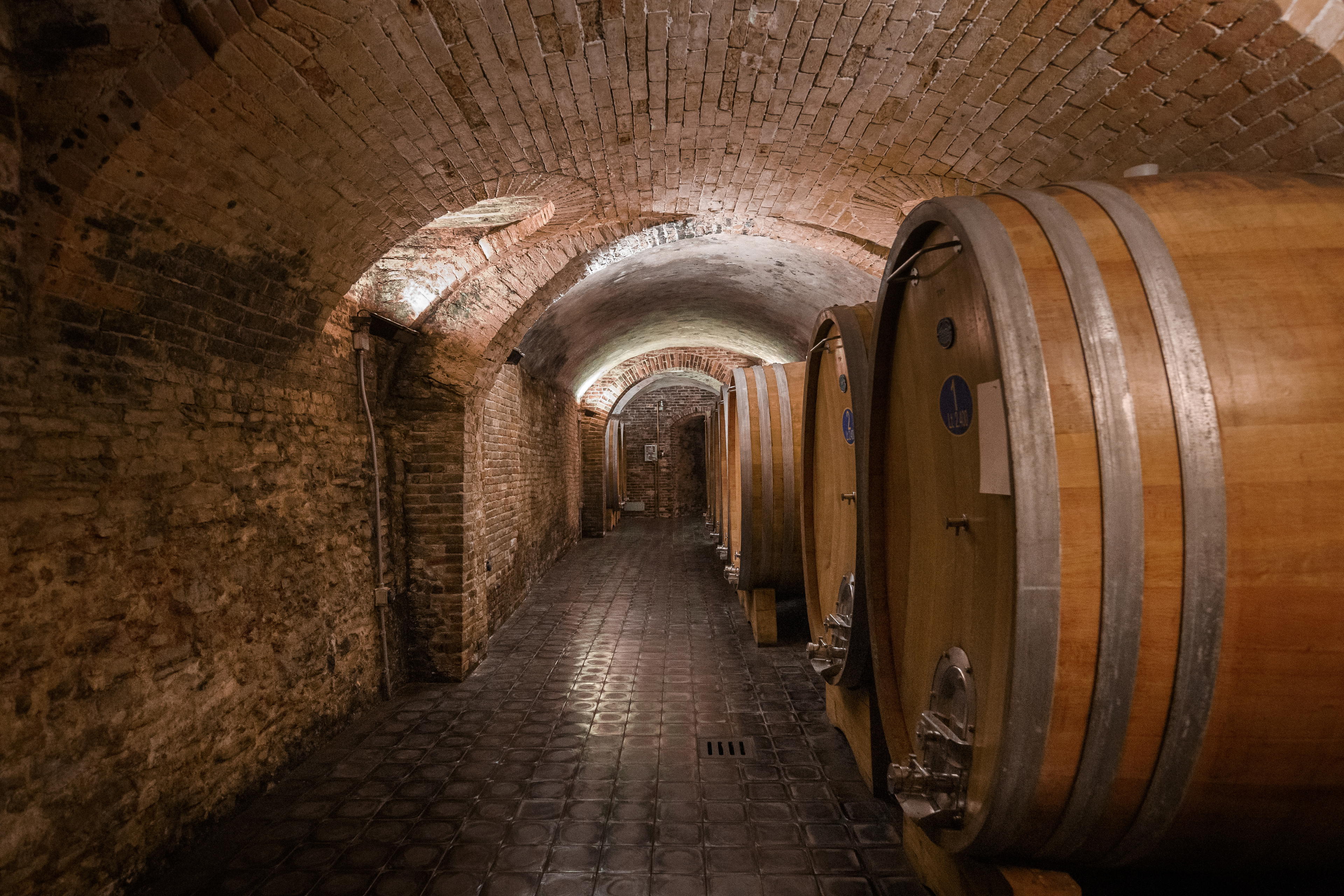
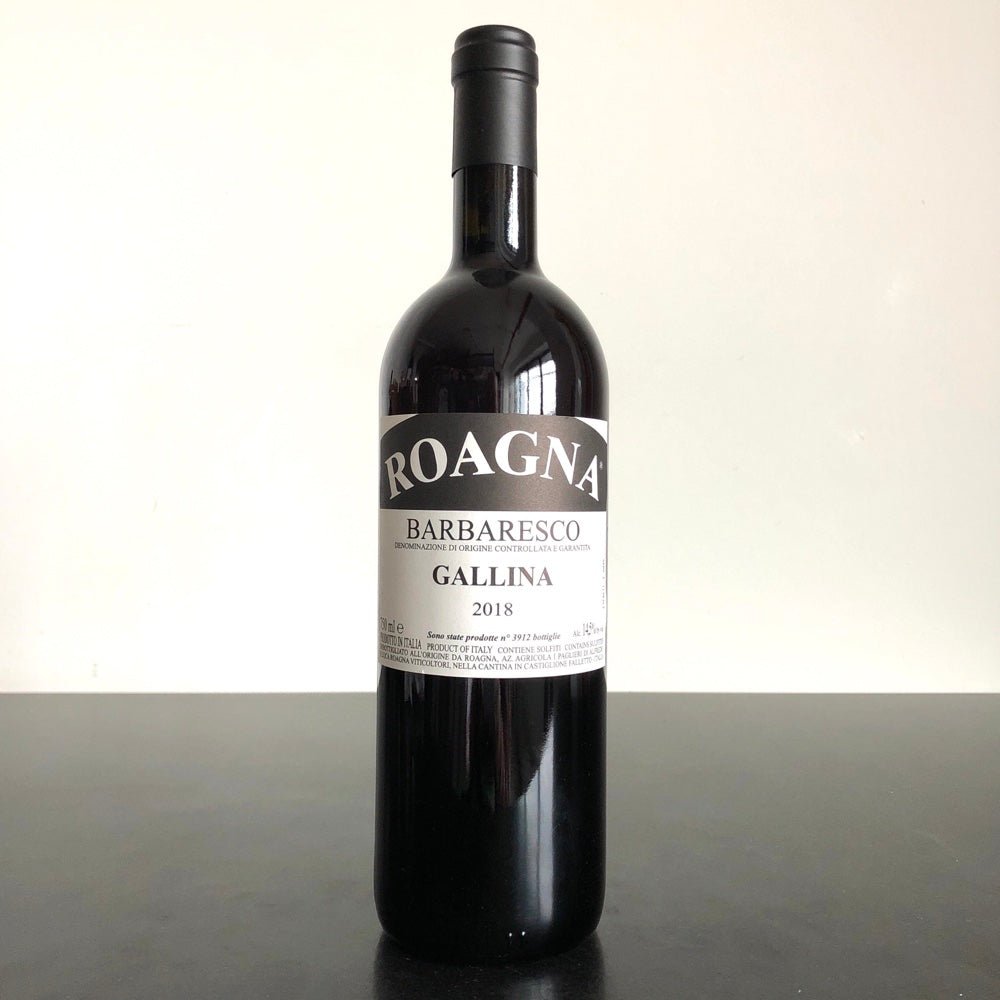
Piedmont's wine geography is among the more concentrated in Italy. The Langhe hills produce Barolo and Barbaresco from Nebbiolo, plus Barbera and Dolcetto from Alba and Asti, in a zone where single-vineyard demarcation (the MGA system) operates with Burgundian specificity. The restaurant's list is not extensive by volume, but it carries vertical labels from Langhe producers, successive vintages from the same winery, allowing comparison across years. This is a more focused choice than breadth, and it suits the restaurant's identity: depth over range, provenance over variety. For a dining context built around ingredient integrity, a wine list that makes the same argument through vertical Langhe bottles is a coherent extension of the kitchen's position. Those seeking the wider Italian wine reference found at Enoteca Pinchiorri or the curated natural selections at Contesto Alimentare will find a different kind of cellar here, narrower but more considered within its own geography.
Italian fine dining has also found international expressions worth tracking: 8½ Otto e Mezzo Bombana in Hong Kong and cenci in Kyoto both demonstrate how Italian ingredient logic translates across contexts. The restaurant represents the opposite movement: a kitchen that has stayed exactly where it began and continued sharpening rather than expanding. Atelier Moessmer Norbert Niederkofler in Brunico offers a useful northern Italian comparison point for ingredient-led cooking at high ambition, same underlying philosophy, radically different formal expression.
Planning a Visit
The restaurant sits at Piazza Solferino 16H in central Turin, within walking distance of the main hotel and cultural district. The kitchen runs lunch service from 12:30 to 2:30 PM Monday through Friday, and evening service from 8 PM (7:30 PM on Fridays and Saturdays) through to 11 PM. Saturday is dinner-only, and the restaurant is closed on Sundays. At the €€€ price point, it sits a tier below the €€€€ positioning of comparison venues like Cannavacciuolo Bistrot and Del Cambio, which makes it one of the more accessible starred addresses in the city. Reservations are advisable, particularly for weekend evening service. For the wider Turin picture, EP Club's full Turin restaurants guide, hotels guide, bars guide, wineries guide, and experiences guide cover the broader city in detail.
Compact Comparison
Comparable venues nearby, for context on price, style, and recognition.
| Venue | Cuisine | Price | Notes |
|---|---|---|---|
| Vintage 1997This venue — the venue you are viewing | Italian | $$$$ | Not listed |
| Andrea Larossa | Not listed | $$$$ | Turin hills, Modern Piedmontese Fine Dining |
| Condividere | Not listed | $$$$ | Modern Italian Fine Dining with Global Influences |
| Memorable | Centro, Modern Italian Tasting Menu | $$$$ | Not listed |
| Carignano | Centro, Modern Piedmontese Fine Dining | $$$$ | Not listed |
| Piano35 | Not listed | $$$$ | Cit Turin, Modern Italian Fine Dining with Piedmontese Influences |
Recognition history
Dated appearances from independent guides and award organizations, with the underlying list record or original source where available.
Michelin 1 Star
Michelin
Michelin 1 Star
Michelin
We're Smart World 3 Radishes
We're Smart World
Michelin 1 Star
Michelin
Continue exploring
More in Turin
Restaurants in Turin
Browse all →
Bars in Turin
Browse all →
Hotels in Turin
Browse all →
At a Glance
- Classic
- Elegant
- Intimate
- Sophisticated
- Date Night
- Special Occasion
- Business Dinner
- Private Dining
- Extensive Wine List
Current opening hours
- Monday
- 12:30–2:30 PM, 8–11 PM
- Tuesday
- 12:30–2:30 PM, 8–11 PM
- Wednesday
- 12:30–2:30 PM, 8–11 PM
- Thursday
- 12:30–2:30 PM, 8–11 PM
- Friday
- 12:30–2:30 PM, 7:30–11 PM
- Saturday
- 7:30–11 PM
- Sunday
- Closed
Hours can change for holidays and private events. Last verified .
Vintage setting with old-fashioned dining room, high ceilings, dark tones, and retro style described as elegant yet sometimes gloomy.