Positioned on Stresemannstraße in Stuttgart's northern residential belt, Bellevue represents the strand of Baden-Württemberg dining that draws on the region's agricultural depth while applying technique borrowed from across Europe. The address places it outside the city's obvious fine-dining corridor, giving it a neighbourhood character that separates it from the more formal rooms around Schlossplatz.
- Address
- Stresemannstraße 38, 70191 Stuttgart, Germany
- Phone
- +4971125350022
- Website
- bellevuestuttgart.de
- Directions
- Get directions
Stuttgart's Fine-Dining Geography and Where Bellevue Sits
Stuttgart's restaurant scene has long operated on two distinct tracks. The first runs through the established fine-dining corridor near the city centre, where rooms like Speisemeisterei and Délice compete in the creative and contemporary European bracket. The second track runs through the city's residential quarters, where smaller addresses draw a local clientele and operate with less institutional fanfare. Bellevue, at Stresemannstraße 38 in the 70191 district, belongs to the second group geographically, though the kitchen's ambitions place it in conversation with the city's more prominent addresses.
That positioning matters because Stuttgart has developed a recognisable fine-dining identity over the past two decades, one shaped by Baden-Württemberg's notable larder: game from the Swabian forests, trout and char from the region's clear streams, white asparagus from the Rhein plain in spring, and wild herbs from the Black Forest margins. The restaurants that have attracted lasting attention in and around Stuttgart tend to be those that treat this local supply chain seriously, then apply European classical or modern technique to it. Hegel Eins and 5 both operate in that register at the higher price tier. Bellevue's Stresemannstraße address suggests a room that may apply similar editorial rigour at a different scale.
Local Ingredients, European Technique: The Regional Framework
The intersection of indigenous product and imported method is not distinctive to Stuttgart, but Baden-Württemberg makes the argument for it more legibly than most German regions. The state sits between France and Switzerland, close enough to Lyon and Alsace that a generation of German cooks absorbed French classical training without abandoning their native supply chains. That dual inheritance produced a specific kind of regional cooking: technically disciplined, seasonally led, and anchored in products that don't travel well because they don't need to.
This framework is visible across Germany's most-discussed fine-dining addresses. Schwarzwaldstube in Baiersbronn built its reputation on exactly that intersection, and its influence on younger Baden-Württemberg cooks has been considerable. Further afield, Waldhotel Sonnora in Dreis demonstrates how rural Germany can sustain multi-decade fine-dining careers by grounding technique in hyperlocal sourcing. In Stuttgart itself, Der Zauberlehrling has occupied a similar position in the creative segment, treating Swabian ingredients as primary rather than decorative.
Bellevue's location in a residential Stuttgart neighbourhood is consistent with this tradition. The addresses that have done interesting work in this regional cooking mode are often not the ones in hotel dining rooms or prominent civic positions. They are frequently neighbourhood restaurants that built word-of-mouth over years by executing at a level that their postcode wouldn't immediately suggest.
The Seasonal Argument for Baden-Württemberg Dining
Timing a visit to any serious Baden-Württemberg restaurant around the calendar does more work here than in most German cities. The white asparagus window, typically April through late June, reorganises menus across the region in a way that few agricultural products manage elsewhere in Germany. Stuttgart's proximity to the Rhein asparagus-growing belt means the supply chain is short and the product arrives at peak condition. Autumn shifts the emphasis toward game, mushrooms harvested from Swabian forests, and late-season root vegetables that reward long, controlled cooking. Winter produces a leaner creative moment, when kitchens lean harder on cured, preserved, and aged products.
For visitors planning a trip, autumn and the spring asparagus season are the periods when the regional cooking argument is most persuasive. The summer months still offer excellent produce, particularly stone fruits and early tomatoes from the Neckar valley, but the two shoulder seasons show the local-ingredient thesis at its clearest.
How Stuttgart's Fine-Dining Tier Is Structured
Stuttgart punches above its international profile in terms of fine-dining density. The broader Swabia region extends that density further. For context on what the German fine-dining tier looks like at its furthest reaches, Aqua in Wolfsburg and Vendôme in Bergisch Gladbach represent the three-star bracket that Stuttgart's leading kitchens measure themselves against indirectly. Victor's Fine Dining by Christian Bau in Perl shows how regional German fine dining can sustain international-level ambition over decades. In Munich, JAN represents the approach of a younger generation of German chefs working in the modern European register.
Internationally, the local-ingredient, global-technique model that defines the leading Baden-Württemberg cooking has clear parallels. Le Bernardin in New York City demonstrates how a single-product discipline (in that case, fish) can sustain a multi-decade fine-dining identity. Lazy Bear in San Francisco operates in a different idiom but shows how neighbourhood-format restaurants can achieve serious critical recognition. In Berlin, CODA Dessert Dining and ES:SENZ in Grassau both sit in the tier of German restaurants that apply international technique to local product with consistent ambition. Schanz in Piesport and Restaurant Haerlin in Hamburg extend that picture across different German regions.
Within Stuttgart specifically, Bellevue at Stresemannstraße 38 sits in a postcode that is primarily residential, which shapes both the room's probable character and its pricing pressure relative to the more tourist-facing fine-dining addresses near the centre.
Planning a Visit
The venue's address in Stuttgart's 70191 district places it within the city's tram network, accessible from the centre without requiring a taxi or car. As with most serious Stuttgart restaurants that operate outside the main hotel dining circuit, booking ahead rather than walking in is the safer approach, particularly during the asparagus season in spring and the game season in autumn when demand from local regulars tends to fill rooms quickly.
Same-City Peers
Comparable venues nearby, for context on price, style, and recognition.
| Venue | Cuisine | Price | Notes |
|---|---|---|---|
| BellevueThis venue — the venue you are viewing | Modern Regional German with Vegan Options | $$$ | Not listed |
| Weinstube Zur Kiste | Traditional Swabian German | $$ | Gablenberg |
| Feinkost Böhm | Swabian-German Fine Dining with Mediterranean Influences | $$$$ | Gablenberg |
| Paulaner am alten Postplatz | Bavarian and Swabian | $$ | Gablenberg |
| Plenum - Stuttgart | Modern Regional German with Swabian Influences | $$ | Gablenberg |
| Kicho | Authentic Japanese | $$$ | Gablenberg |
Continue exploring
More in Stuttgart
Restaurants in Stuttgart
Browse all →
Bars in Stuttgart
Browse all →

Hotels in Stuttgart
Browse all →

At a Glance
- Scenic
- Modern
- Cozy
- Date Night
- Special Occasion
- Panoramic View
- Terrace
- Local Sourcing
- Skyline
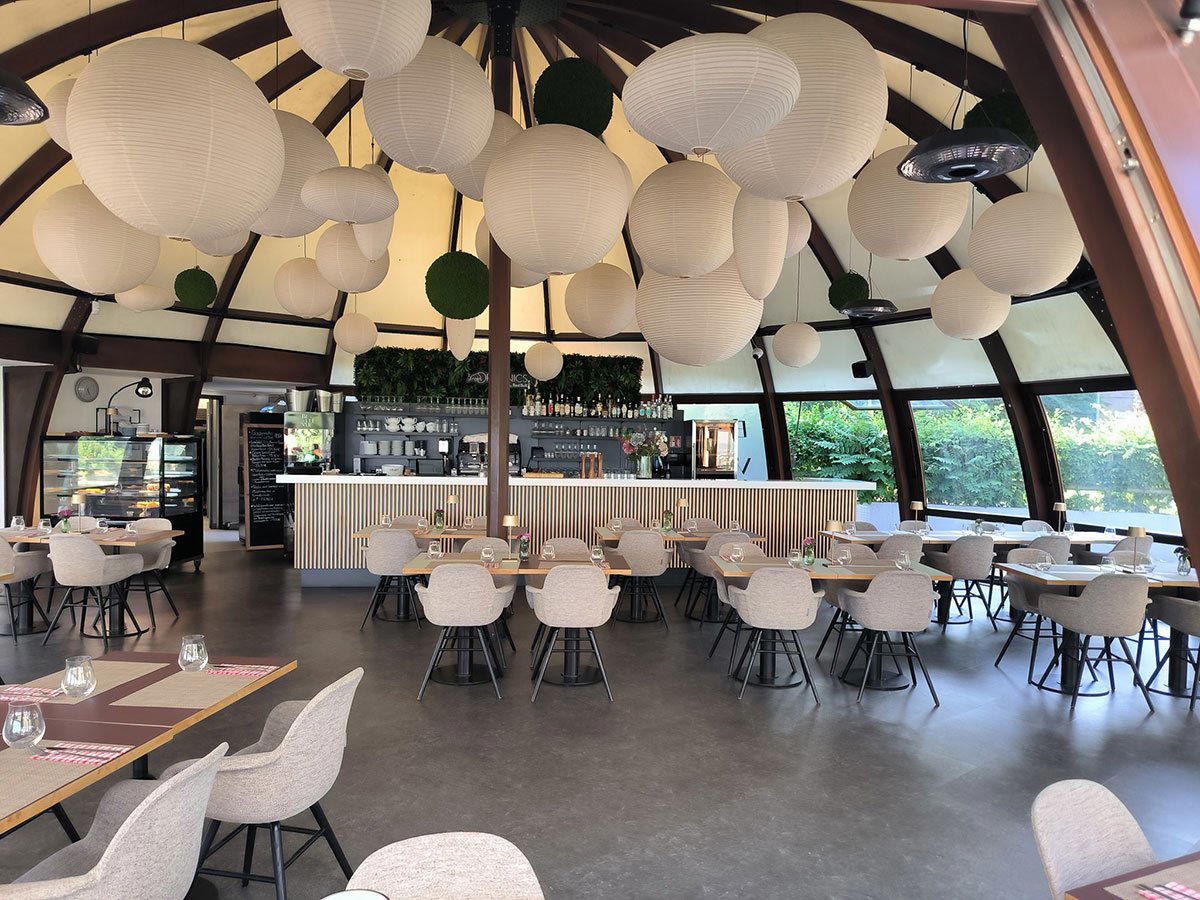
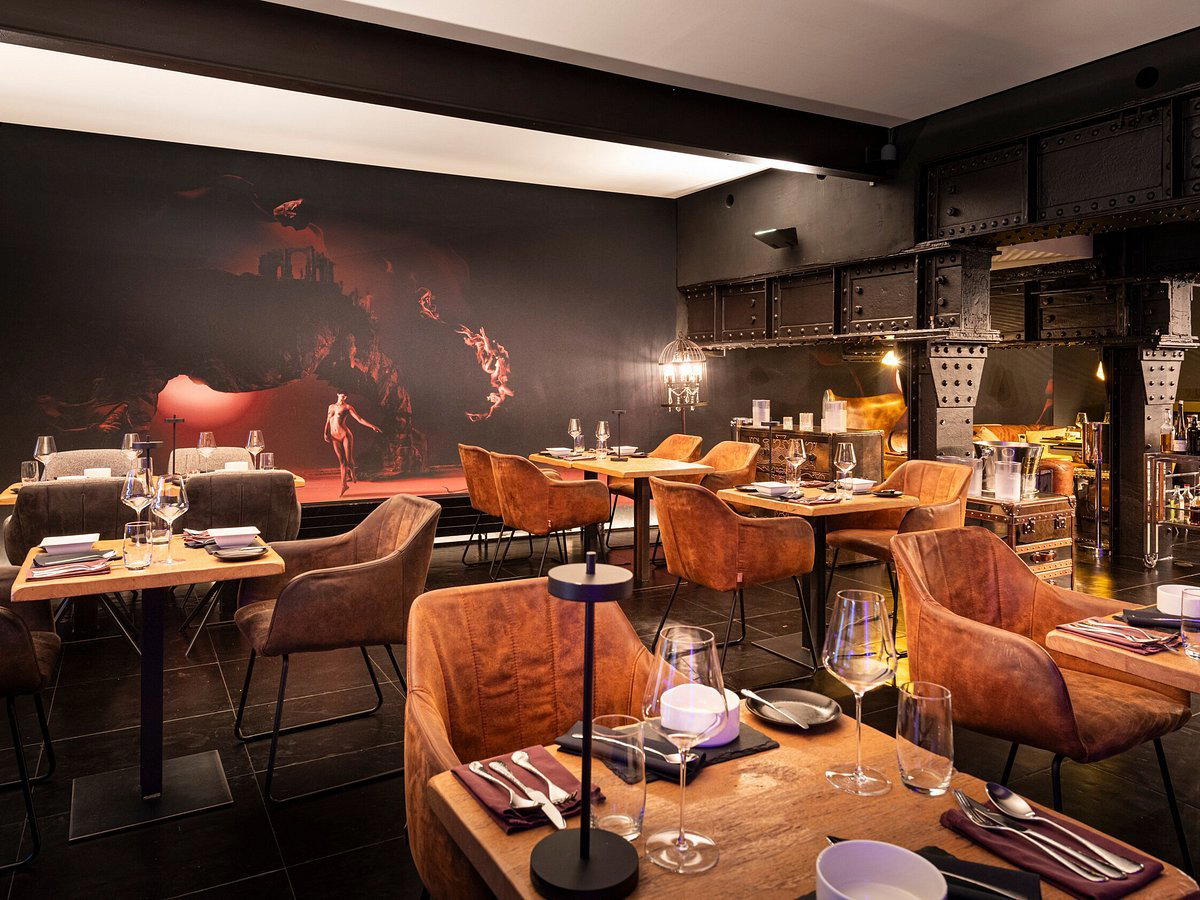
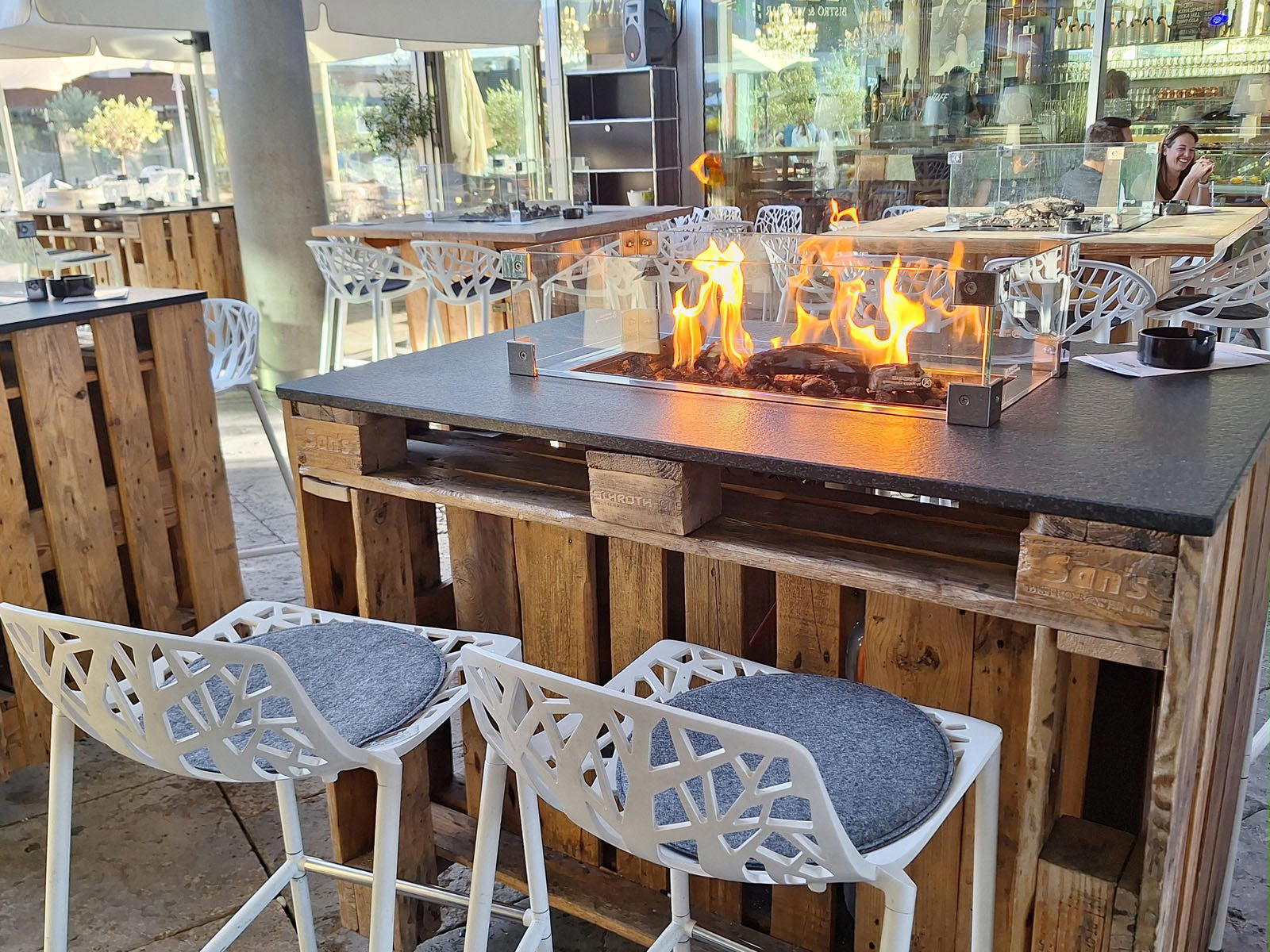
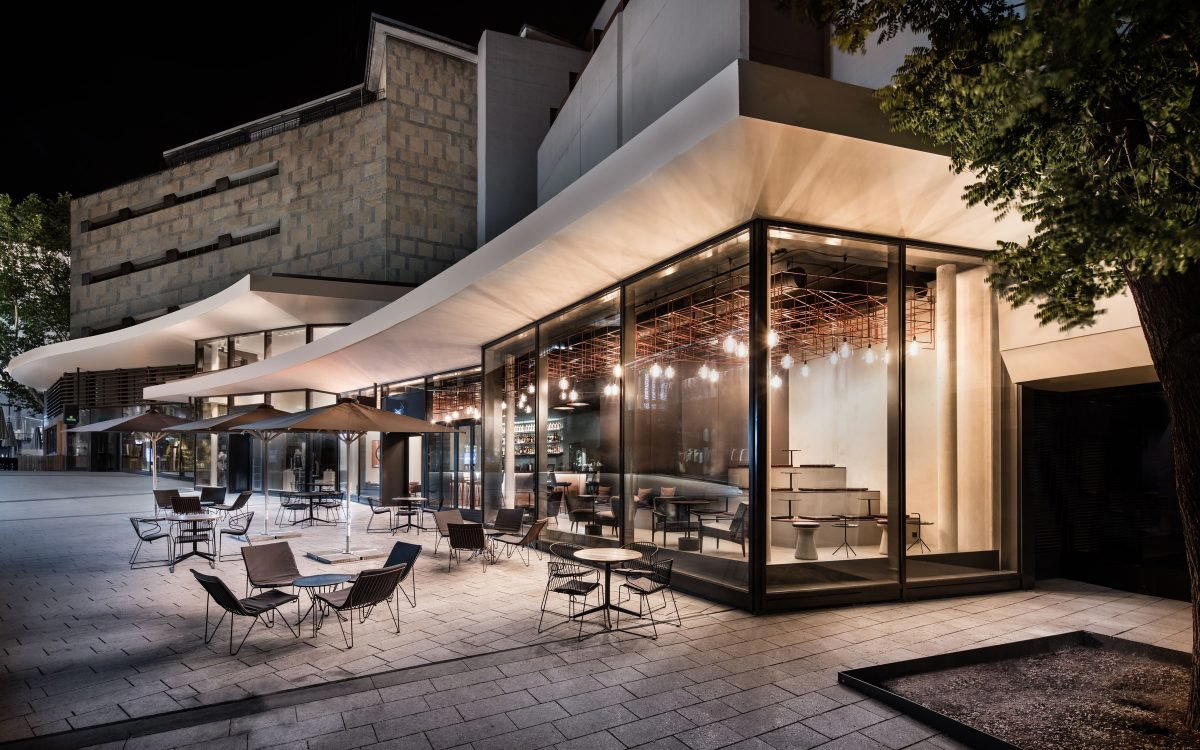
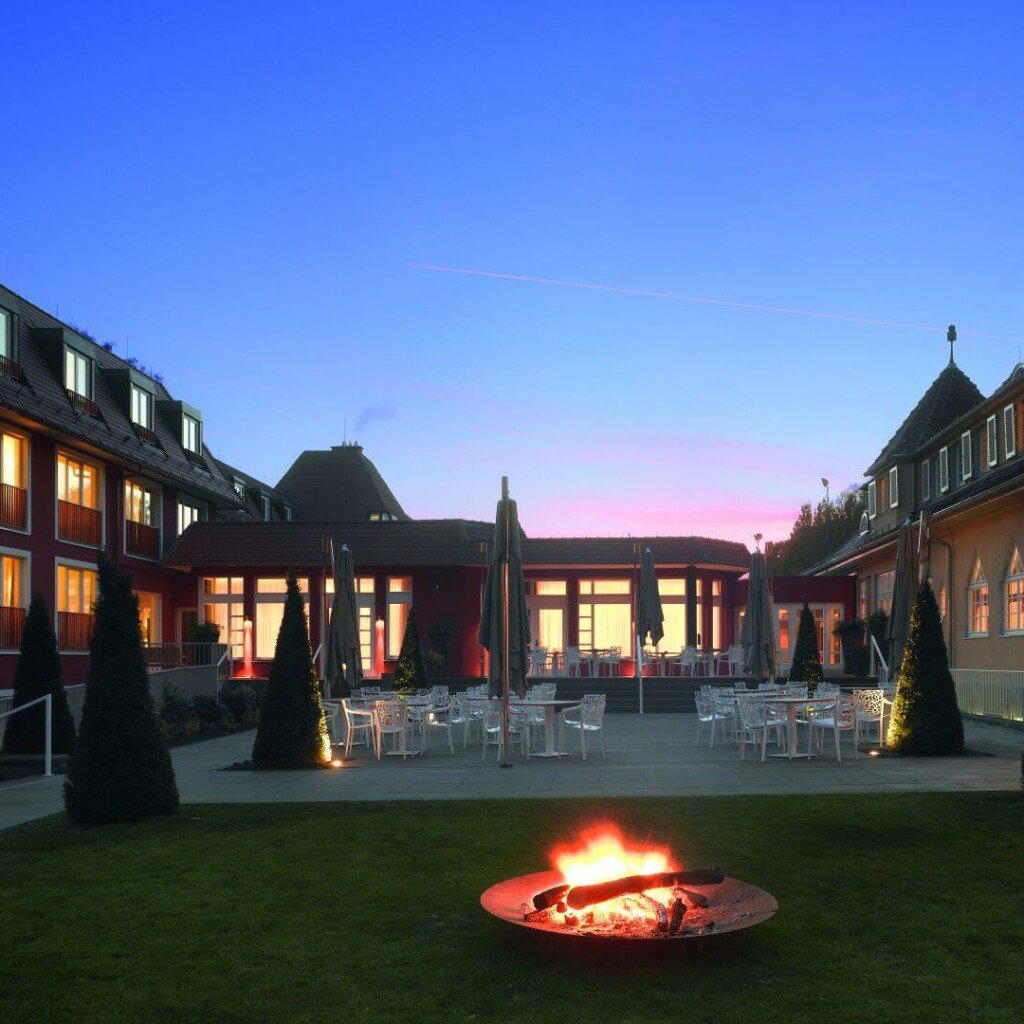
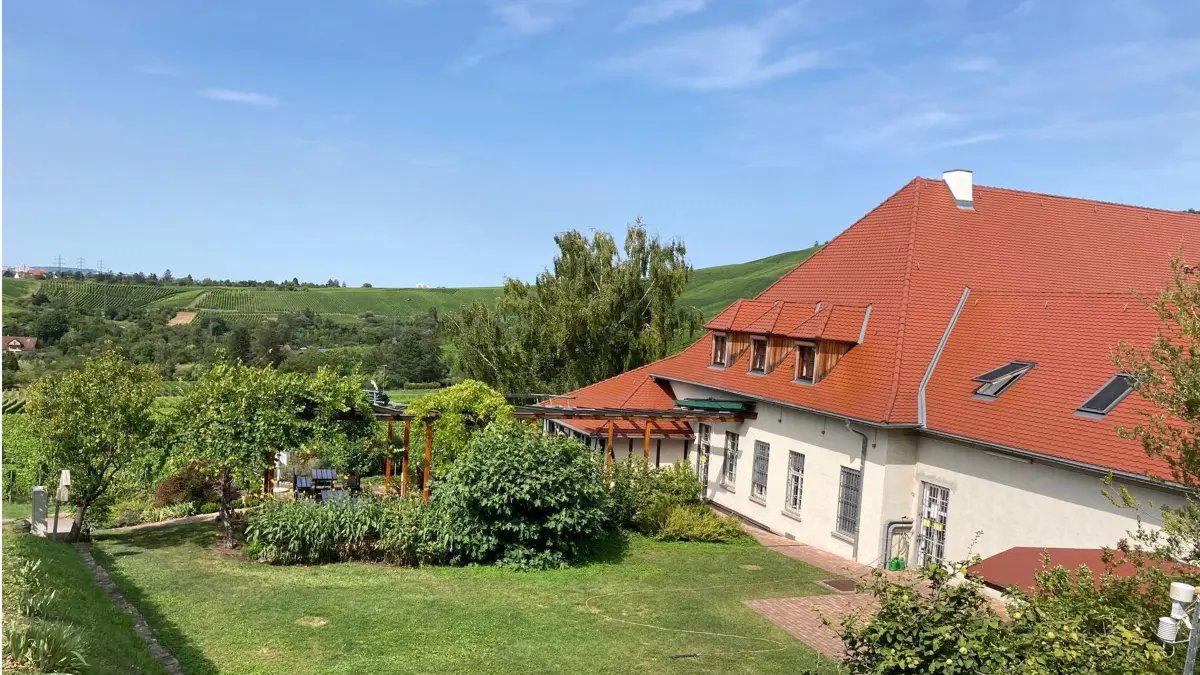
Glass pavilion with beautiful outdoor area offering dramatic city views, romantic sunsets, and a light, scenic atmosphere.