Our verdict
Plenum occupies a prominent address on Konrad-Adenauer-Straße in central Stuttgart, placing it within reach of the city's compact fine-dining corridor. Stuttgart's restaurant scene operates in the long shadow of Baden-Württemberg's exceptional culinary tradition, and Plenum sits inside that broader regional conversation. For visitors orienting themselves around the city's serious dining options, it represents a practical and editorially relevant reference point.

Pearl is the En Primeur Club membership app, where members save venues, book tables and use the concierge.
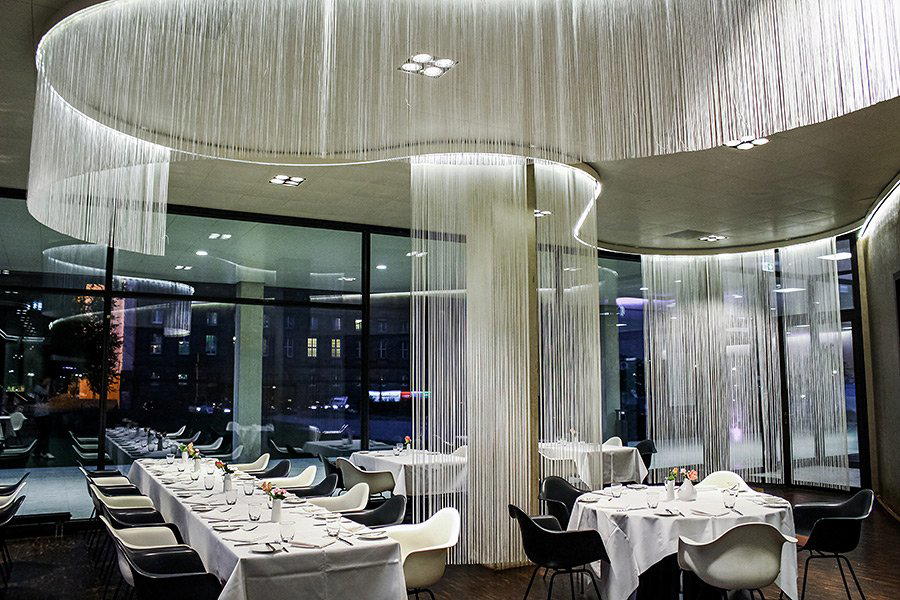
Stuttgart's Fine-Dining Address on Konrad-Adenauer-Straße
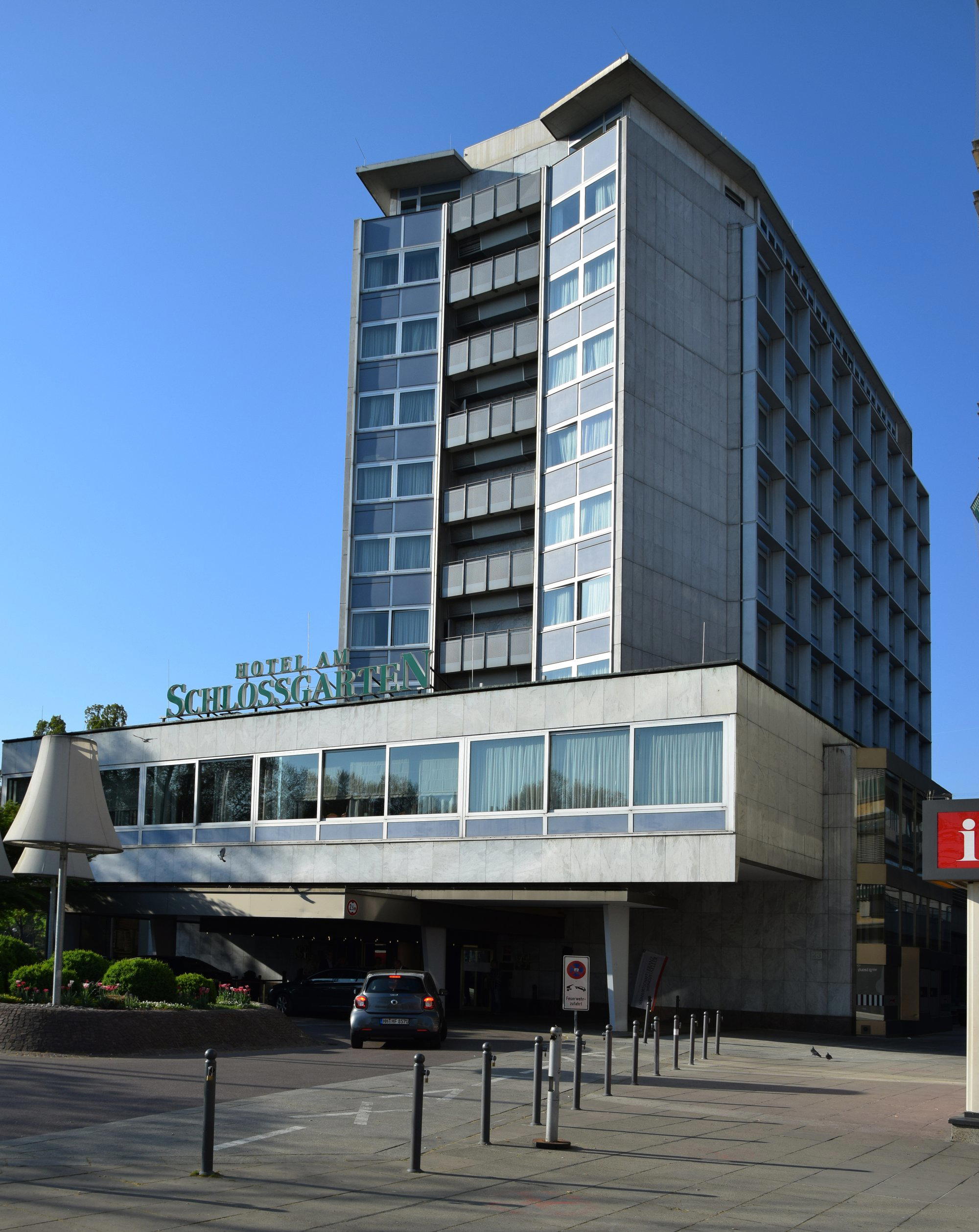
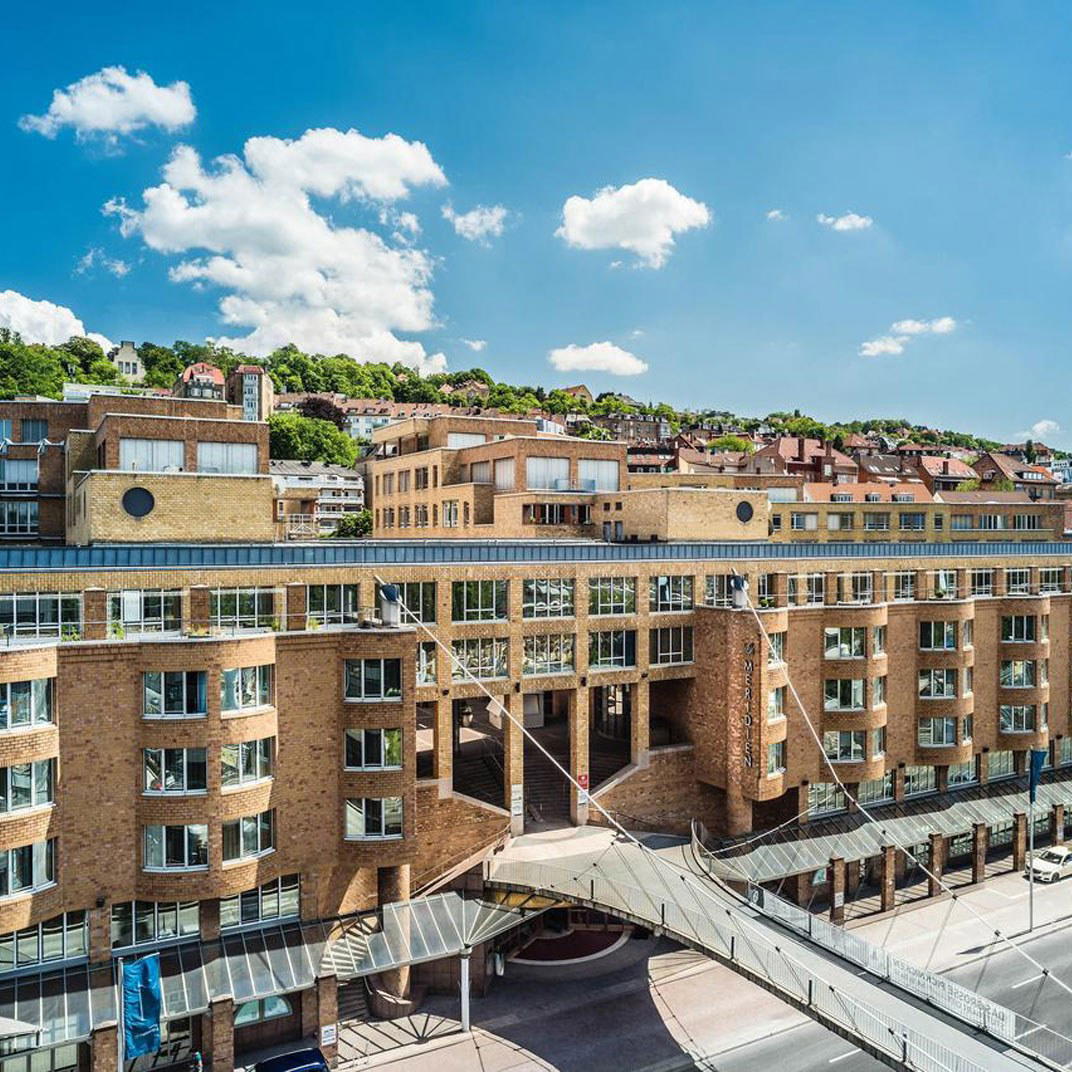
The stretch of Konrad-Adenauer-Straße running through Stuttgart's city centre has the particular quality of German civic architecture that registers before the street-level detail does: wide, purposeful, framed by buildings that carry institutional weight. Plenum sits at number 3, and the address alone signals something about the positioning. Central Stuttgart has never been a city that hides its serious restaurants in converted warehouses or unmarked doorways. The good ones tend to occupy spaces with a certain gravity, and the dining room here reads as part of that pattern.
Stuttgart as a dining city is frequently underestimated by visitors who anchor their understanding of German fine dining to Hamburg, Munich, or Berlin. That misreading ignores a crucial regional fact: Baden-Württemberg has one of the highest concentrations of Michelin-starred restaurants per capita in Europe, and the culinary culture radiating outward from the Black Forest and the Swabian Alb shapes what serious kitchens in Stuttgart aspire to. The proximity to Schwarzwaldstube in Baiersbronn, a three-star benchmark roughly an hour southwest, gives local chefs a reference point that Hamburg or Cologne cooks simply do not have in the same geographic immediacy.
Where Plenum Sits in Stuttgart's Restaurant Tier
Stuttgart's fine-dining market has stratified in a way that mirrors patterns visible across German mid-sized cities. At the upper end, restaurants like Speisemeisterei and Délice operate with Michelin recognition and price accordingly at the €€€€ tier. A step below, creative operations like Der Zauberlehrling hold down the €€€ bracket with formats that trade some formality for personality. Hegel Eins and 5 represent the modern cuisine current that has grown more pronounced in Stuttgart over the last decade, as younger kitchens have moved away from classic French frameworks toward something more globally inflected.
Plenum's central address on Konrad-Adenauer-Straße places it in proximity to Stuttgart's business and civic district, which tends to shape the rhythm of a restaurant's week. Rooms in that zone typically draw a weekday lunch and dinner crowd rooted in professional and corporate dining, with weekend trade skewing more toward destination visitors. That split matters for the kitchen's identity: it tends to produce menus that balance accessibility with enough ambition to justify the setting.
The Cultural Weight of Swabian Culinary Tradition
Understanding any serious Stuttgart restaurant requires some grounding in what Swabian food culture actually means. Swabia has historically been defined by an ingredient-led, restrained approach that emerged partly from geography and partly from a regional temperament that values craft over display. The classic preparations, Maultaschen, Spätzle, slow-braised meats, are not rustic simplifications but refined expressions of a kitchen that learned to do a great deal with available produce and animal protein. The region's winemaking tradition, centred on the Württemberg appellation with its emphasis on Trollinger, Lemberger, and Riesling, adds a local pairing vocabulary that the leading Stuttgart restaurants deploy seriously.
What this means for a restaurant operating in central Stuttgart is that the culinary conversation in the room is never entirely separate from regional identity. Diners who eat regularly in this city have opinions about what the food should reference, even when a kitchen is operating in a modern or internationally oriented register. The pressure to acknowledge place is present in a way that is less acute in, say, Berlin, where CODA Dessert Dining can pursue a format almost entirely detached from German culinary tradition without losing its audience. Stuttgart rewards restaurants that find a way to anchor their ambition to something locally legible.
How Stuttgart Compares Within Germany's Fine-Dining Network
Germany's three-star tier has historically clustered in specific geographic nodes: the Black Forest corridor, the Rhine-Main region, and individual standouts in major cities. At that level, restaurants like Vendôme in Bergisch Gladbach, Victor's Fine Dining by Christian Bau in Perl, and Waldhotel Sonnora in Dreis define the upper register against which serious regional kitchens are implicitly measured. Slightly further afield, Aqua in Wolfsburg and Restaurant Haerlin in Hamburg demonstrate how different city contexts shape the expression of high-end cooking. ES:SENZ in Grassau and Schanz in Piesport represent the destination-restaurant model that operates outside major cities but draws national and international audiences.
Stuttgart sits in a different position: it is large enough to sustain a diverse fine-dining scene but not so dominant as a food-tourism destination that its restaurants are primarily oriented toward out-of-town visitors. The result is a city where the leading restaurants are built around a local audience with high expectations, which is generally a better foundation for consistent kitchen performance than one dependent on tourist traffic. For international reference points on what contemporary fine dining looks like when it draws from a dense culinary tradition, JAN in Munich offers a useful southern-German parallel, while Le Bernardin in New York City and Atomix in New York City illustrate the distance between European regional tradition and globally abstracted fine dining formats.
Planning a Visit
For visitors building a Stuttgart dining itinerary, Plenum's address in the city centre makes it direct to combine with the broader dining corridor that runs through Stuttgart-Mitte. The city's compact geography means that several of the restaurants in our full Stuttgart restaurants guide are accessible from the same base. Stuttgart's public transport network is reliable, and the central station (Stuttgart Hauptbahnhof) is within walking distance of Konrad-Adenauer-Straße.
Know Before You Go
- Address: Konrad-Adenauer-Straße 3, 70173 Stuttgart, Germany
- Getting There: Stuttgart Hauptbahnhof is the closest major transit hub; the address is reachable on foot from the central station.
- Booking: Contact information is not currently listed; check the venue directly or use a local concierge service for reservations.
- Hours: Not confirmed at time of publication; verify before visiting.
- Dress Code: Not specified; central Stuttgart fine-dining norms lean toward smart-casual at minimum.
Frequently asked questions
How do I find Plenum - Stuttgart?
Plenum - Stuttgart is located at Konrad-Adenauer-Straße 3, 70173 Stuttgart, Germany, Stuttgart.
How does Plenum's location on Konrad-Adenauer-Straße affect the dining experience in Stuttgart?
Plenum sits at Konrad-Adenauer-Straße 3 in Stuttgart's city centre, which places it within the stretch of civic architecture that defines the administrative and commercial core of the city. This positioning makes it accessible in combination with Stuttgart's broader cultural and dining circuit, particularly for visitors anchoring an itinerary in the centre rather than the outer districts. The address carries a degree of institutional weight common to restaurants that occupy formal urban corridors in German cities of Stuttgart's scale.
What do regulars order at Plenum - Stuttgart?
Regulars at serious Stuttgart dining addresses tend to work through the full tasting format rather than ordering à la carte, which generally reflects how kitchens at this level prefer to structure the experience. Contacting Plenum directly before your visit will confirm the current menu format.
Do they take walk-ins at Plenum - Stuttgart?
At fine-dining addresses operating in Stuttgart's upper restaurant tier, walk-in seating is uncommon and advance reservations are the norm. Reaching out to Plenum ahead of your visit is the reliable approach to securing a table.
Reputation Context
Comparable venues nearby, for context on price, style, and recognition.
| Venue | Cuisine | Price | Notes |
|---|---|---|---|
| Plenum - StuttgartThis venue (the venue you are viewing) | Modern Regional German with Swabian Influences | $20–30 | Not listed |
| Paulaner am alten Postplatz | Bavarian and Swabian | $20–30 | Gablenberg |
| Nesenbach Brauhaus | Swabian Brauhaus with Bavarian Influences | $20–30 | Gablenberg |
| tobi's | Swabian German | $10–20 | Gablenberg |
| Italo Disco | Trendy Neapolitan-Style Pizza & Pasta | $20–30 | Heslach |
| Sabai-Sabai | Authentic Thai Street Food | $10–20 | Gablenberg |
Continue exploring
More in Stuttgart
Restaurants in Stuttgart
All restaurants in Stuttgart →
Bars in Stuttgart
All bars in Stuttgart →

Details
- Elegant
- Modern
- Sophisticated
- Business Dinner
- Special Occasion
- Terrace
- Open Kitchen
- Historic Building
- Extensive Wine List
- Local Sourcing
- Garden
- Street Scene
- A La Carte
- Wine And Beer
- Vegetarian Friendly
Current opening hours
- Monday
- 11 AM–11 PM
- Tuesday
- 11 AM–11 PM
- Wednesday
- 11 AM–11 PM
- Thursday
- 11 AM–11 PM
- Friday
- 11 AM–12:30 AM
- Saturday
- 11 AM–12:30 AM
- Sunday
- 11 AM–10 PM
Hours can change for holidays and private events. Hours as of .
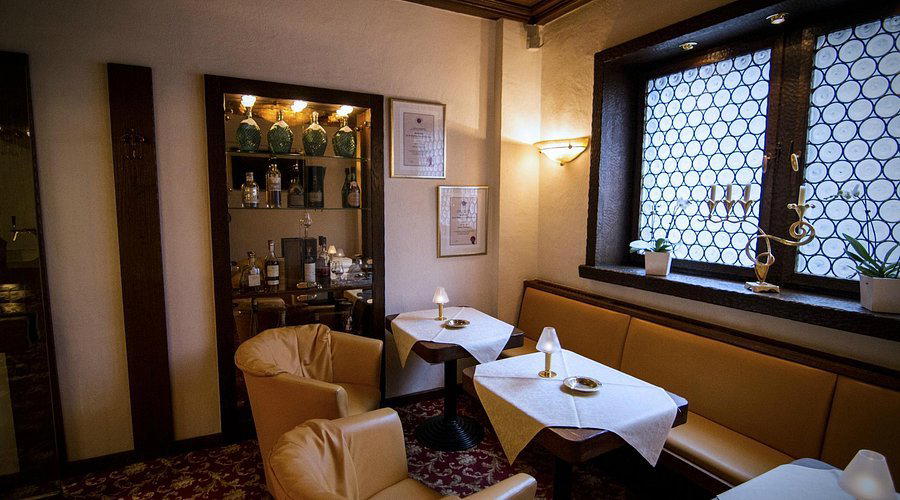
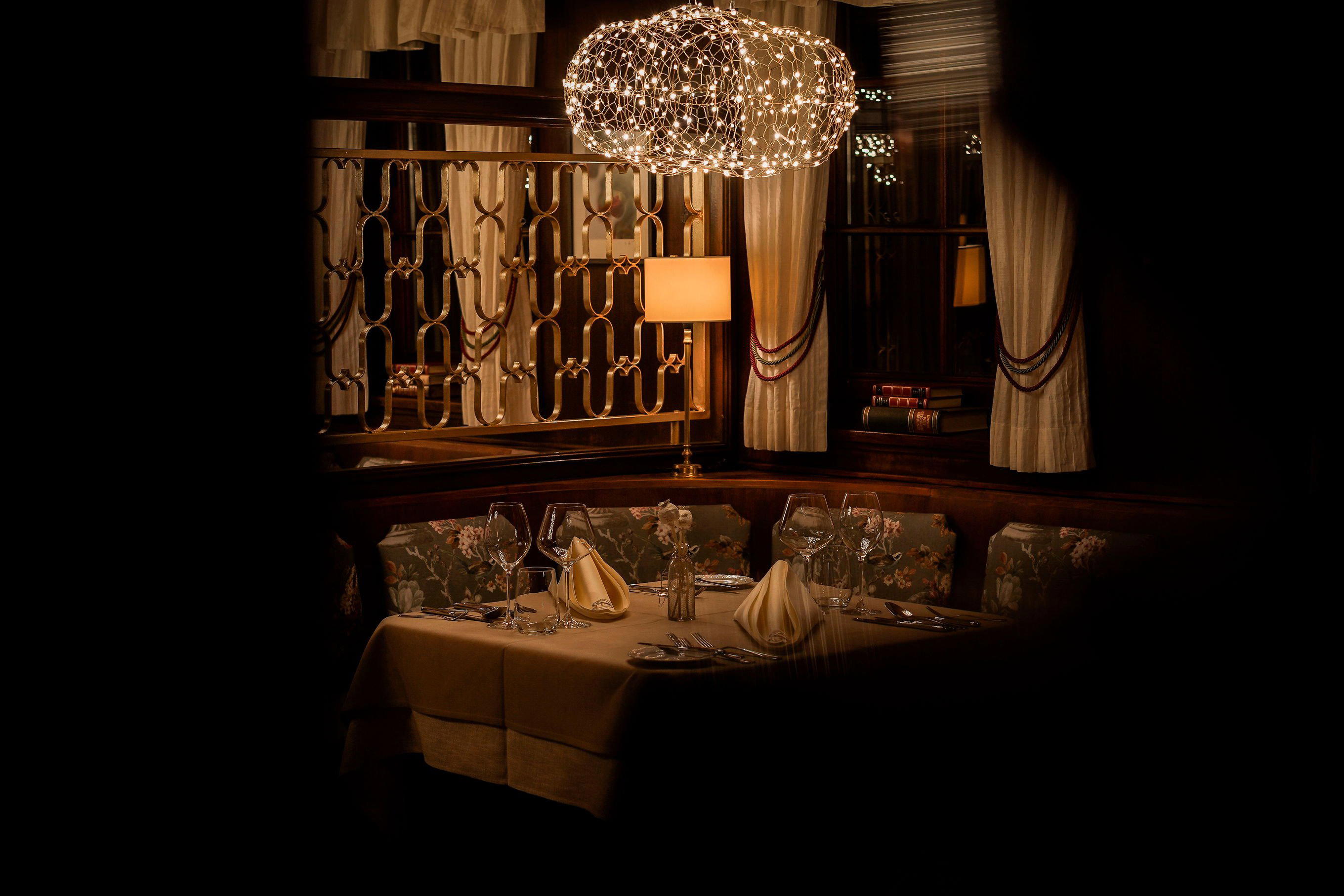
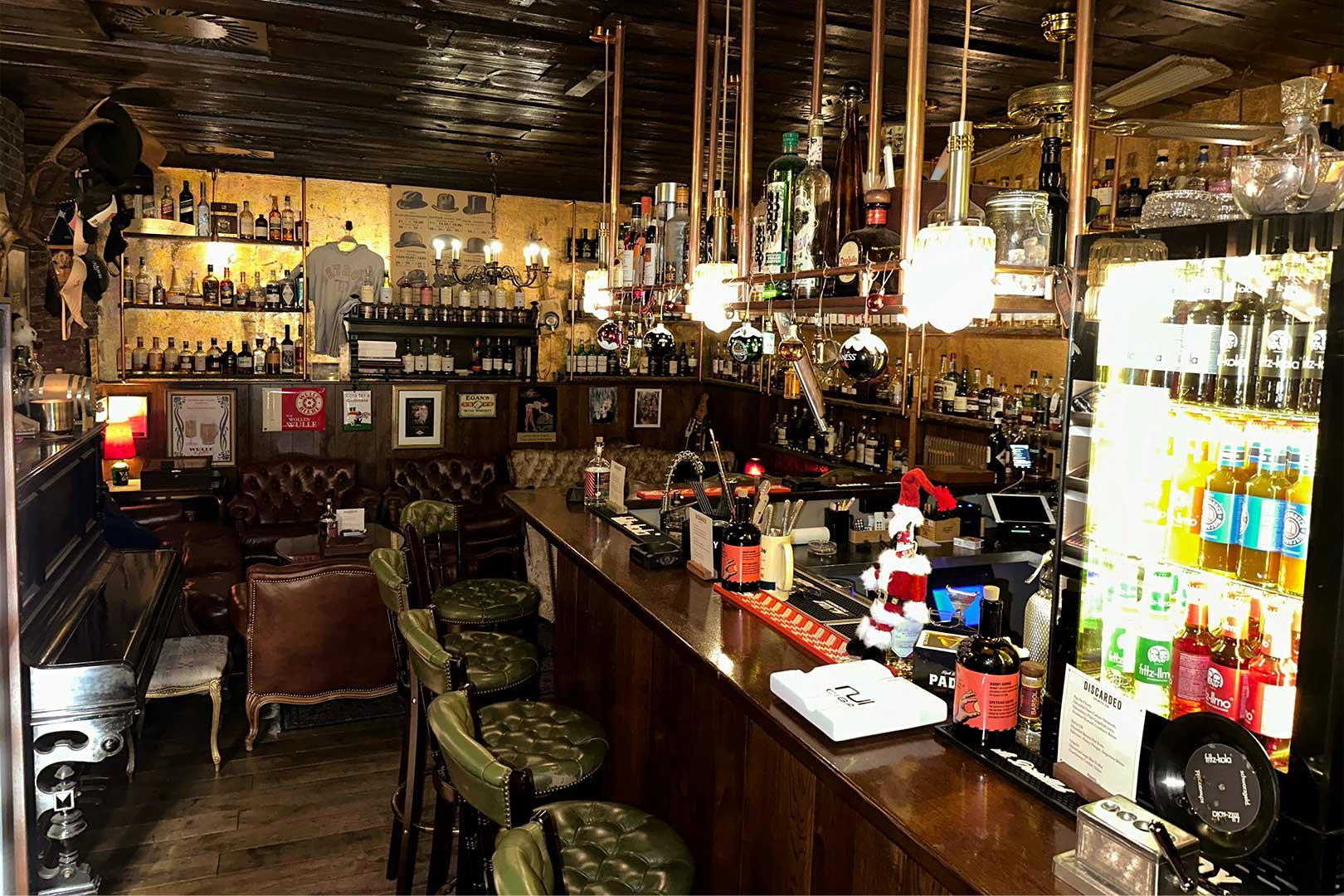
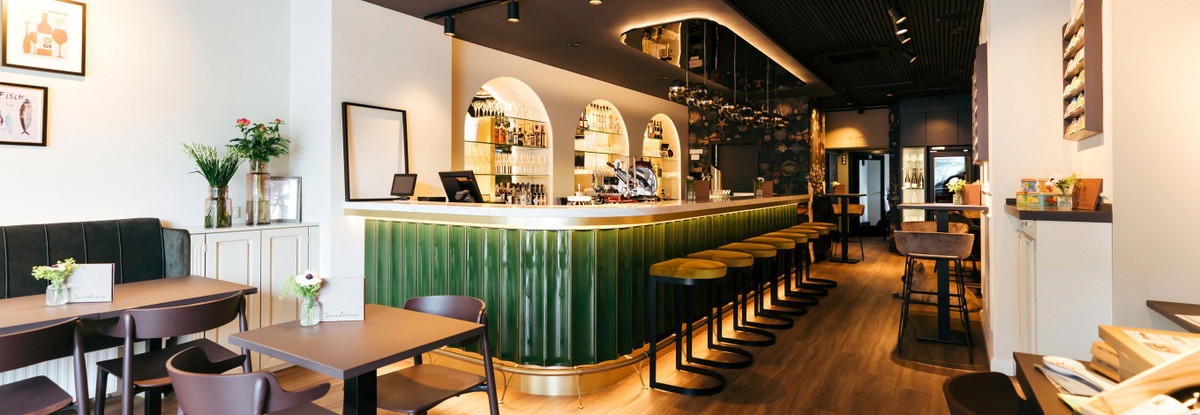
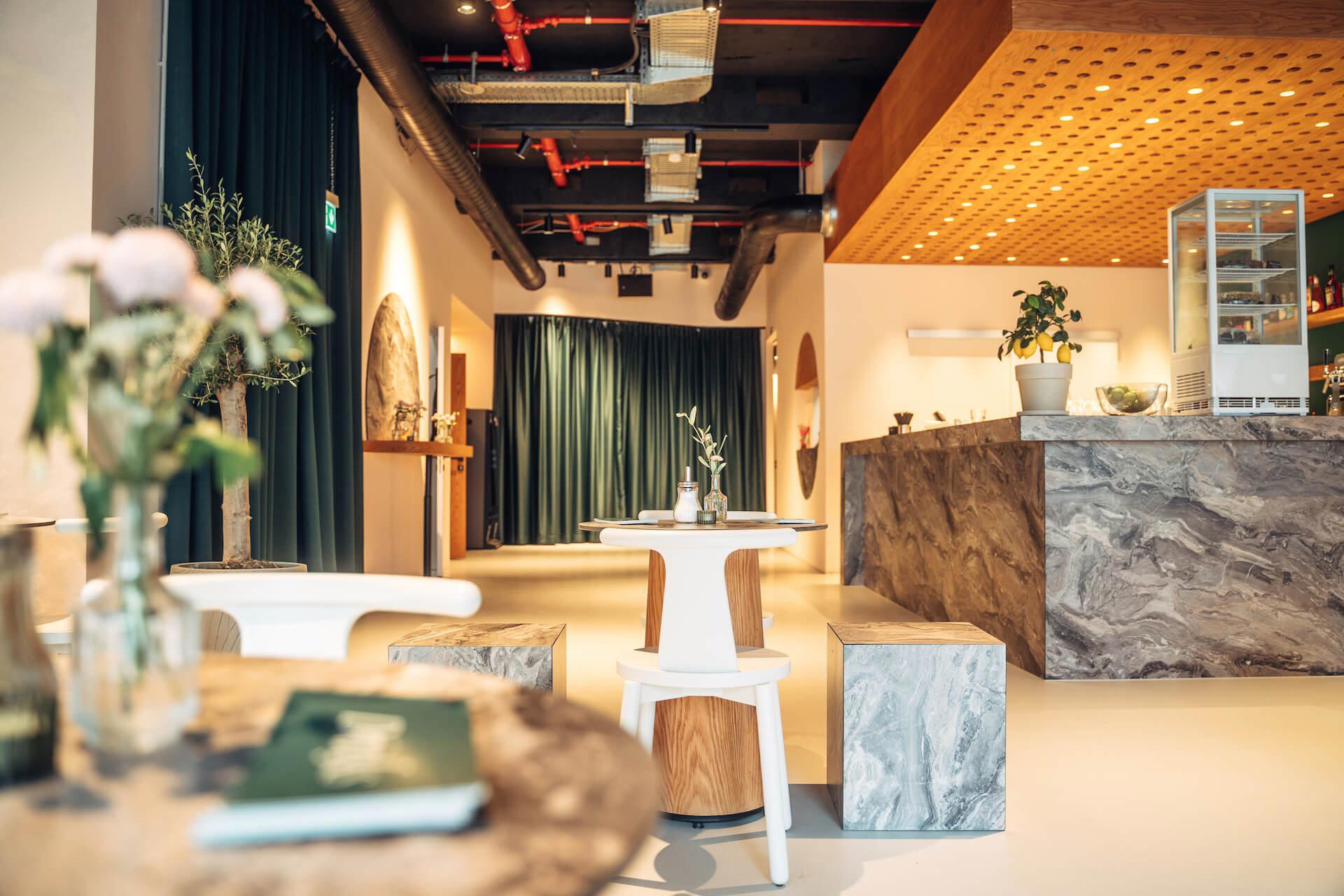
Herzlich einladende atmosphere with beautiful light, dramatic views, and live piano music; sophisticated yet relaxed with stylish interiors.