
Chinese restaurant HAKUBI gives Urawa a serious Chinese address in the small-format, ingredient-led register rather than the banquet-hall mode. Its 2026 Tabelog 100 Chinese EAST selection, 20-seat room, counter option, private rooms, wine and shochu list, and moderate Saitama pricing make it a useful marker for how regional Chinese dining outside Tokyo is tightening its focus.
Pearl is the En Primeur Club membership app — saves, bookings, and concierge access live there. Same editors, same standards.
- Address
- 埼玉県さいたま市浦和区東仲町10-1 スカイフィールド B1F
- Phone
- +81487677878
- Website
- tabelog.com
- Directions
- Get directions
 Saves & bookings on Pearl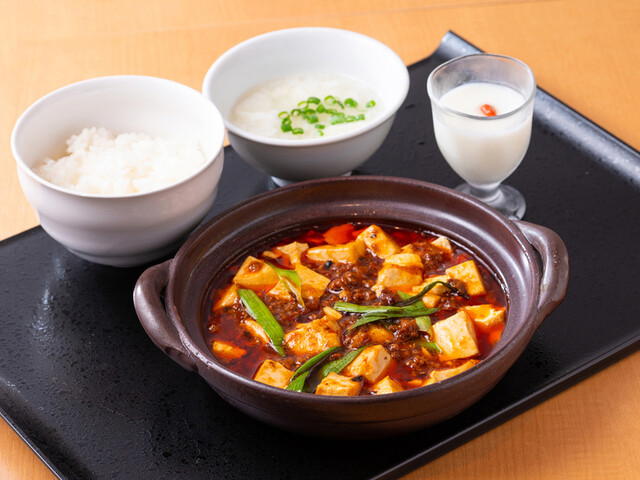
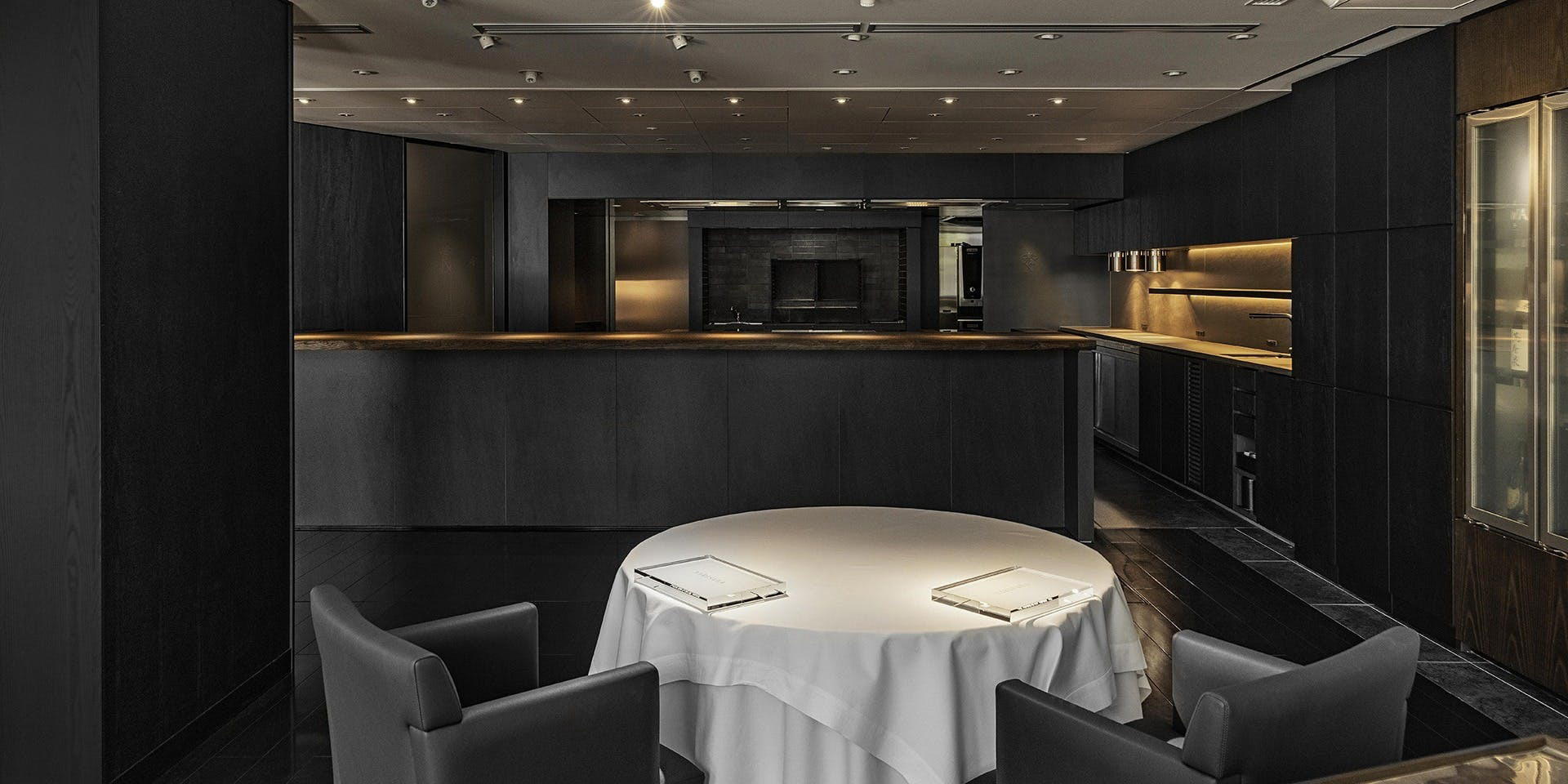
Approach in Urawa and the cue is compression, not spectacle: a basement address, 20 seats, four counter seats, table seating, and a format built for close attention rather than procession. In Saitama, where dining often splits between dependable station-area comfort and destination rooms borrowing Tokyo’s pricing logic, chinese restaurant HAKUBI sits in a narrower band: Chinese cooking recognized enough to draw cross-city interest, yet scaled closer to a neighbourhood dining room than a hotel Chinese salon.
The useful lens is sourcing and control. Chinese restaurants in Japan have long adapted regional Chinese technique to local market rhythms, with Japanese vegetables, seafood supply chains, and portioning expectations reshaping the category. At the serious end, the question is less whether a kitchen declares Sichuan, Cantonese, Shanghai, or modern Chinese allegiance than how precisely it handles produce, heat, texture, oil, and pacing. HAKUBI’s place on the Tabelog 100 Chinese cuisine EAST 2026 list signals judgement within that sharper peer group, not as a casual station-side Chinese option.
Urawa's Chinese dining shifts from comfort category to ingredient discipline
Chinese food in Japanese cities is often treated as broad comfort: gyoza, fried rice, mapo tofu, noodle bowls, banquet plates. That misses the shift in smaller rooms, where cooking has moved toward cleaner sourcing, tighter heat control, and menus that suit wine as naturally as beer. Wine and shochu matter because they place the meal in a slower, pairable rhythm. This is not luxury by itself; it signals that the kitchen expects guests to follow the cooking across courses rather than treat the restaurant as a quick rice-and-noodle stop.
In Saitama’s price structure, that distinction matters. Dinner sits in the JPY 5,000 to JPY 5,999 bracket, lunch at JPY 2,000 to JPY 2,999. That is above casual Chinese lunch traffic, yet below many Tokyo-led tasting formats. Locally, Unagi Musashino occupies a similar dinner range but higher lunch bracket, while Turkish Ryori Asena and Masuya sit slightly lower for lunch. Unagi Hamana moves into a higher dinner band. This is not simple value ranking: HAKUBI asks for attention and budget in the same zone as other Saitama destination meals, while remaining more accessible than the city’s higher-priced specialist rooms.
The 2024 opening date also matters. A 2026 Tabelog 100 selection came quickly, and in Japan’s restaurant culture that recognition can accelerate demand before a room has settled into long-term regulars. For diners, the implication is plain: a small room with reservations available and outside recognition will not behave like a walk-in fallback, especially around weekends, public holidays, and dinner hours.
A compact room changes how Chinese technique reads
Scale affects Chinese cooking more than many diners assume. In a banquet setting, generosity, shared plates, and table energy drive the meal. In a 20-seat room with counter seating, technique becomes easier to read: wok timing, sauce reduction, knife work, vegetable texture, and the shift between richer and cleaner dishes. Without a published signature dish or chef biography to lean on, the restaurant is better understood through format. Four counter seats suggest a closer view of the kitchen’s pace, while private rooms for six and eight preserve shared-table logic for families or small groups.
That duality is part of the Saitama story. Urawa is not simply imitating central Tokyo’s omakase economy. Its stronger dining rooms often work by combining access, station convenience, and a lower-friction relationship with repeat guests. HAKUBI’s family-friendly listing, non-smoking room, wheelchair access, sofa seating, and free Wi-Fi point to a restaurant designed for actual local use, not just award-chasing traffic. The room can handle dates, family meals, and small private gatherings without forcing every occasion into the same tasting-counter script.
The sourcing angle is indirect but clear. Serious Chinese cooking in Japan depends on market inputs as much as regional orthodoxy: greens that hold snap under heat, seafood that can take aromatic oil without being buried, and meat cuts that reward quick fire rather than heavy masking. When a Chinese restaurant earns attention in the EAST field, diners are usually responding to balance and product handling, not only spice level or portion size. HAKUBI belongs in that conversation because recognition, compact capacity, and drinks positioning all point toward a kitchen where ingredient condition matters.
How to place it within a Saitama food itinerary
For travellers using Urawa as more than a rail stop, this is a useful anchor meal. The restaurant is a short walk from Urawa Station’s north exit, so it fits before or after a Saitama day built around cafés, bakeries, sweets, or bars rather than a single destination dinner.
The broader planning frame matters too. Saitama rewards diners who think across categories rather than chase a single headline restaurant. Use Our full Saitama hotels guide for stays, Our full Saitama bars guide for after-dinner drinking, Our full Saitama wineries guide for wine-focused context, and Our full Saitama experiences guide for non-restaurant scheduling. For readers comparing Japanese regional dining beyond Saitama, EP Club also covers -Grilled beef Sukiyaki- KAMAKURA TANUKIAN 鎌倉 たぬき庵 in Kamakura. 鮪と炭火焼き うお炭 秋葉原店 in Tokyo.cafe in Osaka.know in Kumamoto, (Shoku) Vietnam in Kawasaki, [Curry Senmon Ten] Maruyama Kyoju. in Sapporo, Jōdo Saké Bar in Los Angeles, and Onigiri Time in Pasadena.
The editorial read is clear: choose HAKUBI when the point is Chinese technique filtered through a compact Japanese dining room, not maximal banquet theatre. The award signal gives it credibility, the pricing keeps it within reach for a planned Saitama dinner, and the small room makes it a reservation meal rather than an improvisation.
At-a-Glance Comparison
Comparable venues by cuisine and price in the same metro.
| Venue | Cuisine | Price | Notes |
|---|---|---|---|
| chinese restaurant HAKUBI | Authentic Chinese with signature Peking Duck near Urawa Station | $$$ | Urawa |
| Wataya | Traditional Izakaya & Sake Bar | $$$ | Urawa |
| Toyo Zushi | Traditional Sushi & Hot Pot | $$$ | Omiya |
| Inakaya Irori | Traditional Japanese Izakaya with Irori Hearth | $$ | Urawa-ku |
| KARiKA KiTCHEN | Indian & Nepalese Curry House | $$ | Omiya |
| かねかつ | Traditional Shoyu Ramen & Abura Soba | $$ | 北浦和 (Kita-Urawa) |
Recognition history
Dated appearances from independent guides and award organizations, with the underlying list record or original source where available.
Tabelog 100 #58 · No. 58
Tabelog · Tabelog 100 - Chinese cuisine - EAST - 2026










At a Glance
- Cozy
- Modern
- Intimate
- Date Night
- Business Dinner
- Group Dining
- Celebration
- After Work
- Special Occasion
- Private Dining
- Standalone
- Sake Program
- Beer Program
Current opening hours
- Monday
- 11:30 AM–2:30 PM, 5–10 PM
- Tuesday
- 11:30 AM–2:30 PM, 5–10 PM
- Wednesday
- Closed
- Thursday
- 11:30 AM–2:30 PM, 5–10 PM
- Friday
- 11:30 AM–2:30 PM, 5–10 PM
- Saturday
- 11:30 AM–2:30 PM, 5–10 PM
- Sunday
- 11:30 AM–2:30 PM, 5–10 PM
Hours can change for holidays and private events. Last verified .
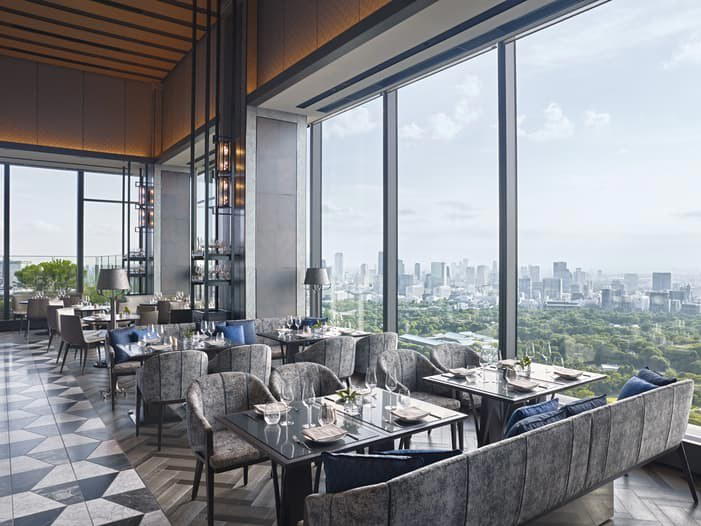
Warm, calm, and relaxed basement dining room with around 20 seats, semi-private spaces, and a cozy hidden-gem feel rather than a loud, high-traffic atmosphere.