Via Pastrengo sits in Milan's broader tradition of occasion-ready dining, where the room, the sequence, and the service are calibrated for meals that mark something. Located in the Metropolitan City of Milan, it draws from a city that places serious dining at the centre of its social calendar. Confirmation on format, price, and booking is best sought directly before visiting.
Pearl is the En Primeur Club membership app — saves, bookings, and concierge access live there. Same editors, same standards.
- Address
- Milan, Metropolitan City of Milan, Italy
- Phone
- +39 02 8706 6093
- Website
- capraecavolimilano.it
- Directions
- Get directions
 Saves & bookings on Pearl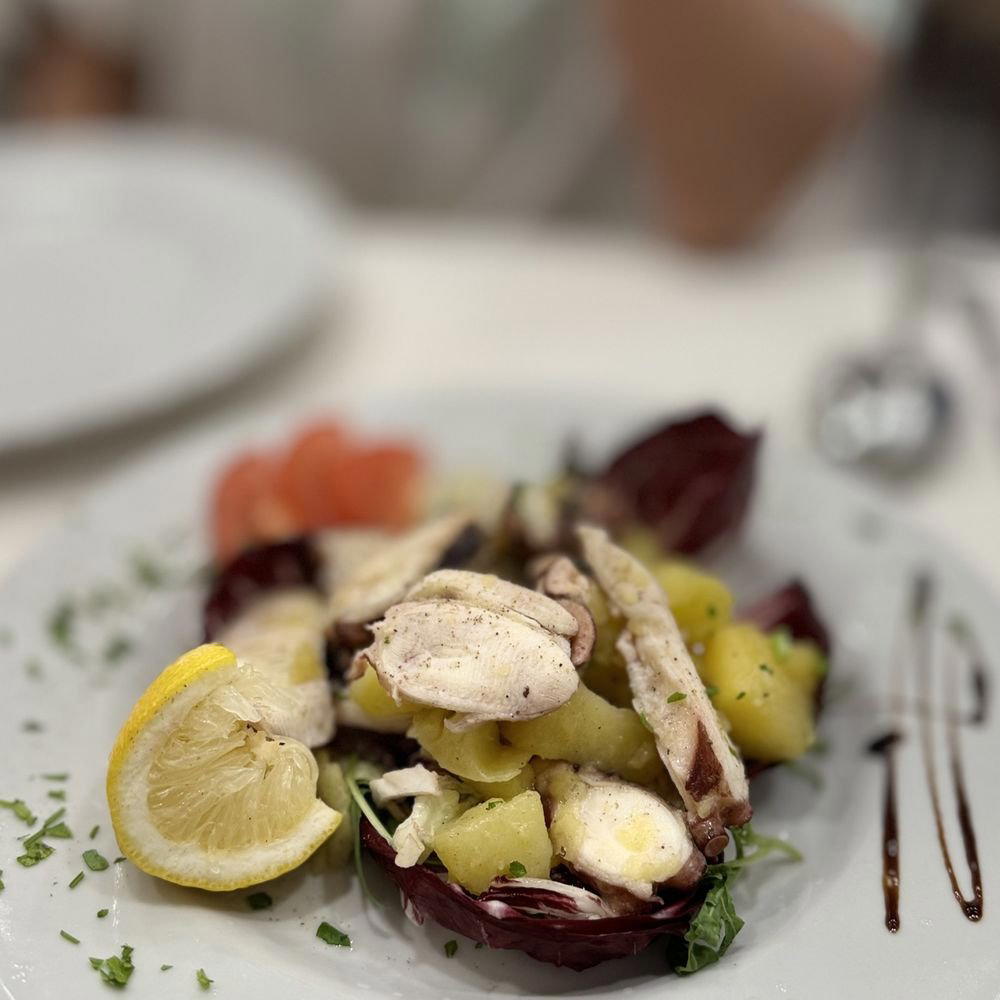
Milan and the Architecture of the Occasion Meal
Milan does not treat restaurants as fuel stops. The city has a long-standing habit of folding restaurants into the ceremonial fabric of life: the deal signed over a long lunch, the anniversary that calls for a room with weight to it, the birthday where the choice of table is itself a statement. In this context, the address on Via Pastrengo belongs to a tradition that Milanese diners understand instinctively. Where you eat marks what you are celebrating, and the street-level experience before you even sit down is part of the ritual.
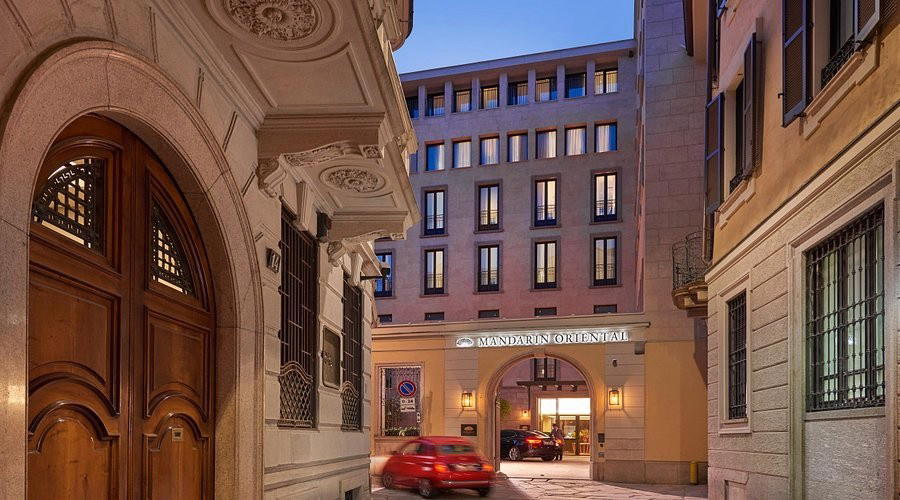
The city's fine and upper-casual dining tier has grown considerably more competitive over the past decade. Properties like Enrico Bartolini, operating at the creative end of the spectrum with a €€€€ price point, and Seta, which anchors modern Italian cooking inside the Mandarin Oriental, have raised the ceiling for what occasion dining means in this city. Cracco in Galleria placed itself in the Galleria Vittorio Emanuele II, using setting as a deliberate argument for significance. Via Pastrengo is a modern Italian trattoria in Milan, with a price point around $45 per person.
What Via Pastrengo Represents in Milan's Dining Map
The restaurant is a short street in central Milan, positioned in the Porta Venezia area, a neighbourhood that has seen sustained reinvestment in its food and hospitality offer over the past several years. The area sits north-east of the Duomo, close enough to the city's commercial core to draw business occasion diners, and with enough residential density around it to hold a loyal local clientele as well. That mix, transient celebrants and returning regulars, is the operational reality for most credible occasion-dining addresses in any major European city.
Milan's mid-to-upper dining tier has increasingly split between high-concept tasting menus, where the format is the occasion, and more grounded spaces where the food is serious without requiring the diner to engage in a performance. The latter category is harder to execute well: it demands cooking that can hold attention across multiple visits and a service register that reads the table rather than following a script. Venues that achieve this in Milan tend to develop the kind of reputation that travels through word of mouth among the city's professional and business communities rather than through award cycles alone.
For broader context on where the restaurant sits within the city's wider restaurant offer, the full Milan restaurants guide maps the city's dining tiers in detail.
The Italian Fine Dining Reference Points
Understanding what a serious Milan restaurant is measured against requires looking beyond the city limits. Italy's fine dining ecosystem runs from Osteria Francescana in Modena, which redefined what Italian cooking could mean on a global stage, to regional anchors like Dal Pescatore in Runate, a three-Michelin-star institution in the Mantuan countryside that has held its position for decades through consistency rather than reinvention. Piazza Duomo in Alba and Le Calandre in Rubano represent the northern Italian creative tradition at its most disciplined. In the south, Quattro Passi in Marina del Cantone and Reale in Castel di Sangro show how regional identity can drive cooking at the highest level. On the Adriatic, Uliassi in Senigallia has built one of Italy's most technically ambitious seafood programs. These are the addresses that shape diner expectations when they arrive at any serious Italian table, including in Milan.
Tuscany holds its own reference point in Enoteca Pinchiorri in Florence, which remains one of Italy's most wine-driven high-end experiences. In the north-east, Atelier Moessmer Norbert Niederkofler in Brunico has developed a mountain-sourced approach that sits outside conventional Italian fine dining categories entirely. And in Verona, Casa Perbellini 12 Apostoli demonstrates how a historic room and a contemporary kitchen can coexist without one undermining the other.
Occasion Dining and the Milan Standard
The occasion meal in Milan carries specific expectations. The room should have register, meaning it should feel like a decision was made about what it should be. The wine list should reward engagement rather than just filling glasses. The pacing should match the gravity of the evening rather than the kitchen's convenience. These are not abstract standards: they are the practical requirements that distinguish a dinner table from a transaction, and they are what Milanese diners bring to the room whether or not they articulate it.
Milan's most consistent upper-tier addresses, including Andrea Aprea at the modern Italian end and Verso Capitaneo at the creative end, have each developed a service approach calibrated to this expectation. The international comparison is instructive: Le Bernardin in New York City has held its position for decades precisely because the room, the cooking, and the service operate as a unified argument about what an occasion meal should feel like. Lazy Bear in San Francisco took the opposite approach, building occasion through communal format rather than classical formality, and it works for a different kind of milestone. Milan's stronger addresses tend toward the former model: formal without being stiff, attentive without being intrusive.
Planning a Visit to Via Pastrengo
The restaurant is recommended for reservations. This applies particularly to occasion bookings, where confirmation of format and any dietary accommodations matters well in advance. The Porta Venezia area is well served by Milan's Metro network, with lines M1 and M2 providing direct access from the city centre and major hotel clusters. For any milestone meal in Milan, arriving with confirmed details and a reservation rather than walking in is the practical baseline.
Pricing, Compared
Comparable venues nearby, for context on price, style, and recognition.
| Venue | Cuisine | Price | Notes |
|---|---|---|---|
| Via PastrengoThis venue — the venue you are viewing | Isola, Modern Italian Trattoria | $$$ | Not listed |
| Hostaria Borromei | Duomo, Traditional Milanese Trattoria | $$$ | Not listed |
| Il Cestino | Brera, Traditional Milanese Trattoria | $$$ | Not listed |
| Osteria della Darsena | Not listed | $$$ | Porta Ticinese - Conchetta, Traditional Lombard Trattoria |
| Valentino Legend | Duomo, Classic Italian Milanese | $$$ | Not listed |
| MARTINI | Not listed | $$$ | Duomo, Modern Sicilian with Mediterranean influences |
Continue exploring
More in Milan
Restaurants in Milan
Browse all →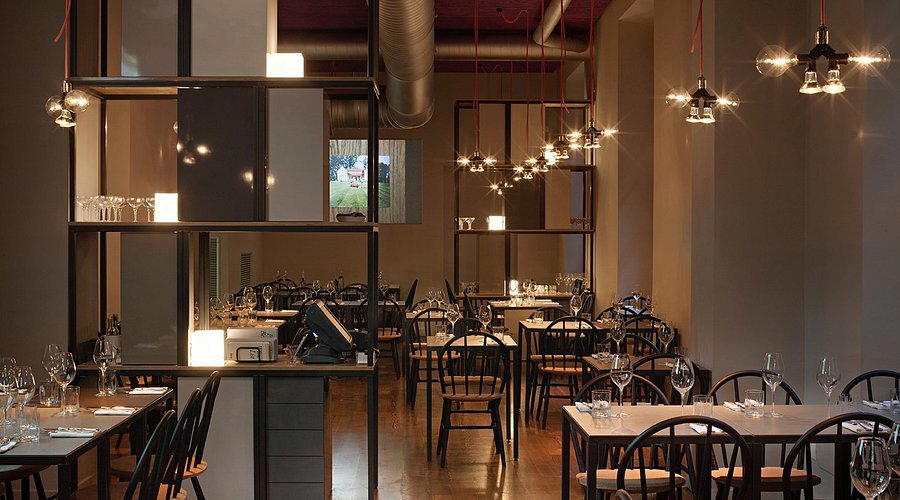
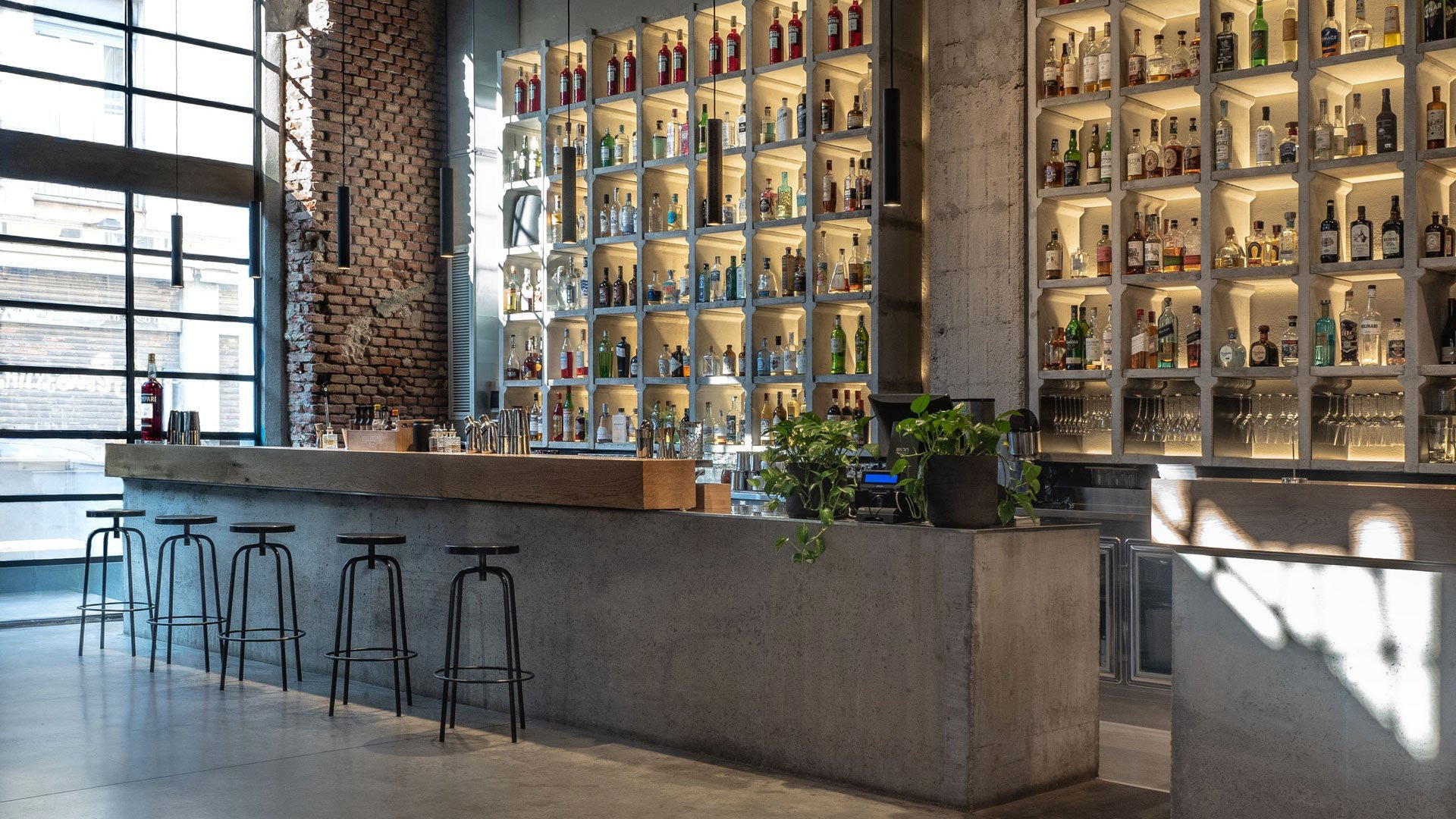
Bars in Milan
Browse all →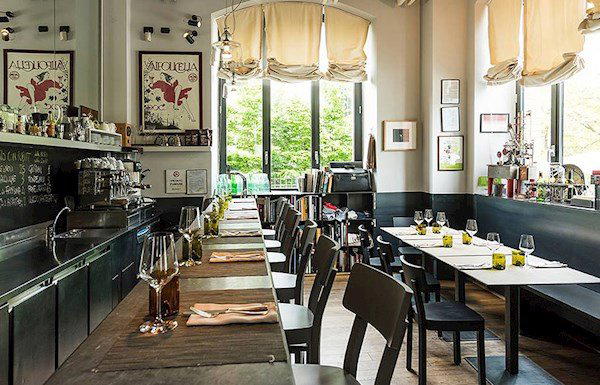
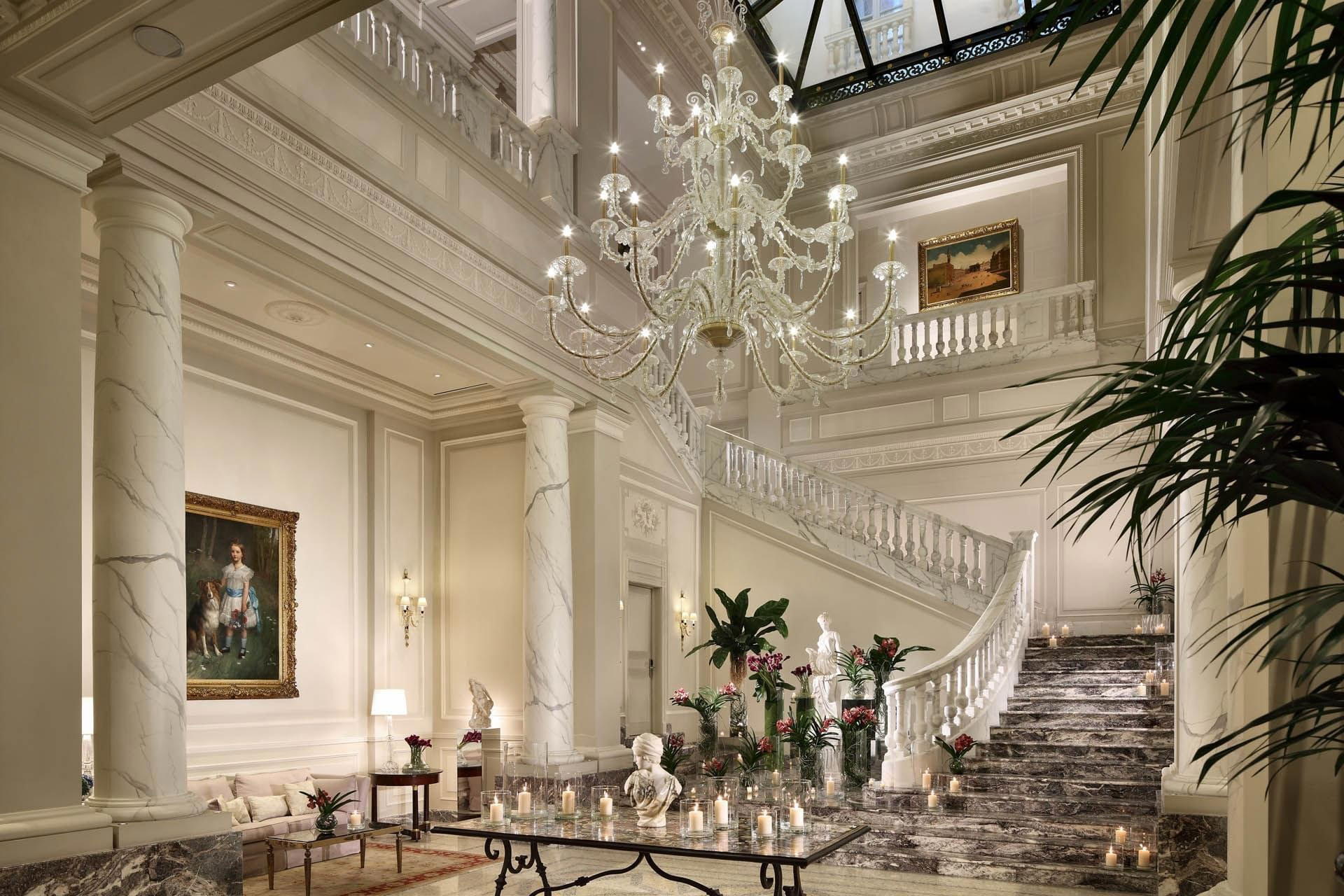
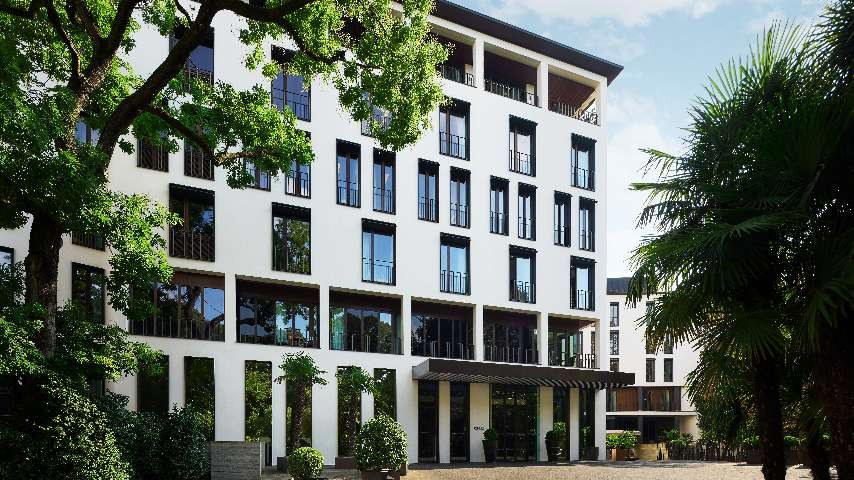
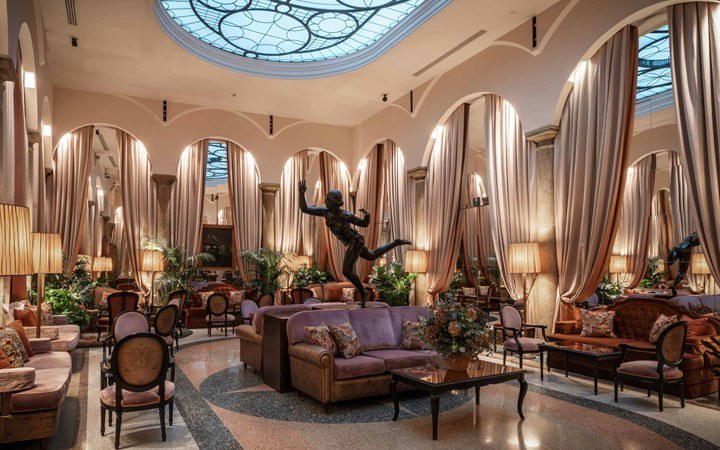
Hotels in Milan
Browse all →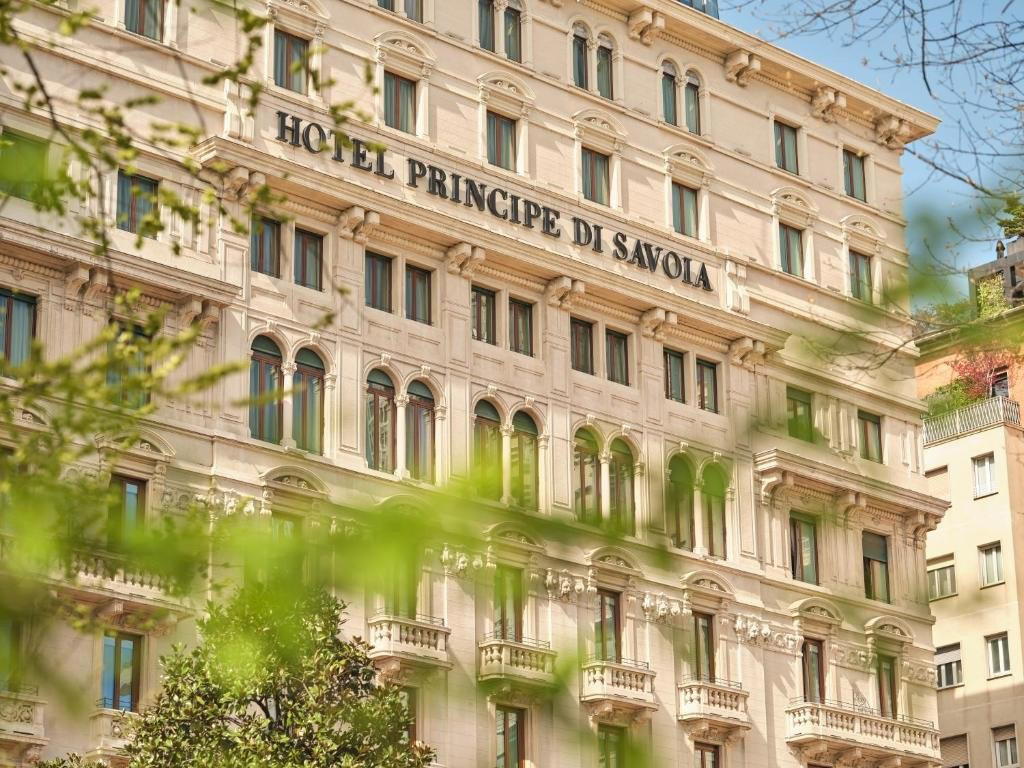
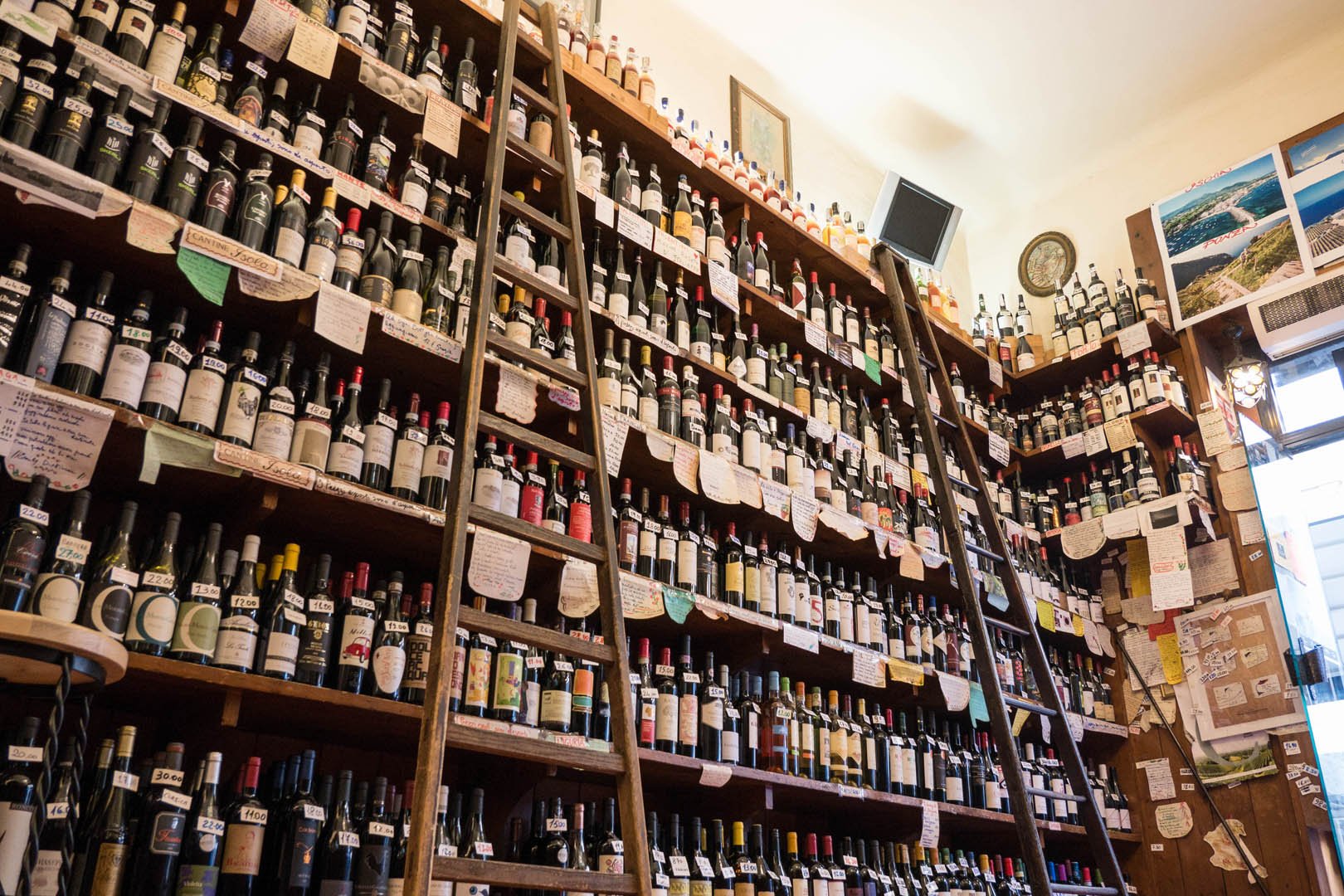
Wineries in Milan
Browse all →
At a Glance
- Lively
- Modern
- Trendy
- Group Dining
- Casual Hangout
- Standalone
Pleasant but notably noisy due to closely arranged tables; retro-chic aesthetic with modern styling.