Barlèsh

Michelin Plate
Our verdict
In a narrow vicolo off Montevarchi's centro storico, Barlèsh operates at the quieter end of Tuscany's dining spectrum: a six-course tasting menu and an à la carte format built around what the kitchen calls spontaneous cuisine. The room reads like a private dining room rather than a restaurant, placing it firmly in the tradition of Italian trattorias that cook from the market rather than from a fixed script.

Pearl is the En Primeur Club membership app, where members save venues, book tables and use the concierge.
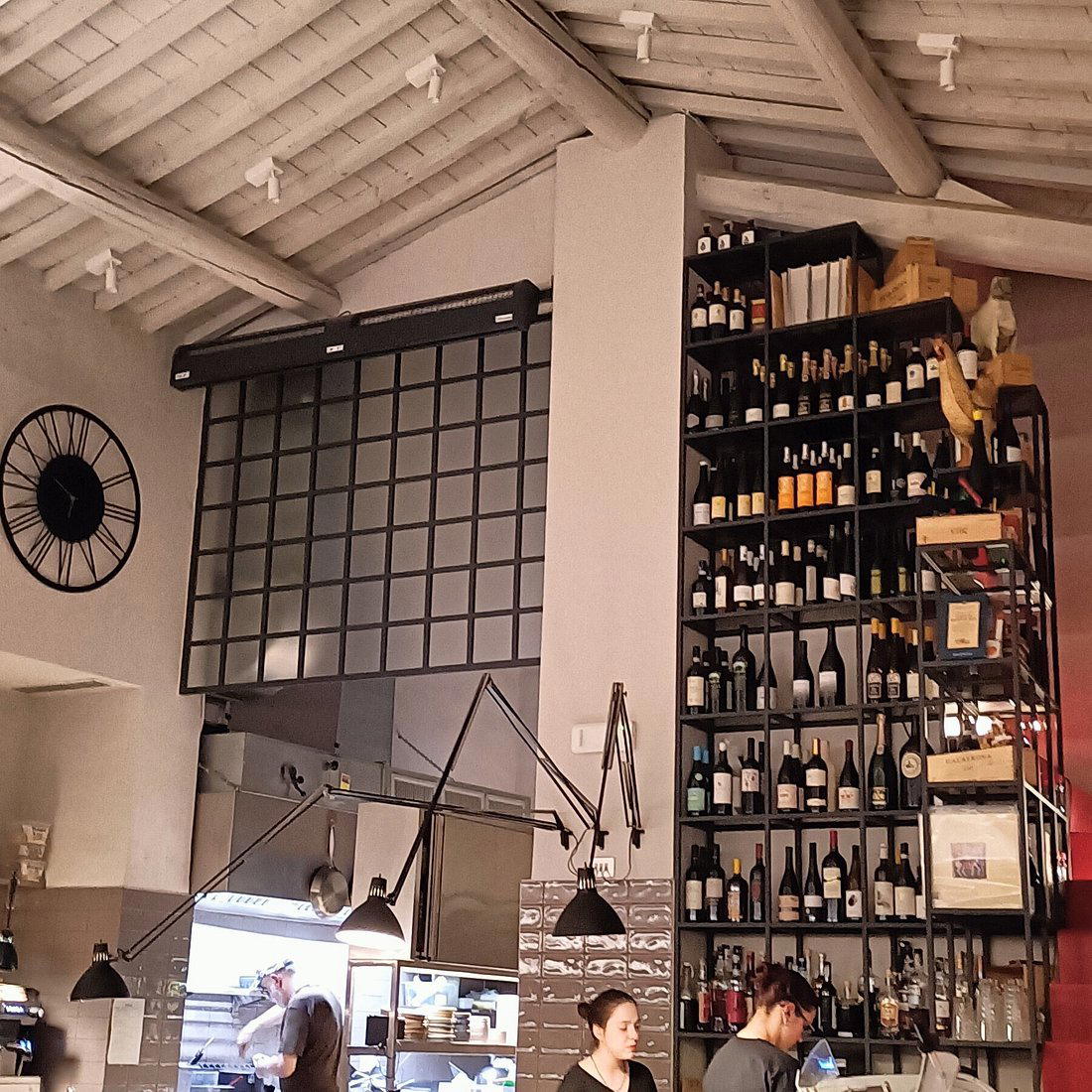
A Side Street, a Small Room, and a Kitchen That Decides at the Market
Vicolo delle Filande is the kind of address that requires a second look at the map. Tucked inside Montevarchi's medieval street grid, the alley runs narrow enough that you hear the kitchen before you see the door. This is deliberate territory for a certain kind of Italian restaurant: the places that choose obscurity as a filter, where the room size, the street, and the absence of a sign all do part of the selection work before a guest ever sits down.
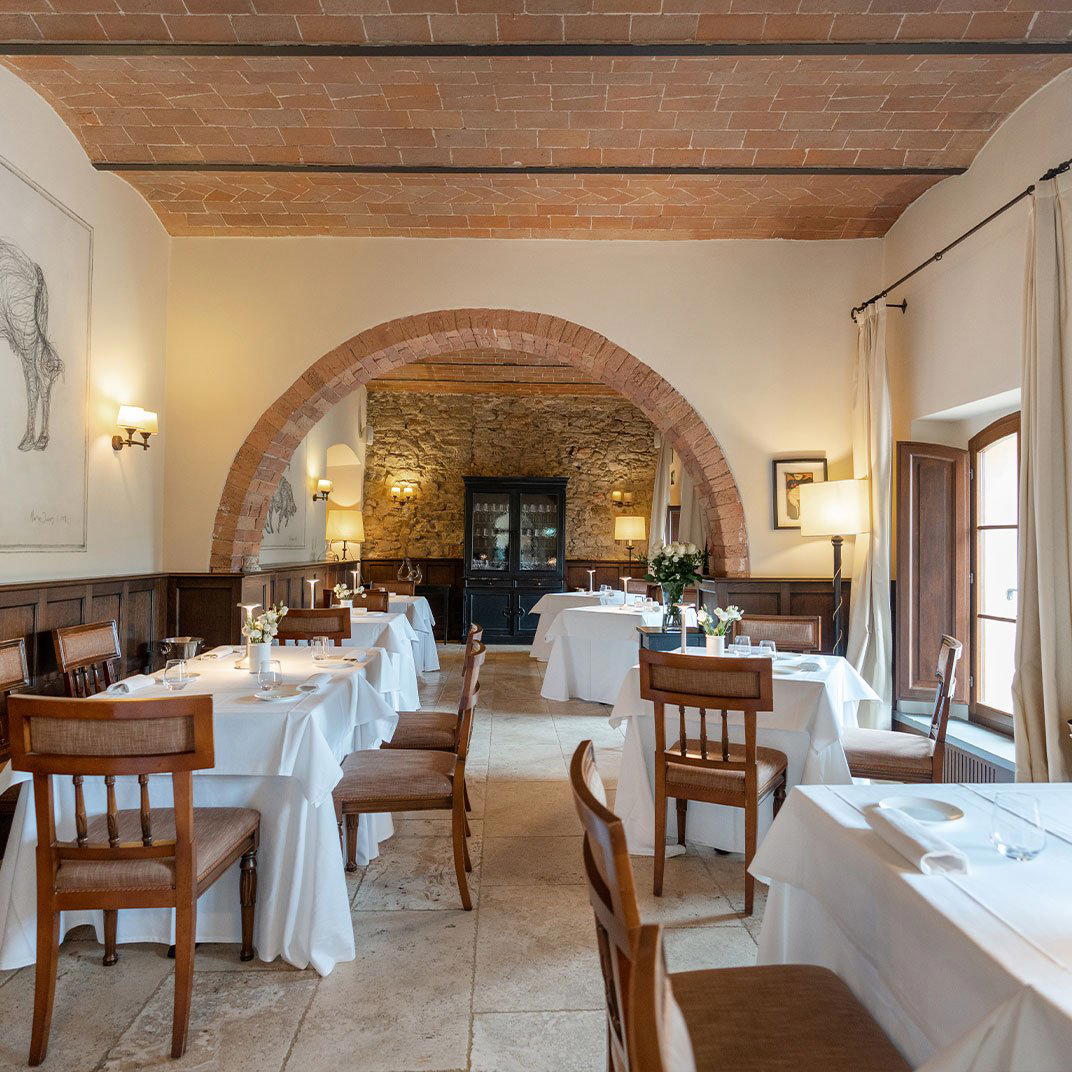
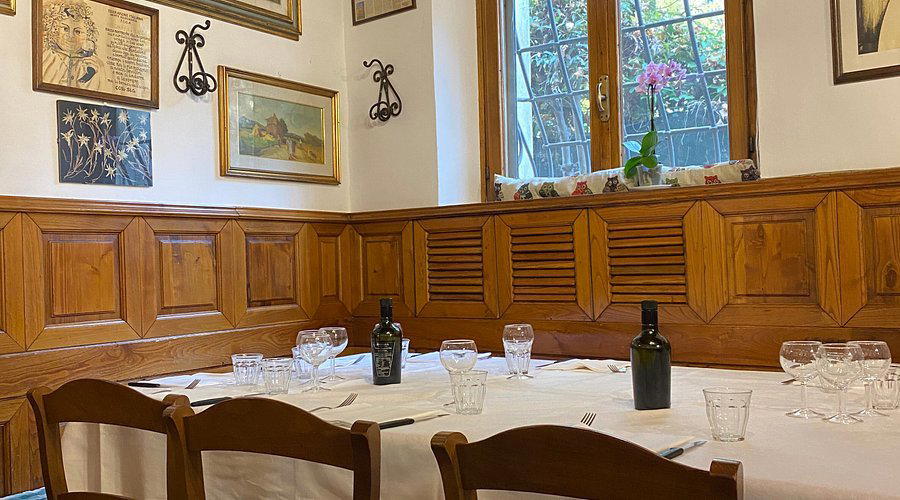
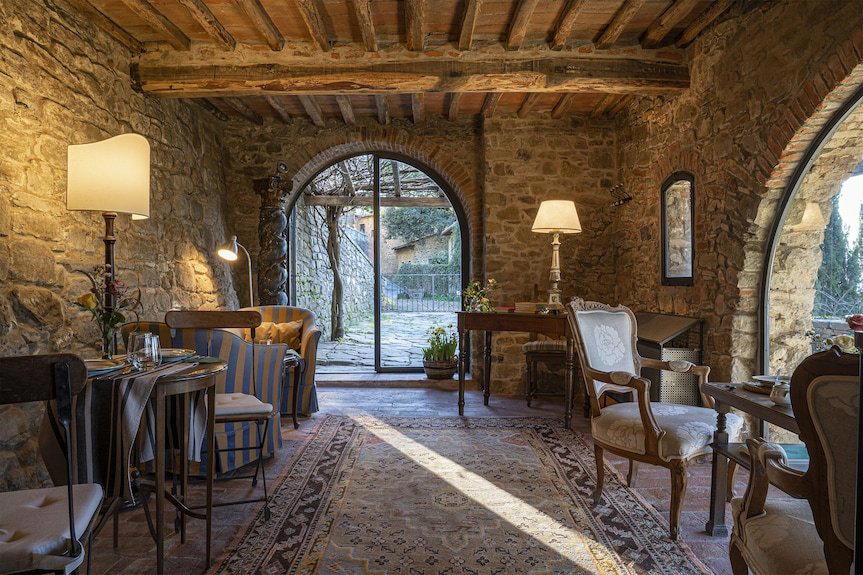
Barlèsh occupies that register. The interior reads closer to a private dining room than a conventional restaurant, with the kind of domestic warmth that Italian hosts describe as accoglienza: the sense that the space was arranged for you specifically, not for a theoretical cover count. In a region where Tuscany's more celebrated dining addresses lean toward ceremony and structured grandeur, a room that operates at this temperature is its own editorial statement.
Spontaneous Cuisine and What That Actually Means in Tuscany
The phrase the kitchen uses, "spontaneous cuisine," is worth taking seriously rather than reading as marketing language. In the context of central Tuscany, it positions Barlèsh against a very specific tradition: the idea that the menu is secondary to the market, that dishes emerge from what arrives rather than from a fixed seasonal document printed months in advance.
This is not a new idea in Italy. The Valdarno valley, where Montevarchi sits along the Arno between Arezzo and Florence, has always had direct access to some of Tuscany's most agriculturally productive terrain. Chianina cattle from the broader Valdichiana corridor, legumes and grains from the Arno plain, foraged greens from the hillside woods between Montevarchi and the Chianti Classico ridge: the raw material available to a kitchen willing to work with what the week produces is substantial. The spontaneous model, when grounded in this kind of sourcing geography, produces something different from improvisation. It produces a menu shaped by what the land is actually doing.
The distinction matters when considering how Barlèsh sits relative to Italy's more codified fine dining circuit. Restaurants like Osteria Francescana in Modena or Le Calandre in Rubano operate from architecturally constructed tasting menus where dish sequence, plating geometry, and conceptual throughlines are locked months before service. Enoteca Pinchiorri in Florence, a short drive north, maintains one of Italy's most formal wine programs alongside cooking that treats the cellar as co-author. These are institutions of a particular kind. Barlèsh is doing something structurally different: keeping the framework (tasting menu plus à la carte) loose enough that the sourcing, not the concept, leads the cooking.
Two Formats, One Kitchen Logic
The menu structure at Barlèsh runs in parallel. A six-course tasting menu gives the kitchen the fullest scope to build a sequence around what's available. The à la carte, built from shareable bites, main courses, and desserts, offers an entry point for guests who want to move through the room at a different pace or eat in a less structured order.
This dual format is a practical acknowledgment that not every guest arrives with the same appetite for formality, and it suits Montevarchi's position as a working Tuscan town rather than a purpose-built food destination. Travelers making the drive from Florence or routing through the Valdarno on the way to Arezzo may want a full tasting experience; locals returning mid-week may prefer two or three dishes and a glass of Chianti from the Classico or Colli Aretini zones to the north and south.
In Italy's broader dining conversation, the combination of a structured tasting menu with a genuinely flexible à la carte is less common than it sounds. Many restaurants that offer both treat the à la carte as an afterthought, a safety valve for guests who declined the full menu. When a kitchen with a spontaneous sourcing philosophy maintains both tracks with equal seriousness, it suggests the kitchen is confident enough in its ingredients to let guests meet them on different terms.
Where Barlèsh Sits in the Valdarno Dining Picture
Montevarchi does not have the culinary profile of Florence, Siena, or even Arezzo. That is partly what makes a restaurant like Barlèsh worth understanding on its own terms rather than measuring it against those larger cities' dining scenes. The Valdarno corridor has historically been a throughway rather than a destination: the A1 autostrada runs parallel to the Arno here, and most travelers pass through rather than stop.
The restaurants that do exist in this stretch of the valley tend to operate closer to the agriturismo tradition, farm-anchored, seasonally driven, and priced for a local clientele rather than an international one. Barlèsh, with its city-center address and tasting menu format, sits at a slightly different point on that spectrum: more considered in its structure than a country trattoria, less architecturally self-conscious than the destination fine dining houses that draw guests from across Italy and beyond.
For context on what the higher end of Italian restaurant dining looks like, Dal Pescatore in Runate, Piazza Duomo in Alba, and Reale in Castel di Sangro represent the kind of multi-course, multi-hour commitment that Italian tasting menus can demand at their most ambitious. Uliassi in Senigallia and Quattro Passi in Marina del Cantone show how coastal sourcing can anchor a similarly market-led approach in different Italian regions. Barlèsh operates at a different scale from all of these, but the underlying sourcing logic connects it to the same broader Italian tradition of letting ingredients set the kitchen's agenda.
Planning a Visit
Barlèsh sits at Vicolo delle Filande 6 in central Montevarchi, reachable by train on the Florence-Rome line, with Montevarchi-Bucine station a short walk from the centro storico. Given the room's domestic scale and the kitchen's market-dependent approach, booking in advance is advisable, particularly on weekends, when the tasting menu format tends to fill the available covers early. No website or phone contact appears in current listings, so reservations are leading arranged through local hotel concierge services or platforms that list the restaurant directly.
For broader planning across the town and valley, see our full Montevarchi restaurants guide, our Montevarchi hotels guide, our bars guide, our wineries guide, and our Montevarchi experiences guide for context on what else the Valdarno offers.
Frequently asked questions
Is Barlèsh good for families?
The room is described as having the feel of a home dining room, which works in favour of families who prefer an informal setting over a formal one. The à la carte menu features shareable bites alongside main courses and desserts, giving a table with varied appetites more flexibility than a tasting-menu-only format would. That said, the six-course menu is also on offer, so groups can split between formats at the same table.
Is Barlèsh better for a quiet night or a lively one?
Vicolo delle Filande is a side alley inside Montevarchi's medieval street grid, and the room itself is small and close, the kind of space where conversation carries. This is a setting suited to a slower evening: a long tasting menu, unhurried plates, a town that is not Florence on a Saturday night. Expect intimacy rather than energy.
What's Barlèsh known for in terms of accolades?
Barlèsh has received recognition including: In the heart of Montevarchi, as cozy as a dining room at home, Barlèsh restaurant offers what the chef likes to call "spontaneous cuisine." This unconventional place will delight you with both traditional and contemporary recipes: a six-cou….
What do people recommend at Barlèsh?
The kitchen operates on what it calls spontaneous cuisine, meaning the menu shifts with what's available at the market, so specific dishes are a moving target. The six-course tasting menu is the format that gives the kitchen the fullest scope to express that approach, and it is the option most likely to reflect the day's best ingredients. The shareable bites on the à la carte side are a lower-commitment way to sample the same kitchen logic.
At-a-Glance Comparison
Comparable venues nearby, for context on price, style, and recognition.
| Venue | Cuisine | Price | Awards | Notes |
|---|---|---|---|---|
| BarlèshThis venue (the venue you are viewing) | Modern Italian Spontaneous Cuisine | $30–50 | Michelin Plate | Not listed |
| L'Insolita Trattoria Tre Soldi | Modern Tuscan Tasting Menu | $50–100 | Michelin Plate | San Salvi |
| Osteria di Porta al Cassero | Traditional Tuscan Osteria | $20–30 | Not listed | Montalcino |
| Alla Vecchia Bettola | Traditional Tuscan Trattoria | $20–30 | Not listed | Giardino Torrigiani |
| Fiorentino e Locanda del Giglio | Traditional Tuscan | $30–50 | Michelin Plate | Le Arcate del Giglio |
| Trattoria Il Pozzo | Traditional Tuscan Trattoria | Not listed | Not listed | Sant’Angelo in Colle |
Recognition history
Dated appearances from independent guides and award organizations, with the underlying list record or original source where available.
Michelin Plate
Michelin · 2026 Michelin Plate
Continue exploring
More in Montevarchi
Restaurants in Montevarchi
All restaurants in Montevarchi →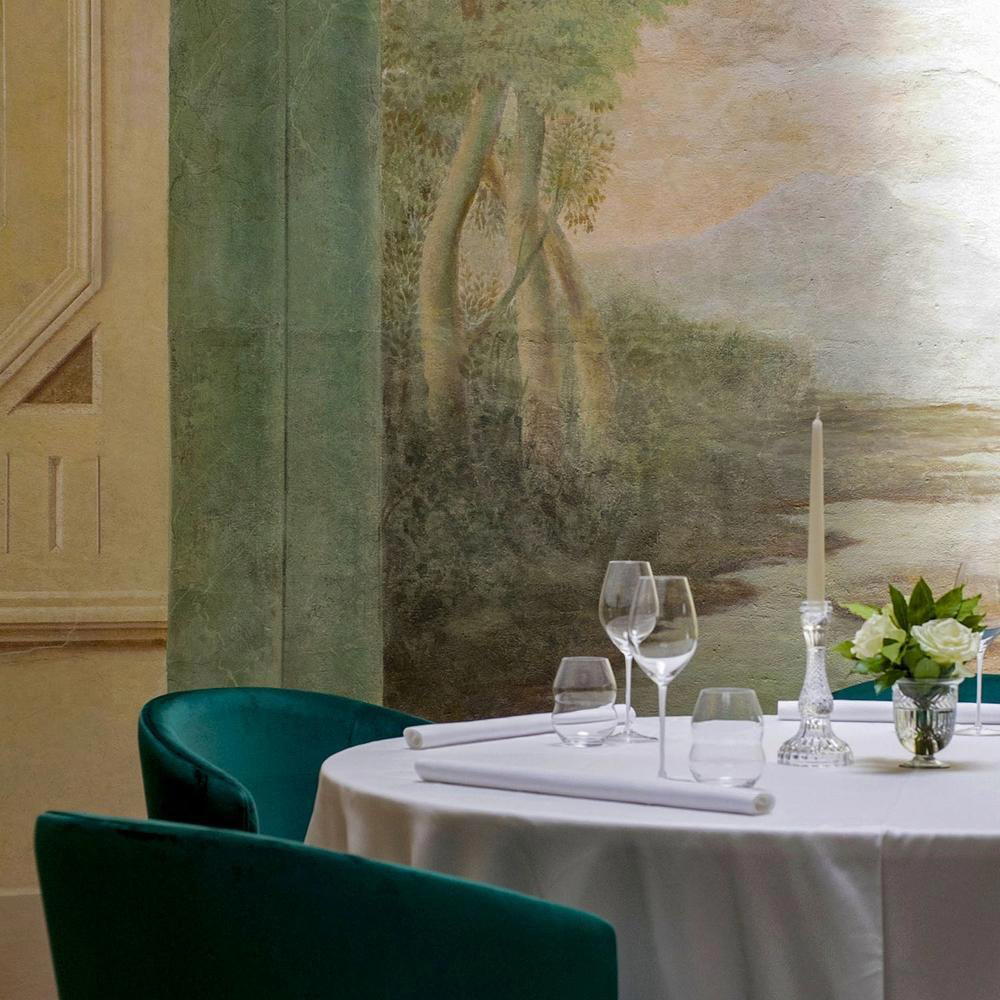
Bars in Montevarchi
Browse all →
Details
- Cozy
- Intimate
- Classic
- Date Night
- Special Occasion
- Group Dining
- Standalone
- Extensive Wine List
- Craft Cocktails
- Local Sourcing
- A La Carte
- Wine
- Cocktails
- Vegetarian Friendly
Current opening hours
- Monday
- Closed
- Tuesday
- 6–10 PM
- Wednesday
- 6–10 PM
- Thursday
- 6–10 PM
- Friday
- 6–10 PM
- Saturday
- 6–10 PM
- Sunday
- Closed
Hours can change for holidays and private events. Hours as of .
Warm and inviting like a dining room at home, with a cozy atmosphere that encourages guests to linger and socialize.