Darócz sits on Ul. Lajoša Košuta in Vardarac, a town in Croatia's Baranya region where Hungarian culinary traditions have shaped the table for generations. The restaurant operates within a dining culture defined by paprika, river fish, and slow-cooked meats that reflect the area's cross-border heritage. For visitors tracing Croatia's less-documented regional cuisines, Vardarac offers a genuinely different reference point from the Adriatic-focused restaurants that dominate the national conversation.
Pearl is the En Primeur Club membership app — saves, bookings, and concierge access live there. Same editors, same standards.
- Address
- Ul. Lajoša Košuta 39, 31327, Vardarac, Croatia
- Phone
- +38531753113
- Website
- darocz.com
- Directions
- Get directions
 Saves & bookings on Pearl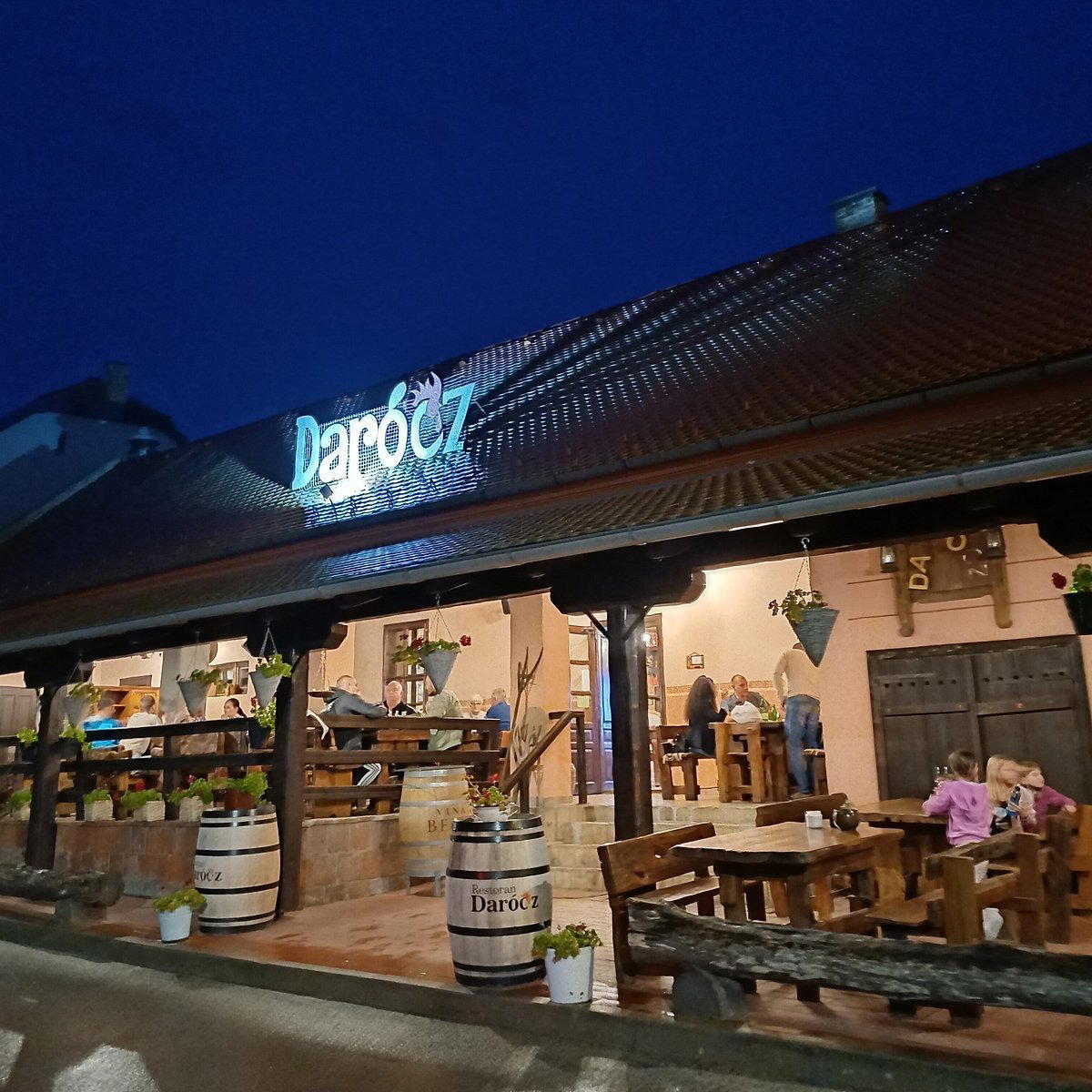
Where the Pannonian Plain Meets the Croatian Table
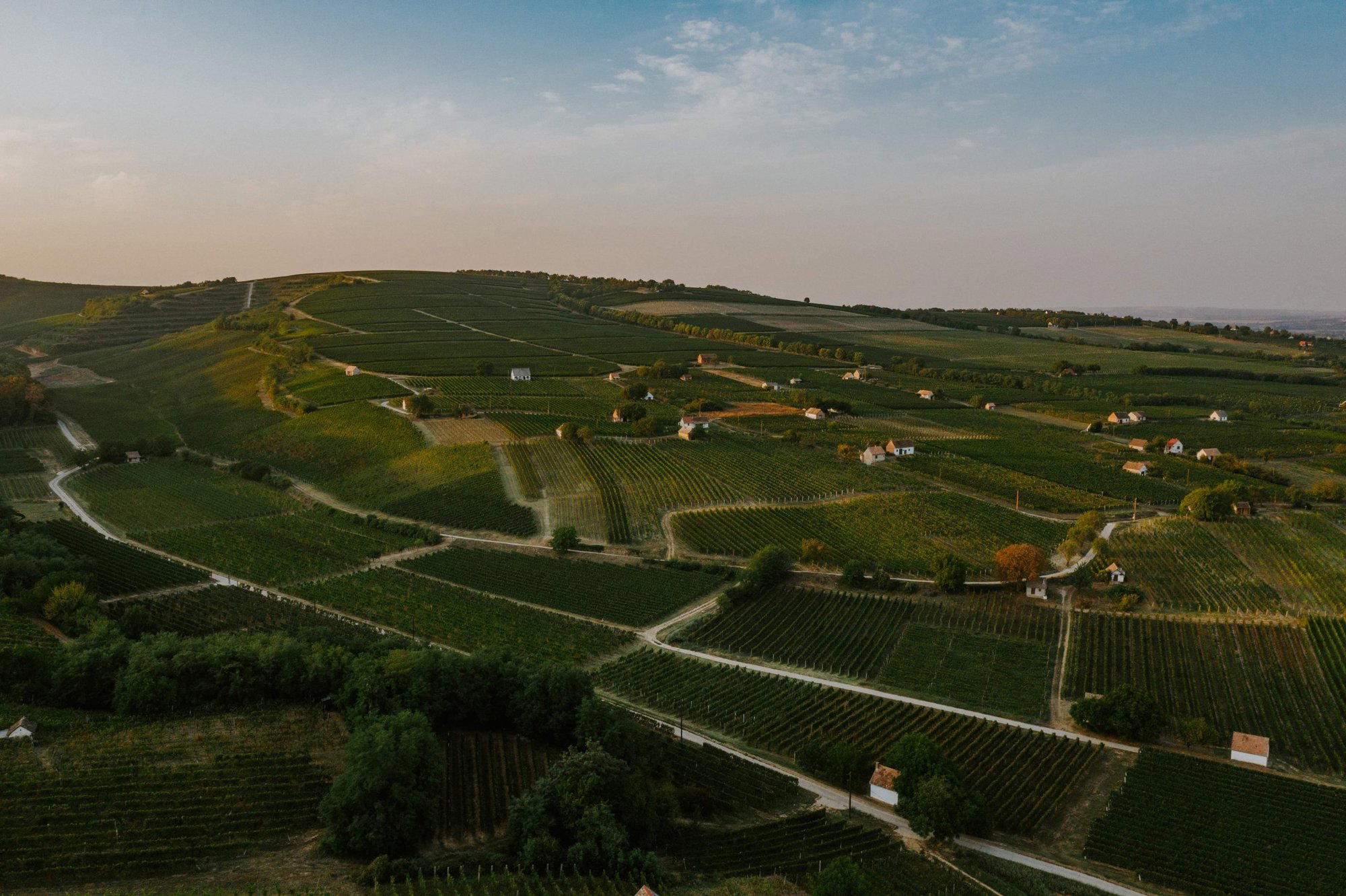
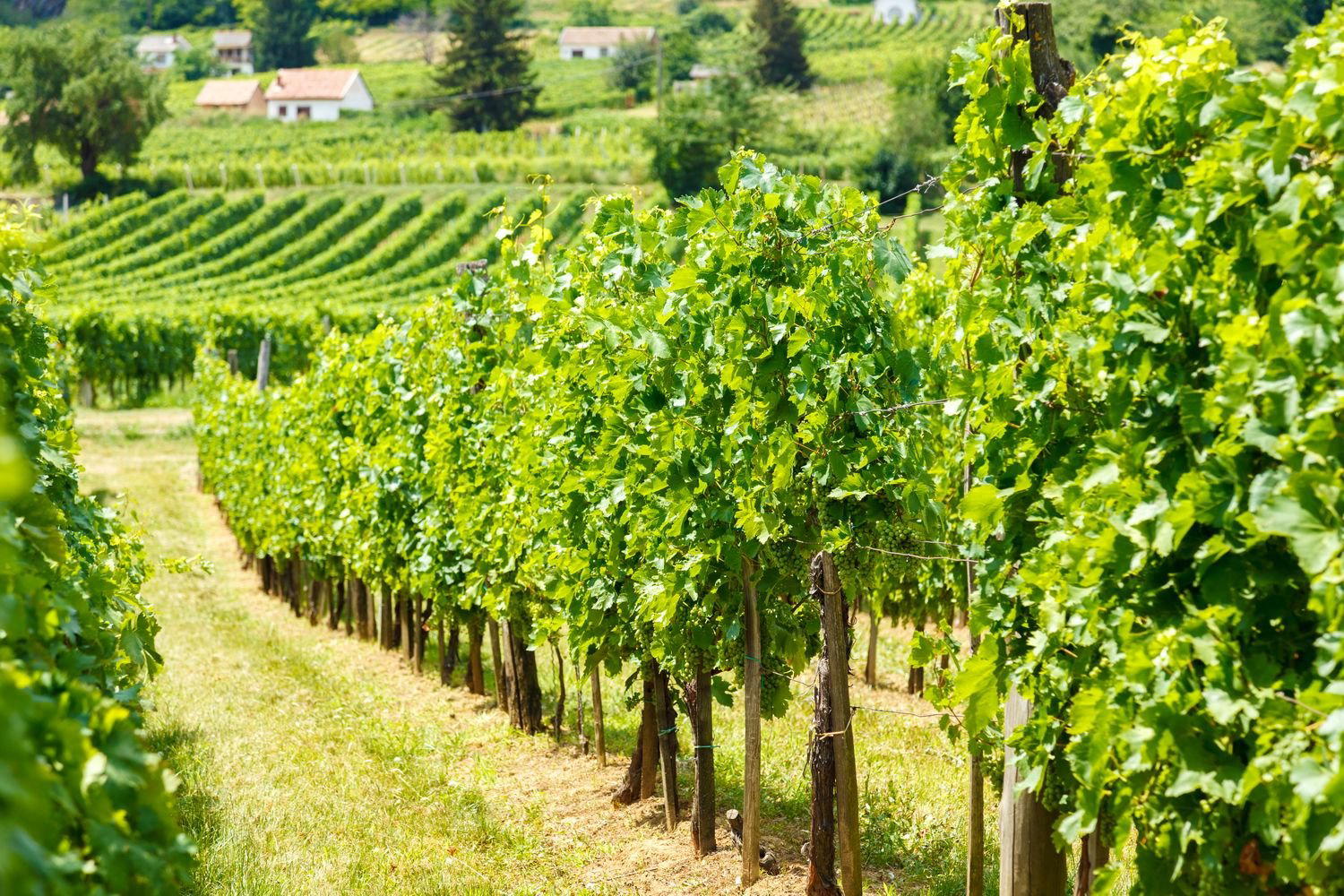
Darócz is a restaurant in Vardarac, Croatia, serving Traditional Baranja Regional Cuisine and opening at a casual price point. Ul. Lajoša Košuta is not a street that appears in most Croatian travel itineraries. Vardarac sits in the Baranya region, the triangular tongue of land pressed between the Drava and Danube rivers, and the address alone signals something important: this is not coastal Croatia. There are no Adriatic breezes, no Dalmatian stone architecture, and no menus built around sea bass and peka. What Baranya offers instead is a dining tradition shaped by centuries of Hungarian, Serbian, and Croatian co-habitation, a cuisine of smoked meats, freshwater fish, paprika-heavy stews, and wine grown on the Bansko Brdo ridge above the flatlands. Darócz sits within that context, at an address that rewards the kind of traveller willing to drive inland past Osijek and keep going.
Pelegrini in Sibenik, Restaurant 360 in Dubrovnik, and Agli Amici Rovinj in Rovinj represent the Michelin-tracked, internationally recognised tier of Croatian fine dining, and they share a common thread: maritime produce, Mediterranean technique, and a dining public that arrives by ferry or via the coastal highway. Baranya operates in a different register entirely. The culinary references here run north and east rather than west across the sea.
The Cultural Roots of Baranya's Table
To understand what a restaurant in Vardarac is working with, it helps to understand what Baranya's food culture actually is. The region was part of the Kingdom of Hungary for centuries before becoming Yugoslav territory after the First World War, and the Hungarian imprint on local cooking never fully disappeared. Fishermen's stew, the fiery freshwater preparation known as fiš paprikaš or halászlé depending on which side of the border you're standing on, is the dish most associated with this stretch of the Drava and Danube. It is built from carp, catfish, and pike cooked down hard with onion and enough ground paprika to turn the broth a deep rust red. The result is nothing like bouillabaisse and nothing like the grilled fish that dominates Dalmatian menus. It is its own thing, regional in uncompromising sense.
Alongside the fish stew tradition sits a culture of cured and smoked meats, kulen foremost among them. Slavonian kulen is a spiced, air-dried sausage made from pork and ground paprika, and in Baranya it functions as both a culinary emblem and a practical measure of local quality. The production of kulen follows seasonal rhythms tied to the late-autumn pig slaughter, which means the leading versions arrive at winter tables and carry the flavour decisions of individual households. This is not a food that travels well in its living form, and encountering it in the region where it is made carries a different weight than finding it vacuum-packed on a supermarket shelf in Zagreb.
Wine completes the picture. The Baranya wine zone, centred on the Bansko Brdo slopes, produces Graševina, Traminac, and Frankovka in quantities that are almost entirely consumed domestically. These are not wines that reach the export lists of international merchants, which means drinking them on their home ground remains the primary way to encounter them at their source. For context, the Croatian wines that do travel internationally tend to come from Istria or Dalmatia: producers comparable to Boskinac in Novalja or San Rocco in Brtonigla occupy a far higher international profile than anything from the Pannonian interior.
Vardarac in the Wider Croatian Dining Map
Croatia's recognised fine dining tier has expanded meaningfully over the past decade. Nebo by Deni Srdoč in Rijeka, Alfred Keller in Mali Lošinj, LD Restaurant in Korčula, Korak in Jastrebarsko, and Dubravkin Put in Zagreb form a loose archipelago of serious cooking spread across the country, but the geographic weight of Michelin and 50 Best attention still falls heavily on the coast and on Zagreb. Baranya remains outside that spotlight, which is partly a function of infrastructure and partly a function of tourist flow. Osijek is the regional capital and the largest city in Slavonia, but it draws a fraction of the international visitor numbers that Dubrovnik or Split receive in a single summer week.
That relative obscurity is not a flaw in the region's dining culture. It is a structural fact that shapes what restaurants there can do and who they serve. Places like Humska Konoba in Hum or EatIstria in Pluj operate within highly localised traditions that have never needed international validation to sustain themselves. Baranya's food culture fits that pattern. The region's restaurants exist within a domestic dining economy, serving locals who know the reference points and visitors who have made a deliberate choice to come here rather than defaulting to the coast.
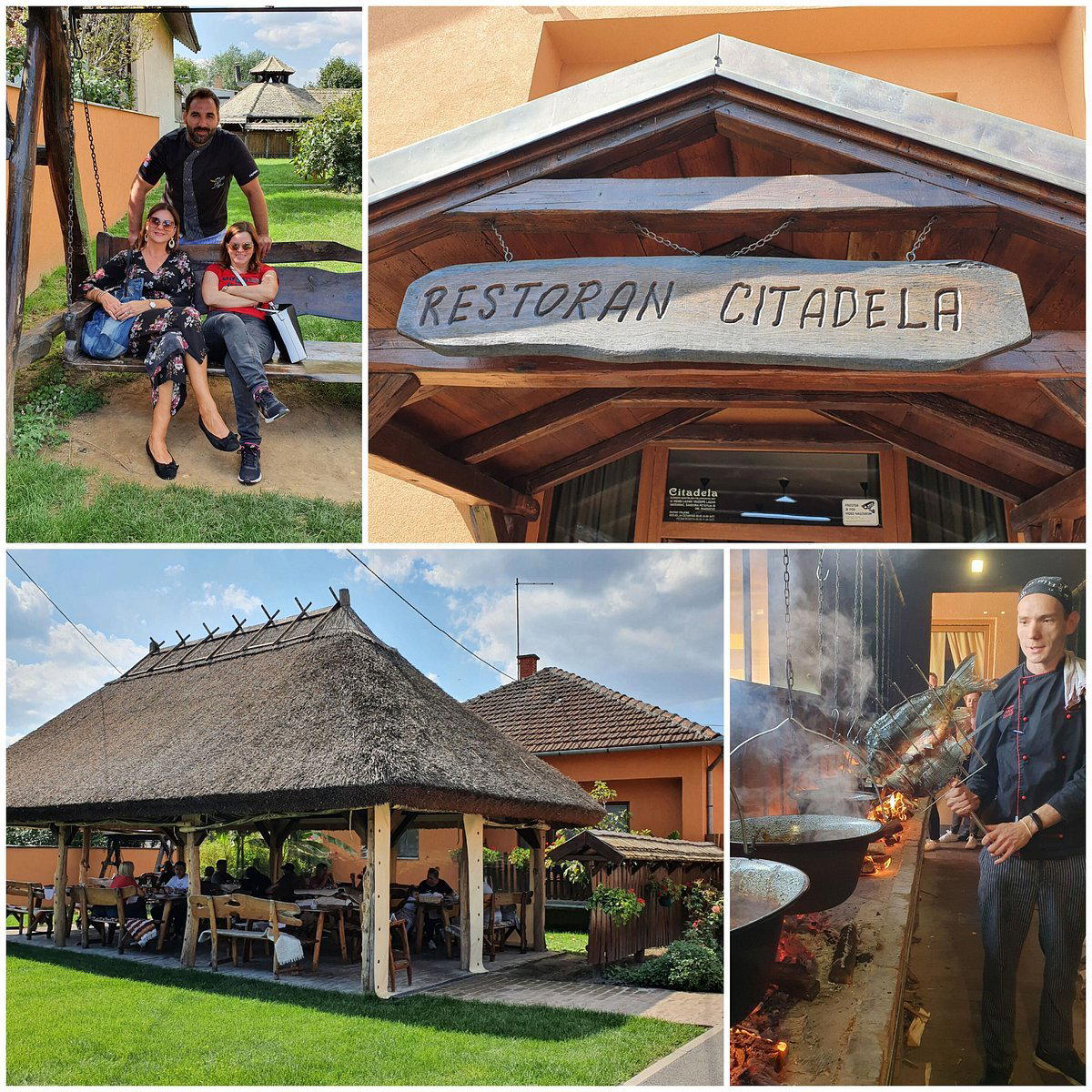
For international travellers who have worked their way through the coastal circuit and want a different register, Slavonia and Baranya represent a logical next chapter in understanding Croatian food. The techniques are slower, the flavours heavier, and the cultural references more Central European than Mediterranean. Restaurants such as Citadela in Vardarac sit within the same local dining ecosystem, giving visitors more than one anchor point in a town that does not yet appear prominently on international travel shortlists.
Planning a Visit
Vardarac is most practically reached by car from Osijek, which sits roughly 30 kilometres to the south and connects to Zagreb via the A5 motorway. The drive from Zagreb runs approximately 280 kilometres and takes around three hours depending on traffic through the Slavonian lowlands. There is no practical rail connection that makes the village easy to reach without a car. Krug in Split The seasonal dimension matters: Baranya is warmest and most agriculturally active from late spring through early autumn, but the region's cured meat and hearty stew traditions make it a reasonable winter destination for those who find something appealing in a landscape stripped back to its structural essentials.
- roasted duck with apple sauce
- catfish perkelt
- fish platter
- venison with cranberry sauce
- breaded frogs
- wild boar with pasta
A Pricing-First Comparison
Comparable venues nearby, for context on price, style, and recognition.
| Venue | Cuisine | Price | Notes |
|---|---|---|---|
| DaróczThis venue — the venue you are viewing | Not listed | $$ | Not listed |
| Citadela | Vardarac, Traditional Croatian Baranja | $$ | Not listed |
| Baranjska kuća | Not listed | $$ | Karanac, Traditional Baranja Ethno Cuisine |
| Pansion Ribnjak | Ribnjak, Traditional Croatian River Fish | $$ | Not listed |
| Didin Konak | Bilje, Traditional Baranja Croatian | $$ | Not listed |
| Karaka | Osijek, Croatian Grill & Pizza | $$ | Not listed |

At a Glance
- Rustic
- Cozy
- Lively
- Group Dining
- Family
- Casual Hangout
- Celebration
- Live Music
- Terrace
- Standalone
- Beer Program
- Local Sourcing
Current opening hours
- Monday
- 9 AM–10 PM
- Tuesday
- 9 AM–10 PM
- Wednesday
- 9 AM–10 PM
- Thursday
- 9 AM–11 PM
- Friday
- 9 AM–12 AM
- Saturday
- 9 AM–12 AM
- Sunday
- 9 AM–6 PM
Hours can change for holidays and private events. Last verified .
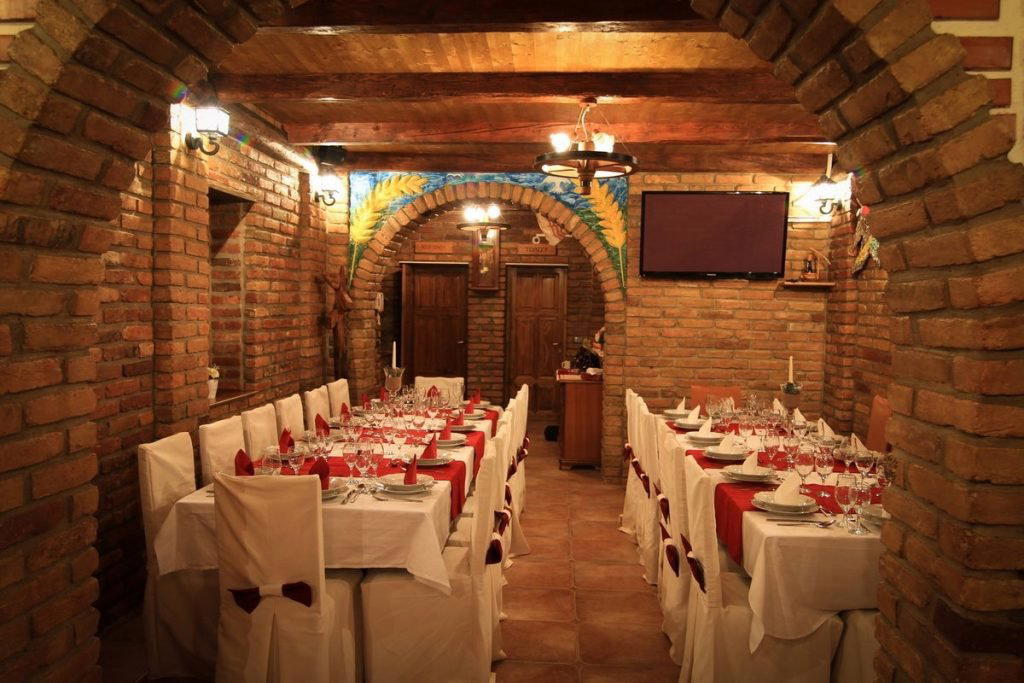
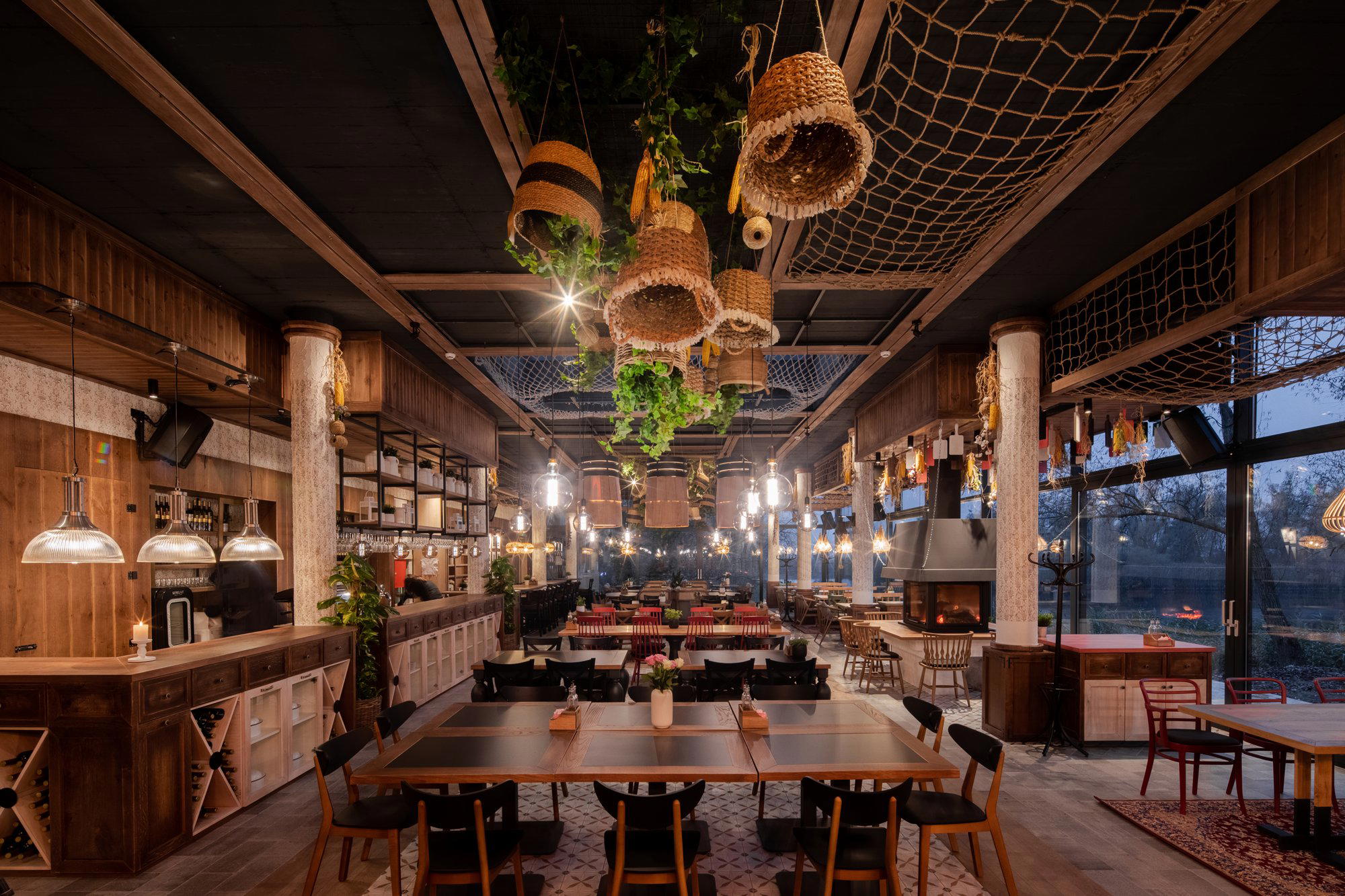
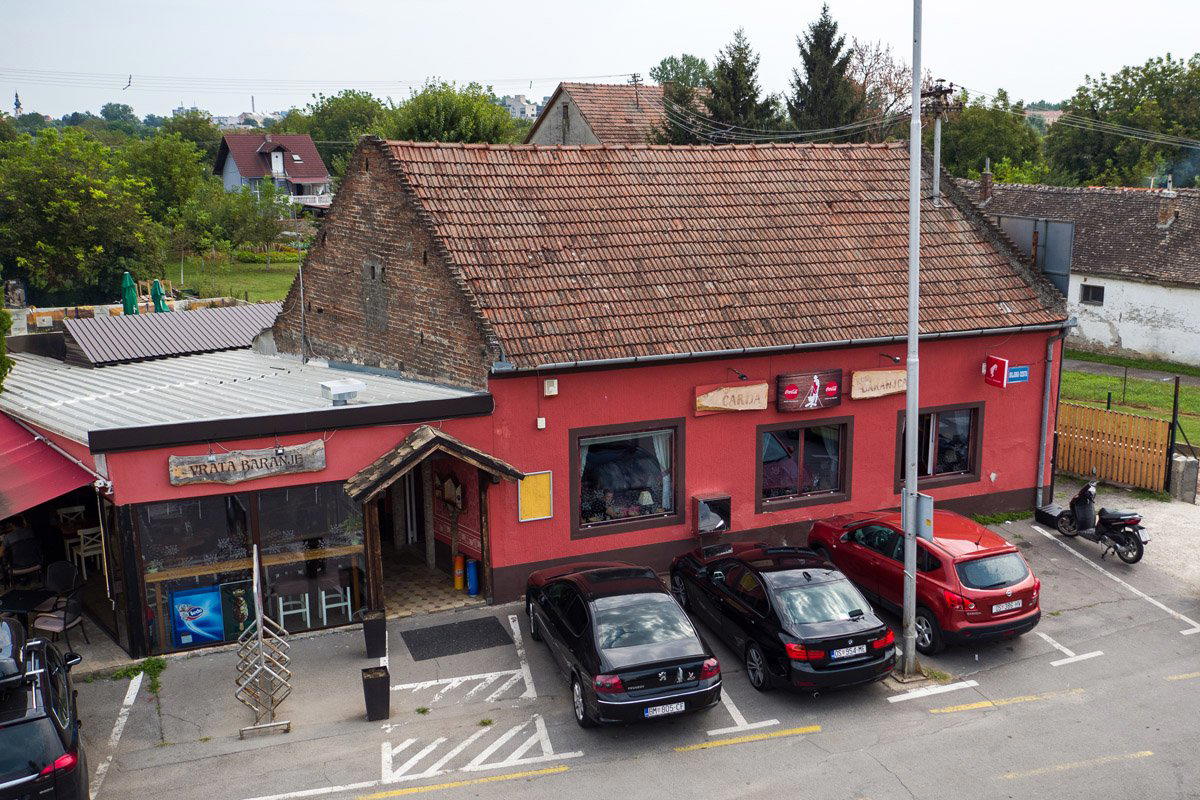
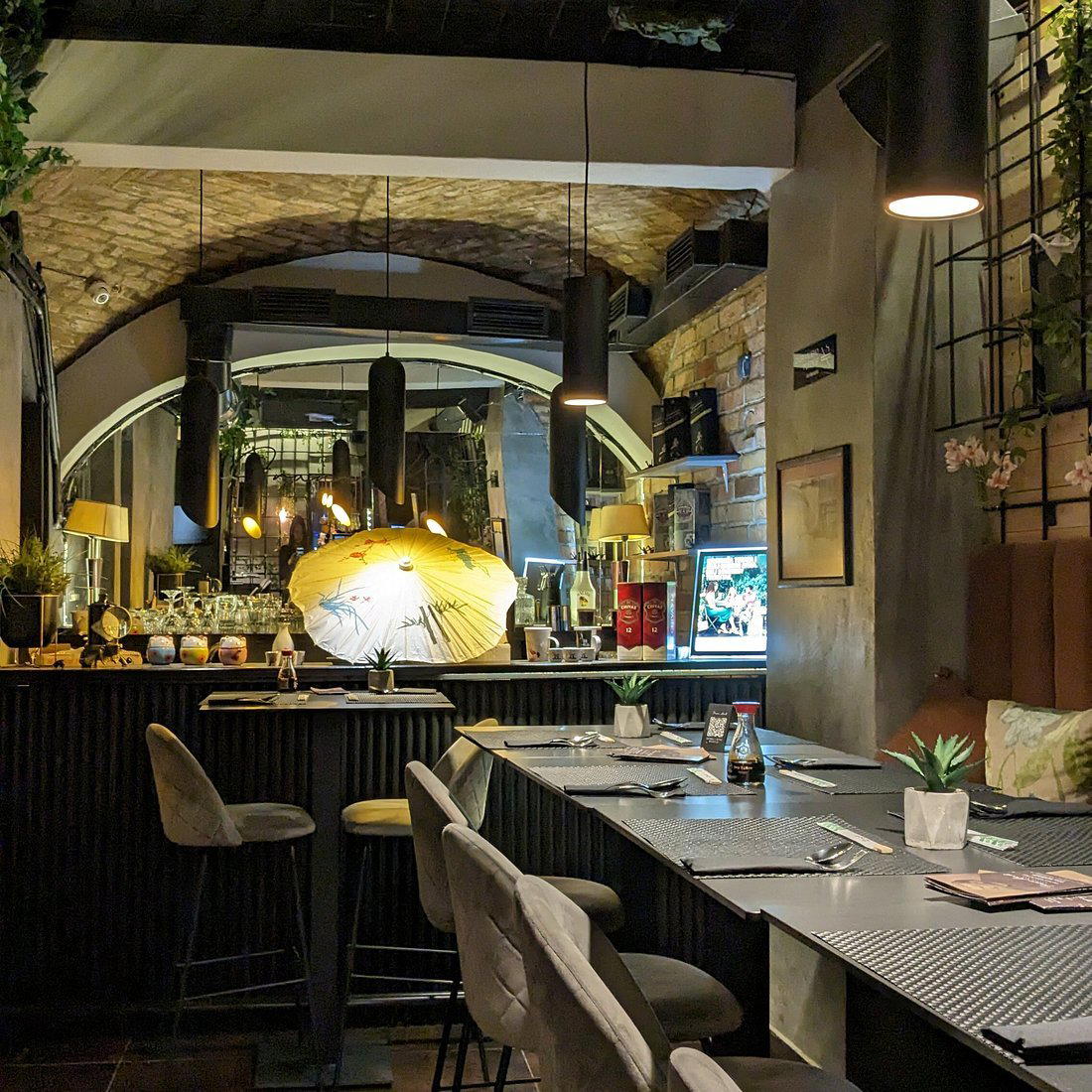
Traditionally furnished interior with tiled stove, dark wooden frames, fireplace, and rustic decor that evokes historical Vardarac; large old-style terrace with warm, welcoming atmosphere.