A neighbourhood tavern on Ul. Cvjetka Rubetića in Zagreb, Kod Pere draws on the cooking traditions of continental Croatia, where produce sourcing and seasonal honesty matter more than menu theatre. It occupies the informal, locally anchored tier of Zagreb dining that sits well below the price point of fine-dining rooms like Noel, making it a practical entry point into the city's everyday food culture.
Pearl is the En Primeur Club membership app — saves, bookings, and concierge access live there. Same editors, same standards.
- Address
- Croatia, Ul. Cvjetka Rubetića 25, 10000, Zagreb, Croatia
- Phone
- +38514552814
- Website
- facebook.com
- Directions
- Get directions
 Saves & bookings on Pearl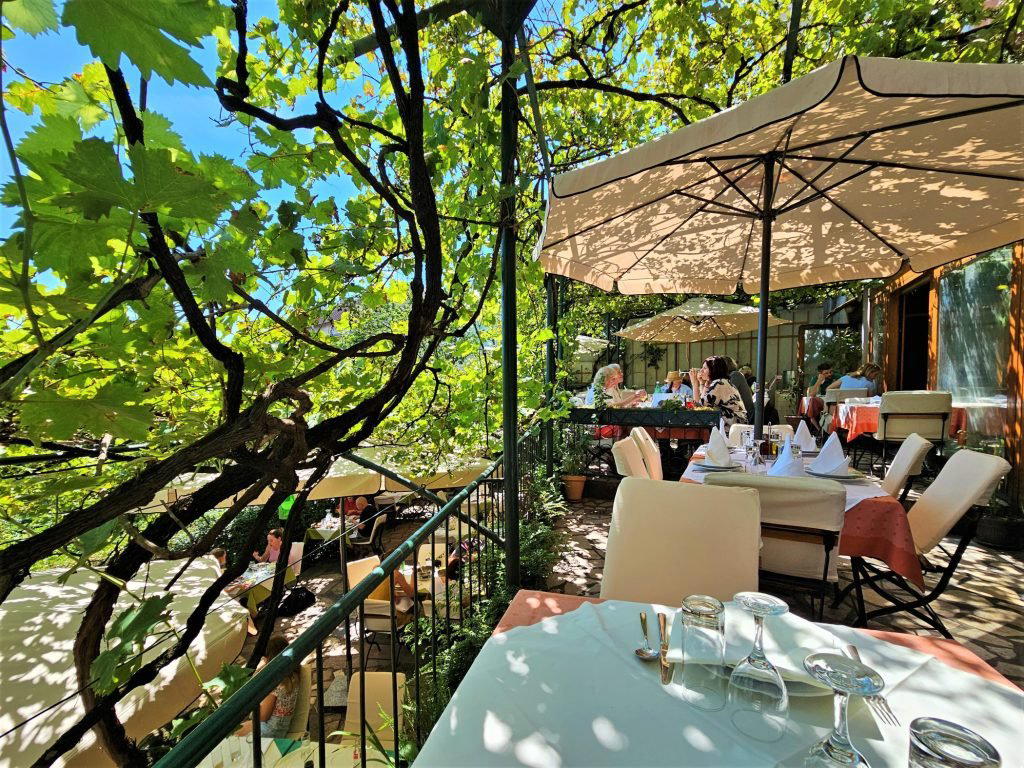
Zagreb's Konoba Tradition and Where Kod Pere Sits Within It
Continental Croatian cooking has always been shaped less by culinary fashion and more by what the land and season provide. The inland kitchen draws on Slavonian paprika, Zagorje dairy, Međimurje game, and produce from the market gardens that ring the city. Zagreb's neighbourhood taverns, known as konobe or gradske gostionica, have historically been the keepers of this tradition: places where the sourcing is unremarkable in the sense that it is taken for granted, and the cooking revolves around not wasting what's available. Kod Pere is a Traditional Croatian restaurant at Ul. Cvjetka Rubetića 25 in Zagreb, with a price point of about $20 per person. It is not a restaurant making a statement about provenance; it is a place where provenance is simply the operating assumption.
That distinction matters in a city where the dining tier has expanded considerably in recent years. Rooms like Noel (Modern Cuisine) and creative tasting-format restaurants have shifted expectations at the leading end, while the middle tier has filled with internationally inflected bistros. The informal neighbourhood house, by contrast, has remained stubbornly local in character. Kod Pere addresses a specific kind of diner: someone who wants the cooking of a Croatian household scaled up without the self-consciousness of a heritage-concept restaurant.
Ingredient Logic in the Continental Croatian Kitchen
The sourcing logic that underpins this style of cooking is worth understanding as a context for any visit. Zagreb sits at the intersection of several distinct Croatian agricultural zones. Slavonia, to the east, produces some of the region's most characterful cured meats and freshwater fish. The Zagorje hills to the north contribute dairy and poultry traditions that find their way onto konoba menus as structure elements rather than centrepieces. The Plitvice and Karlovac corridors supply trout and lamb. What defines the continental kitchen is that none of these ingredients travel far or carry inflated provenance claims; they simply appear in season, cooked with the directness that proximity allows.
This is the framework within which a place like Kod Pere operates, and it explains why comparisons to coastal Croatian restaurants are less useful than they might seem. The Adriatic kitchens at venues like Agli Amici Rovinj in Rovinj or LD Restaurant in Korčula deal in a fundamentally different pantry: olive oil, seafood, Dalmatian wines, the aromatic herbs of the Adriatic macchia. Continental Zagreb cooking asks different questions, and a neighbourhood house in the city's residential quarters is a different kind of answer than a destination restaurant on the Dalmatian coast.
The Setting and What It Signals
Ul. Cvjetka Rubetića is not a tourist artery. It is the kind of street that registers on a map but not in most travel itineraries, which means that a restaurant positioned here is oriented toward its immediate community. In Zagreb's dining geography, that has historically been a reliable indicator of a certain kind of value proposition: the cooking has to satisfy regulars who know the alternatives, not first-time visitors who lack a reference point. That accountability to a local audience is one of the reasons this category of Zagreb restaurant tends to hold its standards more consistently than venues that depend on seasonal tourist traffic.
The contrast with Zagreb's visitor-facing dining tier is instructive. Dubravkin Put (Mediterranean Cuisine), set in a park-adjacent location with clear appeal to both locals and visitors, occupies a different position in the market. Izakaya (Japanese Contemporary) addresses a different appetite entirely. The restaurant's address alone suggests a different social contract with its audience.
Placing Kod Pere in Zagreb's Current Dining Spread
Zagreb's restaurant scene has stratified more clearly in the past decade. At the leading, tasting-menu formats and wine-program investment have created a small group of rooms competing on a Central European scale, with reference points in Ljubljana, Vienna, and Budapest rather than just other Croatian cities. Below that, a broader mid-market has developed: wine bars, modern bistros, and updated ethnic kitchens. The neighbourhood tavern tier, which the restaurant represents, sits at the base of this structure not in quality terms but in price and formality. It is the layer that has changed least and, for many Zagreb residents, remains especially used.
For visitors working through Zagreb's food options, this positioning has practical implications. A meal at a neighbourhood house like Kod Pere provides context that a fine-dining visit cannot: it shows the baseline cooking tradition against which more ambitious rooms are reacting. Anyone who has eaten well at Korak in Jastrebarsko, which refines similar inland Croatian source material into a more considered format, will find that the neighbourhood tavern register makes more sense as a reference point. The two tiers are in conversation, even when they appear to be speaking different languages.
Croatian dining more broadly is in a period of recognition. Pelegrini in Sibenik and Nebo by Deni Srdoč in Rijeka represent the ambitious end of what Croatian kitchens are producing for international attention. Boskinac in Novalja anchors the wine-and-table tradition of the Kvarner islands. Restaurant 360 in Dubrovnik and Alfred Keller in Mali Losinj address a luxury traveller market. The restaurant is none of those things, but understanding what it is requires knowing that the category it represents is foundational to all of them.
Planning a Visit
The restaurant is located at Ul. Cvjetka Rubetića 25, 10000 Zagreb. As a neighbourhood-oriented venue away from the Upper Town and Tkalčićeva tourist corridor, it is best reached by tram or on foot from the southern residential quarters. Reservations are recommended, particularly on weekends, and arriving early is advisable. Neighbourhood houses in Zagreb tend to fill quickly on Friday and Saturday evenings, as local regulars treat them as extensions of domestic routine rather than occasion dining. Dress expectations are casual; the social code at this tier is informal without being indifferent.
Comparable Spots, Quickly
Comparable venues nearby, for context on price, style, and recognition.
| Venue | Cuisine | Price | Notes |
|---|---|---|---|
| Kod PereThis venue — the venue you are viewing | Traditional Croatian | $$ | Not listed |
| Grill Žar | Traditional Balkan Grill | $$ | Dolici |
| Okrugljak | Traditional Croatian | $$$ | Mlinovi |
| Amélie | French-Inspired Pastry Shop & Cafe | $$ | Gornji Grad |
| Byblos | Authentic Lebanese | $$ | Zagreb |
| Tomassino | Modern Italian with Croatian Influences | $$ | Zagreb City Center |
Continue exploring
More in Zagreb
Restaurants in Zagreb
Browse all →
Bars in Zagreb
Browse all →
Hotels in Zagreb
Browse all →

At a Glance
- Cozy
- Classic
- Family
- Casual Hangout
- Special Occasion
- Terrace
- Street Scene
Current opening hours
- Monday
- 11:30 AM–12 AM
- Tuesday
- 11:30 AM–12 AM
- Wednesday
- 11:30 AM–12 AM
- Thursday
- 11:30 AM–12 AM
- Friday
- 11:30 AM–12 AM
- Saturday
- 11:30 AM–12 AM
- Sunday
- 11:30 AM–5 PM
Hours can change for holidays and private events. Last verified .
Warm, homelike atmosphere with a cozy terrace surrounded by greenery, offering a relaxing and family-like dining experience.