Citadela sits on Ul. Šandora Petefija in Vardarac, a small Croatian town that rarely appears on the country's main dining circuit. With limited published data available, the restaurant operates in a regional register that rewards local knowledge over guidebook research, the kind of place where the sourcing story tends to be more interesting than the signage outside.
Pearl is the En Primeur Club membership app — saves, bookings, and concierge access live there. Same editors, same standards.
- Address
- Ul. Šandora Petefija 39, 31327 Vardarac, Croatia
- Phone
- +38531753184
- Website
- restorancitadela.com.hr
- Directions
- Get directions
 Saves & bookings on Pearl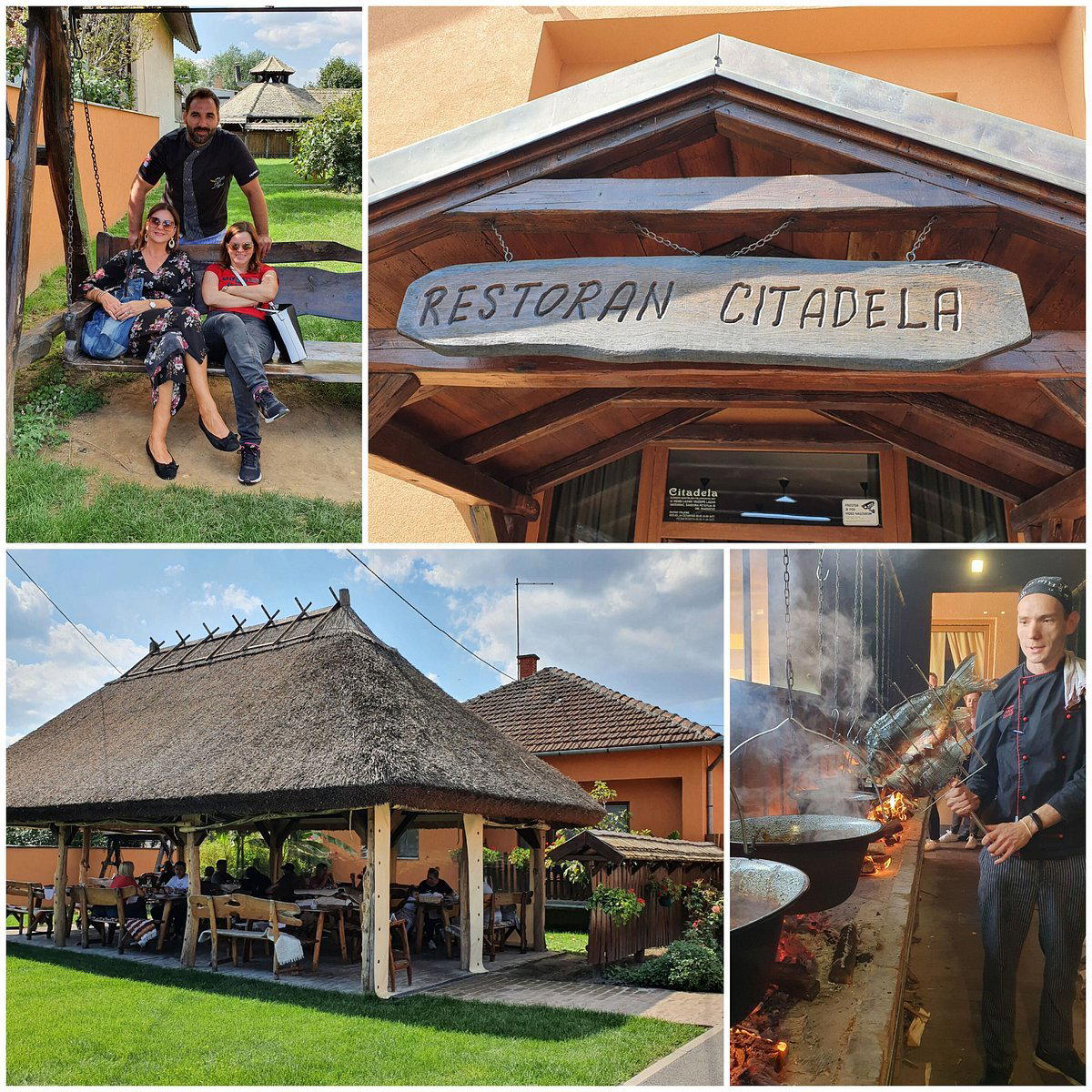
Arriving in Vardarac
Eastern Slavonia's dining scene has always operated on different terms from Croatia's Adriatic corridor. Where coastal towns like Šibenik and Dubrovnik have restaurants explicitly positioned for international visitors, places like Pelegrini in Šibenik or Restaurant 360 in Dubrovnik operating at €€€€ price points with tasting menus calibrated to a well-travelled audience, the inland towns of Croatia work at a different register entirely. Vardarac belongs to that interior world. The approach along Ul. Šandora Petefija is quiet in the way that agricultural towns are quiet: not deserted, but unhurried. Citadela occupies number 39 on that street, and its context is local commerce rather than tourism infrastructure.
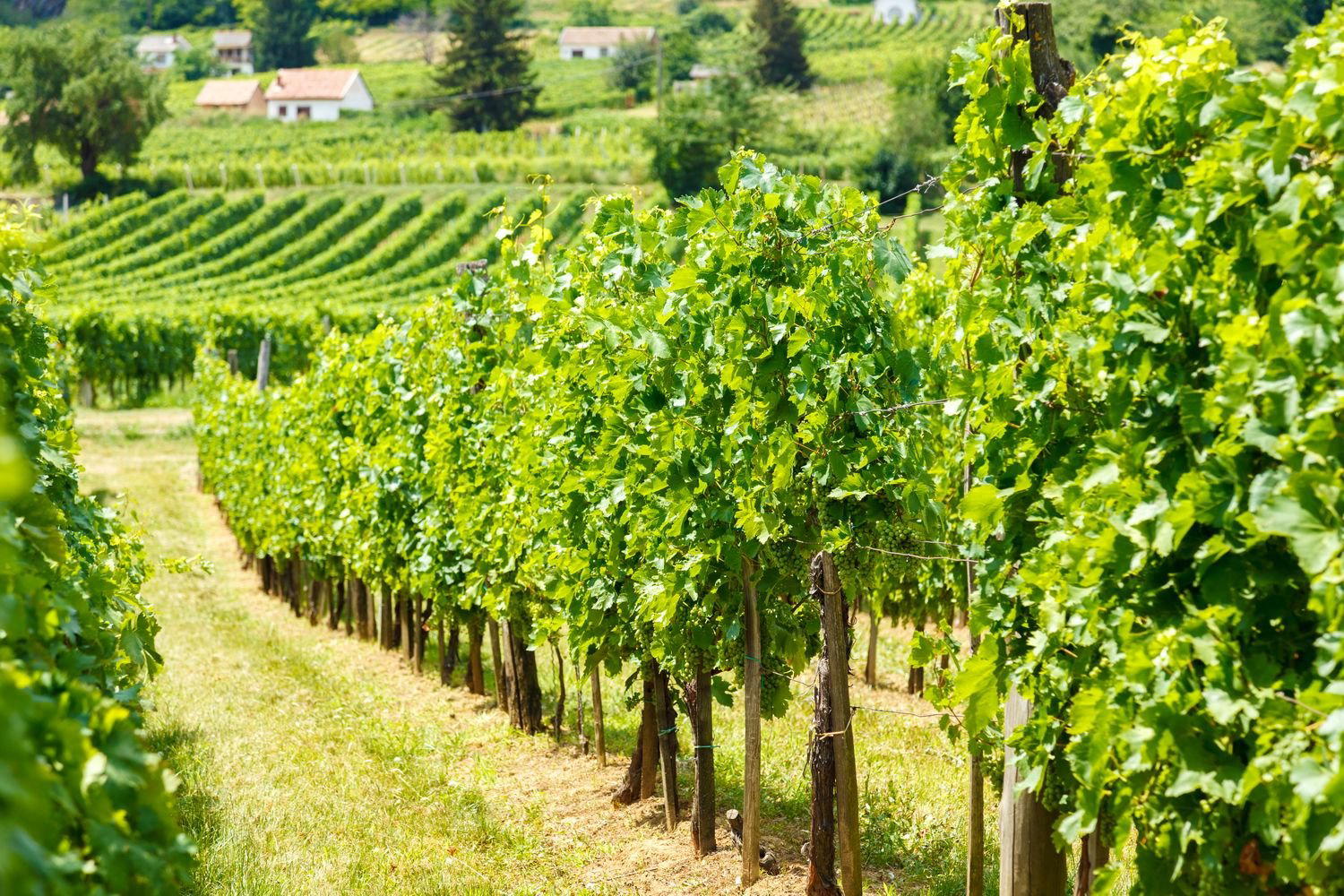
That geographical position matters when assessing what a restaurant like this is doing and who it is doing it for. In Croatia's continental interior, the supply chains are short not because of a policy decision but because of simple geography. Slavonian and Baranja producers, grain farmers, pig breeders, freshwater fisheries along the Drava and Danube tributaries, have historically supplied local restaurants by default. The question for any serious kitchen in this part of the country is less whether it sources locally and more how consciously it builds a menu around what that local sourcing makes possible.
The Sourcing Logic of Croatia's Interior
Croatia's culinary geography divides more sharply than most visitors expect. The coast runs on olive oil, sea bass, lamb from island pastures, and the particular prestige of Dalmatian wine. The interior runs on lard, paprika, slow-braised pork, freshwater fish, and a Central European vegetable tradition shaped by centuries of Habsburg and Ottoman influence. These are not inferior ingredients, they are different ones, with their own logic and their own seasonal rhythms.
Particularly serious continental Croatian kitchens, including Korak in Jastrebarsko and Dubravkin Put in Zagreb, have spent the last decade making a case for that interior tradition on its own terms rather than approximating Adriatic or Mediterranean models. For a restaurant in Vardarac, the same logic applies with even less compromise: the distance from the coast makes imported seafood a luxury play, while Slavonian pork, kulen, and seasonal market produce become the natural spine of the menu. A kitchen that understands this works with the grain of its geography rather than against it.
That framing, sourcing as a reflection of place rather than a marketing gesture, is one productive way to think about what Citadela represents in its local context. Croatia's interior has genuine culinary traditions that deserve the same critical attention the Adriatic receives. Restaurants in towns like Vardarac are often the primary custodians of those traditions, operating without the international press attention that flows toward Rovinj or Korčula.
Reading the Room: Atmosphere and Format
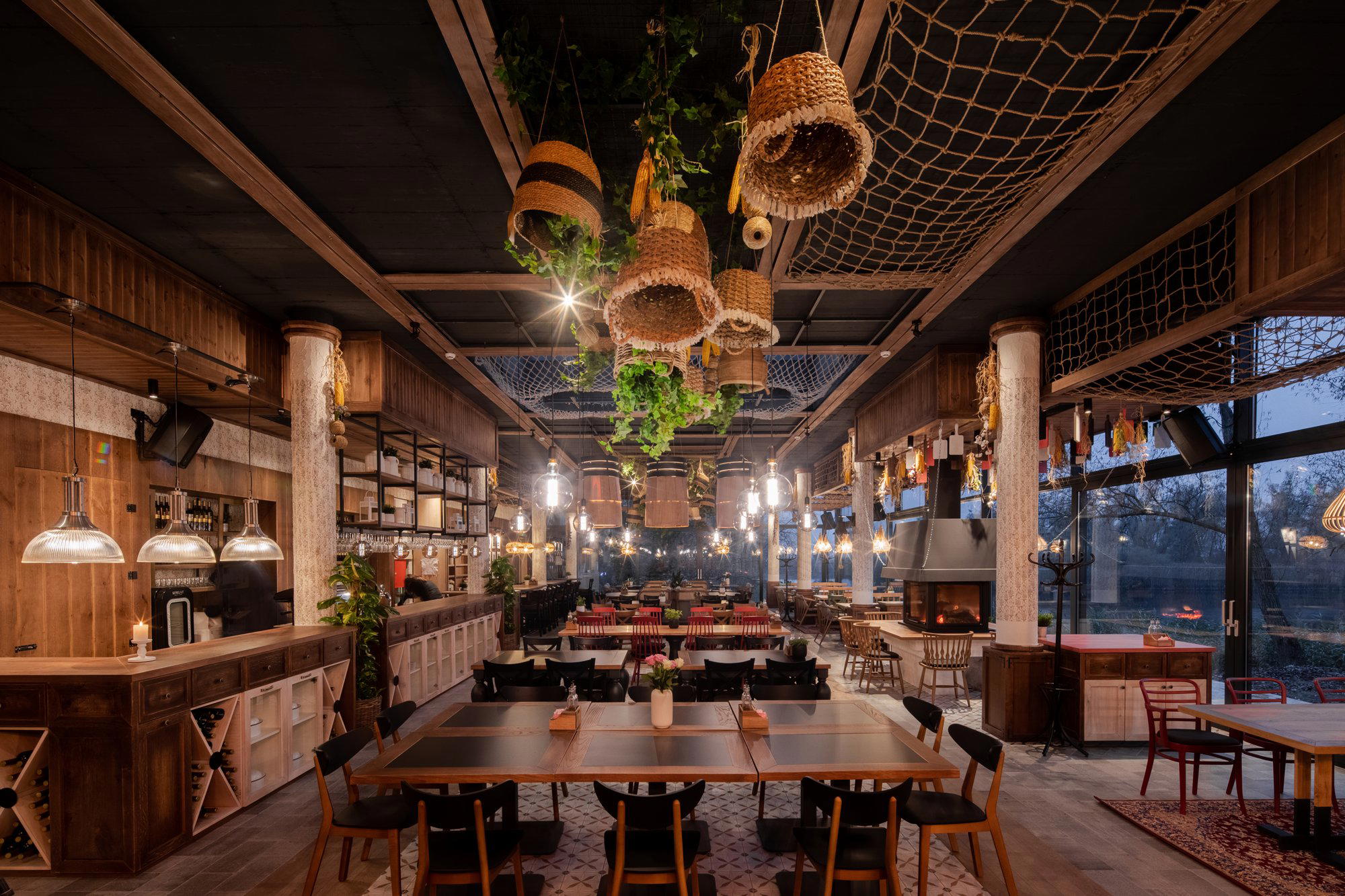
Restaurants that serve predominantly local clientele in smaller Croatian towns tend toward a particular physical format: honest interiors without the design ambition of urban venues, menus that rotate with the market and the season rather than locking into a fixed programme, and a pace of service calibrated to a guest who is eating dinner, not performing an experience. This is not a deficiency. It is a different set of priorities, and one that often produces cooking closer to its source material than the polished presentations further west.
The contrast with Croatia's Adriatic fine-dining tier is instructive. Agli Amici Rovinj and LD Restaurant in Korčula operate within an international luxury framework, where the physical setting, the service language, and the wine programme are all part of a coherent premium signal. A restaurant in Vardarac is making no such claim, and the cooking should be assessed accordingly, on the integrity of its ingredients, the honesty of its technique, and its relationship to the culinary tradition it occupies.
For context on how continental Croatian kitchens at a higher documented price point approach similar sourcing questions, Boskinac in Novalja and San Rocco in Brtonigla offer useful reference points, both have built identities around estate or regional produce in ways that illuminate what committed sourcing can produce in a Croatian context.
Placing Citadela in the Broader Croatian Scene
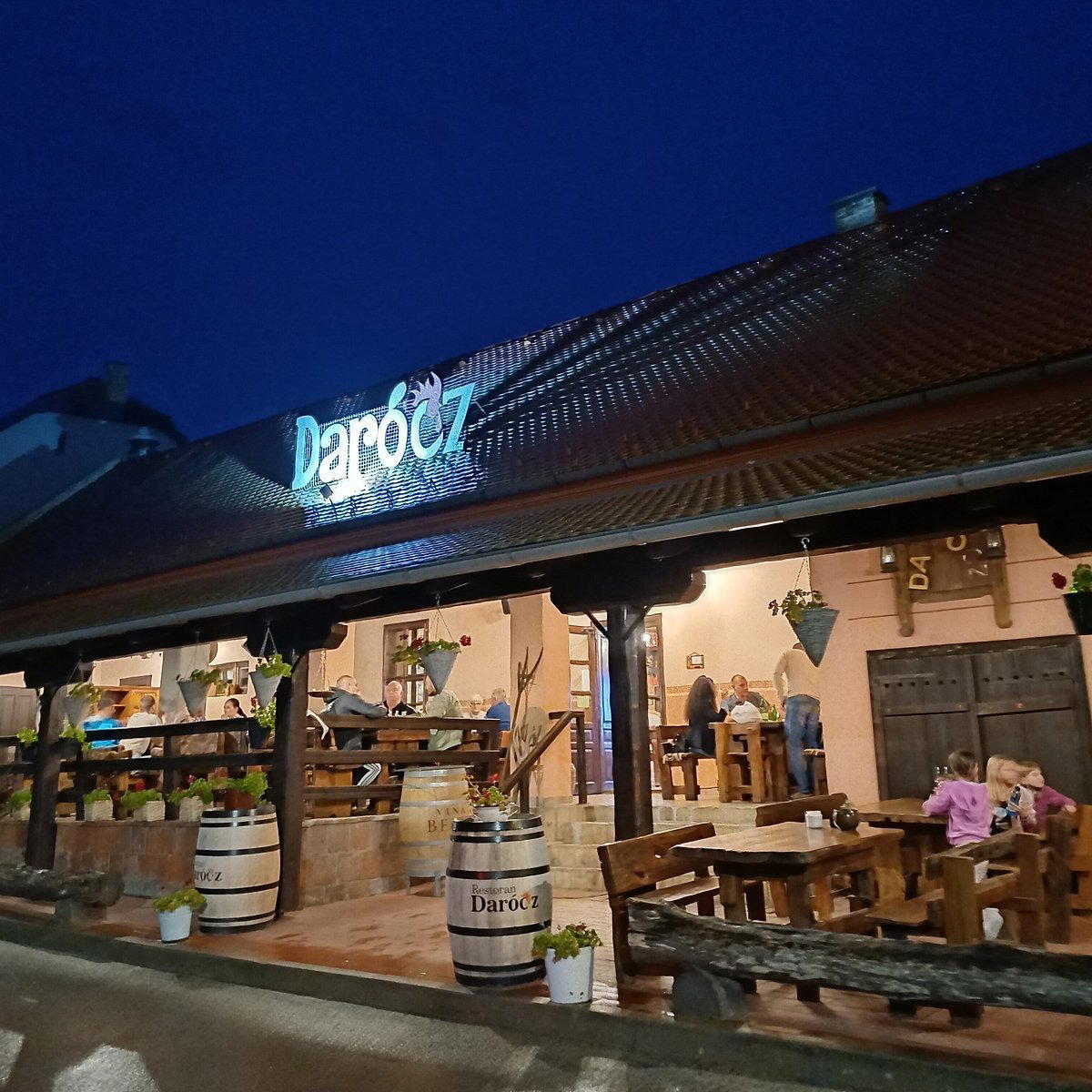
Croatia's serious restaurant community is concentrated in Zagreb, along the Istrian peninsula, and in the major Dalmatian cities. Restaurants operating outside those corridors, in Slavonia, in the Zagorje hills, in smaller Pannonian towns, receive proportionally less critical attention, which creates a genuine information gap for the traveller willing to go looking. Darócz, also in Vardarac, represents the same regional bracket and offers a point of local comparison.
The absence of published awards data, press recognition, or a documented price tier for Citadela is consistent with that pattern of undercoverage rather than an indicator of quality. Croatia's interior has produced serious cooking for decades with minimal international documentation. Nebo by Deni Srdoč in Rijeka and Alfred Keller in Mali Lošinj show what happens when Croatian kitchens outside Zagreb attract sustained critical attention. The regional interior is still largely awaiting that moment.
For travellers building a picture of Croatian dining beyond the coast, our full Vardarac restaurants guide covers the local context in more detail. And for those interested in how ingredient-led approaches play out at the documented upper end of Croatian and international dining, EatIstria in Pluj, Humska Konoba in Hum, and Restaurant Filippi in Curzola each represent a distinct take on regional sourcing in Croatia. Further afield, Le Bernardin in New York City and Lazy Bear in San Francisco illustrate how the sourcing-as-identity argument has been made at the highest documented levels internationally, a useful reference for understanding what that commitment looks like when it has both resources and critical infrastructure behind it.
Planning Your Visit
Citadela is located at Ul. Šandora Petefija 39, 31327 Vardarac, Croatia. No phone number or website is currently listed in public records, which suggests that first contact may require an in-person approach or local referral. Vardarac is a small inland town, and the practical reality of visiting restaurants in this part of Croatia is that local knowledge, from accommodation staff, from other locals, often substitutes for online booking systems. Given the town's size, the restaurant is likely to operate on a scale where turning up with a small group on a weekday evening carries reasonable odds of finding a table, though this cannot be confirmed without direct contact.
A Quick Peer Check
Comparable venues nearby, for context on price, style, and recognition.
| Venue | Cuisine | Price | Notes |
|---|---|---|---|
| CitadelaThis venue — the venue you are viewing | Traditional Croatian Baranja | $$ | Not listed |
| Darócz | Traditional Baranja Regional Cuisine | $$ | Vardarac |
| Pansion Ribnjak | Traditional Croatian River Fish | $$ | Ribnjak |
| Lumiere | Modern European & Croatian | $$ | City Center |
| Bistro Loora | Modern Croatian Bistro | $$ | City Center |
| Takenoko | Japanese Fusion Nikkei | $$$ | Ploce |

At a Glance
- Rustic
- Classic
- Cozy
- Group Dining
- Family
- Celebration
- Special Occasion
- Casual Hangout
- Live Music
- Terrace
- Historic Building
- Standalone
- Beer Program
- Local Sourcing
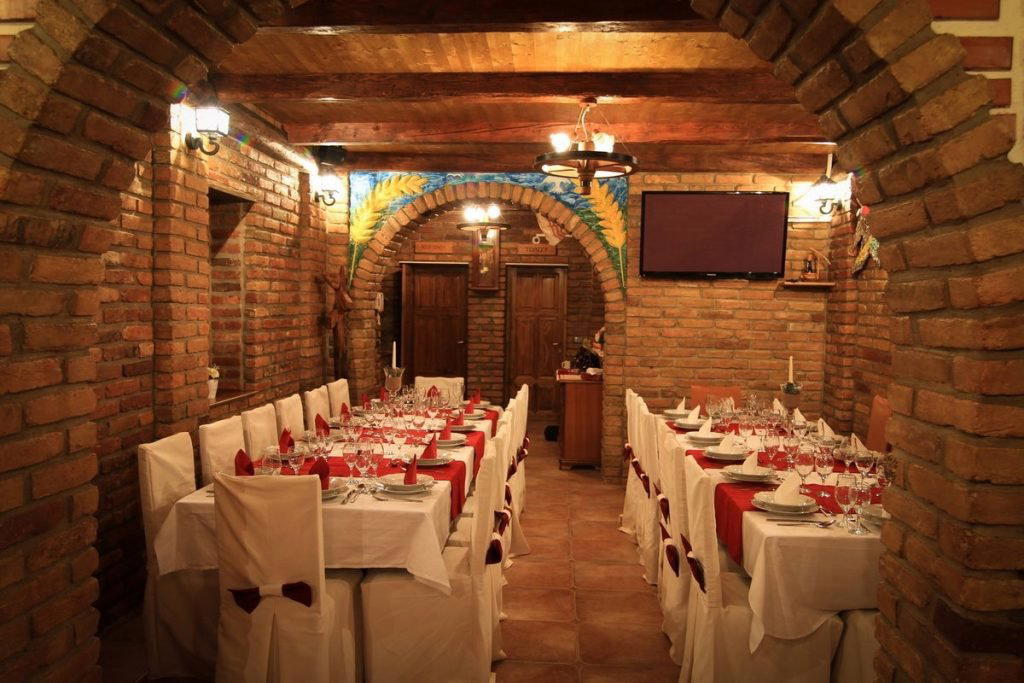
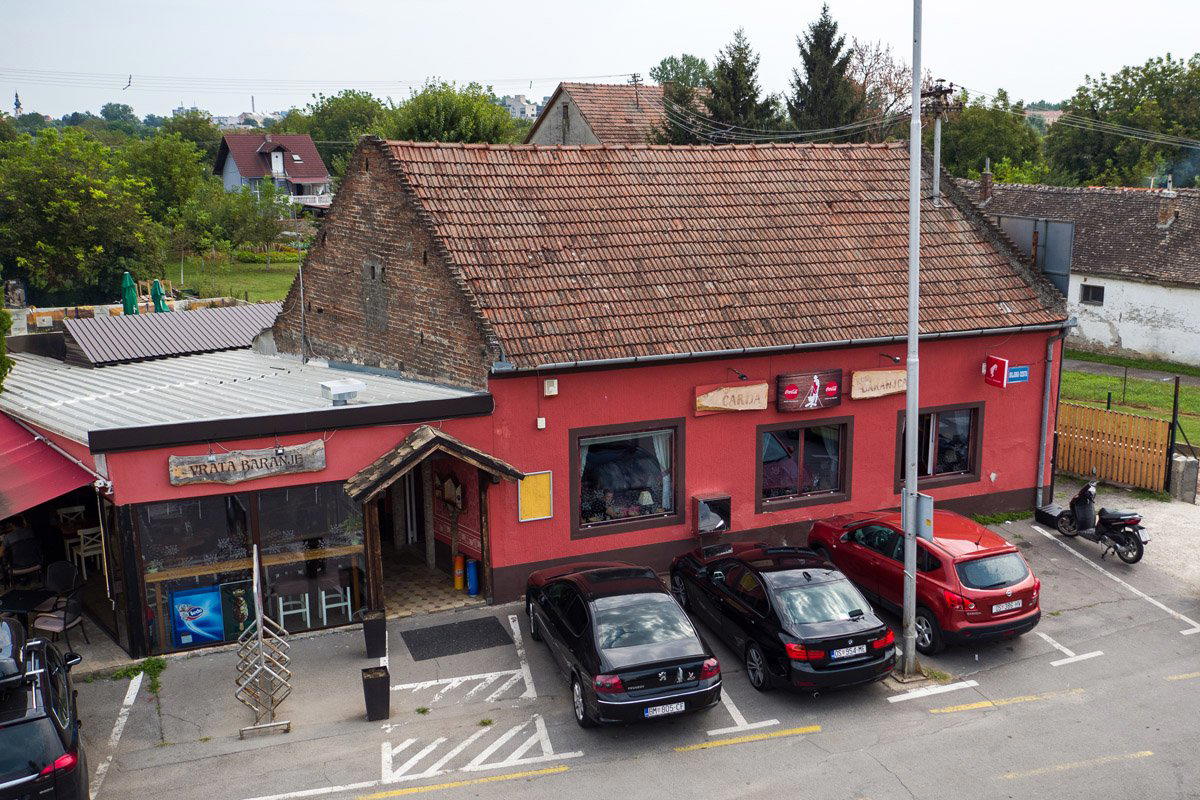
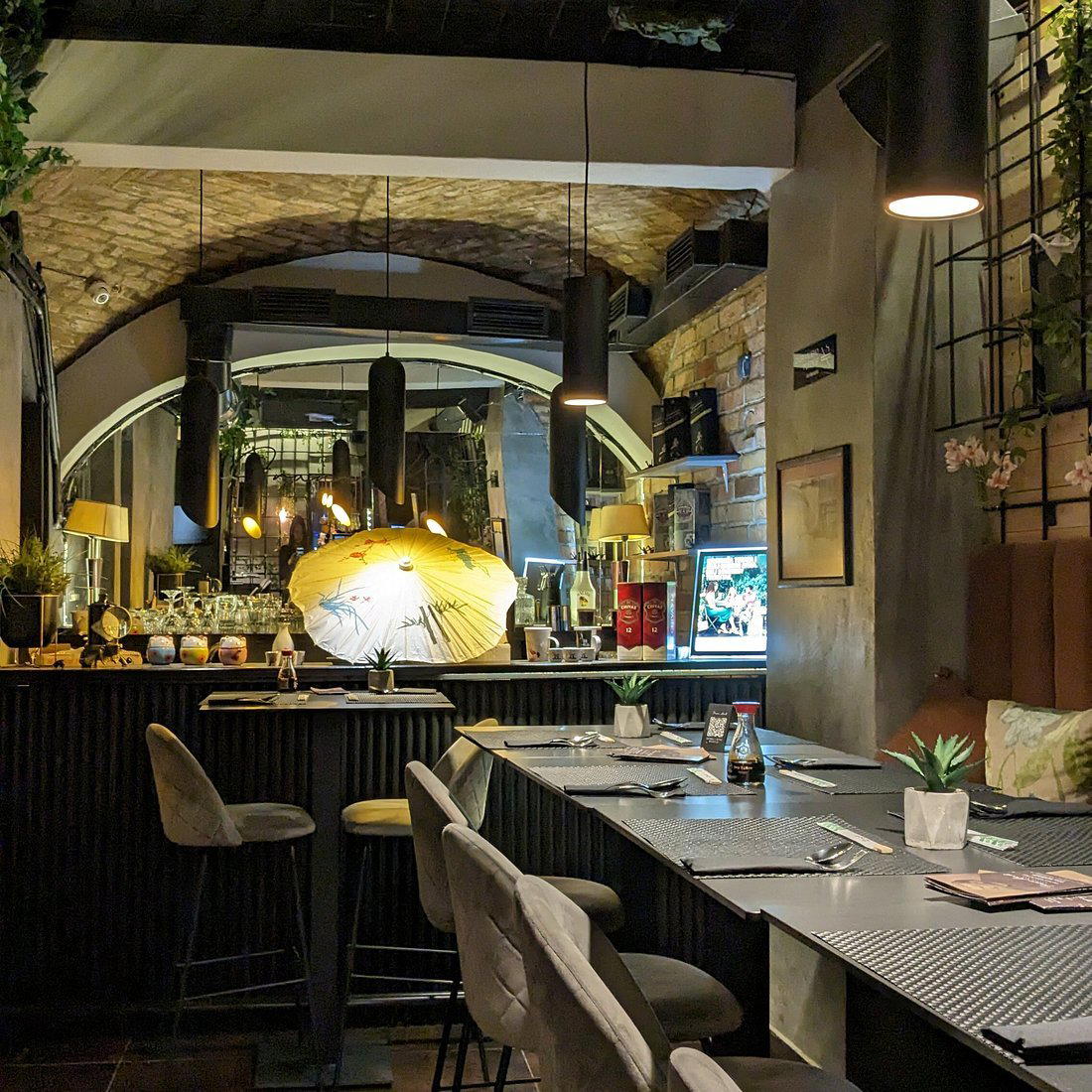
Rustic, traditional, and warmly nostalgic, with ethnographic details and old photographs creating a distinctive Baranja heritage atmosphere.