
Tabelog 100 #43
Our verdict
A 24-seat Sannomiya izakaya and sake bar with Tabelog 100 Izakaya WEST selection in 2024 and 2025, Banshu Jizake Hino sits in Kobe’s serious drinking-and-fish lane rather than its steak-house circuit. Expect a compact room, counter seating, nihonshu focus, and a dinner budget around JPY 6,000 to JPY 7,999.

Pearl is the En Primeur Club membership app — saves, bookings, and concierge access live there. Same editors, same standards.
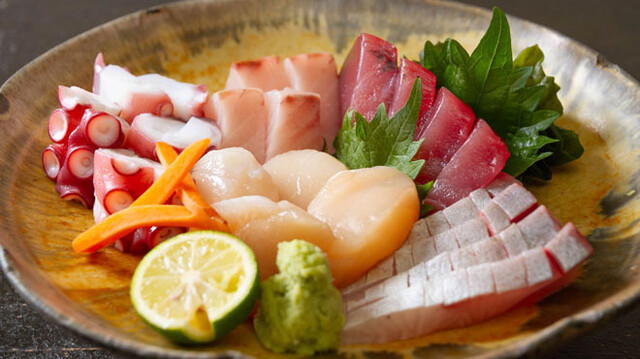
The menu
What to order
- Seasonal side dishes
- Daily specials
- Course dishes
- Hyogo local sake pairings
The fourth-floor address in Sannomiya sets the tone before dinner: Kobe’s upstairs izakaya culture, not street-level steak theatre. The city’s dining reputation is often flattened into beef, but the evening circuit around Kobe Sannomiya station has another grammar: small rooms, sake-led pacing, fish at the centre, and regulars treating the counter as a serious drinking room rather than a casual stopover.
Banshu Jizake Hino belongs to that lane. Its Tabelog 100 Izakaya WEST selections in 2024 and 2025 matter because western Japan’s izakaya awards reward balance: technique-driven food, regionally purposeful drink programs, and rooms that sustain a full evening without becoming formal restaurants. A Tabelog score of 3.64 puts it in a competitive local bracket where sourcing, sake range, and room discipline carry weight.
Fish, nihonshu, and the serious end of Kobe's izakaya culture
Kobe’s premium visitors often split into two groups: those chasing teppanyaki beef and those using the city as a quieter base between Osaka and Kyoto. The sharper dinner move is to read Sannomiya through its izakaya and sake bars, where Hyogo’s drinking culture comes forward. Hyogo is a major sake prefecture, and Kobe’s local audience knows the difference between a place that merely stocks nihonshu and one that builds the meal around it.
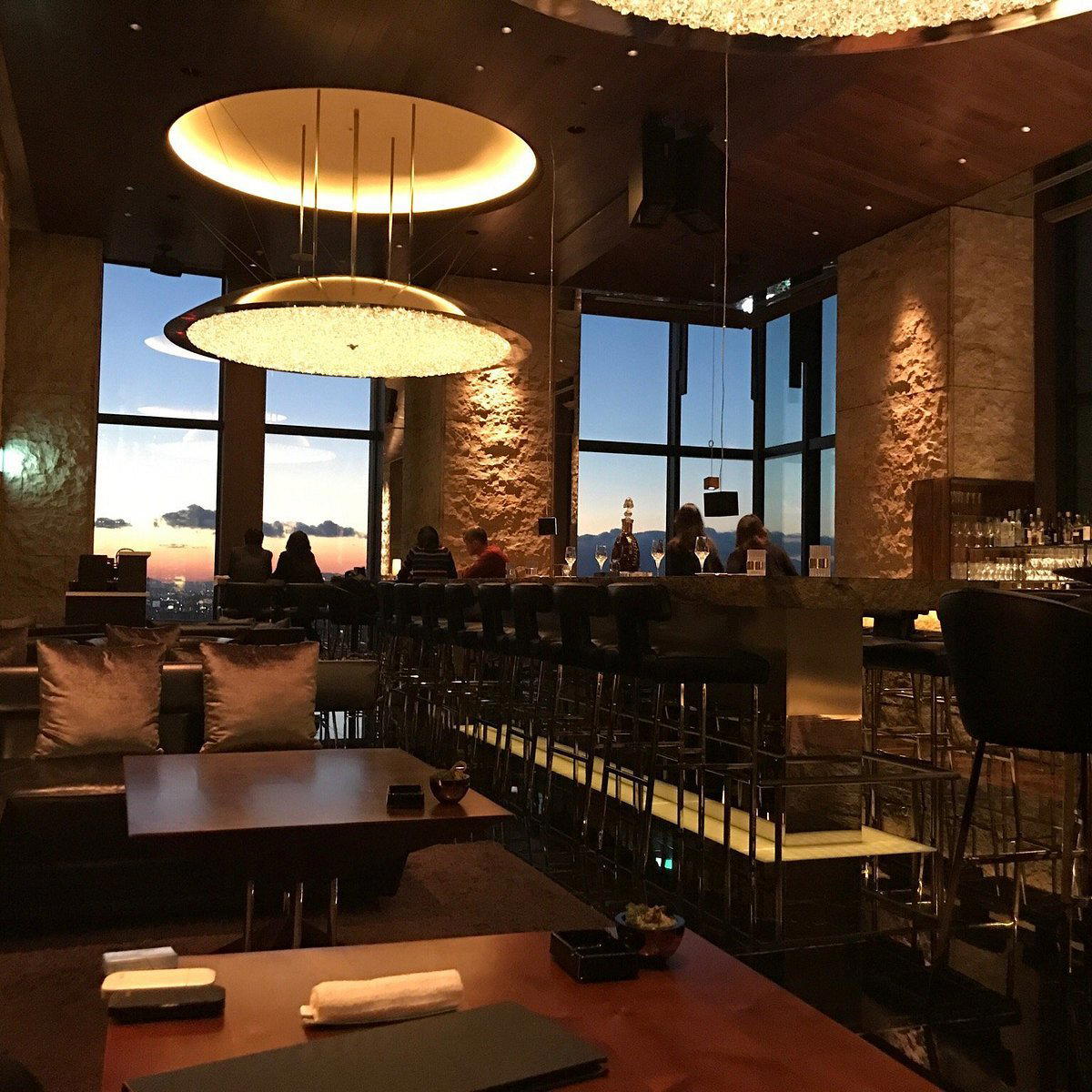
The category is izakaya and Japanese sake bar, with fish flagged as a focus and drinks centred on sake and shochu. That places the meal closer to a drinking-led Japanese dinner than a tasting-menu restaurant. The counter format, with eight counter seats within a 24-seat room, reinforces this: a compact evening shaped by pace, glassware, and conversation distance as much as kitchen sequence.
The course structure also signals a hybrid position. Courses are listed at JPY 4,400 and JPY 5,500 including tax, while the broader dinner spend is JPY 6,000 to JPY 7,999. For parties of five or more, course meals apply, keeping larger groups from breaking the room’s rhythm. In small Japanese izakaya rooms, group size changes the experience for everyone else.
Within Kobe, this is different from beef-focused addresses such as Aburi Niku Kobo Wakkoku Shinkobe ten and Aburi Niku Kobo Wakkoqu Kitano Sakamoto Ten. It also sits apart from the snack-and-coffee rhythm of Akaneya Coffee Ten, the local dining register around Akari, and the dietary-specific utility of Ali's Halal Kitchen. The useful comparison is not cuisine-to-cuisine; it is whether the evening is built around one headline product or around sake, fish, and slower room tempo.
Why the Tabelog 100 signal carries weight here
Tabelog’s Hyakumeiten lists are especially relevant for izakaya because the format rarely translates cleanly through international guide language. Michelin-style signals can privilege chef-led formality; izakaya reputation is built through repeat use, regional fluency, and whether the drinks list justifies a full evening. Consecutive Tabelog 100 Izakaya WEST selections give Banshu Jizake Hino a clearer marker than a generic “local favourite” label.
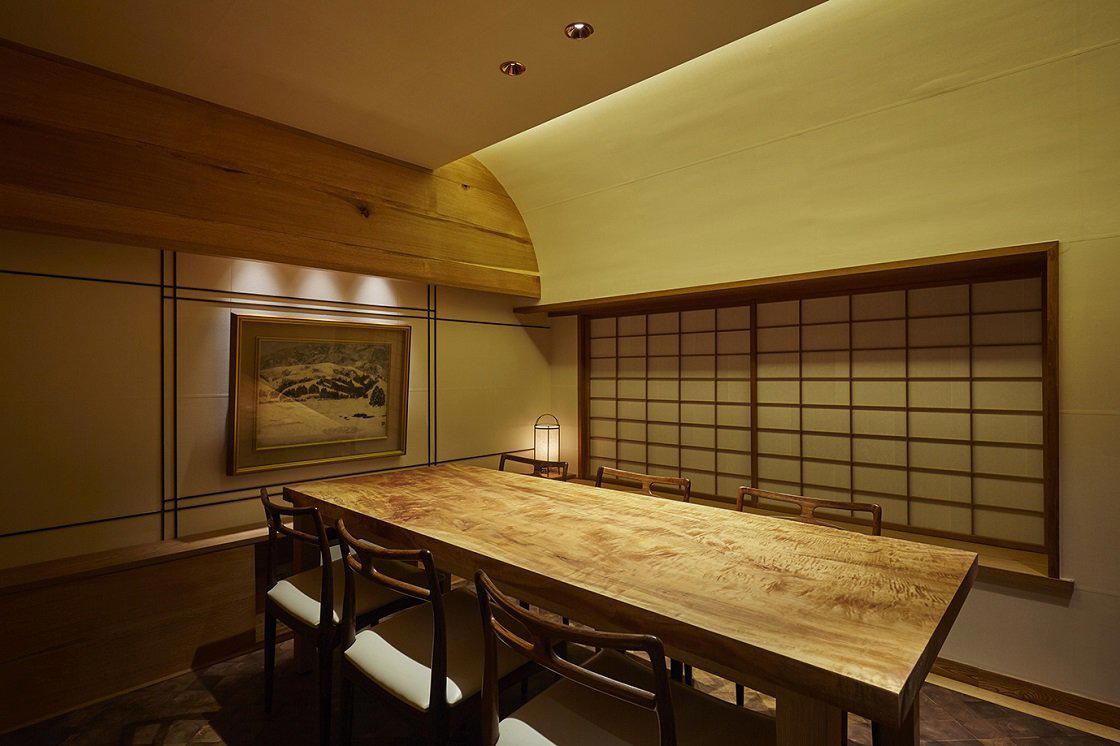
The scale matters. A 24-seat room with four tables for four and an eight-seat counter operates differently from larger casual Sannomiya addresses. It is small enough that booking discipline affects the night, but not so formal that the izakaya identity disappears. Non-smoking status, no private rooms, and no children policy define the atmosphere: adult, compact, sake-oriented, and built for dates or friends rather than family dining.
That puts it above Kobe’s low-cost quick-dinner addresses such as S.B.DINER-KOBE, Gyoza Senmon Ten Akaman Sannomiya ten, and tea room mahisa, while below higher-spend Chinese dining such as Canton Ryori Chinese Shuka Toa rodo ten. Terzo overlaps in the JPY 6,000 to JPY 7,999 dinner band, but the decision is less budget than format. Sake bar plus fish izakaya is a narrower, more Japanese evening than wine-leaning or Western-style dining.
The location near Kobe Sannomiya station is useful for visitors, but the better reason to come is category literacy. Kobe rewards travellers who do not treat it as a single-dish destination. A night here makes sense after beef, before Kyoto, or instead of another Osaka dinner when the priority is regional sake culture in a room with repeat recognition.
How to place it in a Kobe itinerary
Treat this as the evening’s anchor, not a prelude. The listed service window is dinner-only from Monday to Saturday, with Sunday closed, and the room is too compact to approach as a flexible walk-in stop. Reservations are available, and phone inquiries are better outside the busiest service stretch. Plan earlier in the day rather than trying to solve dinner from the pavement at 8 p.m.
The address is in Chuo Ward’s Kitanagasadori area, within the Sannomiya orbit, so it pairs naturally with a central Kobe stay rather than a waterfront-only itinerary. There is no parking, standard for this kind of urban izakaya; rail and walking make more sense. Credit cards are accepted, electronic money is not, and PayPay is listed, a useful split for visitors who assume every Japanese restaurant now takes the same payment mix.
For broader planning, use Our full Kobe restaurants guide to decide whether this belongs beside beef, sushi, or casual local dining. If the evening is part of a wider city stay, cross-reference Our full Kobe hotels guide, Our full Kobe bars guide, Our full Kobe wineries guide, and Our full Kobe experiences guide. Readers mapping Japanese food beyond Hyogo may also compare format and budget expectations with -Grilled beef Sukiyaki- KAMAKURA TANUKIAN 鎌倉 たぬき庵 in Kamakura. 鮪と炭火焼き うお炭 秋葉原店 in Tokyo.cafe in Osaka.know in Kumamoto, (Shoku) Vietnam in Kawasaki, [Curry Senmon Ten] Maruyama Kyoju. in Sapporo, Jōdo Saké Bar in Los Angeles, and Onigiri Time in Pasadena.
Frequently asked questions
What's the pricing like at Banshu Jizake Hino?
Pricing at Banshu Jizake Hino is listed as JPY 6,000 - JPY 7,999.
What are the opening hours for Banshu Jizake Hino?
Hours at Banshu Jizake Hino: Mon: 6–10:30 PM; Tue: 6–10:30 PM; Wed: 6–10:30 PM; Thu: 6–10:30 PM; Fri: 6–10:30 PM; Sat: 6–10:30 PM; Sun: Closed.
What's Banshu Jizake Hino's location?
Banshu Jizake Hino is located in Kobe.
What has Banshu Jizake Hino built its reputation on?
The clearest signal is its selection for Tabelog 100 - Izakaya - WEST - 2025. The house also leans into fish and nihonshu, with a 24-seat room in Kobe’s Sannomiya area and counter seating for a tighter dinner setting.
Can Banshu Jizake Hino accommodate dietary restrictions?
Those details are not published. It also lists reservations, a 500 yen seat charge, and course meals at JPY 4,400 and JPY 5,500, so direct advance planning is the practical route. Check the venue's official channels for the latest details.
Would Banshu Jizake Hino be comfortable with kids?
No, the public record says children are not allowed. That makes it a better fit for adults booking dinner in Kobe, especially with the Monday-to-Saturday evening service window and a sake-led izakaya format. Check the venue's official channels for the latest details.
Price Lens
Side-by-side context: comparable cuisine and price.
| Venue | Cuisine | Price | Awards | Notes |
|---|---|---|---|---|
| Banshu Jizake HinoThis venue (the venue you are viewing) | Japanese Izakaya | $30–50 | Tabelog 100 #43 | Not listed |
| Grill Ippei Shinkaiti honten | Yoshoku (Japanese-Style Western Cuisine) | $10–20 | Tabelog 100 #27 | Hyōgo, Yoshoku (Japanese-Style Western Cuisine) |
| Yoshoku SAEKI | Japanese Western-style yoshoku (hamburger steak & curry) | $10–20 | Tabelog 100 #10 | Nada, Japanese Western-style yoshoku (hamburger steak & curry) |
| 老虎菜 本店 | Higashinada, japanese | Not listed | Tabelog 100 #65 | Not listed |
| 鮨 çç² | Higashinada, japanese | Not listed | Not listed | Not listed |
| Yakiniku Zen | Traditional Kobe Yakiniku | $50–100 | Tabelog 100 #37 | Chūō, Traditional Kobe Yakiniku |
Recognition history
Dated appearances from independent guides and award organizations, with the underlying list record or original source where available.
Tabelog 100 #43 · No. 43
Tabelog · Tabelog 100 - Izakaya - WEST - 2025
Continue exploring
More in Kobe
Restaurants in Kobe
All restaurants in Kobe →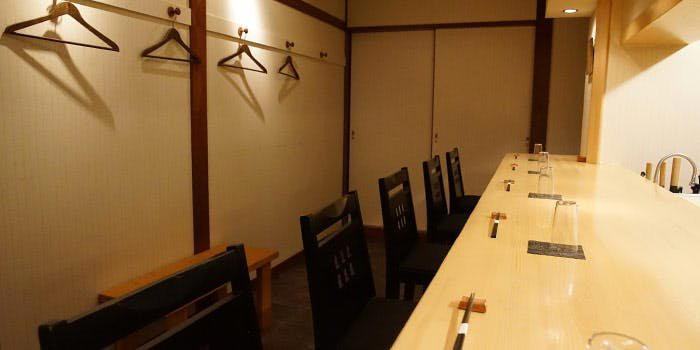
Bars in Kobe
Browse all →



Details
- Cozy
- Classic
- Intimate
- Date Night
- After Work
- Special Occasion
- Private Event
- Standalone
- Sake Program
- Local Sourcing
- A La Carte
- Set Menu
- Sake
Current opening hours
- Monday
- 6–10:30 PM
- Tuesday
- 6–10:30 PM
- Wednesday
- 6–10:30 PM
- Thursday
- 6–10:30 PM
- Friday
- 6–10:30 PM
- Saturday
- 6–10:30 PM
- Sunday
- Closed
Hours can change for holidays and private events. Last verified .
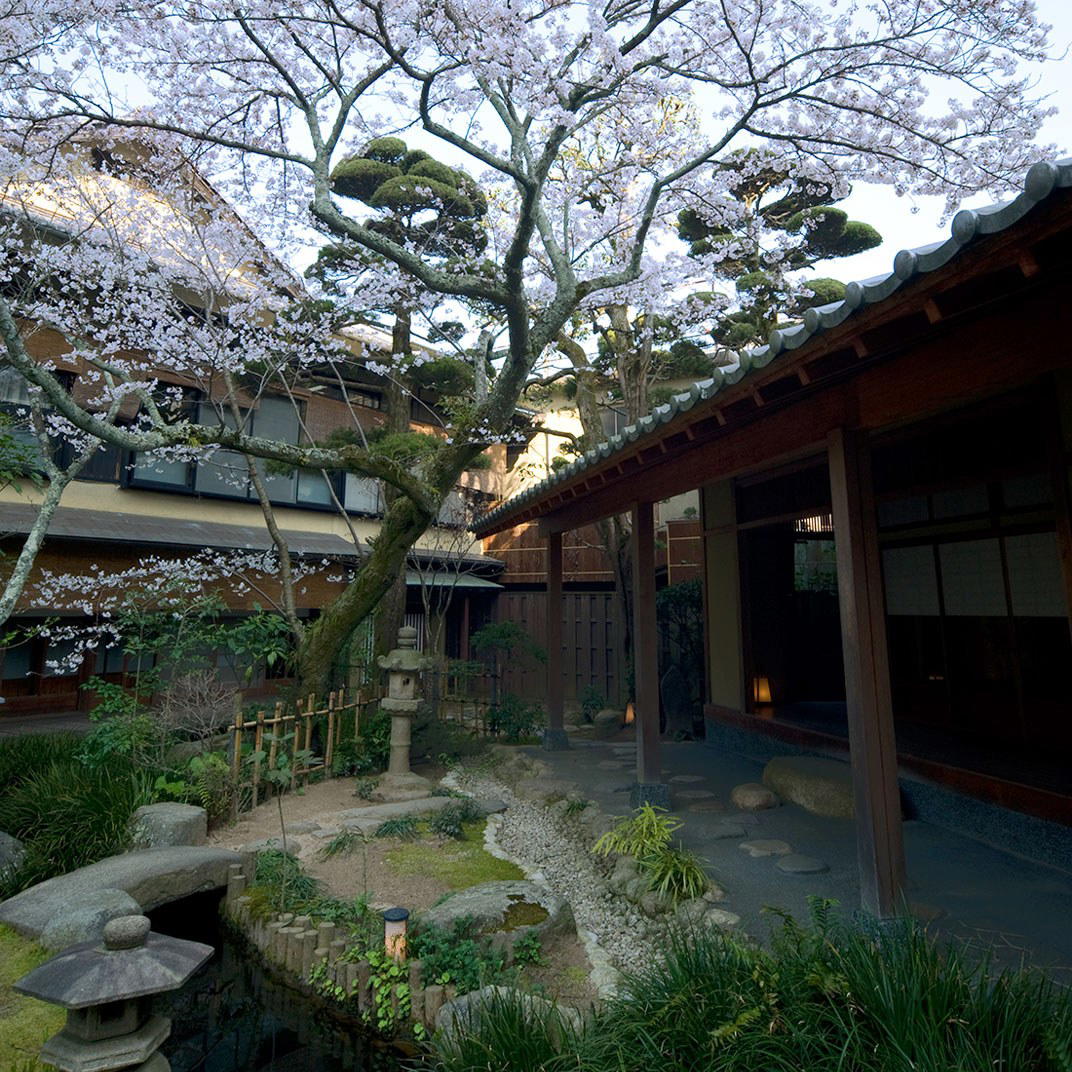
A relaxed, adults-oriented hideout near Sannomiya Station with counter seating and a slow-paced, intimate izakaya atmosphere.