
Tabelog 100 #37
Our verdict
Kobe’s beef culture is not only steakhouse ceremony; its smaller yakiniku rooms put the grill at the centre of the evening. Yakiniku Zen belongs to that compact, smoke-and-counter side of the city, with Tabelog 100 Yakiniku WEST recognition in 2025 and a format that suits diners who want control, heat, and pacing rather than a formal tasting-menu script.

Pearl is the En Primeur Club membership app, where members save venues, book tables and use the concierge.
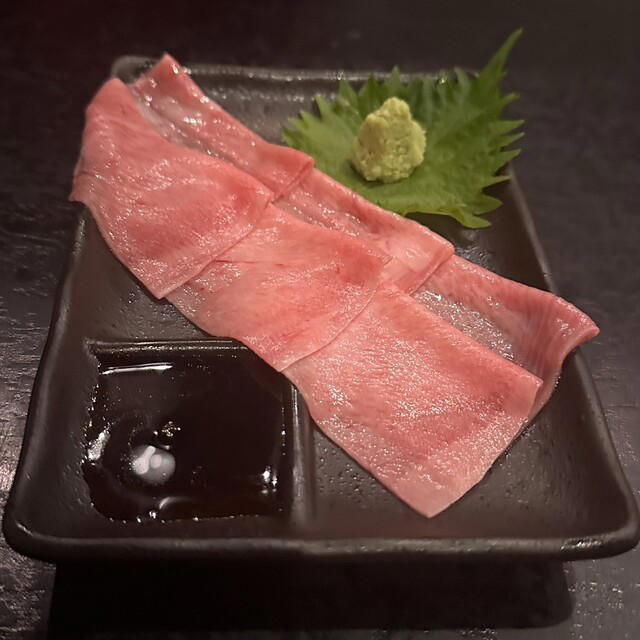
Approach a serious yakiniku room in Kobe and the first impression is rarely grandeur. The language is heat, smoke, metal tongs, short counter exchanges, and the quick judgement of meat meeting flame. In a city strongly associated with beef dining, yakiniku keeps the experience physical: diners manage the grill, read the fat, and decide when a cut has had enough fire.
That distinction matters in Kobe, where beef-focused meals can take several forms. Steakhouse dining puts technique in the chef’s hands; yakiniku shifts part of that responsibility to the table. Yakiniku Zen sits in the latter camp, aligned with Japanese barbecue and tripe rather than Western-style steak service. Its selection for Tabelog 100 Yakiniku WEST 2025 gives it a measurable signal in a category where local trust often matters more than international guidebook shorthand.
Yakiniku, not Kobe steakhouse theatre
Kobe’s premium beef reputation can flatten the city’s dining identity if every meal becomes the same steak narrative. Yakiniku offers a sharper lens: communal, quick to reveal quality, and unforgiving of passive dining. The table controls timing, and the grill turns dinner into decisions. Focused yakiniku rooms carry a different authority from large-format beef restaurants: not ceremony, but proximity to cooking.
Within that frame, Yakiniku Zen belongs to a specialist category rather than the broad tourist circuit. The appeal is less about spectacle than concentration: a grill-room mood, attention to the meat, and the kind of pace that suits diners who want to participate in the cooking. Here yakiniku’s sensory logic is clearest: grill heat in front of the diner, sauces and condiments within reach, and rhythm set by the next cut on the grate.
The Tabelog recognition is useful because yakiniku in western Japan has deep local competition and few visitor shortcuts. A 2025 WEST selection places the restaurant within a regional field, with a listed Tabelog score of 3.73 and a dinner budget of JPY 5,000 - JPY 5,999. Read it not as a global ranking, but as a local quality marker in a cuisine where repeat diners, category specialists, and regional preferences carry weight.
For travellers comparing Kobe dining formats, the decision is less status than desired control. Other Kobe restaurants may sit closer to the city’s steakhouse conversation, while Yakiniku Zen points to a narrower grill-room experience. For a broader map of the city’s tables, use our full Kobe restaurants guide.
The pleasure is in timing, smoke, and restraint
Yakiniku is often misunderstood abroad as abundance first and craft second. In Japan, it rewards restraint: thinner portions, attention to texture, and a sequence that can move from familiar cuts into offal for diners who want the grill’s full range. The listed categories include Japanese BBQ and tripe, an important clue. A yakiniku room that treats horumon and tripe as part of its identity sits closer to the old urban drinking-and-grilling tradition than to simplified steak-for-tourists.
The structure of the meal points there. This is food built for fat, smoke, and repeat bites rather than a long plated progression. Cuts arrive as decisions, not finished compositions; each round asks the table to manage heat and timing. In yakiniku, the next mouthful depends on attention as much as appetite.
Compared with Kobe’s broader dining scene, the grill format occupies a specific middle ground. HYOE'S BURGERS + FRIES, Ca marche, quarto, Arakawa, and Aragawa all point to different ways of eating in the city, while Yakiniku Zen keeps the focus on table grilling. It avoids turning dinner into either a quick casual stop or a grand beef-room performance.
That suits visitors who want Kobe’s grill culture without surrendering the evening to performance. It also suits diners who know Japanese grill etiquette: cook in small batches, do not crowd the grate, and treat offal as language rather than dare. The strongest meals in this category are built by pacing, not ordering everything at once.
How it fits a Kobe evening
Kobe gives this dinner the right urban setting. The city supports compact restaurants, late meals, coffee stops, bars, and post-dinner wandering, so a focused yakiniku room feels integrated into the night rather than isolated as a destination. Before or after a grill-focused dinner, Kobe can shift registers: coffee culture, another local table, or a different side of the city’s dining mix can all frame the meal without competing with it.
Plan directly rather than over-engineer. The published phone number is +81-70-3975-7327, and the listed dinner budget is JPY 5,000 - JPY 5,999. Because this is a focused yakiniku address rather than a sprawling destination restaurant, the practical move is to confirm current availability, hours, and any party-specific needs before setting the evening around it.
For travellers building a fuller Kobe itinerary, restaurants are only one layer. Our full Kobe hotels guide, our full Kobe bars guide, our full Kobe wineries guide, and our full Kobe experiences guide help place dinner within the wider city. Nationally, the same beef-and-fire conversation branches into other Japanese grill traditions, while lighter city stops show how Japanese dining categories travel, adapt, and split by occasion.
The editorial read is simple: choose Yakiniku Zen when the point is the grill itself. Not postcard beef, not chef-led steak performance, and not a sprawling group restaurant. The value is a focused setting where smoke, timing, and the table’s own decisions shape the meal.
Frequently asked questions
What are the opening hours for Yakiniku Zen?
Current opening hours for Yakiniku Zen are not provided here. Call +81-70-3975-7327 or check the venue's official channels before visiting.
What should I budget for a meal at Yakiniku Zen?
Pricing at Yakiniku Zen is listed as JPY 5,000 - JPY 5,999 for dinner; lunch is not listed.
What's the address for Yakiniku Zen?
Yakiniku Zen is located in Kobe.
What's Yakiniku Zen best at?
Its strongest credential is the Tabelog 100 Yakiniku WEST 2025 selection. The listed categories are yakiniku, or Japanese BBQ, and tripe, making it a focused grill choice in Kobe.
Do they accommodate allergies at Yakiniku Zen?
The public record lists yakiniku, tripe, and the phone number, but no allergy policy. The practical move is to call +81-70-3975-7327 before booking and confirm any specific ingredients or cross-contact concerns. Check the venue's official channels for the latest details.
Does Yakiniku Zen work for a family meal?
It may work for diners who are comfortable with a hands-on yakiniku meal, but family-specific facilities are not confirmed here. Call +81-70-3975-7327 before booking to confirm whether the setting suits your group.
Comparison Snapshot
Comparable options at the same price tier.
| Venue | Cuisine | Price | Awards | Notes |
|---|---|---|---|---|
| Yakiniku ZenThis venue (the venue you are viewing) | Traditional Kobe Yakiniku | $50–100 | Tabelog 100 #37 | Not listed |
| Sumiyaki Shio Horumon 『A』 Kobe Sakaba | Charcoal-grilled Tajima beef & offal yakiniku | $50–100 | Tabelog 100 #10 | Chūō |
| éº¤ç® | Traditional Japanese Kaiseki | Not listed | Not listed | Chūō |
| Shizune | Yakitori Omakase with Local Jidori Chicken | $50–100 | Tabelog 100 #74 | Chūō |
| Kobe Steak Restaurant Mouriya Lin | Teppanyaki Kobe Beef Steakhouse | $150–200 | Not listed | Chūō |
| KOBE BEEF EiKiChi | Kobe Beef Teppanyaki | $100–150 | Not listed | Chūō |
Recognition history
Dated appearances from independent guides and award organizations, with the underlying list record or original source where available.
Tabelog 100 #37 · No. 37
Tabelog · Tabelog 100 - Yakiniku - WEST - 2025
Continue exploring
More in Kobe
Restaurants in Kobe
All restaurants in Kobe →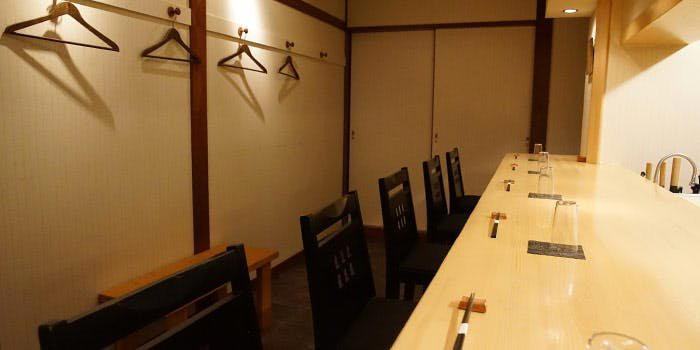

Bars in Kobe
Browse all →



Details
- Intimate
- Cozy
- Date Night
- Solo
- Casual Hangout
- Chefs Counter
- Standalone
- A La Carte
- Counter Dining
Current opening hours
- Monday
- 3:30 PM–12 AM
- Tuesday
- 3:30 PM–12 AM
- Wednesday
- Closed
- Thursday
- 3:30 PM–12 AM
- Friday
- 3:30 PM–12 AM
- Saturday
- 3:30 PM–12 AM
- Sunday
- 3:30 PM–12 AM
Hours can change for holidays and private events. Hours as of .
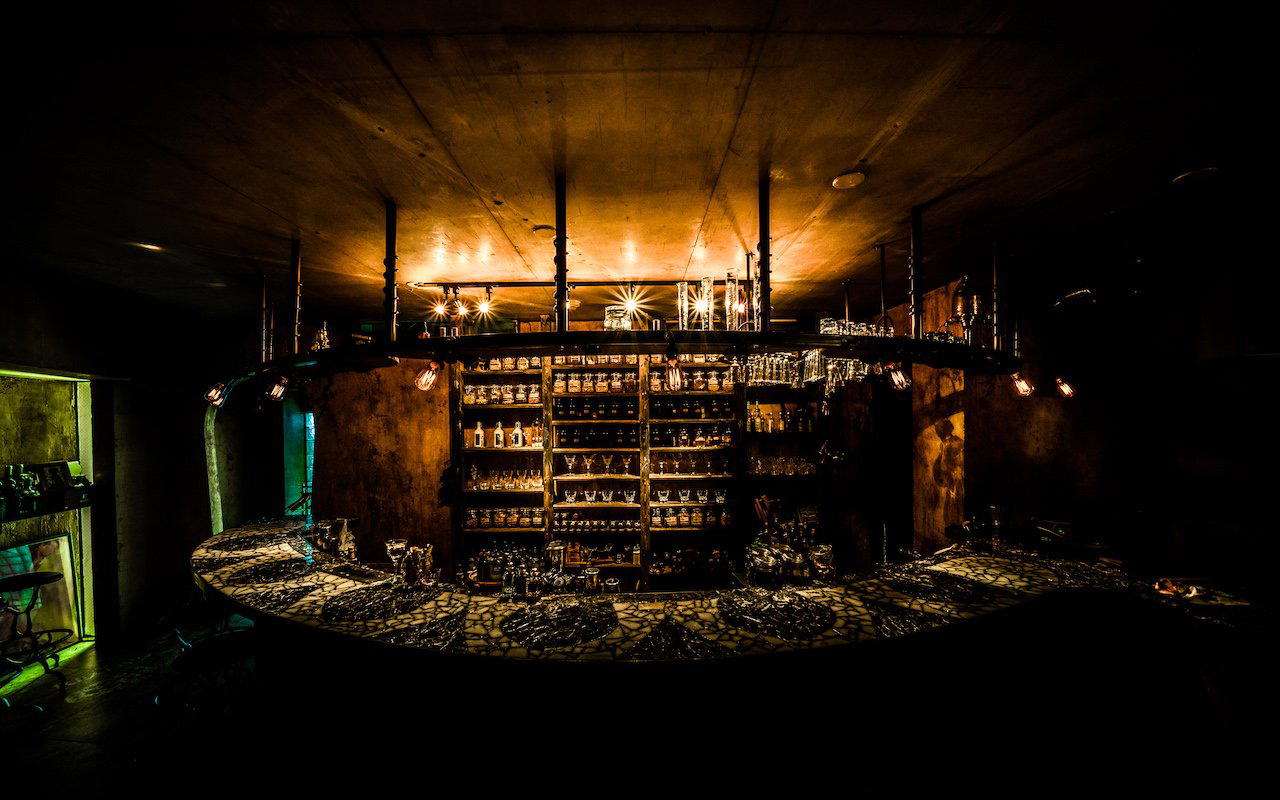
A small, counter-focused Kobe yakiniku with only ten seats, creating a quietly lively yet relaxed atmosphere where guests sit close to the grill and staff, more like a neighborhood hideaway than a large barbecue hall.