Our verdict
In Hanoi's street food culture, Banh Mi Duc Long Donerkebap sits at an intersection that says something about how the city absorbs outside influences. The name alone maps a collision between Vietnamese bánh mì tradition and Turkish döner kebab, two bread-based formats that have more in common structurally than geography would suggest. For visitors tracking how Hanoi's snack culture evolves, this kind of hybrid spot represents a pattern worth understanding.

Pearl is the En Primeur Club membership app — saves, bookings, and concierge access live there. Same editors, same standards.
- Address
- Hanoi, Vietnam
- Directions
- Get directions
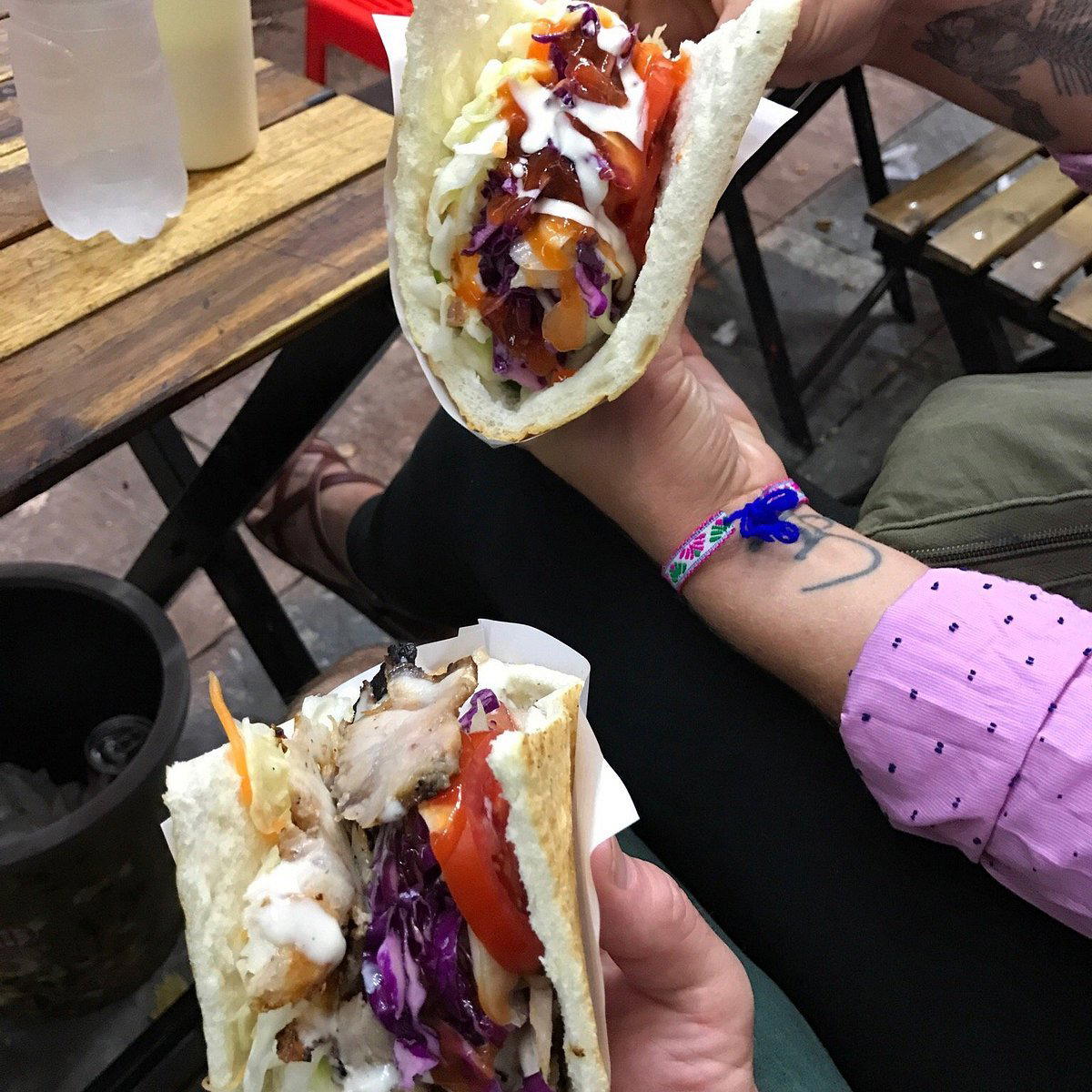
The menu
What to order
- Doner Kebab Banh Mi
Where Bánh Mì Meets the Döner: A Hanoi Street Food Crossover
Hanoi's street food identity has always been defined by its porousness. The city absorbed French baguette culture during the colonial period, transforming a European staple into something entirely its own, and the bánh mì that emerged from that exchange became one of Vietnam's most copied exports. What Banh Mi Duc Long Donerkebap signals is a later chapter of that same process: a street-level experiment at the intersection of Vietnamese bánh mì tradition and Turkish döner kebab, two formats built around bread, protein, and fresh additions, now sharing a single shop in a city that has always been receptive to this kind of layering.
The convergence is less surprising when you consider the structural logic. Both bánh mì and döner kebab are fundamentally assembly formats: bread as vehicle, protein as anchor, aromatics and condiments as the variables that define the experience. In Vietnam, the döner has gained traction across several cities over the past decade, brought in partly through Vietnamese workers who spent time in Eastern Europe and returned with an appetite for the format. That migration story gives spots like this one a traceable origin that sits outside the usual tourist-facing fusion narrative.
The Ingredient Logic Behind the Hybrid Format
From an ingredient sourcing perspective, the bánh mì half of this equation draws on Hanoi's established supply chains. The baguette-style roll that defines Vietnamese bánh mì has been produced locally for over a century, with Hanoi bakers developing a thinner crust and lighter crumb than the French original, suited to the humidity and to the layering that happens inside. Pork preparations, pickled daikon and carrot, fresh coriander, and chilli are all ingredients with deep roots in the northern Vietnamese market system.
The döner component introduces a different sourcing logic: spiced rotisserie meat, typically lamb or chicken, shaved and served warm. Where these two ingredient sets meet in Hanoi is at the point of the bread, which acts as a negotiating surface between two distinct flavour traditions. Establishments that have made this crossover work tend to lean into the overlap rather than forcing a hierarchy: the warmth and char of rotisserie protein against the brightness of Vietnamese pickled vegetables is a pairing that holds together on its own terms.
This kind of ingredient-led synthesis is visible across Hanoi's mid-market snack scene. At the higher end of Vietnamese contemporary cooking, restaurants like Gia (Vietnamese Contemporary) and Tầm Vị (Vietnamese) approach ingredient sourcing with a farm-to-table rigour that commands premium pricing. At the street level, the sourcing question is answered differently: by proximity, by daily market rhythm, and by the practical constraints of high-volume, low-cost production. Both approaches reflect something true about how Hanoi eats.
The Street Food Tier and Where This Fits
Hanoi's food economy operates across a wide price spectrum. At the entry tier, spots like 1946 Cua Bac (Vietnamese) anchor themselves in traditional northern Vietnamese formats at prices that reflect neighbourhood rather than destination dining. Banh Mi Duc Long Donerkebap occupies a comparable position: a local snack operation where the value proposition is speed, price, and flavour rather than setting or service architecture.
At the opposite end of Hanoi's dining register, teppanyaki counter Hibana by Koki (Teppanyaki) and the Nordic-inflected contemporary Vietnamese menus found at Chapter represent a tier where the dining experience is itself the product. Banh Mi Duc Long Donerkebap makes no claim on that territory. Its argument is different: that a well-executed hybrid snack, priced for daily consumption, is its own form of culinary intelligence.
Across Vietnam more broadly, this kind of cross-cultural street food experiment is not isolated to Hanoi. White Rose (Bông Hồng Trắng) in Hoi An represents a different kind of local specificity, a dish so tied to one city that the format is almost untranslatable. The döner-bánh mì hybrid points in the opposite direction: toward formats that travel, that absorb and recombine, that treat street food as a living system rather than a preserved one.
Hanoi in the Wider Vietnamese Dining Picture
Understanding where a spot like Banh Mi Duc Long Donerkebap fits requires some sense of how Hanoi positions itself within Vietnam's food geography. Ho Chi Minh City tends to absorb international formats faster, with a southern openness to outside influence that has historically moved quicker than the north. Hanoi's adoption curve is different: slower, more selective, but no less real. The döner's presence in Hanoi reflects that pattern, arriving via a specific migration route rather than through general globalisation.
For visitors working through Vietnam's dining range, the contrast between a spot like this and, say, Akuna in Ho Chi Minh City or La Maison 1888 in Da Nang is instructive. Those restaurants sit at the formal, high-investment end of Vietnamese hospitality. Banh Mi Duc Long Donerkebap operates in a completely different register, one where the editorial interest comes from the cultural crossover rather than from the service or setting.
For a broader orientation to Hanoi's eating options across price tiers and cuisine types, our full Hanoi restaurants guide maps the city's dining character neighbourhood by neighbourhood. Elsewhere in Vietnam, the full range runs from seafood operations like Bien 14 Seafood Buffet Restaurant in Hao Long to Korean barbecue chains like King BBQ Vincom Kiên Giang in Rach Gia, evidence of how thoroughly international formats have woven into the Vietnamese eating-out market.
Planning a Visit
As is typical for Hanoi street food operations of this type, walk-in is almost certainly the expected format rather than advance booking, and the price point will reflect the snack-tier positioning common to the bánh mì category. Checking local food platforms or Google Maps for current hours before visiting is the practical approach. The name itself, combining Vietnamese and Turkish references in plain language, is a reliable search anchor for finding current operational information on the ground.
Frequently asked questions
How does Banh Mi Duc Long Donerkebap fit into Hanoi's street food scene compared to traditional bánh mì stalls?
Hanoi's bánh mì scene is anchored by stalls specialising in single regional styles, from pâté-heavy northern builds to grilled pork variants. Banh Mi Duc Long Donerkebap occupies a different position by replacing the conventional filling logic with döner-style rotisserie meat, making it a distinct category rather than a variation on existing local staples. It sits within the same accessible, cash-and-carry street food tier as traditional bánh mì counters across the city.
What's the signature dish at Banh Mi Duc Long Donerkebap?
The premise of the venue is built around a single concept: döner kebab meat served inside a bánh mì-style baguette roll. This crossover format puts Hanoi's French-influenced bread tradition alongside Turkish rotisserie technique.
Is Banh Mi Duc Long Donerkebap reservation-only?
Street food operations in Hanoi at this tier almost never take reservations. Spots like this function on a walk-up basis, and that applies here as well.
What's the standout thing about Banh Mi Duc Long Donerkebap?
The format itself is the point. Hanoi has absorbed foreign food cultures before, most durably the French baguette that became the backbone of bánh mì. Applying that same logic to a Turkish döner format is an extension of the city's food history rather than a novelty gimmick. Few spots in Hanoi are working this specific crossover at street food scale.
Can Banh Mi Duc Long Donerkebap adjust for dietary needs?
Döner-style formats typically centre on meat, and bánh mì builds can vary in their condiment and pickle components. Whether vegetarian substitutions or allergen adjustments are available is not confirmed. Given the street food context in Hanoi, customisation options are likely limited compared to sit-down restaurants.
Side-by-Side Snapshot
Comparable venues nearby, for context on price, style, and recognition.
| Venue | Cuisine | Price | Notes |
|---|---|---|---|
| Banh Mi Duc Long DonerkebapThis venue — the venue you are viewing | Turkish-Vietnamese Doner Kebab Banh Mi | $1–10 | Not listed |
| Bánh Cuốn Nóng Kim Thoa | Northern Vietnamese Bánh Cuốn | $1–10 | Hoan Kiem |
| IVEGAN SUPERSHOP HANG DIEU- HEALTHY PLANT-BASED CAFE | Healthy Plant-Based Cafe | $10–20 | Hoan Kiem |
| Xoi Che Ba Thin | Traditional Vietnamese Xôi Chè | $1–10 | Hoan Kiem |
| Comida Hanoi Restaurant & Cooking Class | Vietnamese | Not listed | Hoan Kiem |
| Phở Bò Gà | Hanoi Pho Bo & Pho Ga | $1–10 | Cau Giay |

Details
- Lively
- Casual Hangout
- Late Night
- Standalone
- Local Sourcing
- Street Scene
- A La Carte
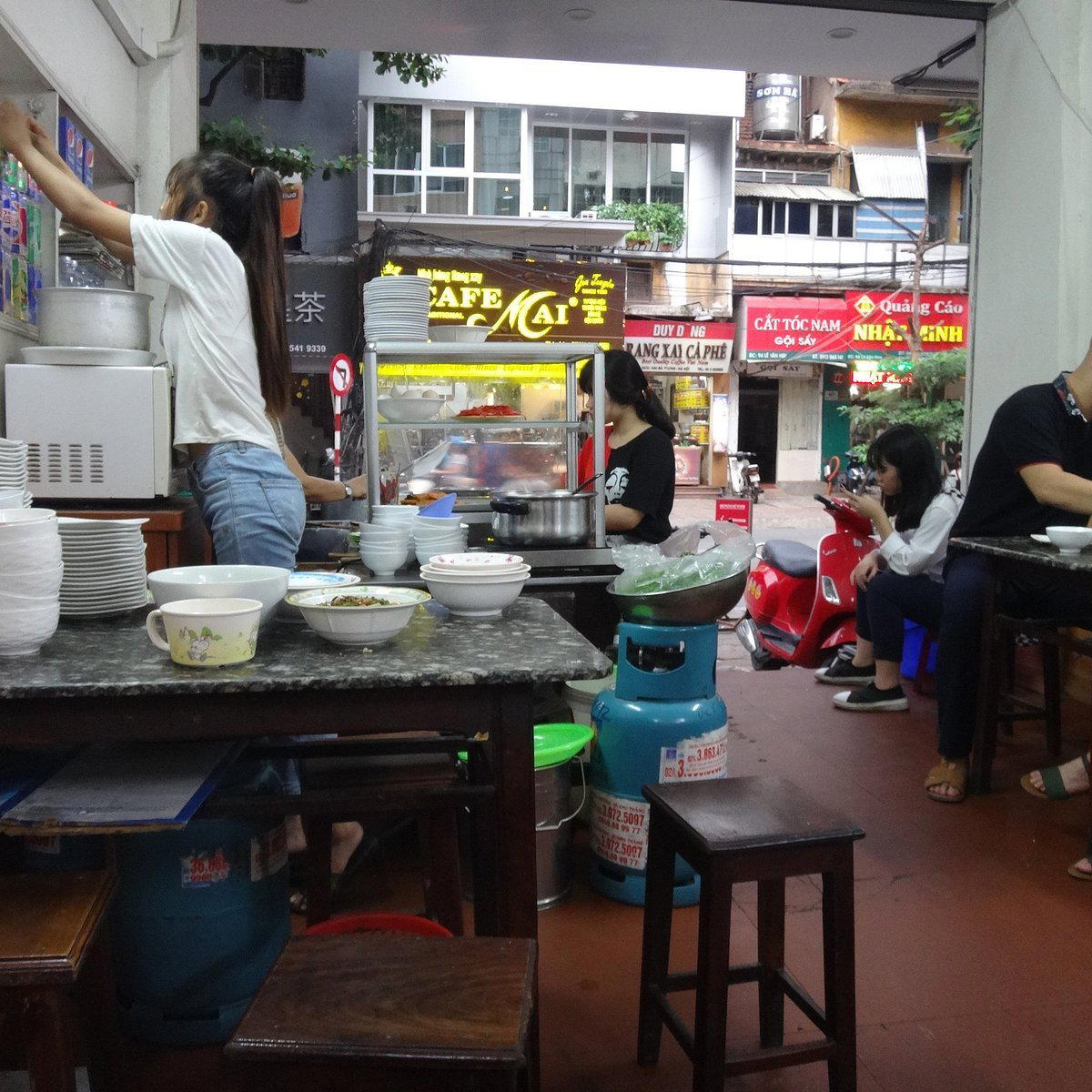
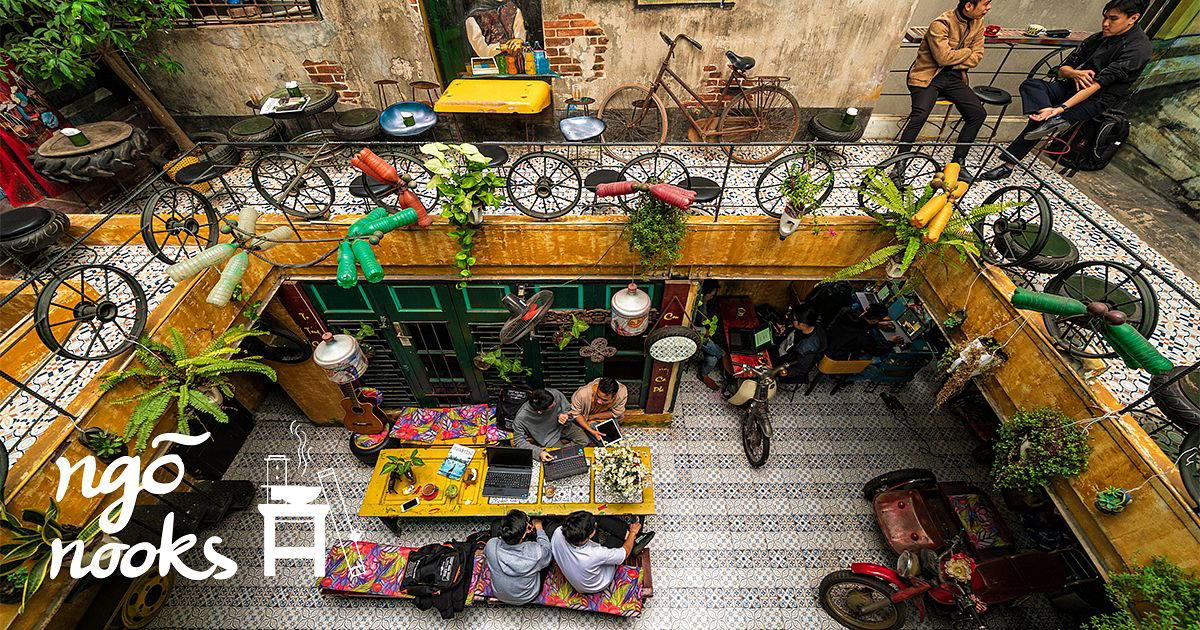
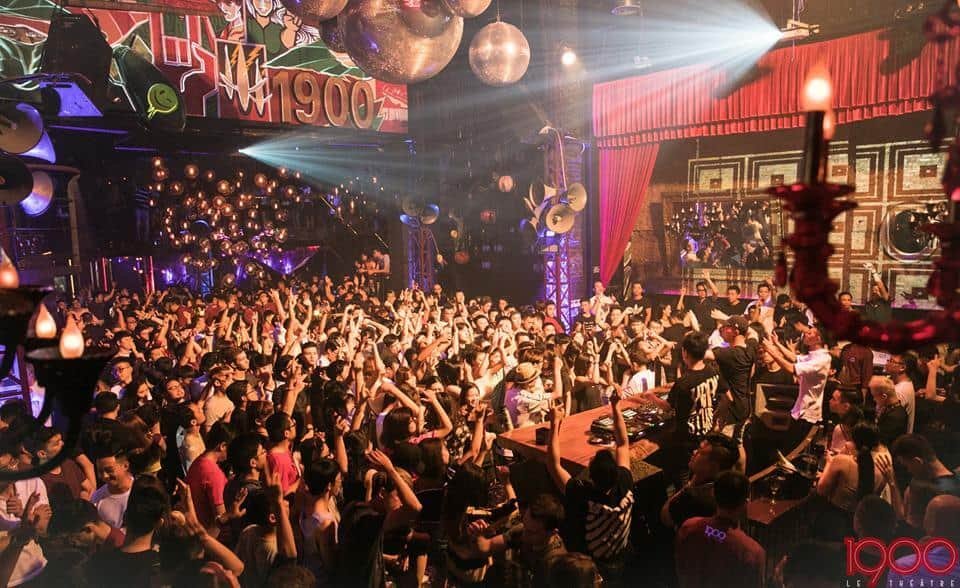
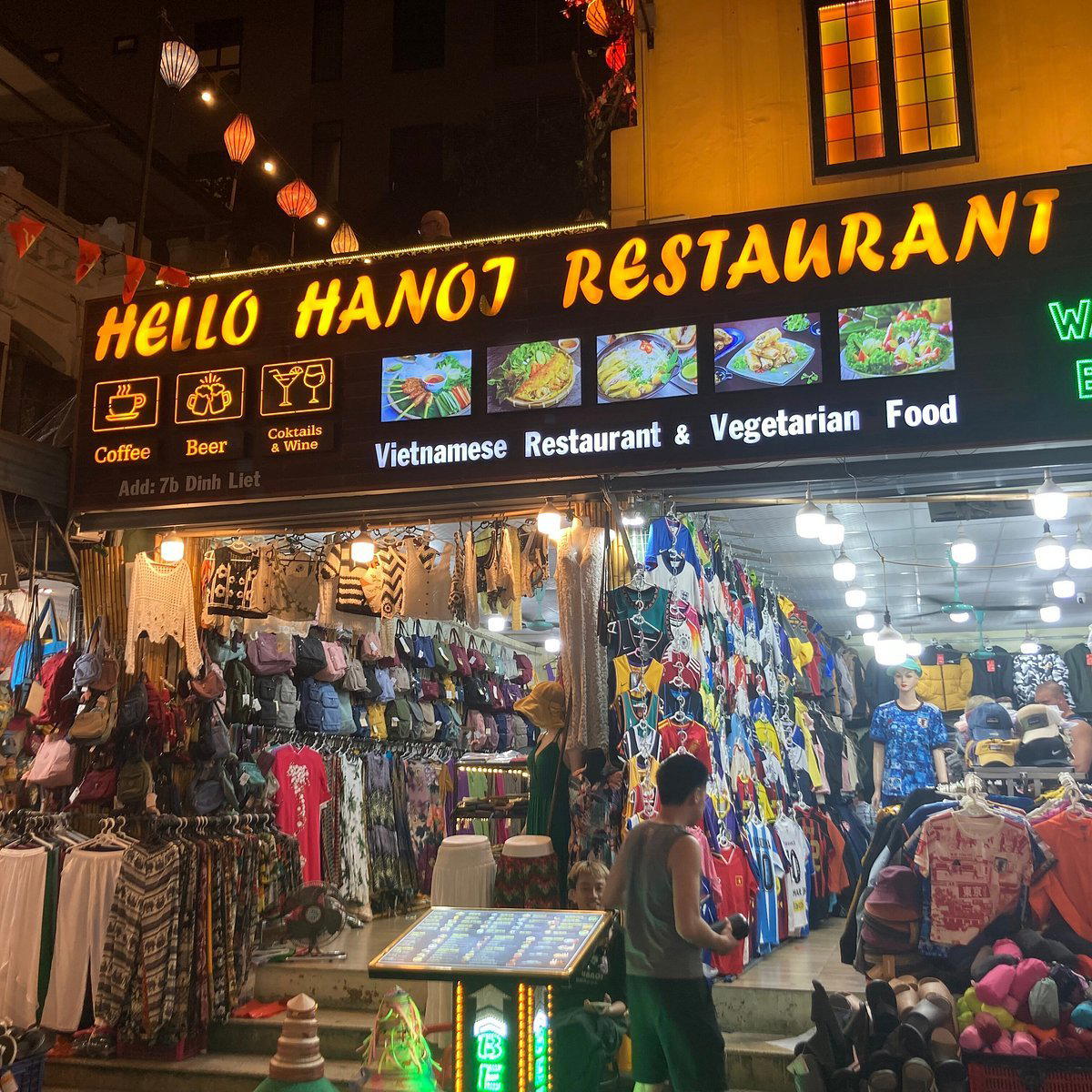
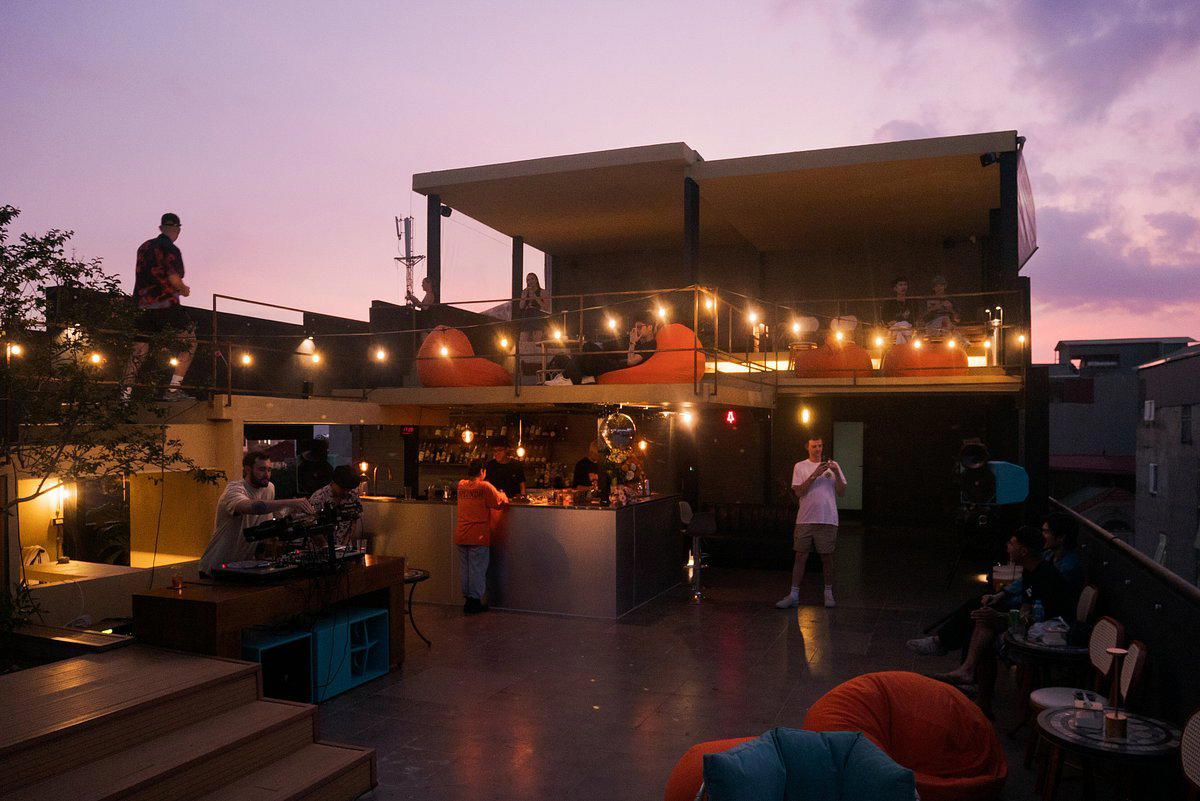
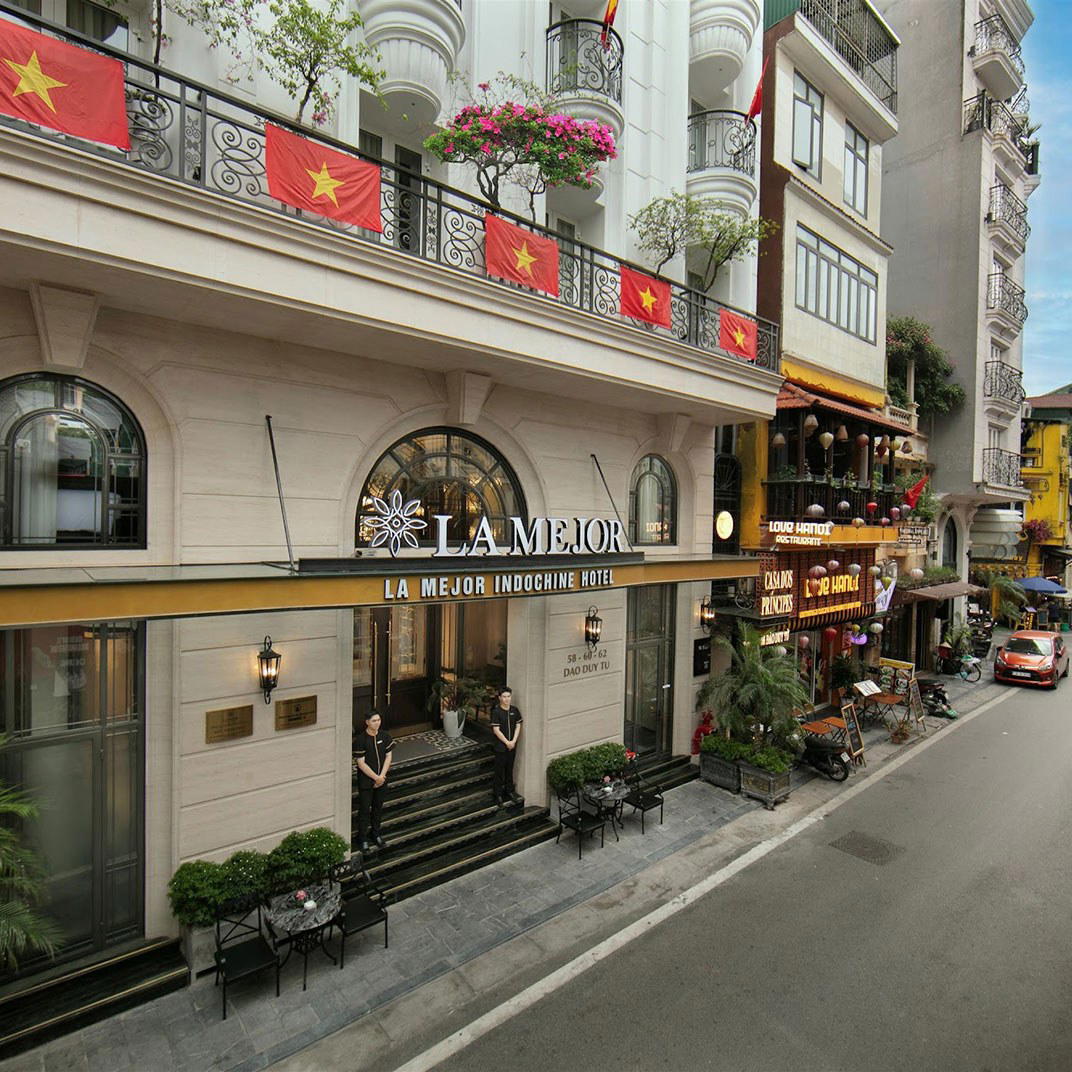
Lively street food stall in Hanoi's Old Quarter with lively late-night atmosphere.