1 Michelin Star
Our verdict
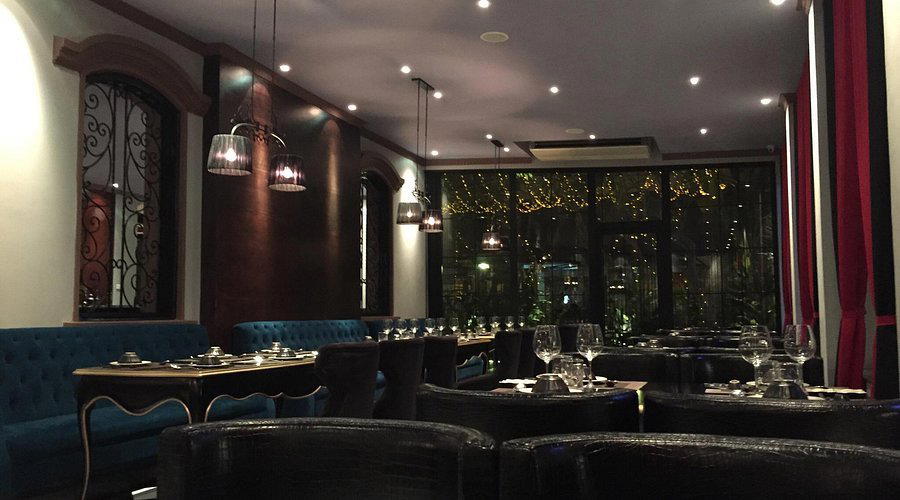
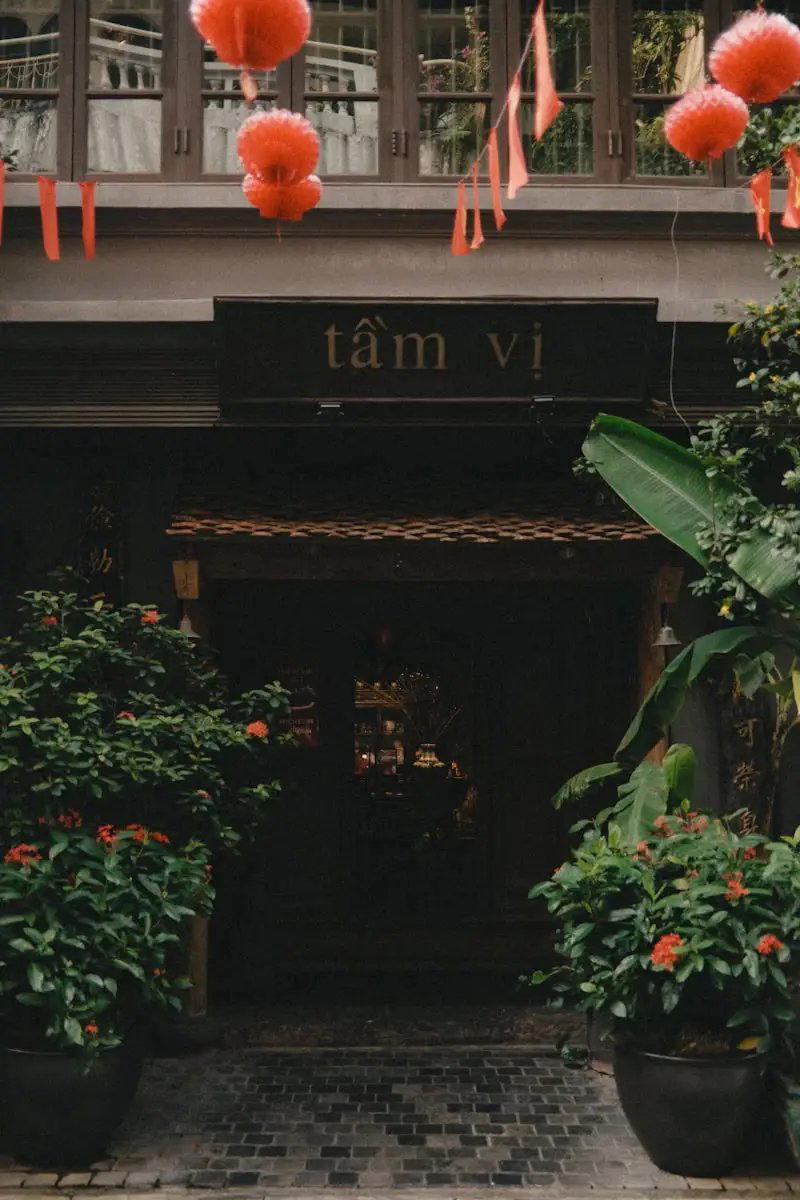
A 2025 Michelin-starred tea house on Yên Thế Street in Hanoi's Ba Đình district, Tầm Vị occupies a space layered with vintage Chinese furniture, hand-written signs, and an antique gramophone that sets the register before the food arrives. The kitchen anchors itself in Northern Vietnamese tradition, with clear-broth soups and herb-forward plates that trace a direct line to the way Hanoi has eaten for generations. At the ₫₫ price tier, it sits among the most credentialed restaurants at its price point in the city.

Pearl is the En Primeur Club membership app — saves, bookings, and concierge access live there. Same editors, same standards.
- Address
- 4b P. Yên Thế, Văn Miếu – Quốc Tử Giám, Ba Đình, Hà Nội, Vietnam
- Phone
- +84 966 323 131
- Hours
- Daily 11 AM–2:30 PM, 5–9:30 PM
- Website
- facebook.com
- Directions
- Get directions
The menu
What to order
- Chả ốc
- Crab soup with malabar spinach
- Braised fish
- Fried tofu
- Braised pork with eggs
- Fresh spring rolls
A Tea House That Holds Its Ground
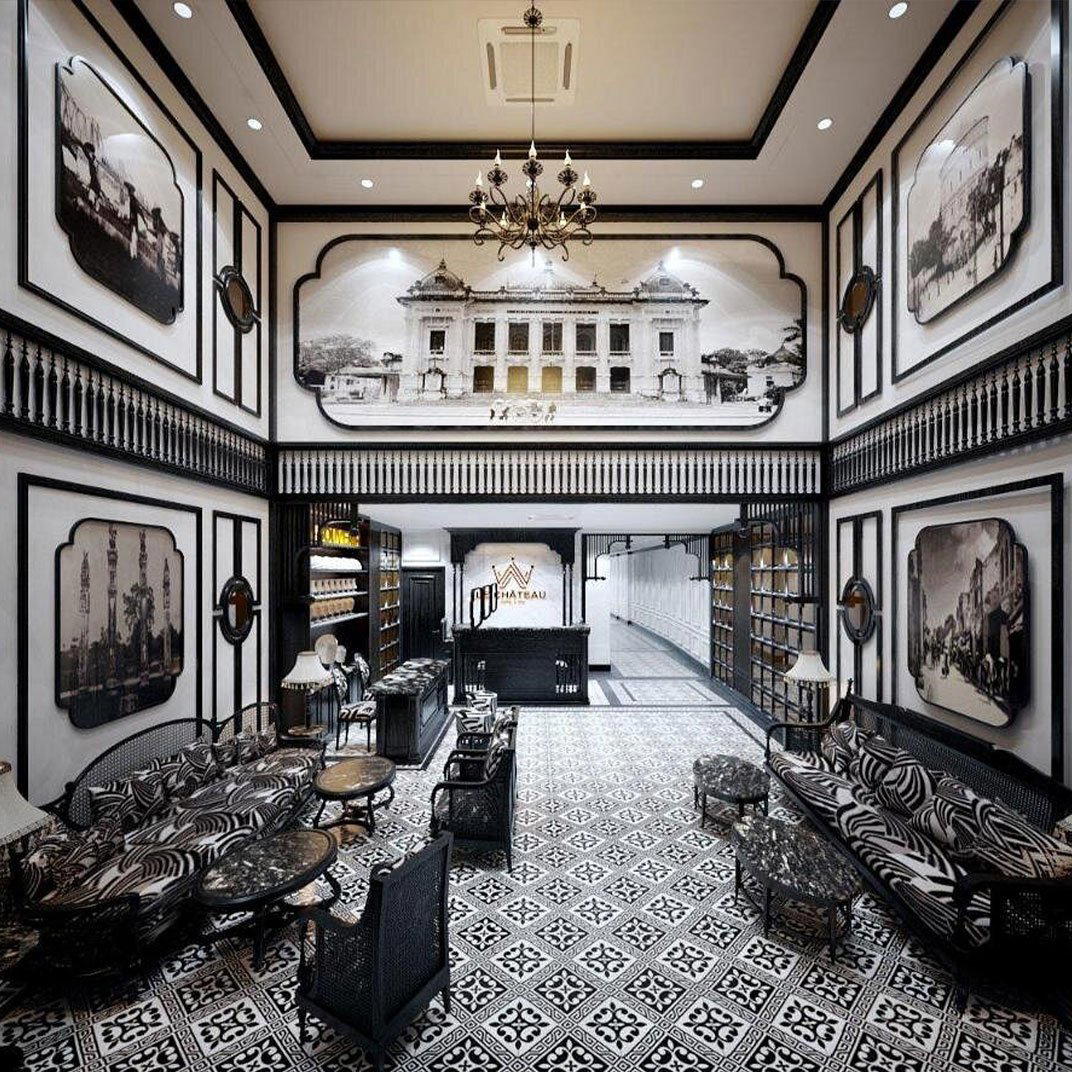
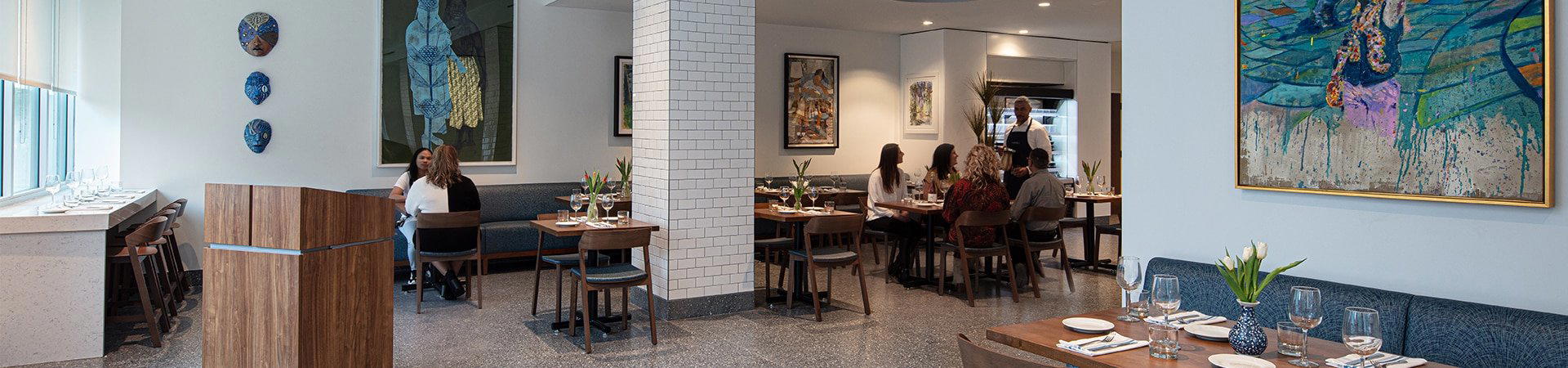
The address on Yên Thế Street, tucked within the Văn Miếu – Quốc Tử Giám ward of Ba Đình, places Tầm Vị in one of Hanoi's most historically layered neighbourhoods. The Temple of Literature is nearby; the street itself carries the low-density calm of a district that has resisted the compression of the Old Quarter. Walking in, the environment announces its logic immediately: Chinese furniture worn to the right degree of softness, hand-written signs that look genuinely aged rather than styled to look so, an antique gramophone and telephone that function as punctuation rather than decoration. This is not a nostalgic reconstruction of a North Vietnamese tea house. It reads as a place that was always this way and simply continued.
That distinction matters in a city where heritage dining is increasingly performed. Hanoi's Michelin Guide entry for 2025 awarded Tầm Vị one star, a credential that places it in a narrow tier of restaurants where atmosphere and culinary intent are both assessed.
Northern Vietnamese Cooking in Its Clearest Form
The cooking at Tầm Vị is grounded in Northern Vietnamese tradition, which means restraint is doing most of the work. Northern cuisine operates on subtlety in a way that its central and southern counterparts often do not: broths run clear rather than rich, herbs arrive as supporting architecture rather than dominant flavour, and the fish sauce is used with precision rather than generosity. These are not limitations. They are the aesthetic of a cuisine that prioritises technique and ingredient quality over layered complexity.
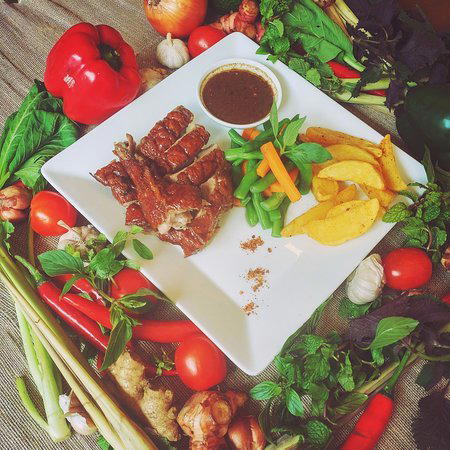
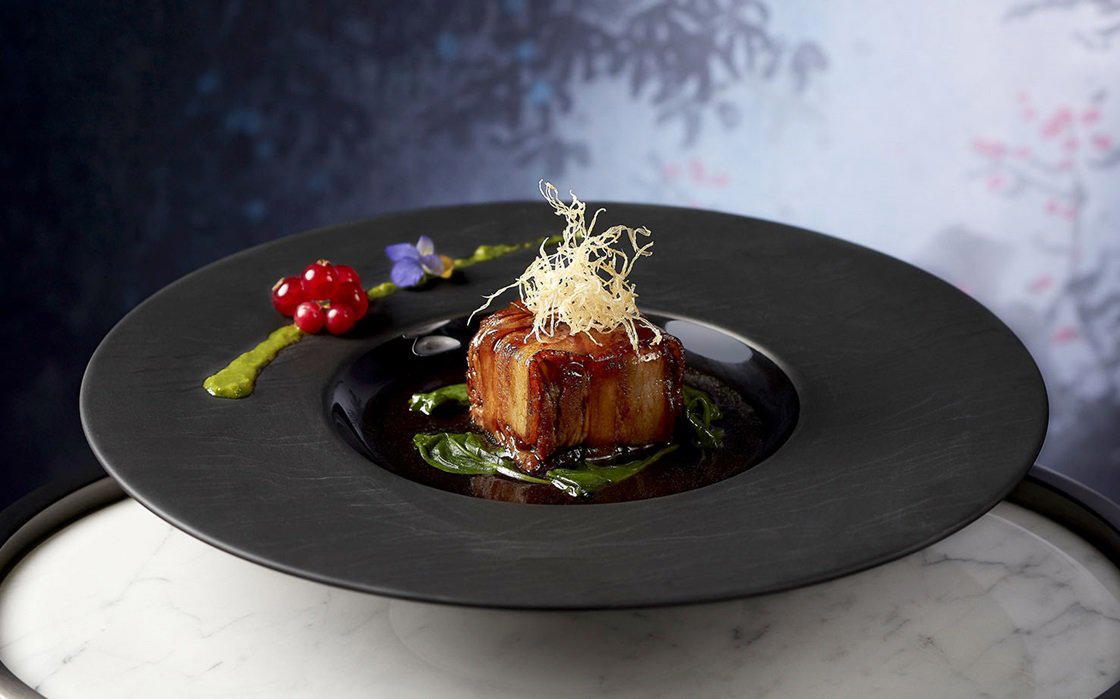
The menu acknowledges geography by including some central and southern dishes alongside the Northern core, a curatorial choice that reflects the reality of how Vietnamese cooking circulates nationally without flattening regional distinctions. The kitchen does not treat North, Central, and South as interchangeable registers. The Northern dishes carry the logic of the region: the canh cua mừng tơi, a crab soup made with malabar spinach, arrives in a clear broth where the sweetness of crab is allowed to carry the bowl without competition. The Vietnamese ham with chả ốc (periwinkle snails) comes with fresh herbs, vegetables, and rice vermicelli, assembled at the table with fish sauce as the binding element. Both dishes depend on ingredients behaving honestly, which brings sourcing to the centre of the conversation.
Sourcing and the Ethics of Traditional Cooking
Northern Vietnamese cooking at its most coherent is, by structure, a form of low-waste cuisine. Broths are built from shells, bones, and vegetable matter. Fermented and cured preparations like Vietnamese ham extend ingredients across time rather than treating freshness as the only value. Malabar spinach, the leaf used in the crab soup, is a fast-growing plant common in Vietnamese home gardens, requiring little intervention to produce. The periwinkle snails in the chả ốc are a coastal protein source with a light environmental footprint compared to larger shellfish farmed at industrial scale.
None of this means Tầm Vị markets itself as a sustainability project. It does not need to. The traditional cooking methods that define the menu are, structurally, the methods that waste the least. Clear broths are an exercise in extracting maximum value from minimal material. Herb-forward plating reduces the need for heavy sauces that require energy-intensive reduction. The tea house format itself, with its measured pace and considered service, runs against the high-turnover logic that produces food waste at volume. This is sustainability as inherited practice rather than stated principle, which is a more durable form of it.
Restaurants in Hanoi operating at higher price tiers, such as Gia in the Vietnamese Contemporary category, build elaborate sourcing narratives as part of their dining proposition. Tầm Vị, at the ₫₫ price point, makes the same implicit argument through a menu that was never designed around excess in the first place. For readers comparing across the city's options, our full Hanoi restaurants guide maps the range from street-level noodle houses to Michelin-starred rooms, with price and cuisine context for each.
Where Tầm Vị Sits in Hanoi's Dining Ecosystem
Hanoi's Michelin-recognised restaurants occupy a range of formats and price tiers. At the entry level, places like 1946 Cua Bac demonstrate that recognition does not require a formal dining room. Tầm Vị operates at the ₫₫ tier, which in Hanoi's terms represents a step above street-level pricing without approaching the higher price bands of contemporary Vietnamese tasting menus. The tea house format keeps overhead calibrated to a pace that does not demand the kind of table-turn economics that compromise kitchen standards.
For travellers building a broader picture of Hanoi's Vietnamese cuisine options, Cau Go, Chào Bạn, and A Bản Mountain Dew each offer distinct regional angles, while Bếp Prime represents a different price and format tier entirely. Comparing Tầm Vị to its ₫₫ peer Luk Lak, both serve Vietnamese food at similar price levels, but the tea house setting and Michelin recognition place Tầm Vị in a different competitive conversation.
Vietnamese cooking in other cities offers useful reference points for understanding what Tầm Vị is doing in Hanoi. Anan Saigon in Ho Chi Minh City and La Maison 1888 in Da Nang represent Vietnam's fine dining range at different points on the country's culinary map. Internationally, the cuisine continues to travel well, with Ăn Chơi in Hong Kong, An Nam in Singapore, Ăn Thôi in Da Nang, Berlu in Portland, Camille in Orlando, and Agave in Ubon Ratchathani each interpreting Vietnamese cooking through different geographic and cultural filters. Tầm Vị is the version of this cuisine that has not moved.
Planning Your Visit
Tầm Vị is located at 4b Phố Yên Thế in the Văn Miếu – Quốc Tử Giám area of Ba Đình, within walking distance of the Temple of Literature. The ₫₫ price range makes it accessible for most travellers without requiring the advance financial planning of Hanoi's higher-tier restaurants. Booking in advance is advisable given the Michelin recognition earned in 2025; demand for starred rooms at accessible price points tends to exceed capacity quickly. For those building a full Hanoi itinerary, EP Club's guides to hotels, bars, experiences, and wineries cover the wider city in comparable depth.
Frequently asked questions
Where is Tầm Vị located?
Tầm Vị is located at 4b P. Yên Thế, Văn Miếu – Quốc Tử Giám, Ba Đình, Hà Nội, Vietnam, Hanoi.
Is Tầm Vị focused on a specific cuisine style?
Is Tầm Vị award-winning?
Tầm Vị has received recognition including: Michelin 1 Star (2025); This vintage tea house feels distinctly North Vietnamese with its nostalgic collection of Chinese furniture, hand-written signs and an antique gramophone and telephone. They serve Northern Vietnamese dishes with some….
What dish is Tầm Vị famous for?
Two dishes define the kitchen: canh cua mừng tơi, a crab soup with malabar spinach served in a clear broth, and Vietnamese ham with periwinkle chả ốc, accompanied by fresh herbs, vegetables, rice vermicelli, and fish sauce. Both reflect the Northern Vietnamese preference for restrained, broth-forward cooking rather than pronounced seasoning. The Michelin committee's 2025 recognition specifically acknowledges these Northern classics alongside central and southern options on the menu.
What's the pricing like at Tầm Vị?
Pricing at Tầm Vị is listed as ₫₫.
Who is the chef connected to Tầm Vị?
The chef associated with Tầm Vị is Silvio Nickol.
What's the best way to book Tầm Vị?
No phone number or booking website is currently listed in public records for Tầm Vị, so arriving in person to inquire about reservations or checking aggregator platforms such as Google Maps for updated contact details is the practical approach. Since the 2025 Michelin star was awarded, demand at the ₫₫ price tier — among the most accessible for a starred restaurant in Hanoi — has made advance planning advisable. The restaurant is located at 4b Phố Yên Thế in Ba Đình, near the Temple of Literature.
Accolades, Compared
| Venue | Cuisine | Price | Awards | Notes |
|---|---|---|---|---|
| Tầm VịThis venue — the venue you are viewing | Northern Vietnamese Home-Style | $10–20 | 1 Michelin Star | Not listed |
| Hibana by Koki | Michelin-Starred Japanese Teppanyaki | $200–300 | 1 Michelin Star · La Liste Top Restaurants | Teppanyaki, ₫₫₫₫ |
| Gia | Modern Vietnamese Fine Dining | $100–150 | 1 Michelin Star · La Liste Top Restaurants | Vietnamese Contemporary, ₫₫₫₫ |
| 1946 Cua Bac | Northern Vietnamese | $10–20 | Michelin Bib Gourmand | Vietnamese, ₫ |
| Bun Cha Ta (Nguyen Huu Huan Street) | Authentic Vietnamese Bun Cha | $1–10 | Michelin Bib Gourmand | Noodles, ₫ |
| Luk Lak | Modern Fusion Vietnamese | $20–30 | Michelin Bib Gourmand | Vietnamese, ₫₫ |
Recognition history
Dated appearances from independent guides and award organizations, with the underlying list record or original source where available.
Michelin 1 Star
Michelin
Full recognition history (3 entries)
Michelin 1 Star
Michelin
Michelin 1 Star
Michelin