
Michelin Selected
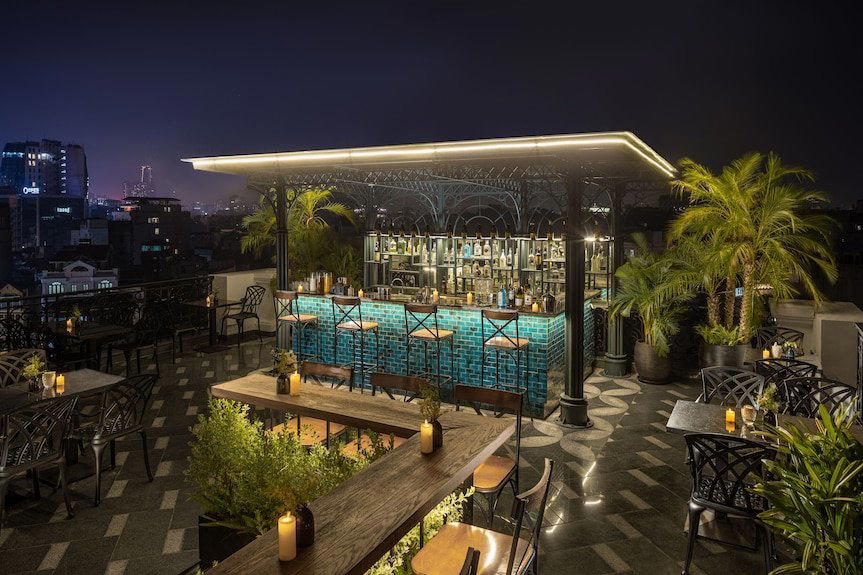
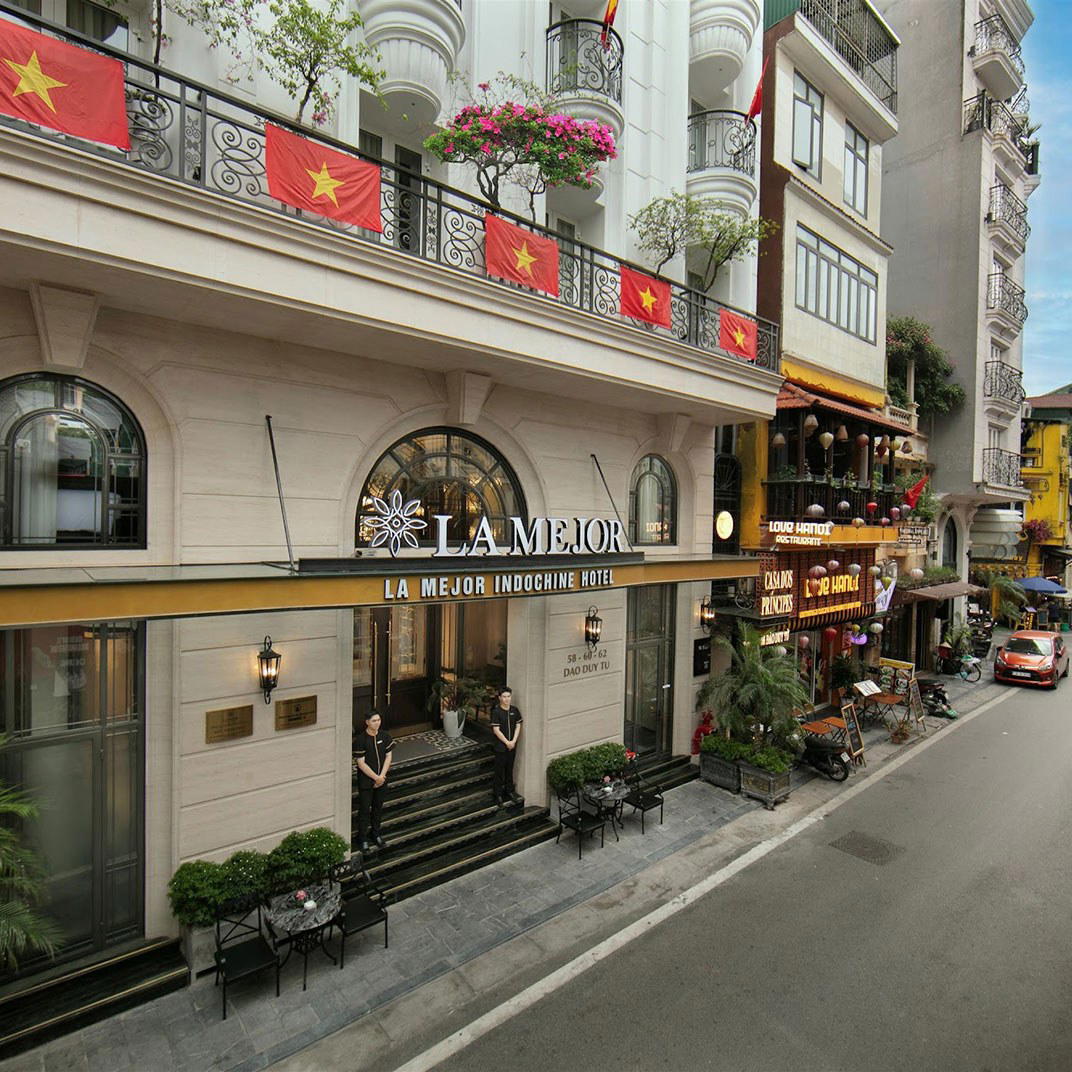
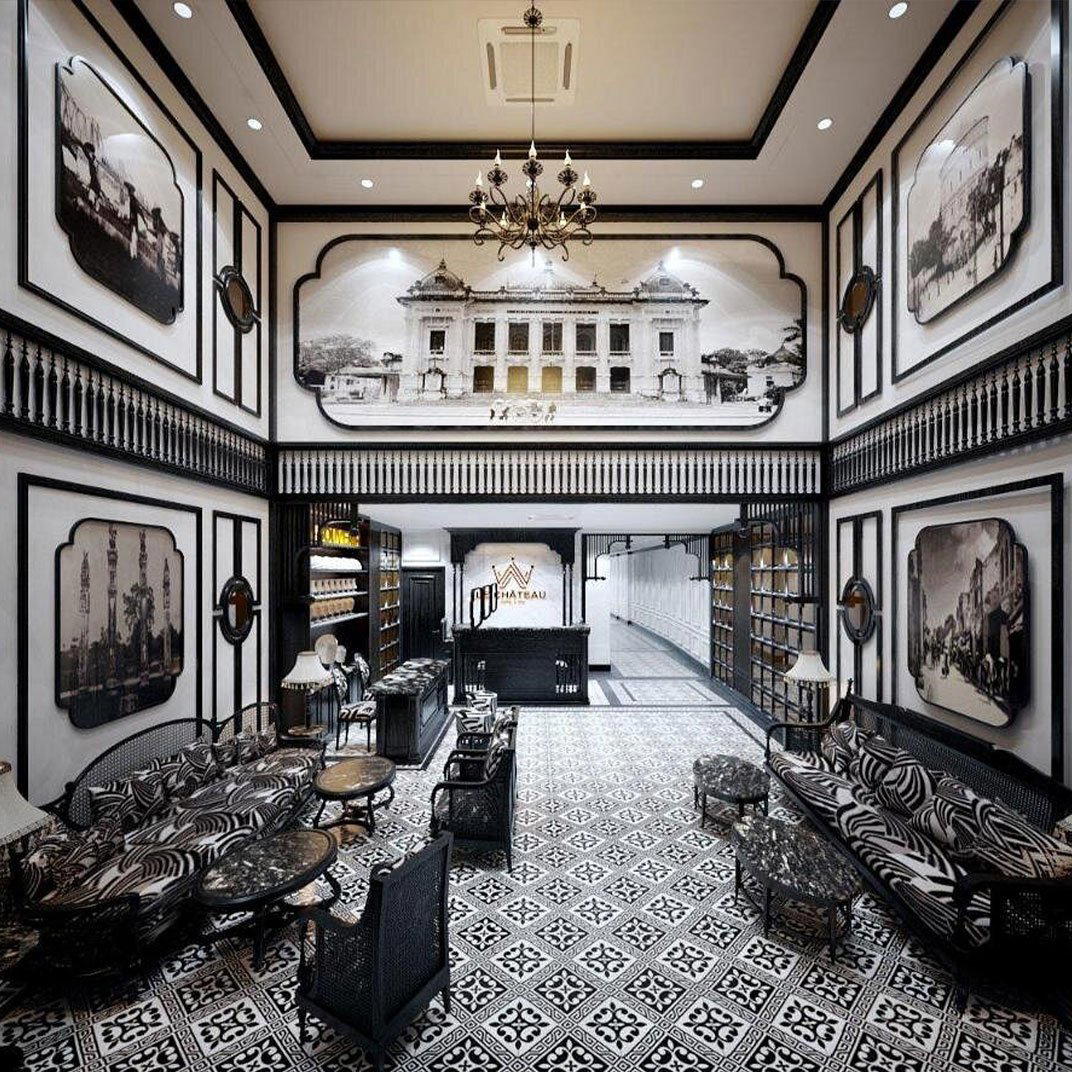
On one of the Old Quarter’s winding lanes, Hotel Château de Hanoi is a boutique escape in a heritage building, now reimagined with clean lines and calm monochrome interiors. Timber floors and curated lighting bring warmth to the minimalist rooms, while a small spa offers welcome downtime between city explorations. With markets, cafés, and cultural landmarks just steps away, the hotel is well-positioned for travelers keen to explore Hanoi’s historic heart on foot.

Pearl is the En Primeur Club membership app — saves, bookings, and concierge access live there. Same editors, same standards.
- Address
- 23a Phố Hàng Thiếc, Hanoi, Vietnam
- Phone
- +84 94 320 3535
- Directions
- Get directions
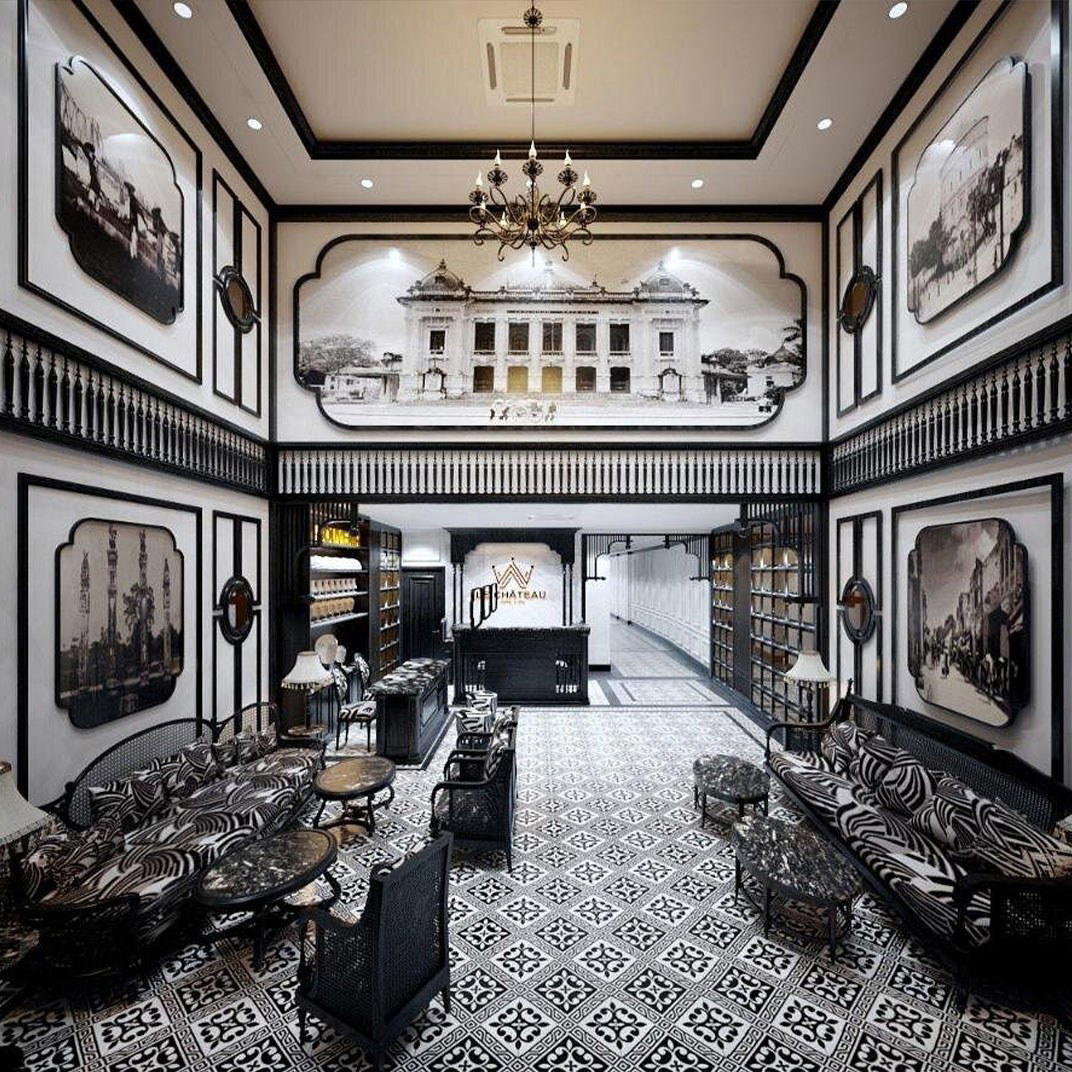
A French Colonial Address in the Heart of Hanoi's Old Quarter
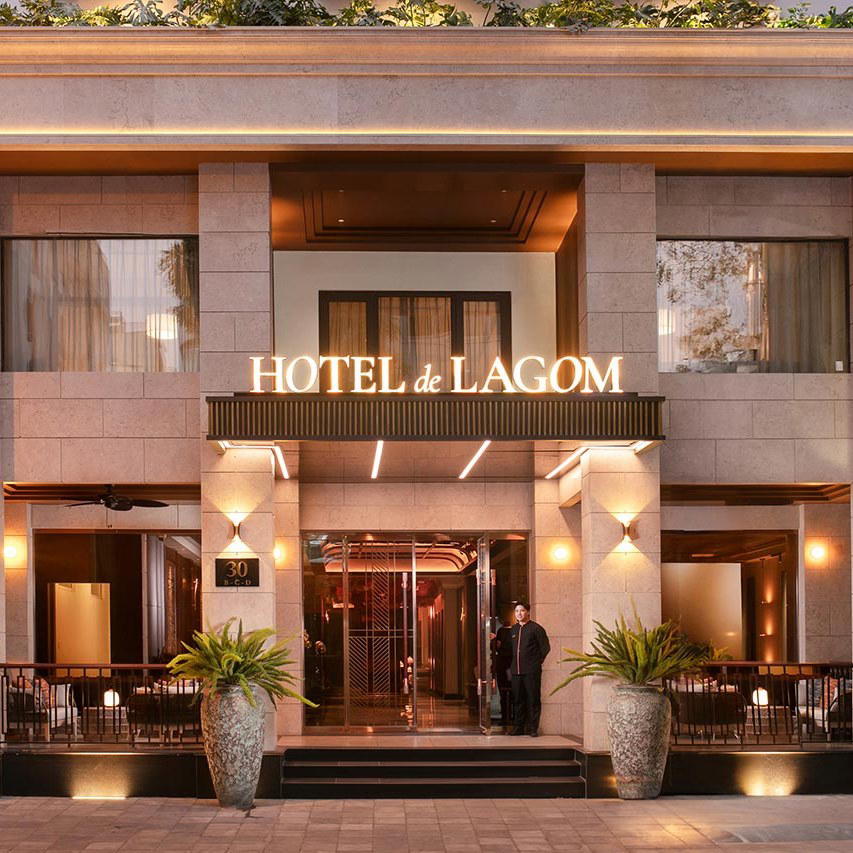
Hanoi's Old Quarter operates at a frequency unlike any other urban district in Southeast Asia. The 36 guild streets, each historically dedicated to a single trade, compress centuries of mercantile life into a grid that resists modernisation with remarkable stubbornness. Hàng Thiếc — the tin street — sits near the southern edge of that grid, and it is here, at number 23a, that Hotel Château de Hanoi occupies a narrow colonial-era building of the kind that gives the neighbourhood its architectural character. Approaching on foot, as most guests do given the street widths, the façade reads as a studied piece of French Indochina heritage: the proportions, the ironwork, the layered verticality that colonial builders used to maximise plot depth on constrained lots.
That heritage context is not incidental. The Michelin Selected designation the hotel received in the 2025 guide places it within a small, formally recognised tier of Hanoi accommodation, a group that spans the grand colonial institutions like the Sofitel Legend Metropole on one end and design-led boutique properties on the other. The Château de Hanoi sits closer to the latter category, where building character and neighbourhood immersion matter as much as programmatic amenities.
The Colonial Hotel Tradition in Hanoi and Where This Property Fits
Hanoi has a longer and more contested relationship with French colonial architecture than Saigon, partly because the city served as the capital of French Indochina from 1902. The legacy manifests in two distinct hotel typologies. The first is the grand, purpose-built colonial hotel: wide staircases, covered terraces, the kind of ballroom infrastructure that once served the administrative class. The Sofitel Legend Metropole is the canonical example, having operated continuously since 1901. The second typology, rarer and in some ways more interesting, is the converted urban townhouse: narrower, more vertical, embedded inside a working neighbourhood rather than set apart from it. Hotel Château de Hanoi belongs to this second category.
Properties in this second tier have proliferated in the Old Quarter over the past decade as international travellers have moved toward accommodation that delivers a sense of place rather than insulation from it. The Capella Hanoi, which also carries Michelin recognition, occupies a different position in that market, with its larger footprint and opera-district location near Tràng Tiền. The Château de Hanoi's address on Hàng Thiếc puts guests inside the Old Quarter's daily rhythm from the moment they step outside, which is either an asset or a complication depending on what a traveller is seeking.
What the Michelin Selection Signals
The Michelin Selected Hotels list, launched formally in recent years as an extension of the guide's restaurant programme, applies a quality threshold without the tiered distinction system of keys used for the higher Michelin Key awards. Inclusion signals that inspectors found the property to meet a meaningful standard across accommodation, service, and setting, without placing it in competition with properties like the Hotel de l'Opera MGallery or Hilton Hanoi Opera, which operate at different scales and price architectures.
For context on how the Michelin Selected category functions across Vietnam: the 2025 list includes properties from Hanoi, Ho Chi Minh City, and coastal resort destinations. In Hanoi specifically, the selection spans a range of property types, with the commonality being a legible point of view on hospitality rather than a particular room count or facility set. The Château de Hanoi's presence on that list, given its Old Quarter location and evident heritage positioning, suggests inspectors weighted character and location heavily. Comparable Michelin-recognised boutique hotels in the region, such as Aira Boutique Hanoi Hotel and Spa and Essence d'Orient Hotel and Spa, share a similar emphasis on small-scale, design-conscious hosting.
The Old Quarter as Context: Why the Address Matters
Staying on Hàng Thiếc places guests within ten minutes on foot of Hoàn Kiếm Lake, the commercial energy of Hàng Đào, and the covered market at Đồng Xuân. The street itself is a working artisan corridor where metal fabricators still operate, giving the immediate environment a texture that large hotels in the Ba Đình or Tây Hồ districts cannot replicate. That proximity to craft commerce is historically authentic: the Old Quarter's guild streets were designed precisely so that producers, traders, and travellers existed in close proximity.
The trade-off is familiar to anyone who has stayed in a dense urban heritage district anywhere in the world. Noise levels on Old Quarter streets peak in the early morning and again in the evening. Travellers who have stayed at comparable Old Quarter properties tend to weight upper-floor rooms more favourably for the combination of reduced street noise and refined views over the rooftop textures of the neighbourhood.
For those who want broader context on where to eat and drink near the hotel, our full Hanoi restaurants guide covers the range from street-level phở institutions to the more considered dining programmes at properties like Dusit Le Palais Tu Hoa Hanoi and Hotel de l'Opera Hanoi.
Planning Your Stay: Timing, Booking, and Practical Logistics
Hanoi's climate divides into two broadly usable windows and two transitional periods that warrant caution. October through December brings cool, dry conditions that most travellers find the most comfortable for walking the Old Quarter; this is the period when Hoàn Kiếm Lake and the surrounding streets are at their most navigable and the light for photography is favourable. February through April offers the city's spring character, with the streets around the Old Quarter taking on a particular quality during the Tết post-holiday period when the city returns to pace. July and August are hot and humid with significant rainfall; the Old Quarter's narrow streets can feel oppressive in peak heat.
Given the hotel's position within the Michelin Selected tier and its Old Quarter address, booking well in advance of peak travel windows is advisable. Smaller heritage properties in Hanoi operate with limited room counts, and demand from both leisure and business travellers concentrates in the October-to-December period. Pricing for Michelin Selected boutique properties in Hanoi's Old Quarter typically positions above the mid-market tier but below the large colonial institutions, though specific rates should be confirmed at time of booking.
Travellers combining Hanoi with wider Vietnam itineraries will find the Château de Hanoi a useful base for the northern circuit. The city connects easily by train and road to Ha Long Bay, Ninh Bình, and Sapa, and the hotel's Old Quarter position keeps guests close to the taxi and ride-share infrastructure that makes those connections practical. For broader Vietnam context, properties like Amanoi in Vinh Hy, Banyan Tree Lăng Cô, and L'Azure Resort and Spa in Phu Quoc represent the coastal and resort end of the country's premium accommodation range, providing a useful contrast to the urban heritage positioning of the Château de Hanoi.
Comparable Spots
Comparable venues nearby, for context on price, style, and recognition.
| Venue | Cuisine | Price | Awards | Notes |
|---|---|---|---|---|
| Hotel Château de HanoiThis venue — the venue you are viewing | Boutique luxury with personalized service | $1–100 | Michelin Selected | Not listed |
| Aira Boutique Hanoi Hotel & Spa | Elegant urban boutique with colonial influences and modern Vietnamese design | $100–200 | Michelin Selected | Ba Dinh |
| Hanoi Royal Palace Hotel 2 | Art Deco architecture with modern luxurious interiors | $1–100 | Not listed | Hoan Kiem |
| Maison D'Hanoi Boutique Hotel | colonial-inspired boutique in historic Old Quarter | $1–100 | Not listed | Hoan Kiem |
| Essence d'Orient Hotel & Spa | Boutique hotel blending contemporary design with Vietnamese hospitality in a central Old Quarter location. | Not listed | Not listed | Hoan Kiem |
| Meliá Hanoi | Modern luxury tower with rooftop exclusivity | $100–200 | Not listed | Hoan Kiem |
Recognition history
Dated appearances from independent guides and award organizations, with the underlying list record or original source where available.
Michelin Selected
Michelin
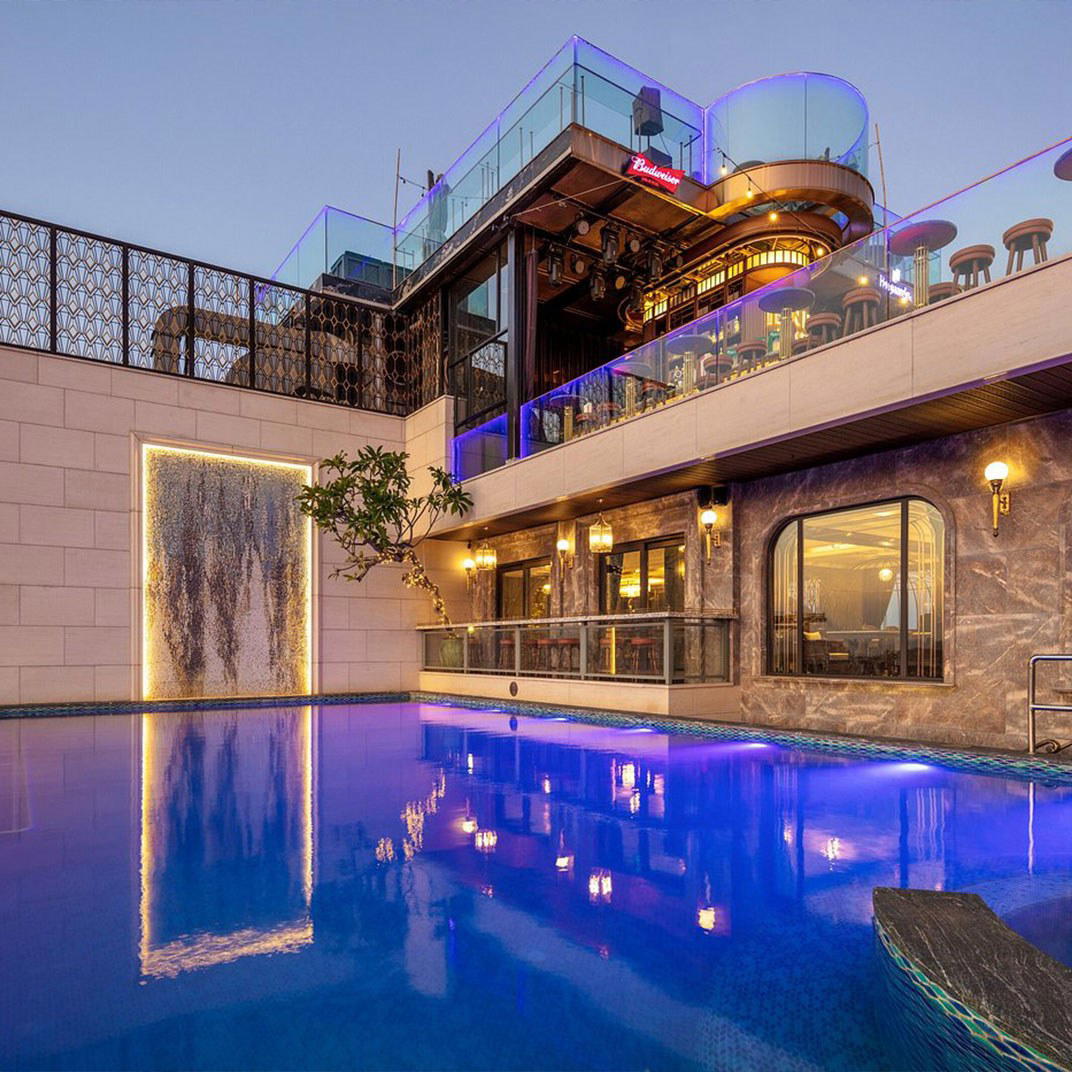
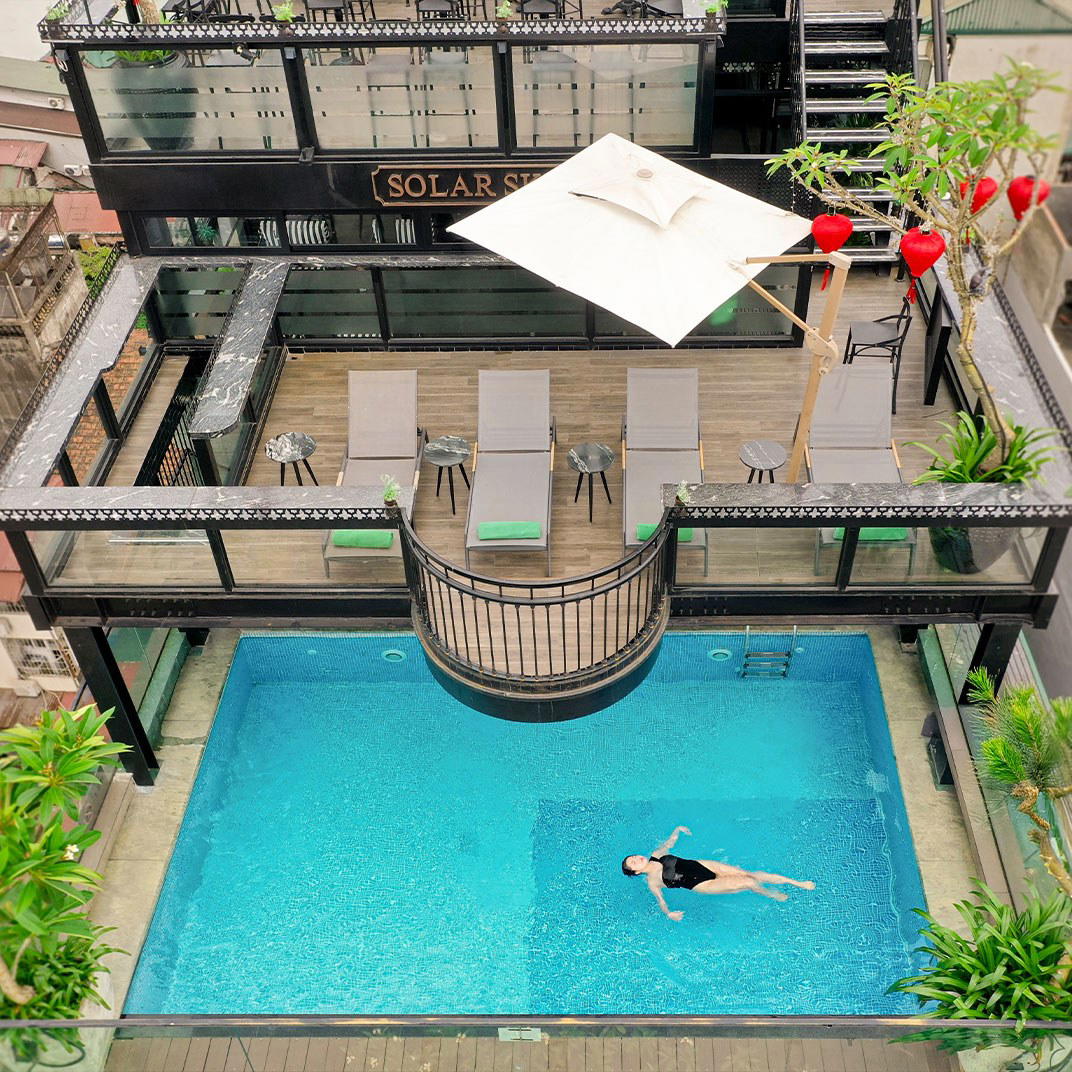
Details
- Elegant
- Cozy
- Quiet
- Sophisticated
- Romantic Getaway
- Family Vacation
- Weekend Escape
- Rooftop
- Terrace
- Historic Building
- Spa
- Wi Fi
- Concierge
- Room Service
- Street Scene
- Skyline
Cozy, stylish rooms with elegant French-inspired decor create a peaceful oasis amid the lively city energy.