
Michelin Bib Gourmand
Our verdict
On a narrow lane in Hoàn Kiếm, Bánh Cuốn Gia Truyền Thanh Vân has fed generations of Hanoians on steamed rice rolls that represent one of the capital's most disciplined breakfast traditions. The address on Hàng Gà draws a returning crowd who know exactly what they want before they sit down. For visitors, it offers a direct line into the kind of cooking that defines northern Vietnamese street food at its most concentrated.

Pearl is the En Primeur Club membership app, where members save venues, book tables and use the concierge.
The menu
What to order
- Banh cuon with minced pork and wood-ear mushrooms
The Street That Knows What It Wants
Hàng Gà is not the kind of street that announces itself. In Hanoi's Old Quarter, where colonial-era lanes compress into a grid of specialist trades and inherited kitchens, the address 14 P. Hàng Gà reads as a coordinate for regulars rather than a landmark for newcomers. The northern Vietnamese bánh cuốn tradition is built on that kind of self-sufficiency: a dish so specific in its preparation that the kitchens producing it rarely need to explain themselves. Steamed rice rolls have been a Hanoi breakfast staple for generations, and the places that do them well tend to operate without signage that speaks to anyone except the people who already know.
Bánh Cuốn Gia Truyền Thanh Vân sits precisely in that category. The gia truyền designation, meaning family-inherited, signals something the regulars understand immediately: this is not a menu that shifts with trends or adapts for outside audiences. The dish is the dish, prepared the same way it was prepared before the current generation took over. That consistency is the draw.
What Keeps the Regulars Coming Back
The loyal morning crowd at a place like this operates differently from diners at the ₫₫₫₫ end of Hanoi's restaurant spectrum. At Gia (Vietnamese Contemporary) or Hibana by Koki, the returning guest is tracking menu evolution, chef direction, or seasonal rotation. Here, the repeat visit is a vote for zero deviation. The regulars at Thanh Vân know the exact weight of a well-filled bánh cuốn, the temperature at which the dipping broth should arrive, and what happens when either is slightly off. That forensic familiarity is the unwritten quality standard that keeps a family kitchen accountable in ways that no award can replicate.
Bánh cuốn, at its core, is a study in restraint and technique. A thin batter of wet-milled rice flour is spread across a cloth stretched over simmering water, steamed for seconds, then lifted and filled, most commonly with minced pork and wood-ear mushroom. The roll is then cut and served with chả lụa (steamed pork sausage), fried shallots, bean sprouts, and a bowl of nước chấm lightened with dried shrimp. The variables are narrow. The margin for error is smaller still. A roll that tears, a broth that is too sweet, fried shallots that have gone soft, the regulars notice all of it, and they come back because Thanh Vân consistently avoids those failures.
This is the kind of cooking that Tầm Vị and other Vietnamese kitchens in the ₫₫ bracket approach from a different angle, balancing tradition with a slightly wider audience in mind. Thanh Vân operates at the tier below that, where price and format are almost beside the point because the community of regulars has already closed the loop.
Hoàn Kiếm and the Architecture of the Old Quarter Kitchen
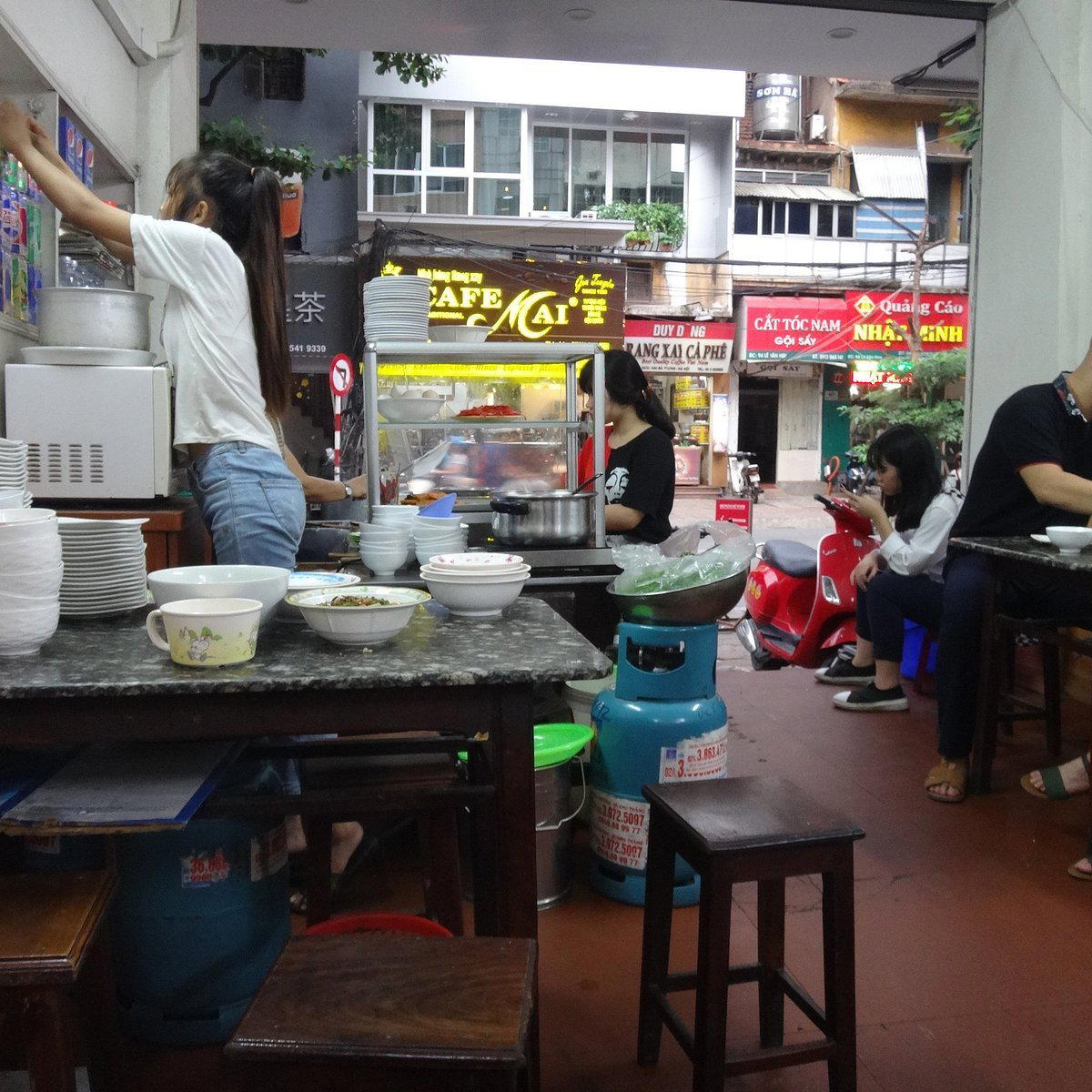
The Hoàn Kiếm district is where Hanoi's oldest food traditions have survived not through preservation efforts but through demand. The Old Quarter's narrow shophouses were built for exactly this kind of operation: a single dish, a family, a low-clearance space that forces proximity between kitchen and customer. The dining experience at a gia truyền operation in this district is shaped by architecture as much as cooking. You are close to the preparation, close to other diners, and the transaction is fast because the format allows no other pace.
That physical compression is part of what the regulars are attached to. It is a social contract: you know what you are getting, you eat efficiently, you leave when you are done. The experience stands in contrast to the considered slowness of tasting-format restaurants elsewhere in the city, like 1946 Cua Bac or the Nordic-Vietnamese contemporary direction at venues like Chapter. Neither is more correct than the other, they serve different needs within the same food culture. But a Hanoian who has been eating bánh cuốn on Hàng Gà for twenty years is not weighing those options. The address is fixed.
Bánh Cuốn in the Broader Vietnamese Food Picture
Bánh cuốn is a northern dish. Its texture, its clarity of seasoning, and its reliance on the dipping broth as the primary flavor vehicle are all characteristic of Hanoi's cooking logic, which tends toward restraint compared to the more complex spicing of central Vietnamese food or the sweetness common in southern preparations. A visitor who has eaten Saffron in Hue City or Cargo Club in Hoi An will encounter a notably different flavor register in a Hanoi bánh cuốn kitchen. That difference is not a matter of quality, it is a matter of region, and understanding it is what separates a casual eating itinerary from a considered one.
Across Vietnam's dining geography, from Akuna in Ho Chi Minh City to La Maison 1888 in Da Nang, the country's food identity is plural and regionally specific. Bánh cuốn at a gia truyền address in Hoàn Kiếm is one data point in that picture, but it is an important one: it represents a category of cooking that defines daily life in the capital more than any tasting menu does. See our full Hanoi restaurants guide for context on where this kind of kitchen fits within the city's wider dining structure.
Planning a Visit
Bánh cuốn is a morning dish, and gia truyền kitchens in Hanoi's Old Quarter typically operate in the early hours, winding down before the midday heat. Hàng Gà is walkable from most Old Quarter accommodation, and 14 P. Hàng Gà is a short distance from Hoàn Kiếm Lake. Walk-in is the expected mode. Arrive early. Payment is cash-based at the overwhelming majority of operations in this category. No dress code applies; the physical format of the space makes formality irrelevant. For comparison with similar ₫-tier noodle and rice-roll kitchens elsewhere in northern Vietnam, see Mi Quang Ba Vi in Thanh Khe or, for a coastal counterpoint, Phuong Nhung Restaurant in Cat Hai.
For those building a longer trip around Vietnam's food geography, Bau Troi Do in Son Tra, Le Pont Club in Hai Phong, Duyên Anh Restaurant in Phu Vang, and Nhà hàng Madame Lân in Hai Chau offer further regional reference points. And if international comparison matters to your frame of reference, the same discipline of format-over-flourish that defines a gia truyền kitchen is what separates an institution like Le Bernardin in New York City or Lazy Bear in San Francisco from restaurants that substitute spectacle for precision. The kitchen at Hàng Gà is operating on the same principle, at a very different price point and with no interest in being noticed for it.
Frequently Asked Questions
- What is the signature dish at Bánh Cuốn Gia Truyền Thanh Vân? The dish is bánh cuốn: thin steamed rice-flour rolls filled with minced pork and wood-ear mushroom, served with chả lụa, fried shallots, bean sprouts, and a clear nước chấm dipping broth. The name of the kitchen is the name of the dish, there is no secondary menu to consider. The gia truyền designation indicates a family-inherited recipe that has not been adjusted for outside audiences.
- Can I walk in to Bánh Cuốn Gia Truyền Thanh Vân? Yes. No booking system is listed, and gia truyền street-format kitchens in Hanoi's Old Quarter operate on a walk-in basis. The practical constraint is timing: bánh cuốn is a morning dish, and the kitchen at 14 P. Hàng Gà, Hoàn Kiếm, follows early-hours service patterns common to this category. Arriving at peak morning hours means joining a queue of regulars who plan accordingly.
- What is the defining dish or idea at Bánh Cuốn Gia Truyền Thanh Vân? The defining idea is inherited precision. Bánh cuốn is a dish with minimal variables and a high technical ceiling, the rice-flour batter, the steaming time, the fill ratio, and the broth balance all need to be consistent to hold a regular clientele. The gia truyền model means those standards pass through generations rather than through a chef-training pipeline, which is a different kind of accountability and one that the Old Quarter's food culture has sustained for decades.
- How does a gia truyền bánh cuốn kitchen differ from other bánh cuốn options in Hanoi? The gia truyền designation indicates a recipe and method passed directly within a family rather than developed independently by a trained cook or adapted for a wider market. In Hanoi, where bánh cuốn is available across a broad range of street stalls and sit-down kitchens, the gia truyền addresses tend to attract regulars on the basis of recipe consistency rather than location convenience or price differentiation. The Hàng Gà address in Hoàn Kiếm places Thanh Vân inside the Old Quarter's dense cluster of inherited food businesses, which gives the kitchen a community anchor that newer operations in the same category do not have.
Frequently asked questions
Where exactly is Bánh Cuốn Gia Truyền Thanh Vân?
Bánh Cuốn Gia Truyền Thanh Vân is located at 14 P. Hàng Gà, Hàng Bồ, Hoàn Kiếm, Hà Nội, Vietnam.
What does 'gia truyền' mean and why does it matter for bánh cuốn in Hanoi?
Gia truyền translates roughly as 'passed down through the family,' signaling that the recipe and technique originate within a single household lineage rather than a commercial formula. In Hanoi's Old Quarter, where food stalls often carry the same designation for decades, it functions as a marker of continuity and local credibility. For bánh cuốn specifically, a dish whose quality depends on the consistency of rice-flour ratios and steaming technique, the gia truyền label carries practical weight. At 14 Hàng Gà, Hoàn Kiếm, that lineage is the kitchen's primary credential.
What's the signature dish at Bánh Cuốn Gia Truyền Thanh Vân?
The entire menu revolves around bánh cuốn, thin, steamed rice-flour rolls filled with seasoned pork and wood-ear mushroom, served with nuoc cham as the primary flavor vehicle. This is a single-dish kitchen on Hàng Gà, Hoàn Kiếm, and the focus shows in the consistency of the rice batter and the clarity of the broth. Accompaniments typically include chả lụa (Vietnamese pork sausage) and fried shallots.
Can I walk in to Bánh Cuốn Gia Truyền Thanh Vân?
Yes. Gia truyền bánh cuốn kitchens in Hanoi's Old Quarter do not take reservations, the format is walk-in, early morning, and first-come. The address is 14 Hàng Gà, Hàng Bồ, Hoàn Kiếm, and the kitchen winds down well before midday, so arriving by 8–9am is advisable.
What's the defining dish or idea at Bánh Cuốn Gia Truyền Thanh Vân?
The defining idea is specialization: one dish, made the same way across generations, with no menu diversification. Bánh cuốn is a northern Vietnamese preparation, and its identity here sits squarely in the Hà Nội tradition, lighter seasoning than southern versions, with the dipping broth doing the structural flavor work rather than the filling.
Cuisine and Recognition
A quick look at comparable venues.
| Venue | Cuisine | Price | Awards | Notes |
|---|---|---|---|---|
| Bánh Cuốn Gia Truyền Thanh VânThis venue (the venue you are viewing) | Traditional Vietnamese Banh Cuon | $1–10 | Michelin Bib Gourmand | Not listed |
| Gia | Modern Vietnamese Fine Dining | $100–150 | 1 Michelin Star · La Liste Top Restaurants | Vietnamese Contemporary, ₫₫₫₫ |
| Hibana by Koki | Michelin-Starred Japanese Teppanyaki | $200–300 | 1 Michelin Star · La Liste Top Restaurants | Teppanyaki, ₫₫₫₫ |
| Tầm Vị | Northern Vietnamese Home-Style | $10–20 | 1 Michelin Star | Vietnamese, ₫₫ |
| Bun Cha Ta (Nguyen Huu Huan Street) | Authentic Vietnamese Bun Cha | $1–10 | Michelin Bib Gourmand | Noodles, ₫ |
| Chapter | Modern Northern Vietnamese Fine Dining | $50–100 | Michelin Plate · Star Wine List | Nordic, Vietnamese Contemporary, ₫₫₫₫ |
Recognition history
Dated appearances from independent guides and award organizations, with the underlying list record or original source where available.
Michelin Bib Gourmand
Michelin
Continue exploring
More in Hanoi
Restaurants in Hanoi
All restaurants in Hanoi →
Bars in Hanoi
All bars in Hanoi →

Details
- Rustic
- Cozy
- Casual Hangout
- Standalone
- A La Carte
Current opening hours
- Monday
- 7 AM–1:30 PM, 5–9 PM
- Tuesday
- 7 AM–1:30 PM, 5–9 PM
- Wednesday
- 7 AM–1:30 PM, 5–9 PM
- Thursday
- 7 AM–1:30 PM, 5–9 PM
- Friday
- 7 AM–1:30 PM, 5–9 PM
- Saturday
- 7 AM–1:30 PM, 5–9 PM
- Sunday
- 7 AM–1:30 PM, 5–9 PM
Hours can change for holidays and private events. Hours as of .
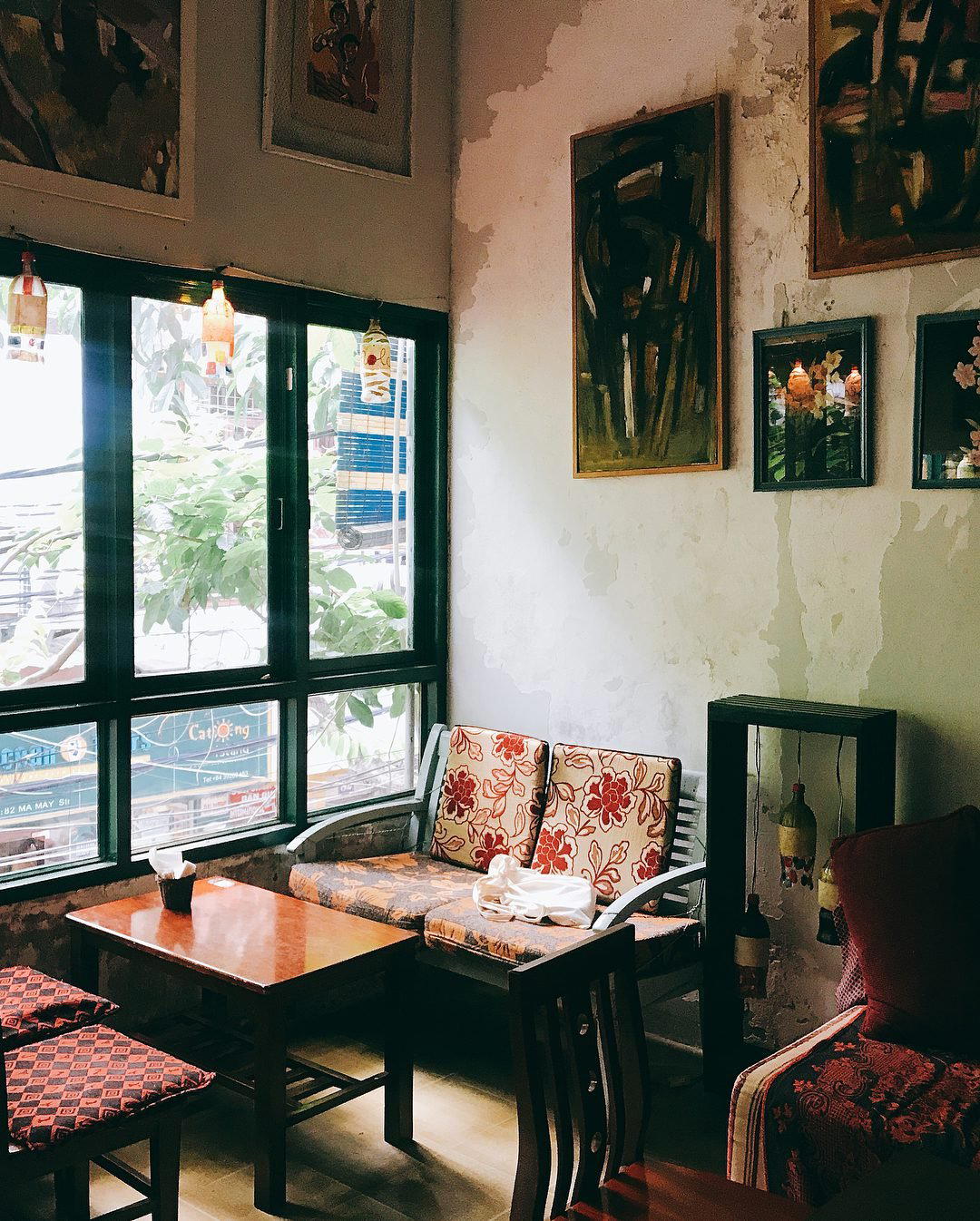
Casual hole-in-the-wall with a few tables and chairs, lacking sophistication but focused on fresh, authentic street food preparation.