Bakers & Roasters
Bakers & Roasters occupies a corner of De Pijp that has become Amsterdam's clearest argument for the all-day café format. Located on Eerste Jacob van Campenstraat, it draws a consistent crowd to a neighbourhood already associated with weekend ritual and casual dining. For visitors and locals alike, it represents the kind of address worth planning your morning around.
Pearl is the En Primeur Club membership app — saves, bookings, and concierge access live there. Same editors, same standards.
- Address
- Eerste Jacob van Campenstraat 54, 1072 BH Amsterdam, Netherlands
- Phone
- +31 20 772 2627
- Website
- bakersandroasters.com
- Directions
- Get directions
 Saves & bookings on Pearl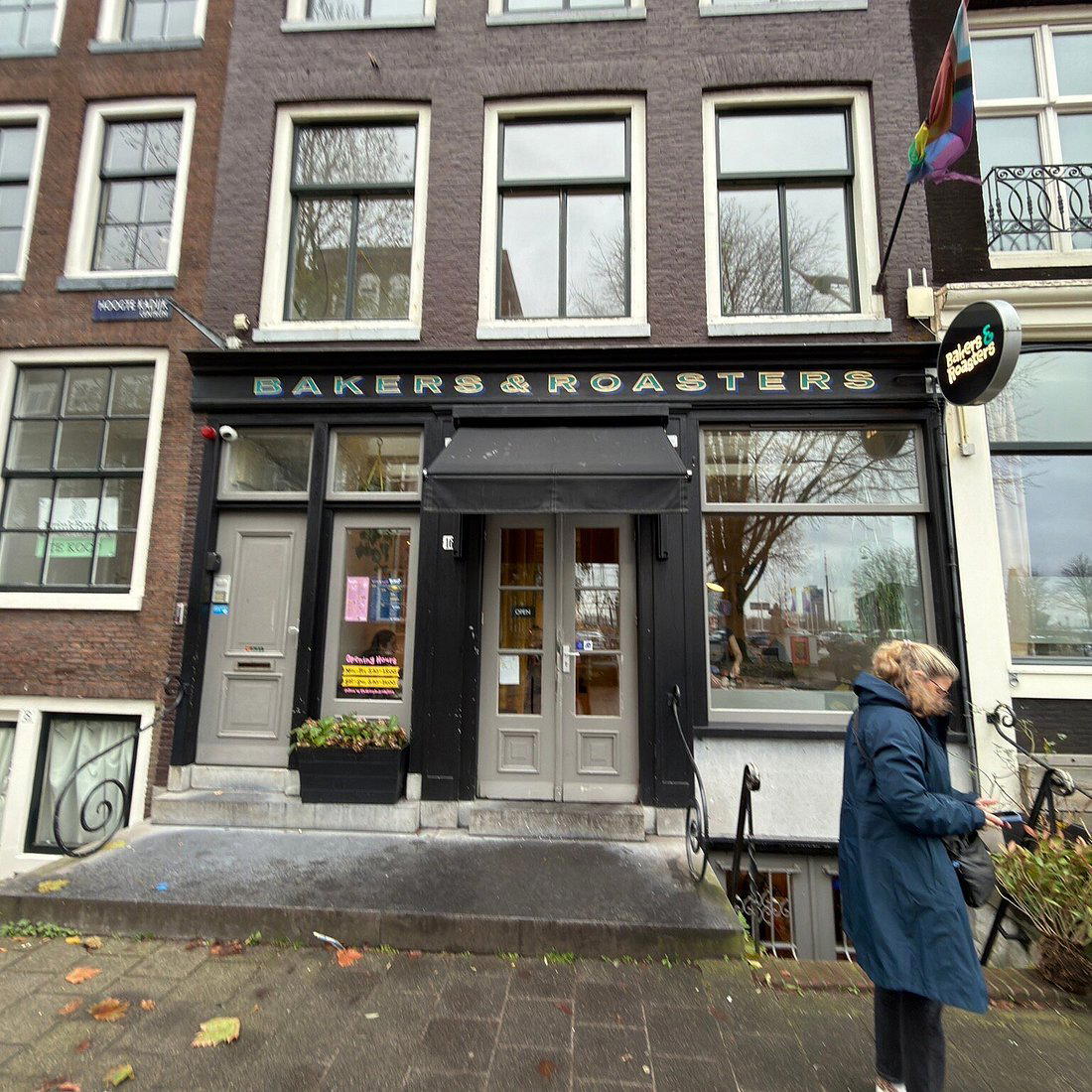
De Pijp and the All-Day Café Tradition
Amsterdam's De Pijp district has spent the better part of two decades consolidating a reputation as the city's most approachable neighbourhood for serious casual dining. Where the canal belt delivers formal dining rooms and white tablecloths, De Pijp delivers a casual, coffee-led brunch scene. Bakeries, specialty coffee roasters, weekend brunch spots, and lunch counters cluster here in a way that rewards slow mornings and unplanned detours. Bakers & Roasters sits inside that cluster rather than at the edge of it, which is meaningful in a neighbourhood where foot traffic and word-of-mouth still drive discovery.
The all-day café is not a Dutch invention, but Amsterdam has absorbed it with particular enthusiasm. The format draws from New Zealand and Australian coffee culture, which spread through European capitals in the 2010s partly through the movement of hospitality workers and partly through a general appetite for lighter, more produce-forward daytime eating. That tradition values the coffee programme as seriously as the kitchen, treats brunch not as a reduced version of lunch but as its own category, and tends to favour smaller menus over sprawling ones. Bakers & Roasters fits that lineage, and De Pijp was the natural neighbourhood for it to take root: international in its resident mix, relaxed in its pace, and already accustomed to queuing for breakfast.
What the Format Signals
The all-day café format, when it works, is built around a specific kind of discipline: fewer dishes, done with more attention, served across a longer window than a traditional breakfast or lunch service. It is a model that tolerates no weak link. If the coffee is mediocre, the food cannot compensate. If the kitchen is slow, the format collapses. Venues that sustain a loyal following in this format typically do so by holding the line on sourcing and consistency rather than by expanding the menu or chasing trends.
Amsterdam's café scene has matured considerably since the mid-2010s, and the addresses that have lasted tend to occupy a middle tier between quick-service and full-service dining. That middle tier is increasingly competitive, with visitors comparing notes across cities and expecting the same standard of specialty coffee and seasonal produce they might find in Melbourne, London, or Copenhagen. In that context, a daytime address in De Pijp is positioned against a wider set of cafés, not just a local one. For Amsterdam's more considered all-day options at the formal end of the spectrum, the city's Michelin-recognised tables occupy an entirely separate tier. For something closer to the relaxed end, Bistro de la Mer offers a different register of casual dining in the city.
Cultural Roots of the Brunch Format
Brunch as a cultural institution arrived in the Netherlands through a combination of Anglophone influence and the country's own tradition of the extended weekend table. Dutch breakfast culture has long centred on bread, cheese, and cold cuts, a utilitarian spread that prioritises fuel over occasion. The shift toward eggs-forward, chef-driven brunch menus represents a meaningful departure from that tradition, and it is a shift that has found its strongest foothold in neighbourhoods with a younger, more internationally mobile population. De Pijp qualifies on both counts.
The New Zealand and Australian influence on Amsterdam's specialty coffee and brunch scene is well-documented. Antipodean cafés brought flat whites and single-origin filter programmes to European capitals before those formats were widely available, and they also brought an approach to the daytime menu that treated vegetables, pickles, ferments, and house-made condiments with the same seriousness that European fine dining reserved for dinner. That influence is now diffused across the city's better all-day addresses rather than concentrated in any single venue, but it remains the foundational reference for what a serious brunch café in Amsterdam is expected to deliver.
The Neighbourhood as Context
De Pijp rewards visitors who treat it as a half-day destination rather than a single stop. The Albert Cuyp Market, one of the larger outdoor markets in the Netherlands, runs through the heart of the neighbourhood on weekday mornings and Saturdays, and the streets around it carry a mix of independent shops, wine bars, and the kind of casual restaurant density that makes an unplanned second stop easy to justify. Eerste Jacob van Campenstraat sits within comfortable walking distance of the market corridor, which means arriving for breakfast and staying through lunch is a natural pattern rather than an effort.
For visitors building a broader Amsterdam itinerary, the city's culinary range extends well beyond the canal belt. The Netherlands has a concentration of acclaimed tables outside the capital that merit the journey: De Librije in Zwolle, Inter Scaldes in Kruiningen, De Nieuwe Winkel in Nijmegen, and De Lindenhof in Giethoorn each represent a different strand of Dutch fine dining. Further afield, Tribeca in Heeze, De Groene Lantaarn in Staphorst, Brut172 in Reijmerstok, De Lindehof in Nuenen, De Bokkedoorns in Overveen, and De Treeswijkhoeve in Waalre round out a Netherlands dining map that has quietly become one of the more decorated in Europe per capita. The contrast with a neighbourhood brunch spot like Bakers & Roasters is not a hierarchy, it is a reminder that Amsterdam and the Netherlands reward visitors who plan across formats and price points, not just one register of dining.
Internationally, the daytime café format has its own high-water marks. Lazy Bear in San Francisco and Le Bernardin in New York City occupy different ends of the casual-to-formal spectrum, but both signal the kind of intention that separates serious dining from convenience eating. Amsterdam's better daytime addresses are making the same argument at their own scale.
Planning Your Visit
Bakers & Roasters is located at Eerste Jacob van Campenstraat 54, 1072 BH Amsterdam, in the De Pijp neighbourhood. The address is reachable by tram from the city centre, and the surrounding streets are walkable from the Heineken Experience and the Sarphatipark. Weekend mornings in De Pijp are busy across the board, and popular brunch addresses in the neighbourhood tend to see queues by mid-morning on Saturdays and Sundays. Arriving before 10:00 or after 13:00 typically reduces wait times, though the venue is open Mon-Fri 8:30 AM-3 PM and Sat-Sun 8:30 AM-4 PM, and it is walk-in friendly.
Cost Snapshot
Comparable venues nearby, for context on price, style, and recognition.
| Venue | Cuisine | Price | Notes |
|---|---|---|---|
| Bakers & RoastersThis venue — the venue you are viewing | Not listed | $$ | Not listed |
| JA | Not listed | $$ | Sarphatiparkbuurt, Seasonal Dutch-Asian Seafood Fine Dining |
| Corners Store | Not listed | $$$ | Papaverweg e.o., French-Asian Fusion |
| Bo Cinq | Spiegelbuurt, French-Arabic Fusion | $$$ | Not listed |
| Dynasty | Kalverdriehoek, Chinese & Thai Fusion | $$ | Not listed |
| Jottum | Not listed | $$ | Anjeliersbuurt Noord, Mediterranean Tapas |
Continue exploring
More in Amsterdam
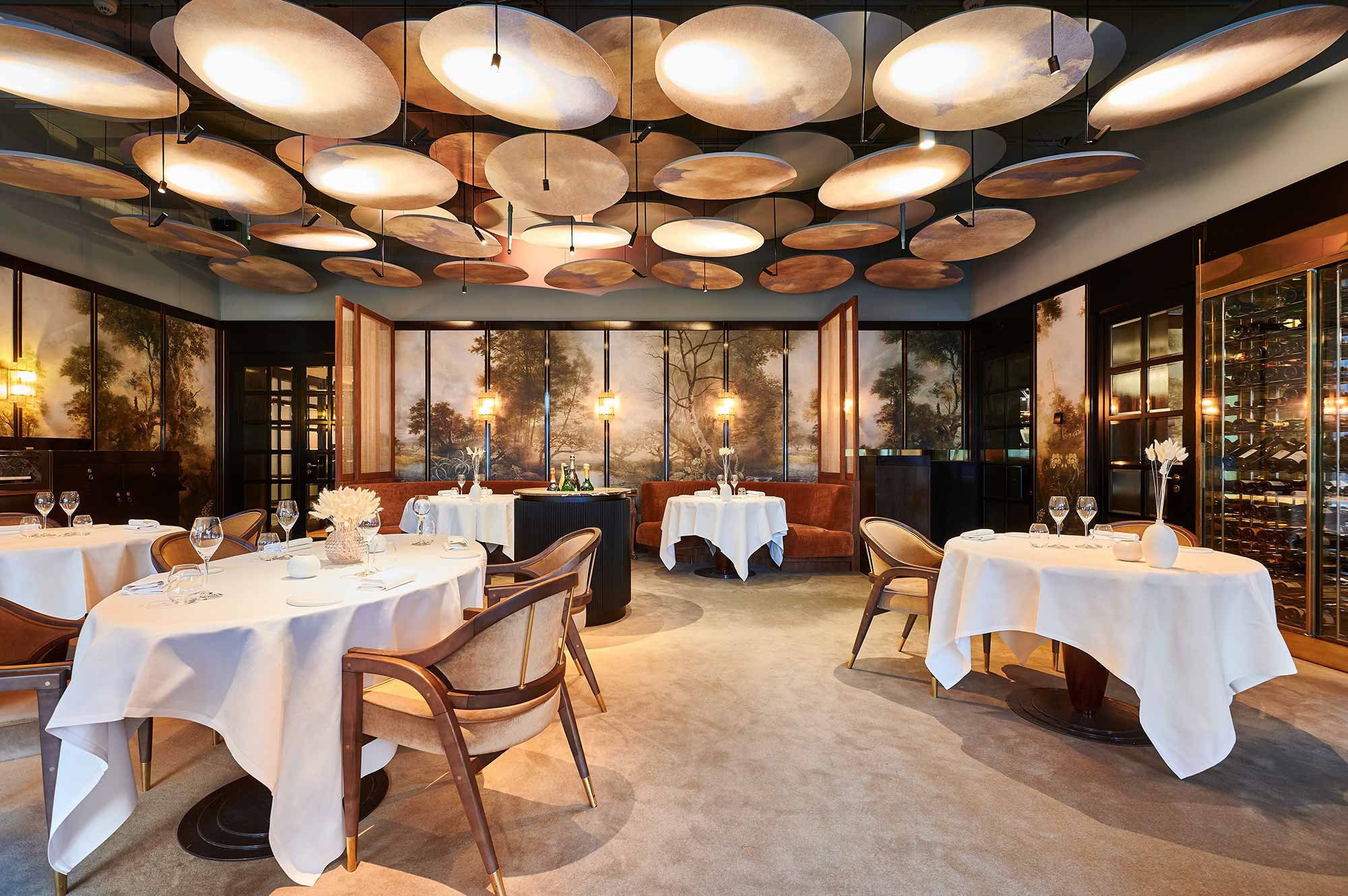
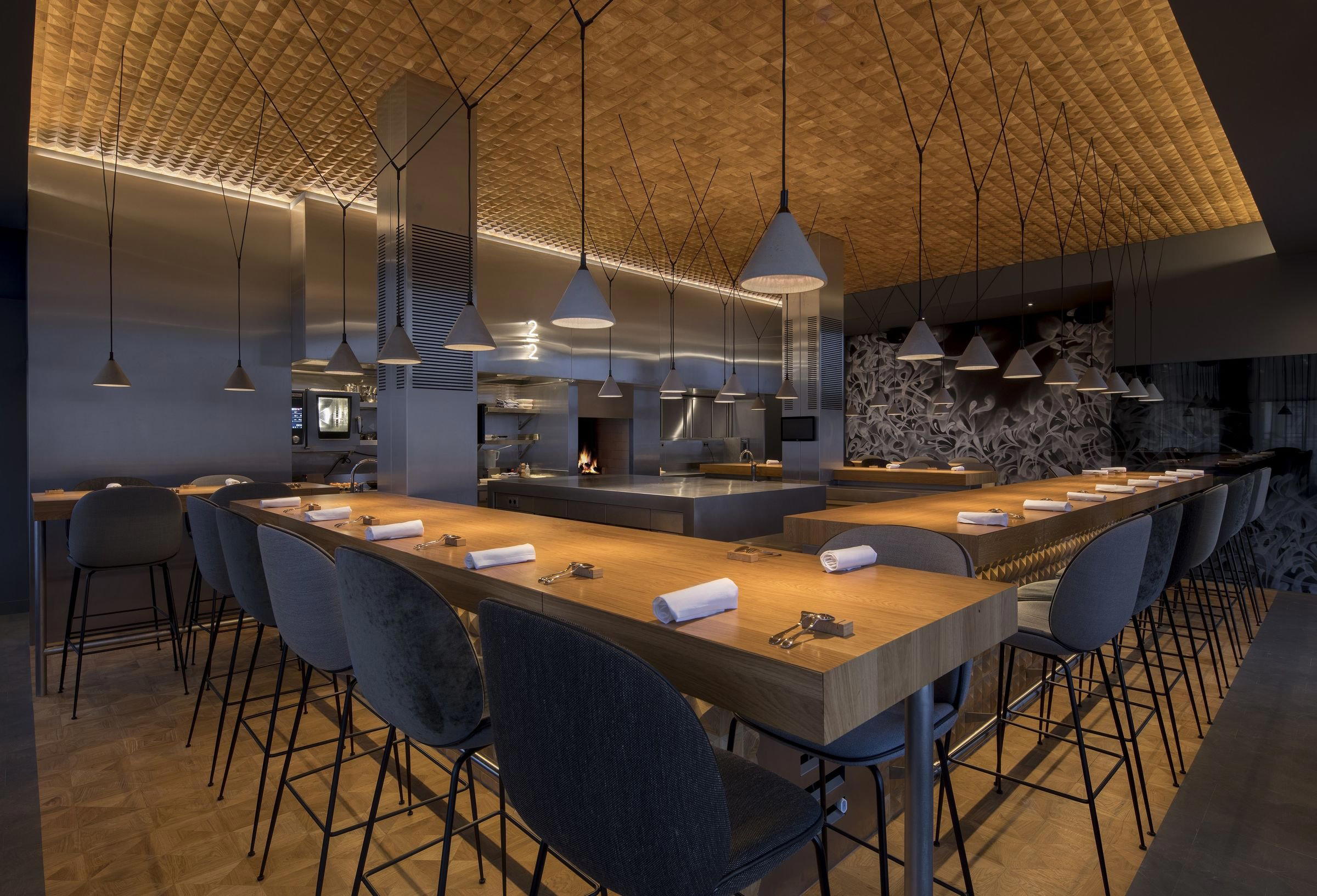
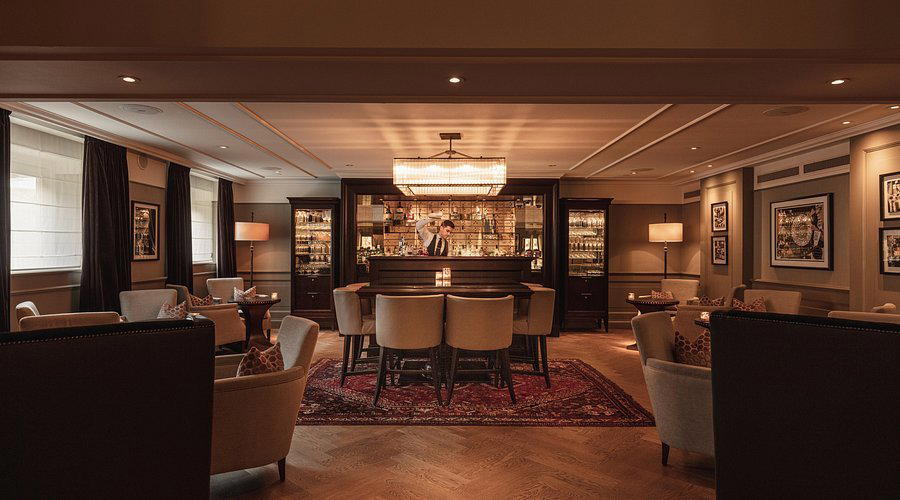
Restaurants in Amsterdam
Browse all →
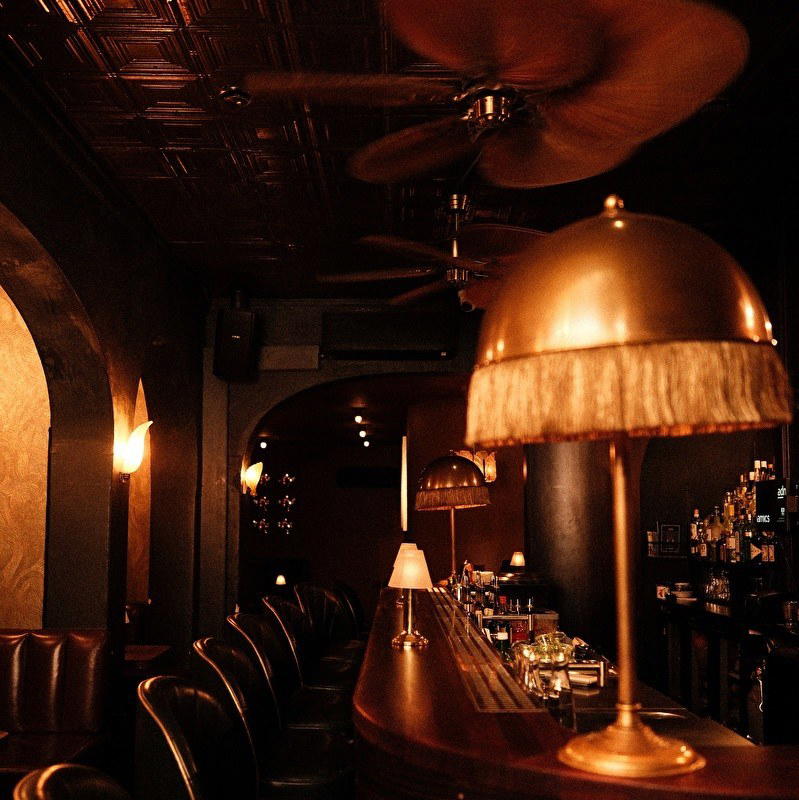
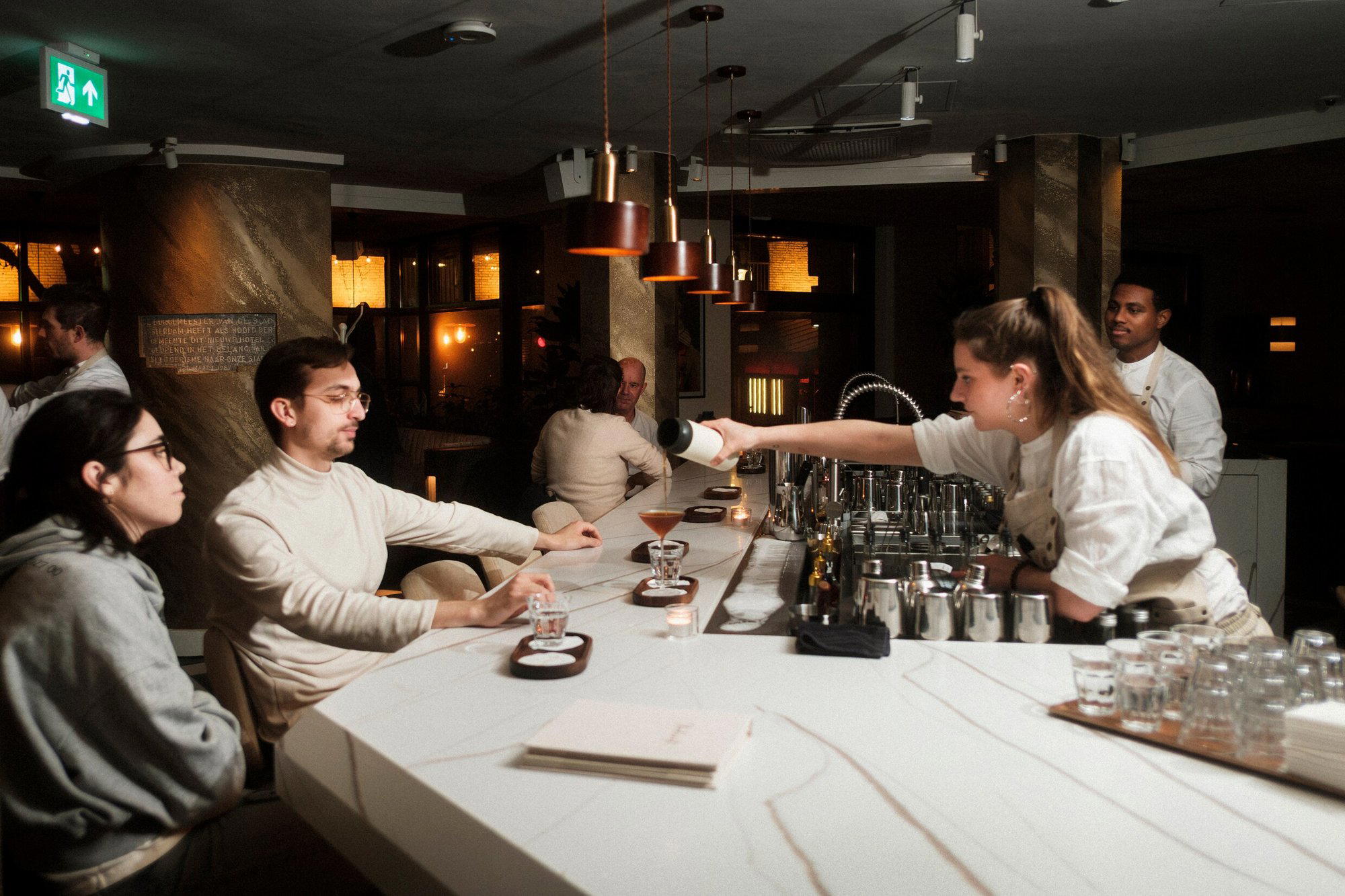
Bars in Amsterdam
Browse all →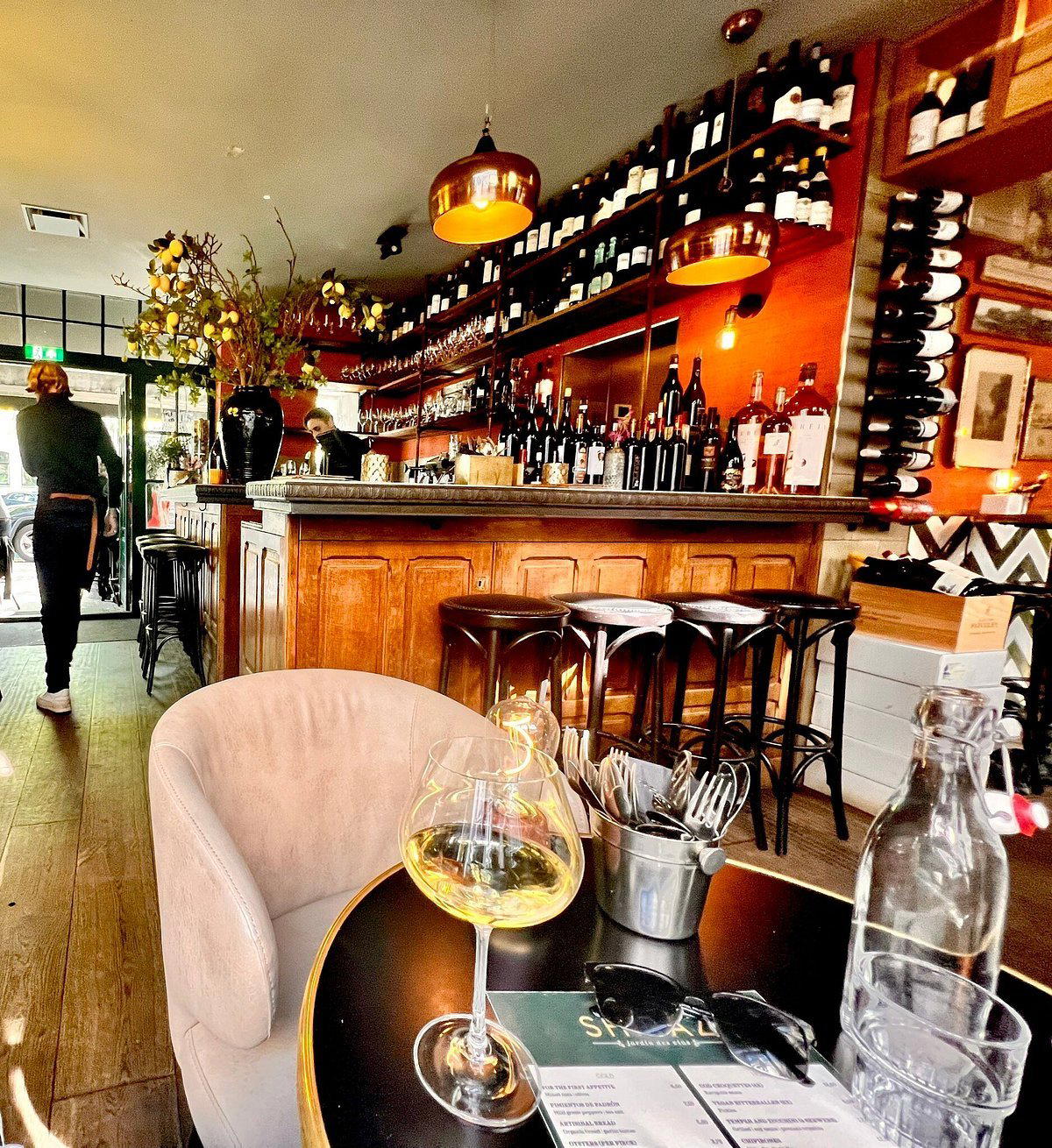
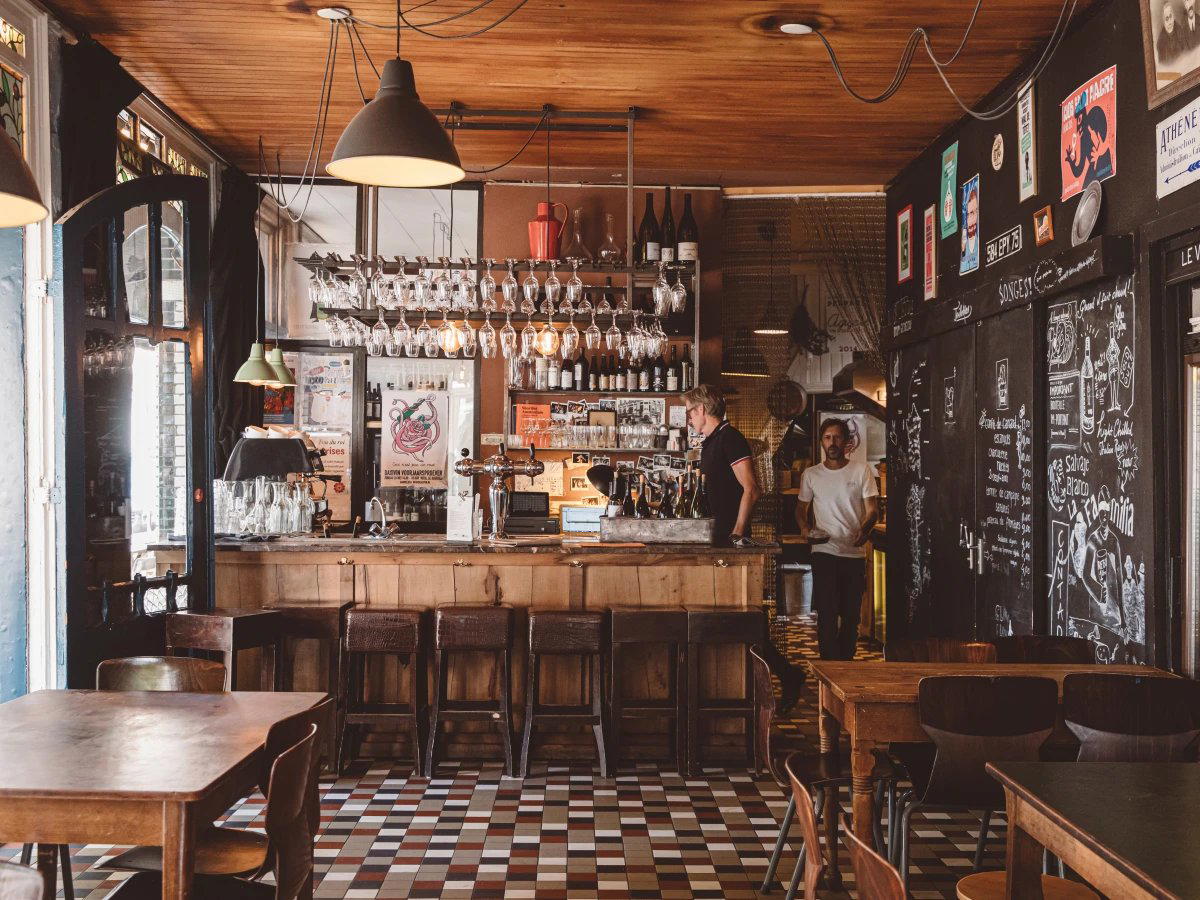
Hotels in Amsterdam
Browse all →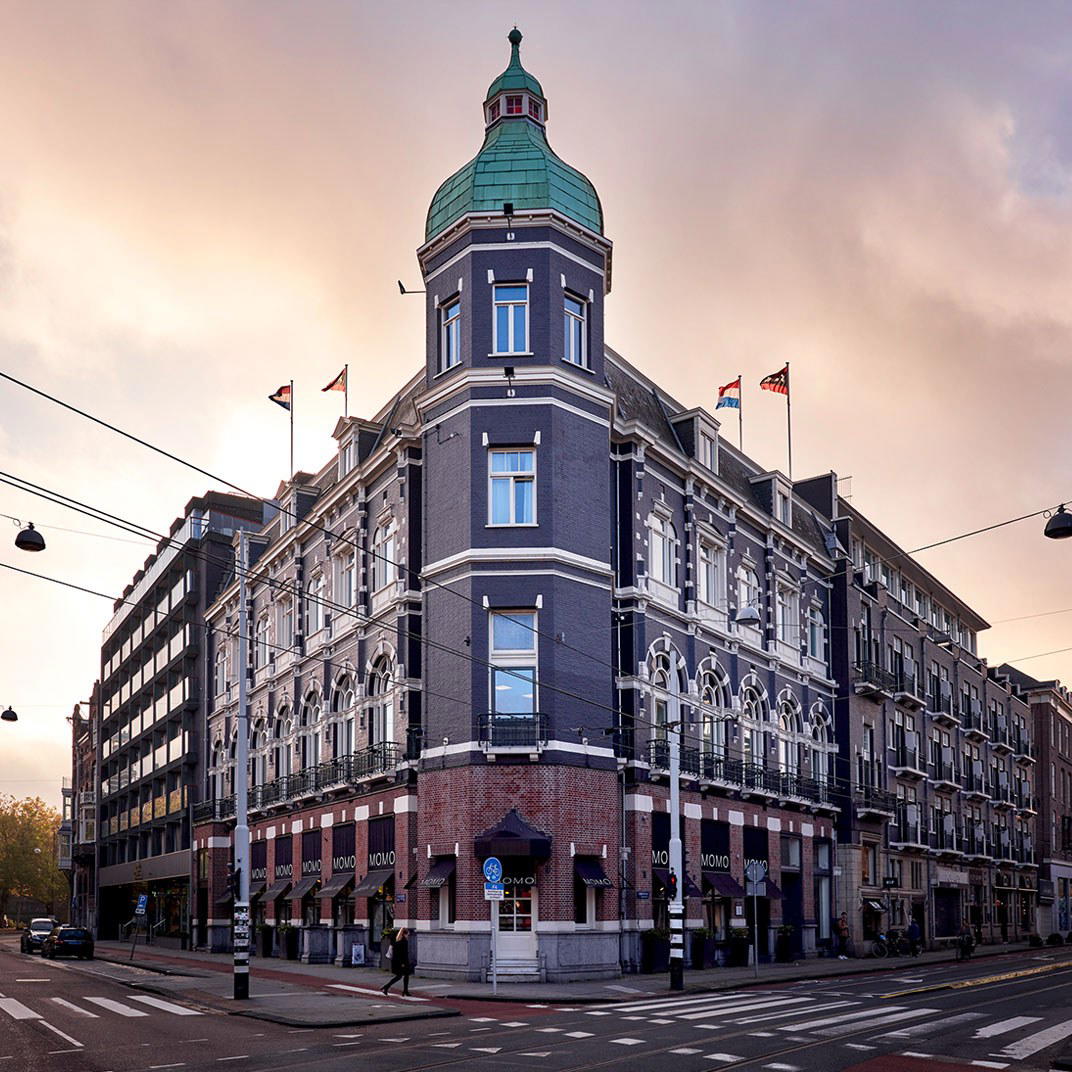
Wineries in Amsterdam
Browse all →
At a Glance
- Trendy
- Modern
- Lively
- Brunch
- Casual Hangout
- Group Dining
- Solo
- Open Kitchen
- Standalone
- Craft Cocktails
- Beer Program
- Local Sourcing
Current opening hours
- Monday
- 8:30 AM–3 PM
- Tuesday
- 8:30 AM–3 PM
- Wednesday
- 8:30 AM–3 PM
- Thursday
- 8:30 AM–3 PM
- Friday
- 8:30 AM–3 PM
- Saturday
- 8:30 AM–4 PM
- Sunday
- 8:30 AM–4 PM
Hours can change for holidays and private events. Last verified .