Jottum
Jottum occupies a quiet address in Amsterdam's Jordaan, where the approach sits at the intersection of classical European technique and Dutch seasonal produce. The neighbourhood has long supported this kind of considered, ingredient-led cooking, and Jottum fits the pattern of smaller Jordaan addresses that trade on precision over spectacle. For visitors working through Amsterdam's serious dining tier, it belongs in the same planning window as the city's other focused, format-driven rooms.
Pearl is the En Primeur Club membership app — saves, bookings, and concierge access live there. Same editors, same standards.
- Address
- Eerste Anjeliersdwarsstraat 17, 1015 NR Amsterdam, Netherlands
- Phone
- +31204205262
- Website
- restaurant-jottum.nl
- Directions
- Get directions
 Saves & bookings on Pearl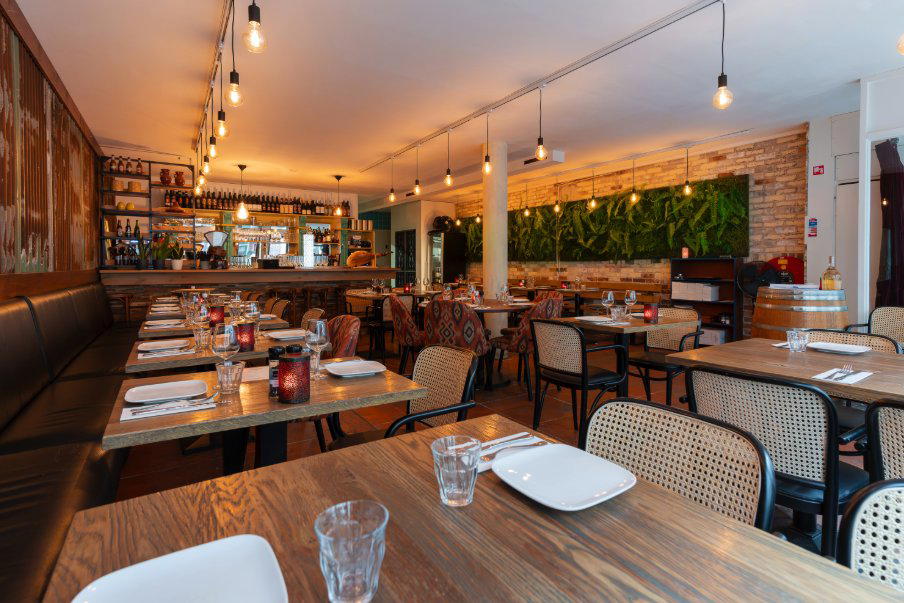
The Jordaan Context: Small Rooms, Serious Cooking
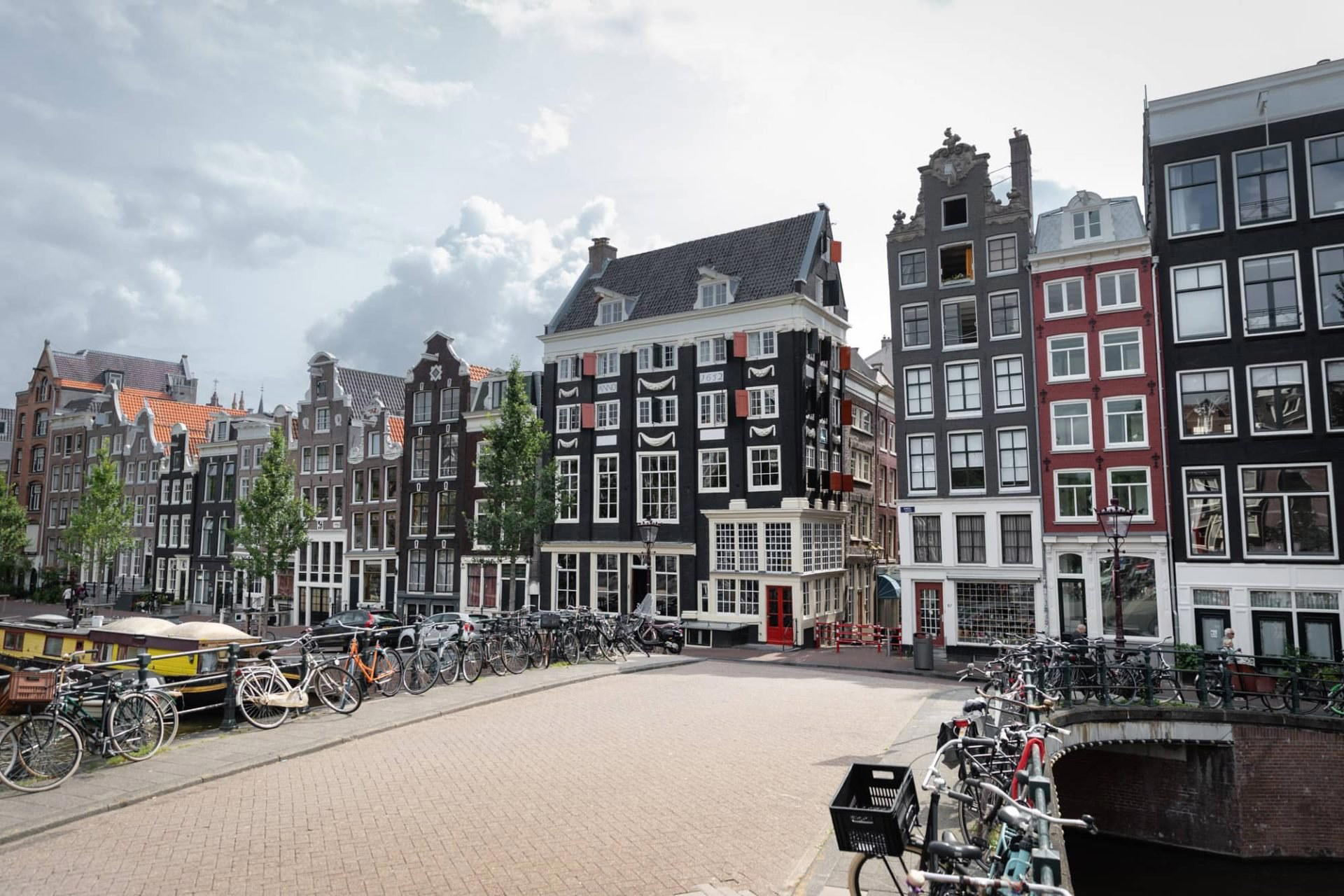
Amsterdam's Jordaan district has a particular relationship with restaurants. The neighbourhood's narrow canal-side streets and compressed building footprints have historically favoured small, owner-operated rooms over large-format dining destinations. That physical constraint has become a curatorial one: the Jordaan tends to attract kitchens with a point of view rather than kitchens with a floor plan. Eerste Anjeliersdwarsstraat, where Jottum sits at number 17, is a quiet residential cross-street that typifies this pattern. You arrive without fanfare. The address doesn't announce itself the way a hotel dining room or a canal-front terrace might. That restraint is, in this part of the city, its own signal.
At the upper end, two-Michelin-star rooms like Ciel Bleu and Spectrum operate with the infrastructure of major hotels behind them. Vinkeles and Flore occupy heritage interiors that carry their own gravitational pull. Below that tier, a different conversation is happening, one about ingredient sourcing, seasonal responsiveness, and whether classical European frameworks can carry Dutch produce convincingly. That is the conversation Jottum enters.
Local Ingredients, European Technique: The Argument on the Plate
One interesting line of development in Dutch cooking over the past fifteen years has been how chefs decide what to keep from French or pan-European frameworks. It has been chefs deciding how much of that framework to keep, and what local material can do inside it. De Nieuwe Winkel in Nijmegen has pushed entirely into plant-forward territory. De Librije in Zwolle has long argued that Dutch coastal and agricultural produce can carry three-Michelin-star ambition. Aan de Poel in Amstelveen and De Bokkedoorns in Overveen have made the case from different regional starting points.
The Dutch larder is underused by international standards. North Sea fish, Zeeland oysters, Texel lamb, white asparagus from Limburg, and an unusually dense network of specialist small-scale growers within an hour of Amsterdam all represent material that rewards classical preparation without requiring it. Kitchens that import technique, whether from French brigade training, Japanese precision, or the kind of fermentation-forward Nordic methodology that filtered south through the 2010s, and apply it to that Dutch material tend to produce particularly coherent results. Venues in other global cities have mapped similar territory: Atomix in New York City does this explicitly with Korean ingredients inside a fine-dining format, while Le Bernardin in New York City remains the benchmark for what rigorous classical technique does to premium seafood. The Dutch version of that argument is quieter, less theorised, and often happening in precisely the kind of small Jordaan room that Jottum occupies.
Amsterdam's neighbourhood comparison set reinforces this. De Kas in the Frankendael park brings an organic, garden-to-table model that prioritises its own growing programme. BAK in the Westergasfabriek area operates a farm-to-table format with a similarly compressed, seasonal menu. Bolenius made modern Dutch cooking its explicit programme for years. Jottum's Jordaan position places it inside that conversation geographically and, by the indicators of its setting, editorially.
Seasonality as the Menu's Architecture
In kitchens working this way, the calendar does most of the menu writing. Dutch asparagus season, concentrated roughly between late April and late June, restructures tables across the country. North Sea plaice arrives in its leading form in spring and early summer. Game from the Dutch and Belgian countryside marks the autumn menu in rooms that follow these cycles. What this means practically is that a visit to a kitchen in this tier in March produces a genuinely different meal from one in September, not because the kitchen rotated a dish or two, but because the underlying logic of the menu has shifted. For visitors planning around this, late spring and autumn tend to offer the clearest seasonal menus. Summer offers the broadest Dutch produce window. Winter menus in smaller rooms often show what a kitchen can do with preservation and technique when the raw material is at its leanest.
This seasonal architecture connects Jottum to a wider Dutch regional pattern. De Groene Lantaarn in Staphorst, De Lindehof in Nuenen, De Lindenhof in Giethoorn, and De Treeswijkhoeve in Waalre are all rooms where the seasonal logic of Dutch ingredients shapes the programme in comparable ways. Brut172 in Reijmerstok and 't Nonnetje in Harderwijk demonstrate the same principle from different corners of the country. The pattern is consistent: in Dutch serious dining, seasonal honesty is not a marketing position. It is the method.
Planning a Visit to Jottum
Eerste Anjeliersdwarsstraat 17 sits in the western Jordaan, walkable from the major canal ring and accessible by tram from the city centre. The neighbourhood is residential rather than tourist-facing at this specific cross-street, which means arriving on foot from the Prinsengracht or Westerstraat takes you through exactly the kind of quiet Amsterdam that the area is known for. Restaurants at this scale and in this location in Amsterdam tend to operate without a large walk-in capacity, and advance booking is the sensible assumption for any Friday or Saturday evening. Midweek visits at smaller Jordaan rooms often allow more flexibility, though this varies by season. For visitors building a broader Amsterdam dining itinerary, including Bistro de la Mer for a more classic seafood-focused option.
Comparable Spots
Comparable venues nearby, for context on price, style, and recognition.
| Venue | Cuisine | Price | Notes |
|---|---|---|---|
| JottumThis venue — the venue you are viewing | Mediterranean Tapas | $$ | Not listed |
| De Plantage | Modern Mediterranean | $$ | Plantage |
| G's – A Nice Place | American Diner Brunch | $$ | Driehoekbuurt |
| Wyers | American Comfort Food with Dutch Twist | $$ | Nieuwendijk Noord |
| Terpentijn | Frans-Aziatische Fusion | $$ | Nes e.o. |
| Restaurant Zest | Craft Beer & Grill with Balkan Influences | $$ | Da Costabuurt Noord |
Continue exploring
More in Amsterdam
Restaurants in Amsterdam
Browse all →
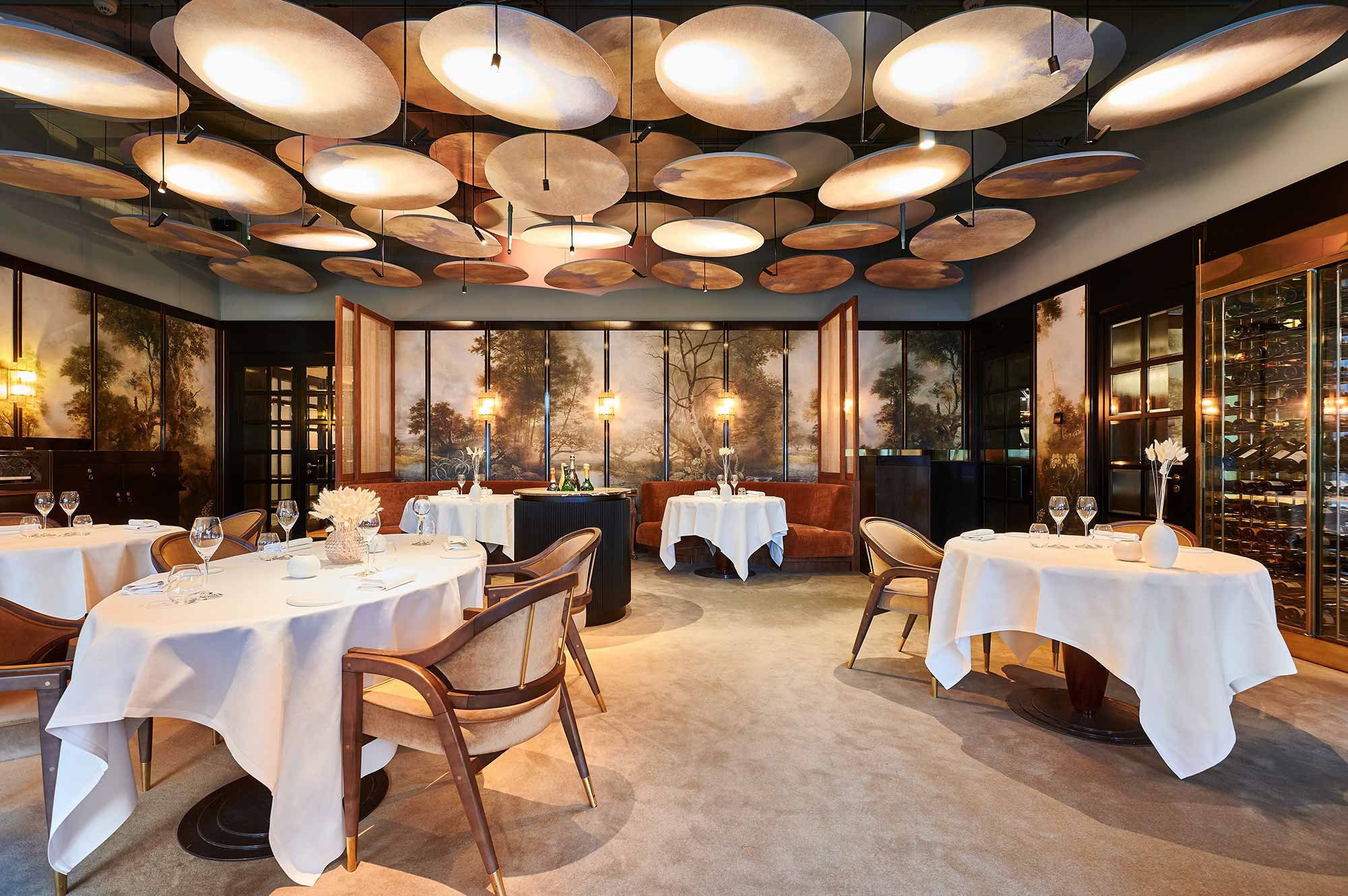
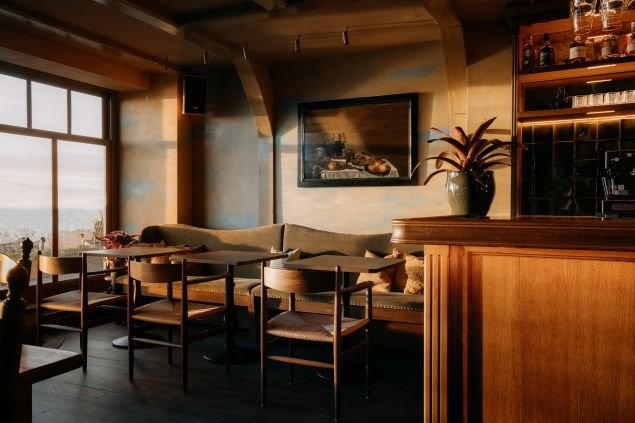
Bars in Amsterdam
Browse all →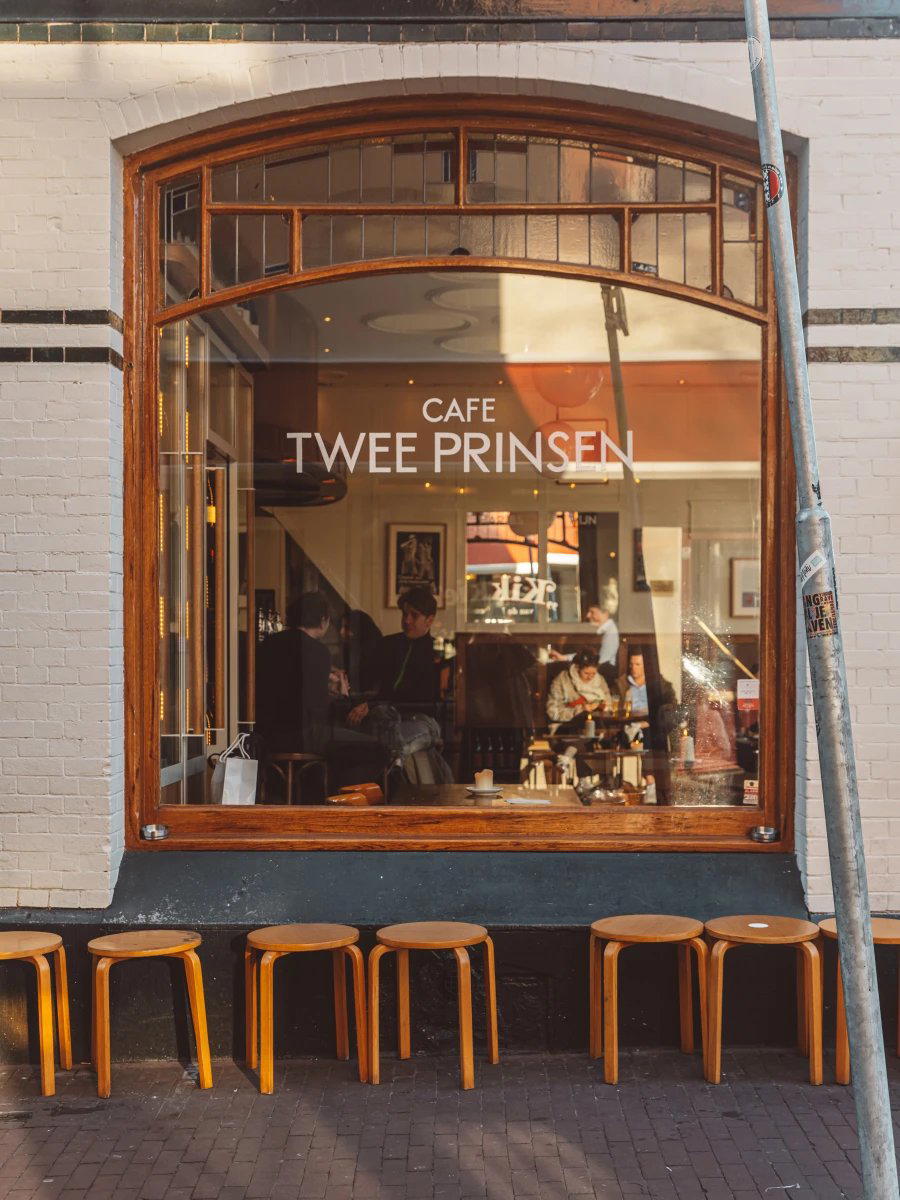
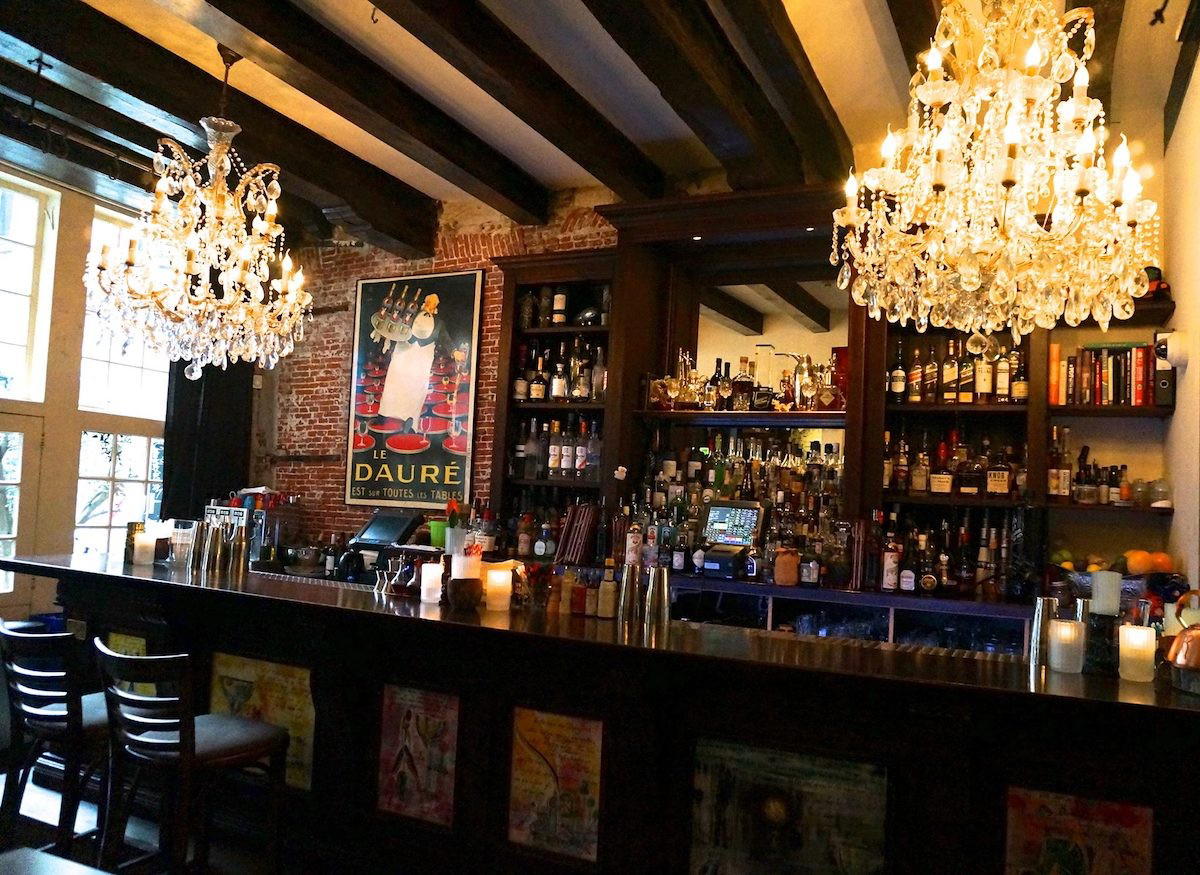
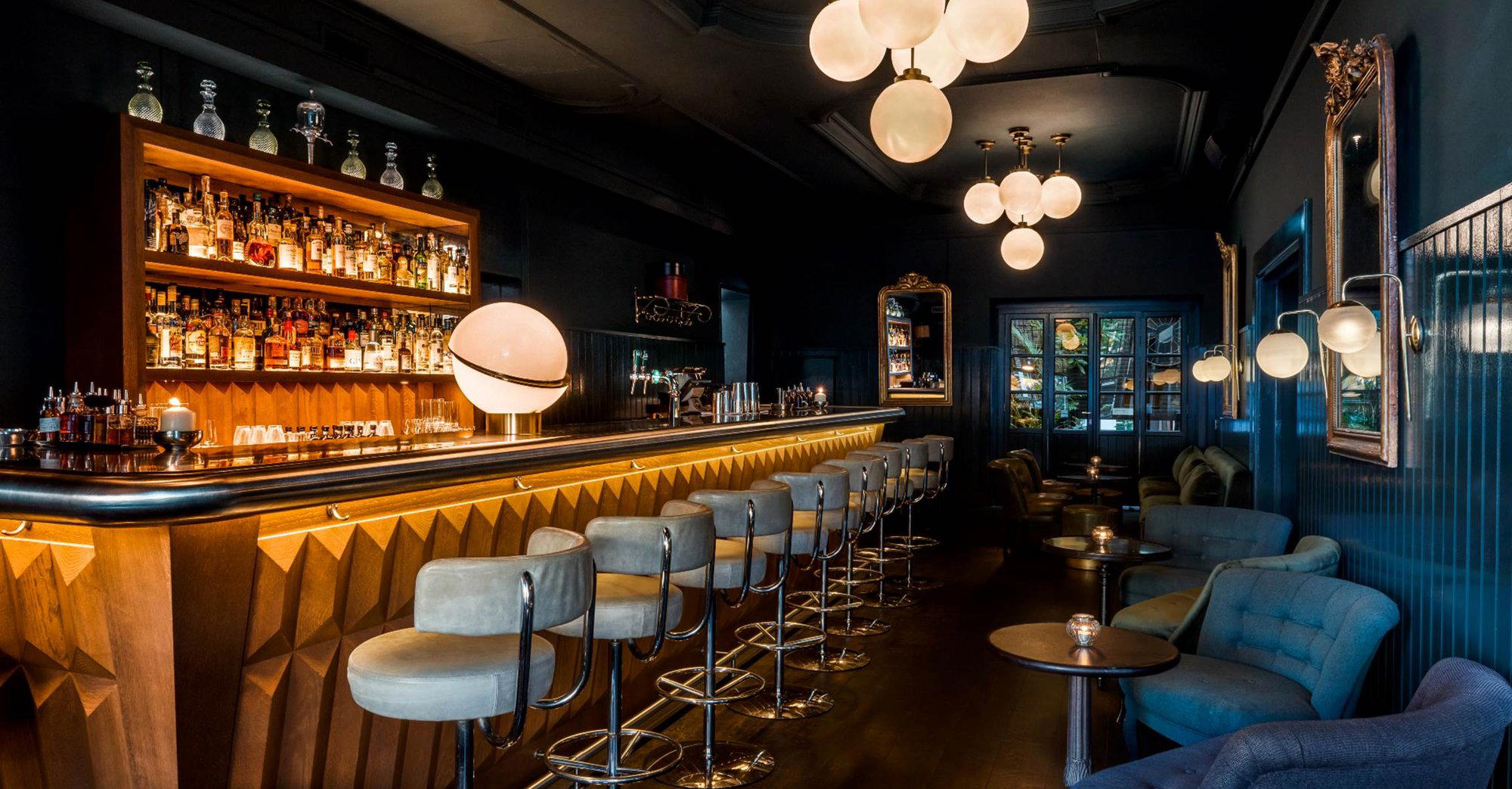
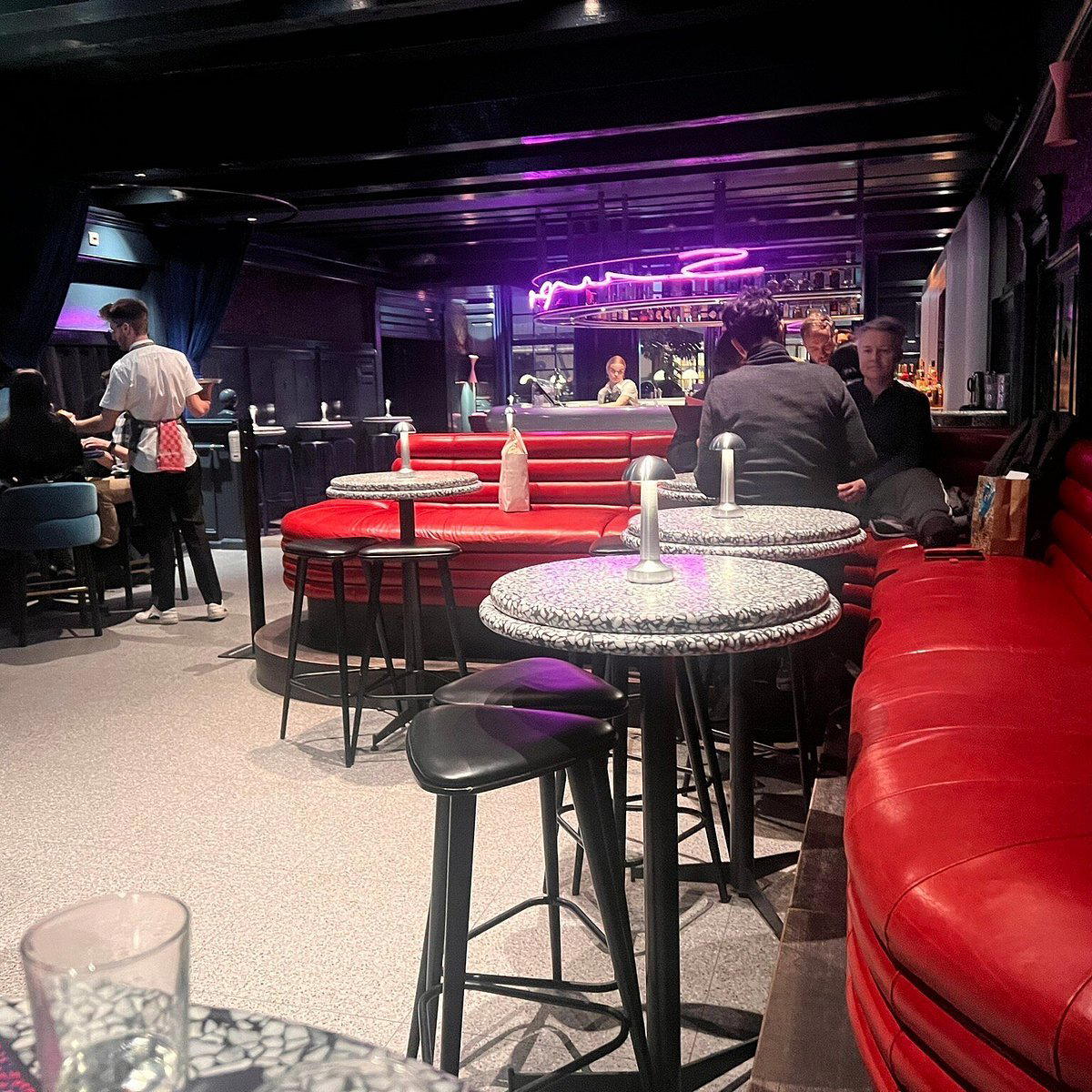
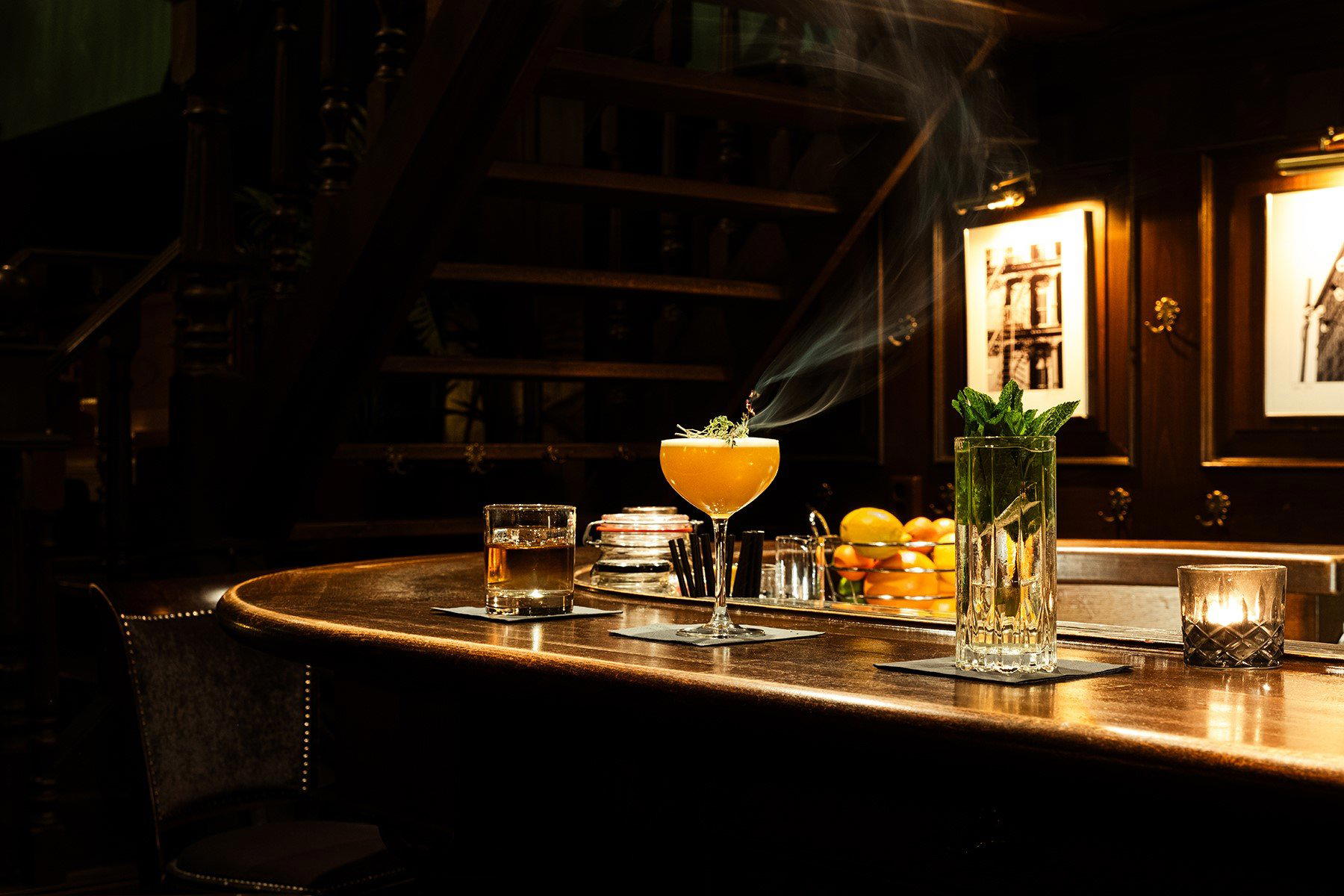
Hotels in Amsterdam
Browse all →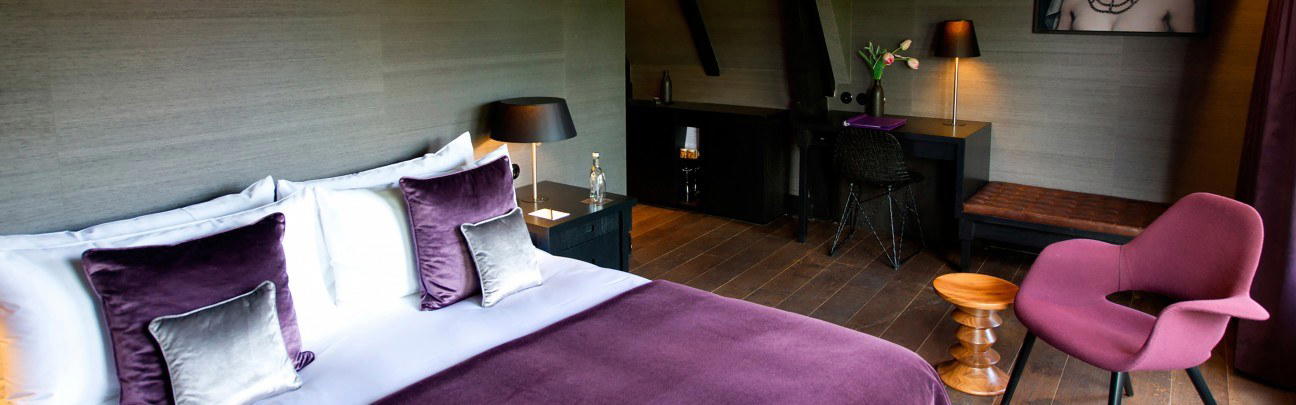
Wineries in Amsterdam
Browse all →
At a Glance
- Cozy
- Intimate
- Trendy
- Date Night
- Casual Hangout
- Open Kitchen
- Extensive Wine List
- Organic
- Local Sourcing
Current opening hours
- Monday
- Closed
- Tuesday
- 5:30 PM–1 AM
- Wednesday
- 5:30 PM–1 AM
- Thursday
- 5:30 PM–1 AM
- Friday
- 5:30 PM–1 AM
- Saturday
- 5:30 PM–1 AM
- Sunday
- 5:30 PM–1 AM
Hours can change for holidays and private events. Last verified .
Warm wooden interiors with candlelit tables and quirky art creating a cozy, intimate atmosphere.