Bo Cinq
On the Prinsengracht canal in Amsterdam, Bo Cinq sits within a tier of neighbourhood restaurants that trade on sourcing discipline and intimate scale rather than Michelin fanfare. Compared to the grand-hotel dining of Ciel Bleu or the headline ambition of Spectrum, Bo Cinq operates at a quieter register, a useful counterpoint for visitors mapping Amsterdam's mid-to-upper dining range.
- Address
- Prinsengracht 494, 1017 KH Amsterdam, Netherlands
- Phone
- +31206220682
- Website
- bocinq.nl
- Directions
- Get directions
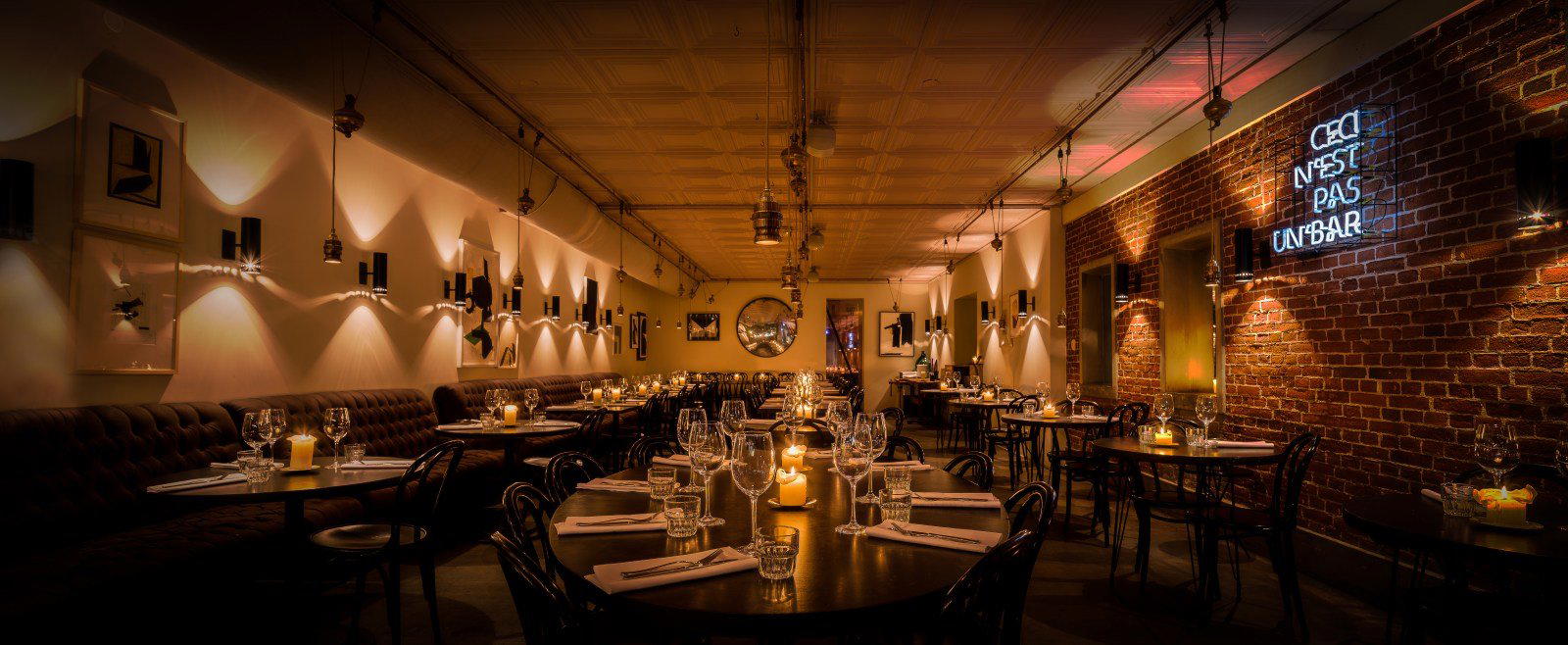
Where the Canal Sets the Tone
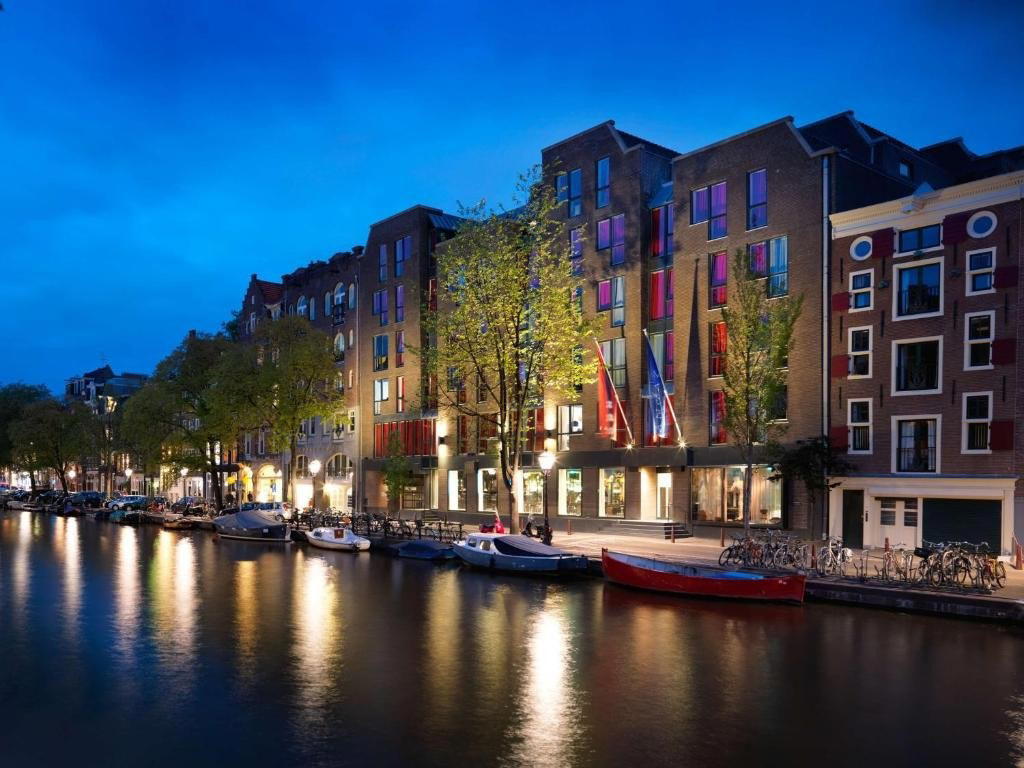
Prinsengracht is one of Amsterdam's working canals, which means it carries a particular kind of atmosphere that its more photographed neighbour, Herengracht, does not. The houseboats are still occupied. The bicycles outnumber the taxis. The buildings lean into each other at the slight, settled angles that centuries of subsidence produce. A restaurant at this address, at number 494, begins its work before a guest crosses the threshold: the context is domestic, local, and deliberately unshowy. That is a positioning choice as much as a postal one.
Canal-side neighbourhood restaurants occupy a different register: smaller rooms, shorter supply chains, and menus that respond to what is available rather than what was engineered into a concept twelve months ago. Bo Cinq is a French-Arabic Fusion restaurant at Prinsengracht 494 in Amsterdam.
Amsterdam's Sourcing Conversation
The Netherlands has developed a clear argument around ingredient provenance over the past decade. It is not a country traditionally associated with gastronomic identity the way France or Japan is, but Dutch chefs have used that relative freedom from tradition to build something more agriculturally grounded. The greenhouse corridors of Westland, the North Sea fishing ports, the dairy infrastructure of Friesland, the vegetable growers working the polders, these are the raw materials that Amsterdam's more serious kitchens have been drawing on with increasing deliberateness.
Restaurants like De Nieuwe Winkel in Nijmegen have taken that sourcing argument to an extreme, building entire tasting menus around plant-based local produce in a way that has attracted international attention. At the other end of the country, Inter Scaldes in Kruiningen applies similar sourcing rigour to classical French-influenced technique. Amsterdam's mid-tier canal restaurants tend to occupy a middle ground: sourcing-conscious without being ideologically strident about it, market-led without turning the provenance narrative into the entire story.
That approach suits a city whose dining population is well-travelled and experienced enough to recognise good sourcing without needing it explained at length. The Amsterdam guest who books a Prinsengracht neighbourhood table generally knows what they are looking for: produce-led cooking, a room that feels like it belongs to the street outside, and a wine list that earns its place rather than pads a bill.
The Neighbourhood Dining Tier in Context
Bo Cinq shares its city with a set of restaurants operating at significantly higher price points and visibility. Vinkeles and Flore represent the creative-formal end of Amsterdam dining, where tasting menus run to multiple courses and the room is part of the value proposition. Bistro de la Mer operates at a different register again, anchored by classic cuisine and a more accessible price tier.
What sits between those poles is a set of smaller, harder-to-categorise restaurants that Amsterdam does well: places where the ambition is expressed through ingredient quality and restraint rather than through kitchen brigade size or dining room theatre. This is the tier where sourcing decisions become the primary editorial statement. A chef at this level who works directly with two or three growers, or who builds a menu around North Sea catch rather than importing protein from further afield, is making a clearer argument than one whose supply chain is invisible.
For visitors who want to understand the Dutch sourcing movement without committing to a tasting-menu format, this neighbourhood tier is instructive. It shows what the argument looks like when it is applied to everyday service rather than to a special-occasion format.
Placing Bo Cinq in the Wider Dutch Scene
Amsterdam is not the only city making this argument. De Librije in Zwolle has long been the reference point for serious Dutch cooking outside the capital, drawing on regional ingredients with a technical ambition that has sustained three Michelin stars over many years. Further afield, De Lindenhof in Giethoorn, Brut172 in Reijmerstok, and De Bokkedoorns in Overveen demonstrate that serious produce-led cooking is not a capital-city phenomenon in the Netherlands. Tribeca in Heeze, De Lindehof in Nuenen, De Treeswijkhoeve in Waalre, and De Groene Lantaarn in Staphorst extend that pattern across regions, each working within their local agricultural context rather than against it.
Internationally, the model of intimate, sourcing-led dining that responds to locality rather than to global trend has its equivalents. Lazy Bear in San Francisco built its reputation on a communal-table format that foregrounds the sourcing story directly. Le Bernardin in New York City demonstrates what happens when ingredient sourcing becomes the entire philosophy of a restaurant operating at the highest level, with seafood provenance as the central discipline. The scale and price tier differ, but the underlying argument, that where food comes from is inseparable from what it tastes like, is consistent across formats.
The restaurant, on a working Amsterdam canal, is a local-scale version of that argument. The address does the first work. The sourcing does the rest.
Know Before You Go
- Address: Prinsengracht 494, 1017 KH Amsterdam, Netherlands
- Canal: Prinsengracht, central canal belt
- Phone: not listed, check the venue directly or via booking platforms
- Website: Not currently listed, search directly by name for current booking options
- Booking: Reservation details not confirmed; direct contact advised
- Price tier: 3
- Dress code: smart_casual
A Minimal comparable set
Comparable venues nearby, for context on price, style, and recognition.
| Venue | Cuisine | Price | Notes |
|---|---|---|---|
| Bo CinqThis venue — the venue you are viewing | Spiegelbuurt, French-Arabic Fusion | $$$ | Not listed |
| Super Lyan | Hemelrijk, Modern Fusion Cocktail Bar | $$$ | Not listed |
| Nomad | Not listed | $$$ | Westerdokseiland, Global Fusion Tasting Experience |
| Librije's Zusje | Not listed | $$$$ | Amstelveldbuurt, Modern Dutch-Asian Fusion Fine Dining |
| Fuku Ramen | Not listed | $$$ | Transvaalbuurt Oost, Modern Japanese Omakase Ramen |
| Lion Noir | Gouden Bocht, Stylish French Bistro | $$$ | Not listed |
Continue exploring
More in Amsterdam
Restaurants in Amsterdam
Browse all →
Bars in Amsterdam
Browse all →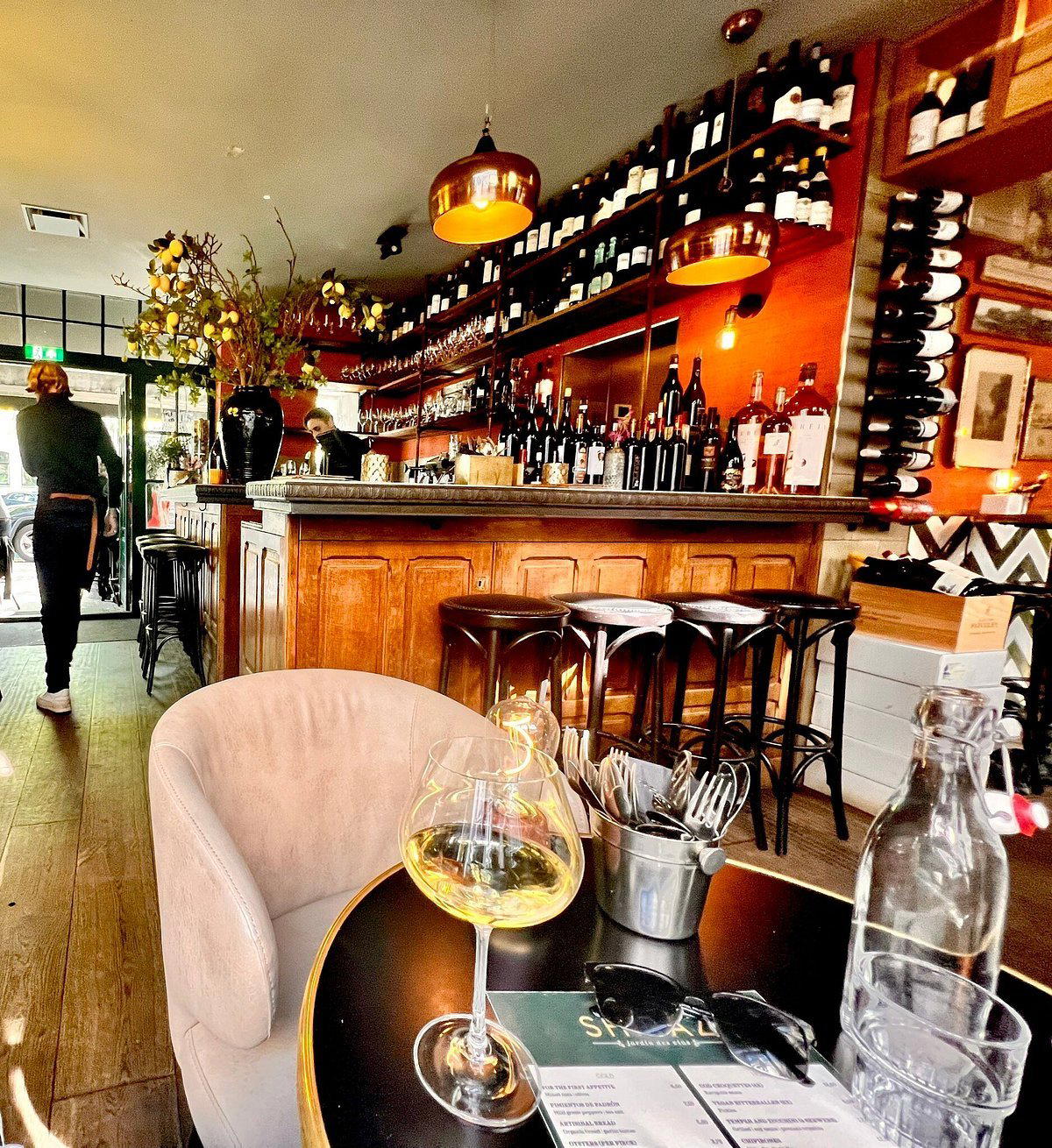
Hotels in Amsterdam
Browse all →
Wineries in Amsterdam
Browse all →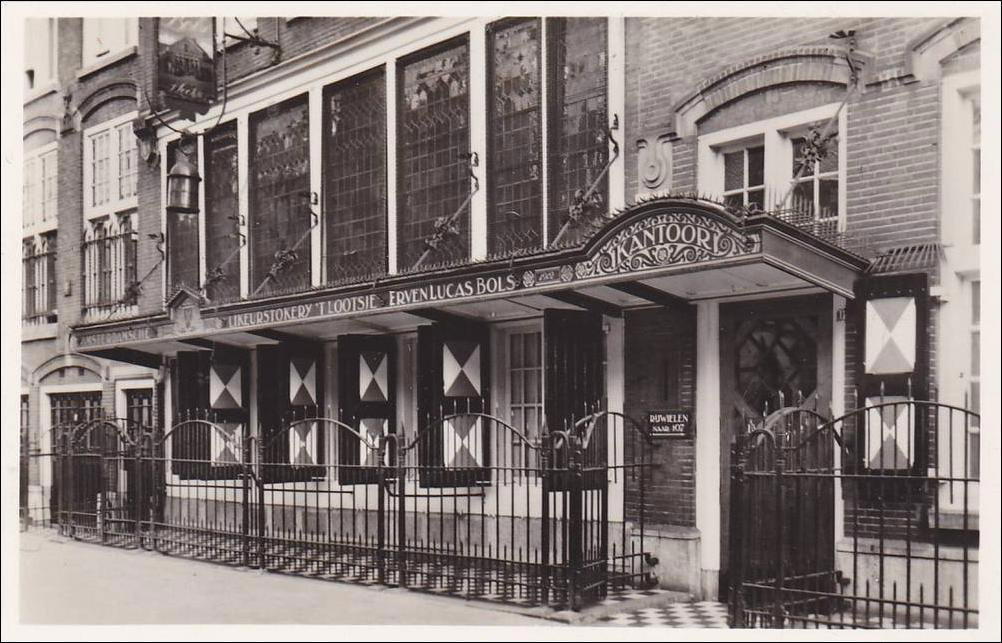
At a Glance
- Elegant
- Sophisticated
- Lively
- Date Night
- Special Occasion
- Terrace
- Craft Cocktails
- Organic
- Street Scene
Chic and dimly lit restaurant atmosphere with a lively, energized bar area.