A compact noodle shop on Palmstraße in Cologne's Belgisches Viertel, Bai Lu draws a loyal local following for its focused approach to Chinese noodle traditions. The format is pared back and consistent, qualities that tend to generate regulars rather than one-time visitors. For a neighbourhood dining scene dominated by European formats, it occupies a distinct and well-used position.
Pearl is the En Primeur Club membership app — saves, bookings, and concierge access live there. Same editors, same standards.
- Address
- Palmstraße 41, 50672 Köln, Germany
- Phone
- +4922178948128
- Directions
- Get directions
 Saves & bookings on Pearl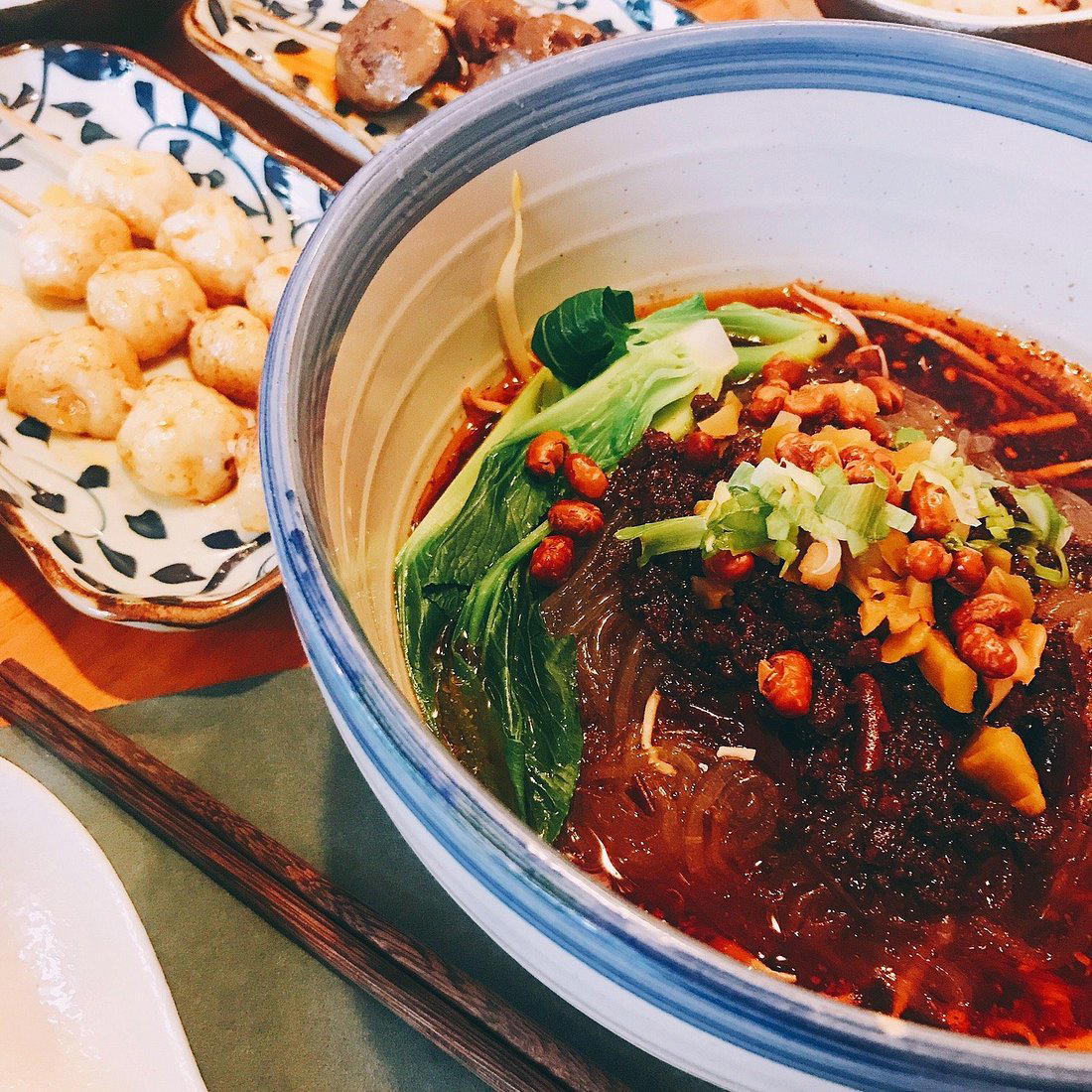
What the Regulars Already Know About Palmstraße
Cologne's Belgisches Viertel, the Belgian Quarter, has long run on the logic of the neighbourhood local rather than the destination restaurant. The streets around Aachener Straße and Brabanter Platz fill with residents who treat their dining choices as extensions of domestic routine, returning to the same rooms week after week rather than chasing novelty. Bai Lu Noodles, at Palmstraße 41, fits that pattern with unusual precision. It is the kind of place where the frequency of return visits defines its reputation.
In a city where the fine-dining conversation gravitates toward modern European formats, venues like Ox & Klee, La Cuisine Rademacher, and La Société pull critical attention, a focused noodle shop occupies an entirely different register. It does not compete with those rooms. It answers a different question: what do you eat when you want something immediate, honest, and repeatable.
The Logic of the Regular
Chinese noodle traditions reward familiarity in a specific way. The formats that generate loyal clientele tend to be those built around consistency rather than seasonal reinvention, a bowl that tastes the same on a Tuesday in November as it does on a Friday in March. This is a different kind of discipline. Broth-based noodle cooking in particular is a craft of accumulation: stocks built over hours, textures calibrated through repetition, seasoning balanced for a particular regional logic rather than a general audience.
The regulars who return to Bai Lu are voting for something the neighbourhood's European-leaning restaurants do not offer. Cologne has solid representation in French and modern German formats, Le Moissonnier Bistro and maiBeck both hold strong positions in that category, but the city's options for direct, well-executed Chinese noodle cooking sit in a smaller tier. Within that tier, familiarity with the menu is itself part of the draw. Returning guests arrive knowing what they want rather than working through a list.
This is the unwritten menu that noodle regulars understand: the knowledge of which bowl works at which time of day, which combinations have become personal defaults, which adjustments the kitchen accommodates without explanation. That accumulated knowledge is what keeps people coming back to a room rather than moving on.
Belgisches Viertel as a Dining Context
The Belgian Quarter's dining character is worth understanding for anyone approaching Bai Lu from outside the neighbourhood. It is not Cologne's most architecturally dramatic dining district, nor does it carry the tourist infrastructure of the Altstadt. It has residential density, a younger demographic, and a collection of independent operators who have built their businesses around repeat local trade rather than passing visitors.
That context matters because it sets the expectation correctly. Venues that survive and develop followings in this part of the city tend to do so through consistency and value proposition rather than through event-level experiences. The comparison set is not the Michelin-recognized rooms that draw diners from across Germany and beyond, places like Vendôme in Bergisch Gladbach or Schwarzwaldstube in Baiersbronn represent a categorically different occasion and price tier. Bai Lu operates at the frequency end of the dining spectrum, not the occasion end.
For visitors to Cologne, this distinction is practically useful. The city's high-end dining infrastructure, which connects to Germany's broader fine-dining geography through venues like Aqua in Wolfsburg, JAN in Munich, and Restaurant Haerlin in Hamburg, requires advance planning and occasion-level commitment. Bai Lu is a different kind of entry point into the city's eating life, the kind that locals use to anchor an evening in the quarter rather than plan a week around.
Planning a Visit: What to Know
Palmstraße 41 sits within walking distance of the Belgian Quarter's central streets, accessible from the Rudolfplatz U-Bahn station. The neighbourhood's compact scale means the restaurant functions well as part of a wider evening in the area rather than a standalone destination requiring transit planning.
Because no booking data is publicly confirmed for Bai Lu, the practical approach is to treat it as a walk-in format, common for noodle shops at this price and scale tier across European cities. Arriving slightly off-peak (before the main evening service or at lunch) reduces wait time at busier periods. Regulars who have made this part of their weekly routine have generally resolved the timing question through experience rather than advance reservation.
For those building a broader Cologne itinerary that moves across price points and formats, the full Cologne restaurants guide maps the city's dining options from neighbourhood independents through to rooms with international recognition. German fine dining more broadly, represented at the highest tier by venues like Victor's Fine Dining by Christian Bau in Perl, ES:SENZ in Grassau, Schanz in Piesport, and Waldhotel Sonnora in Dreis, operates at a remove from what Bai Lu represents. The two ends of that spectrum serve different functions in a well-constructed trip. Internationally, the same logic applies: a meal at Le Bernardin in New York City or Lazy Bear in San Francisco requires weeks of advance planning and occasion-level preparation. Bai Lu operates on the opposite end of that commitment curve, which is precisely the point. And for those interested in how dessert-forward formats have reshaped European dining, CODA Dessert Dining in Berlin offers a useful reference point for how niche formats can build loyal followings in German cities.
Budget and Context
Comparable venues nearby, for context on price, style, and recognition.
| Venue | Cuisine | Price | Notes |
|---|---|---|---|
| Bai Lu NoodlesThis venue — the venue you are viewing | Not listed | $$ | Not listed |
| Da Mai | Not listed | $$ | Altstadt/Nord, Handmade Chinese Dumplings |
| Haus Töller | Not listed | $$ | Altstadt/Süd, Traditional Rhenish German Brewery Pub |
| Raph's BBQ Deli | Not listed | $$ | Altstadt/Süd, American BBQ Deli |
| Beigel | Not listed | $$ | Neustadt/Nord, Modern Bagel Café |
| Mevlana | Mülheim, Authentic Turkish Grill | $$ | Not listed |
Continue exploring
More in Cologne
Restaurants in Cologne
Browse all →
Bars in Cologne
Browse all →

Hotels in Cologne
Browse all →

At a Glance
- Cozy
- Intimate
- Modern
- Casual Hangout
- Open Kitchen
Current opening hours
- Monday
- 11:30 AM–10 PM
- Tuesday
- 11:30 AM–10 PM
- Wednesday
- 11:30 AM–10 PM
- Thursday
- 11:30 AM–10 PM
- Friday
- 11:30 AM–11 PM
- Saturday
- 11:30 AM–11 PM
- Sunday
- Closed
Hours can change for holidays and private events. Last verified .
Warm, cozy, and inviting with modern decor reflecting genuine Chinese culture.