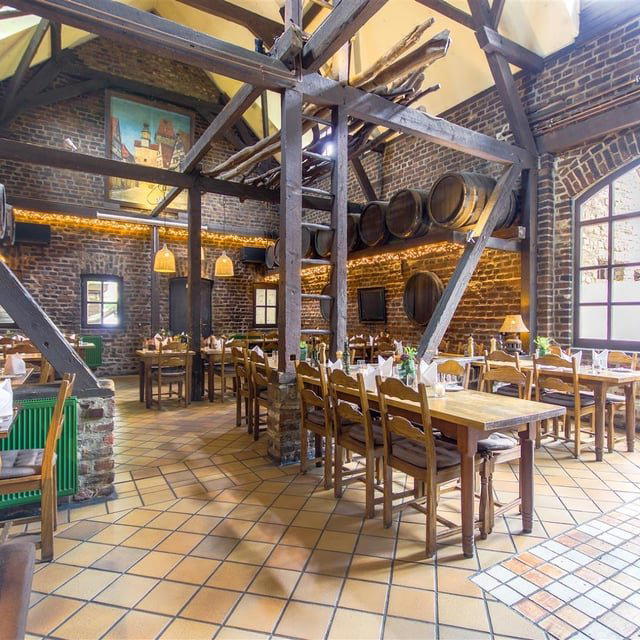
A Cologne institution on Weyerstraße, Haus Töller occupies the kind of unhurried, wood-panelled space that the city's more trend-conscious openings rarely attempt to replicate. The kitchen draws on German regional tradition, and the wine program sits at the centre of the experience rather than the margins. For visitors already mapping Cologne's serious dining options, this is a reference point worth understanding.
Pearl is the En Primeur Club membership app — saves, bookings, and concierge access live there. Same editors, same standards.
- Address
- Weyerstraße 96, 50676 Köln, Germany
- Phone
- +49 221 2589316
- Website
- haus-toeller.de
- Directions
- Get directions
 Saves & bookings on Pearl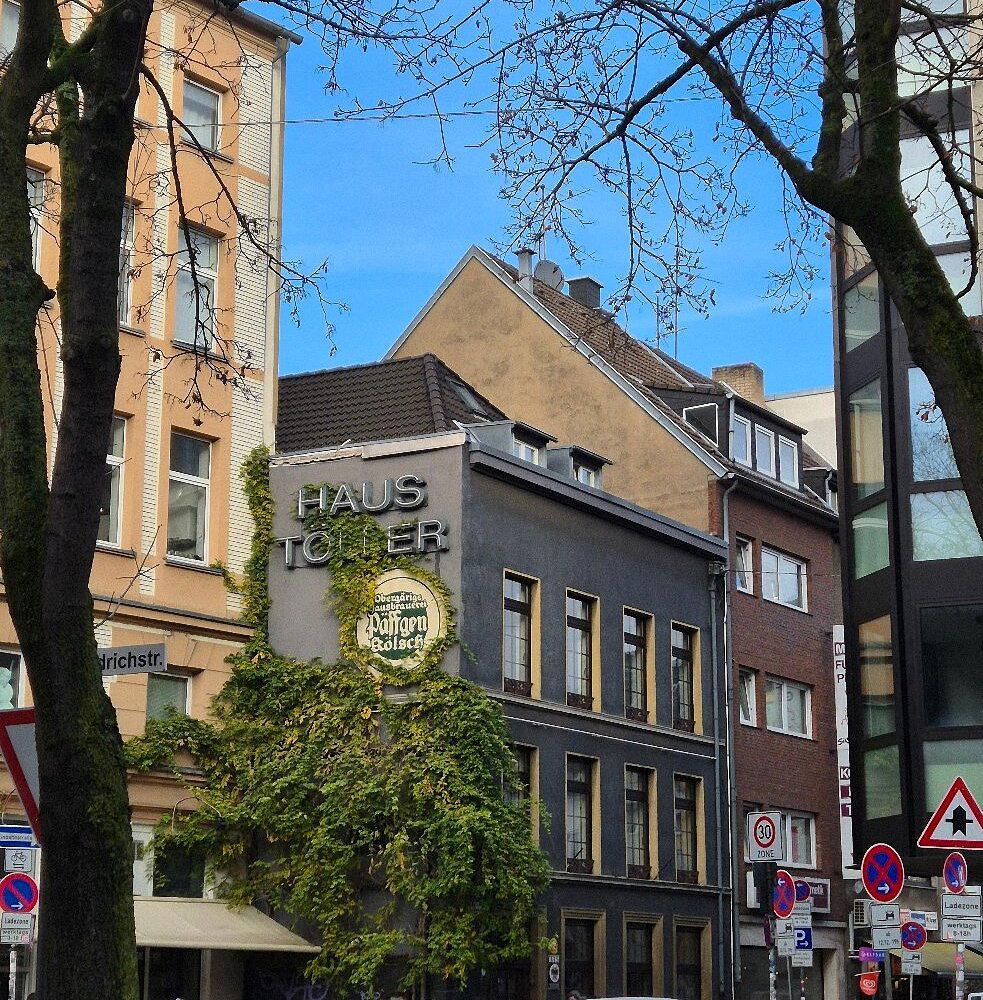
A Room That Signals Its Own Pace
There is a category of German restaurant that makes no concessions to contemporary minimalism: the walls carry years of patina, the furniture has weight, and the room itself communicates that the food and drink are the point rather than the setting. Weyerstraße, running through Cologne's southern inner city, is a street of quiet residential respectability rather than gastro-destination theatre, and Haus Töller sits on it without fanfare. That distance is part of what defines the experience: this is a room oriented toward regulars and toward people who have sought it out deliberately.
The interior belongs to a tradition of German Gaststätte that has largely retreated from city centres as rents and renovation pressures have pushed operators toward cleaner, more photographable formats. The persistence of that format at Haus Töller is part of its identity. It is the physical precondition for the kind of unhurried, wine-centred meal that defines the venue's position in the city's dining order.
Where Haus Töller Sits in Cologne's Dining Order
Cologne's serious restaurant scene has expanded considerably over the past decade. At the higher end, venues such as Ox & Klee and La Cuisine Rademacher represent the city's modern fine-dining tier, with tasting-menu formats and kitchen teams trained at international reference points. La Société and Le Moissonnier Bistro anchor the French-influenced brasserie register, while maiBeck operates in the modern regional cuisine space with a market-led approach.
The restaurant does not compete directly with any of those formats. Its competitive set is the dwindling cohort of German restaurants that treat the wine list as a primary document rather than a support function, maintain a kitchen rooted in regional tradition, and attract a clientele that plans the wine before the food. In German cities, that cohort has contracted. Where it survives, it survives because regulars protect it and because the room itself creates conditions that more format-driven restaurants cannot easily replicate.
The restaurant occupies a different register entirely from those operations, but within Cologne's tavern-and-tradition tier, it has a clear identity.
The Wine Program as the Central Argument
In Germany's more serious independent restaurants, the wine list is often the primary statement. The kitchen provides the structure and the cellar the contrast. At the tier the restaurant occupies, that means German regional bottles held with some depth, a working knowledge of grower producers rather than just branded labels, and a list that rewards guests who ask questions rather than defaulting to the by-the-glass selection.
Germany's wine geography is unusually complex for its size. Riesling from the Mosel, Rheingau, and Nahe operates across a wider stylistic range than most international drinkers expect, from bone-dry Spätlese in the GG classification to nobly sweet Auslese that can age for decades. Pinot Noir from Baden and the Ahr has moved into serious international conversation over the past fifteen years, with producers at estates comparable in ambition to Schanz in Piesport's Mosel neighbourhood or the cellars around Waldhotel Sonnora in Dreis. A well-maintained German wine list in a traditional Cologne Gaststätte should be navigating that range rather than flattening it into predictable categories.
The context matters for comparison: at the ambitious end of the German dining spectrum, wine programs at operations like Aqua in Wolfsburg or Victor's Fine Dining by Christian Bau in Perl are managed by dedicated sommeliers with cellar depth measured in decades. The restaurant does not operate at that scale or formality, but within the traditional restaurant category in Cologne, a wine-first approach is the distinguishing characteristic rather than a supplementary feature.
The Kitchen's Register
German regional cooking in a Cologne context carries specific reference points: Rheinischer Sauerbraten, the braised meat preparations that travelled well across centuries of Rhine Valley cooking, alongside seasonal vegetable treatments and the kind of cold-weather dishes that make sense in a room where people arrive intending to stay. The kitchen at a venue in the restaurant's position tends to run that register with a degree of restraint about modification. The point is not to reinterpret tradition but to execute it at a level that justifies the wine alongside it.
For visitors interested in where German cooking's more experimental energies are operating, the relevant comparison points are elsewhere: JAN in Munich, CODA Dessert Dining in Berlin, or ES:SENZ in Grassau each represent the country's more technically ambitious end. Restaurant Haerlin in Hamburg sits in the classical French tradition transplanted to German soil. The restaurant is a different proposition: German food operating in its own idiom, in a room designed for the kind of meal that is measured in hours rather than courses.
Planning a Visit
Weyerstraße 96 in the 50676 postal district of Cologne's Neustadt-Süd is accessible from the city centre by tram and a short walk. The neighbourhood has a residential character that makes the restaurant easier to reach on foot than to find by instinct for first-time visitors. Reservations are advisable for evening sittings, particularly midweek when the regular clientele tends to fill the room.
For a fuller map of what Cologne's dining scene offers across price points and formats, the EP Club Cologne restaurants guide covers the city's range from casual to formal, including the newer generation of venues competing in categories that did not exist in the restaurant's founding years.
Side-by-Side Snapshot
Comparable venues nearby, for context on price, style, and recognition.
| Venue | Cuisine | Price | Notes |
|---|---|---|---|
| Haus TöllerThis venue — the venue you are viewing | Traditional Rhenish German Brewery Pub | $$ | Not listed |
| Malz-Bierbrauerei Gerhard Fischenich | Traditional Cologne Brewpub | $$ | Altstadt/Süd |
| der gockel | German Gastropub - Grilled Chicken & Kölsch | $$ | Altstadt/Süd |
| Weltmeister | German Currywurst & Fries | $ | Neustadt/Nord |
| Kleine Glocke | Traditional German Gastropub | $$ | Altstadt/Nord |
| Curry Rico | Vegan Currywurst | $ | Altstadt/Nord |
Continue exploring
More in Cologne
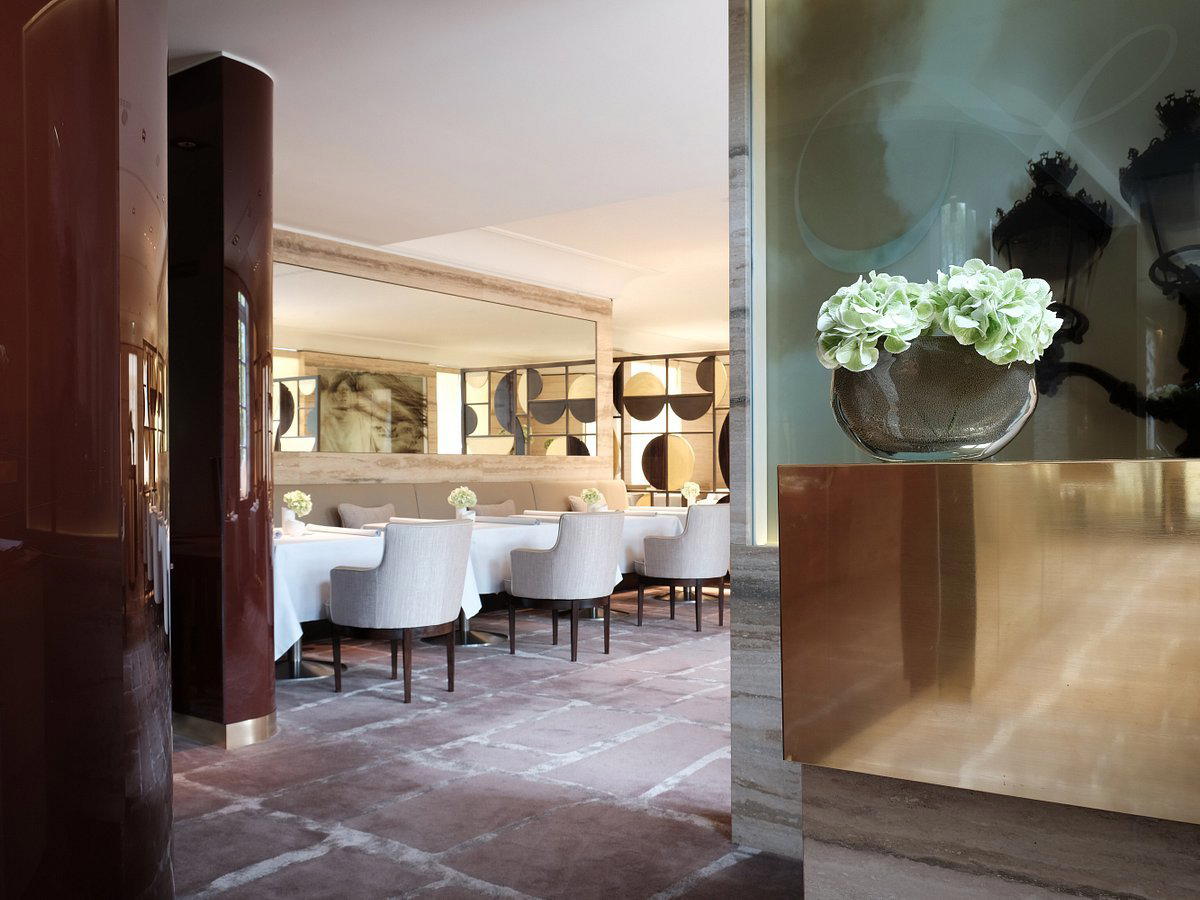
Restaurants in Cologne
Browse all →
Bars in Cologne
Browse all →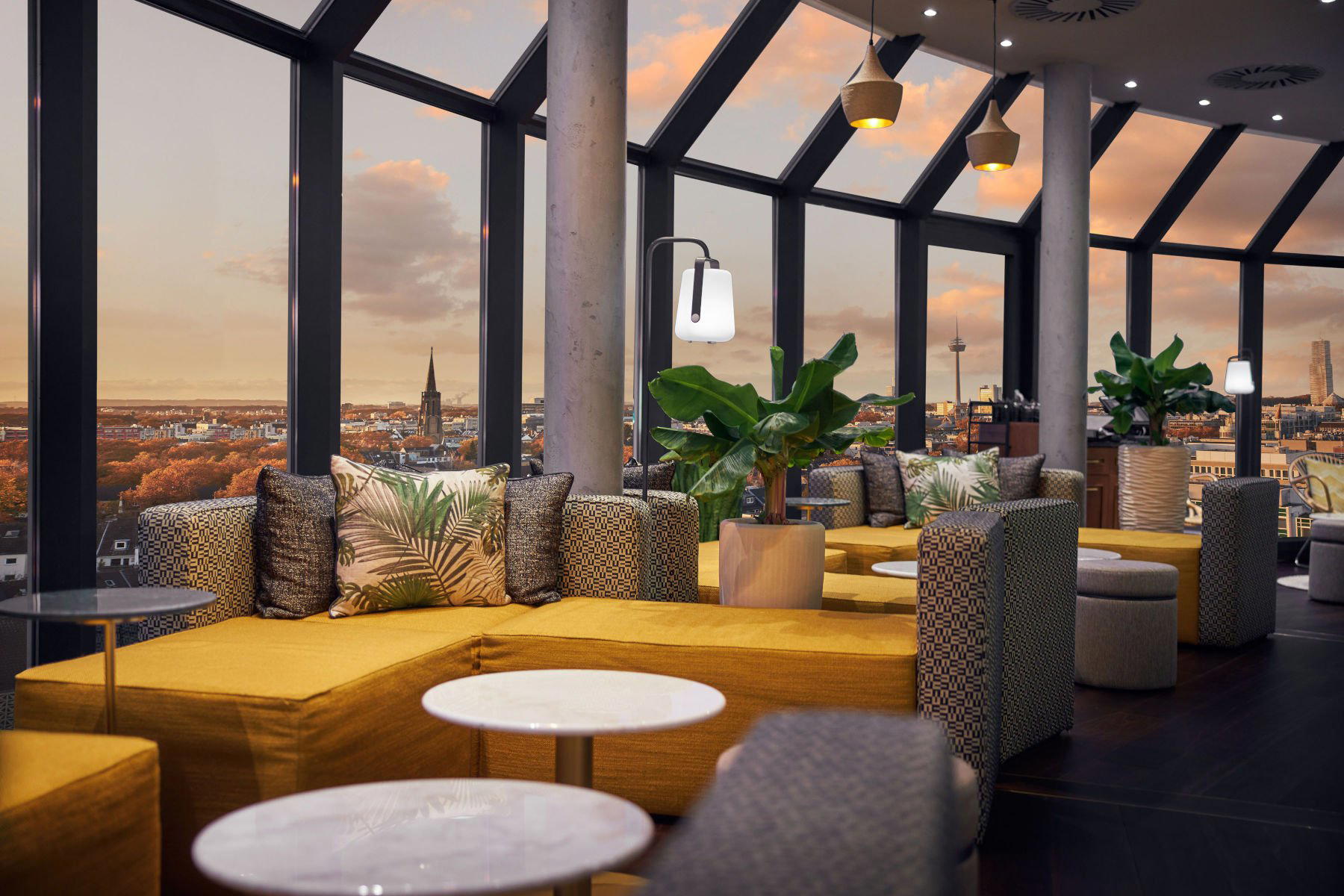
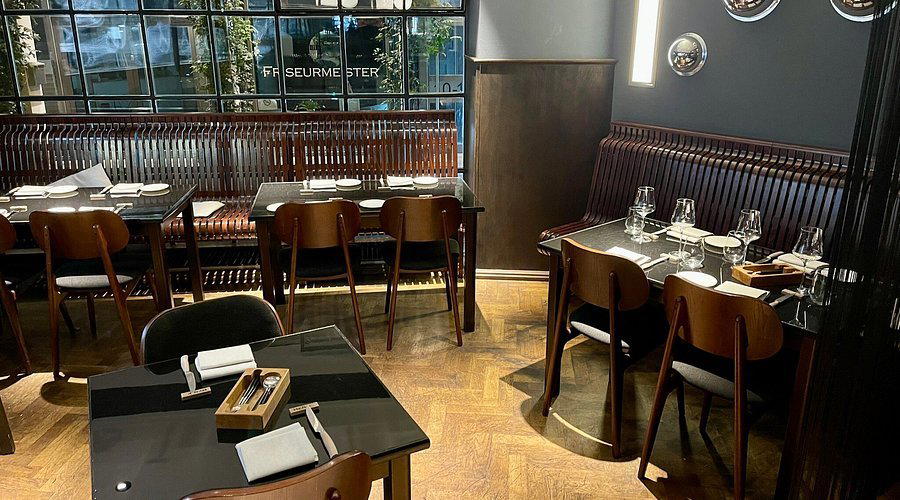
Hotels in Cologne
Browse all →

At a Glance
- Rustic
- Classic
- Cozy
- Historic
- Group Dining
- Casual Hangout
- After Work
- Historic Building
- Beer Program
Current opening hours
- Monday
- 5 PM–12 AM
- Tuesday
- 5 PM–12 AM
- Wednesday
- 5 PM–12 AM
- Thursday
- 5 PM–12 AM
- Friday
- 5 PM–12 AM
- Saturday
- 5 PM–12 AM
- Sunday
- Closed
Hours can change for holidays and private events. Last verified .