Da Mai occupies a quietly significant address in Cologne's Altstadt, where the city's appetite for international technique applied to regional produce finds a focused expression. Positioned among Cologne's serious modern dining options rather than its tourist-facing restaurant strip, it draws a crowd that arrives with a reservation and a purpose. The address alone, Andreaskloster 14, places it within walking distance of the Rhine's west bank and the city's oldest ecclesiastical quarter.
Pearl is the En Primeur Club membership app — saves, bookings, and concierge access live there. Same editors, same standards.
- Address
- Andreaskloster 14, 50667 Köln, Germany
- Phone
- +4922129862925
- Website
- damaidumpling.de
- Directions
- Get directions
 Saves & bookings on Pearl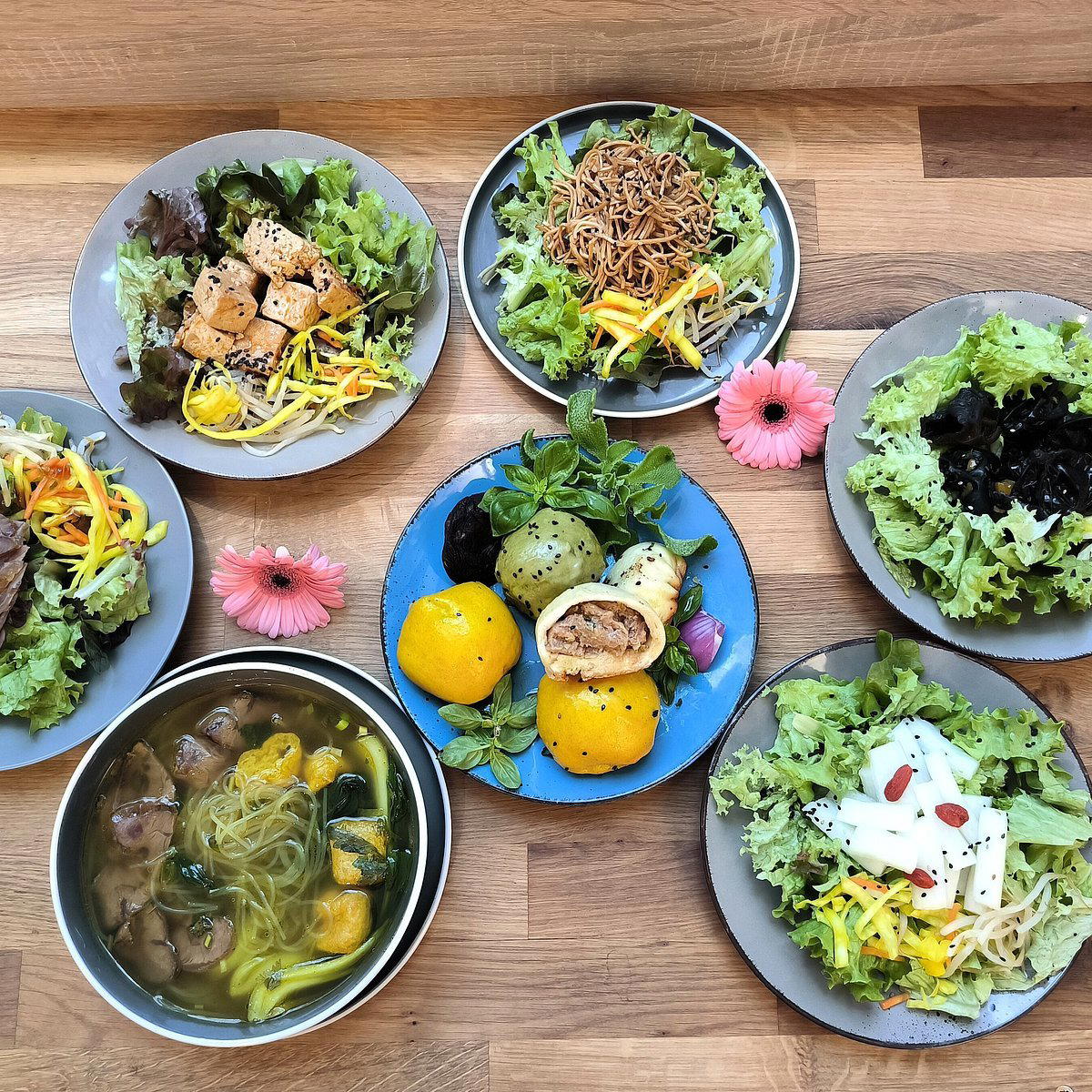
Where Cologne's Old City Meets a New Dining Register
Andreaskloster is one of those Cologne streets that tourists walk past without registering and locals treat as a quiet shortcut between the Dom quarter and the Rhine promenade. The alley runs alongside the Romanesque church of St. Andreas, and the address at number 14 sits inside a neighbourhood that has accumulated centuries of ecclesiastical architecture, postwar rebuilding, and incremental gentrification without ever quite becoming a dining destination in the way the Friesenplatz or the Belgian Quarter have. That makes it a useful context for Da Mai: a restaurant that does not announce itself through location or spectacle, but occupies a position in Cologne's modern dining conversation that rewards closer attention.
Cologne's serious restaurant scene has, over the past decade, developed a coherent identity around modern European cooking with strong technical foundations and an increasing interest in what the surrounding region, the Rhine valley, the Eifel, the Lower Rhine plain, actually produces. That pattern is visible across a comparable set that includes Ox & Klee, which works at the intersection of modern cuisine and German produce with considerable precision, and maiBeck, which applies a similar discipline at a slightly more accessible register. Da Mai enters that conversation from a position that is still being defined by the city's dining public, which is partly what makes it worth tracking.
Global Technique, Local Substance
The broader shift in German fine dining over the past fifteen years has moved decisively away from the classic French-inflected model, where imported vocabulary dominated both the menu and the kitchen philosophy, toward something more genuinely hybrid. At the three-Michelin-star level, restaurants like Schwarzwaldstube in Baiersbronn or Vendôme in Bergisch Gladbach (just outside Cologne) have long demonstrated that the discipline of classical French training can coexist with a genuine rootedness in German produce and season. Further afield, Victor's Fine Dining by Christian Bau in Perl and Aqua in Wolfsburg represent the upper tier of this synthesis, where technique is essentially stateless and the ingredient does the regional work.
Da Mai's address places it within a city where that conversation is being had at multiple price points simultaneously. La Cuisine Rademacher applies a French-inflected precision to Cologne's modern dining offer, while La Société operates at the heavier, more ambient end of modern European cooking. What connects the better entries in this peer group is an understanding that local ingredients need not mean rustic presentation, and that global technique is not the same as generic internationalism. The restaurants that get this right use imported methods as a lens rather than a substitute for regional identity.
This framing matters because it places the reader in the right position to assess Da Mai: not as an outlier or novelty, but as a participant in a city-wide negotiation between cosmopolitan technical ambition and the specific agricultural and cultural character of the Rhine-Ruhr corridor. German cuisine's relationship with indigenous products has been complicated by decades of industrialisation and the prestige pull of French and Italian cooking traditions, but the current generation of German chefs, visible in projects like JAN in Munich, ES:SENZ in Grassau, or Schanz in Piesport, has largely resolved that tension in favour of honest hybridity.
The Altstadt as a Dining Address
Cologne's Altstadt presents its own set of challenges as a restaurant location. The area's proximity to the Dom, the Rhine, and the major tourist infrastructure means that a significant share of foot traffic is transient and price-insensitive in the wrong direction, looking for Kölsch and Himmel un Ääd rather than a multi-course modern menu. The restaurants that operate successfully in this environment tend to do so by clearly separating themselves from that tourist economy: through booking-led formats, focused menus, and a room that signals seriousness without aggression. Le Moissonnier Bistro has managed a version of this for years in the adjacent Agnesviertel. Da Mai's position on Andreaskloster, a quieter, more residential-feeling pocket of the Altstadt, gives it a degree of natural insulation from the noisier parts of the old city.
For comparison at the international level, the challenge of maintaining culinary seriousness inside a heavily trafficked historic district is not distinctive to Cologne. Le Bernardin in New York City has long operated in Midtown Manhattan, and Lazy Bear in San Francisco holds a communal-dining format in the Mission despite the neighbourhood's shifting character. Location, in other words, is a constraint that serious restaurants either work around or convert into an asset. Whether Da Mai treats its Altstadt address as the latter remains an open question, but the street-level quiet of Andreaskloster at least provides the conditions for a room that can focus inward rather than compete with the Rhine-front noise.
For a broader survey of where Cologne's dining scene sits relative to its German peers, including mapped venues across the city's key neighbourhoods, the full Cologne restaurants guide provides one complete current picture. Readers interested in how Berlin's more experimental dining register compares might also note CODA Dessert Dining in Berlin and Restaurant Haerlin in Hamburg as useful calibration points for understanding how German cities beyond Cologne are handling the same technical-versus-regional tension.
Planning a Visit
Da Mai is located at Andreaskloster 14, 50667 Köln, in the northern section of the Altstadt, a short walk from the Dom and the Hauptbahnhof. The neighbourhood is navigable on foot from most central Cologne hotels, and the nearest U-Bahn stops (Dom/Hbf and Rathaus) keep transit time minimal from both the Rheinauhafen and the Belgian Quarter. For a neighbourhood with this level of foot traffic, arriving without a reservation is a meaningful risk at any serious dining address.
A Minimal comparable set
Comparable venues nearby, for context on price, style, and recognition.
| Venue | Cuisine | Price | Notes |
|---|---|---|---|
| Da MaiThis venue — the venue you are viewing | Not listed | $$ | Not listed |
| Yang Guo Fu Malatang | Not listed | $$ | Neustadt/Nord, Chinese Malatang |
| Chin Burger | Not listed | $$ | Neustadt/Nord, Authentic Shaanxi Xi'an Street Food |
| NiHao | Not listed | $$ | Neustadt/Nord, Chinese Noodle Bar with Vietnamese Influences |
| Artistanbul Meze | Not listed | $$ | Altstadt/Nord, Authentic Turkish Meze |
| Due | Lindenthal, Classic Italian | $$ | Not listed |
Continue exploring
More in Cologne
Restaurants in Cologne
Browse all →
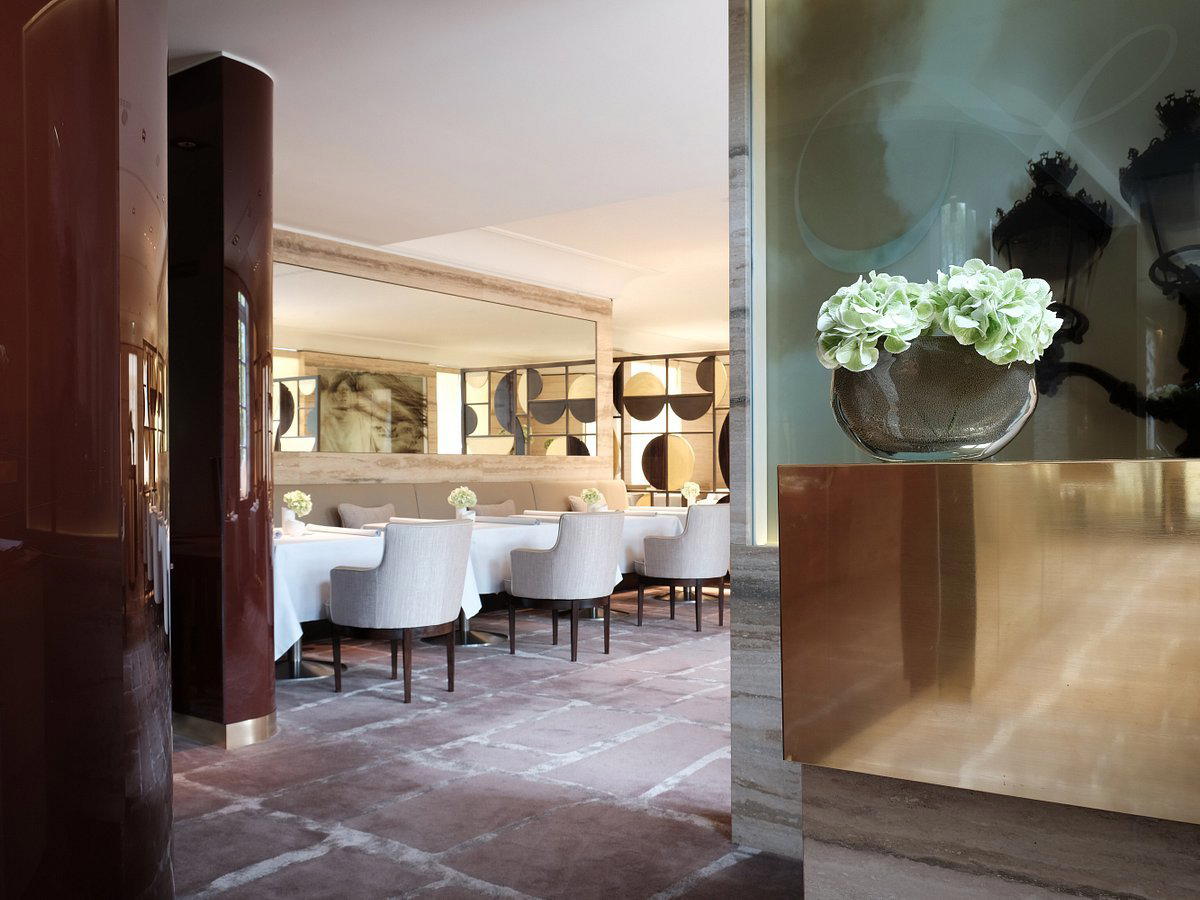
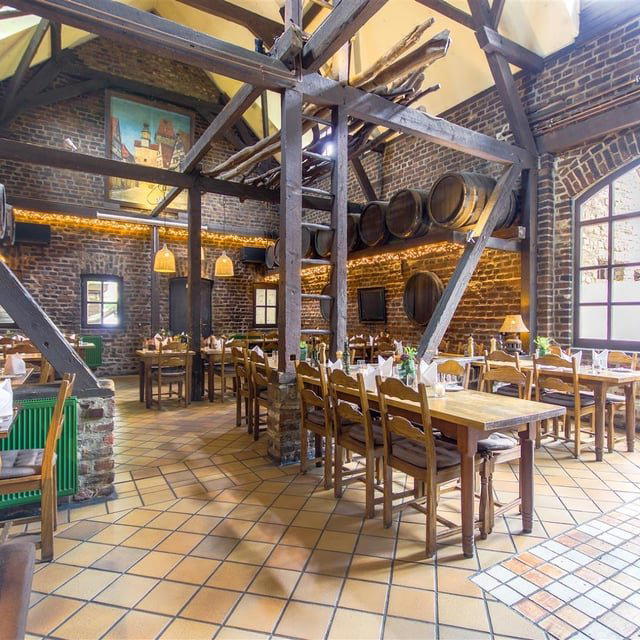
Bars in Cologne
Browse all →
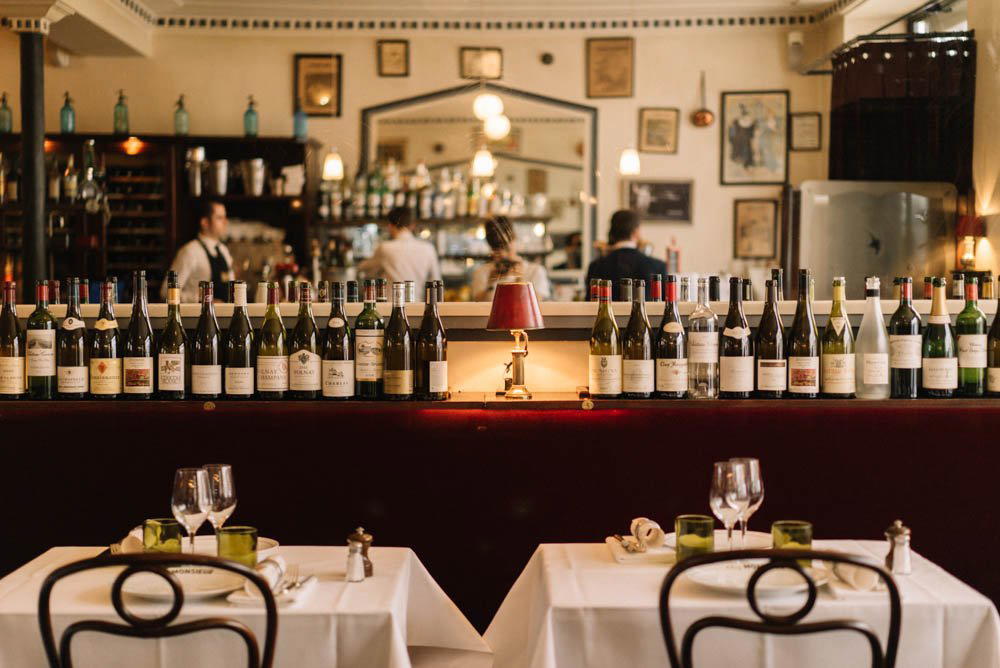
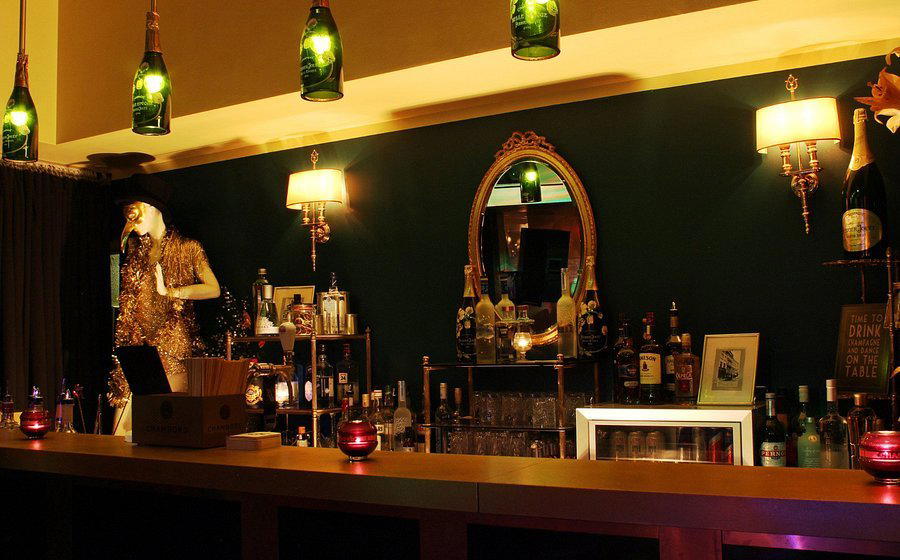
Hotels in Cologne
Browse all →

At a Glance
- Cozy
- Trendy
- Casual Hangout
- Standalone
Current opening hours
- Monday
- 11:30 AM–3 PM, 5–8 PM
- Tuesday
- 11:30 AM–3 PM, 5–8 PM
- Wednesday
- 11:30 AM–3 PM, 5–8 PM
- Thursday
- 11:30 AM–3 PM, 5–8 PM
- Friday
- 11:30 AM–3 PM, 5–8 PM
- Saturday
- 11:30 AM–8 PM
- Sunday
- Closed
Hours can change for holidays and private events. Last verified .
Casual snack bar atmosphere with focus on fresh, handmade dumplings.