Google: 4.7 · 1,290 reviews
Badessa
.png)
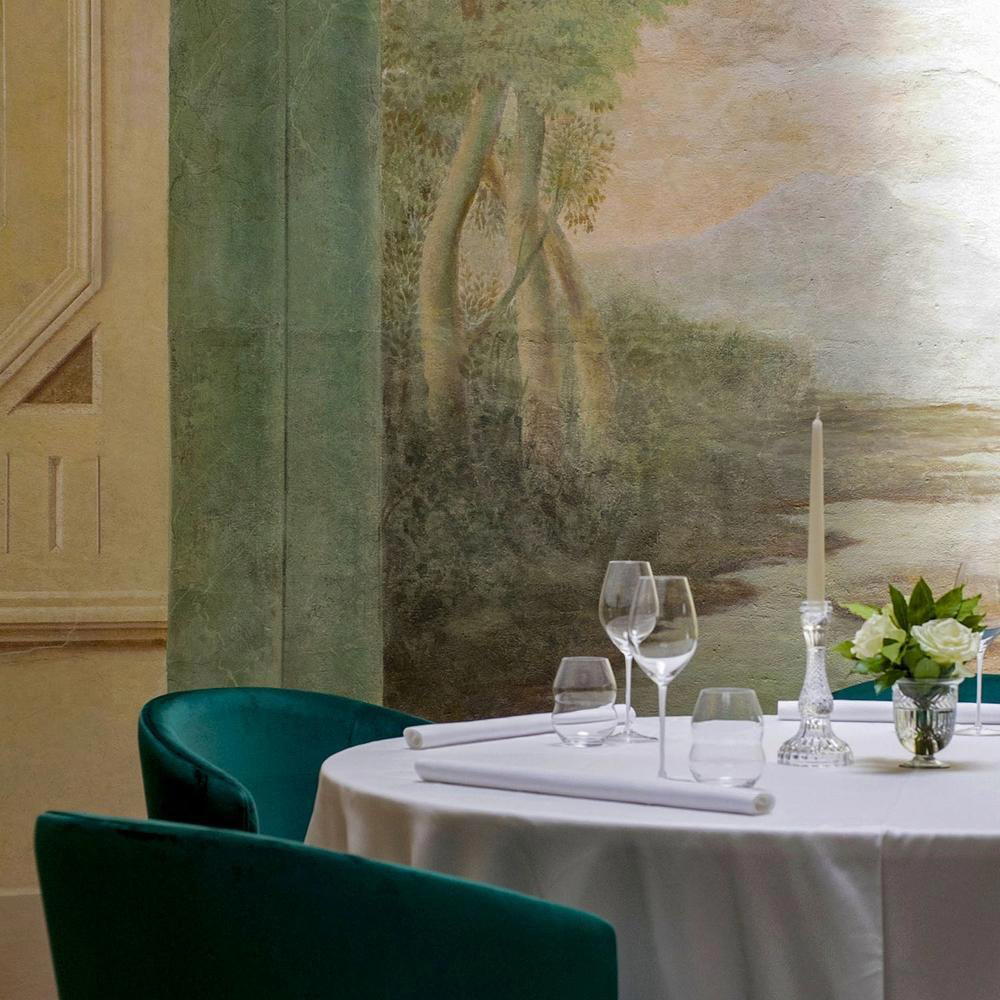
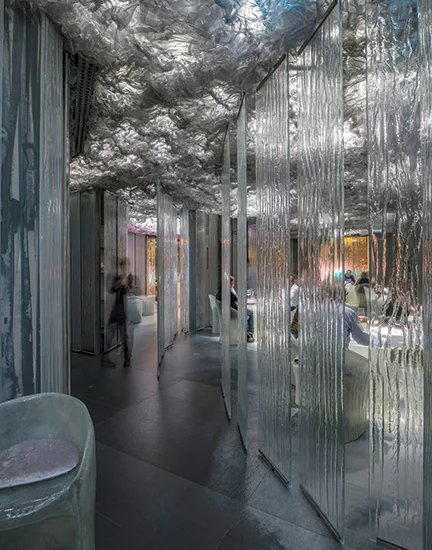
Set inside a 19th-century parmesan factory on the edge of Casalgrande, Badessa makes a compelling case for ingredient-led Emilian cooking at an accessible price point. The kitchen produces its own fresh pasta, sources local ingredients with care, and backs traditional recipes with a natural-focused wine list. A Michelin Plate in both 2024 and 2025 signals consistent recognition well outside the city circuit.
 Discover on Pearl
Pearl is the En Primeur Club membership app — saves, bookings, and concierge access live there. Same editors, same standards.
A Cheese Factory as the Starting Point
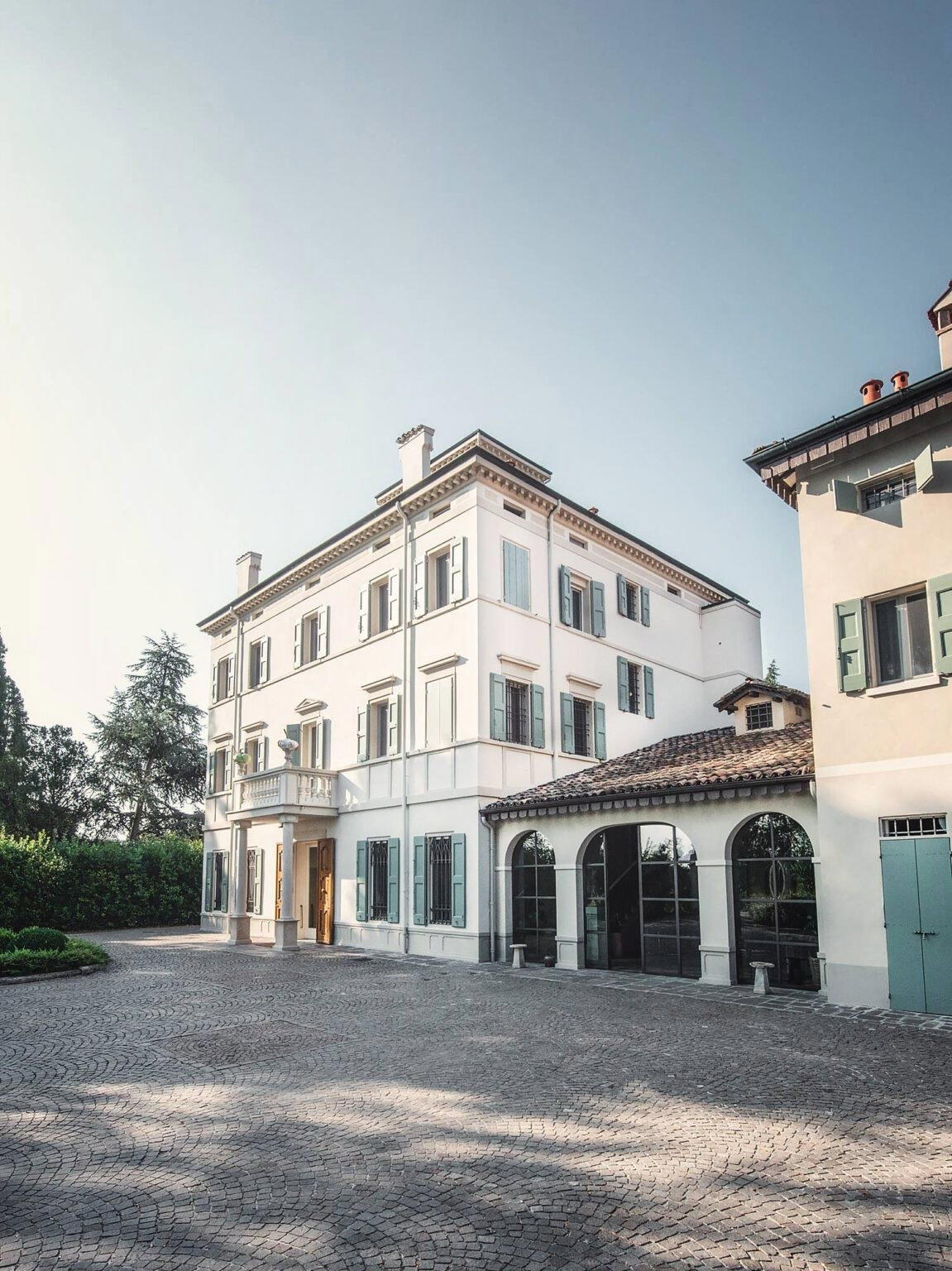
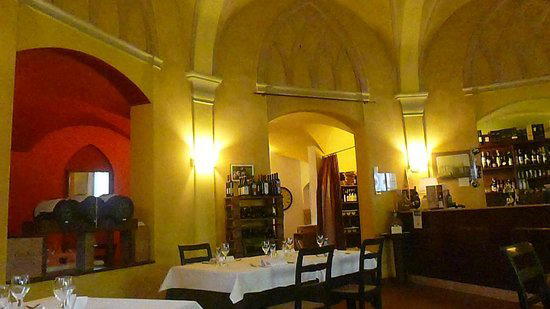
Some of the most instructive places to eat in Emilia-Romagna are not found in Modena or Parma but in the smaller comuni that supplied those cities with their raw materials for centuries. Casalgrande sits in that category: a working town in the province of Reggio Emilia, close enough to the Po Valley flatlands that Parmigiano-Reggiano production was once its defining industry. Badessa occupies the shell of a 19th-century cheese factory on Via Case Secchia, and the choice of building is not incidental. The thick walls, the functional proportions, the sense that this space was built to produce something rather than to display it — all of that carries through into the dining experience. For a fuller picture of eating and staying in the area, see our full Casalgrande restaurants guide, our full Casalgrande hotels guide, and our full Casalgrande bars guide.
Where the Ingredients Come From — and Why That Matters Here
In Emilia-Romagna, sourcing claims are everywhere. The region's agricultural identity , Parmigiano-Reggiano, Prosciutto di Parma, Lambrusco, aceto balsamico , means that every trattoria within a hundred kilometres can credibly point to local producers. What distinguishes serious kitchens from reflexive ones is the depth of that sourcing practice: whether the kitchen actively searches out old varieties and forgotten recipes, or simply buys from the nearest cooperative and calls it local.
Badessa sits in the former group. The kitchen pursues old recipes alongside contemporary technique, and a significant share of its primary ingredients , fresh pasta included , are produced in-house. In a region where fresh egg pasta is the baseline expectation, making it on-site rather than buying it in represents a choice about process that shapes the texture and flavour at the table. That production discipline, applied to Emilian staples, is what gives the cooking its coherence: the sourcing and the preparation follow the same logic.
This approach connects Badessa to a broader pattern in Italian regional cooking, where the most credible kitchens treat ingredient origin as a culinary argument, not a marketing point. Restaurants operating at entirely different price tiers , Osteria Francescana in Modena at the far end of ambition, or Arnaldo - Clinica Gastronomica in Rubiera as a regional peer , share the same foundational commitment to Emilian produce, even if their formal register is very different. Badessa's positioning at the €€ price point makes this kind of cooking accessible without compromise on the sourcing side.
Traditional Emilian Cooking with Room for Movement
The Emilian canon is demanding. Tortellini, tagliatelle al ragù, passatelli in brodo, gnocco fritto , these dishes have enough cultural weight that any deviation gets noticed. The better kitchens in this tradition do not abandon the canon; they apply technique and seasonal awareness to it, letting the ingredients make the argument for variation rather than imposing novelty for its own sake.
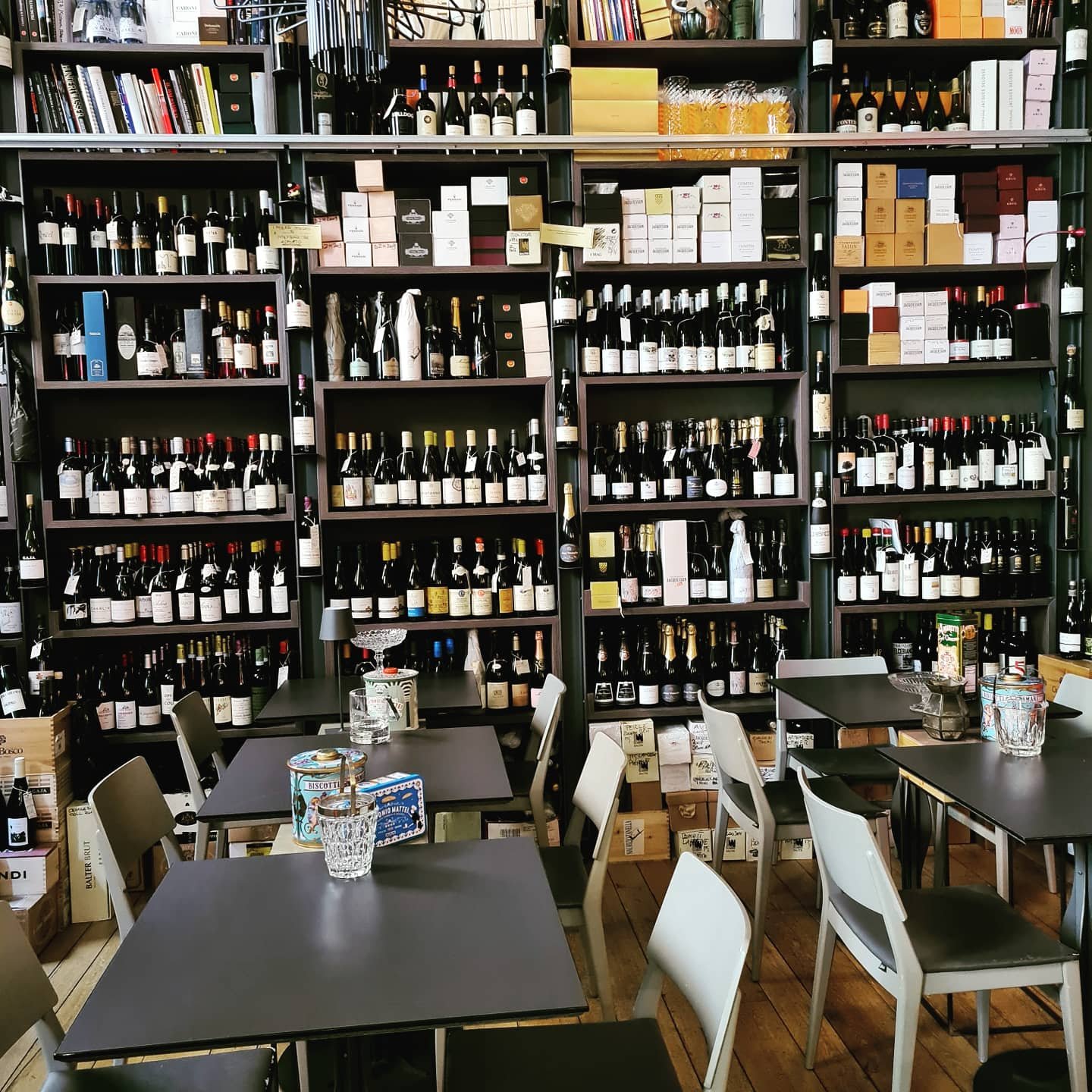
Badessa works within this framework, serving traditional Emilian dishes that occasionally carry a contemporary inflection. The natural wine list reinforces that positioning: a cellar emphasising natural labels in a region better known for its Denominazione wines signals an interest in the less industrialised end of production, which aligns with the kitchen's sourcing instincts. Our full Casalgrande wineries guide covers the broader local wine context for anyone planning a visit around the region's producers.
For comparison, the most formally ambitious expressions of Italian regional cooking , Dal Pescatore in Runate, Le Calandre in Rubano, or Enoteca Pinchiorri in Florence , operate at the three-Michelin-star tier with price points and formality to match. Badessa competes in an entirely different register: accessible pricing, a building with industrial history rather than palatial dining rooms, and a sensibility rooted in the working food culture of Reggio Emilia rather than the fine-dining circuit.
Michelin Recognition in Context
A Michelin Plate in 2024 and again in 2025 indicates consistent quality recognised by an external authority, without the formal hierarchy of star ratings. In practical terms, the Plate signals that inspectors found the cooking worth noting , an honest kitchen producing food that meets a standard , rather than a destination requiring advance planning months out. With a Google rating of 4.7 across 1,236 reviews, the local audience is equally positive: that volume of reviews at that score, for a restaurant in a small comune, points to a kitchen that performs reliably across a wide range of diners rather than only for specialists.
Other restaurants operating at a comparable regional level in northern Italy include Osteria del Viandante in Rubiera, which shares an Emilian focus and a similarly grounded approach to the region's food culture.
Planning a Visit
Badessa is on Via Case Secchia 2/a in San Donnino di Liguria, within the municipality of Casalgrande in the province of Reggio Emilia. The address places it outside the town centre, in an area that makes more sense by car than on foot , which is broadly true of this part of the Po Valley, where the leading eating is often scattered across industrial and agricultural edges rather than concentrated in any particular piazza. The €€ price range makes it a practical choice for a full meal without the advance-planning overhead of a starred destination. For anyone building a broader itinerary through the area, our full Casalgrande experiences guide covers what else is worth time in the municipality.
If you are cross-referencing against Italy's higher-end Emilian and northern Italian tables, the comparison set includes Enrico Bartolini in Milan, Piazza Duomo in Alba, Atelier Moessmer Norbert Niederkofler in Brunico, Reale in Castel di Sangro, Uliassi in Senigallia, Quattro Passi in Marina del Cantone, and Casa Perbellini 12 Apostoli in Verona , all operating at a substantially higher price tier and formality level. Badessa is not in that competitive conversation. It operates as a kitchen committed to the food culture of its specific corner of Emilia-Romagna, at a price that reflects the region's everyday relationship with good food rather than its export reputation.
How It Stacks Up
These are the closest comparables we have in our database for quick context.
| Venue | Cuisine | Price | Awards | Notes |
|---|---|---|---|---|
| Badessa | Emilian | €€ | This restaurant has a surprising location in a 19C cheese factory which once pro… | This venue |
| Atelier Moessmer Norbert Niederkofler | Italian, Creative | €€€€ | Michelin 3 Star | Italian, Creative, €€€€ |
| Dal Pescatore | Italian, Italian Contemporary | €€€€ | Michelin 3 Star | Italian, Italian Contemporary, €€€€ |
| Enoteca Pinchiorri | Italian - French, Italian Contemporary | €€€€ | Michelin 3 Star | Italian - French, Italian Contemporary, €€€€ |
| Enrico Bartolini | Creative | €€€€ | Michelin 3 Star | Creative, €€€€ |
| Osteria Francescana | Progressive Italian, Creative | €€€€ | Michelin 3 Star | Progressive Italian, Creative, €€€€ |
Continue exploring