One of Modena's oldest surviving salumerias, Hosteria Giusti has operated from the same address on Via Farini for centuries, functioning simultaneously as a cured-meat shop and a small, reservation-only dining room where the city's food traditions are practised rather than performed. The format is deliberately compact, the roster of regulars is loyal, and the connection to Emilian larder culture runs deeper here than almost anywhere else in the city.
 Discover on Pearl
Pearl is the En Primeur Club membership app — saves, bookings, and concierge access live there. Same editors, same standards.
- Address
- Via Luigi Carlo Farini, 75, 41121 Modena MO, Italy
- Phone
- +39 059 222533
- Website
- hosteriagiusti.it
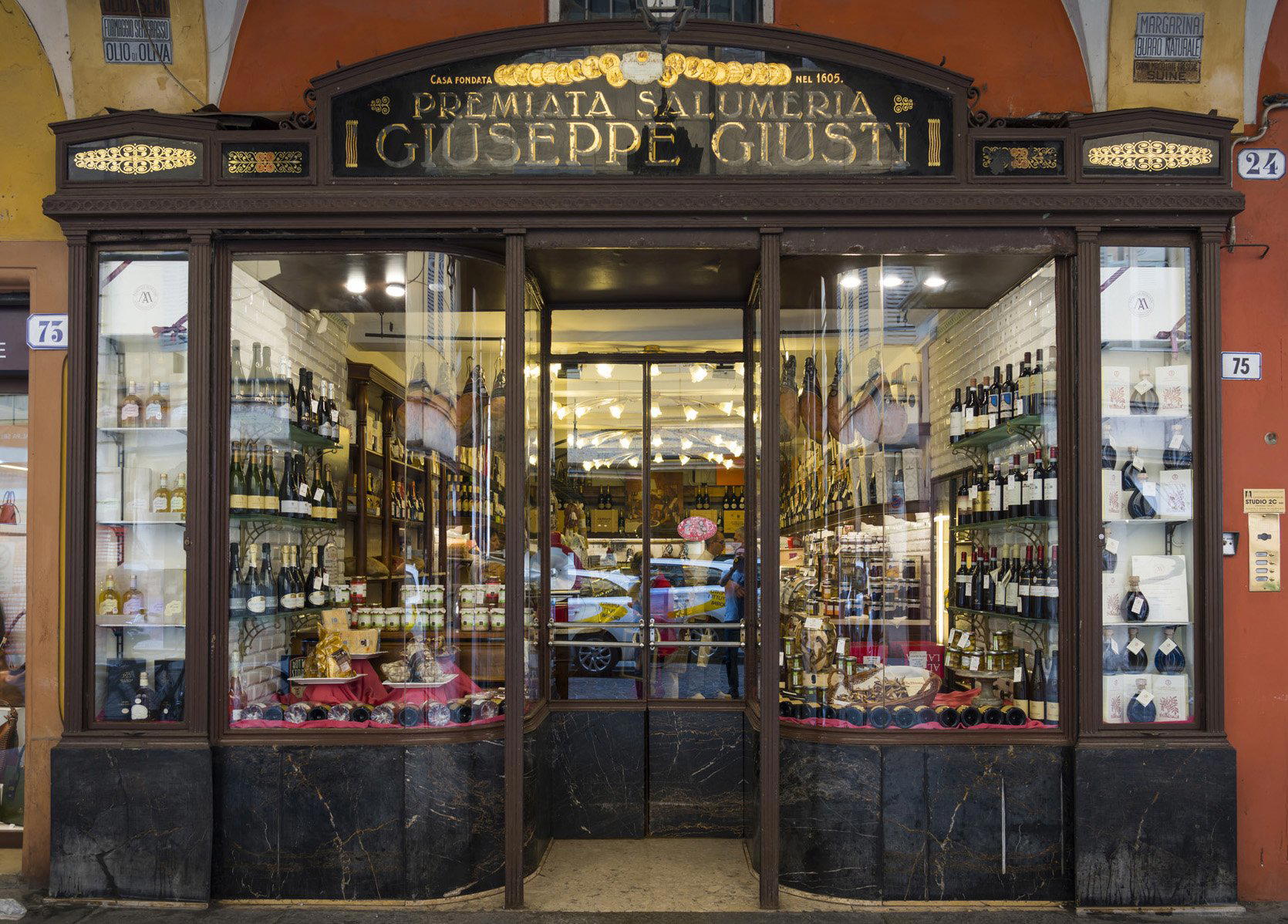
A Counter That Has Outlasted Most Restaurants in Italy
Modena's food identity rests on a handful of non-negotiable pillars: Parmigiano-Reggiano, aceto balsamico tradizionale, hand-rolled pasta, and the salumeria tradition that strings them all together. Few addresses in the city hold all of these in one room the way Via Luigi Carlo Farini, 75 does. Salumeria Hosteria Giusti has been trading from this address since the 1600s. That kind of continuity isn't nostalgia, it's a signal about what Modena's regulars have consistently chosen to return to across centuries.
The format is unusually compressed by the standards of Italian restaurants. The salumeria at the front is the main event for much of the week: shelves of cured meats, local cheeses, and preserved goods that represent the Emilian larder in its most direct form. The dining room behind it seats only a small number of covers, operates on restricted hours, and takes reservations in advance, a combination that places it at the opposite end of the spectrum from the tourist-facing trattorie that line the streets closer to Piazza Grande. This is where Modenesi shop in the morning and, when they secure a table, eat at lunch.
The Salumeria as Community Infrastructure
In Emilia-Romagna, the salumeria occupies a social role that doesn't map neatly onto the Anglo-American concept of a deli. It functions as a daily institution: a place where regulars register the season by what's on the counter, where conversations about food are treated as serious discourse, and where the sourcing of a specific prosciutto or a wedge of aged Parmigiano carries as much weight as the meal that follows. Giusti sits inside that tradition not as a heritage attraction but as a functioning participant. The shop front sells what the dining room cooks with, which creates a visible chain between product and plate that most restaurants in any city can only approximate.
That directness sets the register for the whole experience. Italian food culture has always maintained a distinction between eating well and eating elaborately, and establishments like Giusti represent the former at its clearest. The emphasis falls on the quality of raw materials, the correctness of technique, and the coherence of a menu that doesn't need to signal ambition because the ingredients do that work themselves. Modena's dining scene has expanded considerably in recent decades, with internationally recognised restaurants drawing visitors from across Europe and beyond, but the city's food identity was shaped long before that period by places operating precisely as Giusti does.
What the Dining Room Represents
The hosteria side of the operation functions more like an extension of the shop than a separate restaurant. The menu draws directly from what the salumeria stocks: tigelle, gnocco fritto, mixed cured meat boards, fresh pasta in forms that haven't changed because there's no reason to change them. Tagliatelle al ragù in Modena is not the same dish as the Bolognese version that travels internationally; it is specific to this province, and establishments that have been making it across generations carry an institutional knowledge of proportion and technique that is genuinely difficult to replicate. Giusti is one of those establishments.
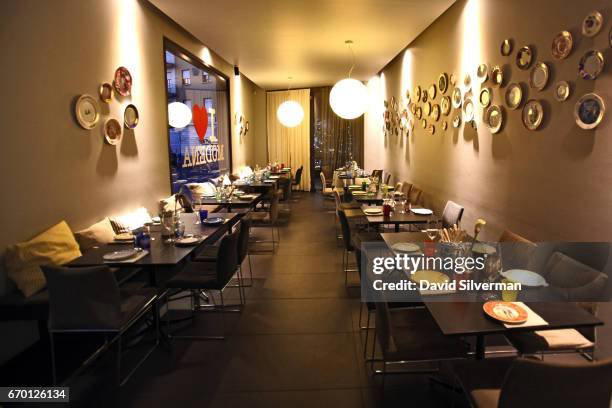
The small dining room operates at the quiet end of the volume dial. There is no music policy to mention, no designed atmosphere to describe, the atmosphere comes from the fact that the room is full of people who chose to be there specifically, not people who wandered past. That self-selection produces a particular kind of energy: concentrated, purposeful, local in character. It is categorically different from the lunch service at a restaurant that has absorbed its identity into an international reputation. Visitors who are used to booking well-known Italian restaurants through concierge services may find the format here more demanding in terms of planning.
Comparing the Format Across Italy
Combination of retail shop and reservation-only dining room is rare anywhere. In cities like Milan, Rome, Naples, and Florence, the equivalent energy tends to flow through bars and cocktail operations, 1930 in Milan, Drink Kong in Rome, Gucci Giardino in Florence, and L'Antiquario in Naples each represent their city's version of the serious local address. Giusti occupies a different category entirely: it is the food-retail equivalent, a place where the product on the shelf and the food on the plate share the same institutional identity.
Planning a Visit
The dining room opens at lunch only and requires a reservation. The address on Via Farini puts it within easy walking distance of the city centre, and the street itself is part of the historic quarter that repays exploration at either end of a meal. Arriving early, before the shop fills, gives time to read the counter carefully before deciding what to order in the dining room.
Continue exploring
More in Modena
Bars in Modena
Browse all →
Restaurants in Modena
Browse all →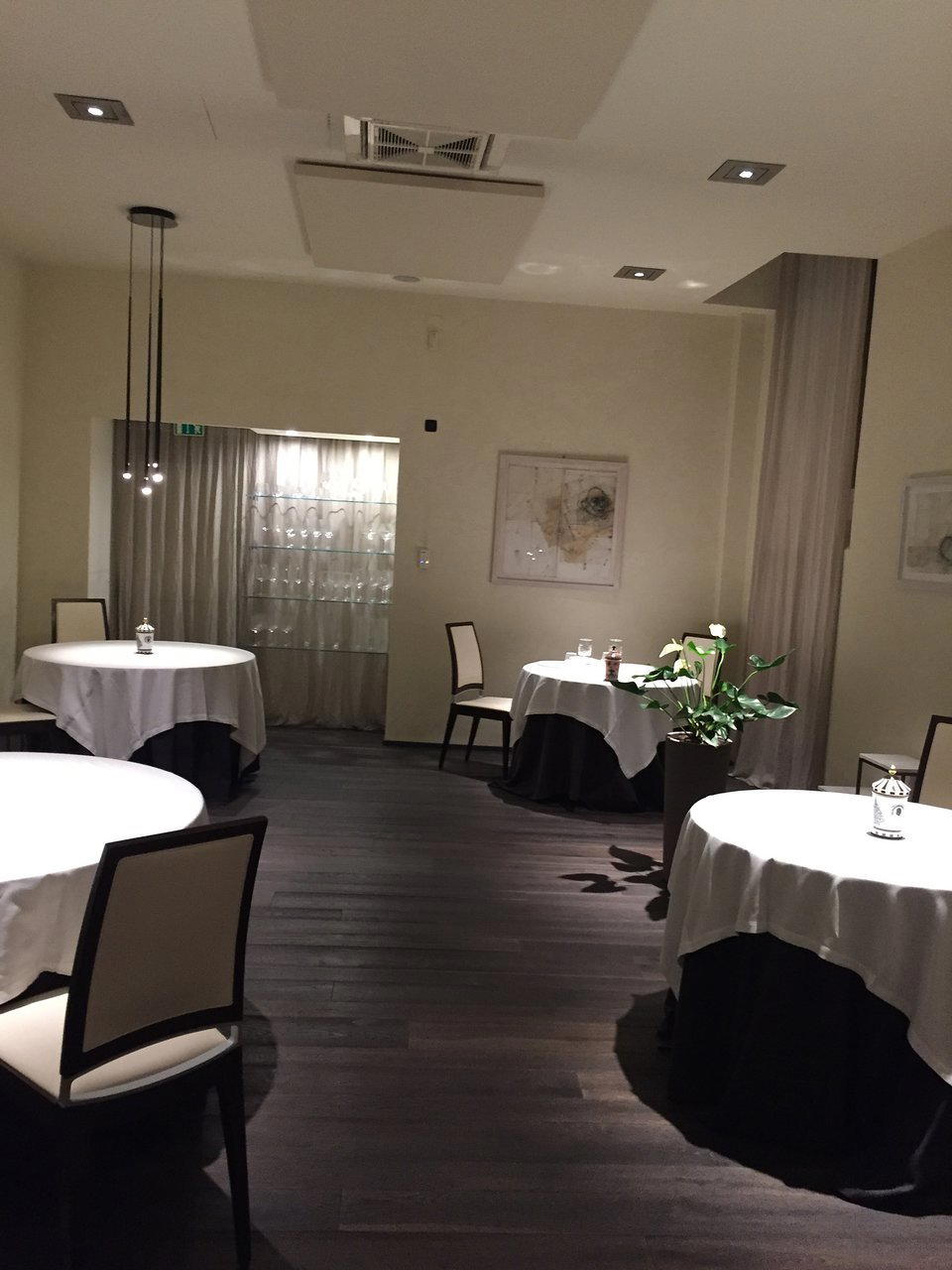
Hotels in Modena
Browse all →

At a Glance
- Classic
- Rustic
- Intimate
- Iconic
- Special Occasion
- Historic Building
- Seated Bar
- Conventional Wine
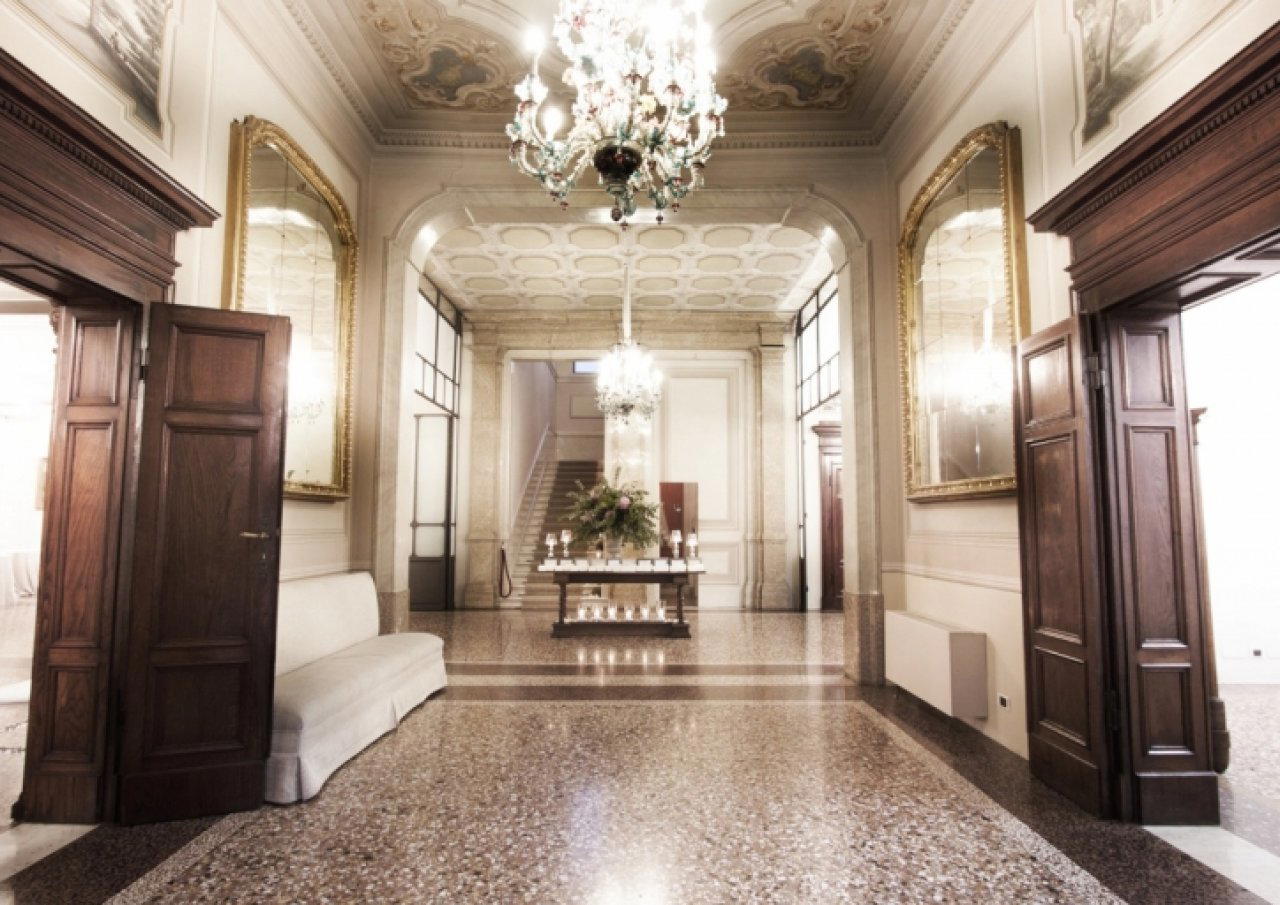
Retro-style room with an intimate, elegant atmosphere evoking Modenese culinary heritage.