

Michelin Plate · Wine Spectator Award of Excellence
Our verdict
Housed in a converted watermill on the outskirts of Modena, La Masseria brings Apulian cooking north with a vegetable-forward antipasti buffet, handmade pasta, and open-grill meat dishes. A Michelin Plate holder in both 2024 and 2025, it sits in a distinct tier from the city's fine dining addresses, offering southern Italian tradition at accessible prices with a wine list spanning 320 selections.

Pearl is the En Primeur Club membership app, where members save venues, book tables and use the concierge.
The menu
What to order
- Orecchiette con cime di rapa
- Vegetable pies
- Cavajoli
- Parmigiana di melanzane
- Lamb chops
- Bruschetta
A Southern Kitchen in the Po Valley
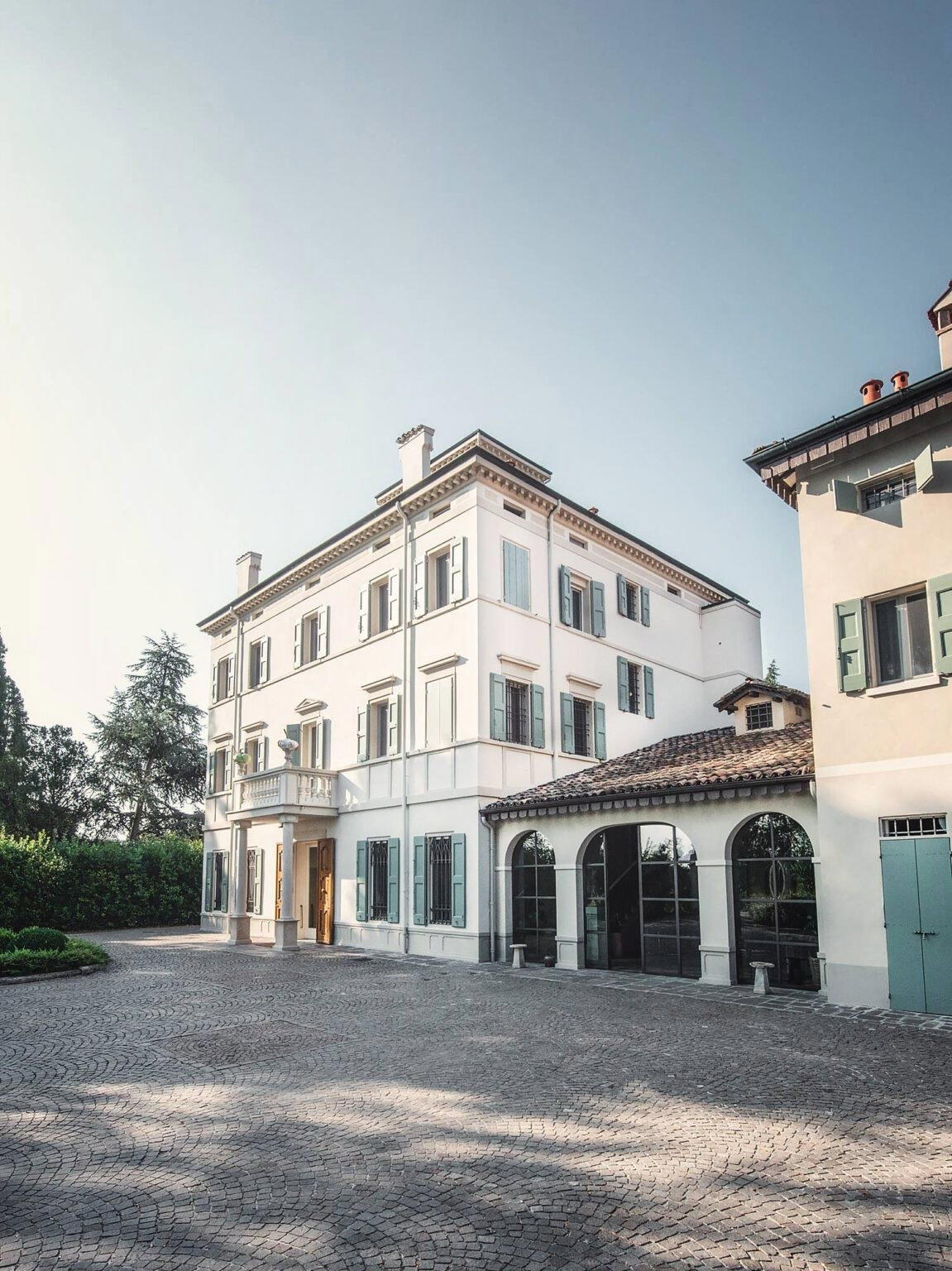
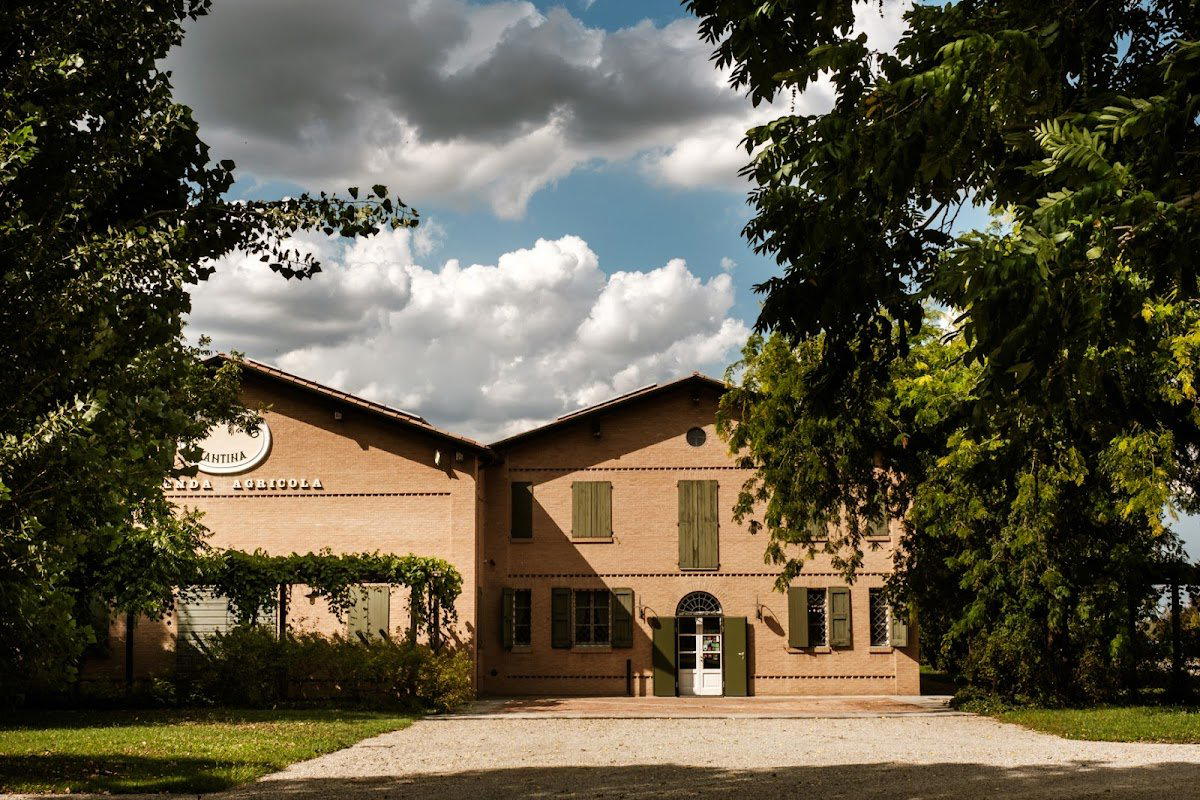
The approach to La Masseria prepares you for something at odds with Modena's city-centre restaurants. The building is a converted watermill along a rural road in Marzaglia, a small settlement southwest of the city, and the structure itself sets expectations: exposed stone, working agricultural bones, the kind of physical history that Emilia-Romagna's countryside still quietly preserves. What happens inside, though, is a transplant rather than a local expression. The kitchen cooks Puglia here, not Emilia, and that displacement from the deep south into the Po Valley is the defining tension that makes La Masseria worth understanding on its own terms.
Apulian cuisine in northern Italy occupies a specific cultural role. It reads as comfort food to immigrants from the south and as novelty to Modenese diners accustomed to tortellini in brodo and Lambrusco-braised meats. La Masseria sits at that intersection, and the result is a restaurant that draws from both audiences without fully belonging to either's fine dining tradition. The Michelin Plate recognition in both 2024 and 2025 confirms a consistent kitchen standard, though the award marks quality cooking rather than technical ambition. The peer comparison here is not Osteria Francescana or L'Erba del Re. It is the broader category of regional Italian cooking done with precision and regional integrity.
What the Room Asks of You
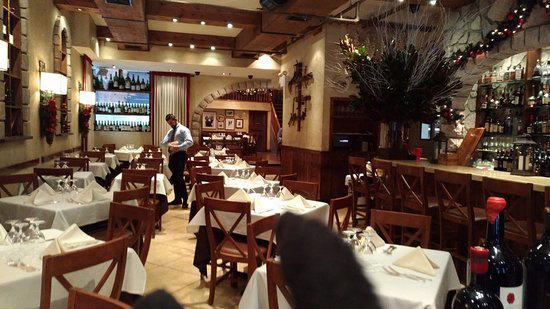
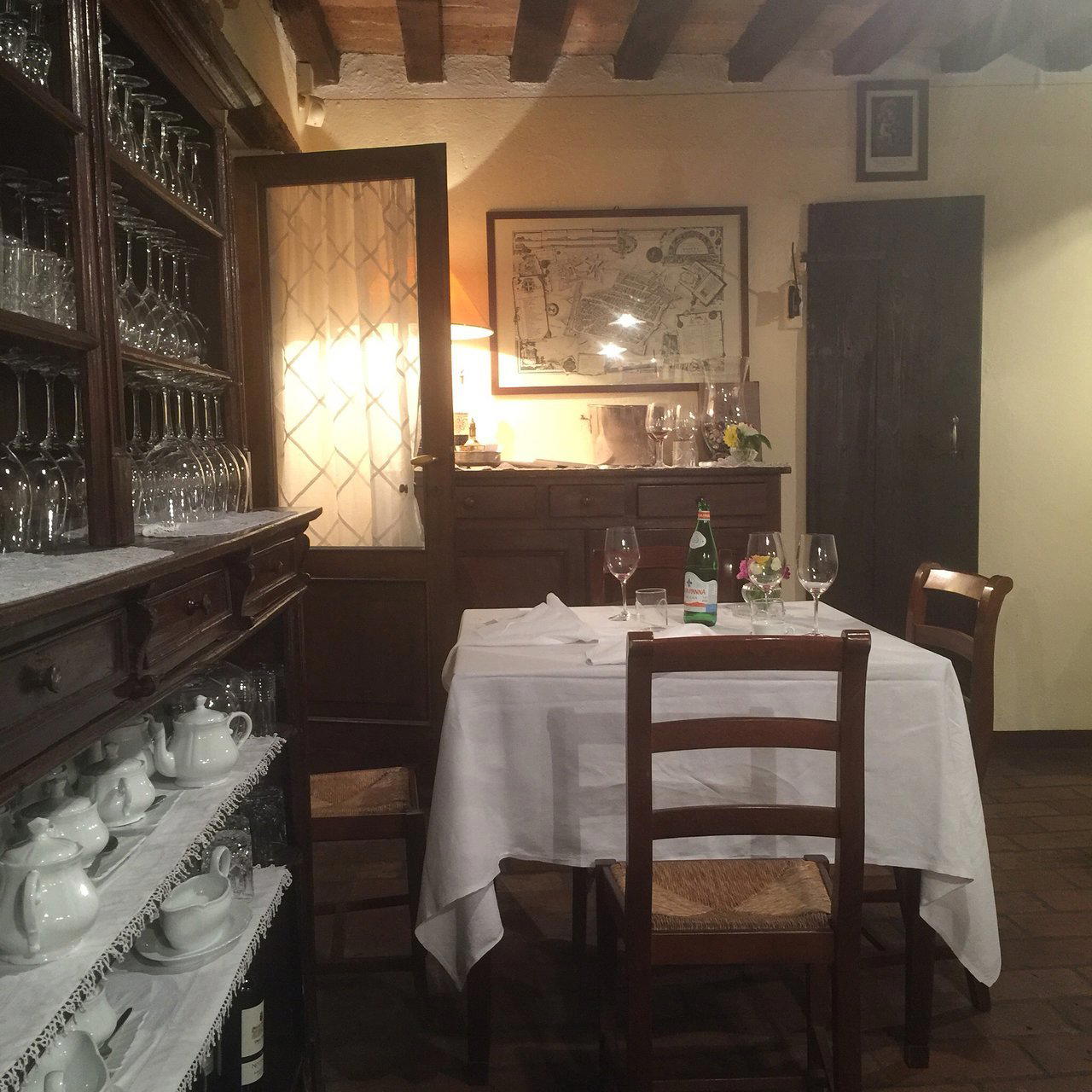
The watermill setting produces an atmosphere that works in the building's favour. Stone walls absorb sound differently than modern dining rooms, and the spatial logic of an old mill, with its irregular rooms and working architecture, creates the impression of eating somewhere that existed before restaurants were a concept. The sensory register is grounded and rural: the smell of grilled meat over open charcoal, the visual weight of antipasti arranged across a buffet that signals abundance without formality. This is a table-setting in the older sense, where the meal begins before anyone sits down.
Among Modena's dining options, this kind of experience sits in a category largely absent from the central city. Al Gatto Verde works open-fire cooking into a contemporary format; Antica Moka and Casa Maria Luigia operate in progressive Italian registers. La Masseria's proposition is different: a regionalist kitchen with a specific southern Italian identity, operating at a price point (single euro sign, roughly €40–65 for a two-course meal by Michelin's own classification) that makes it accessible in a city where the leading end has moved well beyond that range.
The Menu's Architecture
The structure of the meal at La Masseria follows Apulian logic rather than contemporary tasting-menu conventions. It begins with an antipasti buffet built around vegetables, a tradition rooted in Puglia's agricultural economy and its centuries of cucina povera practice. Puglian cuisine has always treated vegetables as the main event rather than a preliminary gesture, and the buffet format here communicates that directly. Diners build their own start, which means engagement with the food precedes the formal service, and the rhythm of the meal is set by the diner's own pace.
Handmade pasta follows, and this is where the southern identity becomes most specific. Apulian pasta traditions differ from Emilian ones in technique and shape: the region's orecchiette, cavatelli, and strascinate are made without egg, using semola di grano duro and water, producing a firmer, chewier texture than the egg-rich silks of Emilia. The contrast with what the region's canonical restaurants produce is instructive for any diner who has eaten their way through Modena's fine dining circuit.
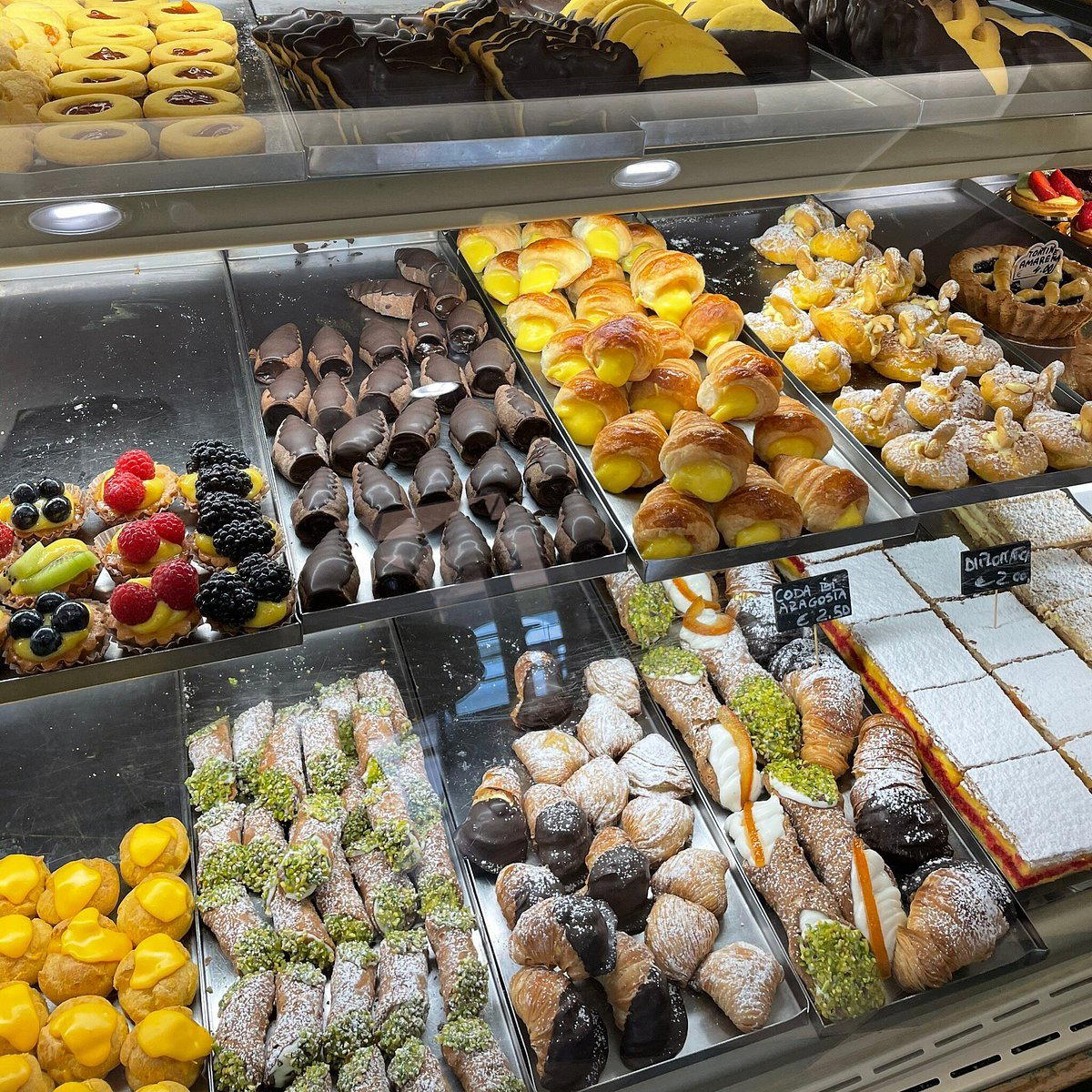
Main dishes split between baked vegetable preparations and meat cooked over a grill, the latter carrying the smokiness that open-fire cooking introduces and that the stone building's ventilation manages. Dessert arrives in a basket, a presentation choice that reinforces the domestic rather than theatrical frame the kitchen has established throughout. Chocolate-covered dried fruit and nuts feature among the sweet selections, snacks as much as plated courses.
For context on how Apulian cooking operates at higher price points elsewhere in Italy, Casa Sgarra in Trani and Pashà in Conversano demonstrate what the region's cuisine looks like when it carries more formal ambition. La Masseria's value is different: it is southern Italian cooking in its communal, abundant, unfussy form, operating far from home.
The Wine List in Context
A 320-selection wine list with an inventory of 3,800 bottles is a serious commitment for a single-euro-sign restaurant. Wine Director Vincenzo Ruggiero has built a list with declared strengths in Piedmont and Tuscany, the two most internationally traded Italian fine wine regions, with pricing that spans entry bottles under €50 through to a range of higher options. The corkage fee is set at €50 for those who bring their own bottles.
The list's Piedmont and Tuscany orientation is worth noting against the kitchen's Apulian identity: the wine program does not mirror the food's regionalism, which means diners looking for Primitivo, Negroamaro, or Fiano di Avellino may need to search the list carefully. For the kind of deep southern Italian wine pairing that Apulian cuisine rewards, the selection will require some navigation. That said, a 3,800-bottle inventory at a restaurant of this price tier is the kind of commitment that signals wine is taken seriously here beyond what the cuisine pricing alone suggests. For comparison, Enoteca Pinchiorri in Florence represents the upper extreme of Italian restaurant wine programs; La Masseria operates in a different tier but with more depth than the restaurant category typically demands.
Italy's regional wine culture has become a stronger point of interest across the fine dining spectrum, with restaurants from Dal Pescatore in Runate to Le Calandre in Rubano building programs that speak to territory. La Masseria's list leans toward the commercial mainstream of Italian wine rather than the localist position, but the depth compensates.
Planning a Visit
La Masseria is located at Strada Chiesa Marzaglia 61 in Marzaglia, outside Modena's centro storico, which means the visit requires a car or a taxi. The address places it in a rural area southwest of the city, away from the dense restaurant corridor that runs through central Modena. Lunch and dinner service are both available, making it a viable option for either meal. The restaurant receives a Michelin Plate, the guide's marker for restaurants serving food of good quality; it does not carry a Michelin star, and the cooking's ambition sits in regional tradition rather than technical innovation.
For a fuller picture of what Modena's dining, drinking, and hospitality offer across different registers, our full Modena restaurants guide covers the city's range from neighbourhood trattorias to the starred addresses. Our Modena hotels guide, bars guide, wineries guide, and experiences guide map the broader visit. Those extending into northern Italy's broader fine dining circuit will find reference points at Enrico Bartolini in Milan, Atelier Moessmer Norbert Niederkofler in Brunico, and Piazza Duomo in Alba.
Frequently asked questions
Can I walk in to La Masseria?
The restaurant sits at Strada Chiesa Marzaglia 61 in Marzaglia, outside Modena's centro storico, and requires a car or taxi to reach, there is no practical pedestrian access from the city centre. Given the Michelin Plate recognition in both 2024 and 2025, booking ahead is the safer approach.
What's La Masseria best at?
The case for La Masseria rests on two things: house-made Apulian pasta in a region dominated by Emilian traditions, and a wine list of 320 selections across 3,800 bottles, a serious inventory for a restaurant in the single-euro-sign price bracket. Wine Director Vincenzo Ruggiero's strengths are Piedmont and Tuscany.
A Quick Peer Check
| Venue | Cuisine | Price | Awards | Notes |
|---|---|---|---|---|
| La MasseriaThis venue (the venue you are viewing) | Traditional Apulian | $50–100 | Michelin Plate · Wine Spectator Award of Excellence | Not listed |
| Osteria Francescana | Avant-Garde Italian Contemporary | $300–500 | 3 Michelin Stars · World's 50 Best #1 | Progressive Italian, Creative |
| Al Gatto Verde | Modern Italian Wood-Fired Cuisine | $100–150 | 1 Michelin Star · World's 50 Best #92 | Woodfire Cooking, Contemporary |
| Hosteria Giusti | Traditional Emilian Osteria | Not listed | Michelin Plate | Not listed |
| L'Erba del Re | Modern Emilian Fine Dining | $150–200 | 1 Michelin Star | Creative |
| Casa Maria Luigia | Modern Italian Fine Dining | Not listed | La Liste Top Restaurants | Not listed |
Recognition history
Dated appearances from independent guides and award organizations, with the underlying list record or original source where available.
Michelin Plate
Michelin
Wine Spectator Award of Excellence
Wine Spectator
Full recognition history (4 entries)
Michelin Plate
Michelin
Michelin Plate
Michelin
Continue exploring
More in Modena
Restaurants in Modena
All restaurants in Modena →
Bars in Modena
All bars in Modena →

La Masseria
The wine
La Masseria holds the Wine Spectator Award of Excellence, which Wine Spectator gives to lists of usually 90 or more selections.
- Wine Spectator
- Wine Spectator Award of Excellence
- Selections
- 220
- Bottles in cellar
- 1,680
- List strengths
- Italy
- Wine director
- Vincenzo Ruggiero
- Sommelier-led
Details
- Cozy
- Elegant
- Rustic
- Romantic
- Classic
- Date Night
- Family
- Group Dining
- Celebration
- Special Occasion
- Garden
- Historic Building
- Private Dining
- Terrace
- Sommelier Led
- Local Sourcing
- Garden
- A La Carte
- Family Style
- Wine
- Grappa
- Vegetarian Friendly
- Allergy Accommodating
Current opening hours
- Monday
- Closed
- Tuesday
- 12:30–2 PM, 8–9:30 PM
- Wednesday
- 12:30–2 PM, 8–9:30 PM
- Thursday
- 12:30–2 PM, 8–9:30 PM
- Friday
- 12:30–2 PM, 8–9:30 PM
- Saturday
- 12:30–2 PM, 8–9:30 PM
- Sunday
- 12:30–2 PM
Hours can change for holidays and private events. Hours as of .
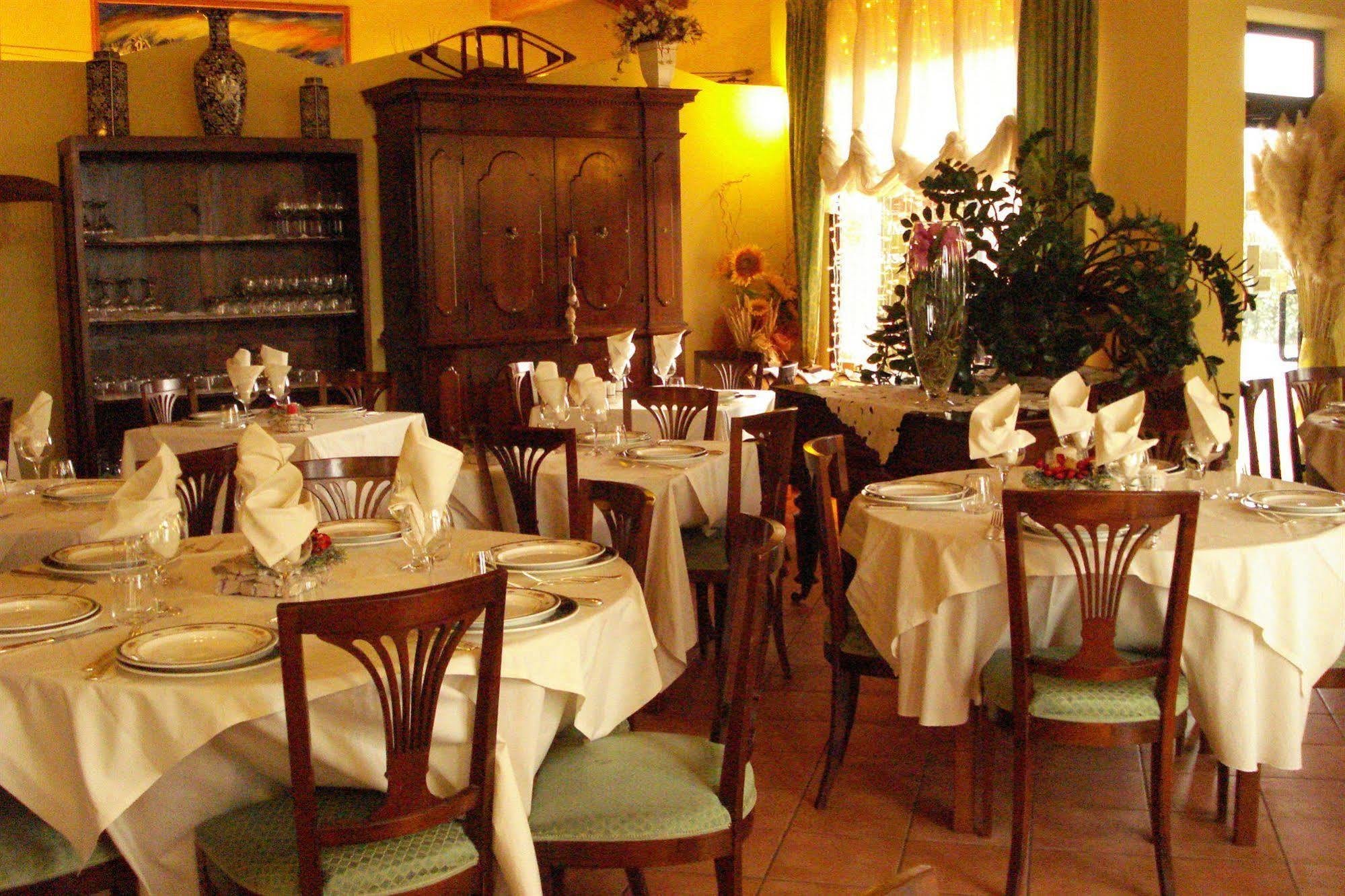
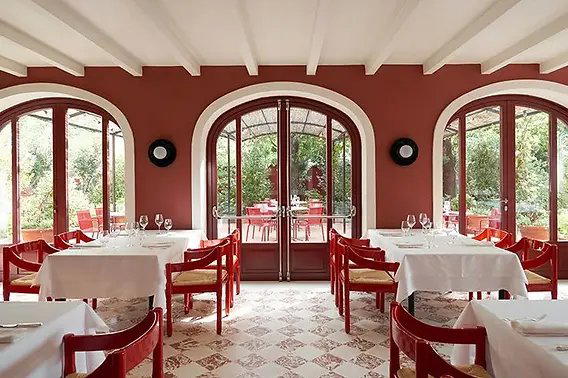
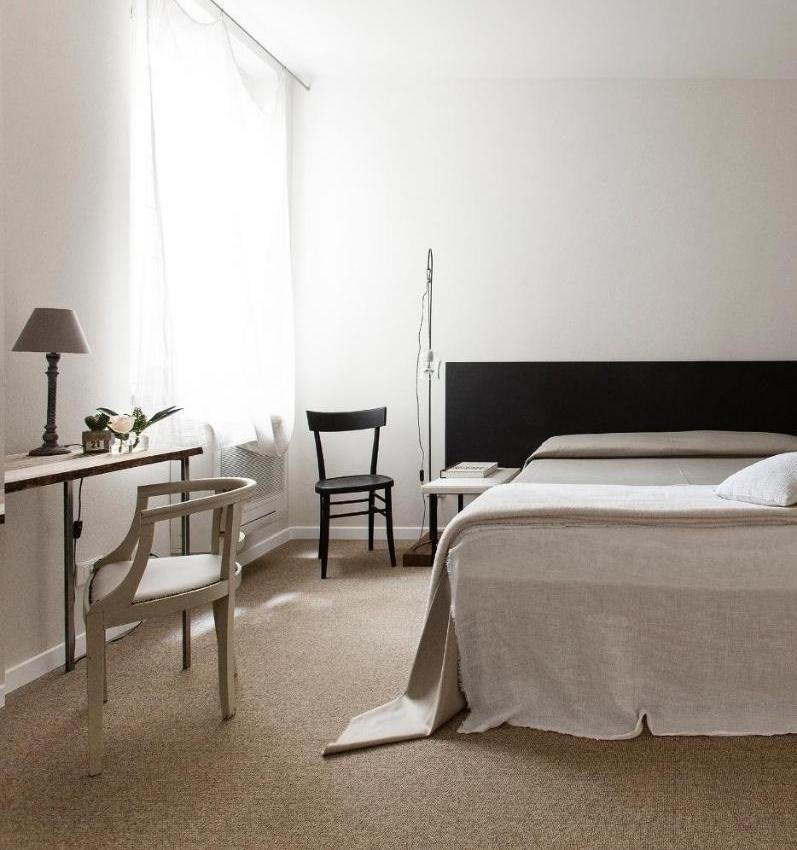
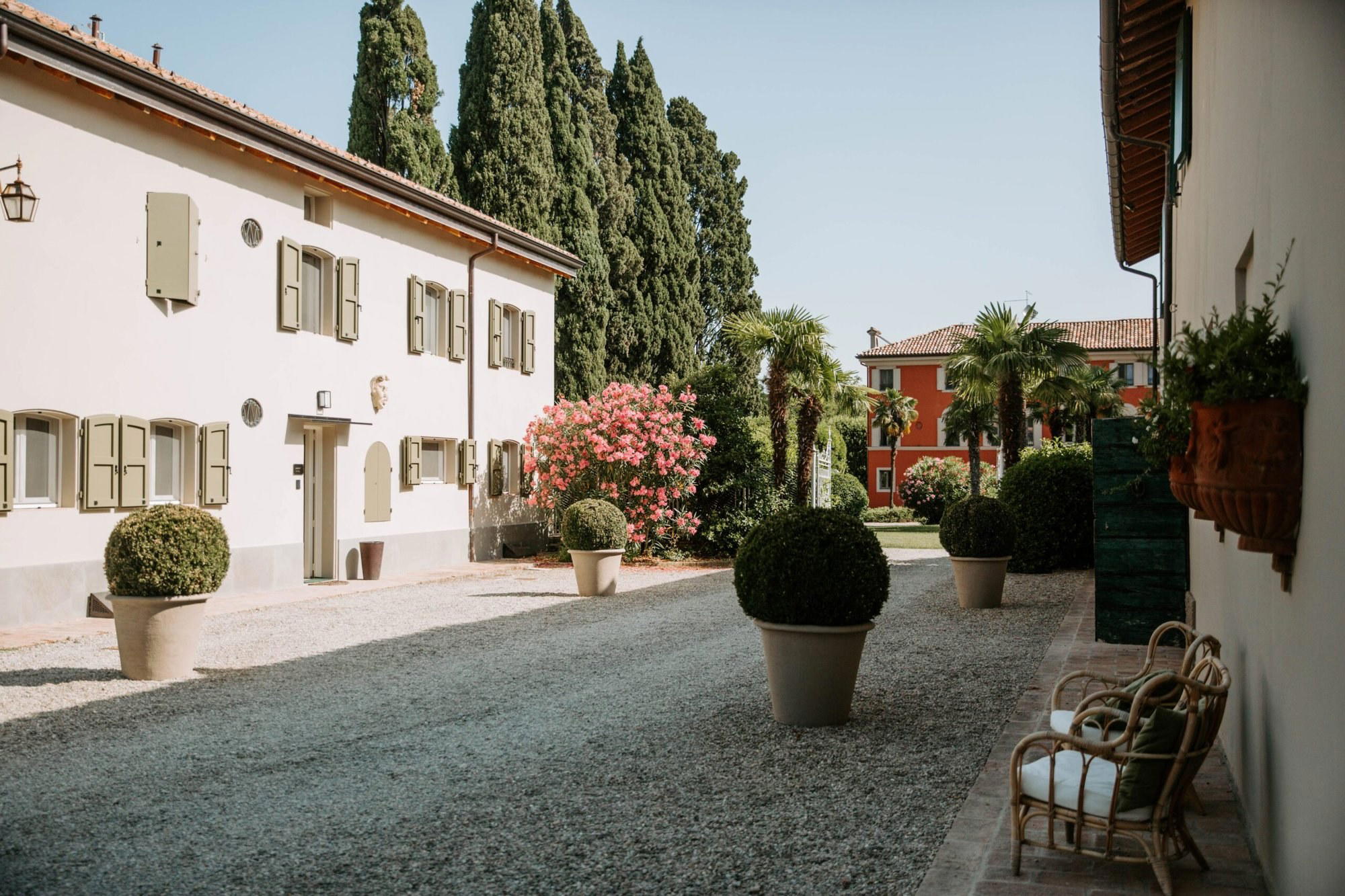
Warm and inviting with a family-oriented atmosphere; the rustic mill setting features elegant but unpretentious décor with cozy indoor dining and a well-maintained outdoor garden area for summer service.