

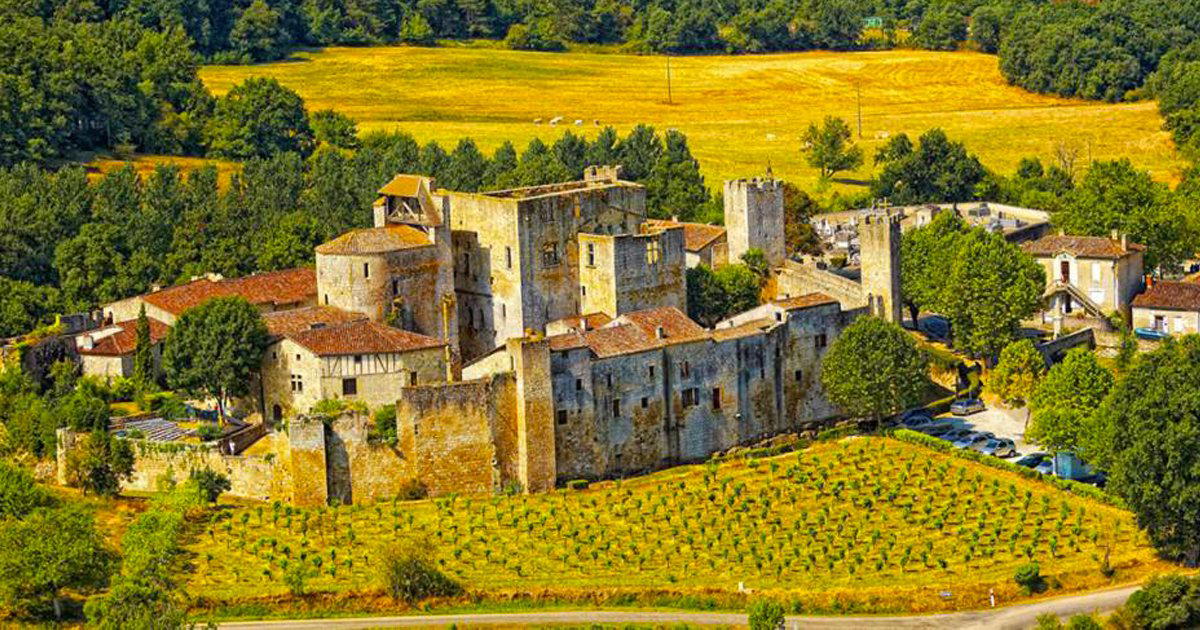
Osteria del Viandante occupies the first floor of a 13th-century military fort in Rubiera, where chef Jacopo Malpeli holds a Michelin star for cooking rooted in the Parma-Reggio culinary tradition. Five frescoed dining rooms, a wine list of 2,500 selections, and a menu that honours the region's foundational cooking make this among the more serious addresses in Emilia-Romagna.
Pearl is the En Primeur Club membership app — saves, bookings, and concierge access live there. Same editors, same standards.
- Address
- Piazza Ventiquattro Maggio, 15, 42048 Rubiera RE, Italy
- Phone
- +39 0522 260638
- Website
- osteriadelviandante.com
- Directions
- Get directions
 Saves & bookings on Pearl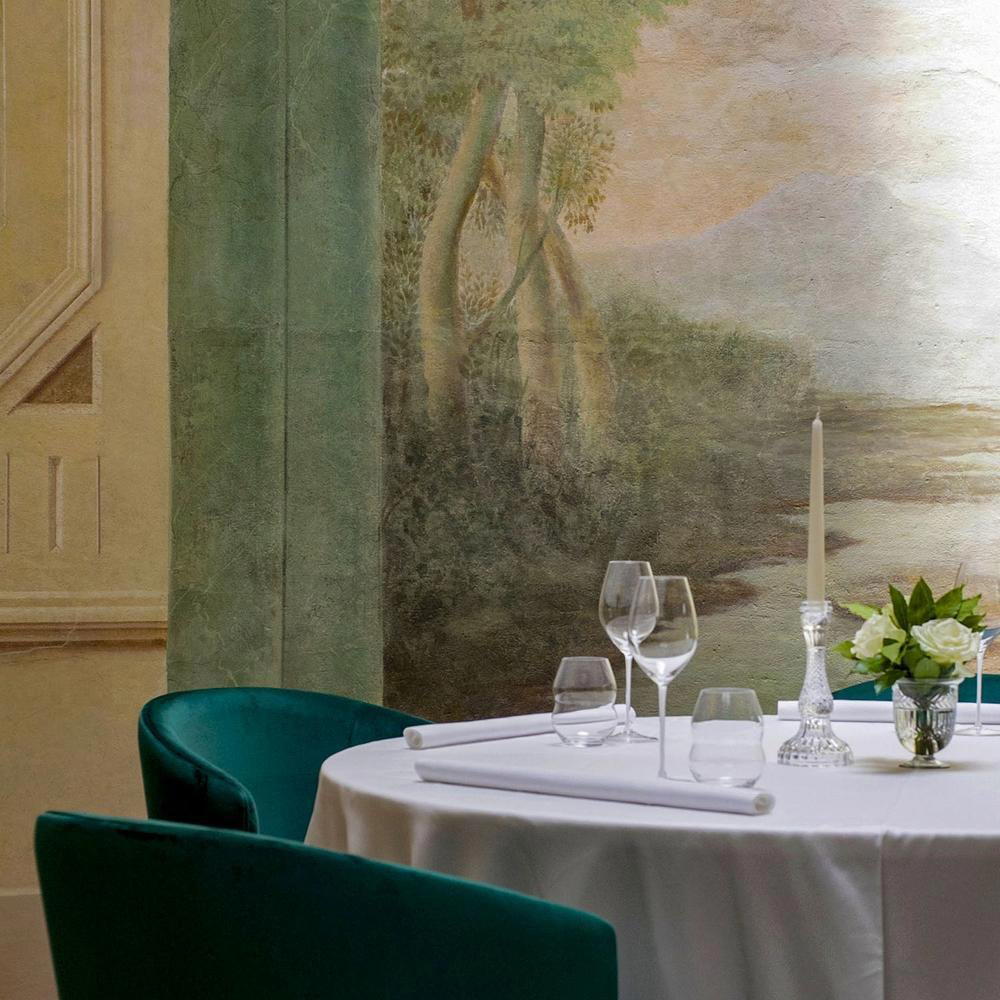
A Fort, Five Frescoed Rooms, and the Weight of Emilian Tradition
The towns between Parma and Reggio Emilia sit inside one of Italy's most self-assured culinary corridors. This is the territory of Parmigiano-Reggiano, culatello, tortelli d'erbette, and a centuries-old insistence that the leading cooking is already here, it simply needs to be handled with care. Rubiera, a small comune on the Via Emilia, holds that tradition quietly. Osteria del Viandante sits on the first floor of a 13th-century military fort at the centre of town, and the building alone sets the terms of the meal before anything has been poured or plated.
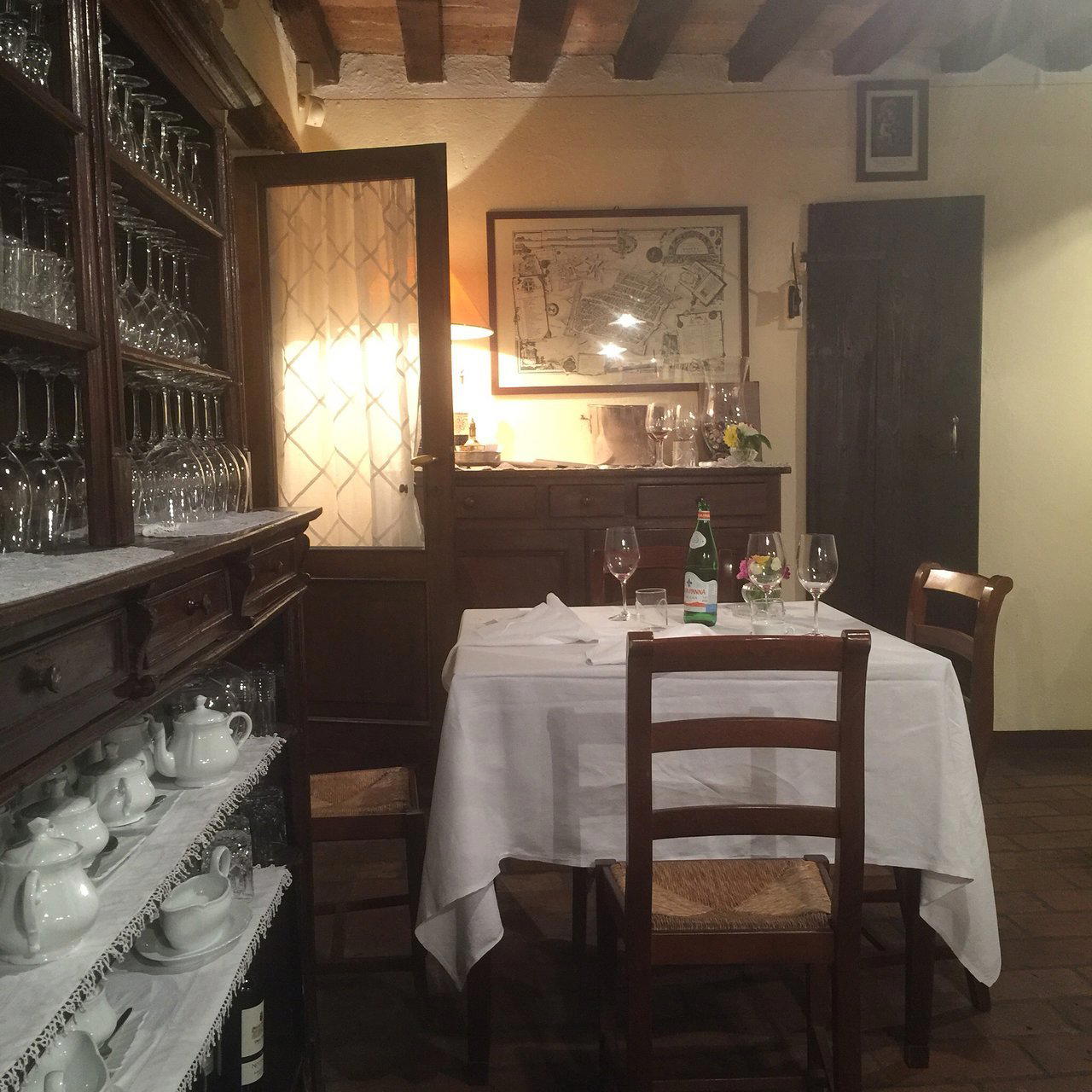
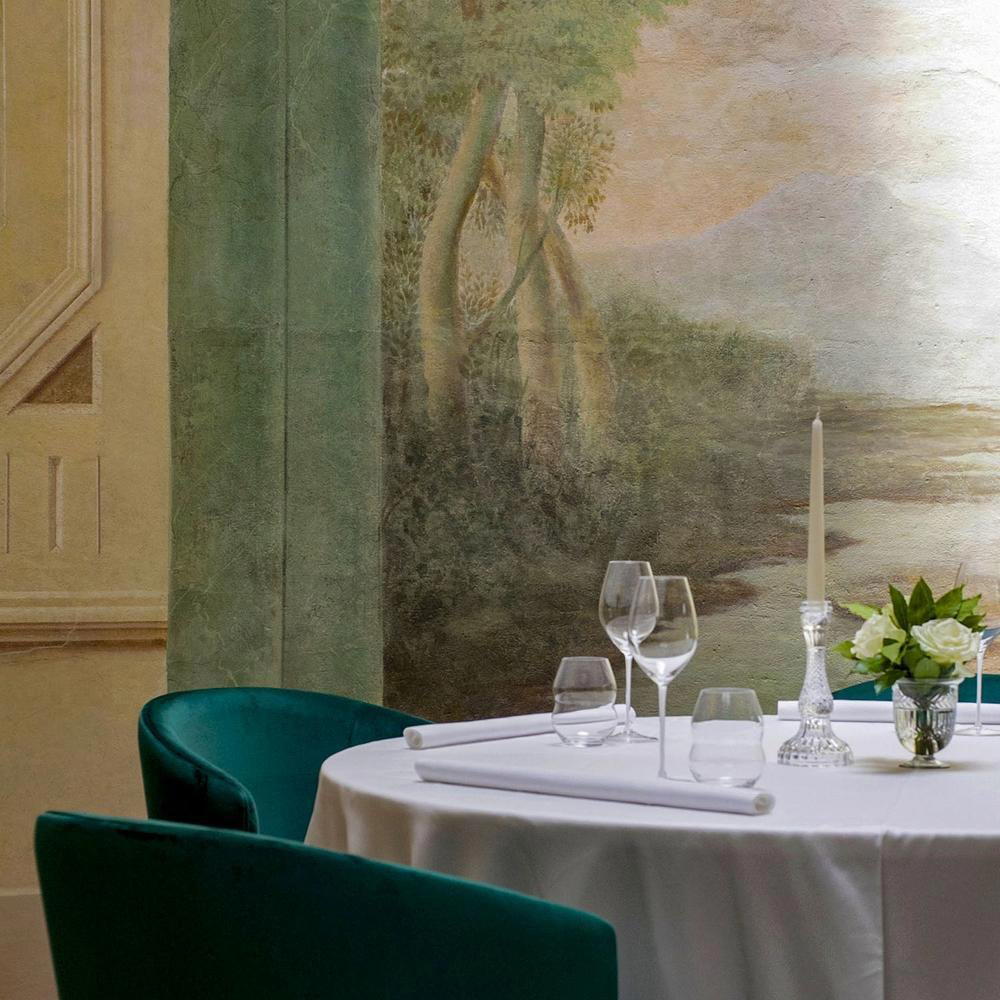
Five dining rooms occupy the fort's upper level, all but one finished with frescoes that predate any conversation about modern Italian cuisine. The exception is the former limonaia, the old lemon house, where the walls carry wallpaper depicting its original function rather than painted decoration. It is an unusual move in a building that could simply lean on its age, and it signals an attention to narrative detail that extends through the whole operation. The physical environment here is not merely historic; it is considered, each room composed to feel distinct while remaining coherent.
What Emilian Cooking Asks of a Chef
Emilian cuisine carries weight in both senses: it is a cuisine of substance, and it carries the accumulated expectations of generations of cooks and diners who have defined it meticulously. The central question for any serious kitchen in this corridor is not whether to respect the tradition but how deeply to understand it, and how honestly to reflect it. Chef Jacopo Malpeli, who grew up between Parma and Reggio, works within this framework rather than against it. His cooking does not treat local tradition as a branding exercise but as a primary material, drawing on the grandeur that has always characterised the great tables of this region.
The clearest expression of that relationship with tradition is the savarin di riso, a dish that pays direct tribute to Mirella and Peppino Cantarelli, whose restaurant in Samboseto held two Michelin stars and became one of the reference points of 20th-century Emilian cooking. The Cantarelli name still carries authority in this part of Italy, and a dish that acknowledges that lineage is making a substantive claim about where the kitchen positions itself: inside the tradition, conscious of its debts, and serious about the standard that implies. Dishes like this situate Osteria del Viandante within a peer group defined less by price bracket than by culinary intention, closer in spirit to Al Cavallino Bianco in Polesine Parmense or Al Vedel in Vedole than to the more internationally inflected modernism of Osteria Francescana in Modena.
Across Italy's one-star tier, the tension between regional rootedness and creative ambition plays out differently depending on geography and generation. In Emilia-Romagna, the regional cooking is specific enough and prestigious enough that chefs face a higher bar when departing from it, audiences here know what tortellino in brodo is supposed to taste like, and they know it from childhood. Malpeli's grounding between Parma and Reggio is not incidental biography; it is the credential that makes his reading of the tradition legible and credible to the people most likely to sit across from it.
The Wine Program as a Parallel Argument
A wine list of 2,500 selections with a 10,000-bottle inventory does not happen by accident in a one-star restaurant in a small Emilian town. It reflects a deliberate position: that the experience here is as much about what is poured as what is cooked, and that the two deserve to be taken at equal seriousness. Wine Director and General Manager Andrè Joao Cunha Fiaes oversees a list that runs across Italian labels and French wines, with champagnes holding a distinct place. The French presence on a list centred in Emilia is not a concession to international taste but a recognition that the Loire, Burgundy, and Champagne have long been reference points for Italian sommeliers building serious collections.
Pricing across the list is structured at the higher tier, with a significant number of bottles above the 100-euro mark, and corkage is set at 40 euros for those choosing to bring their own. Sommelier Mauro Rizzi sits alongside Cunha Fiaes in a staffing structure that reflects genuine investment in the floor program, not merely a wine list as decoration. In this respect the restaurant operates on a model closer to the major northern Italian dining rooms, Enoteca Pinchiorri in Florence or Le Calandre in Rubano, than to the typical one-star format where wine is competent but secondary.
Where Rubiera Sits in the Broader Emilian Scene
Rubiera is not a dining destination in the way that Modena has become, with its concentration of internationally tracked restaurants. It operates on a different register: a working Via Emilia town with a specific local dining culture and, at Osteria del Viandante, one address that would be notable in any regional capital. The contrast is instructive. While Modena attracts visitors partly because of media attention around its most discussed kitchen, Rubiera functions as a place where the cooking speaks to the region's own standards rather than to an international audience.
That context shapes how Osteria del Viandante's Michelin star reads. In a denser market, Milan, Florence, Rome, a single star occupies a defined tier in a competitive hierarchy. In Rubiera, it functions more as a validation of an approach that the local audience was already taking seriously. The restaurant sits beside Arnaldo - Clinica Gastronomica as one of Rubiera's two anchoring addresses, the two representing different generations and approaches to the same underlying tradition. The 2024 Michelin recognition is one recent data point, but the restaurant's standing in the region precedes and extends beyond it.
For comparison, the tier above, the multi-star rooms of northern Italy such as Dal Pescatore in Runate or Reale in Castel di Sangro, or coast-facing addresses like Uliassi in Senigallia, occupies a different price bracket (€€€€) and a different kind of international visibility. The restaurant at €€€ pricing sits below that tier in cost while maintaining a comparable seriousness about ingredient sourcing, wine program depth, and kitchen precision. That positioning makes it one of the more persuasive arguments for the kind of regional Italian fine dining that does not require a destination itinerary to justify.
Planning a Visit
Rubiera is well positioned between Reggio Emilia and Modena, making it accessible as part of a longer circuit through the region rather than a standalone trip. The five-room format means the restaurant has genuine capacity, though advance booking is advisable given the dining room's standing in the region and the relatively limited supply of this kind of address in Rubiera specifically. Owner Marco Bizzarri's involvement alongside the wine and kitchen team suggests a managed operation rather than a solo-chef project, which tends to translate to consistency across services and seasons.
Cost and Credentials
Comparable venues nearby, for context on price, style, and recognition.
| Venue | Cuisine | Price | Awards | Notes |
|---|---|---|---|---|
| Osteria del ViandanteThis venue — the venue you are viewing | Rubiera centre, Modern Emilian Italian | $$$ | Michelin 1 Star | Not listed |
| Arnaldo - Clinica Gastronomica | Rubiera, Traditional Emilian | $$$$ | Michelin 1 Star | Not listed |
| I Portici | Not listed | $$$ | Michelin 1 Star | Centro Storico, Modern Italian Fine Dining |
| Oseleta | Not listed | $$$$ | Michelin 1 Star | Cavaion Veronese, Modern Italian Fine Dining |
| Ancòra | Not listed | $$$ | Michelin 1 Star | Cesenatico, Modern Italian Contemporary Seafood |
| Casa Mazzucchelli | Not listed | $$$$ | Michelin 1 Star | Sasso Marconi, Modern Italian Fine Dining |
Recognition history
Dated appearances from independent guides and award organizations, with the underlying list record or original source where available.
Michelin 1 Star
Michelin
Wine Spectator Best of Award of Excellence
Wine Spectator
Michelin 1 Star
Michelin
Wine Spectator Best of Award of Excellence
Wine Spectator
Michelin 1 Star
Michelin
Continue exploring
More in Rubiera
Restaurants in Rubiera
Browse all →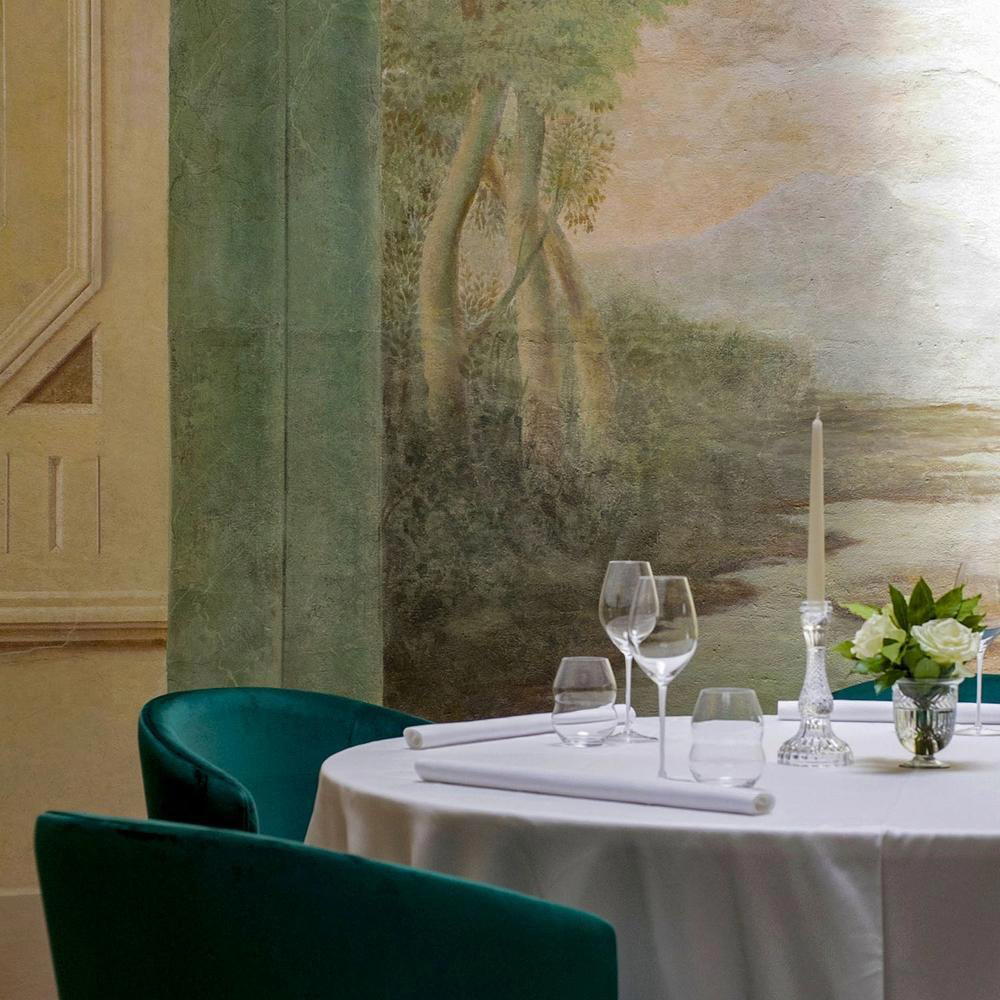
Bars in Rubiera
Browse all →
Hotels in Rubiera
Browse all →

At a Glance
- Romantic
- Elegant
- Rustic
- Cozy
- Intimate
- Sophisticated
- Date Night
- Special Occasion
- Business Dinner
- Historic Building
- Terrace
- Wine Cellar
- Extensive Wine List
- Sommelier Led
- Local Sourcing
- Garden
Current opening hours
- Monday
- Closed
- Tuesday
- 12:30–2 PM, 8–10 PM
- Wednesday
- 12:30–2 PM, 8–10 PM
- Thursday
- 12:30–2 PM, 8–10 PM
- Friday
- 12:30–2 PM, 8–10 PM
- Saturday
- 12:30–2 PM, 8–10 PM
- Sunday
- 12:30–2 PM
Hours can change for holidays and private events. Last verified .
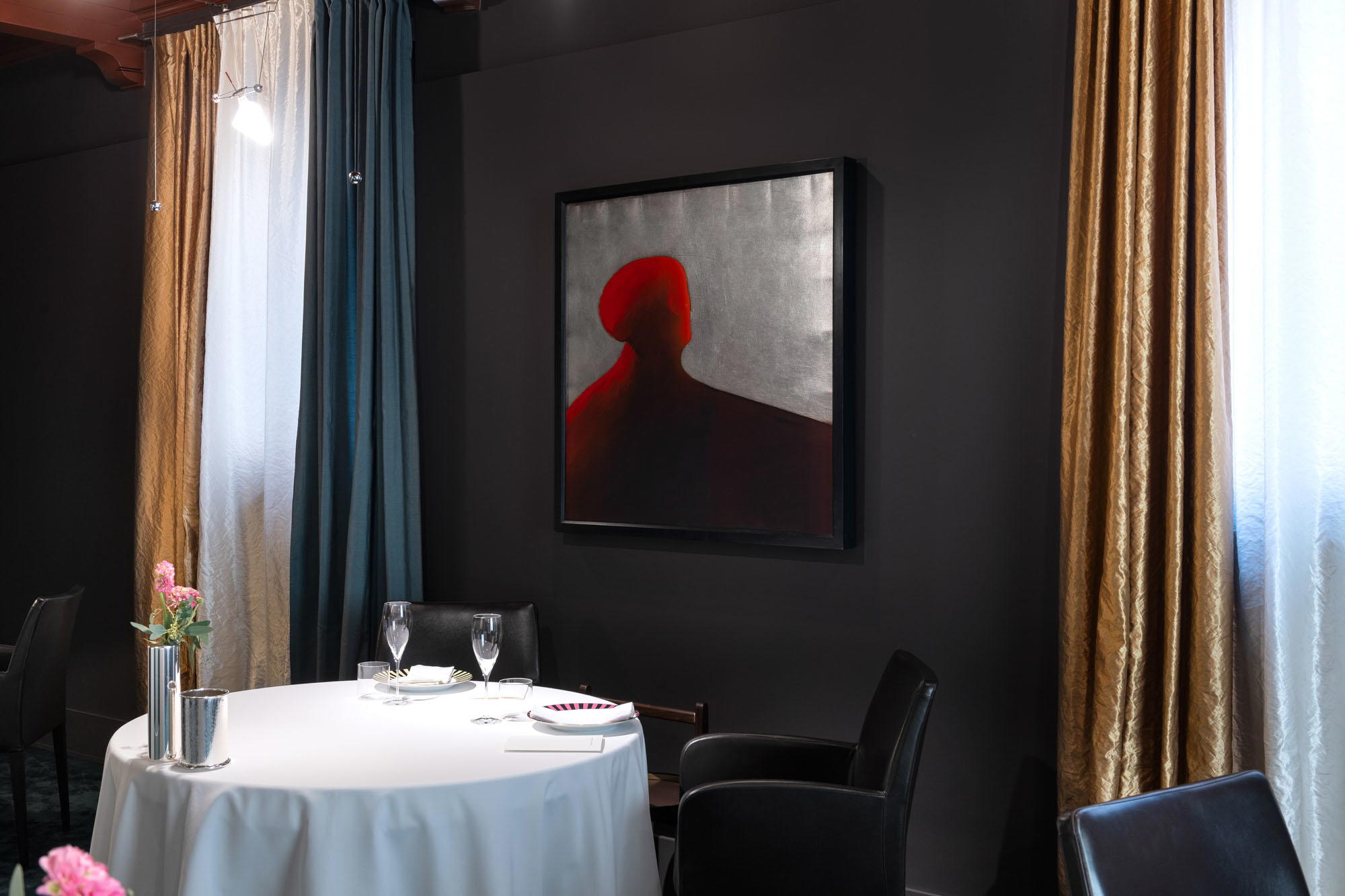
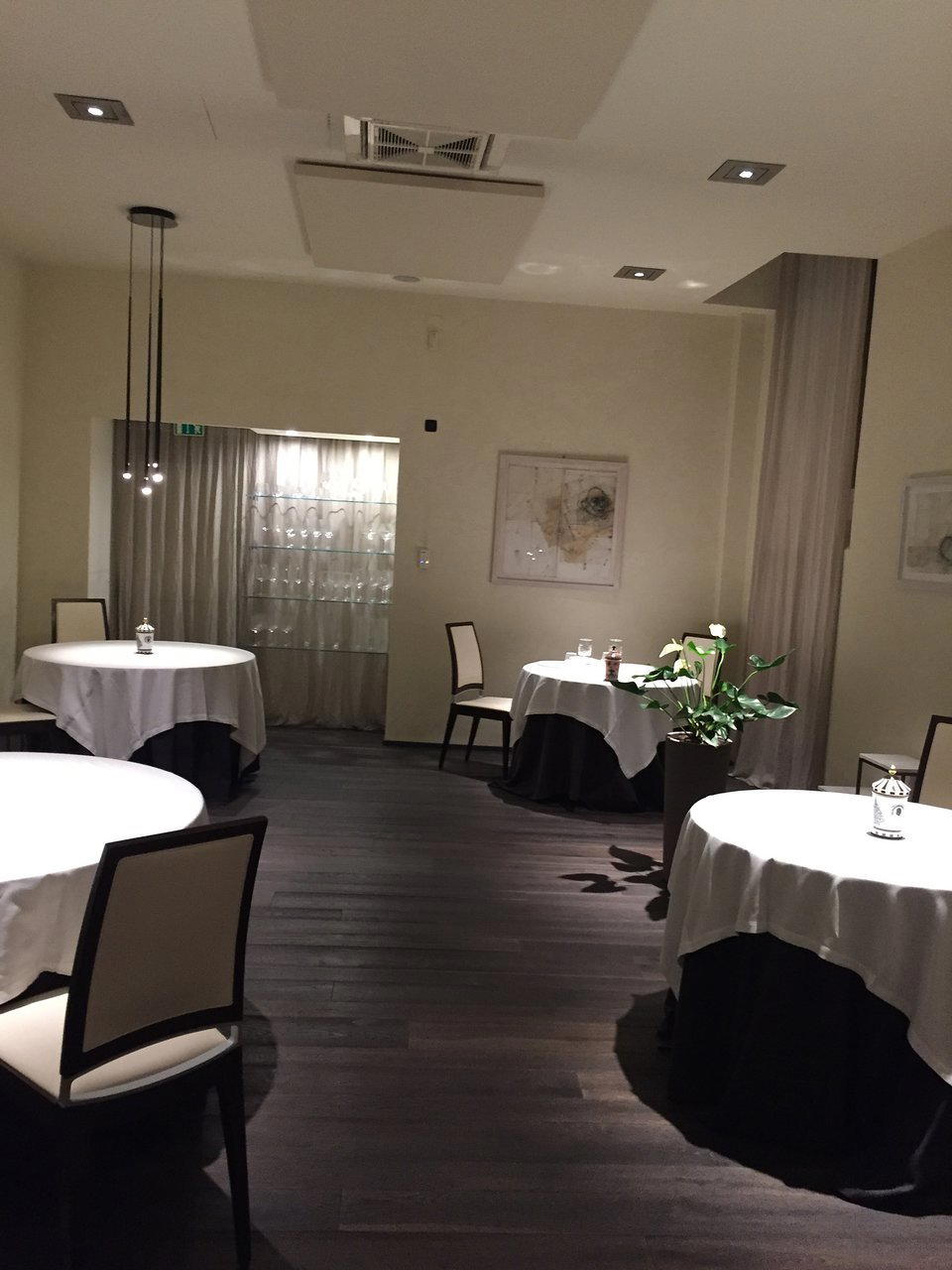
Elegant and romantic atmosphere with frescoed walls, sophisticated lighting, and a historic yet stylish setting praised for its warmth and detail.